
One of the Joys of Maturity
One of the Joys of Maturity |
|
| Affiliated Advertisers |
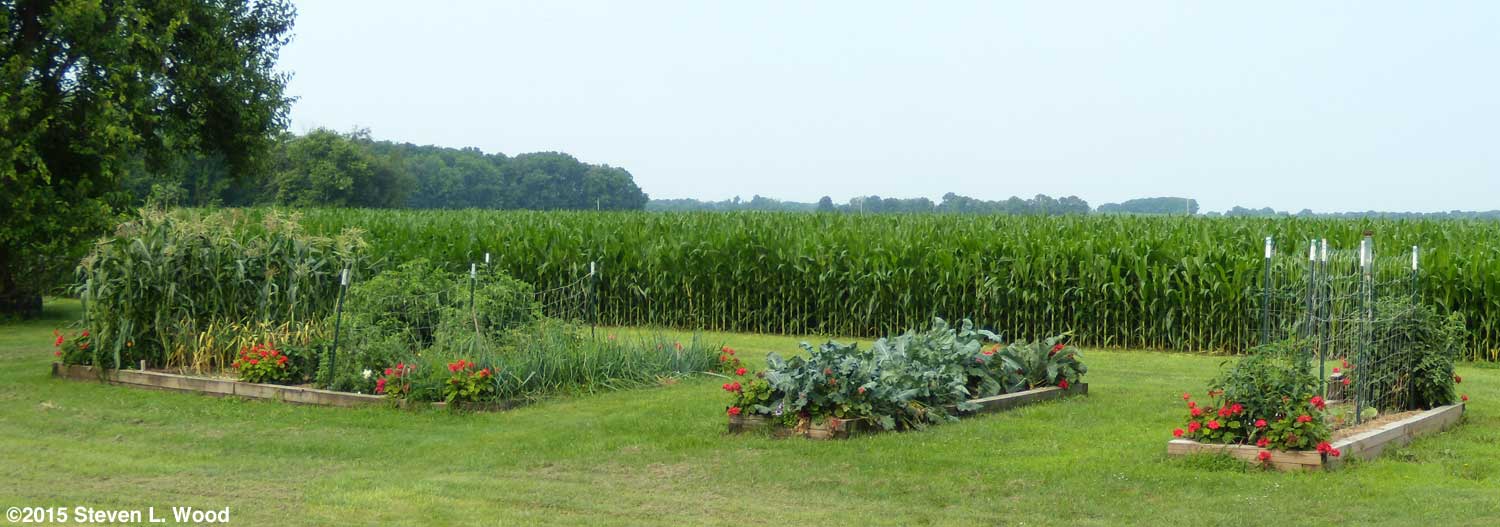
Clicking through one of our banner ads or some of our text links and making a purchase will produce a small commission for us from the sale. A Year in Our Garden - 2015 The year just past turned out to be a unique gardening season for us. I was slated to have total hip replacement surgery in mid-January. That should have left plenty of time to recover and have a full garden in 2015. Just hours before the scheduled surgery, a late test showed some heart irregularities that resulted in postponement of the hip replacement and several heart catheterizations for diagnosis and then placement of four stents to correct narrowed arteries. The hip replacement eventually was done on May 15. By that time, I'd already planted our large East Garden plot to an alfalfa cover crop, as any large scale gardening wouldn't be possible during my recovery. We were able, however, to plant our raised garden beds in the back yard before the surgery, heavily mulching them to hold back weeds and hold in soil moisture. With lots of help from my lovely wife, Anne, we still had a very productive garden this year, just much smaller than usual.
We grow all of our transplants ourselves. Doing so allows us to grow flower and vegetable varieties not available as transplants from garden centers (or too expensive to afford in volume) and lets us time our transplants perfectly for use in our garden plots.
Heavy snow moved into our area on February 12 and didn't melt off until mid-March. The February snows were all light, fluffy snow, not adding much to our precipitation totals. In March, the snows turned wet, and our groundwater began to get replenished.
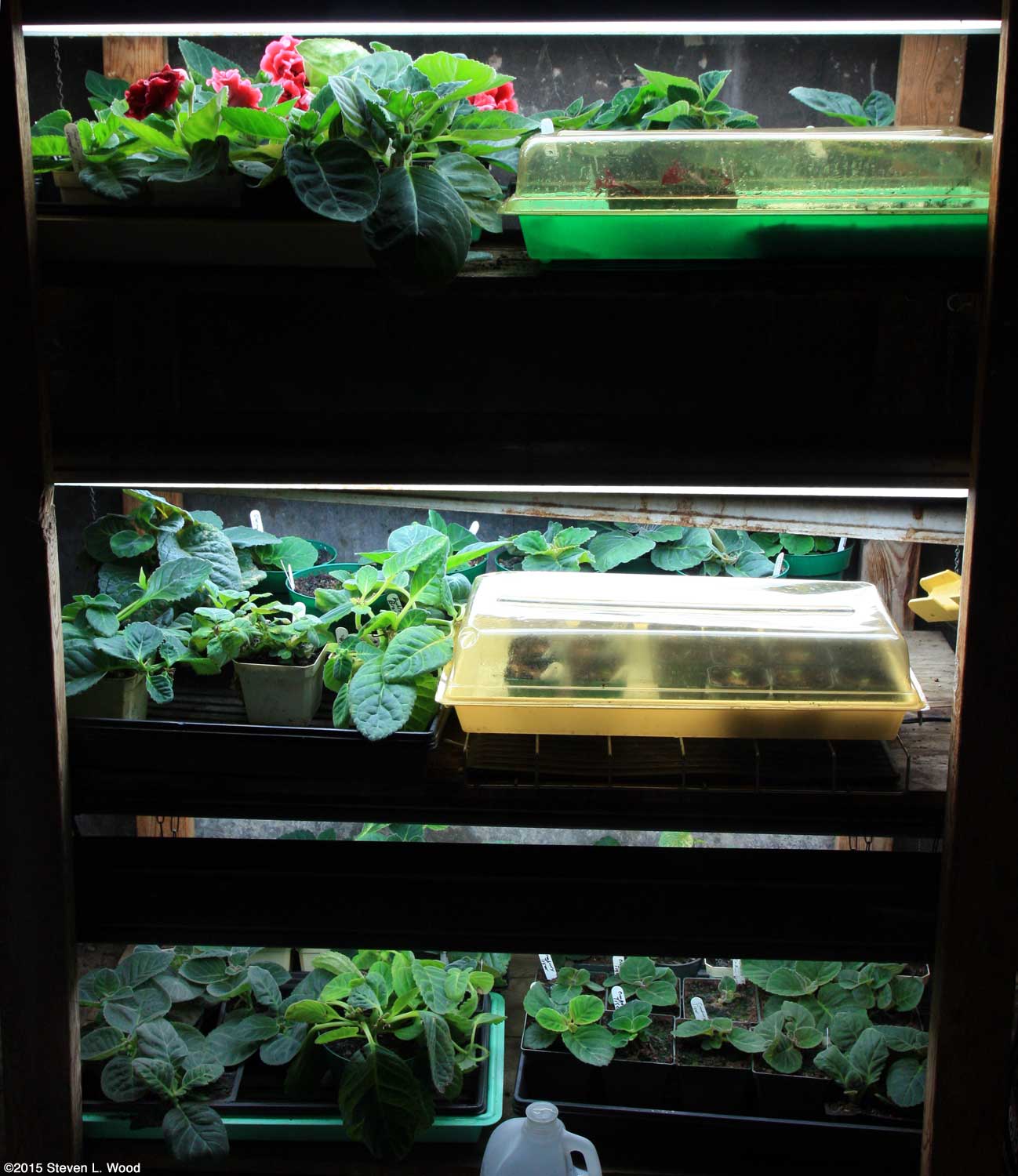
While February is a month requiring patience for gardeners wanting to get things started, we had plenty of plants to care for. Our petunias started in egg cartons thrived in our west kitchen window. Egg cartons aren't the best possible container for starting seed, but I do so in remembrance of my mother who always had seed starts going in our kitchen windows in late winter. Our flat of onions growing under plant lights in our basement began to really look like onion plants, rather than grass. Our flats of brassica transplants and geraniums also began putting on good growth. Sharing the plant rack with the garden transplants were our gloxinias, many of which burst into bloom to lighten our somewhat dreary winter days.
We often start some slow growing herb plants in February. With our reduced garden space for this year, we chose to omit any herbs, as there simply wouldn't be space for them in the garden. One of these days, I'm going to build a separate raised bed just for our herbs. |
|
While waiting for the big thaw, I started more petunias in egg cartons and began moving the petunias started in January to hanging basket pots. Having been patient as long as possible, I started our tomato, bell pepper, and lettuce transplants on March 15. Doing so gave us transplants an ideal six to eight weeks old by the first week of May. We quickly began to run out of room under our three shelves of plant lights in the basement (six 48" double bulb fixtures) and began using the shelves in our sunroom and the dining room table for plants. As soon as I could, I set up our cold frame, only to have the weather snap far colder than the frame could protect. So as usual, we had about a week with hanging basket plants around the walls of the kitchen and every table and shelf available covered with seed flats full of transplants. Even during the cold weather, some jobs still could be done. I completed getting a two to three inch layer of compost spread over our asparagus bed.
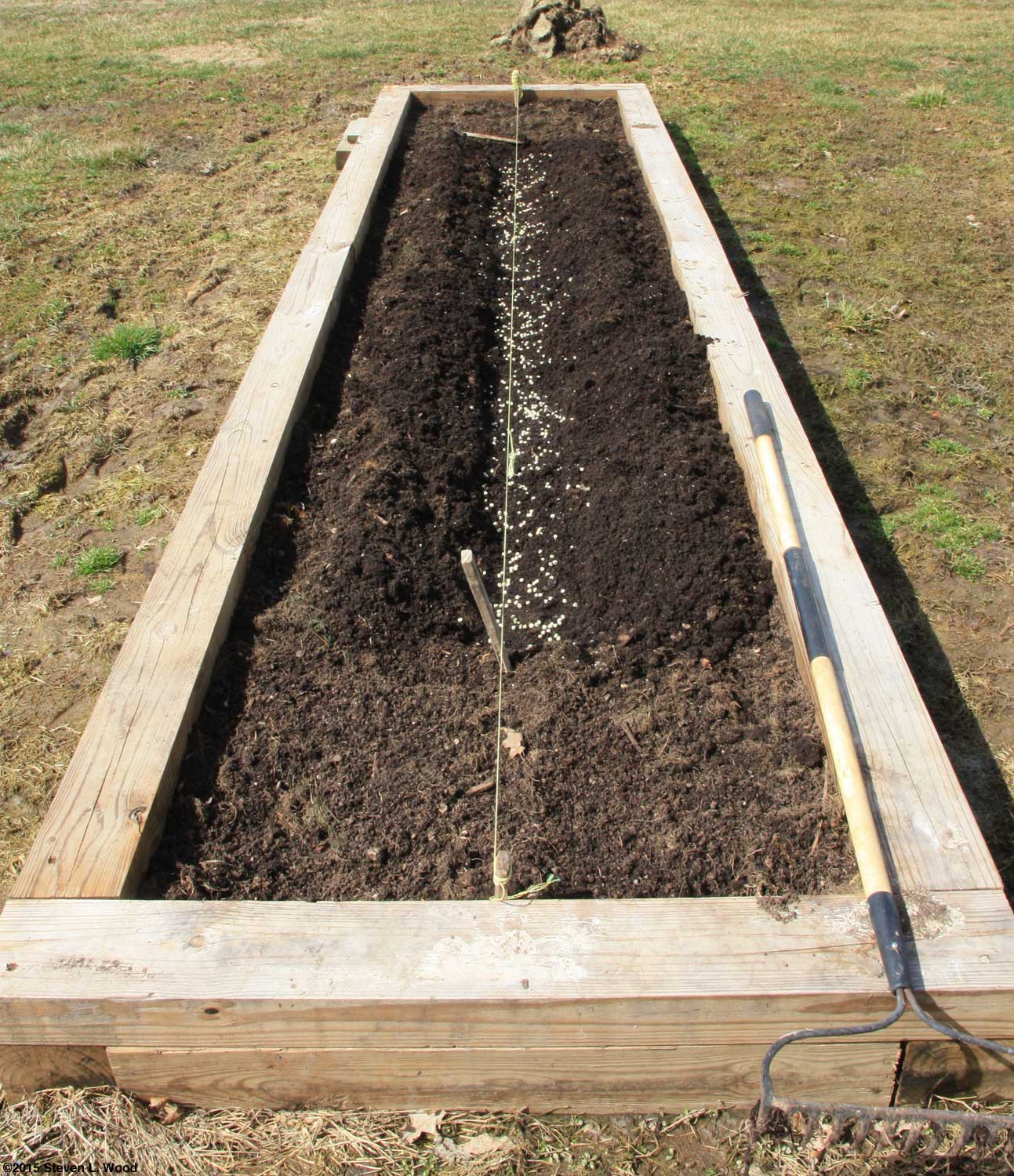
Our trays of brassicas and onions were the first plants to go under the cold frame. Both are pretty cold tolerant, and both needed to quickly harden off in the sun and wind to be ready for transplanting in early April. April is often one of our two busiest months of the gardening season. Once the weather warms a bit, it's a race to get things transplanted and a myriad of other garden chores done. With daily high temperatures often in the 60s, our garlic began to look really healthy. We saw the first shoots of asparagus push up, and our early peas filled their wide row, requiring the erection of a double trellis for them to vine on.
While we'd been doing a lot of gardening around the weather for weeks, April 9 really felt like the beginning of our gardening season. On that day, I transplanted ten broccoli and ten cauliflower transplants.
Used wax paper coffee cups served as cutworm collars for the planting that was immediately mulched with grass clippings. We would have several light frosts in April, but the brassicas were tough enough to handle such stuff. Well, we did lose one broccoli to a combination of frost and a dog laying on it. It quickly was replaced with an extra transplant.
With a favorable weather forecast, I got a little crazy and also transplanted tomato plants at either end of the trellis I erected. Binding the tomato cages to the T-posts of the trellis keeps them from blowing over when the tomato plants get top heavy with fruit late in the season. The Mountain Fresh and Mountain Merit tomato plants would have to be covered with hot kaps several times later in the month to protect them from late frosts. Getting the plants in the cool ground so early really didn't get us tomatoes much earlier in the season. There are some water jacket
In an experiment that ultimately worked and didn't work, I started sweet corn transplants the same day as we did the carrots and onions. The sweet corn transplants germinated and transplanted well. Unfortunately, growing sweet corn close to the corn field next to our raised bed provided all the cover deer needed to sneak in and eat every ear of corn on the plants just as they were beginning to silk! I also started some pea seed on wet paper towels that day. I've read of people pre-germinating their peas this way, but it didn't work out for us. Some pea seeds immediately germinated, while others didn't. While I waited for the rest of the peas to sprout, mold took over the whole mess.
We grew some of the prettiest lettuce transplants this year that we've ever grown. They went into the ground on April 20. I later paid for my eagerness and early planting, having to cover the lettuce with a floating row cover several nights later in the month to protect the plants from late frosts. Our "late peas" were seeded on April 22. I used what I could of the failed pre-germinated seed, but mostly just used saved, dry Eclipse and Encore seed. Both varieties require warmer soil to germinate than the peas we seeded in March. But by using treated seed, we were able to seed the peas fairly early without the seed rotting in the ground before the soil warmed enough for them to germinate. We had a couple of frosty nights towards the end of April which required covering tender crops with floating row covers and individual plants with Hot Kaps Our ill fated sweet corn transplants went into the ground towards the end of the month completing the spring plantings in our main raised garden bed.
|
||||||||||||||||||||
From Steve Wood, the at Senior Gardening |
| Affiliated Advertisers |
©2015 Senior-gardening.com





 products on the market that can warm the soil and protect young tomato plants put out early. I've not tried any of them, but have heard other gardeners rave about them.


 . Both materials can be saved and reused if one is careful in handling them.