One of the Joys of Maturity
One of the Joys of Maturity |
|
| Affiliated Advertisers |
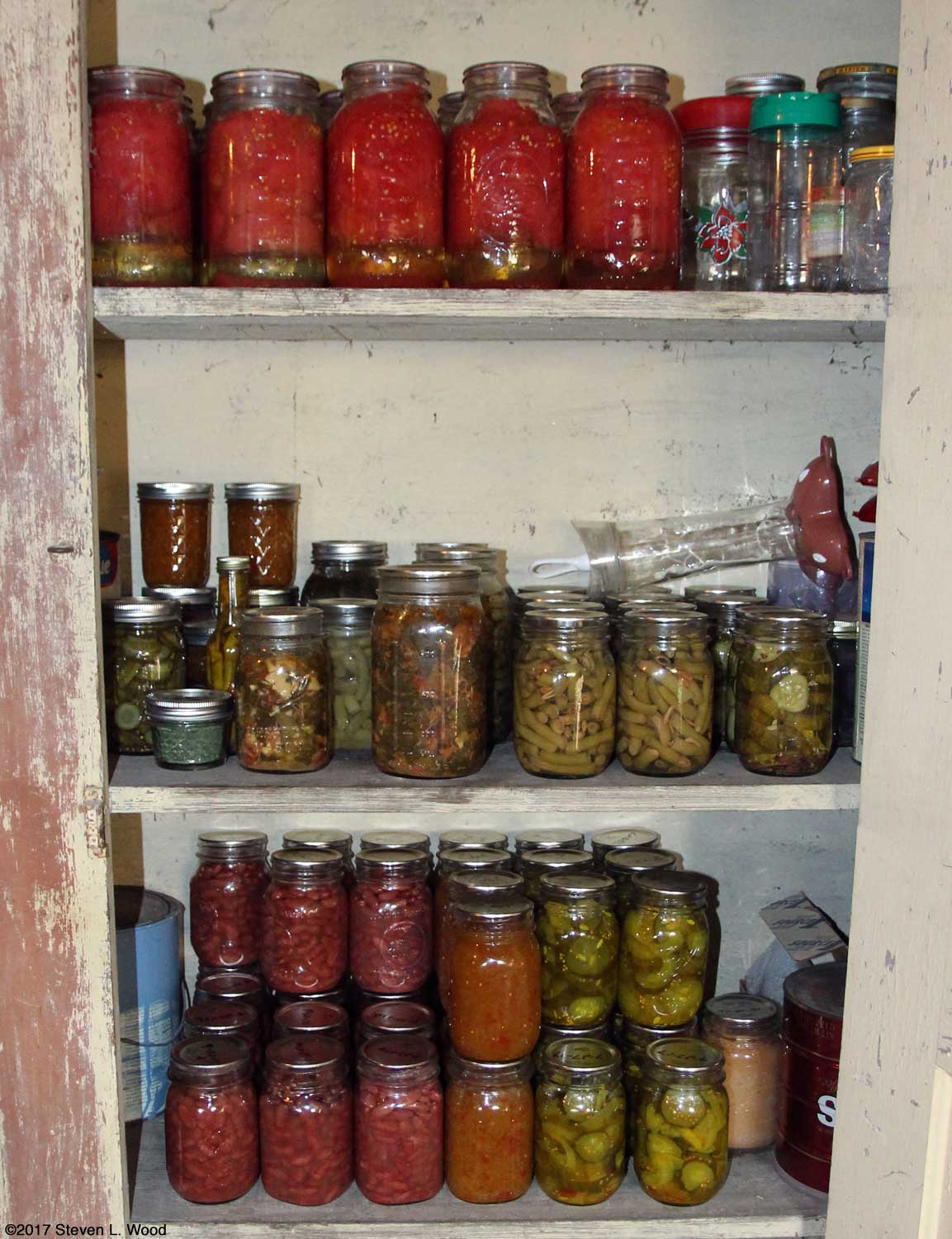
Clicking through one of our banner ads or some of our text links and making a purchase will produce a small commission for us from the sale. A Year in Our Garden - 2017 Our 2017 gardening season was typified by either too much or too little rainfall at various times. But even with some adverse growing conditions, we were blessed with bountiful harvests. We canned, froze, and stored a lot of food for this winter besides enjoying fresh vegetables all summer as they came into season. I decided for this year's review to focus on harvests, good and bad, with anecdotes about the various crops we grew well and otherwise.
It seemed like we both started and ended our gardening season with great harvests of broccoli and cauliflower. Actually, our asparagus came in first. Our spring brassicas produced a rather concentrated early harvest, leading us to freeze a lot of broccoli and cauliflower. That freed up our fall harvest, which was much more spaced out, to be used for lots of delicious steamed broccoli and cauliflower with cheese. Our most productive varieties were once again Premium Crop and Goliath broccoli and Amazing and Fremont cauliflower, both spring and fall. As I cleared and composted the broccoli plants on December 20, I still found good sideshoots growing on some of the plants!
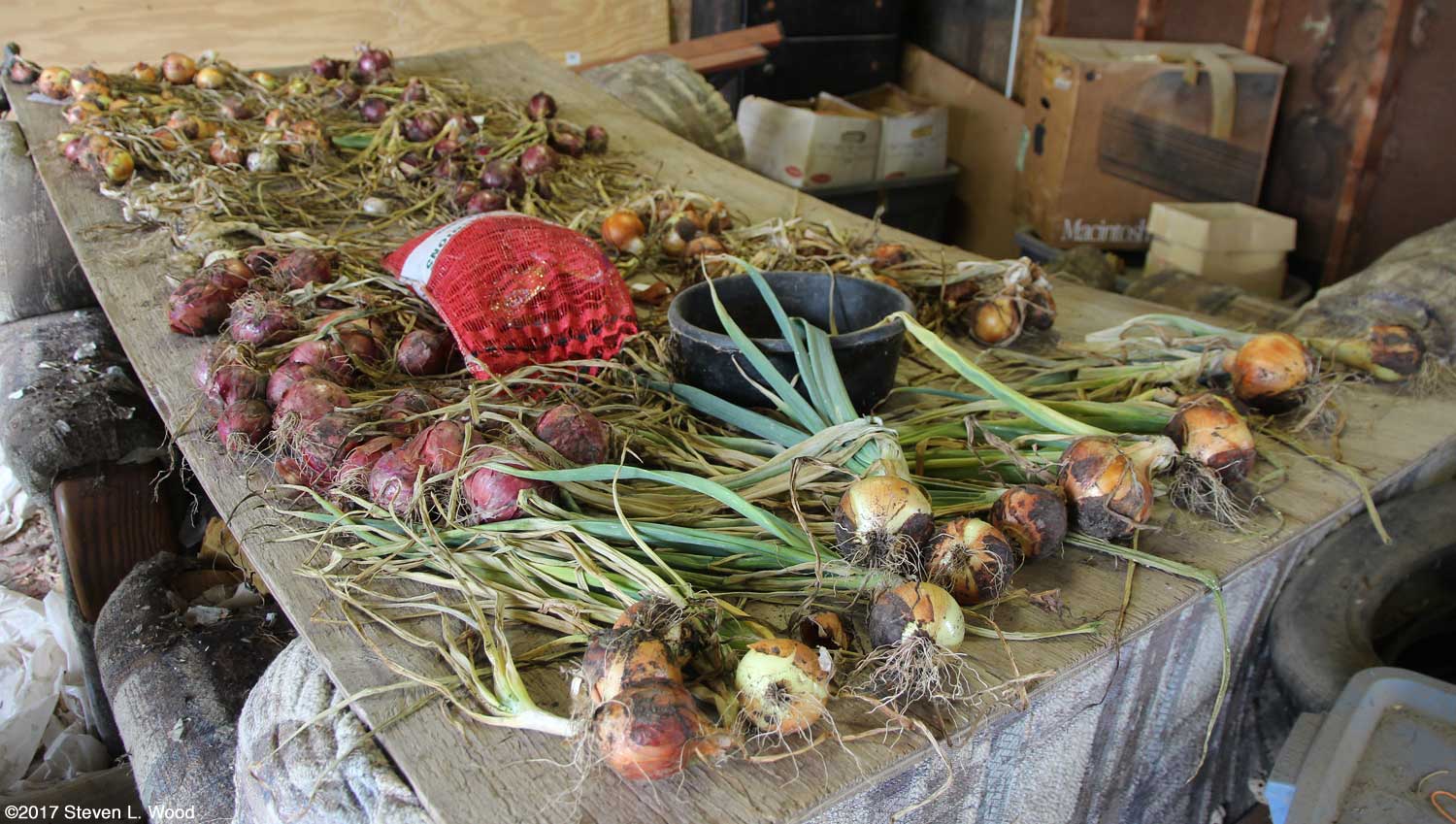
Our fall planted garlic produced a bumper crop. While getting started growing garlic is a bit expensive due to the cost of good garlic bulbs, once you get started, your "seed garlic" is free from the previous year's crop. Fall planted garlic remains one of our easiest and most productive things we grow in our garden. After sorting out culls, we stored twelve and a half pounds of good garlic produced in just four, tightly spaced, fifteen foot rows.
Getting back to early and late crops, our spring carrots did fairly well, but suffered a bit from my lack of thinning and weeding. I got our fall carrots seeded a little late, and then they got held back by dry weather. But a late fall allowed us to dig our carrots late (November 16) and store a good amount (14#) of incredibly sweet Bolero, Mokum A few of our carrots showed damage from carrot weevils, so I was careful to clear all carrot trash (and mulch) from our main raised bed as I did our End-of-Season Gardening Chores. Such bugs can overwinter on leaves, stalks, and even mulch. Our spring carrots usually don't show such damage, possibly because we grow them between rows of onions.
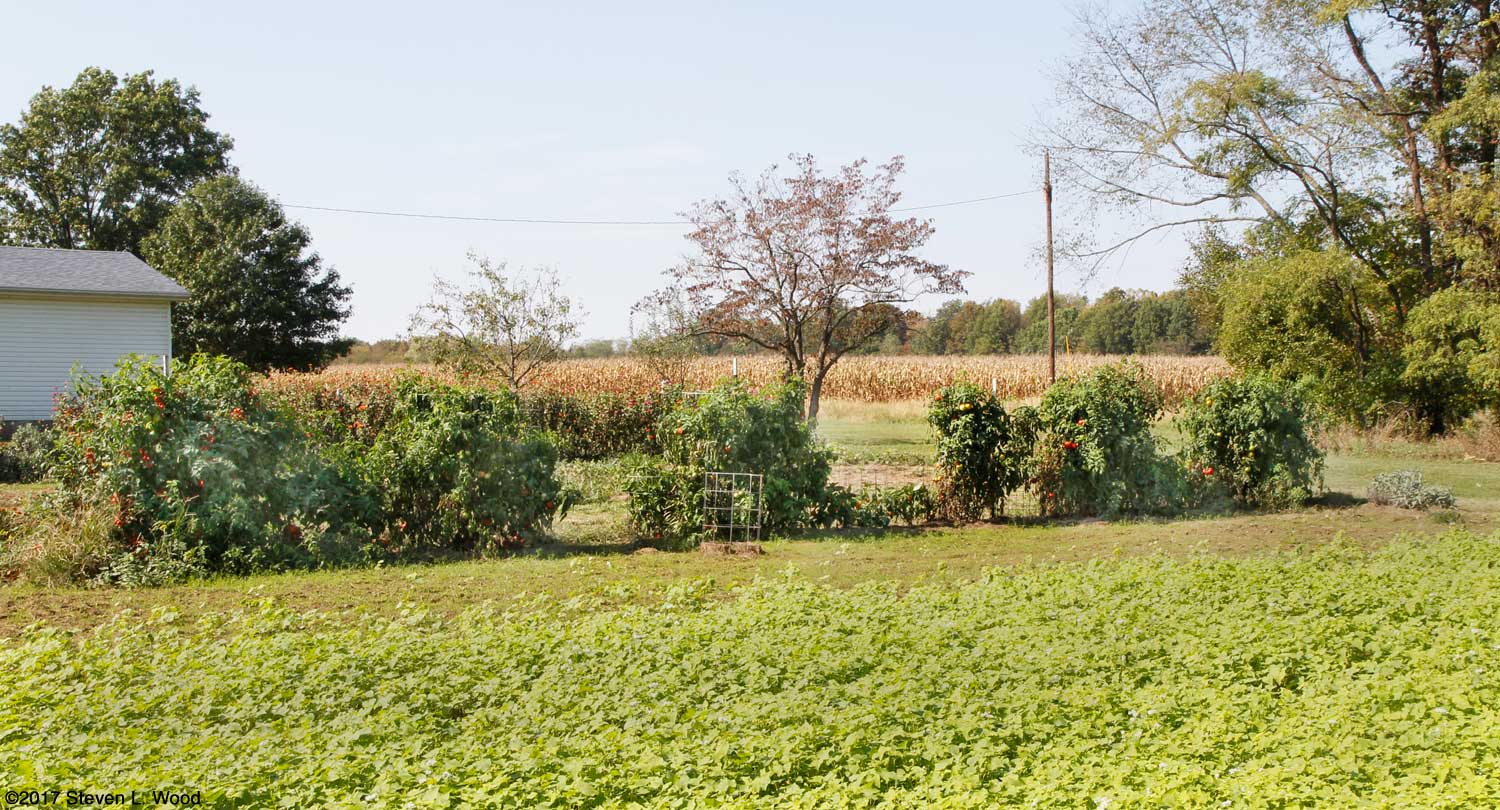
A houseguest with whom we've shared produce with frequently recently commented, "You don't share peas, do you?" My wife, Annie, and I responded in unison, "No!" While we share lots of our garden bounty with family, neighbors, friends, and our local food bank, homegrown peas are a treasure too hard to come by. In Another Garden Delicacy: Homegrown Peas, I describe how we grow our peas. It's a lot of work for not a lot of peas, but we think the flavor of our peas is unmatched by anything available in groceries or local markets. The stars of this summer's garden were our tomato plants. Since I built a bunch of new tomato cages in the spring, I tried to plant enough tomatoes to use them all. I didn't quite get that done, but we did have six caged Earlirouge tomato plants in our main garden and twelve tomato plants of various varieties in our East Garden.
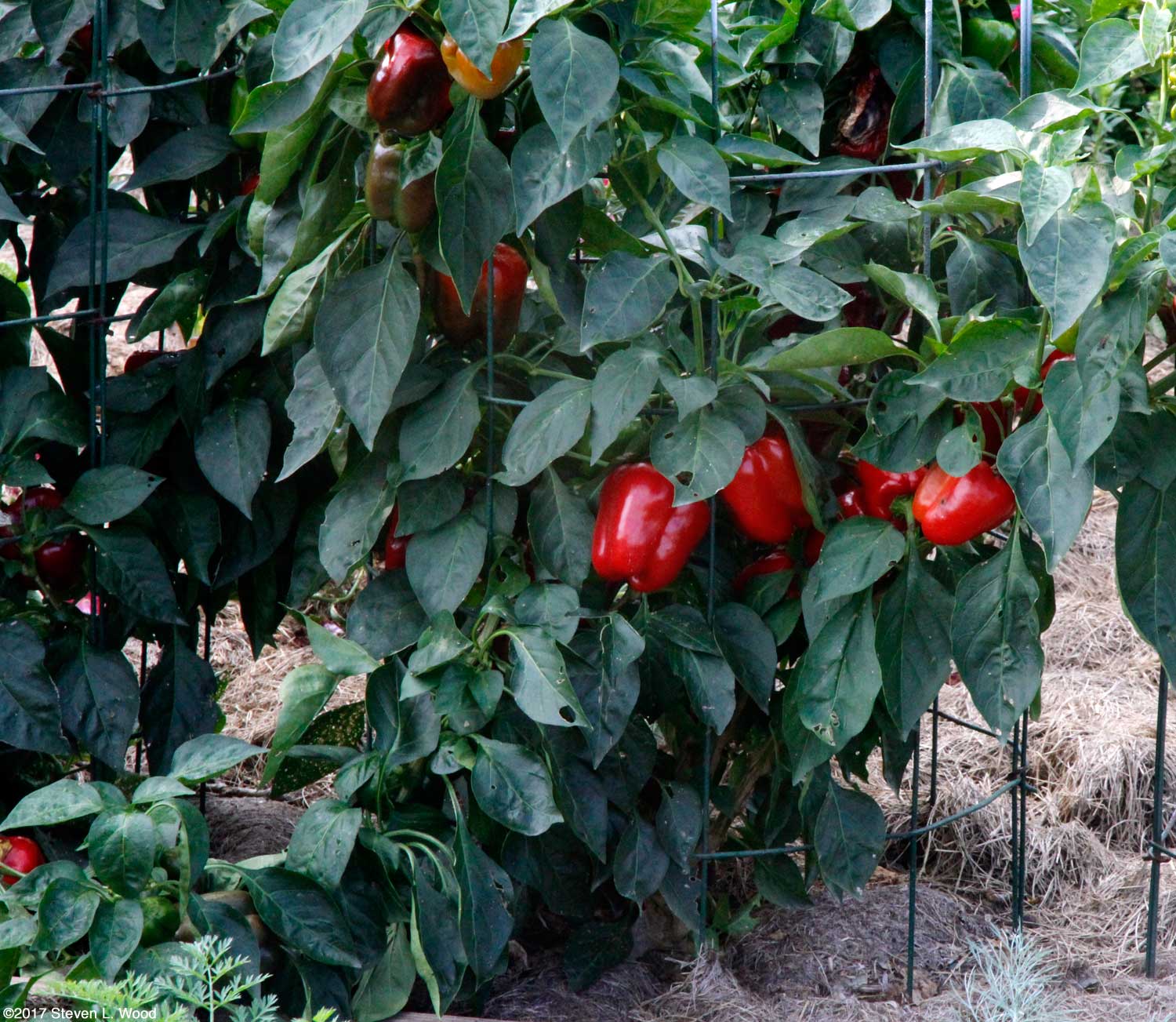
Spaced amongst the tomato cages in our East Garden were a variety of caged bell pepper plants. A few of our old tomato cages with rusty parts cut off served to hold the pepper plants up off the ground. While the soil in our East Garden is good enough to grow great tomatoes, it's just doesn't produce very good peppers.
Our spring planting of spinach flourished. We saved lots of seed from the relatively new OSSI introduction, Abundant Bloomsdale spinach. We love the stuff. But our fall seeding never got enough moisture to germinate well. As I shift from spring and fall crops to main season and fall-only crops, I'll share a table I've kept all season. Doing so sorta refreshes my memory and keeps me honest about what worked and what didn't.
We grow our onions in double rows outside our double rows of spring carrots. It's said that onions help deter insect pests in carrots. That seems to work for us, as our spring carrots are pretty bug free, while our fall carrots this year showed some slight weevil damage.
Having mentioned weevils, we also had them in our potatoes and sweet potatoes. We got a good harvest of both red potatoes and sweet potatoes, but our brown potatoes pretty much drowned out in some heavy spring rains. After re-purposing the Kennebec potato row for sweet potatoes, three Kennebec plants emerged and eventually produced a few baking potatoes for us. Our Red Pontiac potatoes and Beauregard sweet potatoes had shallow weevil damage that has to be cut out when cooking them, but both produced nice crops. Crop rotation is the best preventative for weevils, but I'm wondering if I'll have to resort to using some kind of pesticide to protect our carrots and potatoes next year.
Our green beans were a mixed bag this year. We canned them, but I was late picking some of them due to some physical problems. We canned enough to last us over the winter, but this crop, grown in the good soil of our main garden, really wasn't a smashing success. I also must admit that the stoop labor involved in picking beans is getting beyond me in my advancing years. Other than keeping the cabbage looper and small white cabbage worms out of kale, it's an easy crop to grow. We plant ours in July. Such plantings take a lot of watering to get started during our annual dry period of July and August, but they produced an abundance of nice kale leaves. We enjoyed kale boiled with garlic and bacon repeatedly through the fall. Leftover kale got frozen, something we've not done in the past. We're careful to only use canning salt in seasoning our kale that may be frozen, as iodized salt can discolor the kale and possibly add an off flavor to it.
Even with weather and critter problems, our best garden photo of the year turned out to be a Farmers Wonderful seedless watermelon that tasted as good as it looked.
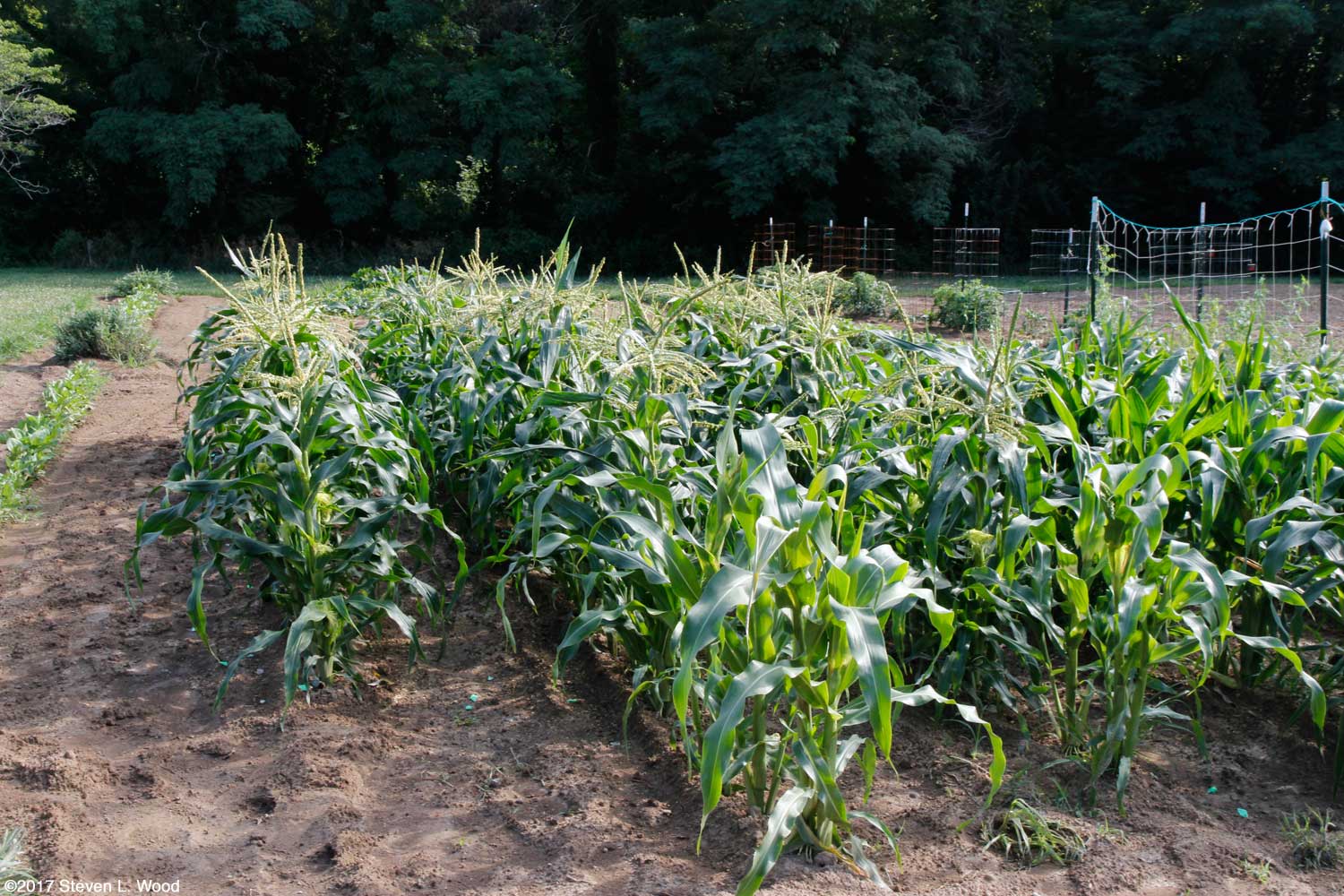
Both our sweet corn and melons were also attacked by critters. We may have found an answer for at least the deer predation. Not Tonight, Deer!
I let the stuff sit outside in the sun for a couple of weeks to cure before straining some of it into a sprayer. Our stuff smelled just as awful as the commercial product used to, and it seemed to work. But...
Absolute Losses I should add that our fall lettuce and spinach were complete failures. The spinach with many waterings just didn't germinate in the hot, dry conditions of late August and early September. Most of our transplanted lettuce bolted early on. Canning - Cool Storage - Freezing - Drying
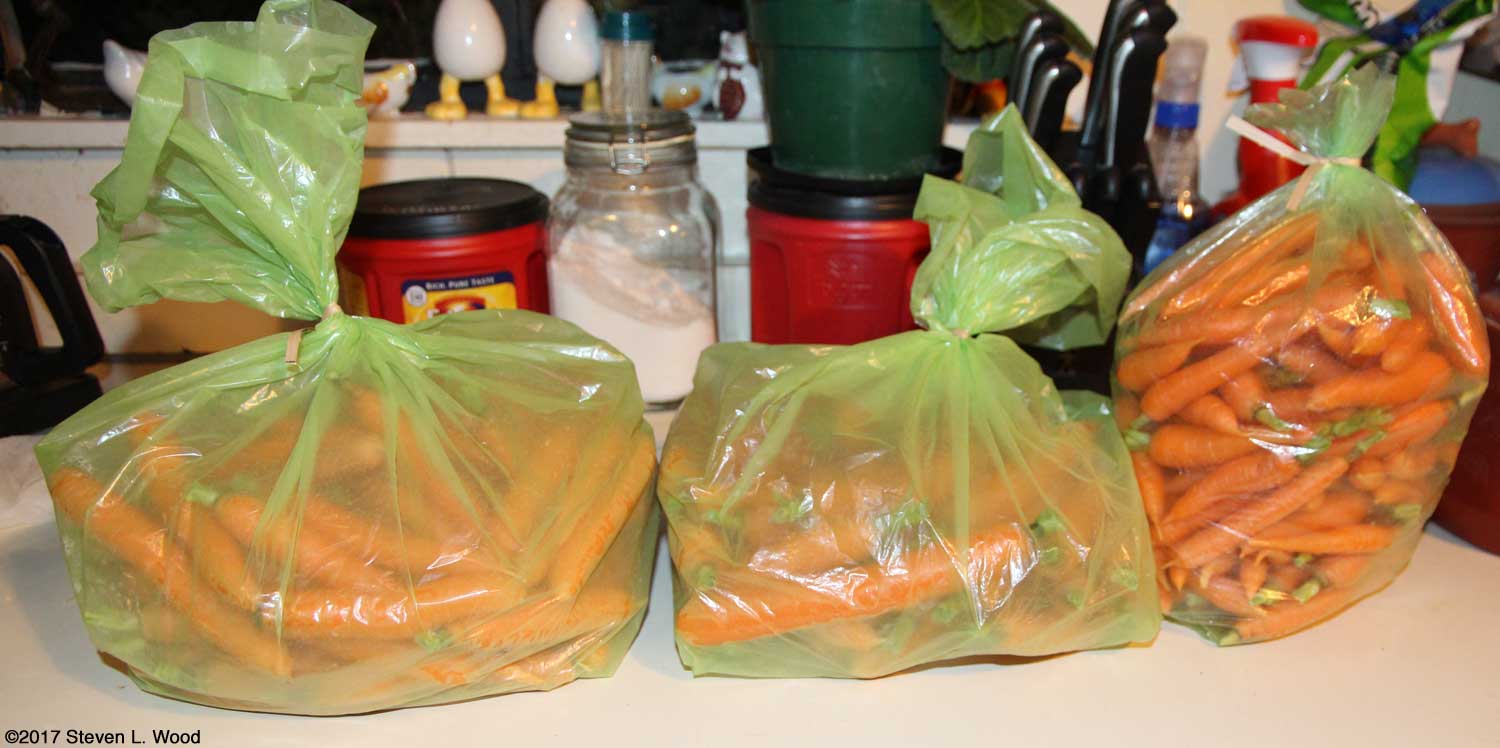
We have garlic, onions, red potatoes, and sweet potatoes in cool storage in our basement. The basement runs a bit warm and dry for such storage, but we do okay with it. I have to frequently check our onions for sprouting and rot. I also chose to split up some of our saved seed, storing some of it in our basement pantry instead of freezing all of the seed. Our carrots are stored in Debbie Meyer Green Bags in the vegetable bins of our refrigerator. I finally composted the last of our spring carrots, as they were getting hairy (short white roots growing out of them) and rotting in spots. Our fall carrots at this writing still look great. We usually can store them well into spring this way. Seed Saving We save seed to cut our costs in the future and to help preserve some good, but endangered vegetable varieties. Our main targets for seed saving this year were Abundant Bloomsdale spinach, Earliest Red Sweet peppers, Japanese Long Pickling cucumbers, and Earlirouge, Moira, and Quinte tomatoes. The spinach variety isn't endangered, but all the rest are. We also saved Eclipse and Encore pea seed (both of which are PVP protected, so I can't sell or share seed, but can grow and save enough for us to re-plant). We also collected some dianthus seed and lots and lots of zinnia seed. And even after canning two canner loads of kidney beans, we still had a two-pound bag of them to save for future plantings. Re-planting ones saved seed can help the variety to adapt to ones local growing conditions. Our distribution of saved seed may change considerably in the next year. After supporting the Seed Savers Exchange for many years, I've become disillusioned by their lack of support for their seed saving members and Seed Exchange. I've shared my concerns with the board and director of SSE without much effect. In a letter to SSE's Board of Directors, I wrote, "Not all of the Seed Savers Exchange’s work occurs at the Heritage Farm. It’s happening every day on the farms and in the gardens of SSE’s members. To me, it seems that the leadership of the exchange has forgotten that." The Seed Savers Board of Directors meets next month.
Comment I'd decided a month or so ago to just abandon this garden review file. Previous reviews don't get read much. But more then the hits on the site, writing this stuff refreshes my memory about what we did right and wrong in our garden plots this year. So I got started writing the text again a couple of weeks ago. Having said what I wanted to, I then turned to adding photos to the review. I may have overdone it a bit, but had a lot of fun adding pictures to this review. As with most growing seasons, there are successes and failures. We celebrate the successes and try to learn from the failures. This year was no different with dry weather and some physical problems making our gardening efforts more difficult. But we really had a wonderful summer. I thank the Lord for continued good health and the chance to enjoy gardening and share it with my readers.
From Steve Wood, the at Senior Gardening |
| Affiliated Advertisers |
©2017 Senior-gardening.com










 . And something that works one year in the garden isn't a guarantee that it will work in the future. Deer and especially raccoons seem to find ways around the best of controls after a year or two.