One of the Joys of Maturity |
|

| Affiliated Advertisers |
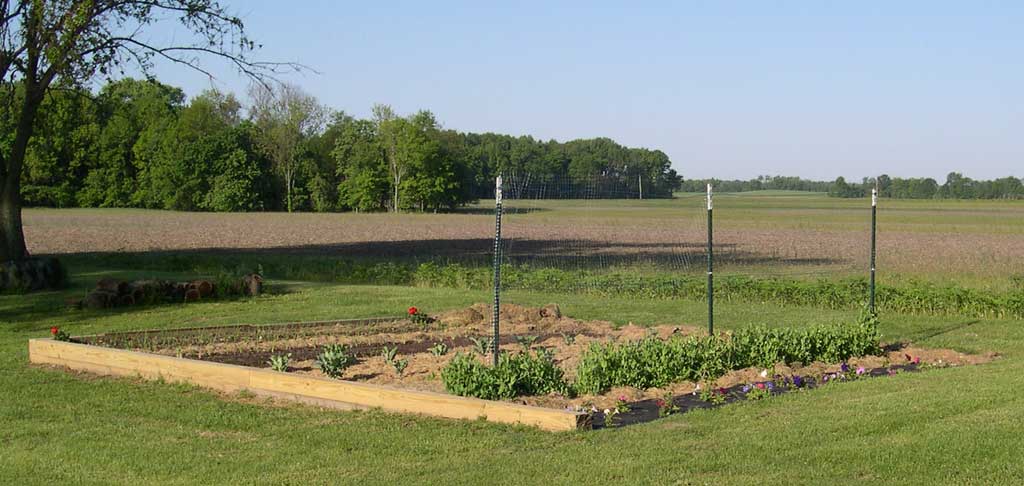
Clicking through one of our banner ads or some of our text links and making a purchase will produce a small commission for us from the sale. The Old Guy's Garden Record The idea for Senior Gardening came about from frequent postings I made about our garden on another web site I maintain. The idea was to create a place where folks could share garden lore via blogs and forums. While I'm still struggling a bit with the software that will eventually make that possible on senior-gardening.com, I thought I'd at least put up a record of our 2008 garden in part from those postings, loosely edited, from the other site. We've had a very wet spring in west central Indiana this year. While farmers just a bit north and south of us are in fair to good shape on spring planting, around here, they're way behind. (Note untilled, unplanted field in the background of the May 21 shot below!) The wet spring also has slowed our gardening, but some of the early crops we got in are doing great.
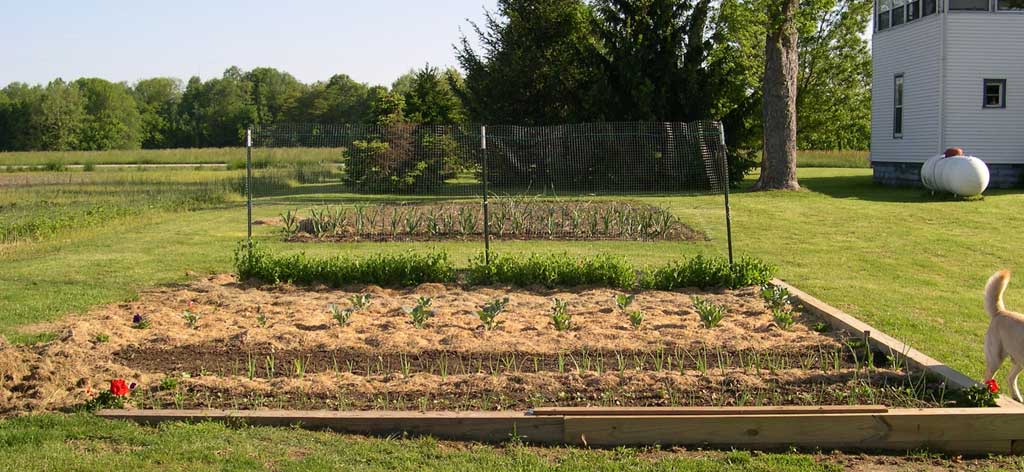
While our "main garden" for this year looks pretty good (section with timbers creating a raised bed), our larger plot is still not planting ready. I had it close at one point, but didn't get our beans, tomatoes, and corn in before the rains came again.
Jim Crockett did a feature once on his PBS TV show, Crockett's Victory Garden, about growing asparagus from seed. It takes some doing, as you have to freeze the seed and even sand or apply an emery board to it a bit to get it to germinate. We actually let ours grow for almost a year under plant lights in a seed flat indoors before setting out the asparagus roots in a well worked seed bed. (Lots of peat moss, cow manure, and lime were worked deeply into the seed bed.) Starting an asparagus bed from seed is a bit slower than purchasing asparagus roots, but it has some advantages, as noted on the University of Illinois Extension site:
One more advantage to growing from seed is that you can pick either the all male seed type or from the older male and female varieties such as Viking, Martha Washington, etc. We chose the mixed varieties, despite the fact that all male plantings may produce thicker, larger spears "because they put no energy into seeds." We find that the seed production is a good thing, as the seeds can thicken and reinvigorate the stand of asparagus as it ages and experiences good and bad seasons and some expected winter kill.
This is the third year for our asparagus from seed. Most garden references say you can take a light picking from third year asparagus, but we choose to give ours one more year before picking. Last summer was extremely dry here, and our asparagus suffered from it, so we're going to wait another year. This is the second bed of asparagus from seed I've done, as I did it years ago when I had a small farm. There, the asparagus planting thickened over the years as the female plants produced viable seed. We're also in a bit of a holding pattern, as I had to go back in for a "tune-up" on my elbow this week. I'd had some large cysts removed a year ago and ended up wearing a brace the nursing staff called "the club" for six weeks last summer. I guess I'm lucky that the reoccurrence wasn't as serious this year, and I only have a mildly inconvenient dressing and am restricted from lifting for two-three weeks. Yesterday, even typing was a chore. But then, doing anything more than snoozing in the easy chair was a chore, considering the pain-killers I was on.
From the
at Senior Gardening |


 , transplanted the peppers into it, and mulched them in.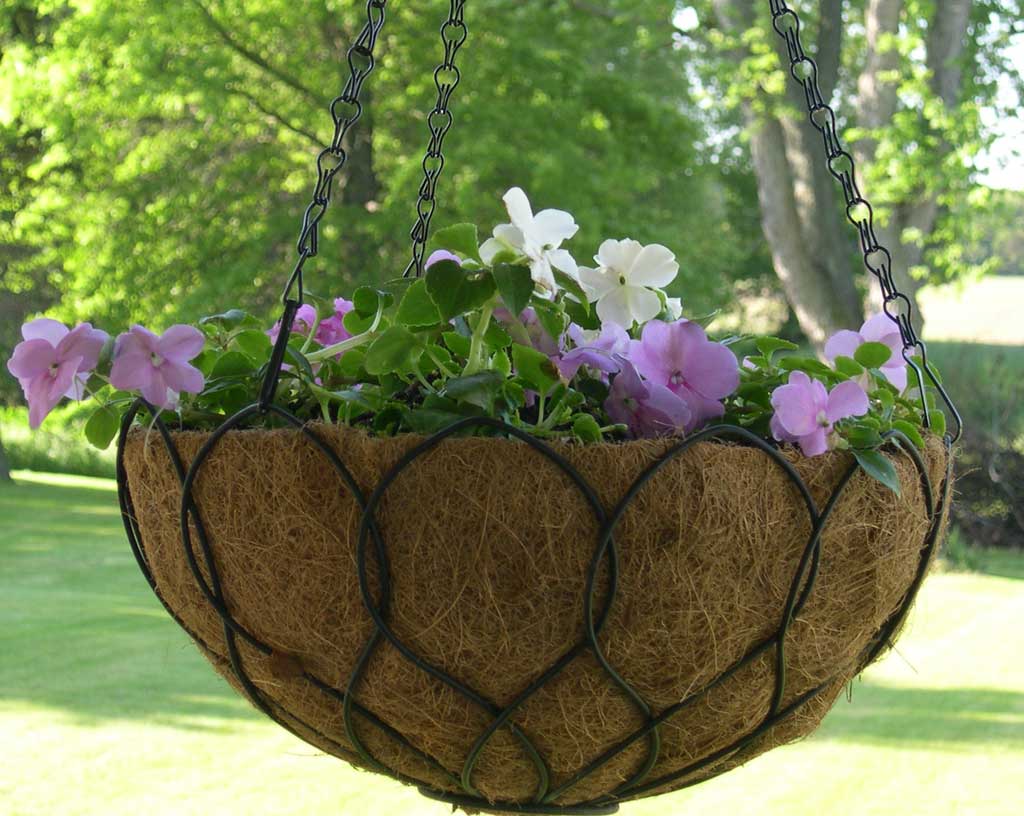

 .
. 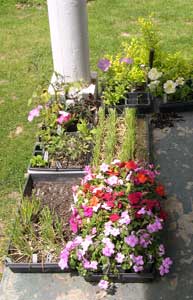 We still have lots more planting to do once the weather clears up and the soil dries a bit. Our back porch "holding area" still has lots of impatiens for our shady flower beds in front of the house, and lots of onion starts to go somewhere!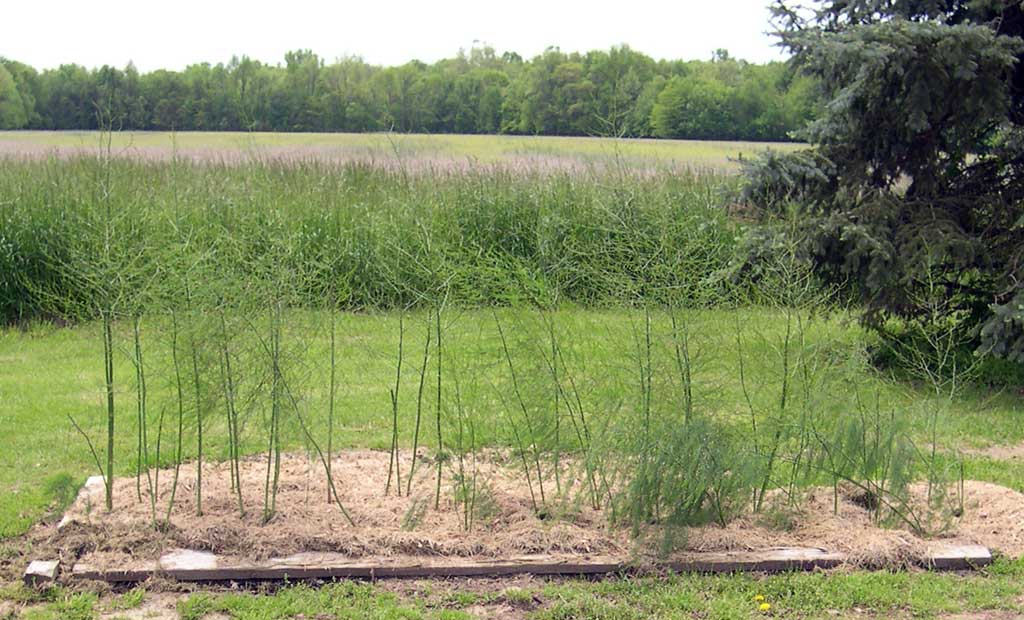
| Affiliated Advertisers |
©2008 Senior-Gardening.com