One of the Joys of Maturity |
|

| Affiliated Advertisers |
Clicking through one of our banner ads or some of our text links and making a purchase will produce a small commission for us from the sale. The Old Guy's Garden Record
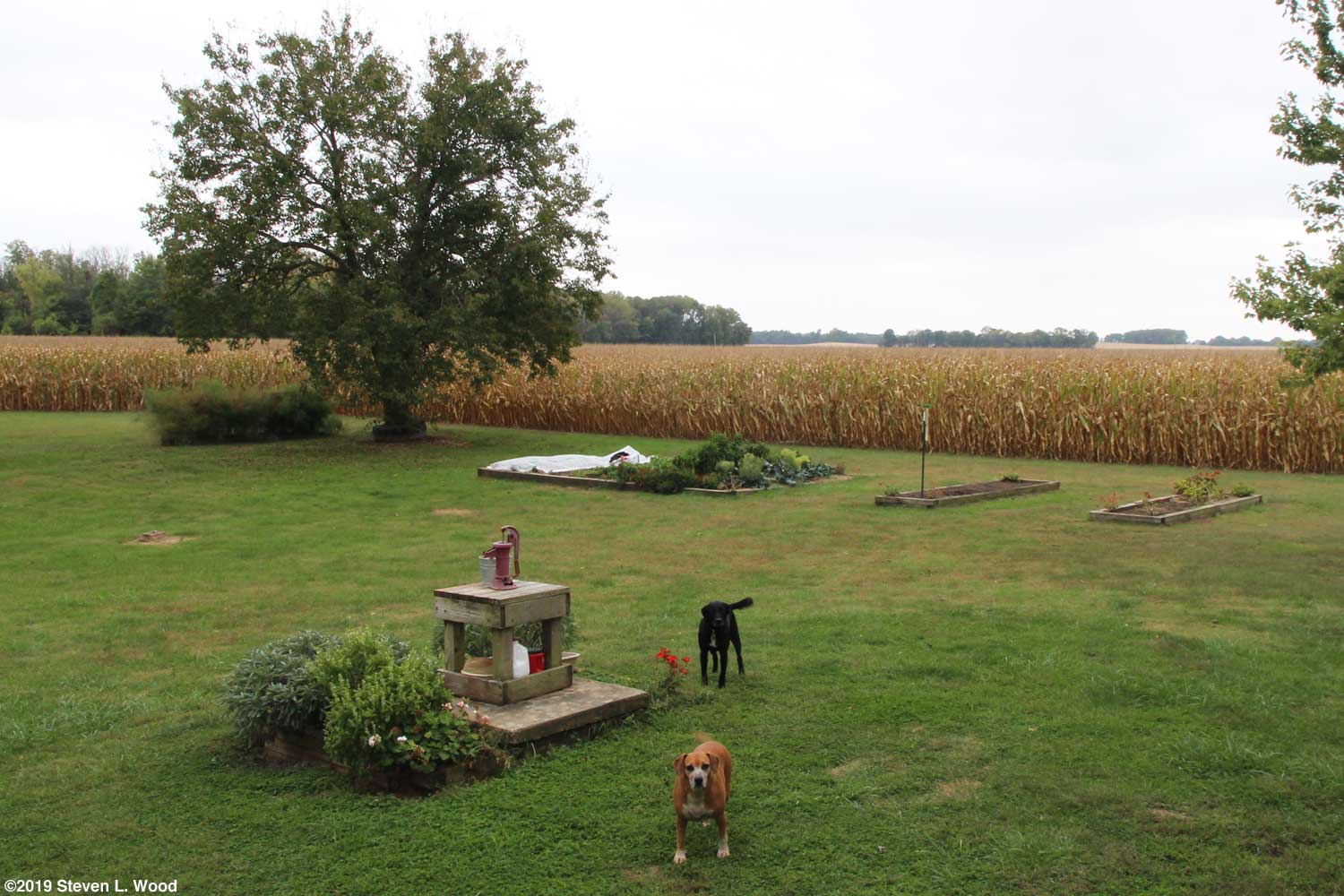
It's October, but you wouldn't know it by stepping outside today. We set a record high for the day yesterday of 92.9° F. Today and tomorrow are predicted to top out at 91°. A cold front arriving on Thursday or Friday should give us a taste of fall, a slight chance of rain, and some nicer gardening weather. I still hope to harvest some crops this month. I hauled about twenty-five gallons of water to our East Garden yesterday to encourage our cantaloupe and pumpkin vines to finish ripening their fruit. We should also get some nice fall lettuce, possibly some spinach, a few peppers and tomatoes, kale for table use and our annual batch of Portuguese Kale Soup, and maybe cauliflower if it beats our first frost. We have a bush yellow squash plant struggling to produce a few more delicious squash and some butternuts still ripening. A lot of our gardening effort this month will be in preparing our garden plots for next season. As crops come out, crop trash (leaves, stems,mulch, etc.) that can carryover insect eggs and diseases are removed and composted. Where soil levels have dropped, peat moss will be added and tilled in. Getting all of our garden plots tilled is always a fall goal, but weather conditions and my proclivity of pushing crops as late into the season as possible sometimes prevents such tilling. I always aim to get our garlic planted just after our first frost in October. But some years, our first frost doesn't occur until near the end of the month or into November. (Our first frost date is October 17.) The idea is to get the garlic into the ground to begin forming roots before the ground freezes hard. So I may or may not plant garlic this month.
|

Wednesday, October 2, 2019 - Pumpkin Harvest
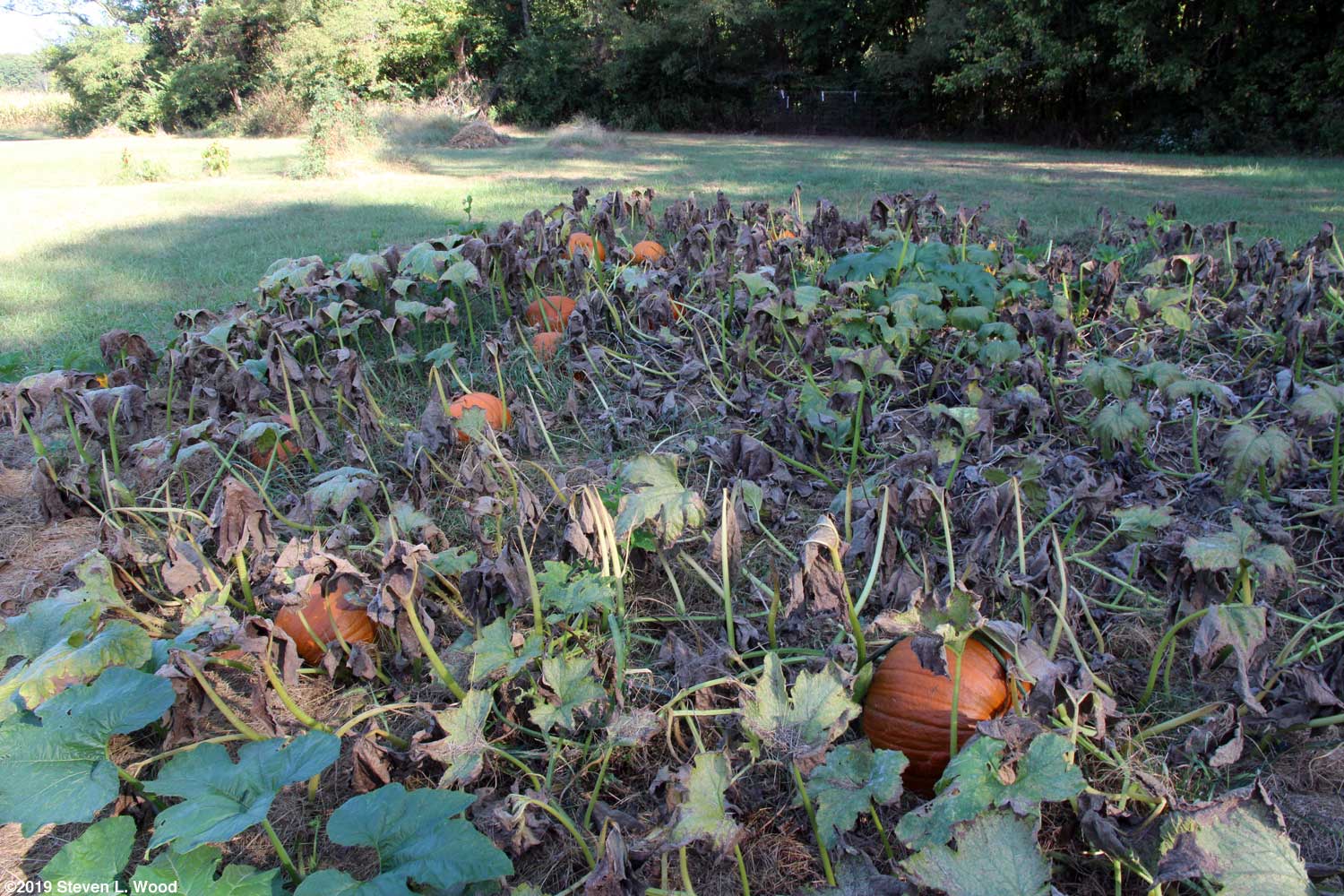
Despite the heat, I got out and cut pumpkins this morning. The leaves on our pumpkin vines are mostly dead, but apparently the vines themselves are still transporting water, as most of the pumpkins turned orange from Monday's watering (or whatever). So far, we've gotten sixteen good pumpkins ranging in weight from around fifteen to thirty-five pounds. I had to pick up my new glasses in Terre Haute yesterday, so I dropped off a couple of big pumpkins at one of our daughters' house for the grandkids. (I was rewarded last night with a "thank you" phone call from a granddaughter who lived with us until she was two.) Ten of the pumpkins cut today went to our local food bank. I still have four pumpkins on our drying/curing table in the garage. There are two more greenish pumpkins still on the vines that were showing just a bit of orange this morning. This year's pumpkin crop is the best we've had at this site. There was that one year when I was farming that I grew a test crop of a quarter acre of pumpkins! I attribute our success in growing pumpkins mostly to dumb luck, but also to growing them on the site of a previous compost pile. The Howden pumpkin plants had all the nutrition they needed. Since I planted the pumpkins well away from our butternut squash this year, I may try saving seed from one or two of the pumpkins. Howdens are an open pollinated variety. It would be nice to begin adapting the seed to our growing conditions, one of the advantages of using saved seed. Watering After my pumpkin picking, I moved on to watering the crops in our main raised garden bed. Everything there needed watering, so it took a bit of time to get it all done. Since most of the bed is planted to fall brassicas (broccoli, cauliflower, and kale), I followed up with a thorough spraying with Thuricide. While I'm not too worried about worms in our broccoli for seed crop, I really want clean crops of cauliflower and kale.
Thursday, October 3, 2019 - Asparagus Seed
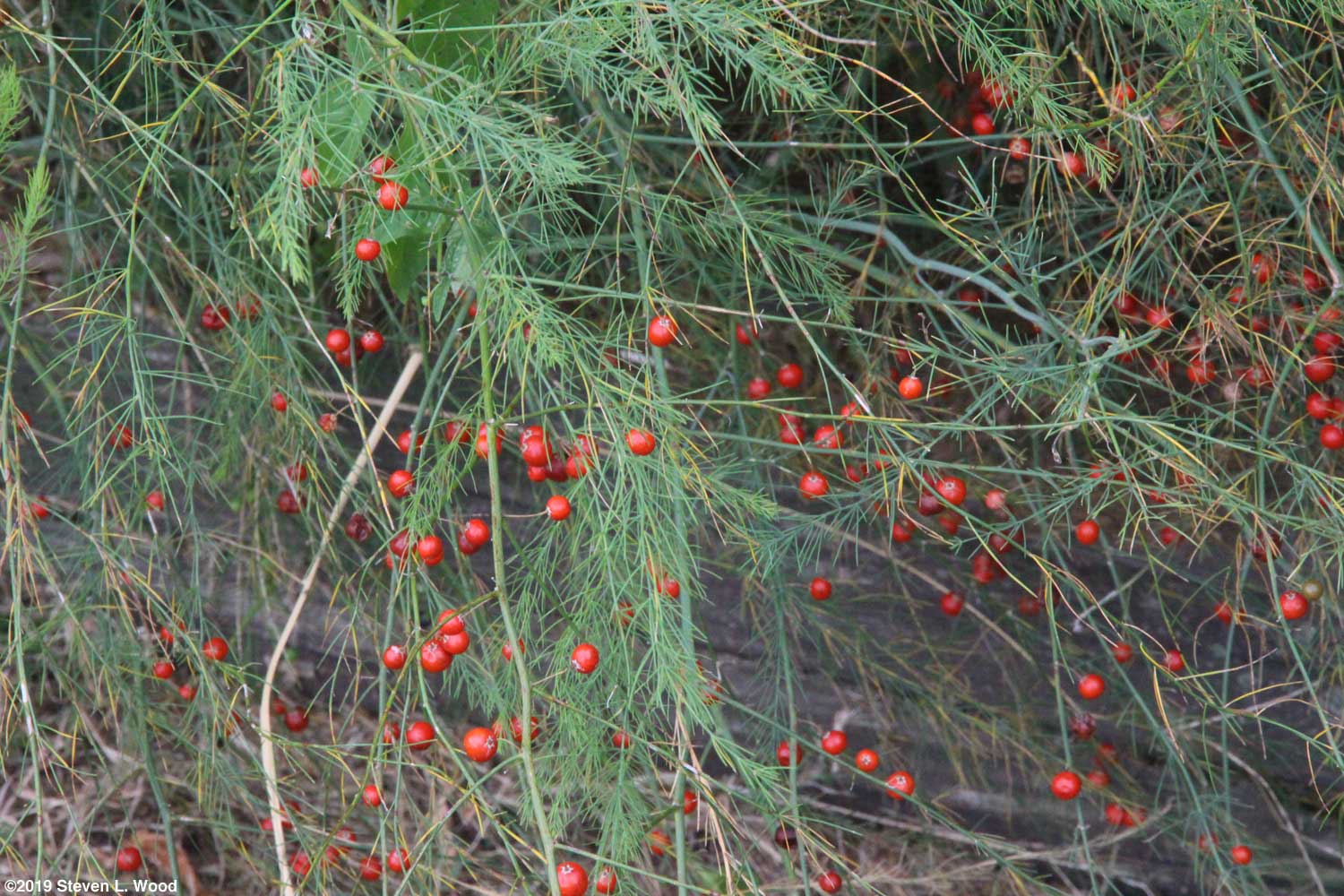
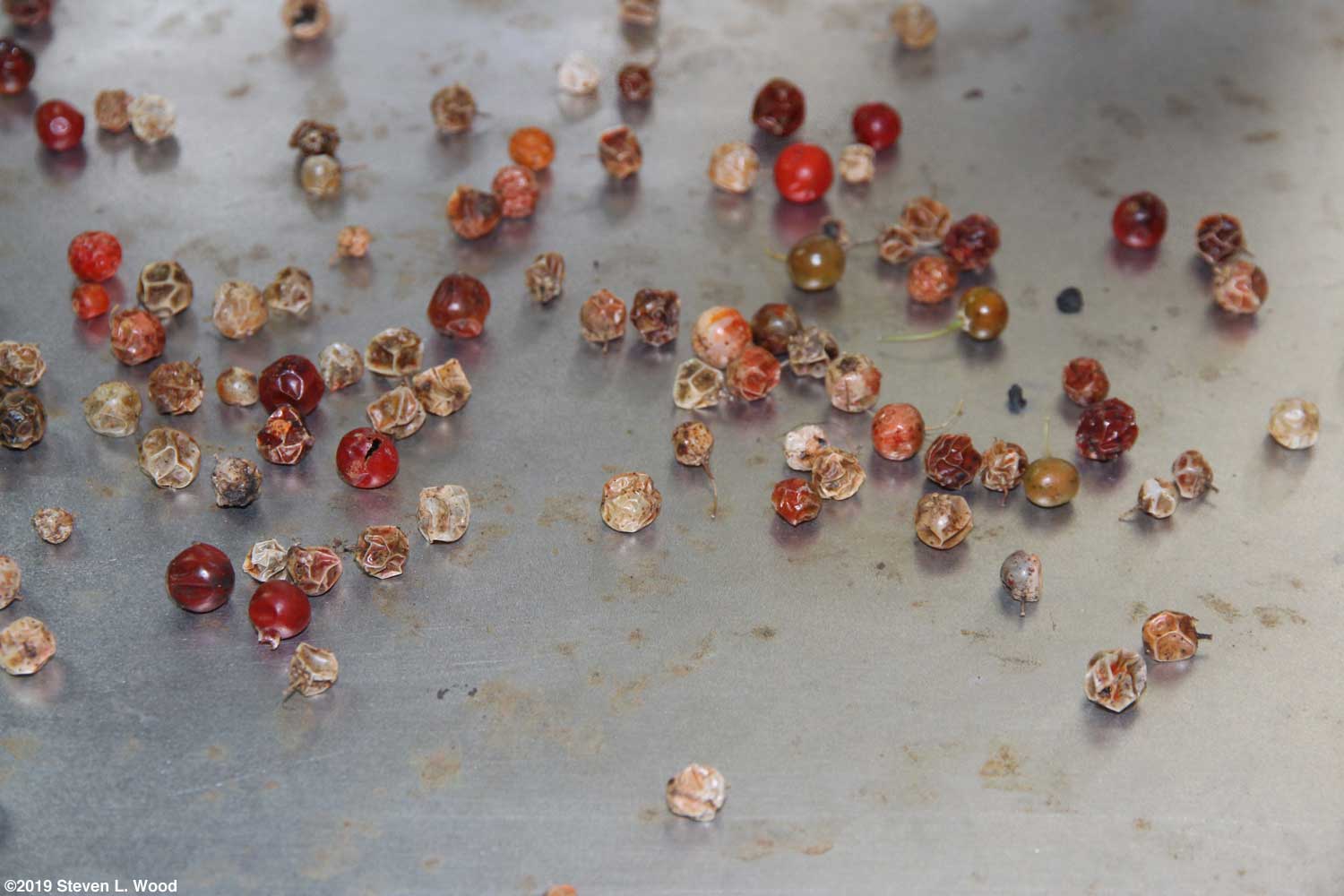
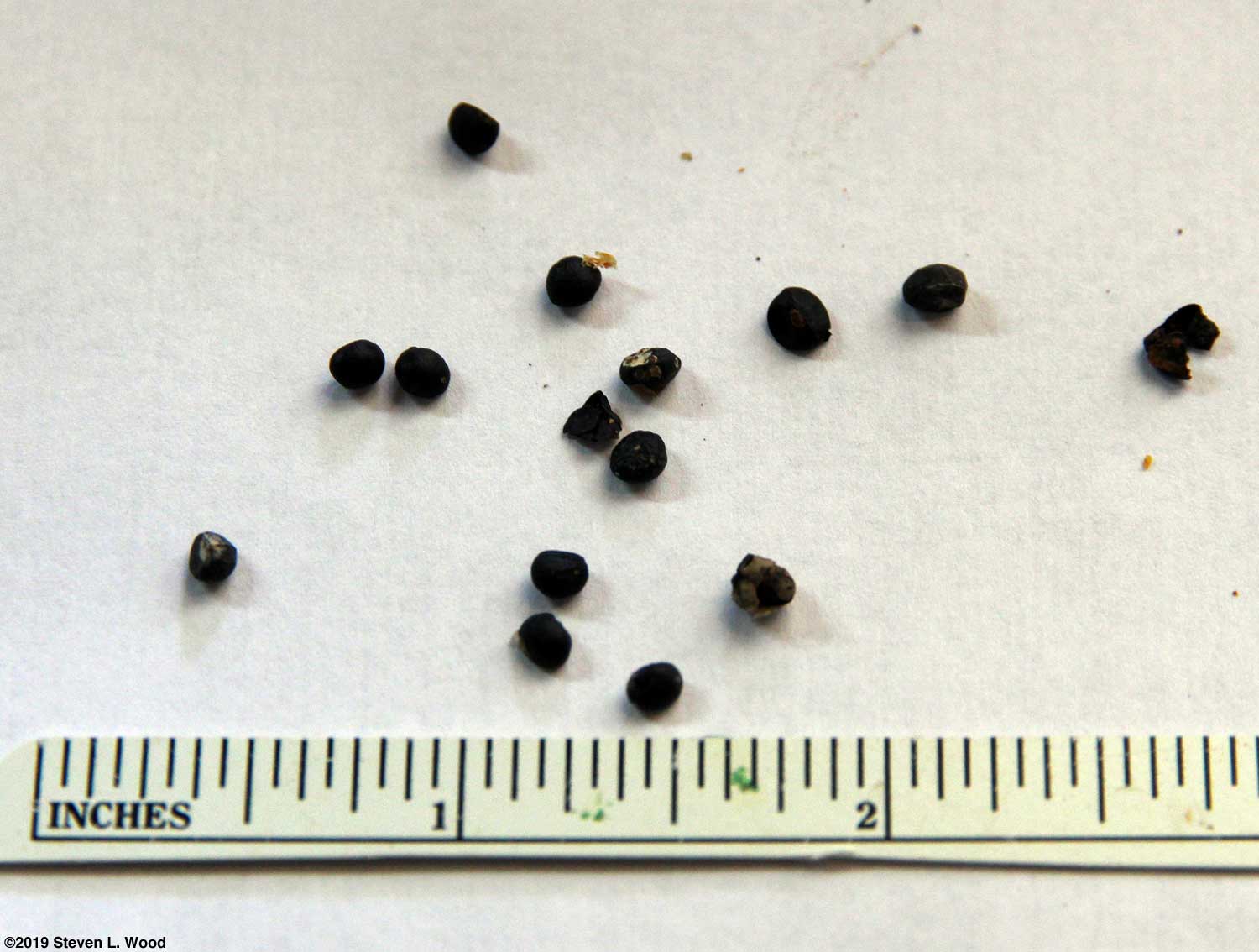
Unlike years past, I focused on picking asparagus seed pods that had dried a bit. Instead of a tray of bright red seed pods, my picking today was a mixture of some red, but mostly gray, tan, or white pods that had dried down some. I made three trips around our raised asparagus bed, pulling back the heavy foliage to reveal ripe pods from a bunch of different plants. I didn't pick any seed from our second patch, Bonnie's Asparagus Patch, as it was apparently planted with all male crowns...some thirty years ago! Most of the berries or pods on our plants were red, but I also found a good many somewhat dried pods. I even found a few pods that had already split and dropped their seed. The asparagus seed pods may hold several seeds each. Once they've dried down, it's pretty easy to rub off the dried outer shell to reveal the black seeds. The black seeds shown below are from our 2008 picking.
For folks planning to start their first asparagus patch, I recommend in our how-to, Growing Asparagus, "buying the best one year old asparagus roots (crowns) you can find." Crowns produce a first crop years sooner than a patch started from seed. I also tell how to start the plants from seed. The seed I brought in from our big freezer for the shot above is now soaking in water in our refrigerator. I thought I'd start a few plants this fall in case I need some to fill in bare spots next spring. I'll move the seed to the freezer in a few days before returning it to the fridge. Asparagus seed is a hard seed that usually requires scarification and stratification to germinate well. Hot Weather Spell Ends Our hot spell ended today with a high temperature of just 80° F. Tomorrow's high is predicted to be 70 as a cold front moves through our area. Now I'll begin watching the weather forecast for cold nights that could bring our first frost.
Friday, October 4, 2019 - Watermelon I went to our East Garden this morning to see if any of our remaining butternut squash were ready. Unfortunately, all of them still showed green lines at the top (near the stem) indicating that they are not quite ripe yet.
On the positive side, I brought in a Blacktail Mountain watermelon that was on our now dead vines. It "thumped" pretty good. When I washed and cut it, I was surprised to find lovely red flesh with fair, but not great, watermelon flavor. As I cut up the melon, I saved about fifty seeds. Blacktail Mountain is an open pollinated variety, and we had no other watermelon varieties planted that could cross pollinate with it. None of our Sugar Cube cantaloupes have ripened as yet. I look for them going to half slip to let me know to pick them in a day or so. The hill of Sugar Cubes got about five gallons of water as soil conditions here are still quite dry. Our late melons are because I didn't get our usual bunch of melons planted in May. Mechanical breakdowns compounded by some physical problems prevented our usual planting of a row or two of melons. Disgusted with the situation and myself, I transplanted two ragged looking hills of melons in mid-July. The Sugar Cube plants promptly died. I direct seeded more into the hill. The Blacktail Mountain watermelon vines thrived, bloomed and set fruit. But several weeks ago, they were infected with anthracnose, probably from a row of tomato plants that had fallen to the disease. So at this point, I'm thrilled with any melons we may get.
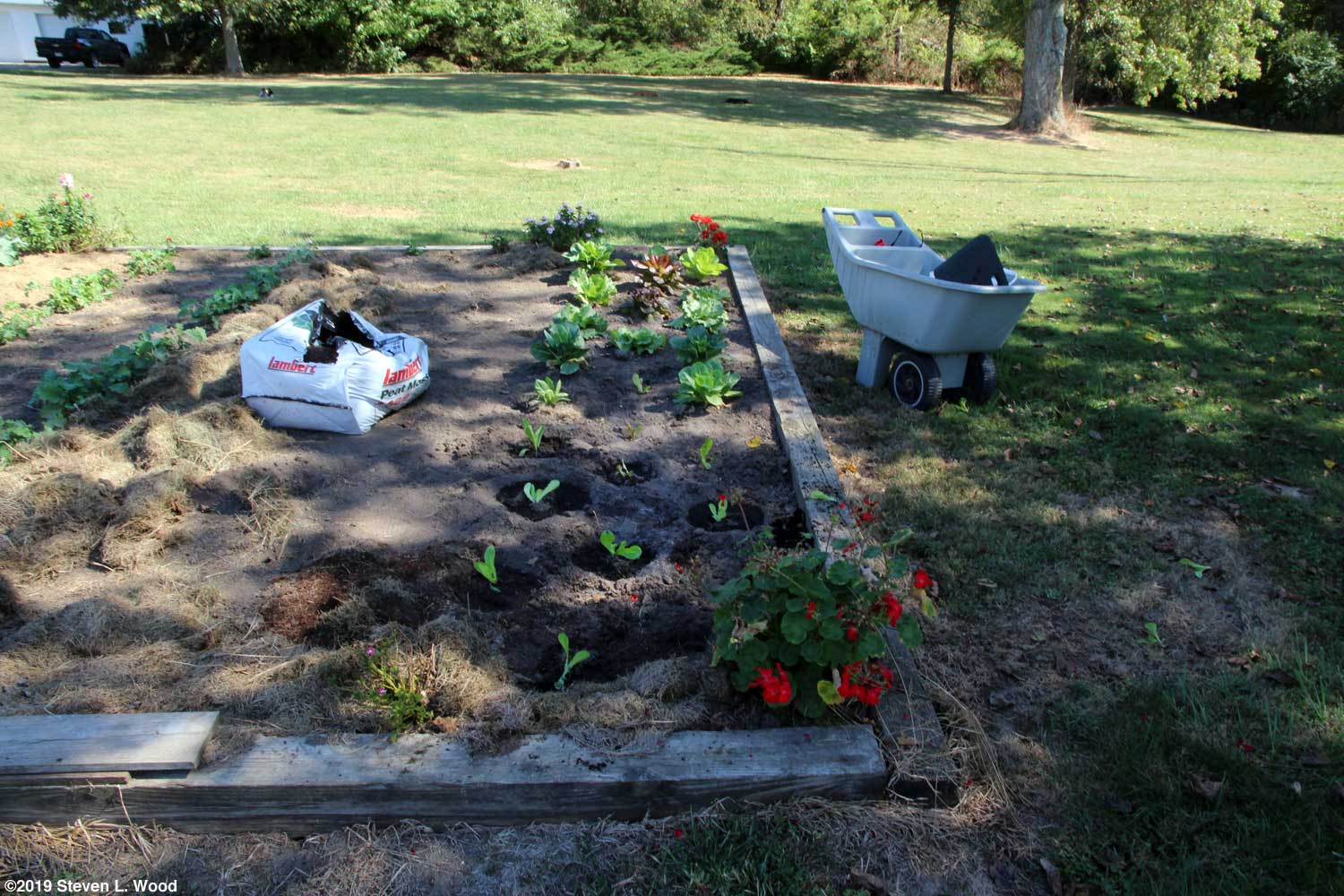
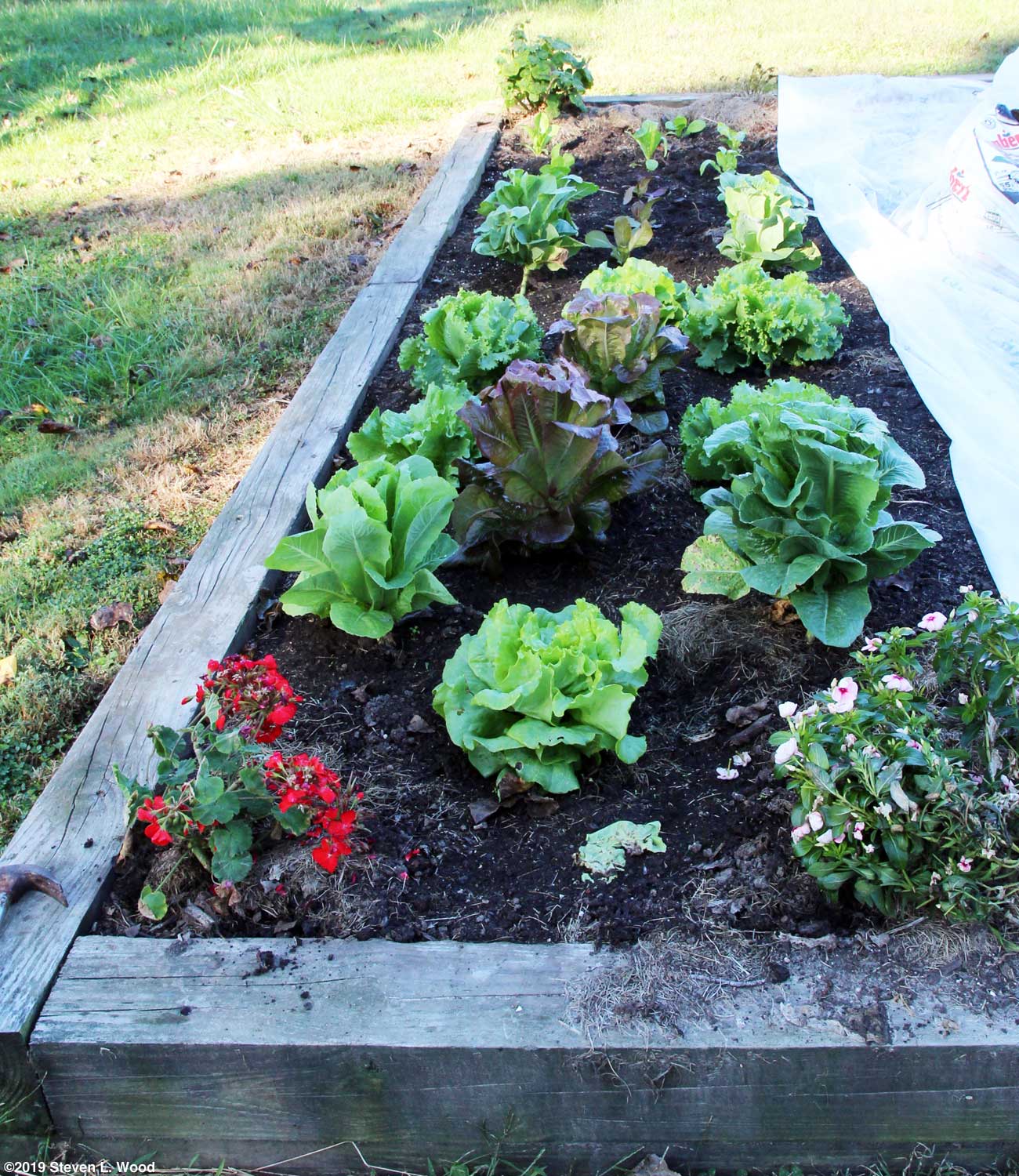
Saturday, October 5, 2019 - Fall Lettuce It's late in the season, but I went ahead and transplanted more lettuce into our main raised garden bed. The lettuce already there from a September 6 transplanting is doing well, if growing a bit slowly. Hot dry weather coupled with a good bit of shade each day has slowed the growth of the lettuce. On the brighter side, no rain has kept the unmulched area almost totally weed free. A few light passes with a scuffle hoe have removed the few weeds that found enough light and soil moisture to germinate.
I transplanted three Majestic Red, four Jericho, and four Coastal Star, all romaine types. I hope to begin harvesting some baby lettuce next week, filling in the harvested spots with the few lettuce transplants I have left. While lettuce transplanted at this time of year would usually get caught in a frost, I'm hoping for a late first frost. I also have a roll of floating row cover that may help extend our growing season a bit.
Watering With our current dry spell, watering parts of the garden has become a daily chore. Today, I watered our yellow squash, kale, and cauliflower. I followed that up with another spray of Thuricide. Besides the kale and cauliflower, the leaves of our broccoli seed crop got a good spraying as well. We still have lots of white cabbage moths and cabbage loopers flying around the broccoli. I've avoided using a pesticide to kill them, as I don't want to hurt the bees pollinating our broccoli blooms. With a bit over a half inch of rain Sunday and Monday and much cooler temperatures, I'm finally getting around to some jobs that needed doing. Our dead watermelon vines got composted today. I also scuffle hoed the few weeds that had germinated in the unmulched areas of our raised garden beds.
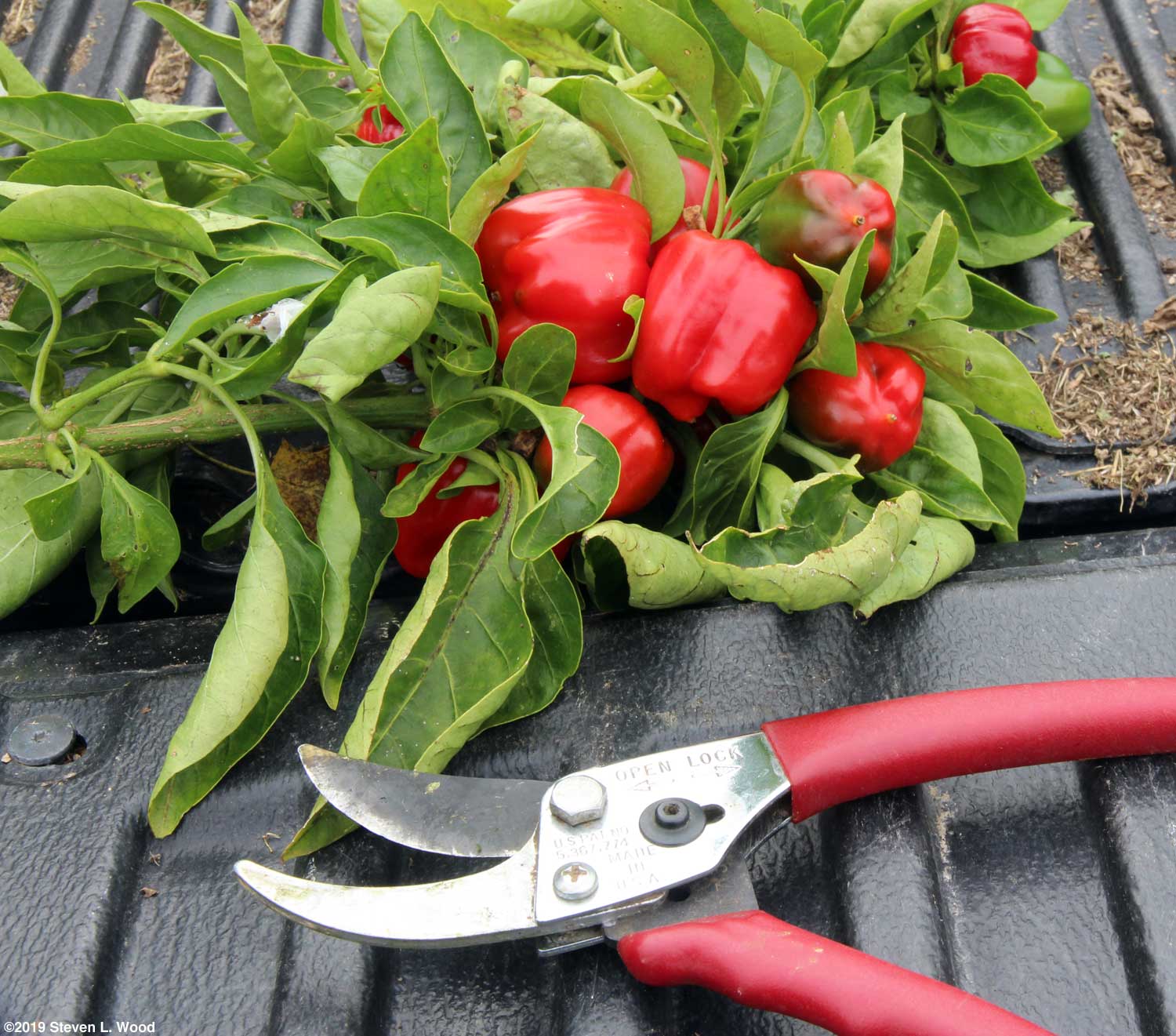
I had a bit of fun picking grape tomatoes today. Rather than hand picking them, I used my pruning shears
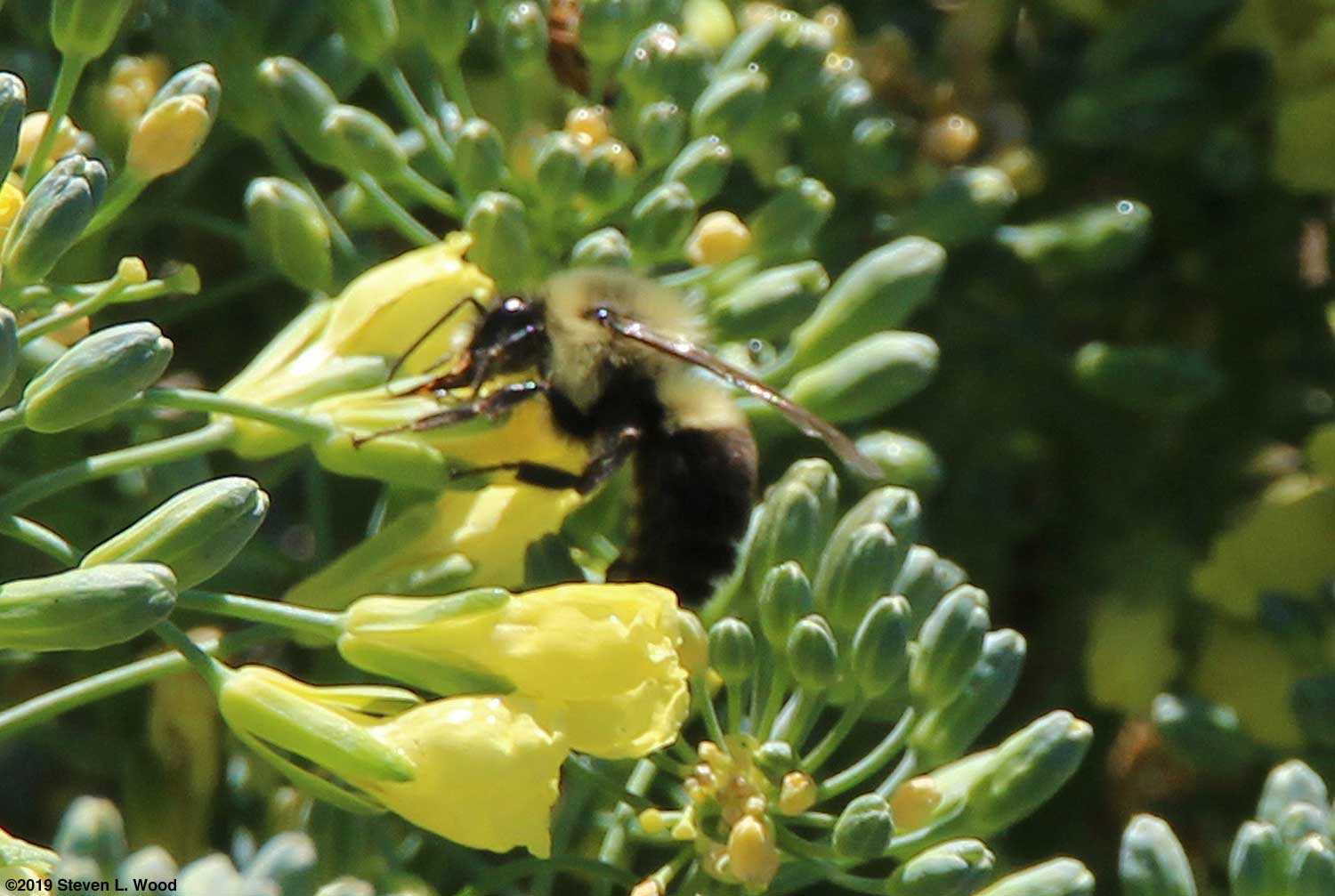
It appears that bumblebees are doing most of the pollinating. I've seen just a few honeybees working the blooms. We also have several small white cabbage moths working the blooms. A Maryland Ag in the Classroom fact sheet said, "Adult cabbage white butterflies pollinate plants as they feed on nectar from many flowers, including dandelions, red clover, asters, mint and strawberries," and, apparently, broccoli. I'm still spraying our kale, cauliflower, and the broccoli leaves with Thuricide every few days to protect them from the worms that hatch out from the eggs small white cabbage moths lay.
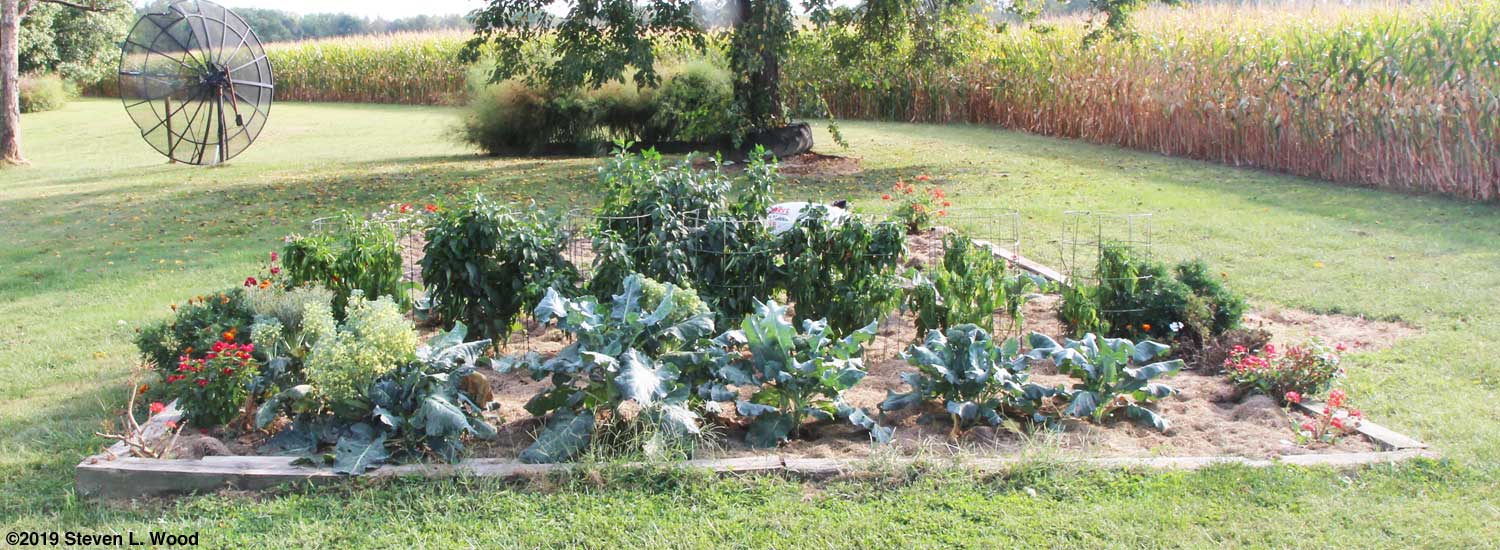
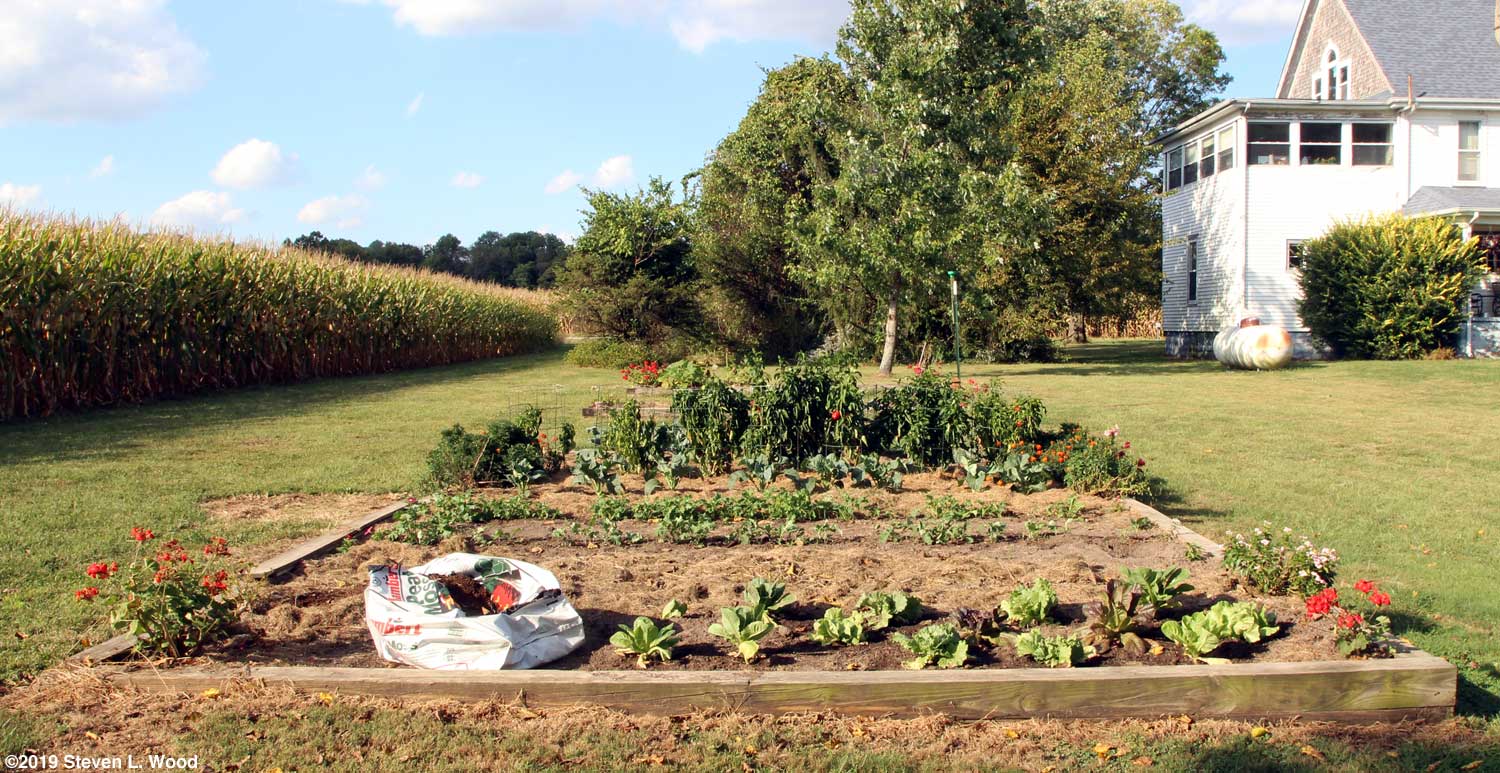
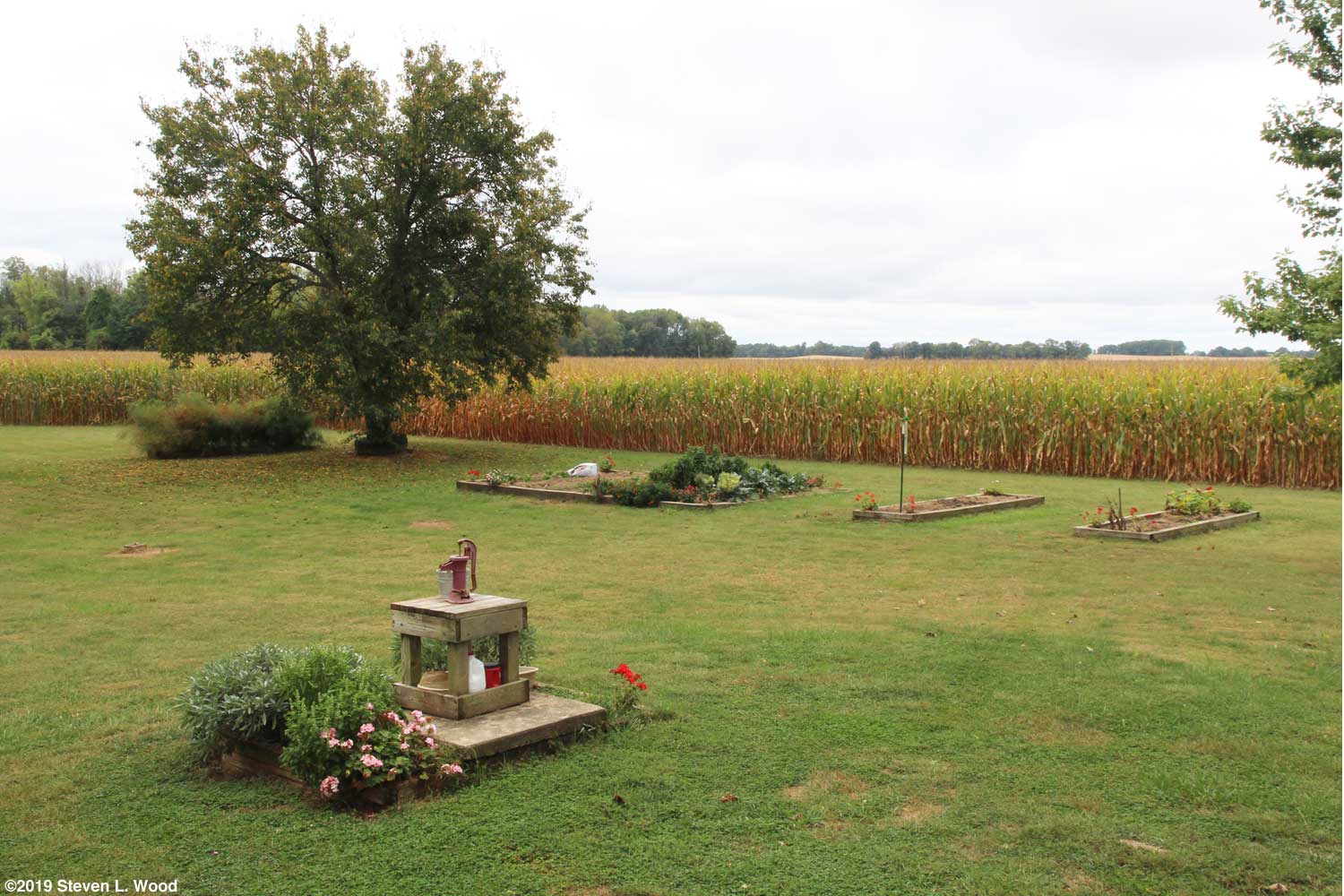
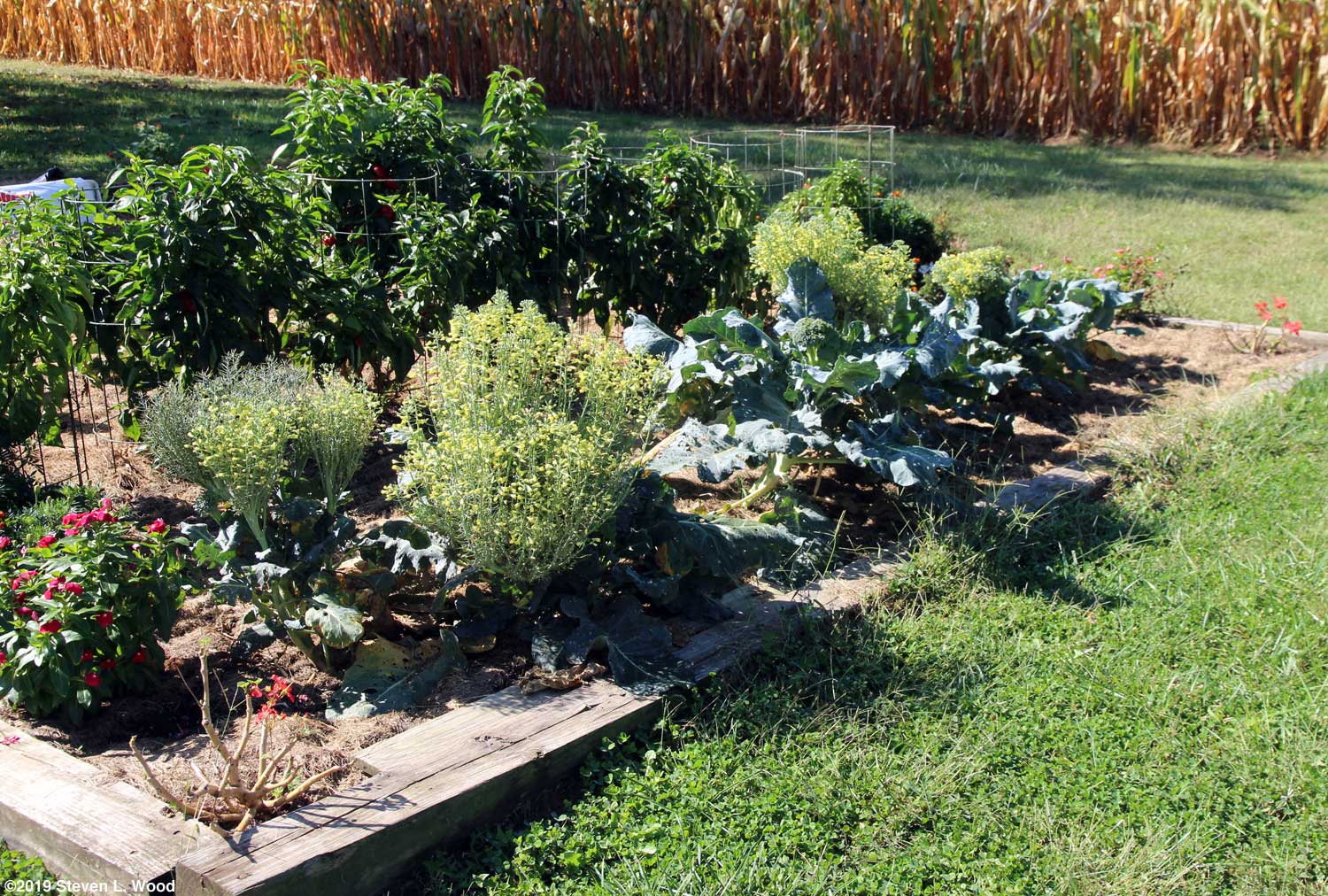
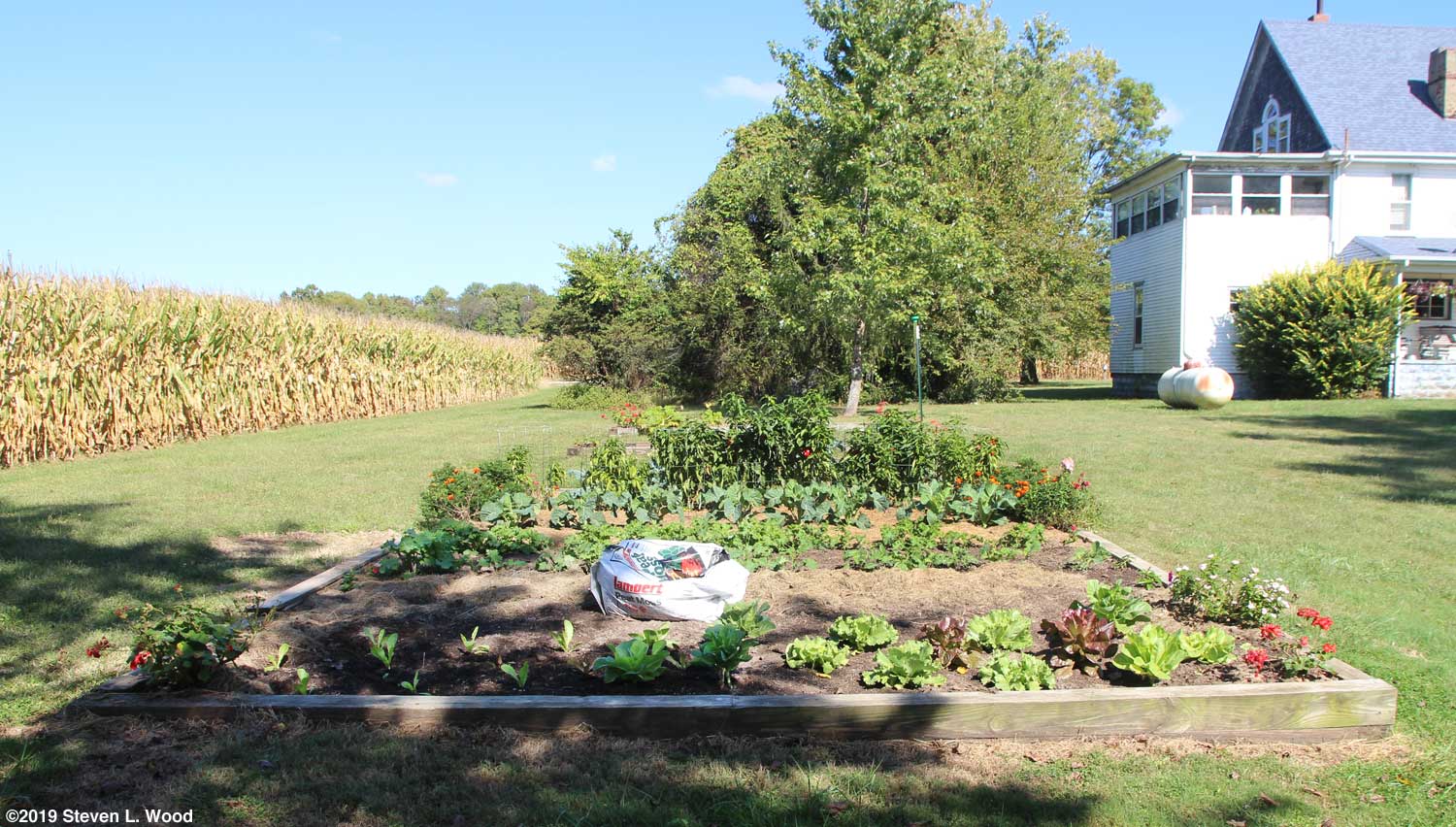
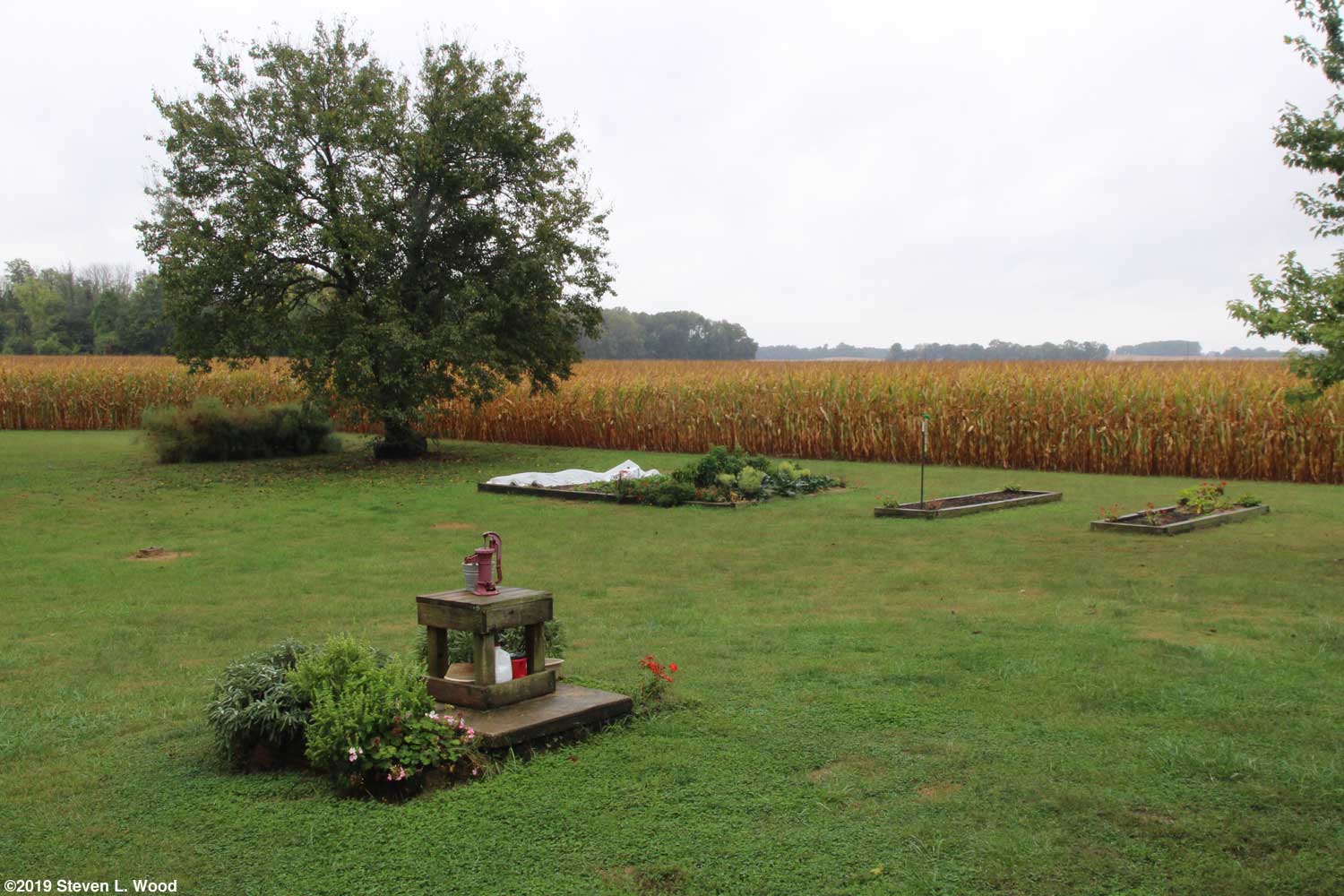
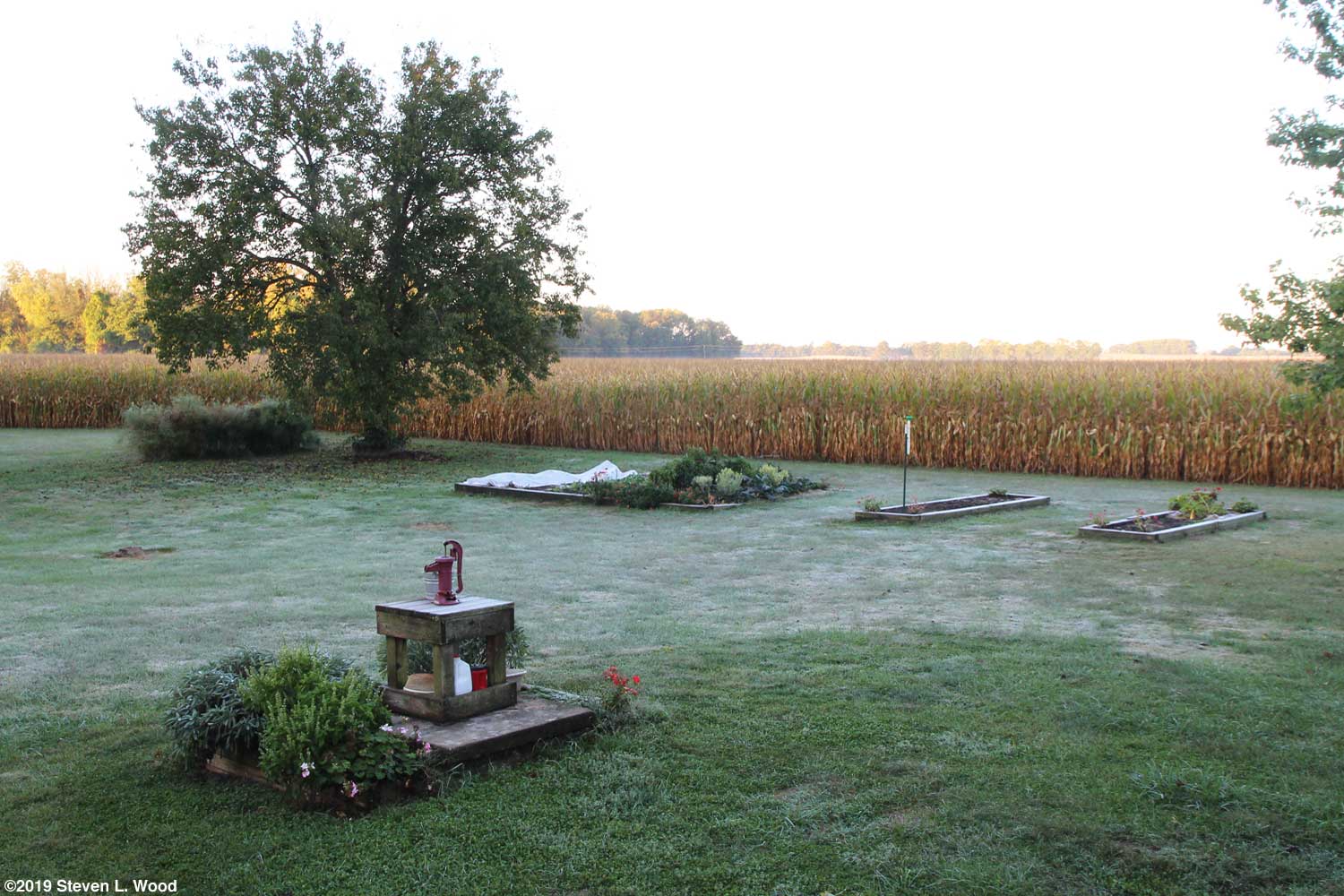
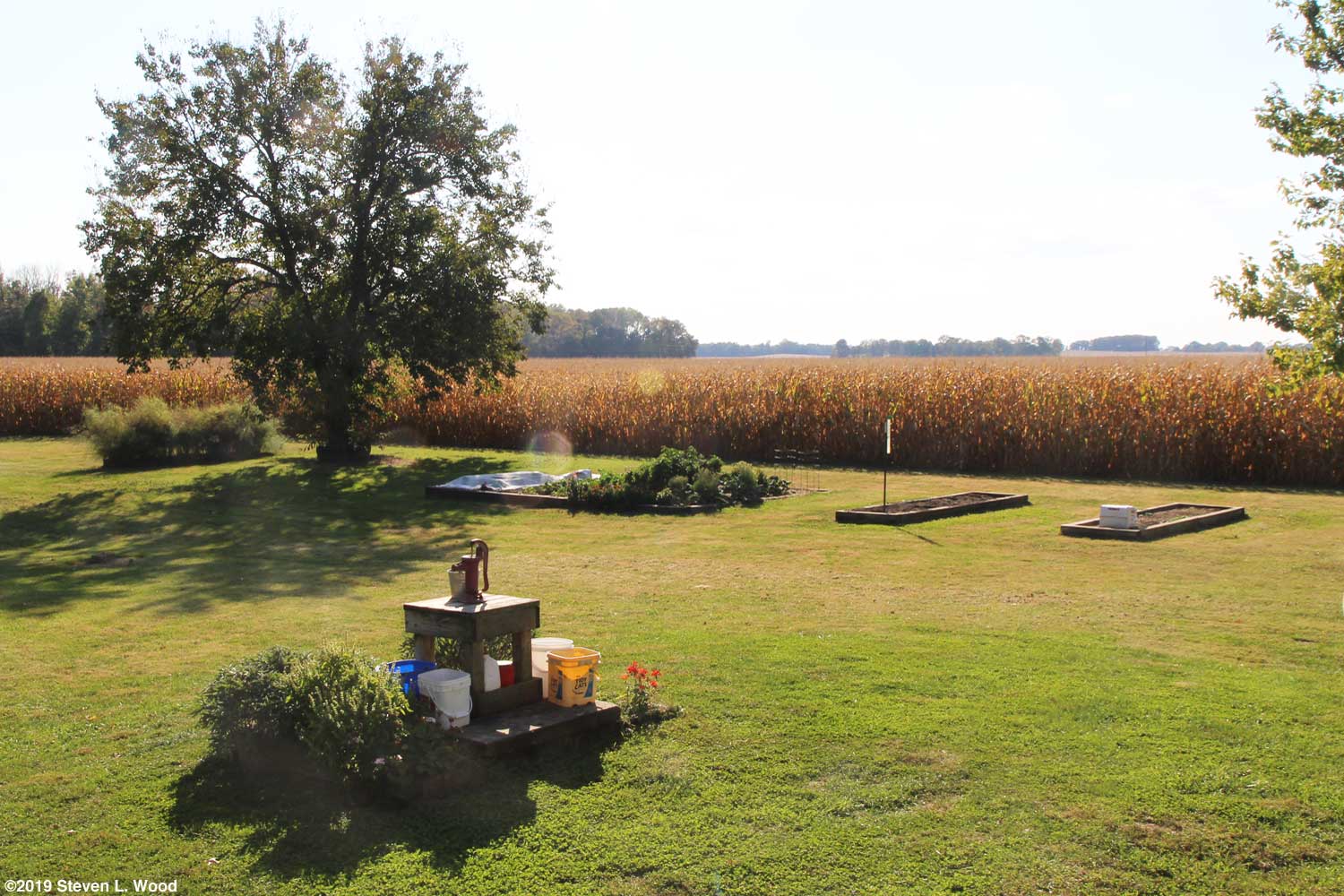
Our raised beds in our back yard still have some crops in them. In one of our narrow raised beds, we have yellow squash ripening. Some spinach in the bed looks stunted, and I doubt we get anything from it. Our main raised bed is still in full production.
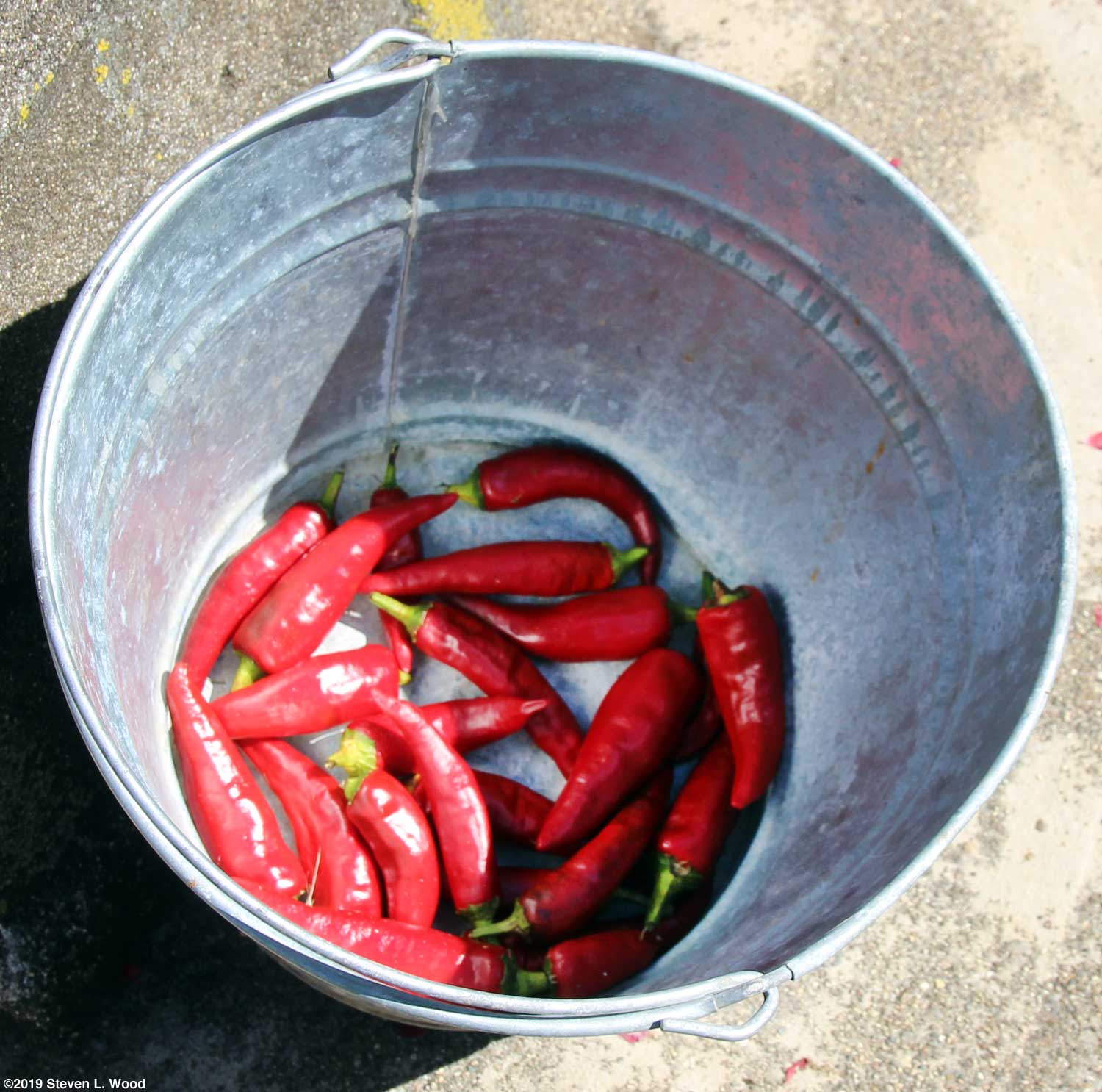
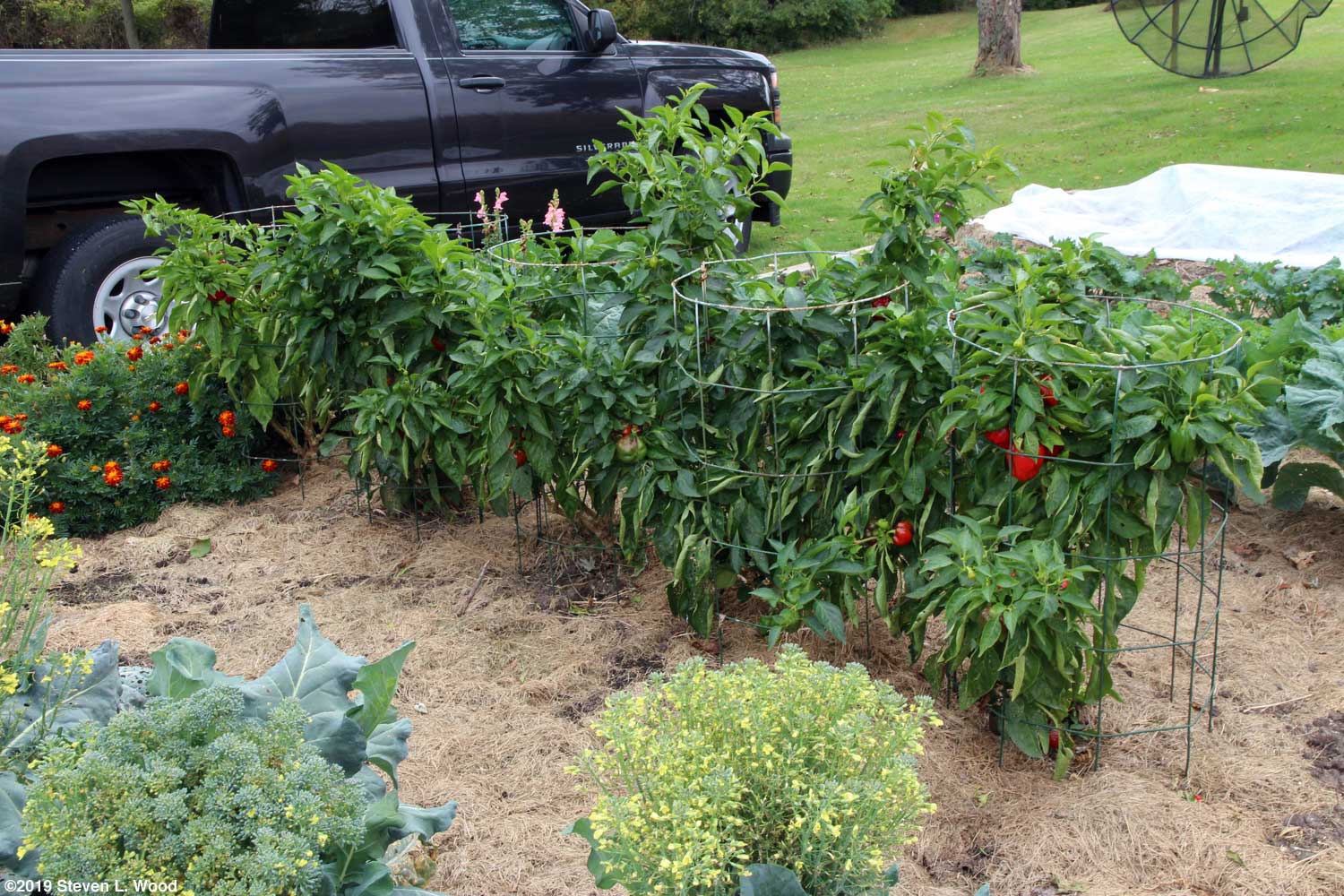
From near to far in the photo above, we have lettuce, kale, cauliflower, peppers, and the broccoli seed crop (hidden from view by the caged peppers). I'll cut a few lettuce later this week. The kale appears to be well on its way to producing a good crop. The cauliflower is iffy as to whether it will beat our first frost. The Earliest Red Sweet red pepper plants are producing mostly small peppers, probably due to the dry spell we experienced this fall. Gardening this late into the season is a bit of a mixed blessing. I love being able to still harvest stuff from our garden plots. But when our first frost and fall rains finally arrive, it will be a struggle to get all the garden plots tilled and prepared for next spring.
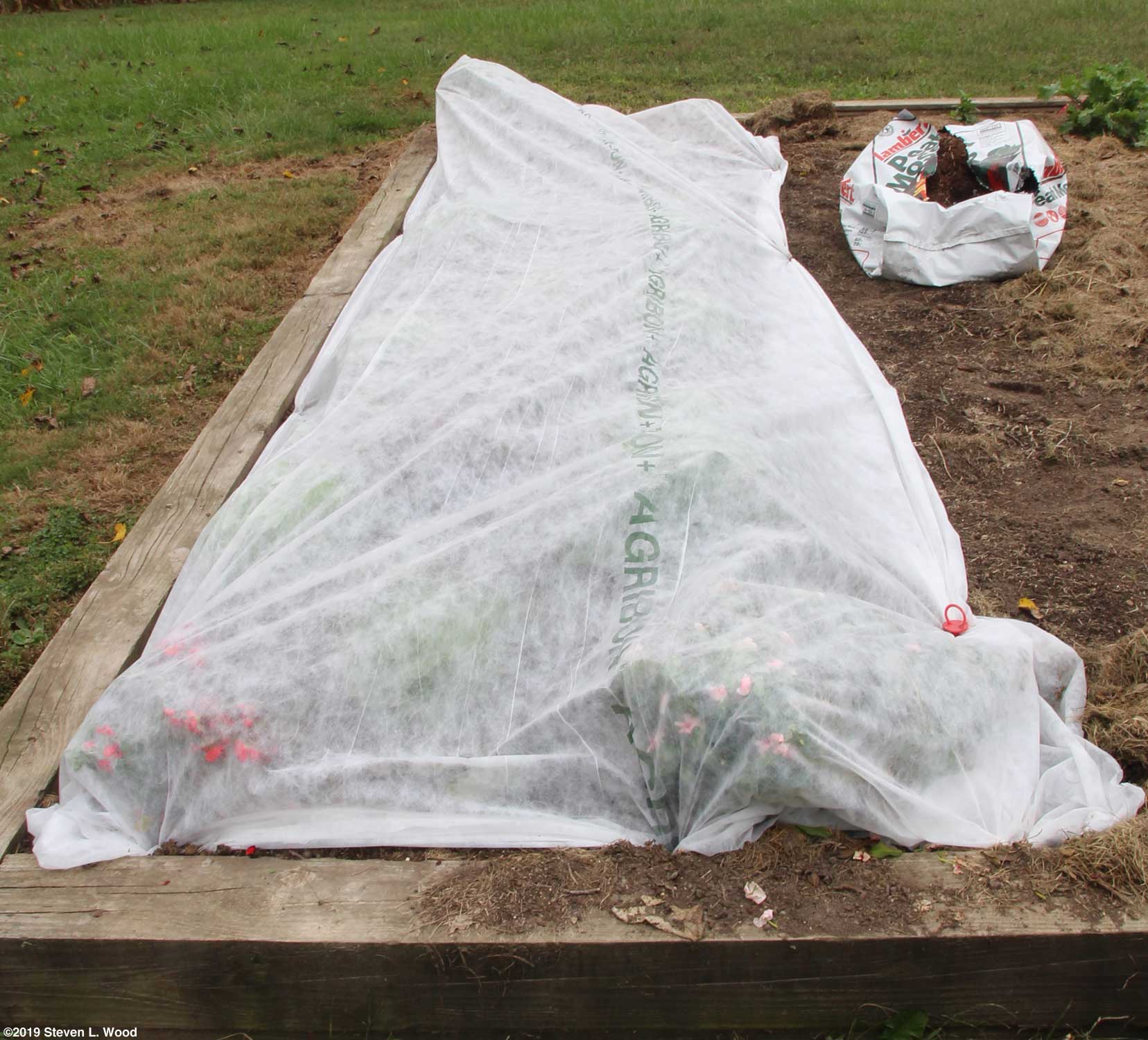
Thursday, October 10, 2019 - Defrosting Day I defrosted our freezer today. I'd foolishly put off the job through an extended hot spell that would have easily melted ice and dried the interior of the freezer. But today's high of 81° F proved to be sufficient to get the job done. I had prepared for the defrosting yesterday by gathering and cleaning several coolers. For the first time in years, I had more than enough cooler space to hold all of our frozen food while the freezer defrosted. With the freezer emptied and turned off, I pushed the freezer to the edge of the apron of the garage floor where the sun could hit it in the afternoon. Sadly, things clouded up shortly after noon, so I ended up wiping out the last of the moisture in the freezer. Even with the necessary annual chore of defrosting, I prefer a manual defrost freezer. The warming to defrost a self-defrosting freezer lessens the good storage time of the freezer's contents. That's especially important for the large volume of garden seed we keep in the freezer. When sorting through the contents of the freezer, I found some real gems. There were a couple of packages of commercial vegetables with an expiration date of 2014, two bags of frozen, boiled kale from 2015, some pepper strips from 2016, and a bunch of broccoli and green beans from last year. There were also a lot of meat items that I just didn't trust (chicken from early 2018, hot dogs and brats, etc.). They got boiled for a few hours and should make a nice treat for our dogs. A sample of the brew went over well with our four legged companions. Ugly Surprise of the Day A cold front has been predicted for this weekend for some time. The weather forecast changed today from a predicted low Friday night/Saturday morning in the 36-38 degree range down to 32-34° F. That's definitely in the damaging frost zone. So I pulled a huge (83"x250'), unopened roll of floating row cover I'd bought on sale years ago and covered our lettuce plants and Sugar Cube cantaloupes. (Hint: While our link is to Amazon, I got our roll at Johnny's Selected Seeds, who has the item on sale again this fall.)
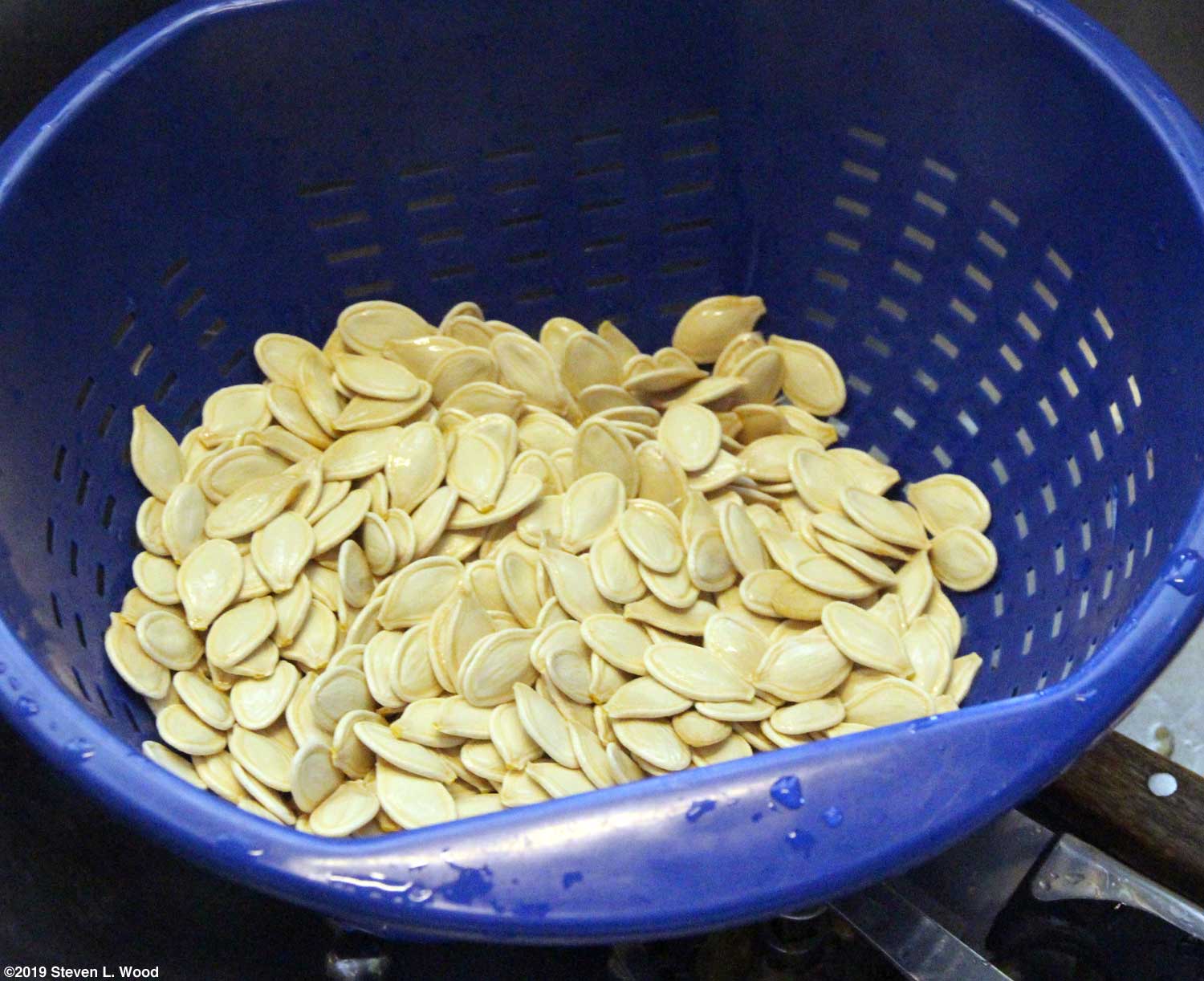
Frequently, a first frost may be followed by days or weeks of frost free weather. That's where covering crops with blankets, row covers, cold frames, Hot Kaps, or whatever you have available may extend ones growing season for some time. Pumpkins, Melons, etc. While defrosting the freezer, I noticed a line of moisture running from under one of our pumpkins on our makeshift drying/curing table. Sure enough, I found that one of the pumpkins was rotting. Rather than venting some profanities I'd have to beg forgiveness for in my evening prayers, I saved seed from the pumpkins and moved its rotting flesh to our compost pile. With pumpkins in mind, I checked our pumpkin patch. I ended up cutting the last four pumpkins there. I hauled them along with some watermelons, grape tomatoes, butternut squash, and some dwarfed red peppers to our local food bank. I'd thought with everything out of the big freezer for defrosting that I'd do our annual seed inventory today and tomorrow. With the saved pumpkin seed in progress along with several other types of seed still drying out, I decided to wait until our more traditional November time for doing our seed inventory.
Save up to 35% off Appliance Special Buys Friday, October 11, 2019 - Rain!
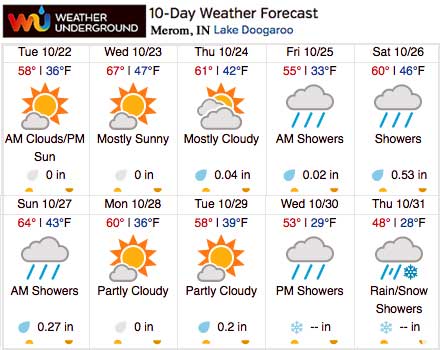
Our weather forecast for tomorrow morning hasn't improved any. The Weather Underground is now calling for a morning low of 30° F. I didn't cover up any more plants today. I guess I'm a bit worn down from a somewhat unsuccessful gardening season. The frustrating thing with this frost is that our extended weather forecast doesn't call for any more frost for the next nine or ten days. But a killing frost can be somewhat liberating. It frees one from trying to nurse a last harvest out of crops. Then one can turn to preparing ones garden for the next season.
Saturday, October 12, 2019 - First Frost
Thursday, October 17, 2019 - Lettuce
I cut several heads, a mix of romaines and butterheads. I hadn't mulched this planting to avoid having to clean grass clippings off the lettuce at harvest. Unfortunately, one of our cats dug in the bed before it got covered and spread soil over the bottom leaves of a lot of the plants. With our morning low tomorrow predicted to be 32° F, I re-covered the lettuce. The Agribon AG-19 floating row covers I use are supposed to protect things under them down to about 28° F. Heavier row covers are also available that give more protection, but they also transmit less light to the plants underneath them. While messing with row covers, I pulled back the one over our hill of Sugar Cube cantaloupes. I didn't find any melons going to half slip, or even any that looked close to that stage. Sugar Cubes are a small, very sweet melon. Ours are currently a little bigger than a softball. The Sugar Cubes don't get much bigger than that when full sized, but are ideal split for two people.
Sunday, October 20, 2019 - Cantaloupe in October!
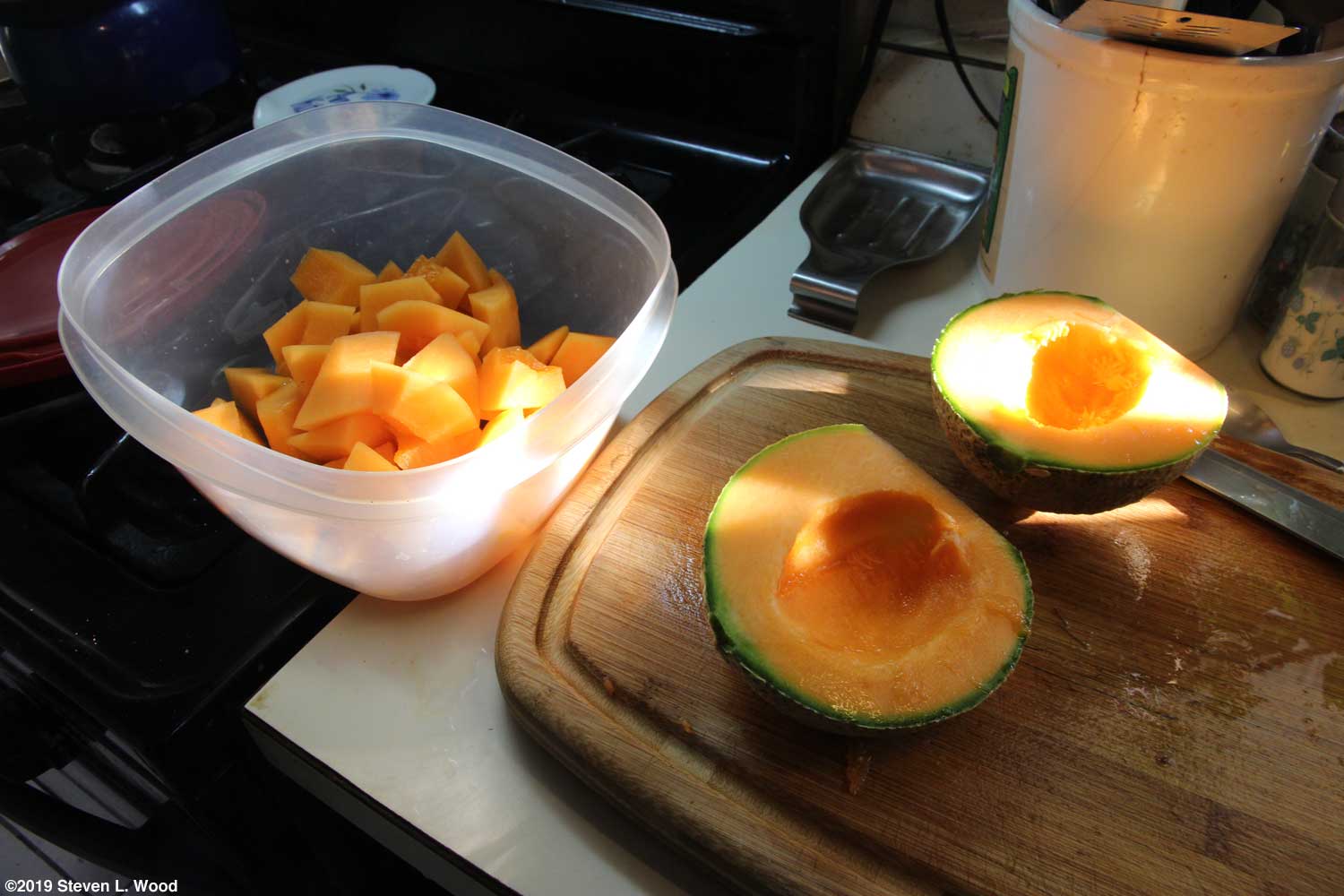
Today, five melons had gone to full slip, where the stem separates by itself from the melon. Unfortunately, all five melons had some rot on the side of them that touched the ground. If I were a commercial grower, that would render the melons as unsalable culls. But I'm not a commercial grower. I cut off the bad parts of the melons and cut them. As usual, the Sugar Cubes were delicious, especially so this late in the growing season. Besides dragging some pumpkin vines to our compost pile, I cut some butternut squash. Ten squash went to our drying/curing table in the garage. While our pumpkins are all harvested, there are still about a dozen butternuts that I left on the vines.
I've been keeping a pretty close eye on our extended weather forecast. It appears that we may have pretty typical fall weather for the rest of the month. While we have our melons and lettuce protected with floating row covers, I'm most worried about our crop of fall broccoli for seed. I'm wondering if there will be enough time for the plants to mature their seed pods. While we have some nice weather, I'm working to clear old plantings (tomatoes and peppers in our East Garden) and to prepare our garden beds as they open up for next year. I was all set to do some serious gardening today. But when I went outside, I found 30-40 MPH winds a bit too much for my old bones. The wind is supposed to die down some tomorrow.
After throwing the pepper plants on our compost pile and putting away the cages, I stopped by our hill of Sugar Cube cantaloupes. When I pulled back the floating row cover protecting them from frost, I found seven ripe melons. All but two of them had some rot on the rind, but all should cut well and be usable as cut melon pieces.
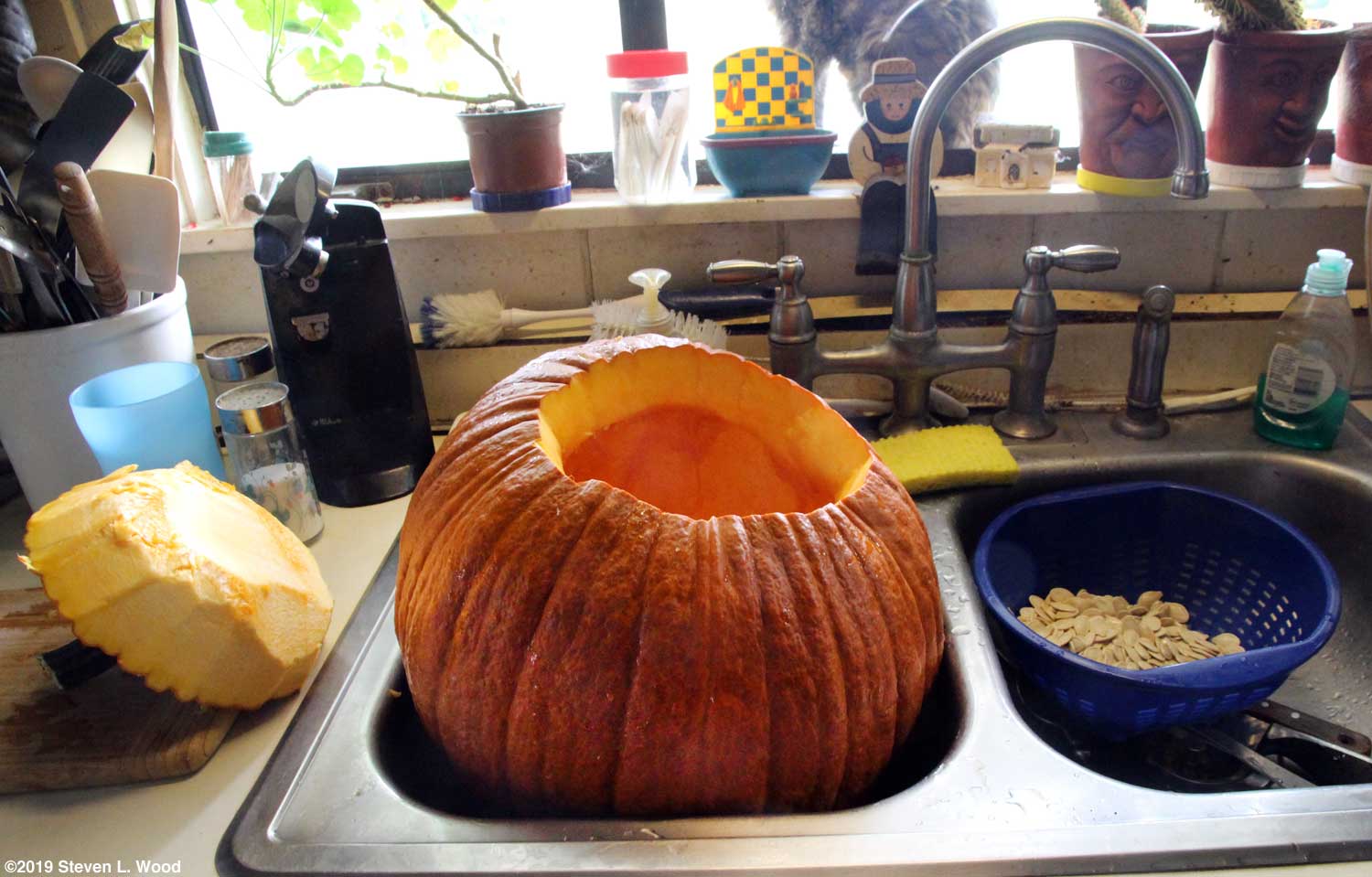
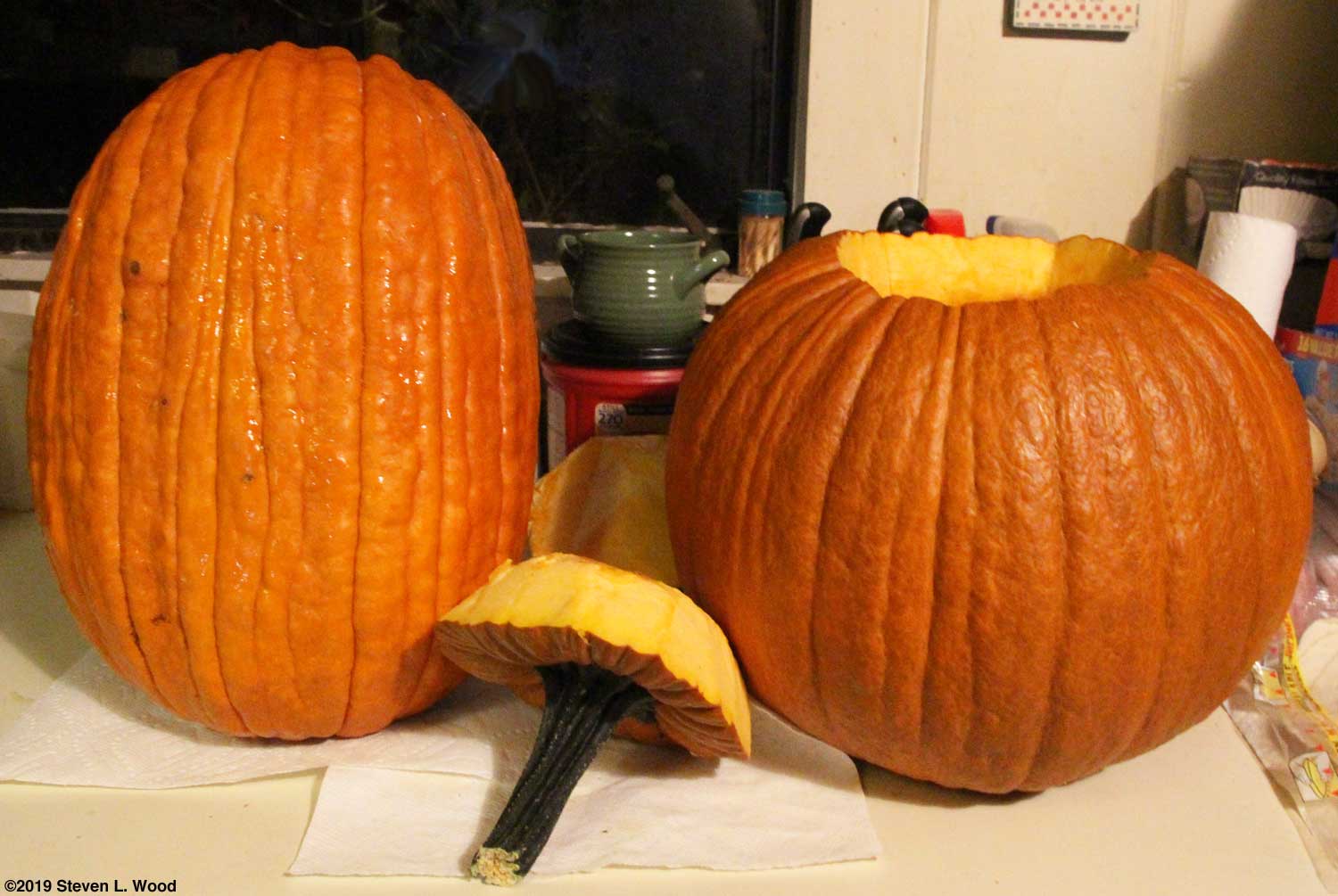
While taking a break from the scraping, I searched for cleaning pumpkins and ran across a unique video that recommends using a mixer beater hooked up to a drill to clean the pumpkins. I tried using the method with one beater in our handheld mixer without much success. While I starting charging a battery for our cordless drill, I didn't try the method with our second pumpkin. It was way too tall to reach the bottom of it with the drill. I may try the drill and beater with a third (and last) pumpkin tomorrow. In the photo below, the pumpkin on the left was our tallest pumpkin. It actually is a bit uncharacteristic of the Howden pumpkin variety. The pumpkin on the right was our heaviest. At harvest, it weighed thirty-four pounds. When I picked it up today, it seemed a bit lighter, possibly from drying out several weeks on our drying/curing table in the garage.
This was our best harvest of pumpkins in years. We ended up getting twenty good pumpkins from a hill of five or six plants. Of course, the hill was planted on the site of an old compost pile.
Wow! We seem to be running out of October pretty quickly. I'm falling behind on my End-of-Season Gardening Chores. Yesterday's task was supposed to be tilling two of our narrow raised garden beds. But our twenty-five year old tiller refused to start! With a sore shoulder from pulling the starter cord, I went back to the house and watched re-runs of the old Bones TV series all afternoon. It's supposed to rain all day today, so any outdoor gardening is out. First Seed Catalog
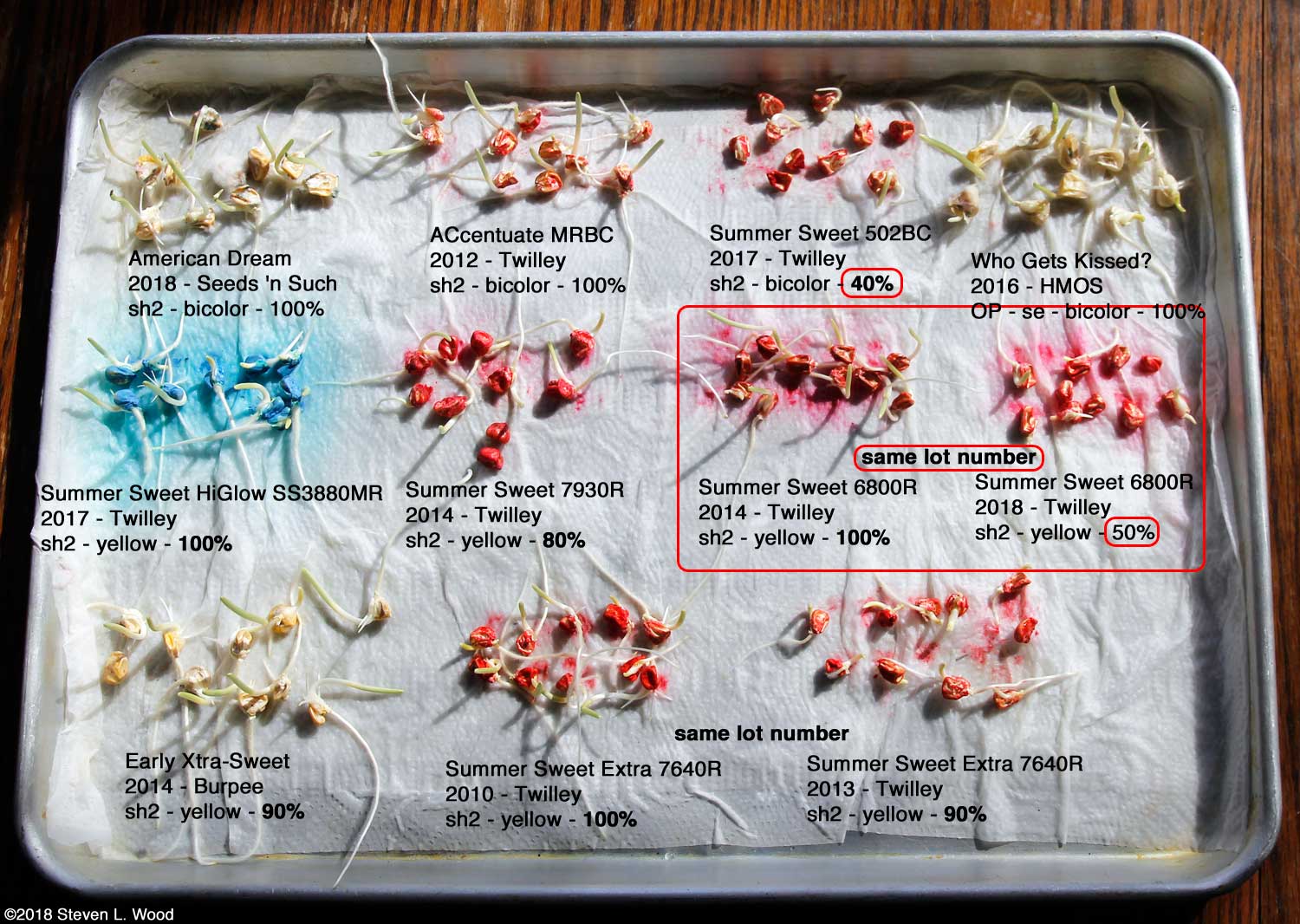
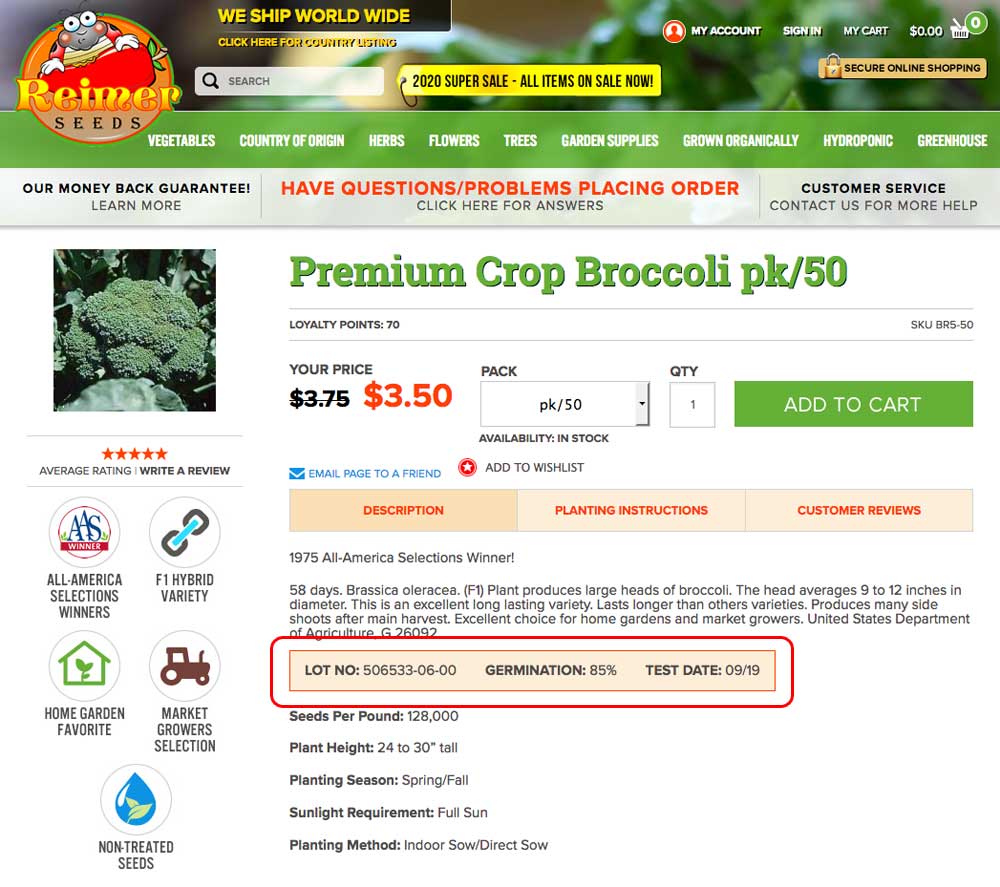
Twilley president, George Park, admitted in a phone call that they'd experienced some real problems with bad seed (my description, not his). He attributed the problems to "some stuff getting swept under the rug" by an ex-employee who left their germination records "untended." When called on it, Mr. Park admitted that selling four year old sweet corn seed was improper. I wondered if Mr. Park's explanation might be a bit disingenuous, but am willing to give the company one more try. After not ordering from or linking to Twilley for well over a year, we'll order some petunia seed from them sometime next month for our usual egg carton petunias. It's probably too much to hope for, but I wish our seed packets from Twilley would arrive with current germination testing results stamped on them. Twilley and other seed houses might do well to emulate Reimer Seeds new practice of showing current germination testing results on their web page.
Seed Savers Exchange I received a nice and somewhat persuasive mass mailing this week from Heather Haynes, Development Director of the Seed Savers Exchange. Shortly thereafter, I received a similar email message from Abe Mendez, SSE's Membership Coordinator. I've been pretty clear about why I dropped my support of SSE due to their de-emphasis of their Member Exchange. Former SSE board member and Johnny's Selected Seeds founder Rob Johnston, Jr., wrote in an email to me, "I believe that the Exchange is the core of SSE." At the top of Ms. Haynes mailing was a message that the Seed Savers Exchange has a new executive director, Emily Rose Haga. She has an impressive background in plant husbandry and breeding. I'm hopeful that her leadership will reverse the de-emphasis of the member exchange under the previous leadership. Since last airing my grievances with the organization in June, 2018, I've actually seen a few positive changes related to my suggestions for SSE. Ms. Haga is a listed member, meaning she shares seeds via the exchange. I also noticed that board chair, Rowan White, is again a listed member, something that was not the case when I made my protests in 2017. SSE does seem to be aggressively seeking new members. Their Heritage Farm publication now regularly features superstar seed saver members. And they got last year's yearbook (the paper listing of all members' sharings) out in January, making it far more useful to members. While much of today's posting is about second chances, the Seed Savers Exchange still has some serious work to do in better supporting their member exchange. I'm still wavering on whether or not to renew my SSE membership. First "Seed" Order for 2020
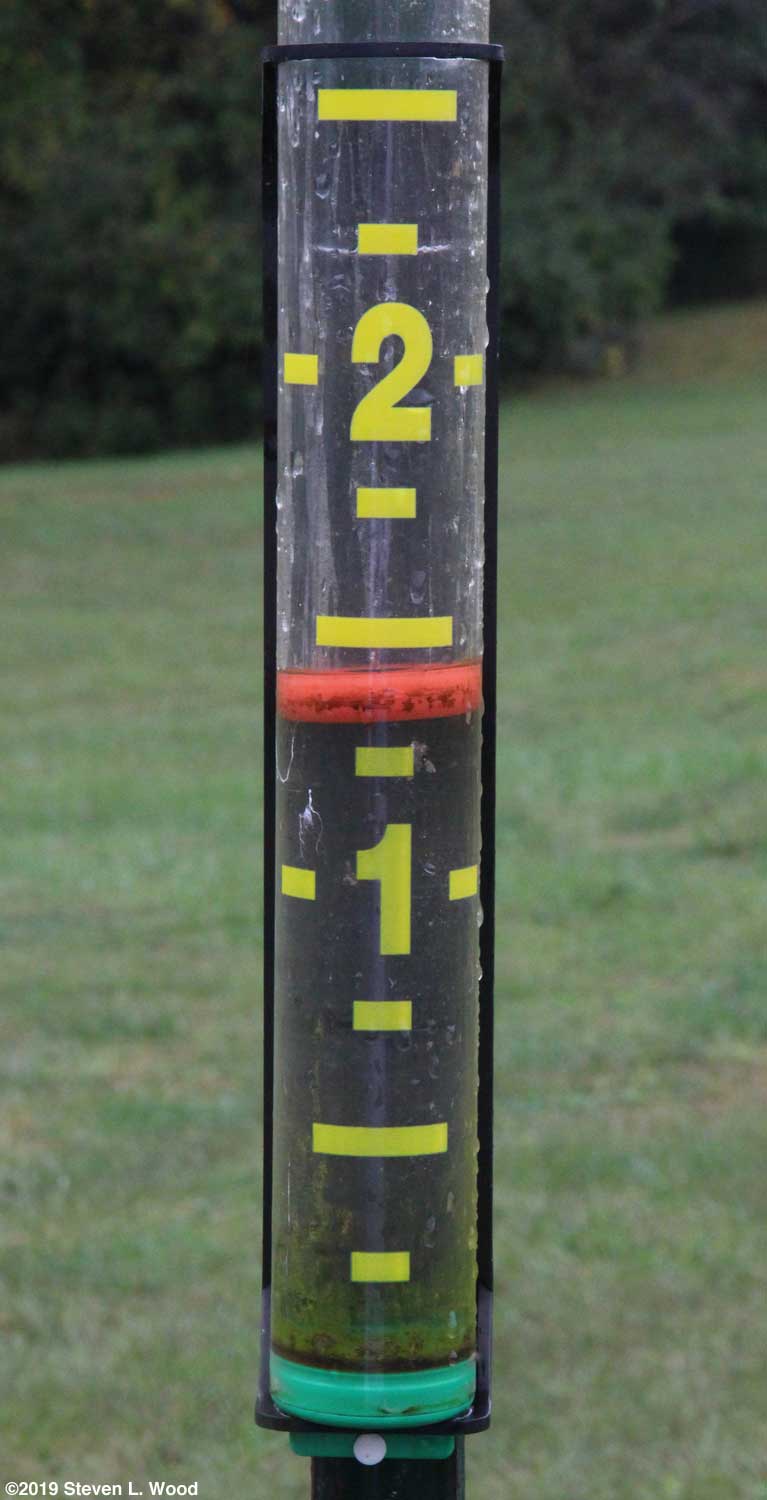
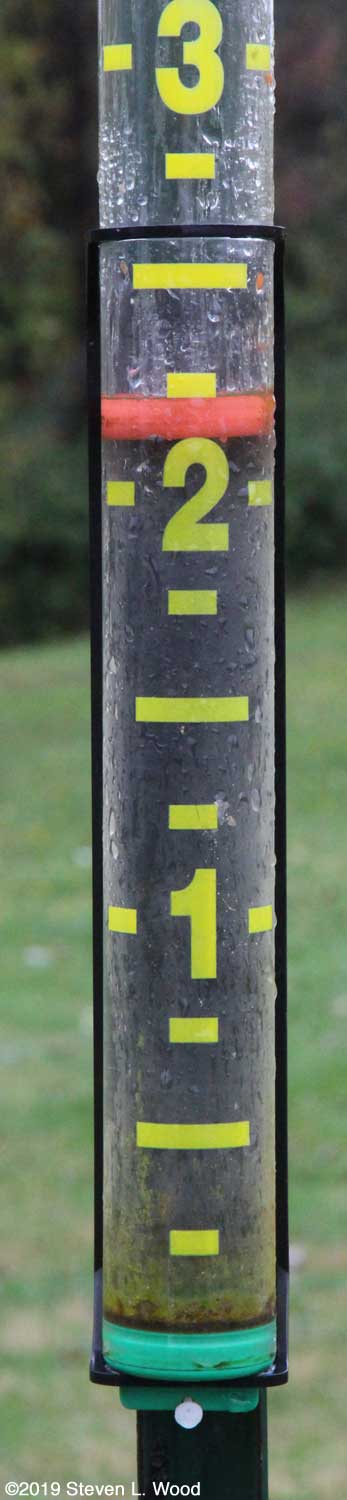
We got our starts of both the Hungarian Spice Paprika Pepper and Abundant Bloomsdale spinach from SESE. We now save seed from both varieties, but appreciate SESE carrying the excellent open pollinated varieties. Rain - Lots of It As I finish this posting mid-afternoon, our rain gauge is showing over two inches of rain so far today.
I got a couple of our pumpkins carved yesterday. Our kids used to be much more creative in carving pumpkins!
After receiving 2.25" inches of rain yesterday, we have a gorgeous sunny day today. After the Colts game is over, I hope to get out and do a little gardening.
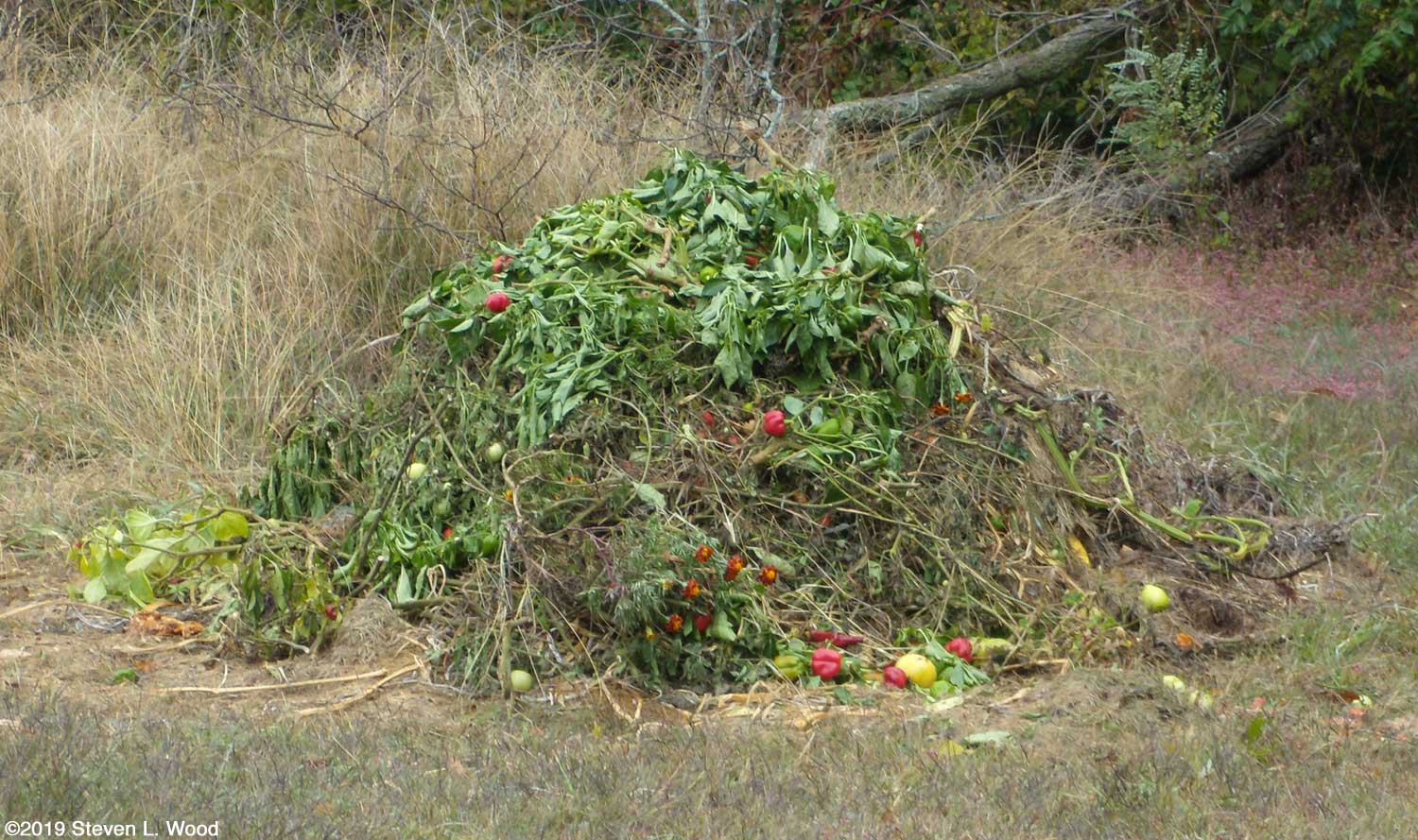
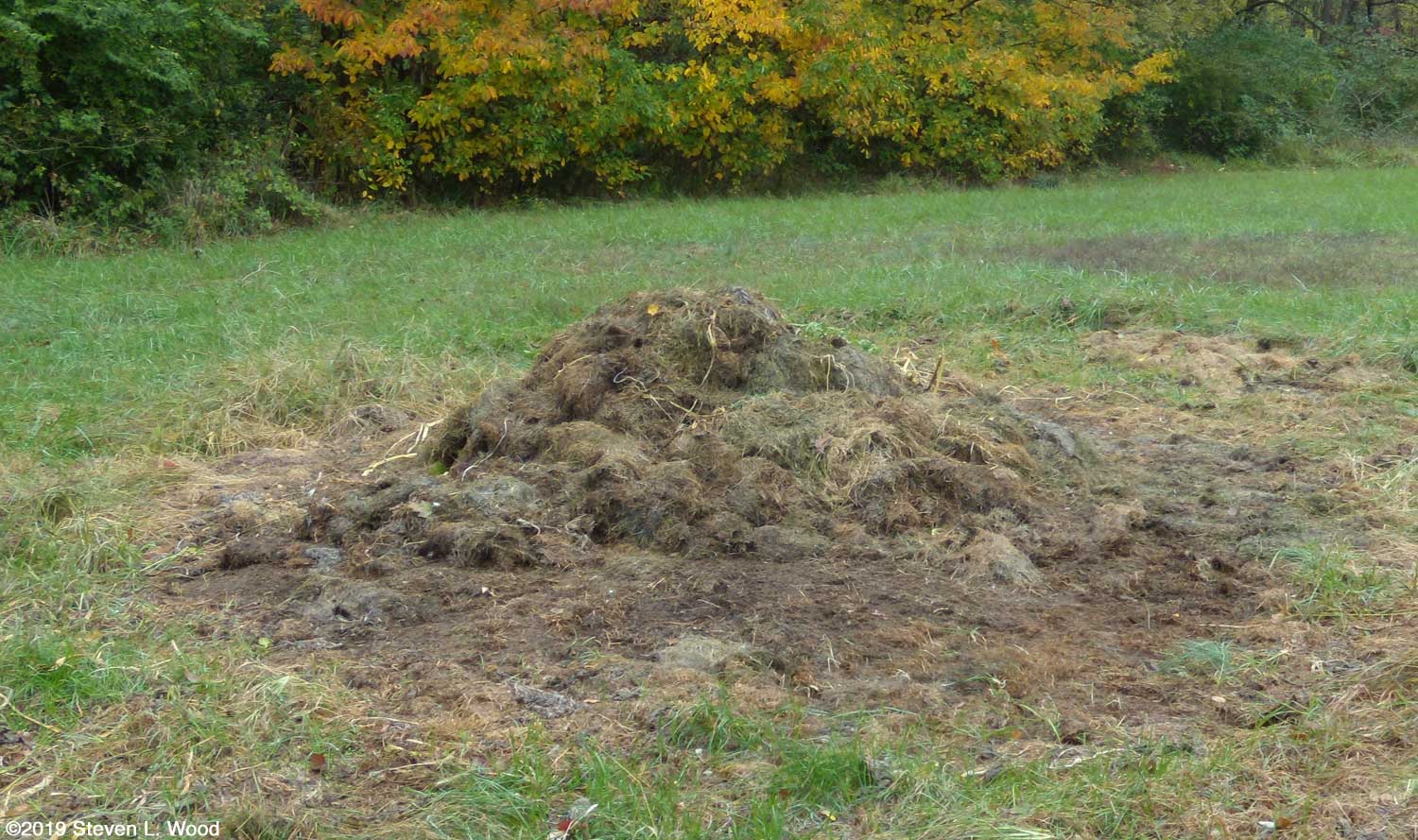
I started a new compost pile yesterday afternoon. Since we'd grown a fabulous crop of pumpkins this year on the site of an old compost pile, I used that same spot for the new pile. I dumped some kitchen compost on the pile first, covered it with the pumpkin vines remaining, and raked up some heavy mulch from the area to top off the new pile.
The new pile will get to sit and brew for the winter and most of next summer. The site won't be used again for planting at least until 2021. Even then, I'll probably plant butternuts in it instead of pumpkins. Our old compost pile still has a lot of new material added to it in the last few weeks. But when I break into it next month, undigested material will be moved to the new compost pile.
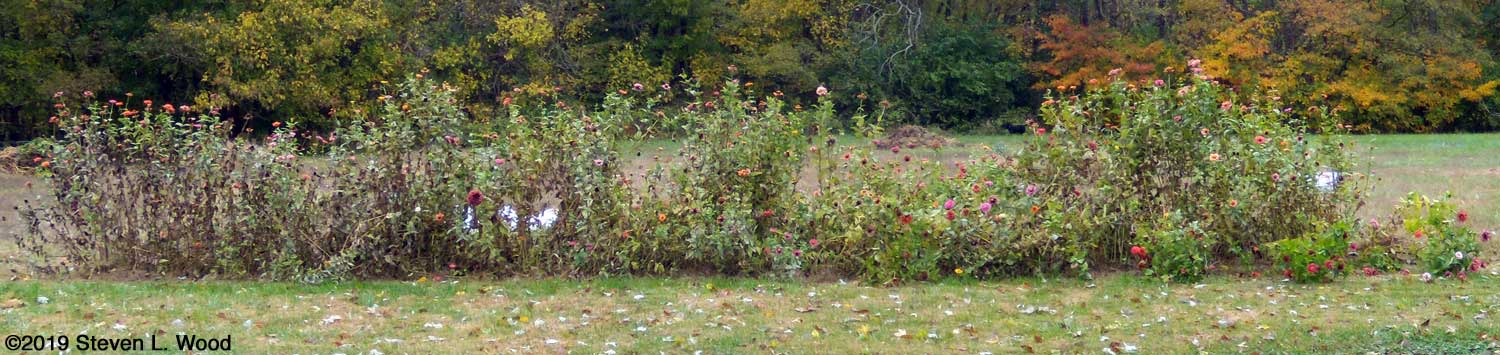
I'd planned to begin cutting our long row of zinnia plants and put them on the new compost pile today. Zinnias are another plant that forms a woody stem that is slow to decompose. Unfortunately, it's been cold, foggy, and misting outside today. The wet weather also precluded saving more zinnia seed and starting to save some basil seed.
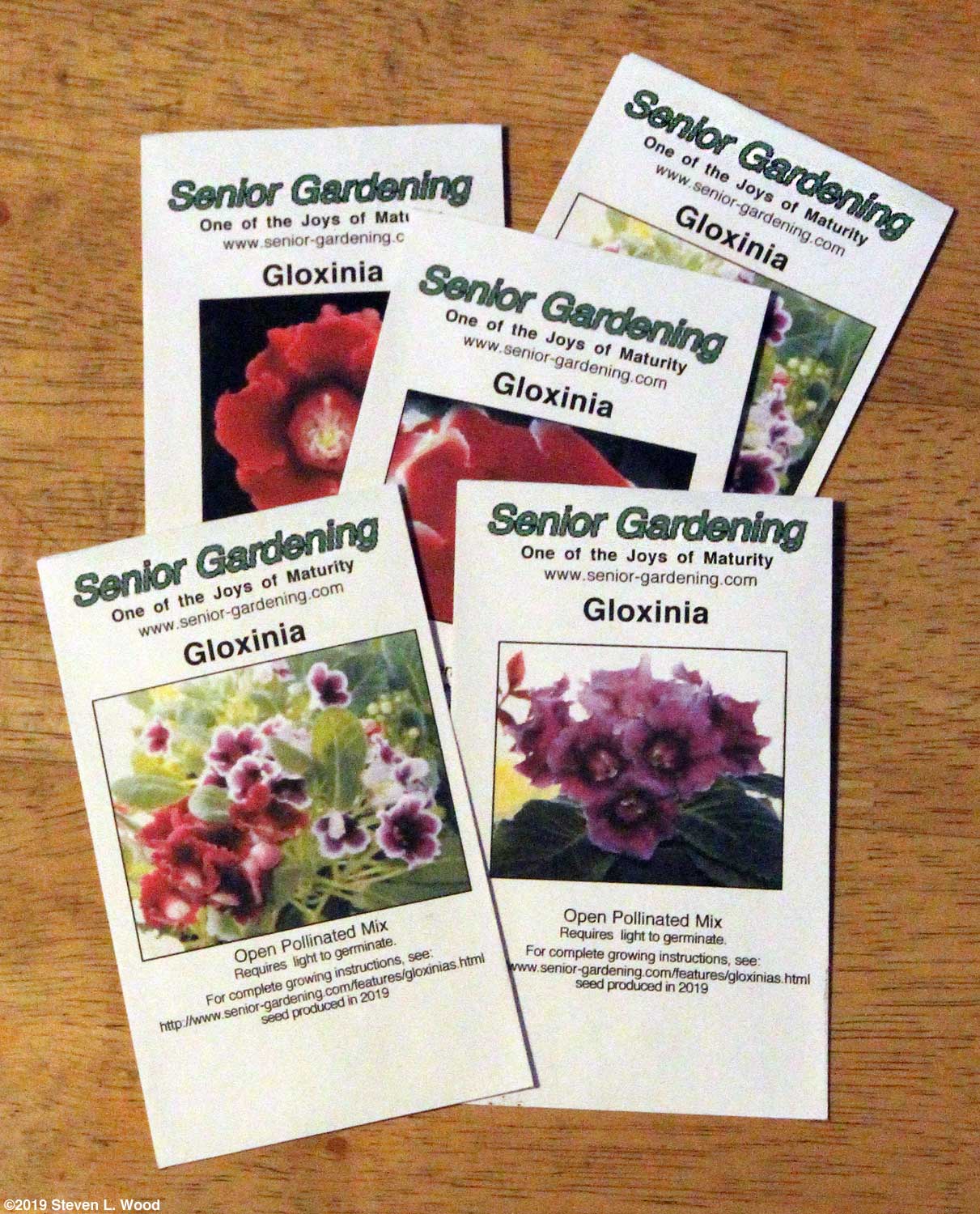
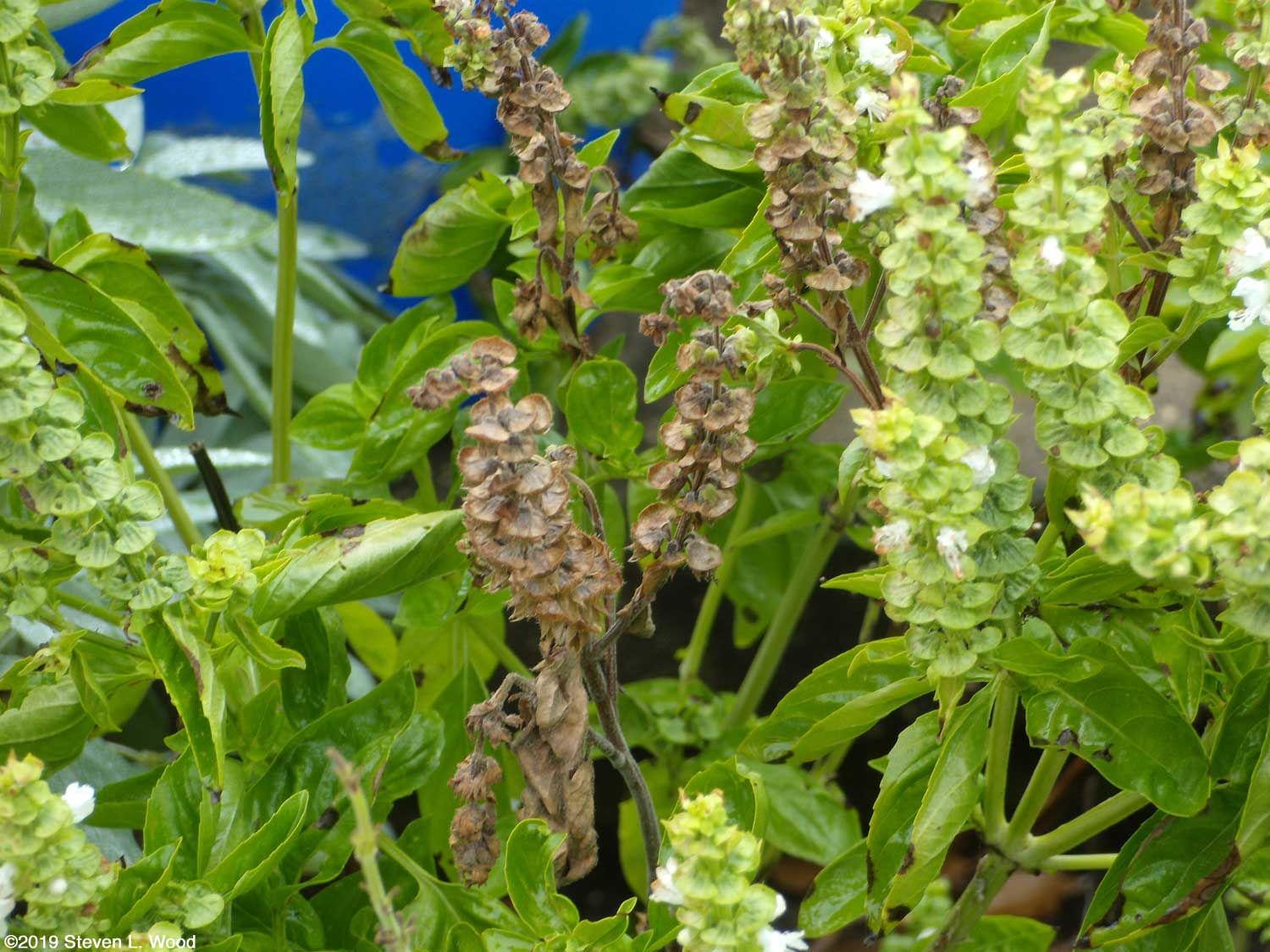
Saving zinnia seed is easy. You just pick the brown or black seed heads and let them sit in a warm, dry place for a week or two. Then I twist the seed head between my fingers, releasing the seed...and a lot of trash. While I winnow the seed sometimes, it actually can be saved and planted the next season with the seed trash! Since the seed trash is just barely lighter than the zinnia seed, I lose a lot of seed when I try to winnow it in the wind. Basil seed is even easier to save. Pick the brown, mature flowers from the plant. Then strip the seeds from the stem by running your closed hand down the stem. Rubbing the seed heads between ones palms easily releases the seed. Plant trash can be easily winnowed from the seed. With a series of killing frosts almost certain this weekend, I dropped off the two wandering jew plants we enjoyed as porch plants all summer at our local food bank. One plant lasted less than 60 seconds, as I saw someone loading it into their car in my rearview mirror as I left. Since I don't bring many plants inside to overwinter, I'm glad someone else can enjoy the plants rather than letting the frost take them. We still have one wandering jew plant hanging in our kitchen. I'll take cuttings from it in January for our next generation of wandering jew plants. Today's photos were taken with my backup, backup camera, a Nikon P-60. With it misting outside, I was unwilling to take either my first or second string cameras outside. Doing lots of garden photography, both are covered with dust that is hard to blow or wipe off. Getting them wet would turn the dust to mud. So the little Nikon that now only works in one mode got the photo duty today. Most of today's photos have been somewhat heavily modified in Photoshop. Almost all required lightening. Some got a little enhanced color saturation. Only the basil shot was good to use as is without any enhancement. I tell about the photo gear I use at the end of our Gloxinia Photos feature story.
Tuesday, October 29, 2019 - Pumpkin Stuff I ran across a timely article on the Huffington Post site this morning, Can You Eat The Pumpkins You Carve? by Caroline Bologna. I wasn't contemplating cooking any of our pumpkins based on my wife's experience of having tried it once. She recommends buying canned pumpkin for cooking. Bologna suggests that one can cook Halloween type pumpkins, but writes “Carving pumpkins tend to have thinner walls that are more stringy, grainy and woody in texture — which unfortunately doesn’t taste very good. They are edible, but they would need a lot of help from other ingredients because of the texture, so proceed with lowered expectations if using for dishes.” She suggests using smaller "sugar pie" pumpkin varieties bred for cooking and notes that these varieties are often stocked in groceries along with squash and gourds in the produce section. I guess our one remaining uncarved Howden pumpkin is safe from being cooked. Cold Remedy? I finally began to address a nagging cough and runny nose yesterday. Vitamin tablets and lots of orange juice along with my frequent breakfast of poached eggs and toast didn't make much of a difference by this morning. So I added a glass of cranberry juice this morning and also broke out our ultimate home remedy for colds and such, Portuguese Kale Soup. The soup is loaded with vitamins from its veggie ingredients. It may not break the cold, but it certainly gave me a warm tummy. Along with the aroma of the soup, I have a pot of turkey and broth on the stove that I discovered when defrosting our freezer earlier this month. I generally don't use turkey for our kale soup, so this stuff got thawed for turkey and noodles tonight. I've come to prefer noodles from the Oakland Noodle Company. To go with the turkey and noodles, I decided to make a half recipe of Grandma's Yeast Rolls. They go well with both turkey and noodles and Portuguese Kale Soup. In the garden, I didn't cut and compost any zinnia stalks, as the cold wind was really biting. Instead, I harvested some more zinnia seed heads. I also cut what were probably our last Sugar Cube cantaloupes to ripen this year. There are still a couple of melons on the vines that might ripen, but I doubt they'll survive the cold weather predicted for this weekend.
Thursday, October 31, 2019 - October Wrap-up
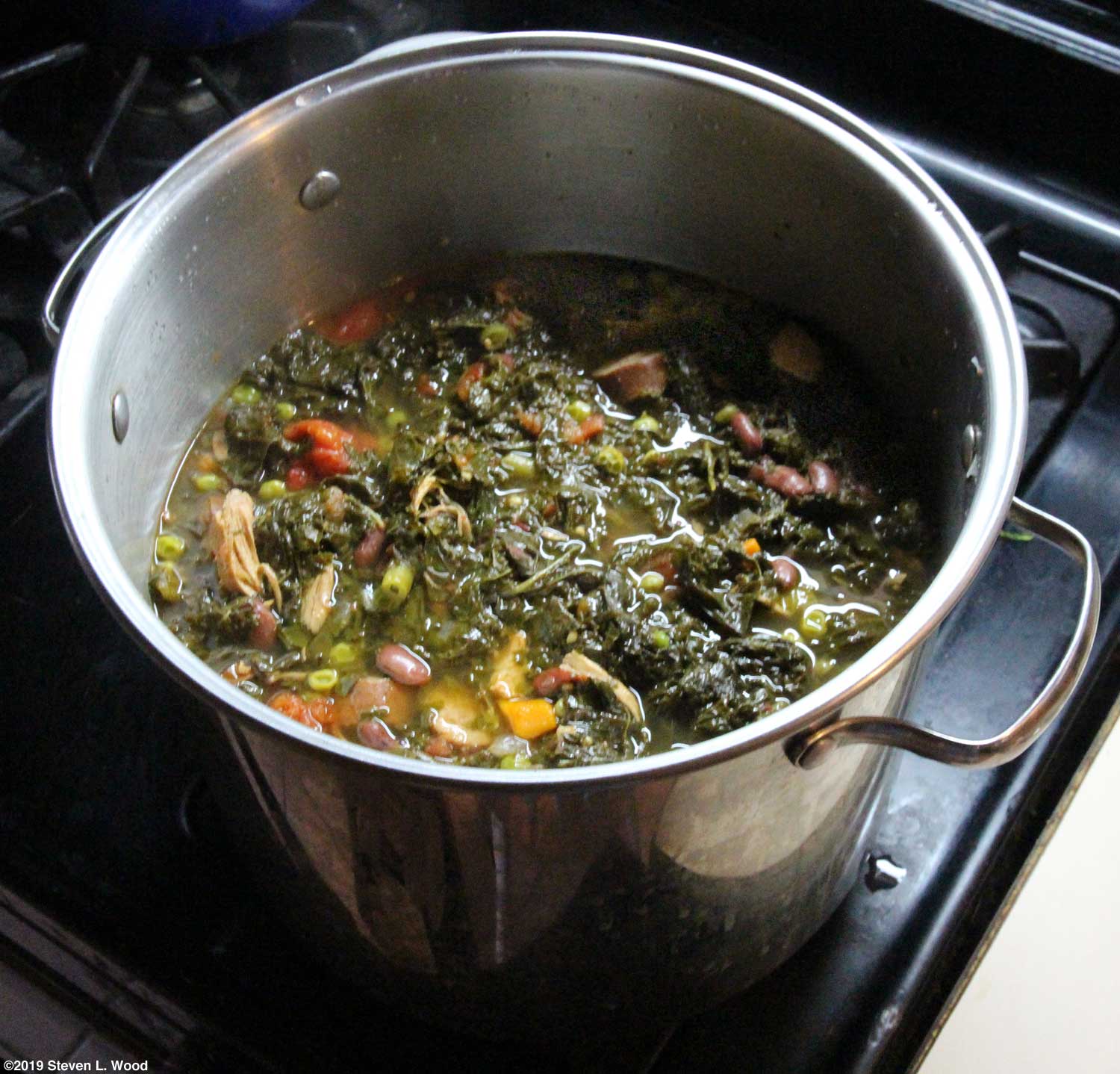
We had our first frost on October 12, followed by several other mildly frosty mornings. With our cantaloupes and lettuce protected by floating row covers, we didn't lose anything to the frosts. We ended the month without a truly killing frost, although a real dandy is predicted for tomorrow morning (23° F). We harvested lettuce, cantaloupe, watermelon, butternut squash, pumpkins, grape tomatoes, paprika peppers, kale, and small bell peppers this month. The melons were late plantings that we just lucked out with. Our main raised bed still has broccoli for seed, cauliflower, kale, and lettuce in it. Whether any or all of these cold hardy crops can survive tomorrow's freeze remains to be seen. Kale Soup I started our annual batch of Portuguese Kale Soup yesterday. I boiled down some boneless, skin-on chicken breasts, freezing filets but saving the boned chicken and broth. I added some of our canned tomatoes, garlic, sweet onions, and carrots to the broth.
Our kale varieties this year are Vates (also known as Dwarf Blue Scotch), Red Ursa, Rainbow Lacinato (a cross of Lacinato
After adding all the kale, I added some of our frozen green beans, peas, and a jar of kidney beans. I add potatoes to the soup just before canning it. Potatoes can get really mushy if cooked too long. Sometimes I add the raw, cut potatoes to the canning jars as I fill them with the soup. As I write, the final soup is gently boiling. I'll can it this evening as trick or treaters visit our house. As a soup with meat in it, pints canned will take 75 minutes at 10 pounds per square inch of pressure. If I do any quarts, the canning time goes up to 90 minutes. And of course, those times don't include heating the canner to pressure and cooling down time. I'll stay busy this evening.
Contact Steve Wood, the at Senior Gardening |






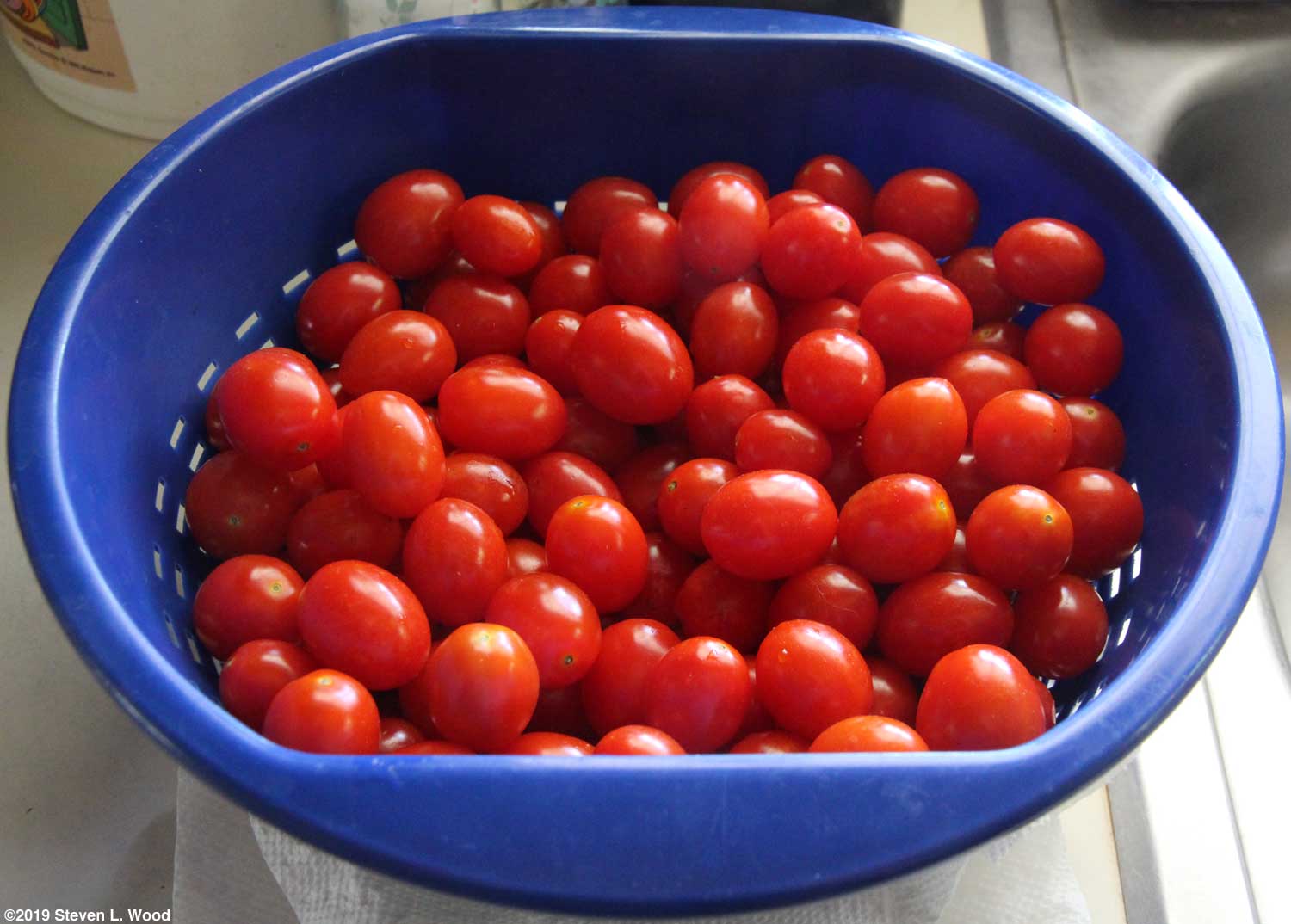
 to snip clusters of grape tomatoes off our Honey Bunch plant. After soaking and rinsing the tomatoes, it was easy work picking them off the small vines and sorting out bad or split grape tomatoes. I could have picked more grape tomatoes, but what cleaned up today filled four pint bags (three for the food bank, one for us).

















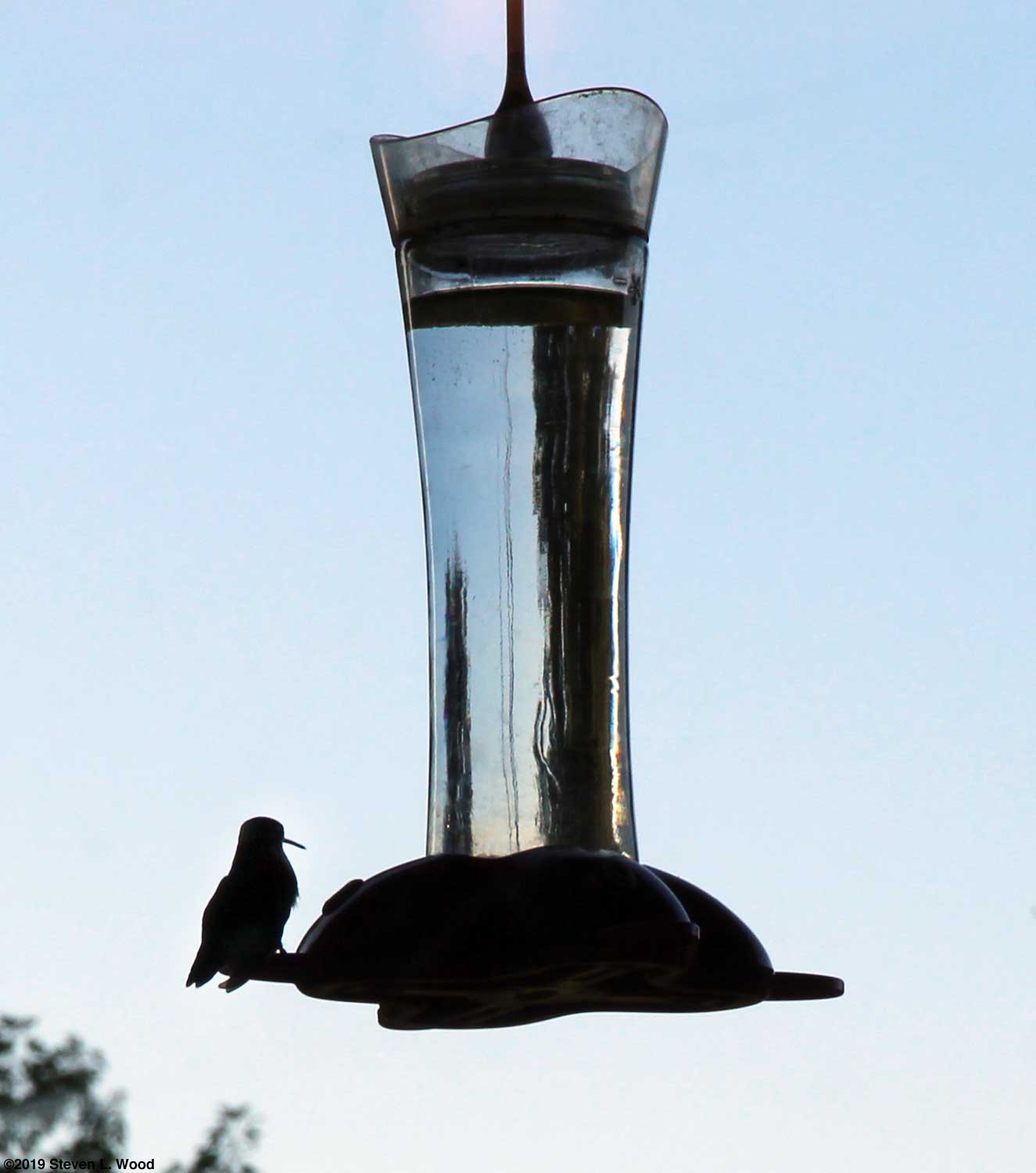
 We began the month of October feeding the last few migrant hummingbirds to appear at our feeder. After two days of high temperatures in the 90s, things cooled off and the hummingbirds were gone.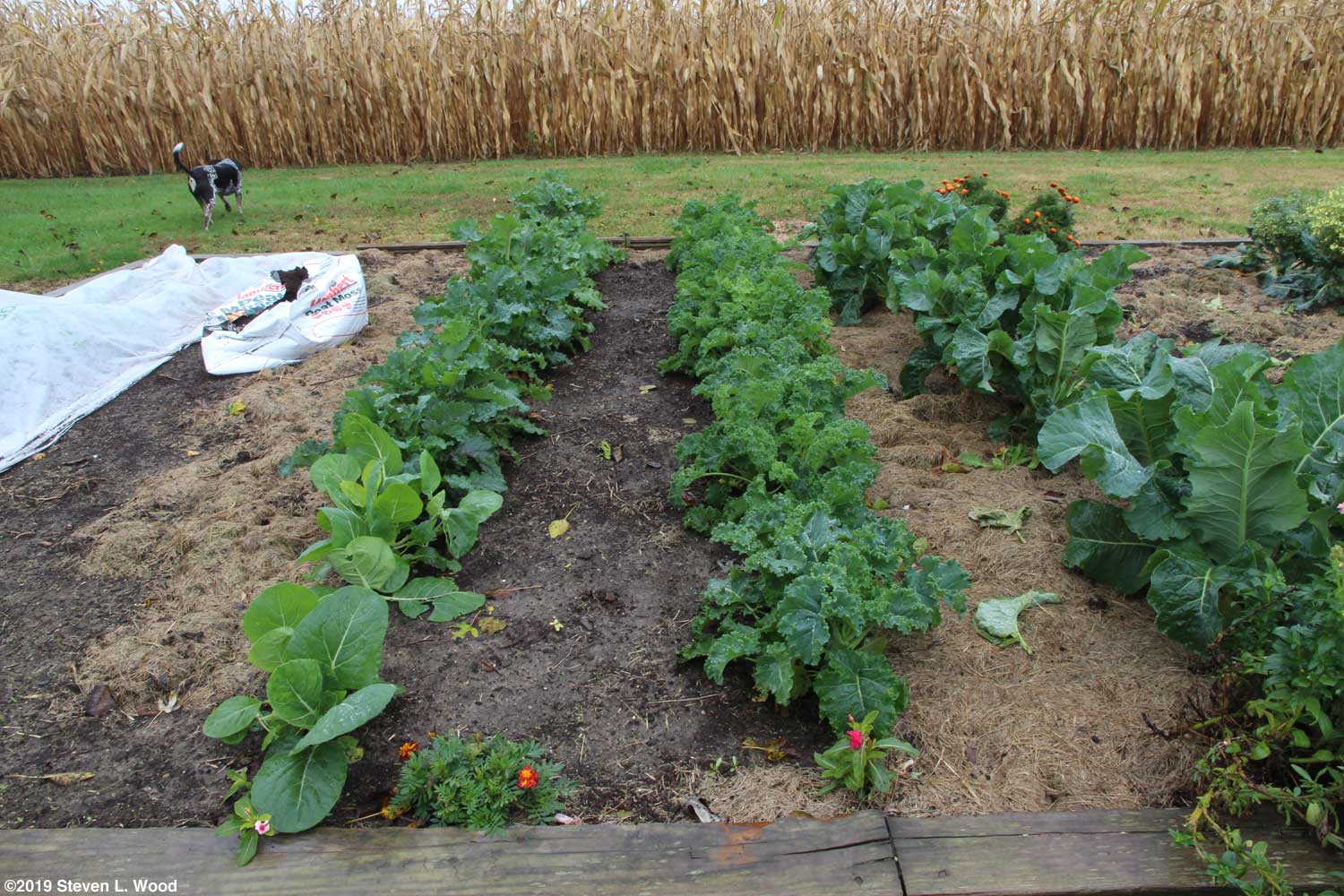
| Affiliated Advertisers |
©2019 Senior-Gardening.com