One of the Joys of Maturity |
|

| Affiliated Advertisers |
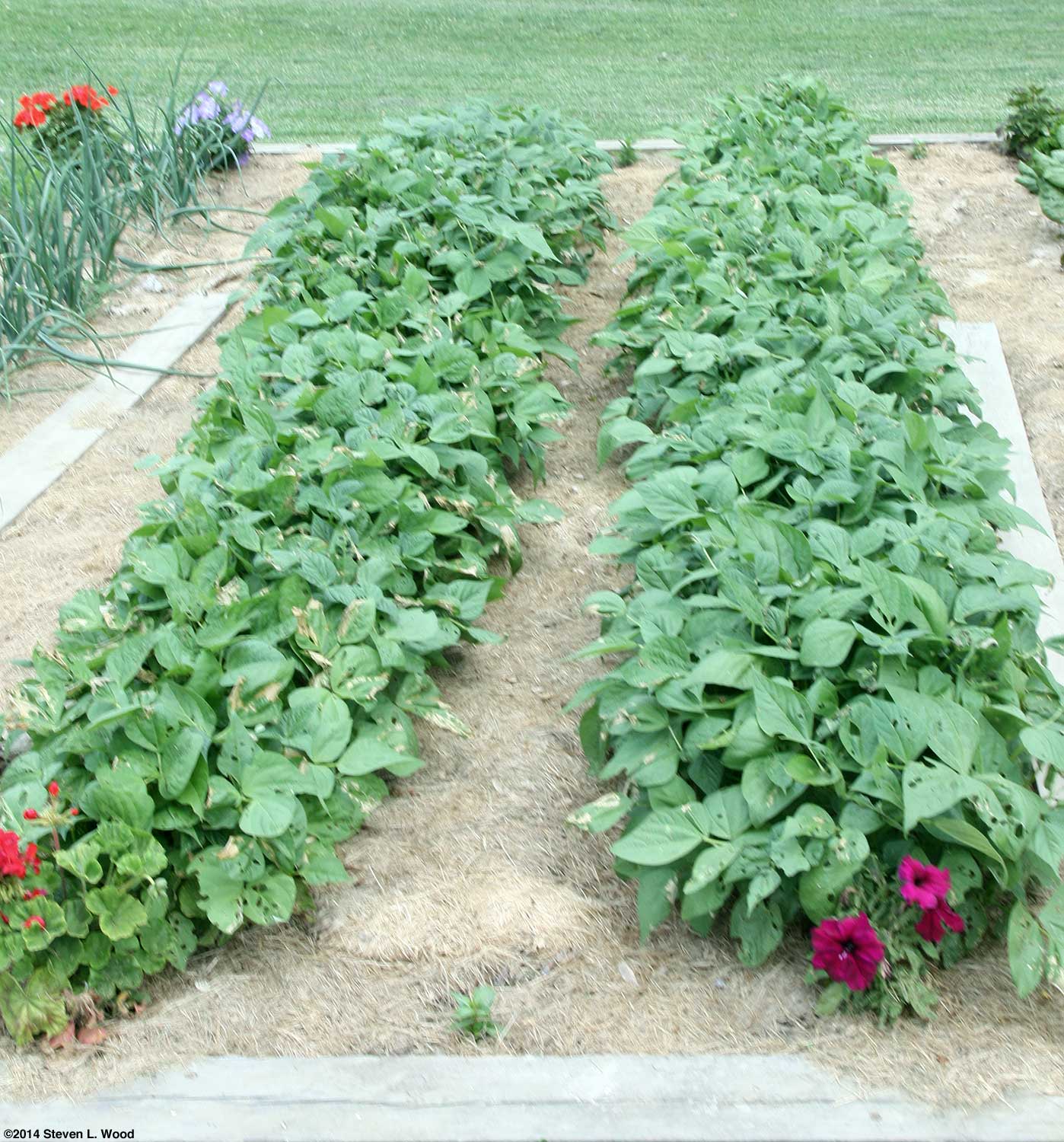
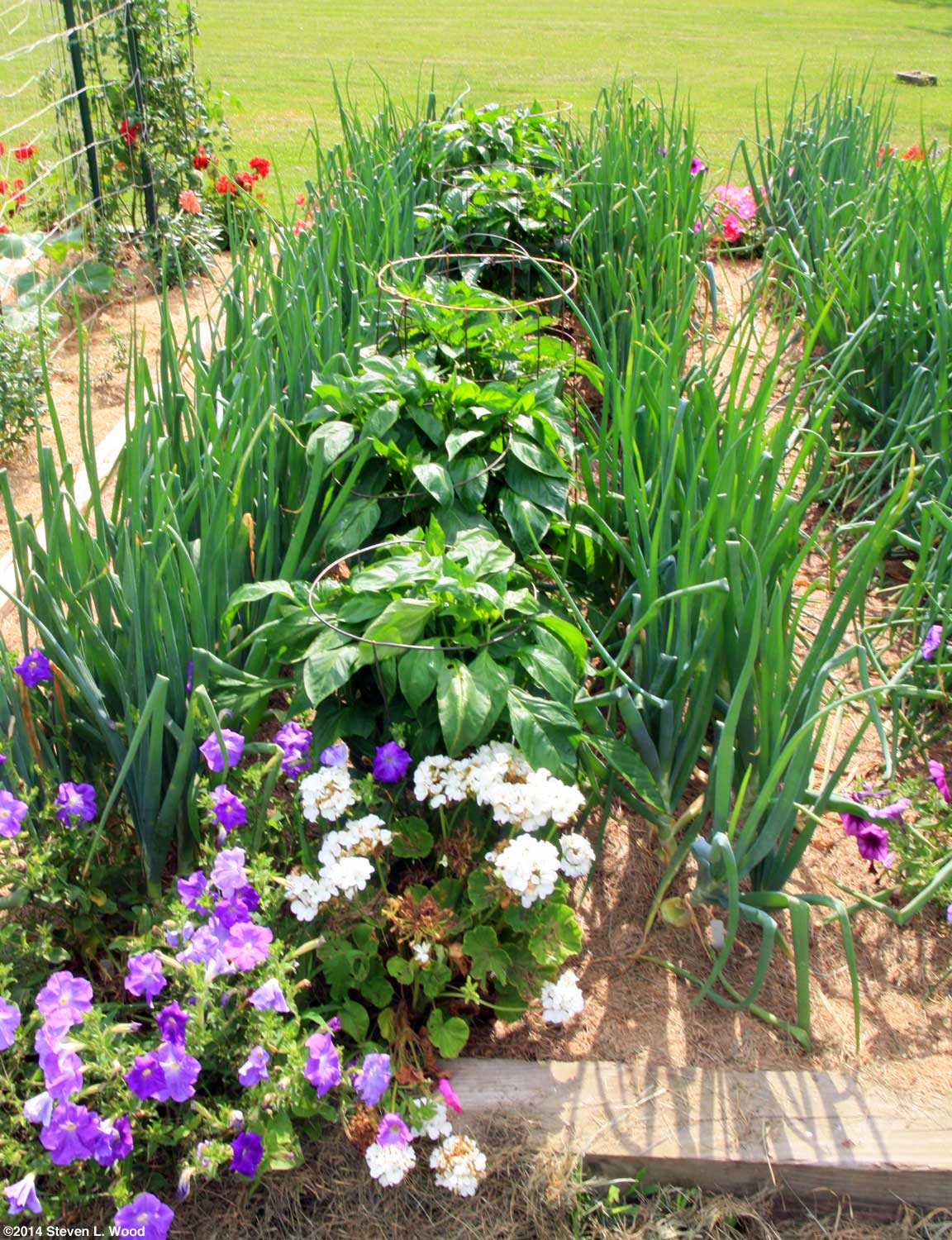
Clicking through one of our banner ads or some of our text links and making a purchase will produce a small commission for us from the sale. Grass Clipping Mulch We really wouldn't have much of a garden without using grass clippings to mulch our many vegetable plots. I hate to weed, we have a limited water supply that makes watering the garden in the dead of summer a rarity, and I'm really sorta cheap. Grass clippings hold back weeds nicely, help hold moisture in the soil, and add organic matter and fertility to the soil as they decay. And they're free.
No "Weed & Feed" Using grass clipping mulch is pretty straightforward, providing one follows a couple of cautions. You cannot use grass clippings from a lawn that has been treated for weeds. The herbicides applied for lawn weed control may/will carry over in the clippings and damage your garden plants, if not kill them outright. Secondly, you have to be careful using fresh, wet, green grass clippings around tender young plants. Just as a pile of grass left on the lawn heats up as it decays and damages or kills the grass under it, fresh clippings applied in an inch or more layer will heat up, "burning" any plant they're touching or near. Of course, if you're laying the grass clippings over weed seedlings, such heating and burning can be a very good thing. Note that the caution about using clippings from a treated lawn applies to compost piles as well. Using clippings from a lawn treated with herbicides can create what is called "killer compost," compost that has retained some of the herbicide's ability to kill plants. Gathering the Clippings
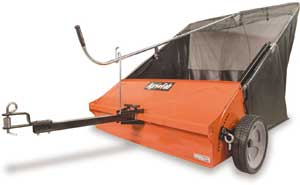
Hint: Don't get the windrowed clippings too high or thick or they'll be tough to rake and impossible to gather with a lawn sweeper. Let Them Sit and "Cook" a Bit Fresh, green grass clippings are an organic material that naturally decompose. They begin to do so in the first twenty-four hours after gathering, especially if they're a bit wet and are left in a pile. Just as in a good, working compost heap, decaying grass clippings produce a lot of heat. We often take advantage of this process when mulching the aisles between our melon rows. The grass clipping mulch holds back weeds by denying the weed seed light and oxygen, but the heat from fresh clippings can also burn down small existing weeds. Alternatively, one can let grass clippings sit on the lawn for a day to dry if not piled too deep before raking or sweeping. That allows the grass to dry and cure a bit, allowing their use close to plants as soon as they're gathered. The downside to this practice is that if the clippings are too thick and significantly heat up overnight, they may leave a row of damaged, or worse yet, dead, grass underneath where they laid. Application
It's best to apply grass clipping mulch over soil that is already moist. As the clippings break down and sometimes form a mat, they can impede rain penetrating into the soil! It also helps in windy weather when applying grass clippings to be able to press them down into the soil a bit to hold them in place (especially when applied close to the base of garden plants or flowers). We Mulch a Lot Our gardening method might best be described as a cross between French Intensive Gardening and the intensive planting techniques taught by the late James Underwood Crockett in Crockett's Victory Garden. We plant our onions and carrots in double rows spaced just four inches apart with just eight inches to a foot between the next crop. Mulching until the plants canopy allows us to get away with such practices.
What Don't We Mulch Truth be told, I really prefer the appearance of a well cultivated garden over a fully mulched garden. But I simply lack the strength, endurance, or will to do such stuff. But there are some crops we don't always mulch. Sweet corn, potatoes, and green beans are all crops we avoid mulching at times. Our sweet corn plantings have been too big to effectively mulch the last few years. We tried mulching potatoes in 2013, but ended up with a weedy mess and a lot of green potatoes on the soil surface. Occasionally, we don't mulch green beans to avoid having grass clippings to clean off the beans before canning. Of course, when we don't mulch our green beans, there are muddy beans or pods with rot that have been in contact with the soil surface.
Drawbacks to Using Grass Clippings as Mulch As mentioned earlier in this piece, grass clippings decay in time. One needs to pull the occasional weed that breaks through the grass clipping mulch, adding a bit more mulch to the spot of the breakthrough. Periodic re-application of mulch is necessary for crops that take several months to mature. I find that I have to refresh our mulch at one or two month intervals. Gathered grass clippings will certainly have some grass and weed seed in them. Some of that seed will survive the natural heating that occurs when clippings are allowed to sit for several days before use in the garden. So when you're carefully mulching your crops, you're probably importing grass and weed seed into your garden at the same time. While that sounds really bad, continued mulching usually takes care of such weed seed. Just like taking hay from a field, collecting grass clippings depletes nutrients from your lawn. You may find that you need to fertilize your lawn a bit more often if you take a lot of clippings. We rake (sweep) a lot of clippings in the spring, but even then don't rake the lawn every time we mow. I rarely have to fertilize our lawn to make up for the nutrients removed. Insects can hide in mulch. We mulch our pumpkins and butternut squash, but have to spray more, as squash bugs seem to love grass clipping mulch. Also, mulch left on the ground through the winter can provide protected areas for insects and their eggs to overwinter. Note We use our lawn sweeper to collect grass clippings from our lawn for use in our raised garden beds. We're fortunate to have the use of a one acre field next to our property in which we have our East Garden. The field is full of nasty weeds. We still take grass clippings from it to use as mulch, but only use that mulch in our East Garden to prevent bringing any more variety of weeds into our raised beds. I manage the field around the East Garden much as one with do with a normal hay field. I spread lime and fertilizer over the field, usually every other year. Fall Use
We use a heavy layer of grass clipping or grass clippings mixed with leaves to heavily mulch our fall planted garlic. The mulch holds back weeds and is said to prevent heaving of the planted garlic cloves from winter freezes and thaws. But it's critically important to remove such mulch as early as possible in March to prevent matting of the mulch from damaging garlic leaves trying to emerge. Links
Note that not all "experts" agree that using grass clippings for garden mulch is a good practice. Some suggest using a mulching mower to return the clippings' nutrients to ones lawn as a better option. Disclaimer Just because someone has a web site on gardening doesn't mean what they've written is "THE RIGHT WAY" to do something. The information above may be subject to error. I'm not a trained horticulturalist or even a master gardener. What I've written here is what works for us here at the Senior Garden, on our ground, under our growing conditions, most of the time...when we're lucky. I hope you find it helpful.
Send feedback to , the Old Guy at Senior Gardening |






| Affiliated Advertisers |
last uopdated 12/22/2019
©2015 Senior-Gardening.com