One of the Joys of Maturity |
|

| Affiliated Advertisers |
Clicking through one of our banner ads or some of our text links and making a purchase will produce a small commission for us from the sale. The Old Guy's Garden Record
Even with its deteriorating weather conditions, November is an incredibly important month in the Senior Garden. While we try to finish up our gardening tasks from the current season, we also have to get the soil ready for a new season. We still have some sweet potatoes to dig and pepper and tomato plants to pull and compost. Our kale always presents a delicious problem during November, as it still has an incredible amount of tasty leaves, but also needs to be pulled to make room for soil renovation and next year's crops. Our current kale crop sits on the ground where our garlic needs to be planted in the next few days or weeks. We have great lettuce and fair-to-good spinach growing under floating row covers that we'll continue to harvest this month. The lettuce and spinach in our main raised bed can remain there until the ground freezes or a really hard frost takes them, but one row of lettuce outside the raised bed is on the ground we need to prepare for our spring peas. Fall preparation of that ground allows us to just push early spring pea seed into the simi-frozen, muddy soil in early March. Soil preparation, when the ground dries out enough to be worked, will involve adding lime where indicated by soil testing and a good tilling to suppress weeds and loosen the soil. We usually try to add organic matter to the soil at this time. Since we hit a great deal last fall on closeout peat moss, we may not have to work so hard at that. But if I can find some good, rotted cow manure, that would really help our soil. And of course, November weather conditions can wipe out any chance of working the soil if a rainy period sets in. While outside work will keep us busy early in the month, we also are beginning to make "final" decisions on where crops will go in the garden next year. As you can see below, preliminary planning is well under way, but once you get a rake, planting stakes, and seed in hand, things in the garden can quickly change from what was planned on paper.
Part of our garden planning will include reviewing how things went in the garden this year. What varieties did well? Which ones need to be planted sooner or later, or more or less of...lots of things to consider. And what supplies will we need? We'll begin receiving seed catalogs this month, which is a good reminder to inventory seed on hand. Then we'll begin putting together seed orders for what we'll need next year.
With a light frost each morning for the last few days, our efforts in the garden have wound down to getting things cleaned up and ready for next summer's garden and harvesting protected and frost hardy plants. I did, however, run to the garden yesterday afternoon to snip some fresh oregano and parsley for spaghetti sauce for supper. Sadly, the last of our fresh basil got zapped by frost last weekend. A few late, fresh tomatoes also made their way into the sauce.
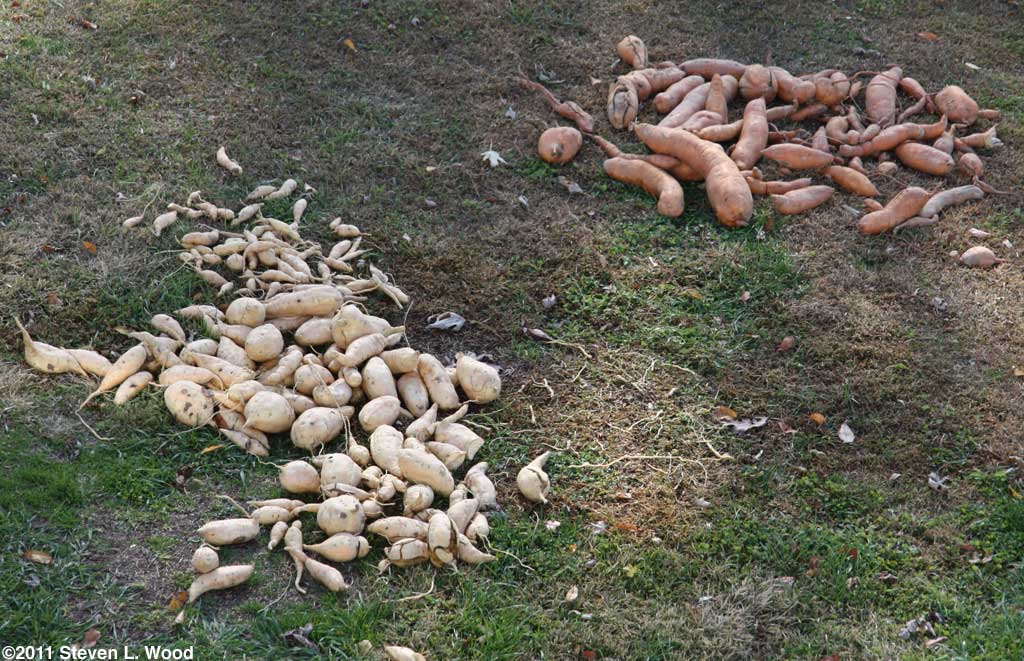
The last of the sweet potatoes I dug were of the Nancy Hall variety, shown in the foreground of the photo at left. They have a much lighter skin and flesh than the Centennial sweet potatoes shown further back. Both varieties produced an excellent crop of tubers, with me hauling well over a hundred pounds of sweet potatoes to our basement storage area.
Our daytime highs have been getting up into the mid-60s on some days, providing some incredibly nice fall weather. We did have one full day of heavy rain this week, delaying my plans for tilling. The rain was welcome, however, as the water table around here is still pretty iffy. I still need to mow and rake our lawn one more time this fall to knock down some weeds in the grass and clean up the leaves that don't blow away into the woods.
The main event for today was supposed to be cutting lettuce with a young grandson who loves salad. Unfortunately, before we got to cutting lettuce, he and his sister decided to go wading in the kiddie pool that still had rainwater in it. I was upset with them for getting their feet, socks and shoes wet in the cold water, but nothing compared to their grandmother! So we'll have to cut lettuce tomorrow. While the grandkids were getting into trouble, I was snipping spinach leaves (and obviously not keeping a very good eye on the kids). The spinach had regrown a good many baby spinach sized leaves that got rinsed, air dried, and popped into a green bag in the refrigerator. We've almost used up all of the first picking of spinach I did about ten days ago, but the leaves remaining in the fridge are still good. We'll be able to enjoy spinach salad several more times next week with today's picking.
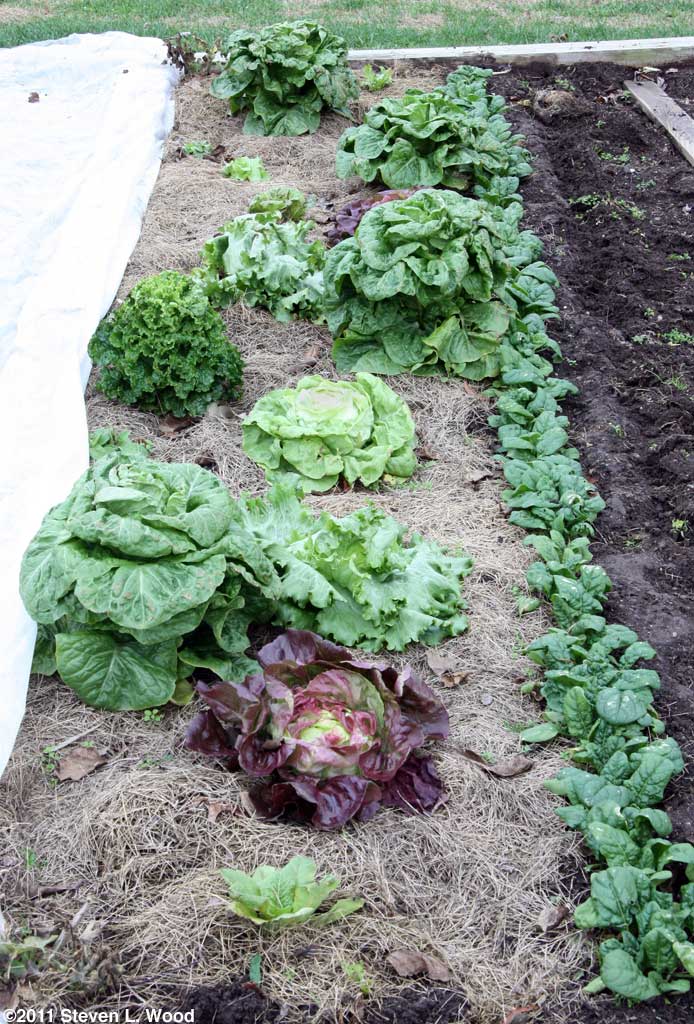
I almost wish the lettuce hadn't taken in this bed, as I 'd like to renovate it before the ground freezes. It served as our garlic bed this year, followed by the failed cabbage and then the successful lettuce, and will be used for peas next spring. Fortunately, I did give the area a light liming and a thorough tilling before planting the cabbage, so if I don't get to till it this fall, I'll still be able to pull the mulch back and poke pea seed into the soil next March.
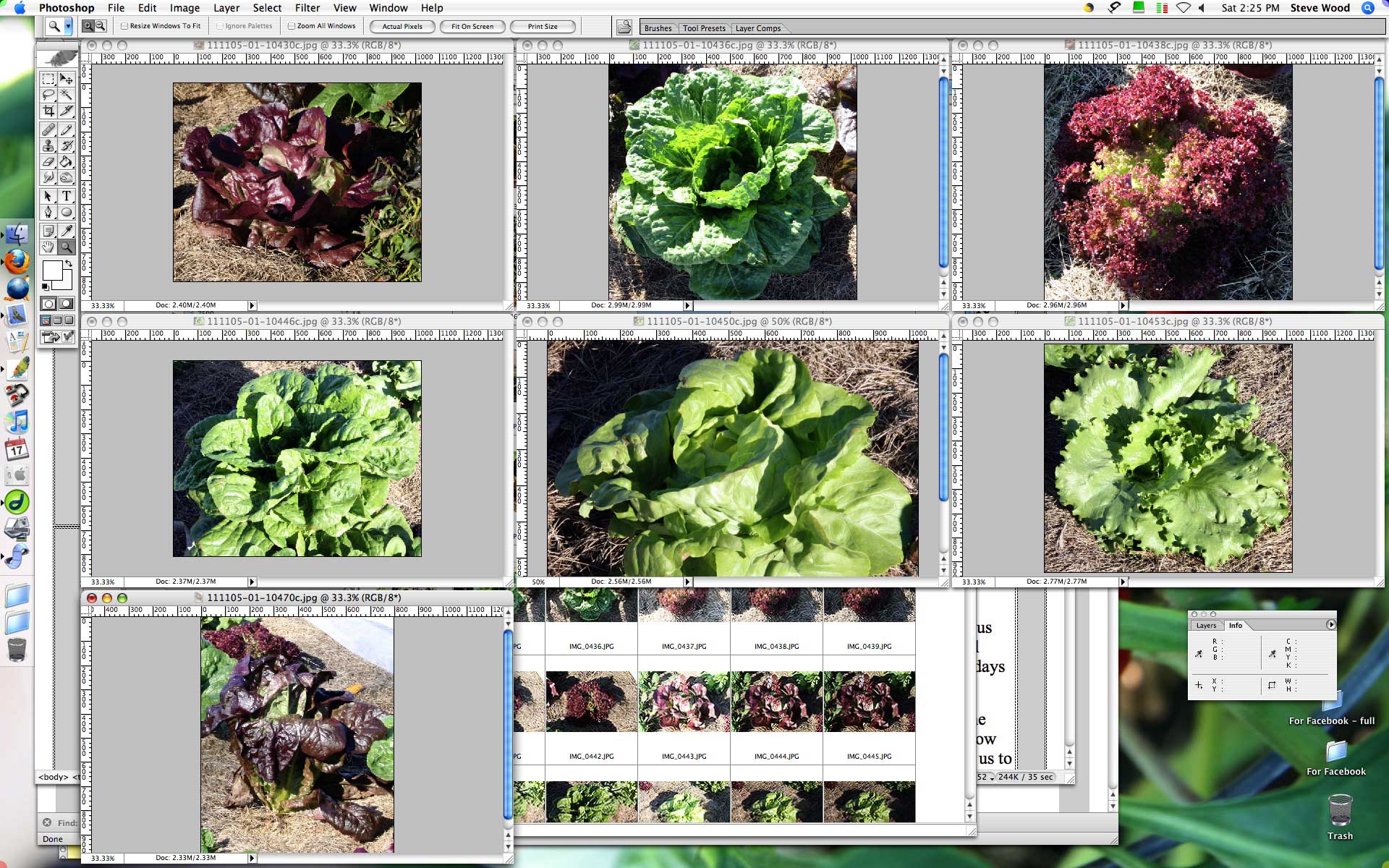
When I looked at my screen of lettuce photos I wanted to show today, I found that our bounty of lettuce was probably more than I could easily fit in on this page. Rather than fuss with how to fit in seven images (six or eight go great in a table, but seven?), I just snapped a screenshot of the photos tiled in Photoshop.
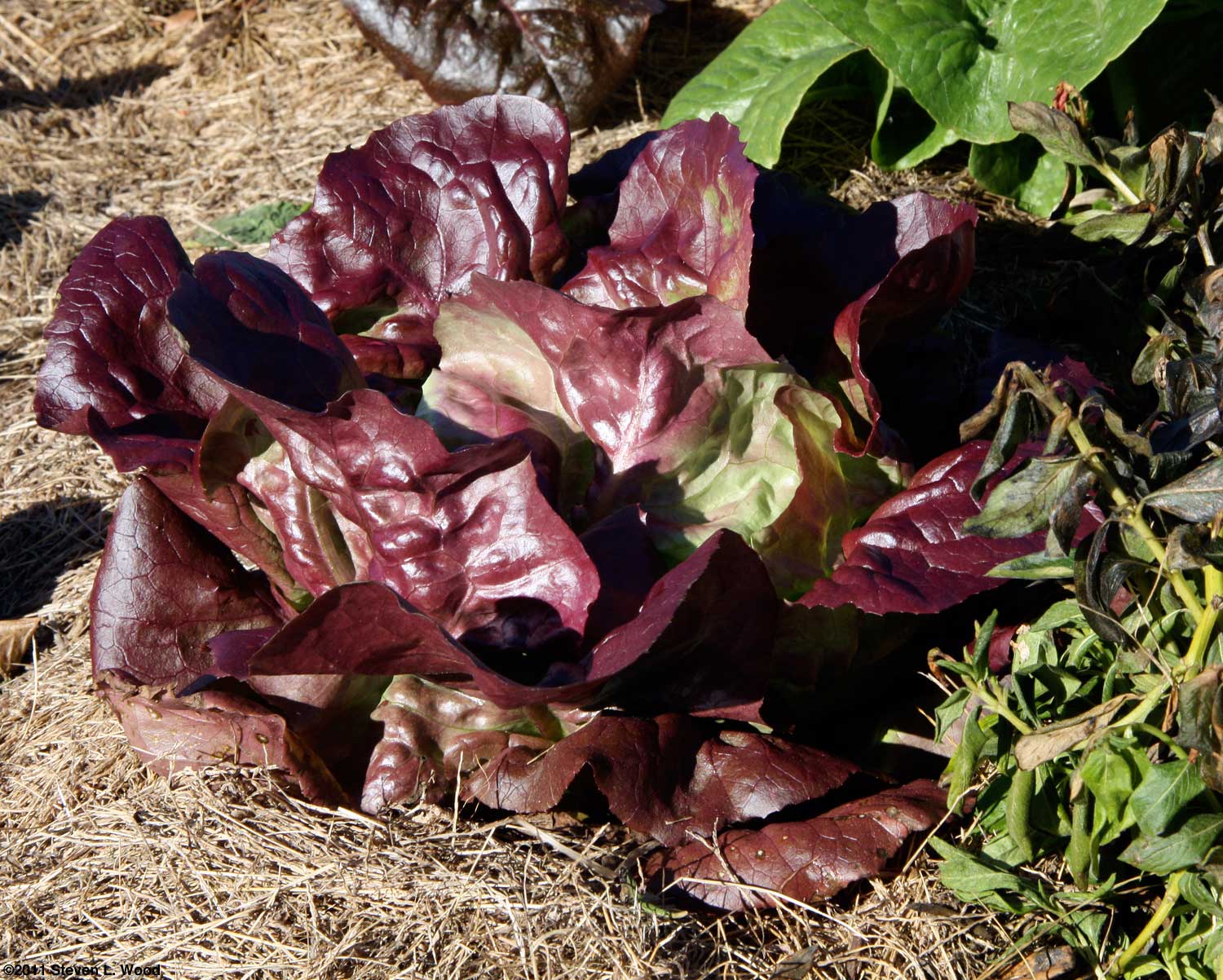
While Winter Density and Defender from Johnny's Selected Seeds have been our main types of lettuce for years, we also have a colored blend we tried for the first time two years ago. It produces some deep red plants, along with some really ugly spotted plants...that still taste great. Our other varieties include Barbados, Nancy, Nevada, Crispino, Red Lollo, and Baby Star. Had I taken time to chart what I was planting, I could have labeled the image above with varieties, but...I was in a hurry. Note: The variety links above are to the various vendors' seed catalogs. And nope, not a one of them is a Senior Gardening affiliated advertiser. The links are there in case you might want to try one of the lettuce varieties. I think I'm going to go have a spinach salad now! And that turned into the motivation for a column, What's That in my Salad? I'm writing today's posting in the wee hours of Wednesday morning. As I write, it's raining hard outside, and the temperature is already dropping rapidly from "yesterday's" high of 70o F. I'm tired and a bit sore, but it's a good tired and sore. And with the heavy rain, I can sleep in in the morning without any guilt.
The bone meal mentioned above only went on the garlic area, along with an especially heavy dose of the commercial fertilizer. By tilling in the bone meal before planting, I avoided having to sprinkle some in each hole. I often overdo that and end up with a sticky, white mess of unused bone meal in the roots of the garlic when I dig it the next summer. My choice of commercial fertilizer was just what was available at the garden store. If they'd had a 0-10-10, or something similar, I would have gone with that. While the nitrogen (the "11" in 11-23-20) I applied today might help digest some of the organic matter I turned under today, most of it will probably leach out of the soil before spring. I tried to get the garlic cloves in so that the tops of the cloves were at least four inches under the soil surface, with some as much as six inches to protect them from winter freezes and thaws. My sister, who lives outside Merrifield, Minnesota, says they don't even try to fall plant garlic in their gardens. The ground freezes way too deep there for the garlic to survive! I'm hoping to mow the lawn one more time this fall. If I get that done, I'll use the grass clippings and leaves I rake as mulch to protect the garlic a bit. Being able to rototill today was another proof of why I like a raised bed. All of the soil in our non-raised garden areas was still way too wet for tilling. But with it's high organic matter content and the improved drainage of a raised bed, the plot I turned was perfect for tilling. After tilling hard, dry soil most of the summer, I'm surprised today's tilling made me sore! While I have several other areas that could use a fall tilling, the main raised bed was the one area that absolutely, positively had to be tilled this fall. With rain setting in, the ground may stay too wet to rototill until it freezes.
Dolly, one of our outdoor cats, snoozed in the lettuce bed while I tilled and planted. She didn't even offer to help. You may also notice some small lettuce plants around her. I moved four or five plants from our other area of lettuce outside the raised bed into the main garden to fill in spots where I'd harvested lettuce. When I was done with my outside tasks today, I went ahead and covered the lettuce rows with their floating row covers in anticipation of the hard freeze predicted for Thursday morning.
The paprika pepper plants got pulled and composted this morning, as they definitely got zapped by the frost. I also took out all our remaining pepper and tomato plants in the East Garden. The plants there had long since stopped producing good fruit, but I just hadn't gotten around to pulling them and cleaning up all the rotting, groundfall tomatoes until today.
I trim the plant(s) down to about an inch and a half of top growth each fall. I also try to remove dead stems, leaves, and any other organic matter that might carry over insect eggs or disease. Such a trimming is quite a shock to the plants. That's good, as I don't really have room for a full wax begonia under our plantlights in the basement. The plants slowly recover, putting on minimal growth under the lights. I repot them in the spring and usually have gorgeous plants by mid-summer.
I started a new compost pile with the foliage and canes from the asparagus. The hole I put last year's asparagus trash in is now full...with a few volunteer asparagus plants growing around it. I'll also add our broccoli plants to the new compost pile, as both asparagus and broccoli stalks take some time to break down. With the asparagus out of the way, our main garden area is well on its way to being ready for next spring. I still need to move the oregano and sage out of the raised bed where they're currently growing to a permanent location. And once our lettuce is done for the year, I'll need to clean up those areas. One current lettuce row will serve as our pea bed next spring, so it would be good, but not absolutely necessary, if I could till it a bit. If I can mow and rake again this fall, the clippings and leaves will make a good mulch covering for several garden areas.
Our first garden catalog for the 2012 gardening season came in today. It was from Pinetree Garden Seeds. They're not a seed vendor we've used in recent years and have some issues listed with germination rates of their seeds on Dave's Garden Watchdog. But since their catalog was first, it will get a look. I'll have our listing of recommended seed suppliers and catalog request links posted sometime later this month.
I initially set the mower deck at its highest setting and mowed a path into the area and around the asparagus patch, only clogging the chute and killing the engine once. After that, I was able to mow down the asparagus, lower the deck a bit, and get a pretty clean cutting of the area without scalping the asparagus ground. When done mowing, the area got a heavy dose of 11-23-20 and lime. We may never harvest any asparagus spears from this "new" patch, but we've enjoyed the contrast of its golden foliage against the green grass around it each fall for years. With a little care, it may continue to grow well into the future.
When I came in from grabbing the shot at left, I snapped a shot of the lone gloxinia currently in our kitchen window. During the hustle and bustle of gardening season, I'd really let our gloxinias go in the basement. I recently cut them all back and removed old and dead leaves and blooms, but it didn't leave us with much to display in the kitchen. The bloom shown at right is the only one open on a small plant, but there are lots more buds under it that should make a good display for the rest of this month and next.
Sunday, November 13, 2011 - Sideshoots
I cleared away some leaves in the photo at left to show both a broccoli sideshoot and the cut stem where the main head was harvested long ago. Harvesting sideshoots is definitely a bit more work than harvesting main heads. You get a lot less broccoli per cut with sideshoots, and the secondary heads take a bit of hunting to find. But if your broccoli planting has been well fertilized and isn't being stressed by hot weather, sideshoot production can help fill up ones freezer or dinner table with delicious, nutritious produce. Our main variety of broccoli is Premium Crop. It's a dependable producer, although our second favorite, Goliath, often produces larger main heads. But Premium Crop will continue to produce lots of sideshoots over a long period of time. Goliath will also, but not as many. To be sure, picking pinkie finger sized heads of broccoli can be tiring, but they're also the perfect size for adding to salads. We generally get sideshoots ranging from tiny heads to tennis ball sized and occasionally one approaching the size of a main broccoli head. And picking fresh broccoli on November 13...well, that's just good luck with the weather. Speaking of weather... Mentioning good weather above really should be a qualified statement. It was warm today, warm enough that I got part of our lawn mowed in the afternoon. But it was windy today, windy enough to blow a rather heavy chaise lounge off the back porch. Our nearest weather station, several miles south of us, recorded a wind gust at 50 MPH.
Tuesday, November 15, 2011 - Our Annual List of Recommended Seed Suppliers
I've done something a little different for our list of recommended seed suppliers this year by including a link to the Dave's Garden Watchdog rating ("DGW rating") for each vendor. The ratings there are simply the totals of positive, neutral, and negative feedback site members' post. Researching the links also pushed me to remove some longtime vendors from our regular listing due to many customer complaints recorded on the Watchdog. And rather than try to list our absolute favorites in order (which I've done in the past), the Recommended Suppliers listing is in alphabetical order. We've used each of them in the past twelve months with good experiences. Note that links, where possible, are to the vendor's catalog request page. Recommended Seed Suppliers
Here are a few other outlets you might wish to consider. Some are new ones we want to try and others are ones we've used in the past, but not in the last year. They're offered without recommendation.
We also ordered seed from GenericSeeds.com
Along with the Dave's Garden Watchdog, their Who Owns What page also helped me pare our list down a bit by removing some conglomerates with lots of negative ratings. Canadian Only Vendors I obviously have no experience in buying from the folks listed below, as they only ship to Canadian addresses. But each one comes with one or more positive recommendations from Senior Gardening readers. Some of our recommended suppliers, Johnny's and Stokes come immediately to mind, also ship seed into Canada. The Seeds of Diversity site has a great resource list of seed providers, including sources in Canada (Seeds of Diversity is a Canadian outfit.), the United States, the United Kingdom, and France.
Other Supplies
I'm always on the hunt for reliable vendors of quality seed, especially those that offer open pollinated varieties. If you know of one we should consider, . While I'm posting this list in our November blog for Senior Gardening, I've also started a permanent new page of recommended suppliers that I'll be updating from time to time. I got a little lazy this week and put off some outdoor jobs until today, as it was supposed to be close to 60o this afternoon. As I write this morning, it's not quite 50o outside with a cold, light rain and strong winds! The outdoor chores will have to wait. I cut broccoli sideshoots again yesterday. I got enough to use them last night in a chicken, broccoli, potato, and pepper dish seasoned with garlic, paprika, seasoned salt, and steamed in chicken broth. I used the flesh from our last picking of Paprika Supreme peppers in the dish. Again, they proved quite tasty when used like bell peppers.
When ordering geranium seed, I find Stokes to consistently be the most expensive seed, but it also seems to have the best germination rates. Twilley and Harris both offer geranium seed packets that contain smaller quantities of seed than Stokes, cutting the price, although the cost per seed is often about the same. Last year, I started scanning in the covers of the garden seed catalogs we receive. After wrestling around with some software issues, I got our old HP Scanjet G3010 working with my main computer again and scanned in what has come in so far this fall. In our changeover from satellite internet to DSL, I moved our all-in-one scanner/printer downstairs to a newer computer I rebuilt this year. I actually prefer to scan with the G3010, as it can handle negatives and slides, and also has a bit better resolution than the newer printer/scanner. But because of software conflicts with the newer printer, I'd had the older scanner hooked up to my old QuickSilver Mac and had to fire it up, scan, and transfer photos over our home network.
I'm sure a lot of thought and dollars go into cover art for some catalogs. Stokes runs an annual contest amongst customers who send in photos for their cover, but I haven't as yet found a credit for their cover photo on this year's catalog. I decided to look back at our main catalogs from last year for comparison and ended up making the animated gif of our 2011 catalog covers. While I've created animated gifs before in the Mac-only GraphicConverter, I didn't like the image quality I got with it today, so I used a MediaCollege.com tutorial to help me get one done using Adobe ImageReady (part of Creative Suite Monday, November 21, 2011 - Cuttings
I cut the end growth tips of seven geranium stems and three medium sized gloxinia leaves. When taking cuttings, it's important to pick healthy growth and leaves with no imperfections. With the geraniums, I stripped the leaves from the base of the stem, leaving one or two leaves atop each stem. The gloxinias were single leaves with about 3/4" of stem. After taking the cuttings from the geraniums, I cut them back to just above the soil line, leaving just and inch or so of growth. They should regrow in time, if the stems haven't become too woody to support new growth. The pot now fits under our plant lights.
I used sterilized potting soil for this rooting, but sometimes a soilless mixture or sand is better for rooting. I never have much luck with sand, so...the sterile mix. The flat of transplants in pots will still need light, so they went under the plant lights with a clear humidome cover to hold in moisture and heat. To speed rooting, I also put our heat mat under them with a 75o F setting. Note that the temperature reading in the photo at right (86.9o F) is due to the hot water I used to bottom water the cuttings. The thermostat
Wednesday, November 23, 2011 - Lettuce
We experienced some minor frost damage where leaf tips touched the row covers, and one red plant had totally been taken by the frost. Another red had a bit more tip damage than the rest, but I'd guess that was due to those plants growing a bit taller than the others and having more contact with the row covers. Our green plants, also a rather tall lettuce, had minor leaf tip damage, but still had excellent heads. We also had several soft heads mature, along with a couple of the extremely colorful Skyphos Boston head variety. I'd also hoped we might get a third picking from our row of fall spinach, but the leaves are beginning to show some yellow spots on them, possibly a type of leaf fungus. So...the spinach was a wash this time around. But all in all, it was a very satisfying harvest. I also checked our row of fall brassicas in the East Garden today, cutting the one cauliflower plant that had survived. It produced a nice, white head slightly larger than a tennis ball. Our broccoli produced just a few, tiny sideshoots in the last few days, as I'd cut it over the weekend. Both should go well in the lettuce salad for tomorrow.
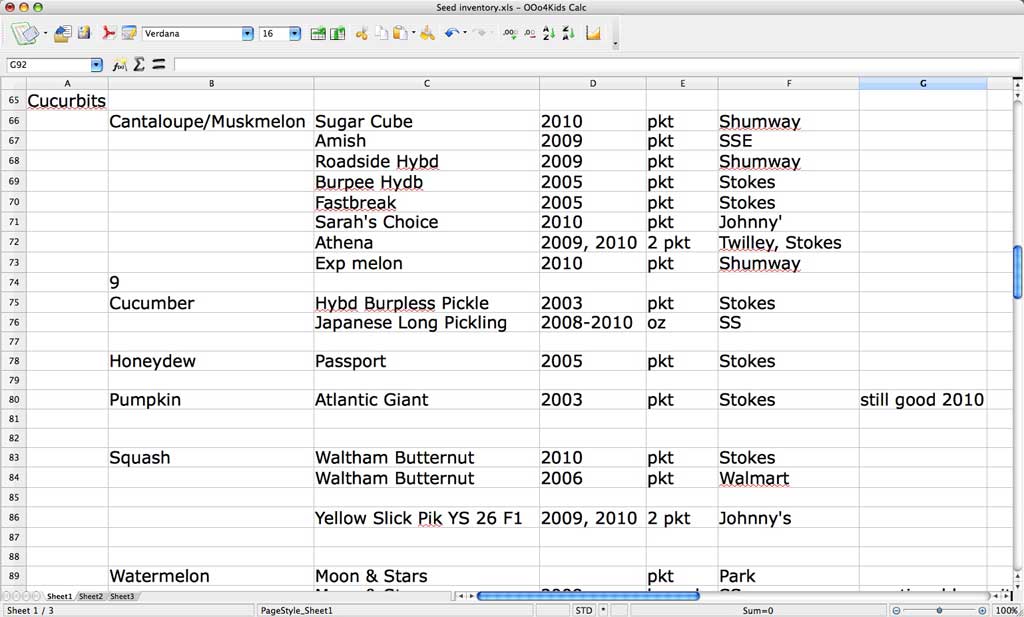
Thursday, November 24, 2011 - Thanksgiving Day (U.S.) Like many of you, we will be with our family on Thanksgiving Day and will be celebrating the many blessings the Lord has bestowed upon us. We continue to be in reasonably good health, and our children are all healthy and doing well. Rejoice evermore. 1 Thessalonians 5:16-18 Happy Thanksgiving Tuesday, November 29, 2011 - Seed Inventory The arrival of some really nasty, wet, cold weather this week has put outdoor work in the garden on hold for now. But it also has given me the time to dig all of our stored seed out of the freezer for inventory, a necessary but dreary task that must be done before assembling seed orders for next year. I switched to using a spreadsheet last year to keep track of what garden seed I had in storage. Being just a bit geeky, I should have switched long ago. My previous system was recording what seed we carried over from year to year by hand on looseleaf notebook paper...when I thought I had the time. Such a hit and miss system left me ordering seed at the last minute, using older seed than I would have liked, and occasionally ordering a variety I thought I was out of when we still had plenty of it in stock. Starting the inventory spreadsheet last year took a good bit of time, but was made easier by using much the same format as is employed on a spreadsheet record of seed orders we've kept since 2007. Over the years, I've been able to refine what information I want to record for seed ordered, and now, for inventory purposes. Other gardeners obviously may need more or less information, but these are the columns I'm currently using on my seed order and inventory spreadsheets for (examples in parentheses):
I'm really impressed this year with how quickly I'm getting through the necessary, but rather unexciting job of inventorying our seed. I could have had it done in one afternoon, but I also made notes, checked availability and prices of varieties online, and listed items for re-order on another spreadsheet where I've recorded our seed orders since 2007. A Few Words About Spreadsheet Programs I use Microsoft Excel for my inventory and seed order spreadsheets. I don't hook up any of the formula bells and whistles that total dollar values, but like the way the application works. (BTW: My copy of Excel is from Microsoft Office 2004 for Mac!) There are other choices of spreadsheets available, some of them free, open source applications. Another paid application is the Numbers spreadsheet program from Apple's iWorks, shown below displaying what I've got down so far for next year. (Click image for larger image with 2011 seed orders and the 2012 start.) I don't regularly use Numbers for any of our garden spreadsheets, but it can easily open our Excel files.
By this point, you may be impatiently asking, "Hey, where's the free one?"
Having used Excel, Numbers, OpenOffice, OOo4Kids, and NeoOffice, I can easily recommend any of them for gardening spreadsheets. And those last three, well, free is really hard to beat. I also slowed down the whole process of inventorying our seed by taking time to start germination tests with some seed that has been in frozen storage for a number of years. Will I trust sweet corn seed I've had in storage since 2003? If it tests 75% or above, I just might use it, if for nothing else than to fill in bare spots in rows of later maturing sweet corn. And if it tests poorly, I can pitch the seed without feeling too wasteful.
Pictured above is a test of a nice bicolor variety from Stokes, 277A, that I've had in the freezer since 2003, some 2010 and 2011 main season 7640R corn from Twilley Seeds, and the novelty miniature sweet corn introduced by Harris Seeds last year, Mr. Mini Mirai. You might wonder if the time spent in doing germination tests is worth it, but with Stokes wanting $7.45 for 250 seeds of their Gourmet Sweet Brand 277A bicolor, it pays me to test. Also, many garden experts recommend not using sweet corn seed that is more than a year old. Saving seed by freezing it is also a point of contention among some garden writers, but it's worked well for us over the years. I also noticed today that Twilley has held the price line on my favorite main season corn, their Summer Sweet Extra #7640R, an 84 day corn with husky ears, excellent tip wrap, and incredible flavor. It runs $5.30 for 500 seeds, the same as last year. Of course, if my old seed is still good, I won't have to order any. Getting back to germination testing, it's really a pretty simple process. While seed houses test lots of seed, a random sample of ten seeds of each variety laid out on a labeled, wet paper towel should give me a pretty good idea of the seed's viability. I fold the wet paper towel in half, down over the seed and put it either in a zip lock bag, or as I did yesterday, in a seed flat topped with a dome to hold in moisture. The seed flat went onto our warm shelf over a furnace register, covered by a black trash bag to keep out light. I'll check the flat for proper moisture (not soggy, but moist is ideal) and germination every other day for a week to ten days.
Seed Storage
The trick to keeping seed over from year to year is to keep it cool and dry. Keeping seed packets in mason jars with tight fitting lids in a cellar or basement is a pretty time honored practice amongst gardeners. With relatively warm basements and lots of seed to store, we got into freezing our seed between seasons long ago.
That's a bit of good advice I should have heeded with the Moon & Stars seed mentioned above!
Once dried, our saved seed is packaged in a variety of small manila envelopes, glassines, old plastic seed vials, and my favorite, homemade aluminum foil pouches. The seed packets then go into good quality freezer bags, sorted by vegetable type (bean, brassica, corn, etc.). The various bags of seed, with as much air squeezed out of them as is possible, then go into a couple of those giant Ziploc Big Bags At that point, the seed could be stored in any cool, dark, dry location we might have. Since we really lack such an ideal place, our seed goes into a small, chest type, manual defrosting freezer in our garage. Note that we use a manual defrosting freezer, as the warming of self-defrost cycles really degrade seed. We do keep frozen seed for short periods of time during planting season in our refrigerator freezer. We've had exceptionally good luck saving old seed in our freezer. Your mileage may vary, of course, but freezing seed has saved us a lot of dollars over the years. I grew out samples of all of our saved Moira tomato seed last spring, with seed dating back to the 1980's still germinating! Note that the germination rate for some of the older tomato seed was pretty poor. A Colorado State University Extension posting, Storing Vegetable and Flower Seeds by J.E. Ells, L.N. Bass and D. Whiting, has a good chart detailing how long on average one might be able to save viable garden seed. I find that we can extend the numbers on that chart and others a few years by freezing seed, but you do pay a price in seed viability the longer seed is stored. Our lettuce is a good example of how freezing can extend the shelf life of seed. I grew out samples of all of the lettuce varieties we had in storage this summer when getting our fall lettuce started. That may not sound like much until you look at the inventory section below for lettuce.
Of the 14 varieties of lettuce we had on hand, 13 germinated! That helps account for the incredible variety of lettuce types we've been harvesting this month. While lettuce is rated at one year viability in regular storage, we obviously have beat that number considerably by freezing our seed. Some other helpful online sources of information on storing garden seed include:
Our Johnny's Selected Seeds catalog came in yesterday. With several of our main catalogs in now, I'm having a ball just paging through them. But after completing the vegetable seed inventory today, I know I won't have to order a whole lot of seed for next year.
The test on our main season sweet corn seed, the Twilley 7640R variety, is done. The 2011 sample had 100% germination, and the 2010 seed sample produced 70% germinated seeds. We won't have to order any main season sweet corn this year! The Mr. Mirai test showed just 50% germination. While I pitched the 7640R test seed, I left the Mr. Mirai sample to see if we get a bit more germination in the next couple of days. But as it stands now, I won't be using that seed. The 2003 sample of Stokes 277A sweet corn showed no germination at all. Again, I left the sample in the tray to check again on Friday, but it appears that seed will go in the trash along with the Mr. Mirai seed.
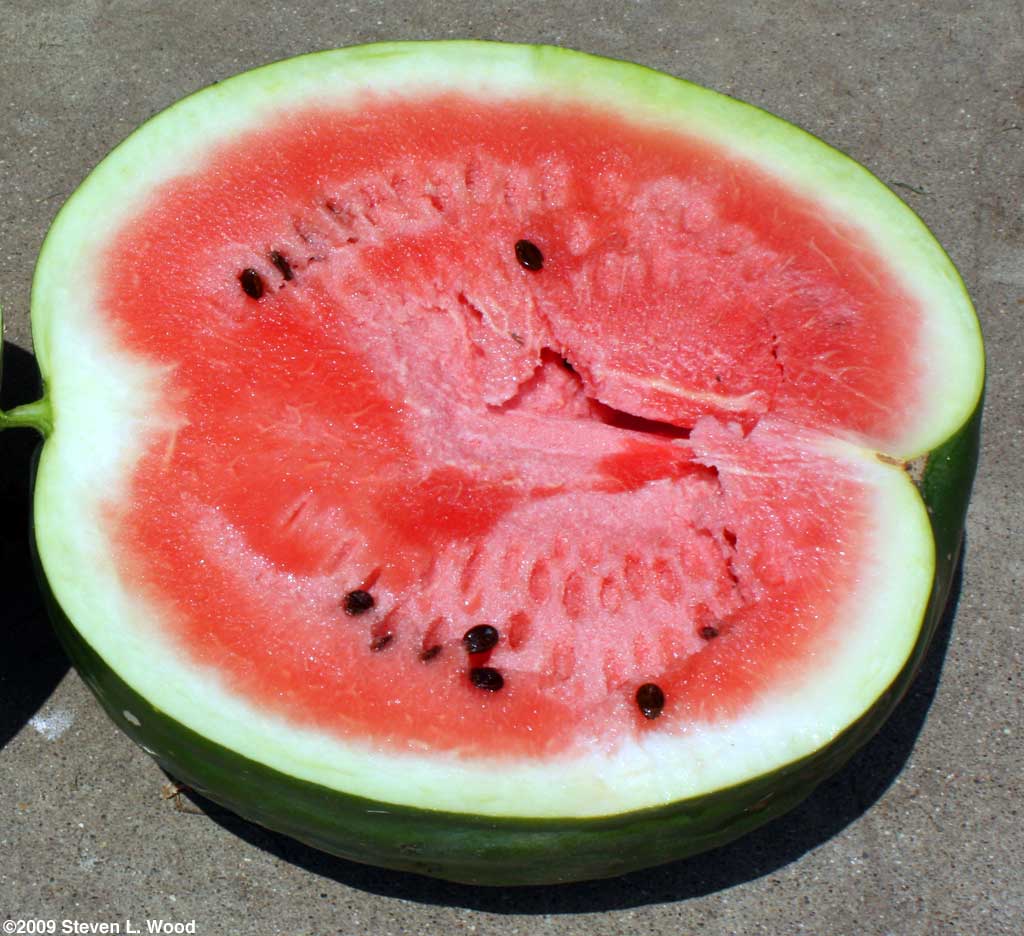
I'll check the remaining seed in the tray again on Friday before making final decisions, as the 277A and the Jade could just be slow to germinate. But in all likelihood, they're just bad seed now. I did have one Moon & Stars seed germinate. While 10% germination would usually be considered a failure, the chance that just a bit of our seed is still good is great news, as this is a strain of the watermelon variety I really like. While I could order new seed from any number of vendors, I'd much rather stay with what we have if it proves viable.
I hustled home with giant, wet snowflakes spattering noisily on the windshield and ran upstairs to grab a photo of the snow (shown at left). And of course, by this morning, it was blue skies once again. I guess that's a wrap for November.
From the
at Senior Gardening |




 Yum!
Yum! 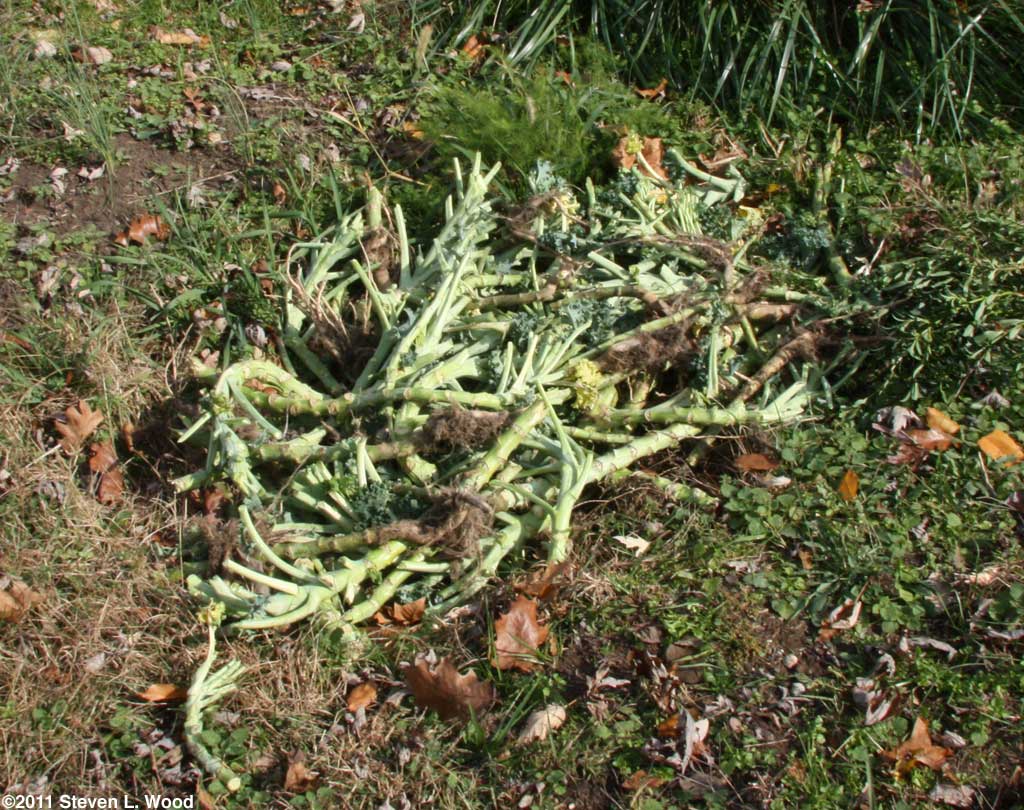


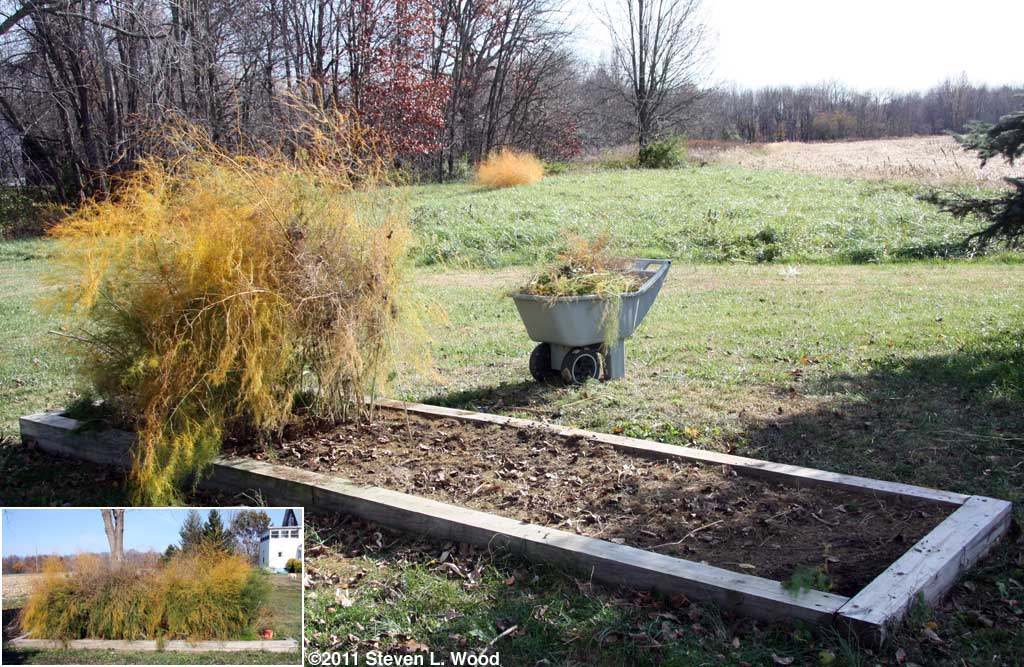


 I used really stinks, so the plants will need to stay outside for several more days. I also treated our trailing geranium pot, but haven't cut it back as yet. I'm considering taking cuttings from it instead of bringing the whole plant inside to overwinter. And, maybe I'll end up doing both, as one of the plants in the pot produces some of the most gorgeous, delicate blooms I've ever seen!


 trays. The Megastore doesn't carry them, but


 When I was done, I noticed that the cover art on the


 to get some of the white rooting powder to stick. Each stem went into its own pot with the leaves above the soil line. I mixed a bit of the rooting compound in water in a watering can and top watered each pot, along with some bottom watering with warm water.
 has the







 to keep them together and to provide just a bit of extra protection from moisture.


©2011 Senior-Gardening.com