One of the Joys of Maturity |
|

| Affiliated Advertisers |
Clicking through one of our banner ads or some of our text links and making a purchase will produce a small commission for us from the sale. The Old Guy's Garden Record
I also had been waiting for our local grocery to put chicken breasts (with skins still on) on sale to boil and bone to get our chicken stock for the soup started. The grocery didn't cooperate, so I bought a whole chicken last week, boiled it in a large can (49 oz.) of Swanson's Chicken Broth and water, boned it, and refrigerated the broth and chicken pieces separately. Note that some of the chicken will end up as chicken salad, as a batch of Portuguese kale soup doesn't require a whole chicken.
Ahhh... Our recipe for Portuguese kale soup isn't much different from the original recipe I found for it in Crockett's Victory Garden (1977, pg. 191):
From the looks of our kale patch after I picked this morning and the Weather Channel's Gardener's Local Forecast, I may be able to make another batch of kale soup this fall, along with picking and canning those rows of green beans. While our overnight low dipped below 40o F last night, it appears we have at least a week or more of frost free weather ahead of us.
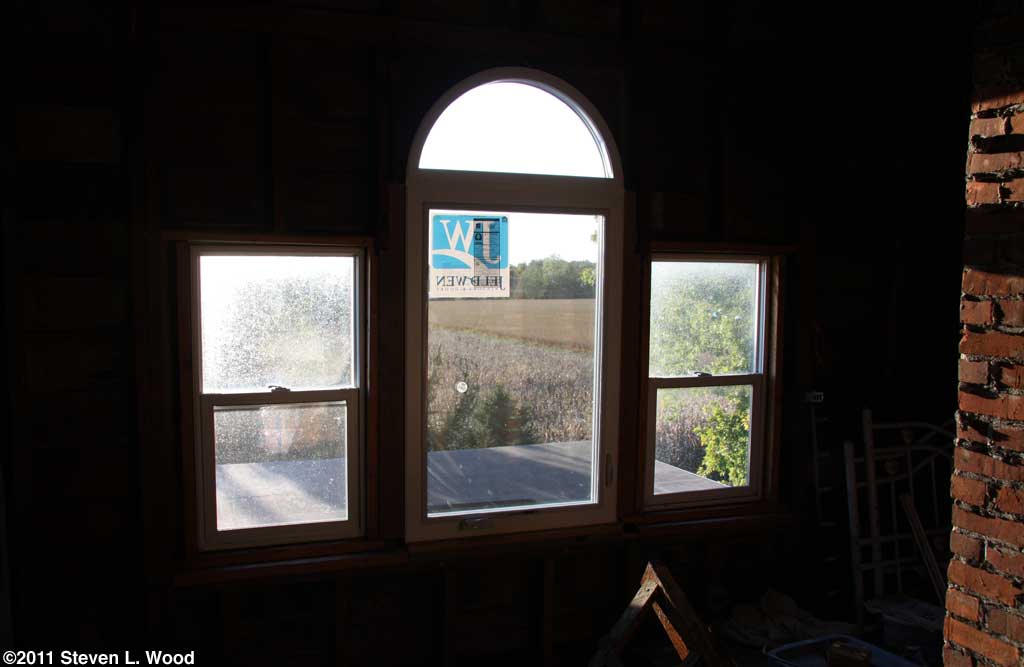
We're now having to pitch about an equal number of cull melons as those we pick as useable. That's really not too bad for this time of year. And along with all the garden chores to be done, we have a large, beautiful, if a bit expensive, window sitting in our dining room waiting to be installed in our attic this afternoon. Both of our large attic windows blew out last winter!
So we're off to a great start in gardening this month. And by the end of the month, our fall lettuce may be the only crop we'll still be tending.
Sunday, October 2, 2011 - Thinning Spinach
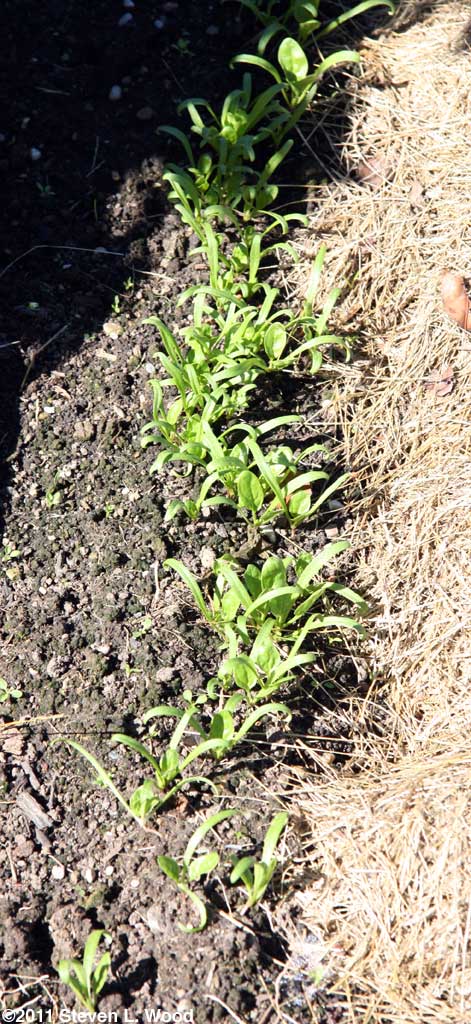
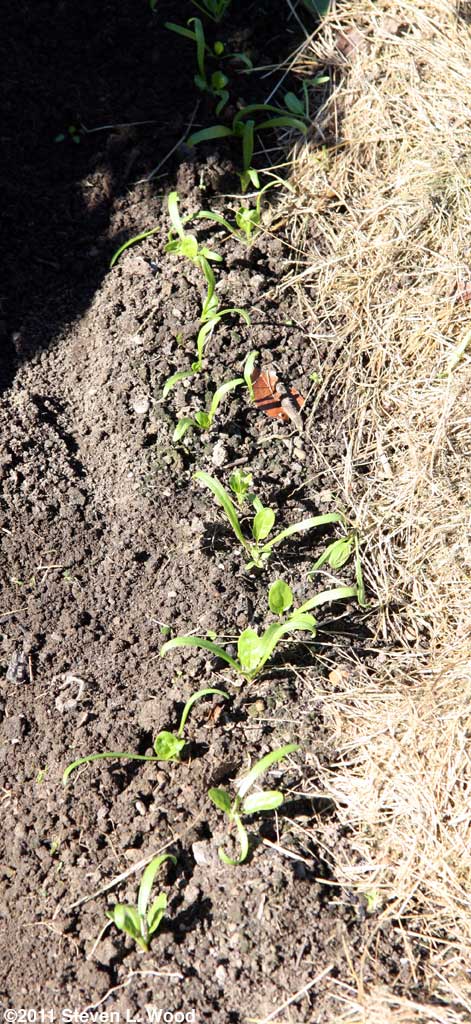
When the drought finally broke, we had lots of spinach germinate. Leaving the row as it was would produce stunted plants, competing with each other for light, nutrition, and moisture. So one of my jobs today was to thin out the spinach plants to a one to two inch spacing in the row. It was pretty easy work, as the plants were still small and the soil around them was fairly loose. Well after the second seeding of spinach, I transplanted lettuce into the remainder of the garden section. The lettuce transplants received daily watering until the drought broke. It appears that we may get some nice lettuce and spinach yet this fall.
About That Kale Soup The nearly twelve quarts of Portuguese Kale Soup we made yesterday only produced nine pints canned! There wasn't any magic to the soup disappearing, just our family seriously chowing down on a traditional favorite yesterday and today. I put up nine pints today, as that's how many pint jars our pressure canner will hold in a batch. We also have a small margarine tub of soup in the fridge that should satisfy Annie and my soup urges for several days. Tuesday, October 4, 2011 - Green Beans
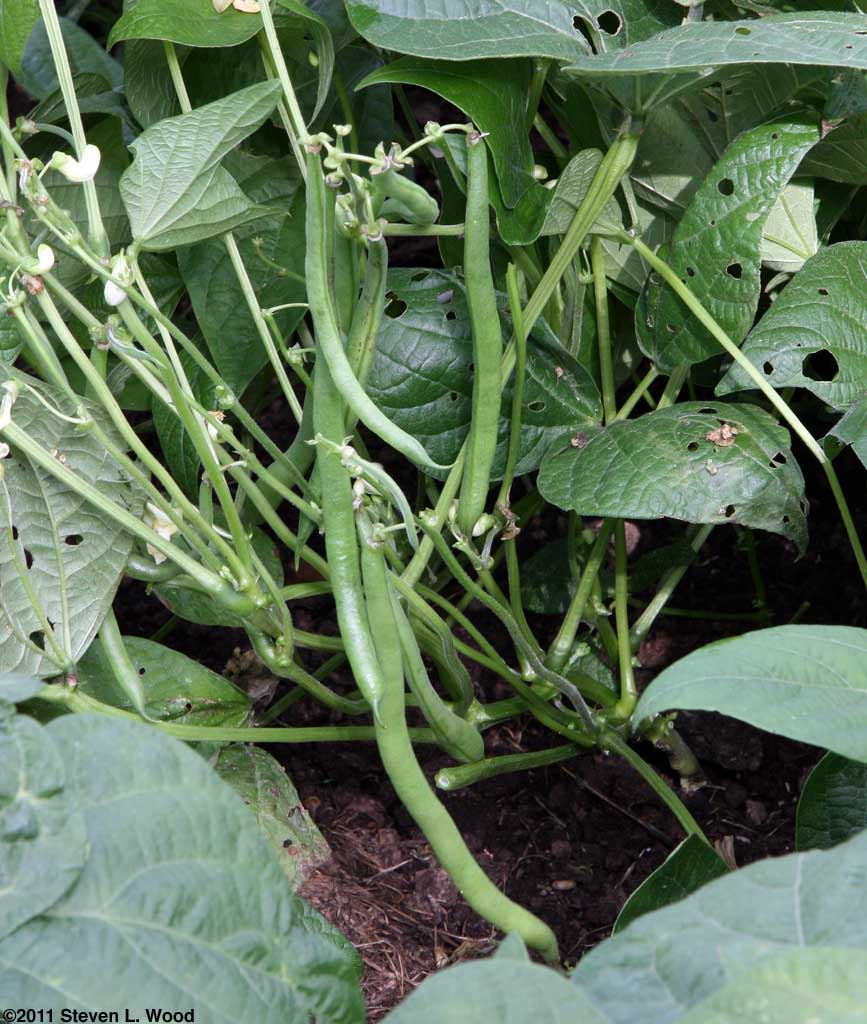
I planted our late green beans on July 22 and August 1. The first planting didn't germinate all that well in the dry weather, and I filled in the bare spots in the row when I planted the second row. Of the three varieties planted, Bush Blue Lake (55 days to maturity), Strike (54 days), and Jade (60 days), the Jade variety has produced the earliest beans and made up the bulk of today's picking. (The photo at right is of a Bush Blue Lake plant.)
Four quarts of canned green beans isn't a lot for the hours it took to pick, snap, and can them, but they'll be a treat this winter. As a bonus, I snapped the beans on the back porch and was surprised to see one hummingbird still coming to our feeder. I almost didn't refill the feeder yesterday, thinking that all of the hummingbirds had left for the winter, but left it for the odd transient that might need a "fill up" on its way south.
Almost Done
One of my sons-in-law took on the repair job, which I made even bigger by adding some window repair, a whole new porch roof, and siding where possible. His part of the job is done now, and I just have to put on a last coat of paint to the unsided surfaces. And that expensive attic window I wrote about earlier this month is now in place. Some trim work still needs to be done around it, but we finally have some nagging home repairs out of the way. With a hundred year old house, there's still more to do, but hopefully, we won't be putting out pots, pans, and trash cans in the dining room and kitchen anymore when it rains!
And the view out the attic window is gorgeous.
A rather fat envelope from the Seed Savers Exchange (SSE) arrived in the mail last week. Knowing what was in it, I just set it aside unopened until this morning when I had time to deal with it. The envelope contained the form necessary for listing seed and plant material in the Seed Savers Exchange Yearbook (2011 yearbook shown at right). If you're unfamiliar with the SSE, it is "a non-profit organization dedicated to saving and sharing heirloom seeds." I've been a member, off and on, since the mid-70s. While the forms are certainly easy enough to complete as they come with ones previous listings already entered, I went online to re-list the three vegetable varieties we currently preserve and share. It was a quick and easy process. We'll be offering Moira tomato, Earliest Red Sweet pepper, and Japanese Long Pickling cucumber seed via the SSE 2012 Yearbook.
Filling out the online form reminded me that I still had ripe and overripe peppers and cucumbers to bring in and harvest seed from. Saving seed from the peppers in just a matter of cutting open the peppers, scraping out the seed, and setting it aside to dry a bit. The cucumber seed takes a bit more doing.
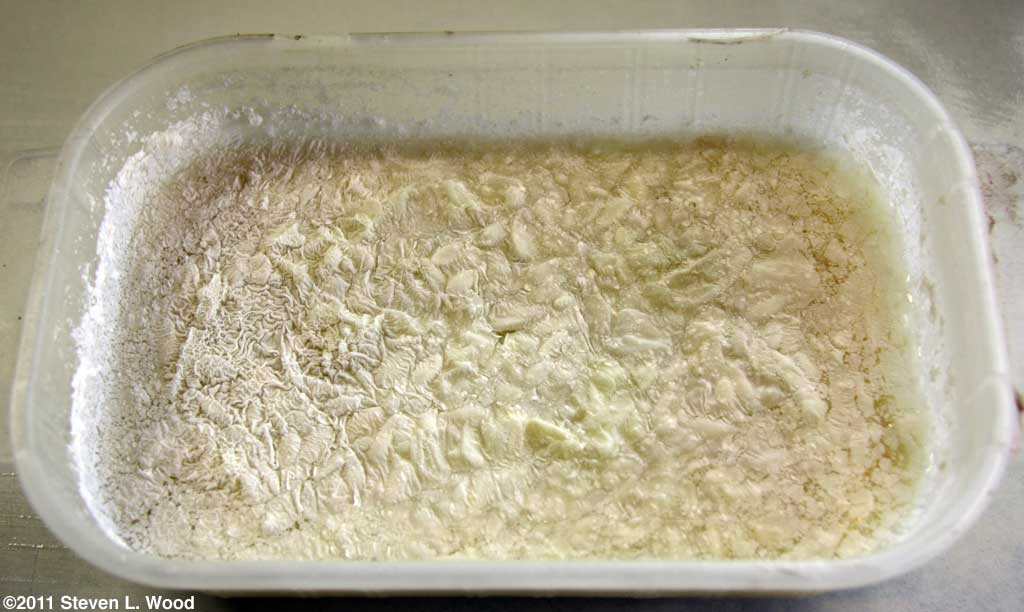
Then it's just a matter of scraping out the seed and pulp around it into a container. Note that I use a plastic container that won't react with the acid from the cuke pulp and also one with a tightly fitting lid. Before sealing the container, I use a spoon to smash the pulp as much as I can. I'll let the cuke soup sit and ferment, stirring it daily, for three to five days before rinsing off the goo and pulp and drying the seed for storage. Saturday, October 8, 2011 - More Soup Having made a nice batch of Portuguese Kale Soup just a week ago, I really hadn't planned on doing another this weekend. But I ran into a sale on chicken breasts at Kroger on Friday, so after filleting and freezing the breast meat and boiling and boning the rest, I had a lot of great chicken and broth on hand. I did experiment a bit with this batch, using two pounds of Cavanaugh Smoked Sausage along with a pound of our usual Eckrich Smoked Sausage. The Cavanaugh sausage seems somewhat less spicy and a good deal less salty than the Eckrich. I also dug the last of the potatoes from our garden for this batch of soup. Cutting into freshly dug potatoes is always a pleasant surprise, as they are quite crisp. After Annie, a couple of grandkids, and I had chowed down on kale soup, I canned seven quarts and still had another quart or so to go in the fridge. Monday, October 10, 2011 - Cleaning Up the Melon Patch I just brought in our last four melons of the season, two cantaloupes and two watermelons. That was the last step in this morning's cleanup of our melon patch.
Our grass clipping mulch that held in moisture and held down weeds under the vines just stays in place for now. It will rot over the winter, although it will also add some grass and weed seed to the area. I did walk the patch before I quit gardening for the day, pulling weeds that had pushed through the mulch. I especially looked for thistle which came in with grass clippings raked from the field around our East Garden. It can become a real problem if let go to seed.
Our lettuce in our main garden is looking good, too. The warm days and cool nights are just about ideal for it. While the lettuce would benefit from a good rain, the spinach in the same bed desperately needs some more moisture. We may yet get another picking from our two rows of fall green beans. The plants have had lots of blooms on them, but not a lot of beans have set. When I planted the beans, I was hoping for at least one good picking, which we got. Anything more from here on in is a bonus. Wednesday, October 12, 2011 - Fall Broccoli
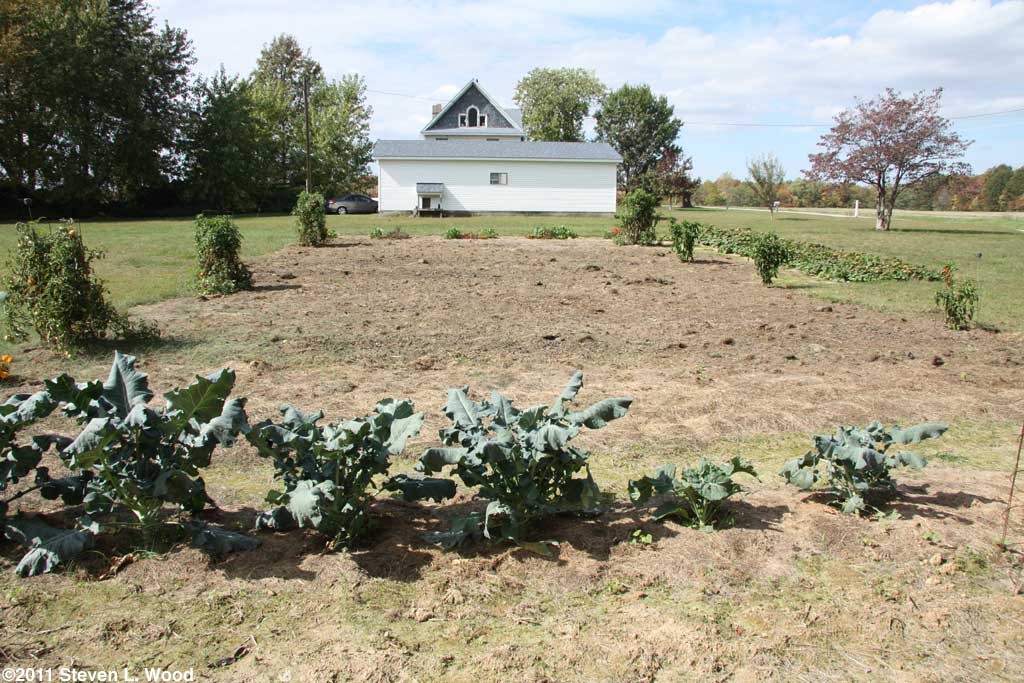
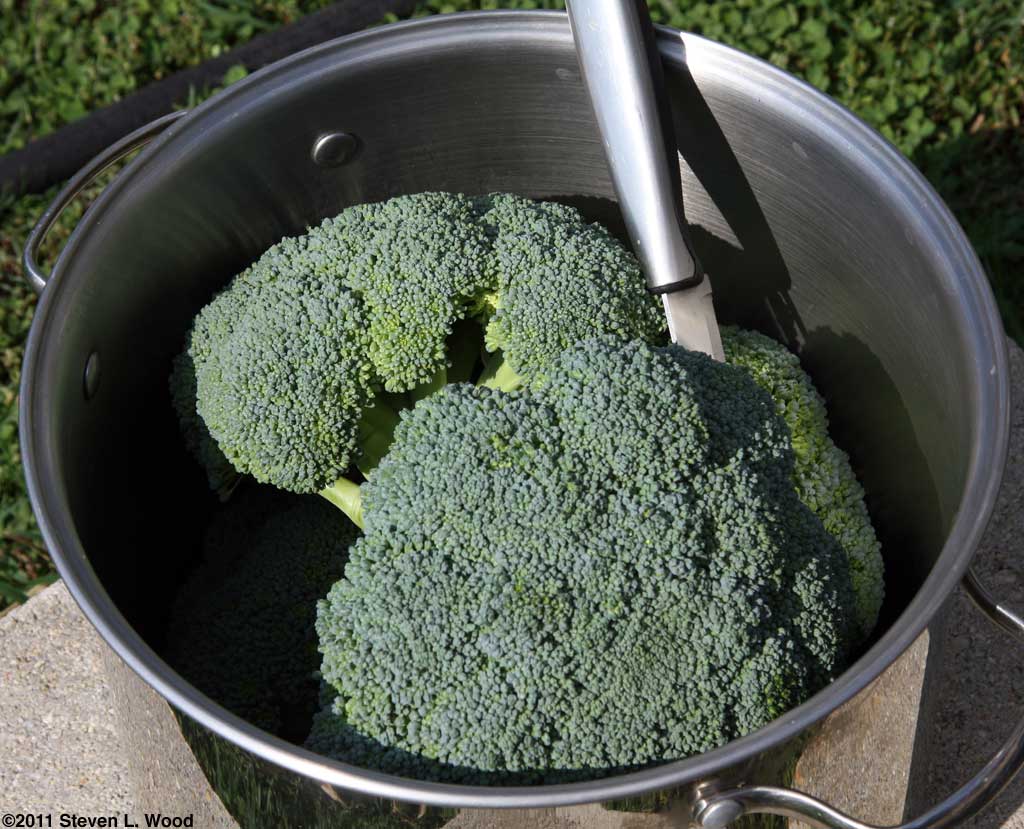
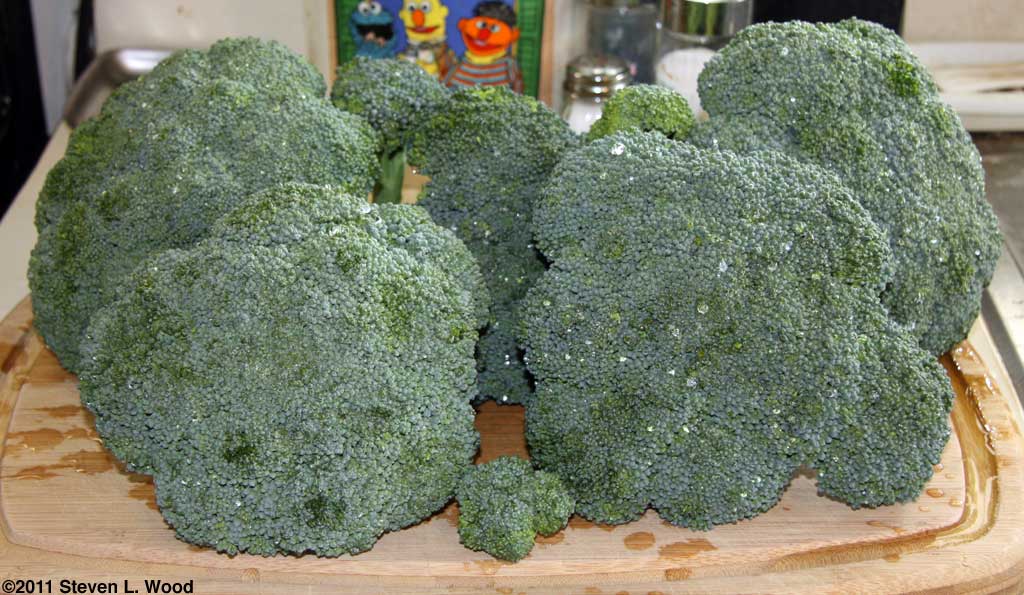
Despite the heavy clay soil, both our Premium Crop and Goliath plants produced heads 8-9" across their longest dimension. The Premium Crop plants are already beginning to put on sideshoots. If the weather continues to hold, we may be cutting broccoli right up until November! While cutting up the broccoli before blanching and freezing most of it, I popped a bud into my mouth. After having cut broccoli well into July this year that was less than ideal, the incredible flavor of great broccoli was a pleasant surprise. Yellow Squash Our yellow squash in the East Garden are still blooming and setting small fruit. While the squash are a good bit smaller than those we picked in early summer, the quality of them is still excellent. Our early squash really got hammered by the drought and by squash bugs. So far, I've been able to keep the squash bugs off these plants with regular sprayings of pesticide.
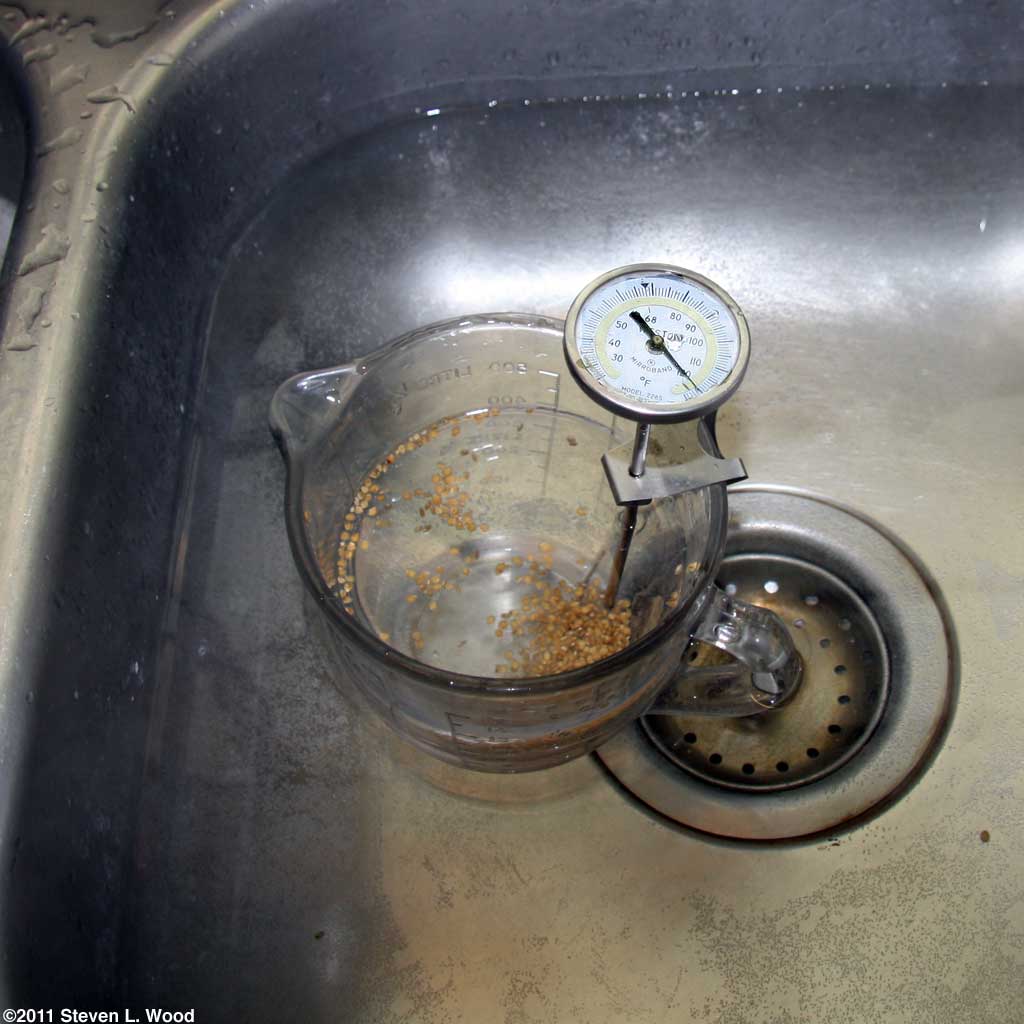
BTW: Both our row of fall brassicas and our current yellow squash plants are growing on ground we used for sweet corn earlier this season. We're often able to double crop areas, increasing our output without having to increase the amount of land we have under cultivation. I think both the broccoli and squash have benefited from excess fertilizer applied to the sweet corn. Hot Water Treatment for Seed An email from a reader this week about Moira tomatoes jogged my memory that I still had tomato, pepper, and cucumber seed to treat and dry. I began hot water treating our tomato and pepper seed last year as a precaution against passing along disease problems we've had with some of our other tomato and pepper varieties.
I monitor water temperature with my old darkroom thermometer, adding hot water from a teapot on the stove when the temperature begins to drop a bit. I also add hot water to the water bath in the sink throughout the process. Recommended water temperatures range from 122-125o F with processing times from 20-30 minutes. For tomato seed, 122o F for 25 minutes is recommended. If you get much over 125, you'll cook and kill your seed. If you go below the recommended temperature, you're just wasting your time, as it takes sustained heat over a period of time to penetrate the seed and kill harmful organisms. When the time is up, I pour the seed and water through a strainer and then spray the seed with increasingly cooler water to cool it. I initially dry the seed on paper towels, although I sometimes will later put the seed in a jar with a bag of powdered, dry milk to suck off a bit of moisture before freezing the seed in aluminum foil packets for long term storage. I won't try to reproduce the time and temperature charts from the various agriculture extension pages here, but will supply links to some good ones that should have the information you may need for hot water treating other vegetable seed.
I also ran across an interesting page today of Organic Seed Treatments, including of course, hot water treatment. Germplasm Resources Information Network (GRIN) I mentioned that I got back to treating seed as a result of a reader's email. The reader was interested in the Moira tomato variety, as heat and drought by mid-season was damaging his tomato crops. Moiras, an early tomato at 66 days to maturity from transplant, may help him out a bit. Unlike a lot of early tomatoes, Moiras have excellent flavor. In an exchange of emails with the reader, I mentioned that I'd lost my start of Quinte tomatoes, a variety related to Moiras and developed at the same agricultural research station in Canada. The reader put me onto the Germplasm Resources Information Network of the USDA which has Quinte seed available for research purposes. I'm not sure if my request will be approved, but it's good to know the seed is being preserved somewhere. Odds 'n' Ends
Today's column, Amusing Myself, is a silly one about my misreading a grocery store sign and wondering what an 11 1/2 inch pork chop might look like. I make lots of reading errors like that and never, ever dial a phone number without my finger under the numbers from the phone book I'm reading. I told my wife, Annie, that mistakes like the 11 1/2 inch pork chop are the lighter side of having a reading disability. I had a lot of fun finding royalty free images which I could use to create the image at right of an 11 1/2 inch pork chop dinner in Photoshop. (Thanks to Kimberly Vardeman for use of her Pepper Pot Pork Chops photo.) I also share how disabilities can sometimes lead to big things, such as a proofreading system I learned and later taught that led to a rather big grant for our school.
We cut our broccoli and steam blanch it before spreading it out on a greased cookie sheet to freeze. We then store it in gallon freezer bags. We get a little freezer burn with this method, but like freezing broccoli stalks instead of chopped broccoli. While poking around some garden web sites this morning, I came across a great resource list of seed providers on the Seeds of Diversity site. It includes sources in Canada (Seeds of Diversity is a Canadian outfit.), the United States, the United Kingdom, and France. From their About page:
For gardeners in the United States, some parallels to Seeds of Diversity would include the Seed Savers Exchange, Native Seeds/SEARCH, the Southern Seed Legacy Project, and the South Carolina Crop Improvement Association Foundation Seed Program. We're getting some welcome rain here, both last night and again today. I picked green beans in between showers, something I normally wouldn't do. Picking beans when the plants are wet can spread plant disease, but at this late date, I'm not worried about that. I filled a twelve quart pot with picked beans. Looking at a frost free weather forecast for the next ten days, we may yet get one more good picking from our fall beans. Friday, October 14, 2011 - That Killing Frost Will Come
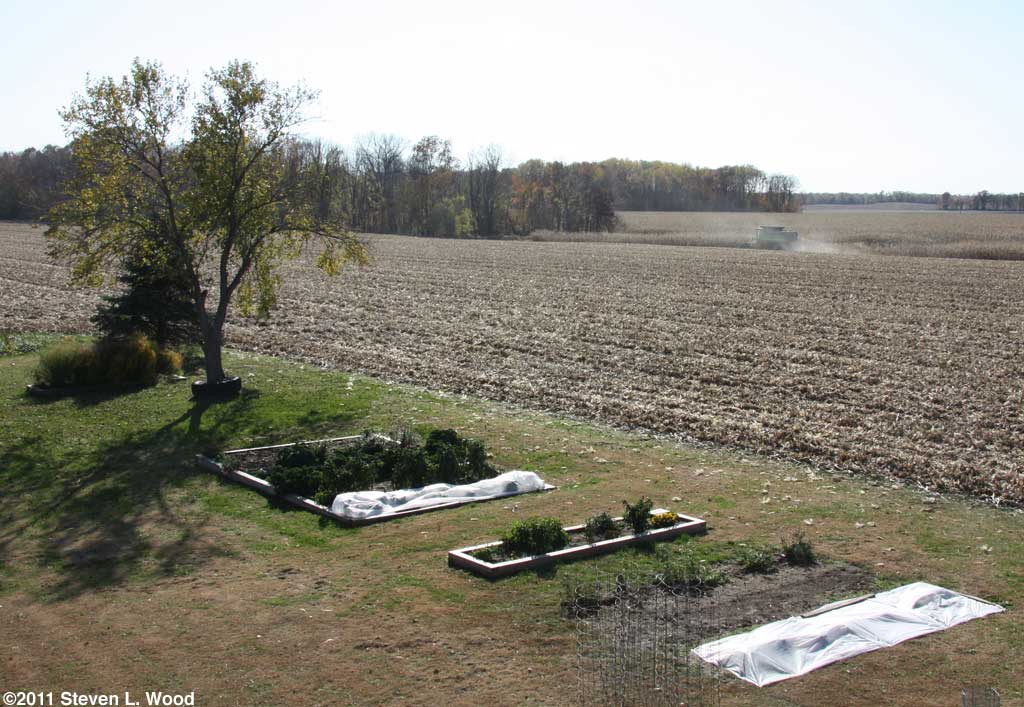
In late summer and fall, we carefully count days until the expected first frost when planning and planting our fall crops. And when we get right up to that frost, we get out blankets, tarps, cold frames and such to extend our growing season just a few days or weeks more.
...I decided this morning when faced with the first prediction of a killing freeze to try something I'd not done before. In past years, I've employed our 24" x 6' cold frame to protect at least some of our fall lettuce. This year, I didn't plant our fall lettuce to fit within the small confines of our cold frame. I filled one 3 x15' bed with lettuce and spinach and have another narrow 15' row of lettuce in another area. So our clunky, heavy, six foot long cold frame obviously wasn't going to do the job this time around. And there still are those two rows of late green beans that hold the promise of just one more picking. Having done some research earlier this month into floating row covers, I went back to several sites in earnest this morning to see if I could afford a roll of the frost protecting covers. I checked a couple of our affiliate advertiser sites, Gurney's I've covered getting frost dates here before, so I'll just let you surf over to that entry for the info. But your best bet on frost dates is to pick up the phone and call your county extension office. They'll know the dates for your area for sure. Our frost date here, not unexpectedly, varies a bit. We had several light frosts around October 5-6 last year, with the big one not coming until nearly the end of October. We've already had one cold night this fall where the leaves on our rows of late green beans got nipped a bit, but it didn't kill them. Generally, we get a frost/freeze that zaps everything not covered, and some crops that are, around October 25-30. I'm still hoping for the year when we can have fresh lettuce salad and fresh broccoli from the garden for our Thanksgiving Day feast. (Who has lettuce and broccoli on Thanksgiving, anyway?) BTW: The floating row cover with shipping came to $21.95. If the row cover proves to be reuseable, I'll have made a good investment. If not, we'll be enjoying some very expensive lettuce. Green Beans
Not having enough beans to can, I washed, cut, and froze the remaining beans on a cookie sheet. The recipe for one of our four daughters' favorite dish here calls for frozen green beans, so that in itself is always enough justification to freeze one bag of beans. I bagged the beans late last night, but thought to take the postage scale downstairs this morning to see how much we'd gotten. As you can see at left, the gallon freezer bag weighed in at three pounds, ten ounces. I really like having a bag of frozen green beans to throw into soups, stews, and the like while cooking. And I like even better having a bag of frozen green beans from our garden to throw into soups, stews, and the like. Wednesday, October 19, 2011 - Rocky Mountain Edition
I struck up conversations with several locals while in Colorado and found that despite the altitude, they hadn't had a killing frost as yet. One friendly Colorado gardener commented that he was still picking great red tomatoes. Of course by now, the high Colorado gardeners (elevation 7200') may have a foot or two of snow!
Gardening I got out in the rain enough yesterday to know I have green beans and broccoli to harvest, so I'll be getting back to gardening pretty soon. Thursday, October 20, 2011 - Getting Ready for Frost One of my grandsons, Caleb, helped me cover our lettuce and green beans with floating row covers late this afternoon. While I wish we had enough of the material to cover our herb bed, we're as ready as we're going to be for a possible light frost overnight and/or tomorrow night.
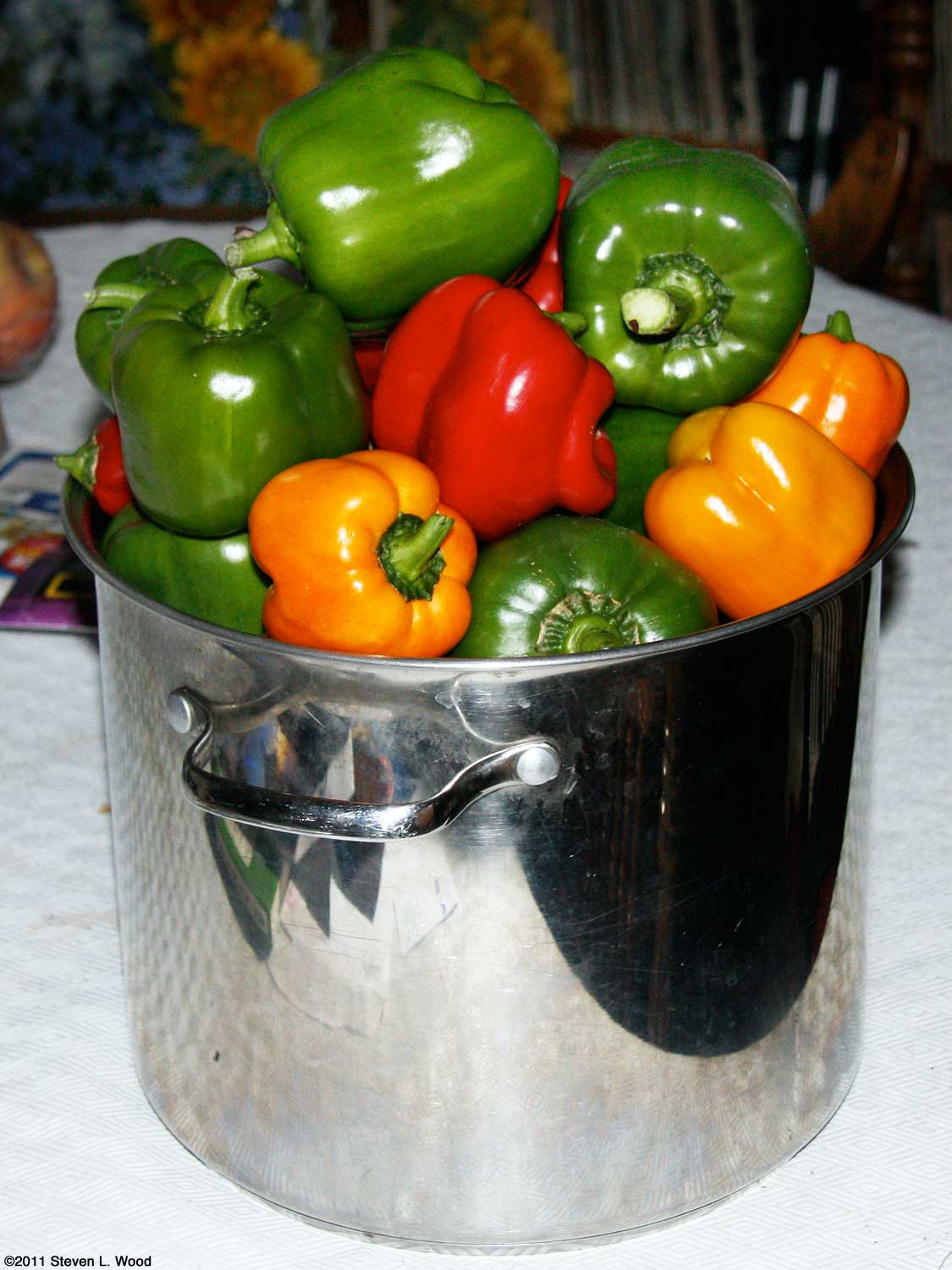
After covering our lettuce and spinach and our two rows of green beans, I did a job I'd been dreading. I harvested the last of our ripe, and in some cases, green, bell peppers. I put this task off as long as possible, trying to get as many red and gold peppers as possible. I did leave some smaller, green peppers on the plants on the chance that it won't frost. If we get lucky that way, the peppers may still mature. I didn't give our broccoli and cauliflower growing in our East Garden any frost protection. They should be able to stand a light frost without any precautions. And as for all the other stuff we still have growing in our gardens, well, the season has to come to an end at some point.
Sunday, October 23, 2011 - Light Frost
Our weather forecast doesn't indicate any frost danger until the end of the week. So our row covers may have done just what I wanted...get us past the first light frosts. I hope to pick spinach, lettuce, and green beans that are currently under row covers early this week. Digging Sweet Potatoes
We'd had some rain overnight, considerably softening the ground to be dug. I worked my way in from the edges of the row with a garden fork, but still managed to snap several tubers in half. I finally got to the base of the first "hill" of sweet potatoes and was rewarded with the sight of several large tubers. I started digging at the end of the row and may have dug what is the best hill of sweet potatoes in the row. The ends get more light and moisture than the rest of the row, and moles have taken up residence in the middle of the row. But the "take" from digging just one hill of sweet potatoes is certainly promising.
The downside of digging the sweet potatoes and cleaning up half of our main garden caged tomatoes is that I was stiff and sore all over by early afternoon! Monday, October 24, 2011 - Drying Parsley With a beautiful fall day at hand, I got out early and hosed down our parsley in preparation for cutting and drying it. We grew three varieties of parsley this year, Giant of Italy, Dark Green Italian, and Moss Green Curled
After the plants had sun dried for several hours, I cut the parsley in the garden onto the four drying shelves of our dehydrator. While the directions for the dehydrating unit call for drying parsley 24 hours at around 90o F, ours was completely dry in eight hours.
While I picked a bit over twelve quarts of raw beans, many proved to be overripe, had bad spots, or had bean rust on them. I ended up freezing just three quarts of beans after we'd had some for supper. I sorta have a thing about not getting the pressure canner out for anything less than four quarts, even though I prefer canned green beans. The floating row cover quickly dried in the sun and wind, and I folded and stored it for use next spring or fall.
Spinach at Last I pulled back the floating row cover from our lettuce and spinach area this morning so that I could cut some spinach. I first seeded the spinach in mid-August, only to have it not germinate for lack of soil moisture. Two of our grandchildren helped me reseed the row a few weeks later, but the seed just sat in the soil until we finally got some rain. But today, I was able to pick several quarts of baby spinach leaves.
With the row cover pulled back, I transplanted a lettuce seedling to fill in a spot where I'd harvested a soft head of lettuce over the weekend. I also popped in another seedling in an empty spot I'd either missed when I put out the bed or where a plant had died. As you can see in the images above and at right, the lettuce and spinach are thriving in the sunny, cool weather we've had of late. Even if I didn't like lettuce as much as I do, I'd be tempted to grow it just for the colorful showing it makes as it approaches maturity! I left the row cover pulled back for tonight, as it's supposed to be relatively warm. I'll have to cover the area again soon, though, as we have a good chance of getting a frost towards the end of the week. Garden Cleanup One of the downsides of growing tomatoes is the necessary cleanup at the end of the season. I'd begun the task several days ago, but had to get back to it today to finish up. Our tomato cages had blown over against a trellis in a wind storm a week or so ago. I'd not bothered to right them, as the tomatoes on the plants were in pretty sad shape from disease, cracking, and just plain end-of-the-season stuff. So there were lots of groundfalls to shovel up, along with cutting the vines and getting all the organic matter off the cages.
I hauled five heaping loads of vines, tomatoes, and grass clipping mulch to our compost pile in our four cubic foot garden cart. The change in appearance of our main garden areas from just Sunday to today is a bit startling to me. We've taken out our rows of green beans, pulled back the cover from the lettuce/spinach area, and removed the tomato cages and trellis. It's supposed to rain tomorrow, so our garden cleanup will have to go on hold for a day. I hope to be able to get out in between showers and cut some sage tomorrow. We have two gorgeous sage plants that should produce a good bit of rubbed and/or ground sage. Having priced sage at the grocery this afternoon, I think we may be sage rich! Thursday, October 27, 2011 - Sage
I found a good page all about sage by Debs Cook on the Herb Society site. Our sage, identified as Common Sage (Salvia officinalis) on the seed packet, is apparently also known as "purple sage," according to Cook. Our raised bed of herbs has been a pleasant surprise this year. We have parsley, sage, oregano, basil, and paprika peppers currently growing in it. Sadly, the paprikas are just ripening and will likely get caught in a frost over the next few days. But we have lots of ground paprika left from last year's garden. Note that I really like the blend of Paprika Supreme, Alma, and Feher Ozon paprika peppers we dried and ground last summer. The oregano, pictured below between our sage plants that have almost overwhelmed the it, still needs to be cut and dried. I just haven't gotten to it as yet and am hoping the frost hold off for another day or so.
Getting Ready for Another Frost With a good bit of rain and a 20o drop in temperature, I'm once again getting ready for frost. I re-covered our main bed of lettuce with the undamaged floating row cover that had previously protected our rows of late green beans. Grumbling just a bit at one of our dogs, Shep, who likes to dig on and through blankets, paper paint tarps, and expensive floating row covers, I patched together a row cover from the two Shep had damaged to cover our other area of lettuce. It had been just a single row of plants, but I transplanted six more plants this afternoon in the gaps between the existing plants, as the transplants might as well die in the ground as in the flat. And who knows, maybe it won't frost for another month!
Saturday, October 29, 2011 - Oregano
I hadn't gotten around to picking any oregano to dry and store until today, although it did figure into a batch or two of spaghetti sauce over the summer. All of our herbs were planted a bit late, and the one oregano plant that survived its overlong stay in a fourpack in a tray took its time getting established. I didn't help it much, planting it between sage plants that almost crowded out the low growing oregano.
I cut enough sprigs of oregano leaves this morning to fill just three of the four trays on our dehydrator Fall Flowers Even though we're well into fall, we still have a good many flowers in bloom around the house and in our gardens.
At this time of year when the brilliant colors of some of our garden vegetables are waning or gone, I'm always glad I planted flowers which continue the garden's colors right up to a killing frost.
Still being a rookie at growing sweet potatoes, I had to do an online search to read about why sweet potatoes crack. Fortunately, I didn't have to search very hard, as the first page I visited carried the reason, and a pretty accurate description of some of our recent weather.
The page also notes that digging sweet potatoes before the vines get nipped by a frost is preferable, as storage time and quality can be reduced by a frost. Since our vines have already been killed by the frost, I'll need to finish up digging tomorrow. Gainesville Sun garden columnist Wendy Wilber echoes much of what the Illinois Extension page said about sweet potatoes cracking, but adds that "Even though they don't look beautiful they are still edible. Just pare out the injured part of the potato before cooking." Eating from the Garden in Winter: Sweet Potatoes from Mary's Veggie Garden adds some good tips on curing sweet potatoes for storage. I think all the tubers I've dug so far have been the Centennial variety. I should get into some Nancy Halls tomorrow, as I planted some of them at the far end of the row. A Busy, Busy Month in the Senior Garden I just read over the previous postings this month on Senior Gardening and was reminded at how much we bring in from our garden during October. That's one of the reasons I'm glad I'm now fully retired, other than publishing this and one other web site, as I have the time to devote to our fall garden. We made and canned two batches of Portuguese Kale Soup this month. We also put up green beans twice and froze broccoli. We enjoyed fresh kale and yellow squash from the garden, along with a heavy final picking of bell peppers (which we shared with family). We also started picking and enjoying fall lettuce and spinach out of the garden. We saved seed from Moira tomatoes, Earliest Red Sweet and Paprika Supreme peppers, Japanese Long Pickling cucumbers, and dianthus. And we dried enough parsley, sage, and oregano to last us for a couple years! Even with a drought much of the summer, we've been blessed to have so much goodness fresh from our gardens and stored for winter use as well.
From the
at Senior Gardening |















 . After washing the oregano and removing dead leaves and other debris, I left the leaves on the stem in the dehydrator, planning to strip them off when dry.


©2011 Senior-Gardening.com