One of the Joys of Maturity

Custom Search
One of the Joys of Maturity |
Custom Search
|
| Affiliated Advertisers |
Clicking through one of our banner ads or some of our text links and making a purchase will produce a small commission for us from the sale. A Year in Our Garden - 2012 - Page 2
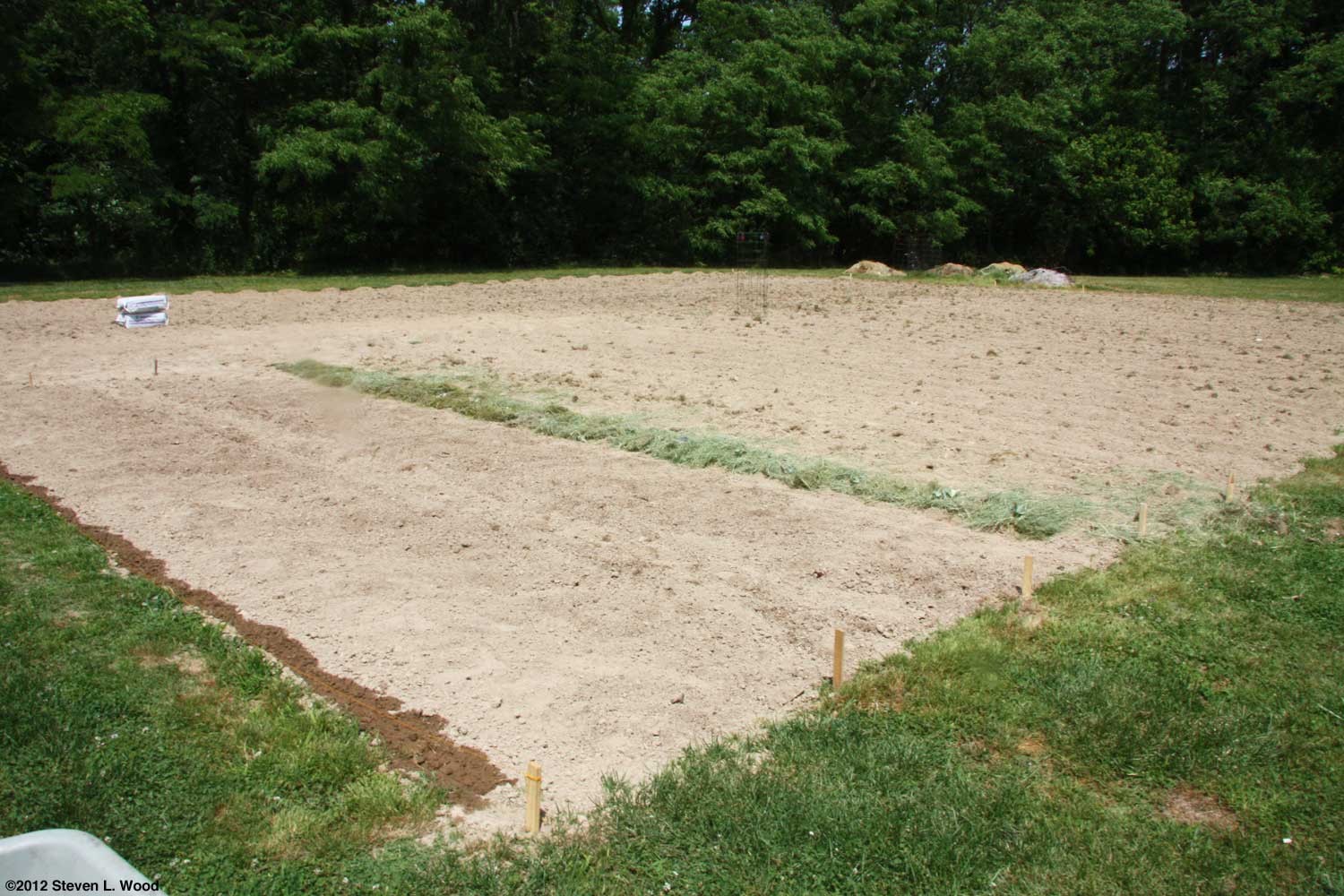
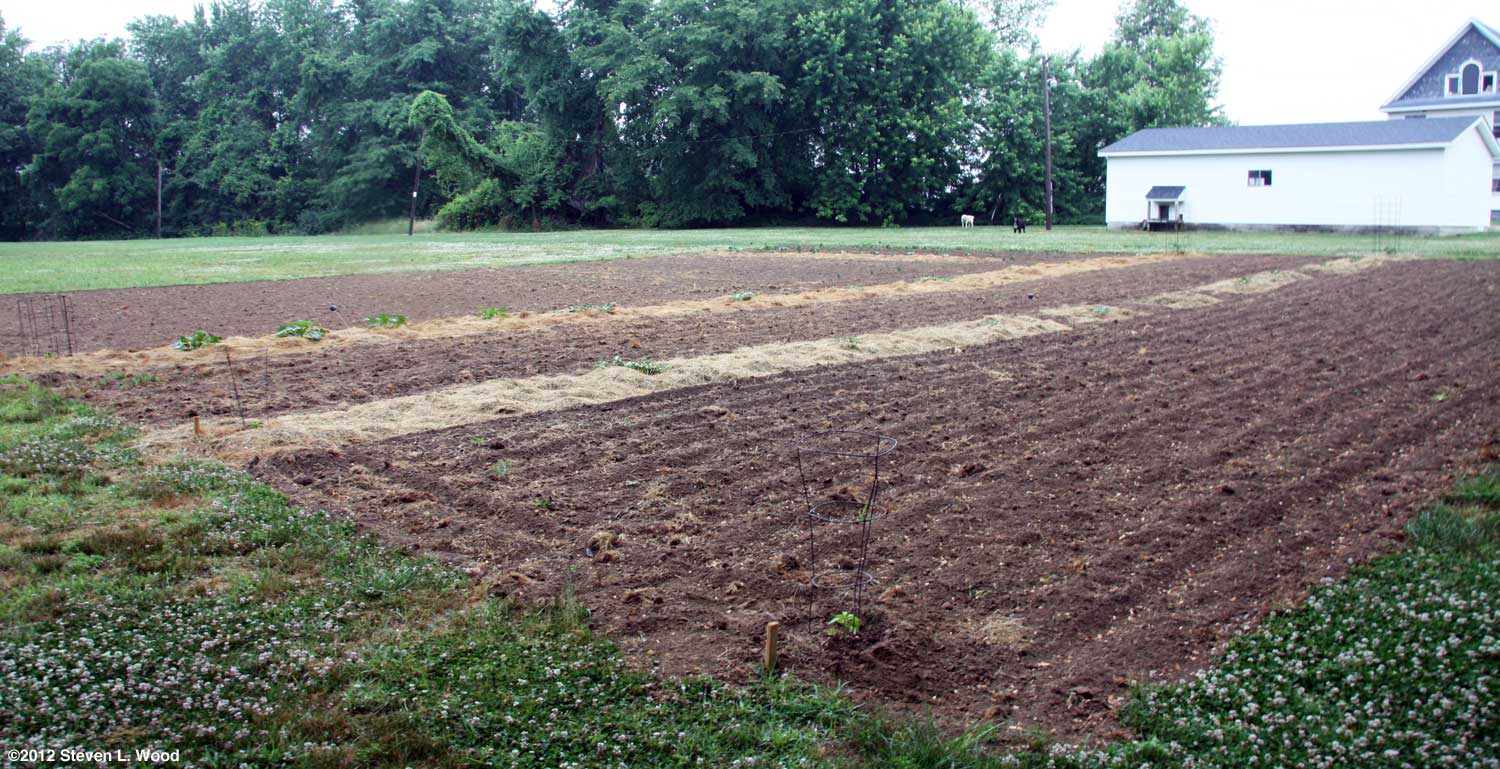
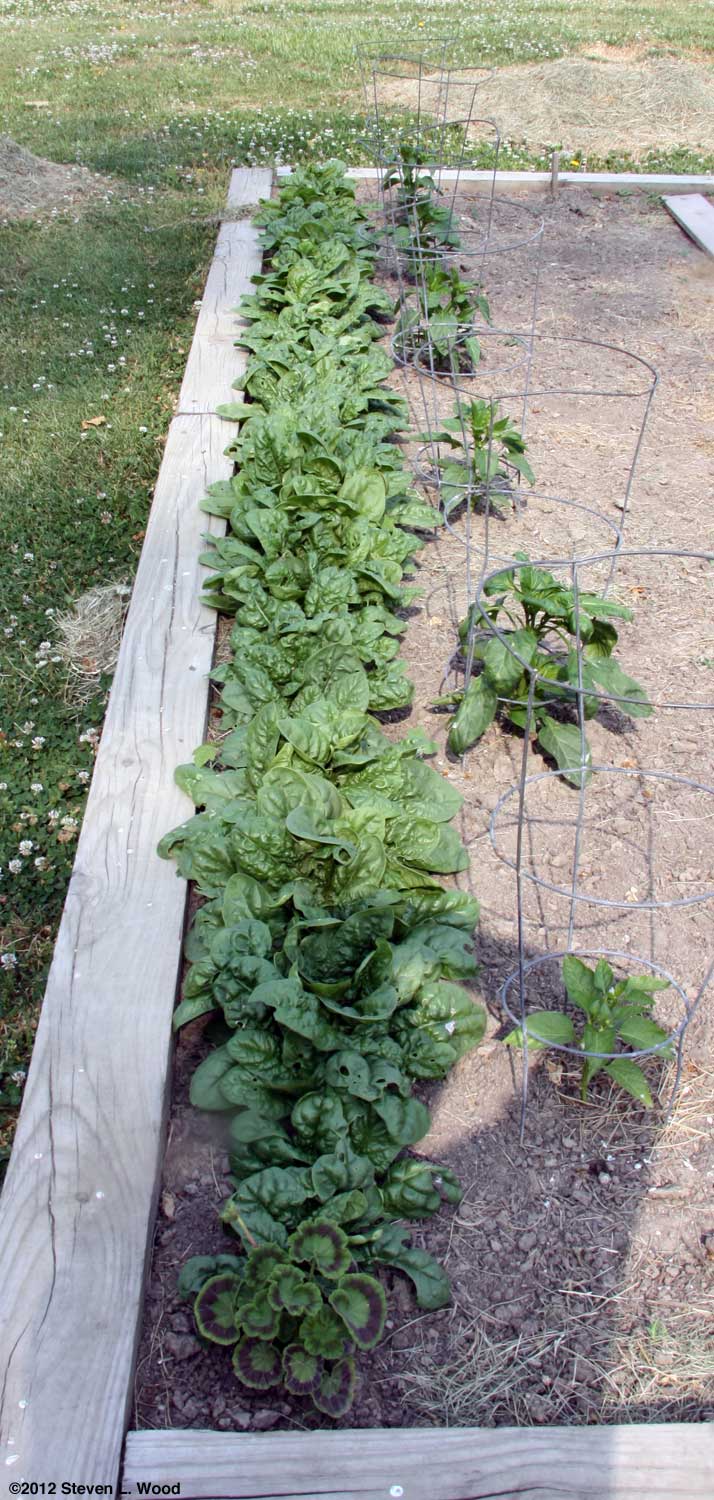
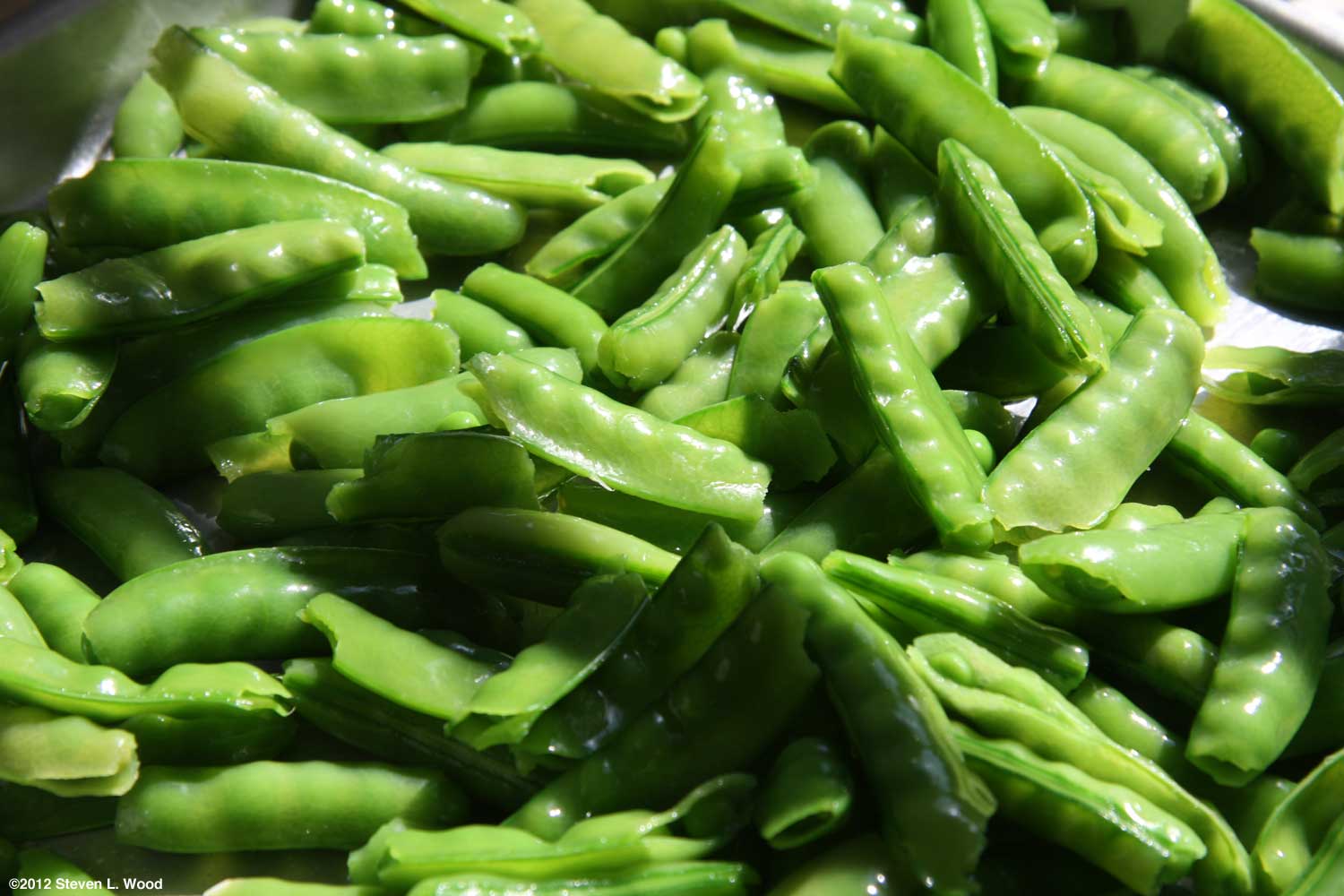
May proved to be one of the two most productive months of the season. With average rainfall in April conserved by heavy mulch, we didn't experience the full onset of the summer's drought until June. With our main, raised beds already planted, our attention turned to tending those beds, harvesting some crops, getting the flowerbeds around the house in shape, and getting our large, East Garden planted with the various space hogs (sweet corn, melons, squash, etc.) and isolation varieties (for seed saving) we grow there. Oh, but the harvest! We picked and froze garden peas from our early planting and later in the month began enjoying Sugar Snap peas right off the vine and steamed. We had beet thinnings which were actually full sized beets that matured early. Our lettuce and spinach came on strong before bolting towards the end of the month when things got very hot and dry. Our asparagus patches continued to produce delicious spears all month long. Possibly the star of our May harvest was our broccoli and cauliflower. The broccoli pretty much matured all at once, as I planted it all at the same time. The cauliflower was spaced out a bit. We also transplanted all of our leftover brassica transplants into our East Garden, hoping for another harvest later in the season. That one didn't work out so well.
When the garden is lush and productive, it's a pretty heady experience. Rather than bore you with words, let me just show you what I mean. And...I really should have added this advisory sooner: If you mouseover the images and hold, you should get a caption for each.
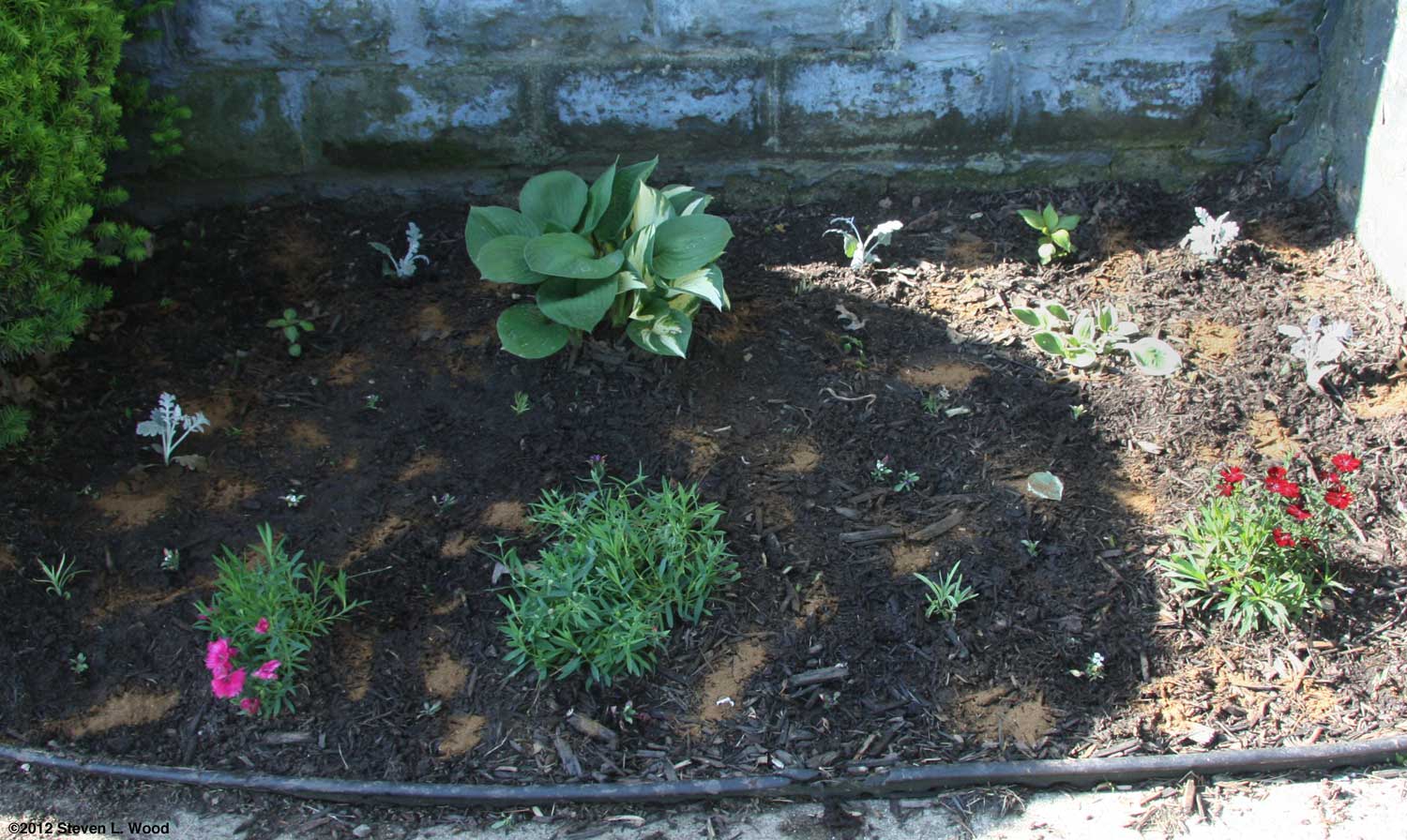
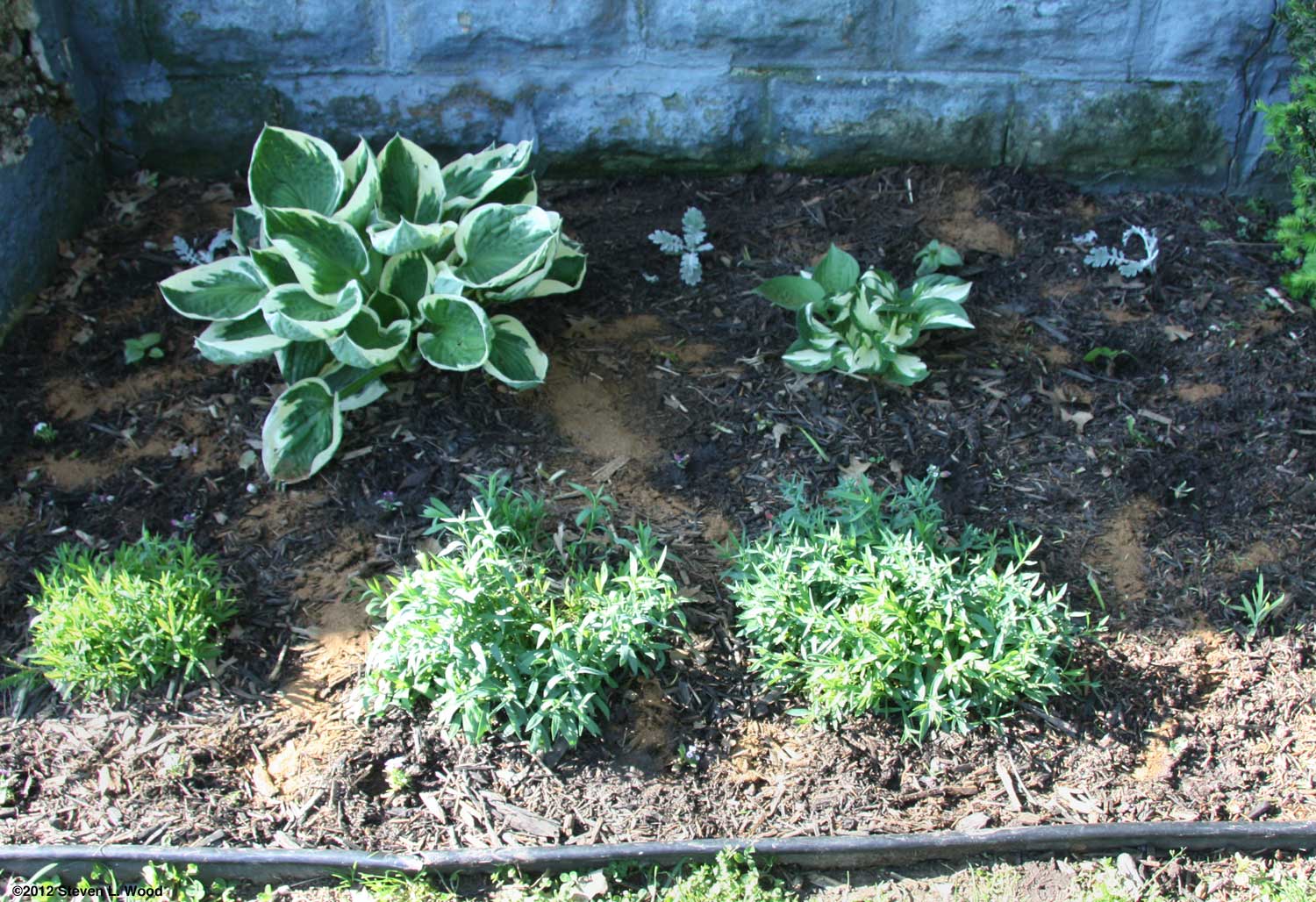
We got our front and side flowerbeds cleaned up early in the month. Some dianthus began blooming for their third straight season. Sadly, the drought, coupled with dogs that found the flowerbeds a cool place to hunker down in the coming June heat wave, pretty well destroyed our flowerbeds until fall when the alyssum I'd planted really took off.
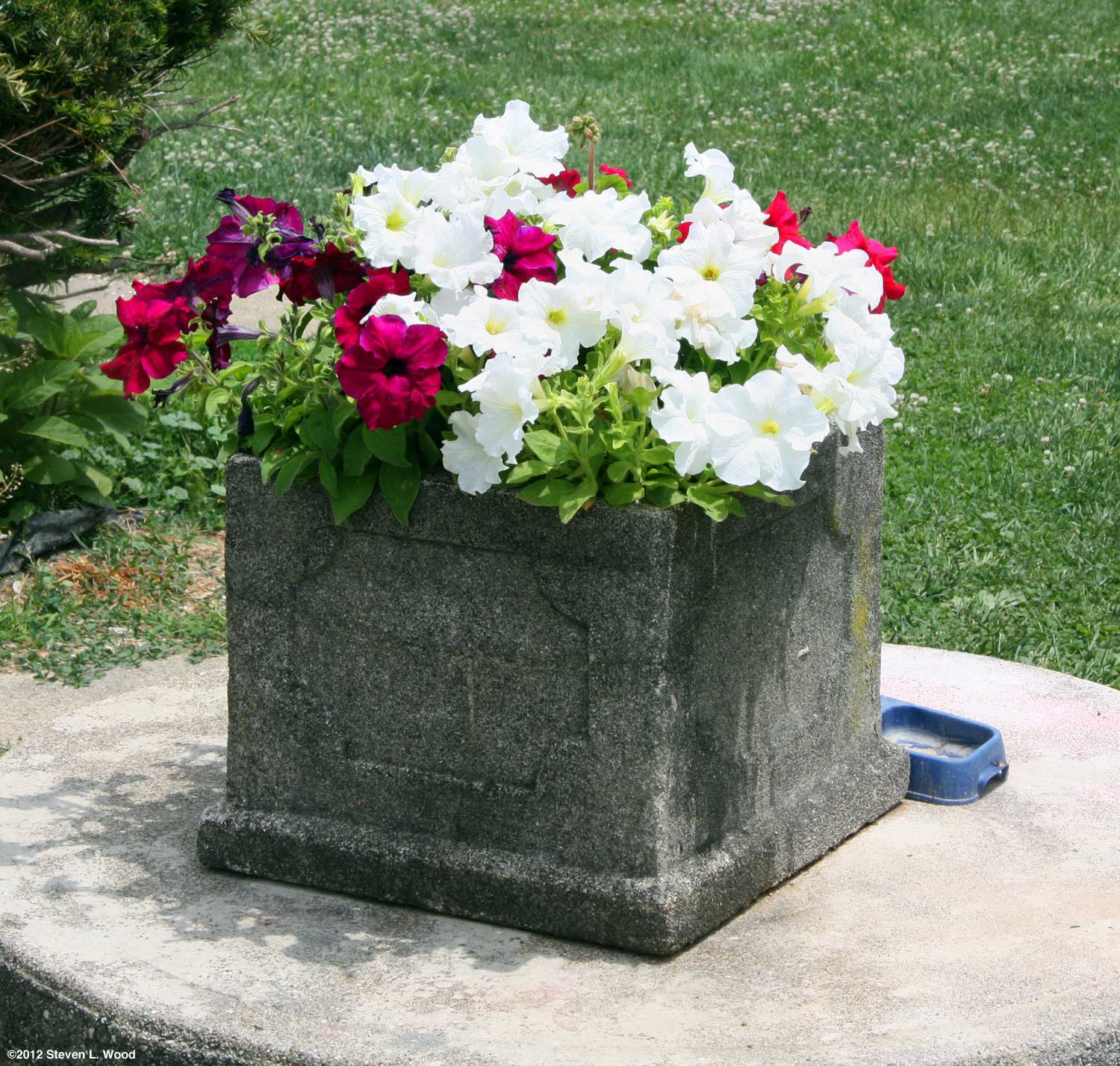
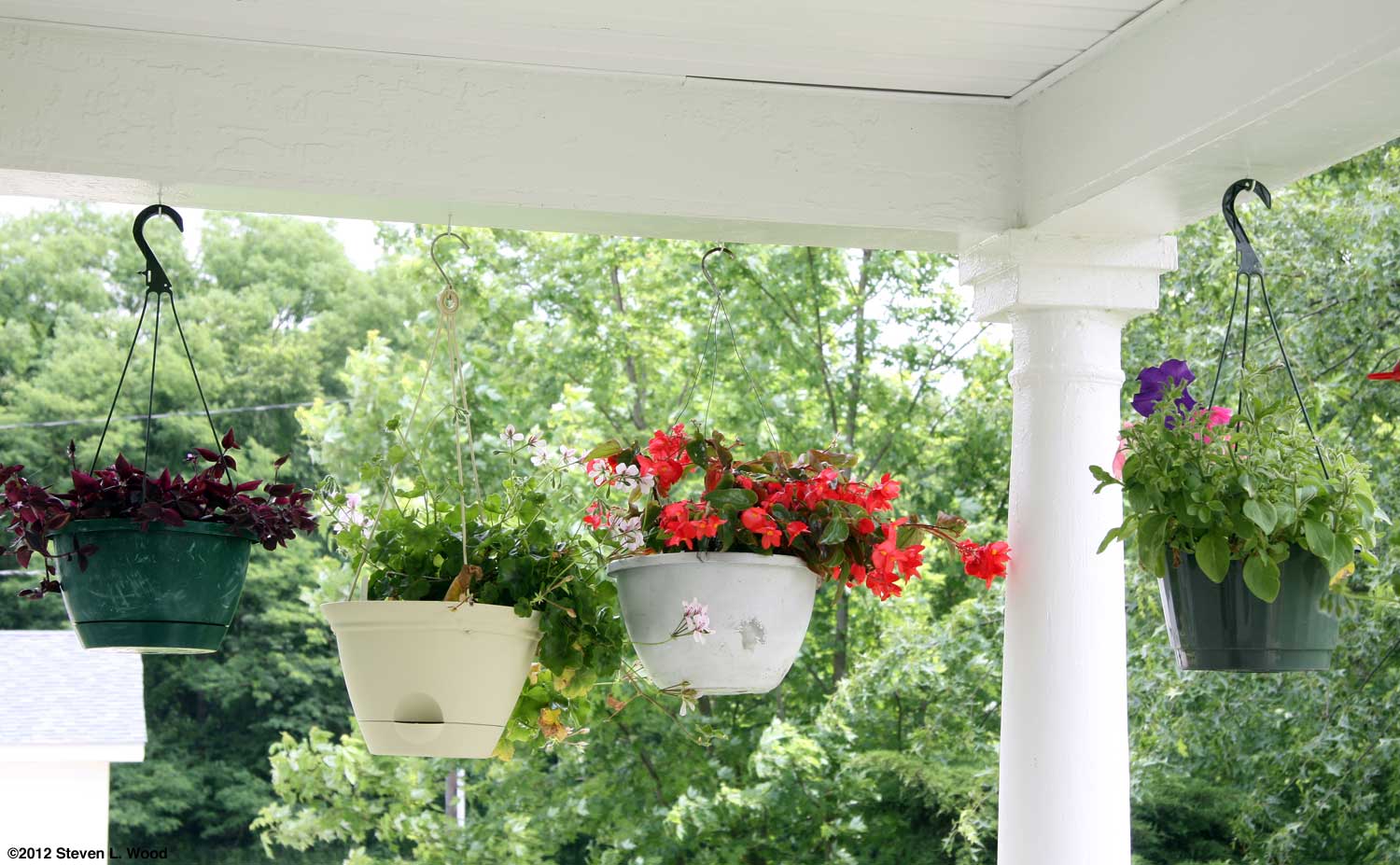
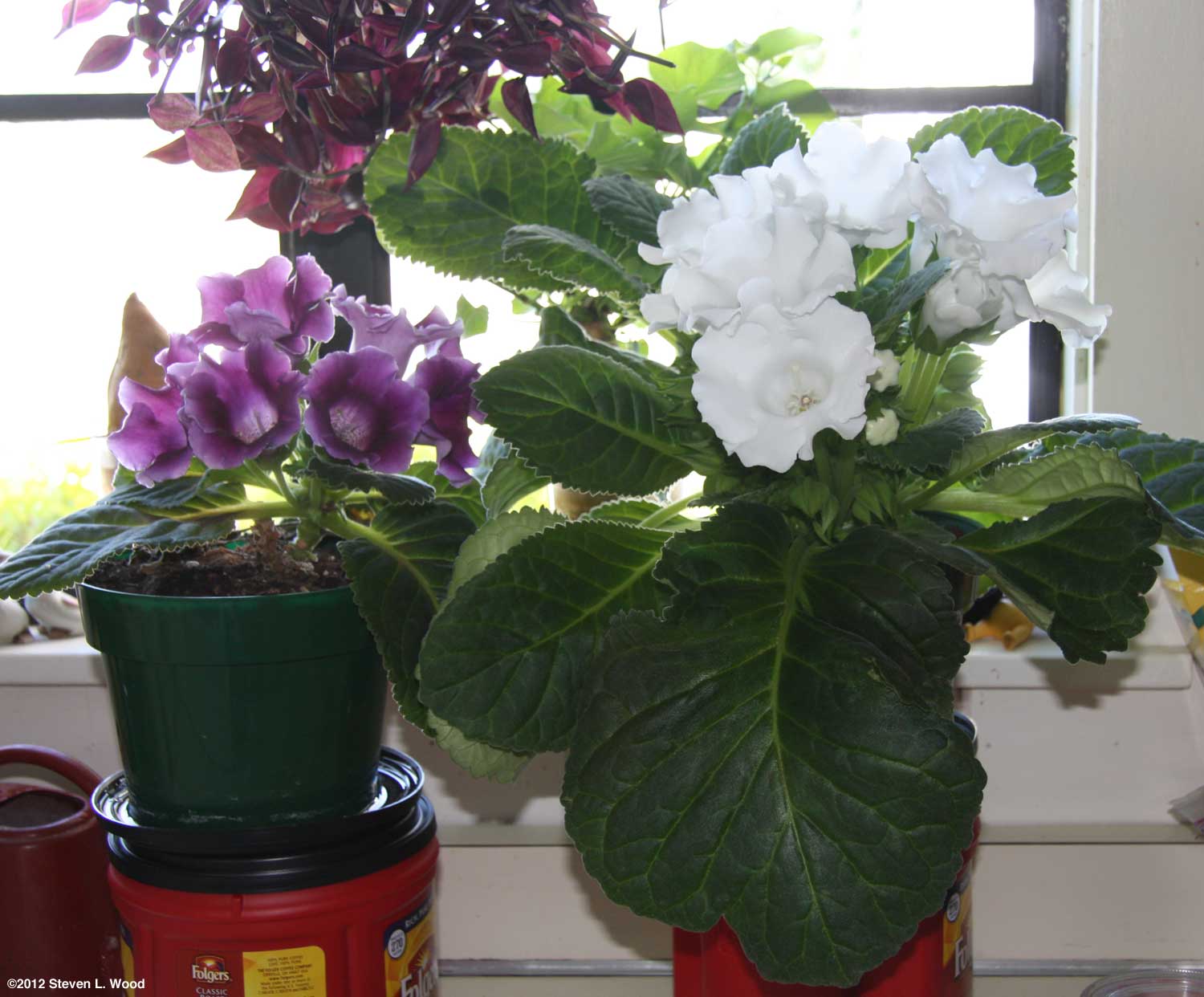
Our planter on the cistern, hanging baskets, and kitchen counter flowers fared far better.
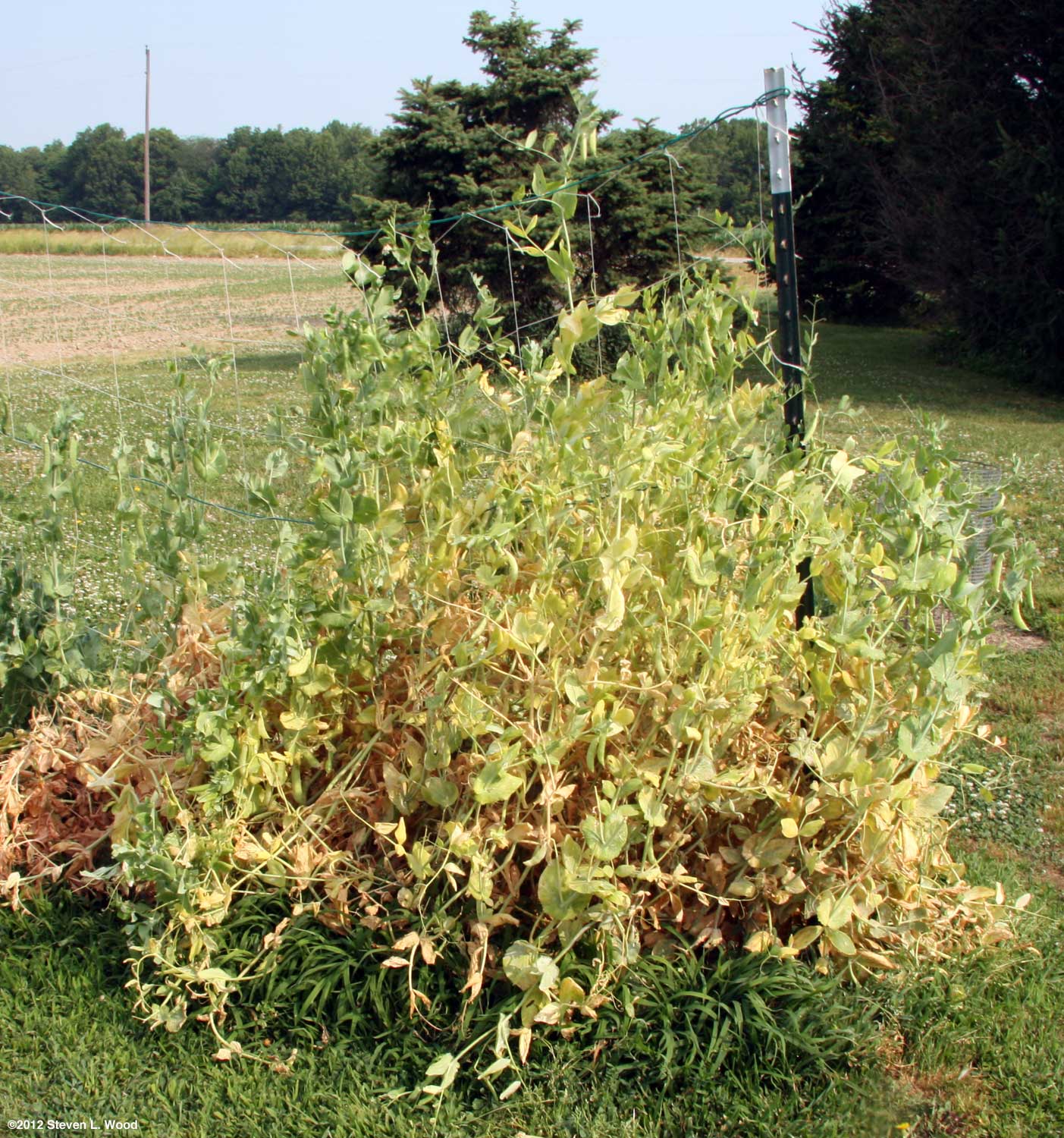
Our early peas were the first crop whose harvest was cut short by high temperatures and dry soil conditions. Our gardening season quickly became a learning experience in trying to effectively garden with little to no precipitation (and a well that doesn't support watering the garden). The worries I expressed in March on Senior Gardening that "we may experience a very, very dry summer this year" were about to come true. |
|
Our succession plantings, those plantings we make after a spring crop is harvested, for the most part simply didn't take this year due to the dry weather. We seeded and re-seeded green beans and kale. One, yes one, kale plant survived and a scraggly, spotty row of green beans seemingly refused to give in to the dry conditions. I didn't even bother starting transplants for fall lettuce and broccoli because of the drought. Several transplants of lettuce to follow our spring lettuce seemed to bolt almost before I finished firming the soil around them.
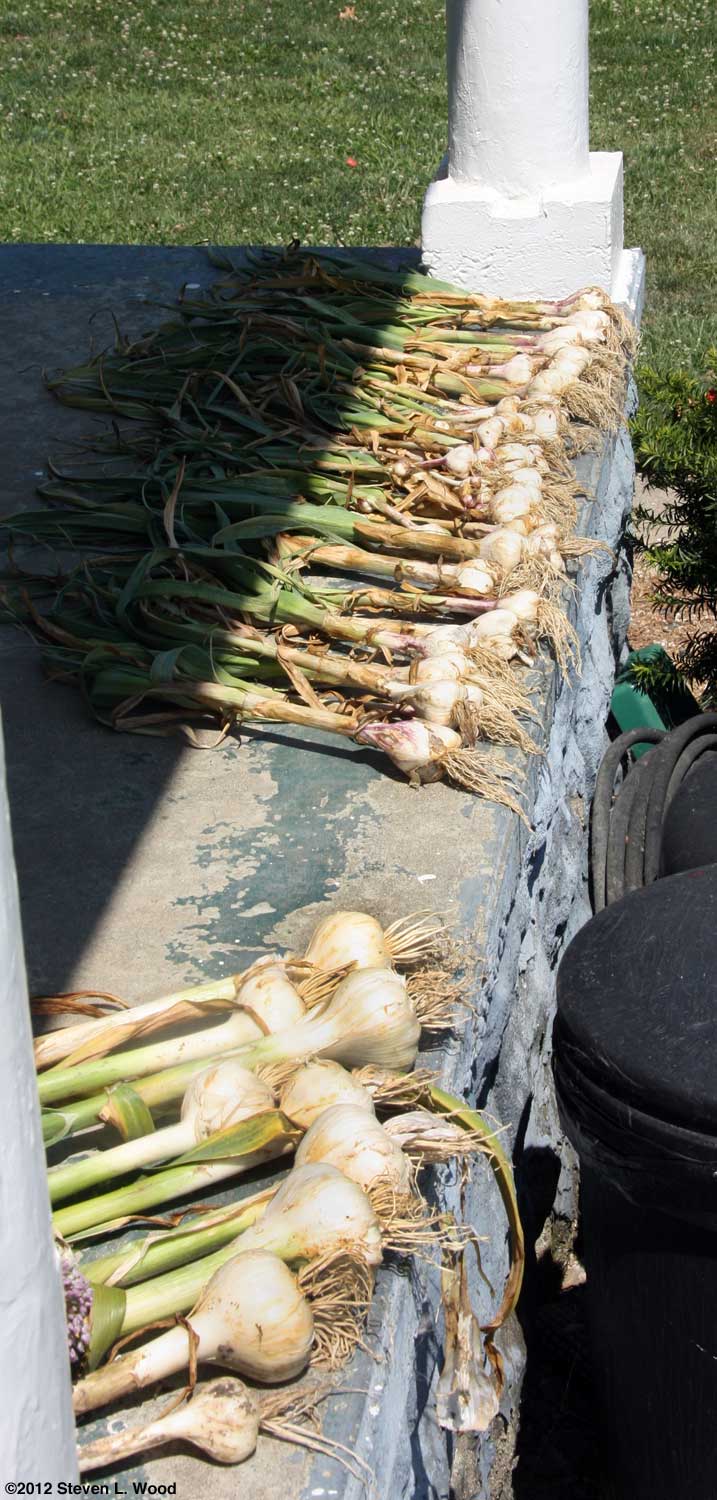
I love cooking just after our garlic harvest, often taking a single garlic out of the ground weeks early. The pungent white cloves seem to have more flavor at harvest than when cured and stored. A mole apparently moved a mature garlic bulb before harvest and I missed it. We had a November treat when the garlic cloves all sprouted, giving us fresh garlic to cook with once again for a few weeks in the fall. All in all, we had one of our better years for growing garlic, quite possibly due to the warm winter that allowed extensive root growth.
Towards the end of June, I began to wonder if the buzzards (turkey vultures) that had begun roosting across the road from us were just waiting for me or one of the pets to drop from the heat and dry conditions. Just 0.15 inches of precipitation for the month coupled with a blazingly hot ten day period at the end of June and into July doomed any lingering hopes I might have had for a normal gardening season. We watered as much as we could with our puny well, but it was just too dry and we had too much garden to save that way. Heavy mulching allowed some crops to extend until rains returned in September, while others produced welcome, but meager crops when compared to years with normal rainfall.
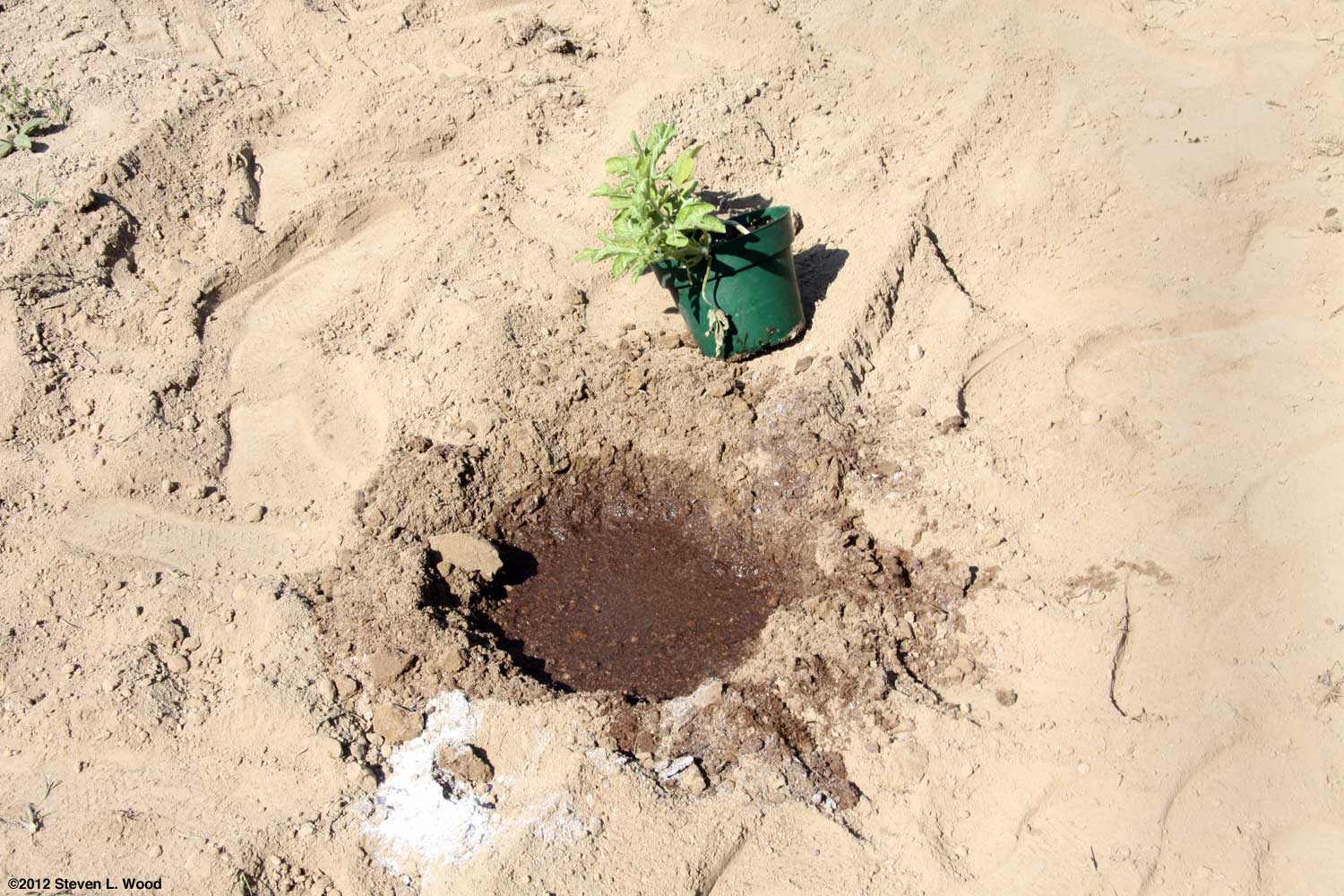
We'd received a seed sample of the Quinte tomato variety from the USDA Agricultural Research Service's Germplasm Resources Information Network in March, hoping to add it as a saved seed variety to its sister variety we preserve, Moira. Despite some watering, I had to repeatedly replant, getting down to my last transplant that finally survived and produced fruit and seed for seed saving in October.
Early in July, our onions all tipped over prematurely. There was nothing else to do but to bring them in from the porch and try to cure them on our back porch. While there curing, they got soaked with the one good rain of the month and immediately began to rot. We ended up losing almost the entire crop. Interestingly, our Red Zeppelin onions proved to be a bit more drought resistant than our other onion varieties: Pulsar, Milestone, and Walla Walla. A few of the stunted red onions dried down properly and stored fairly well into December.
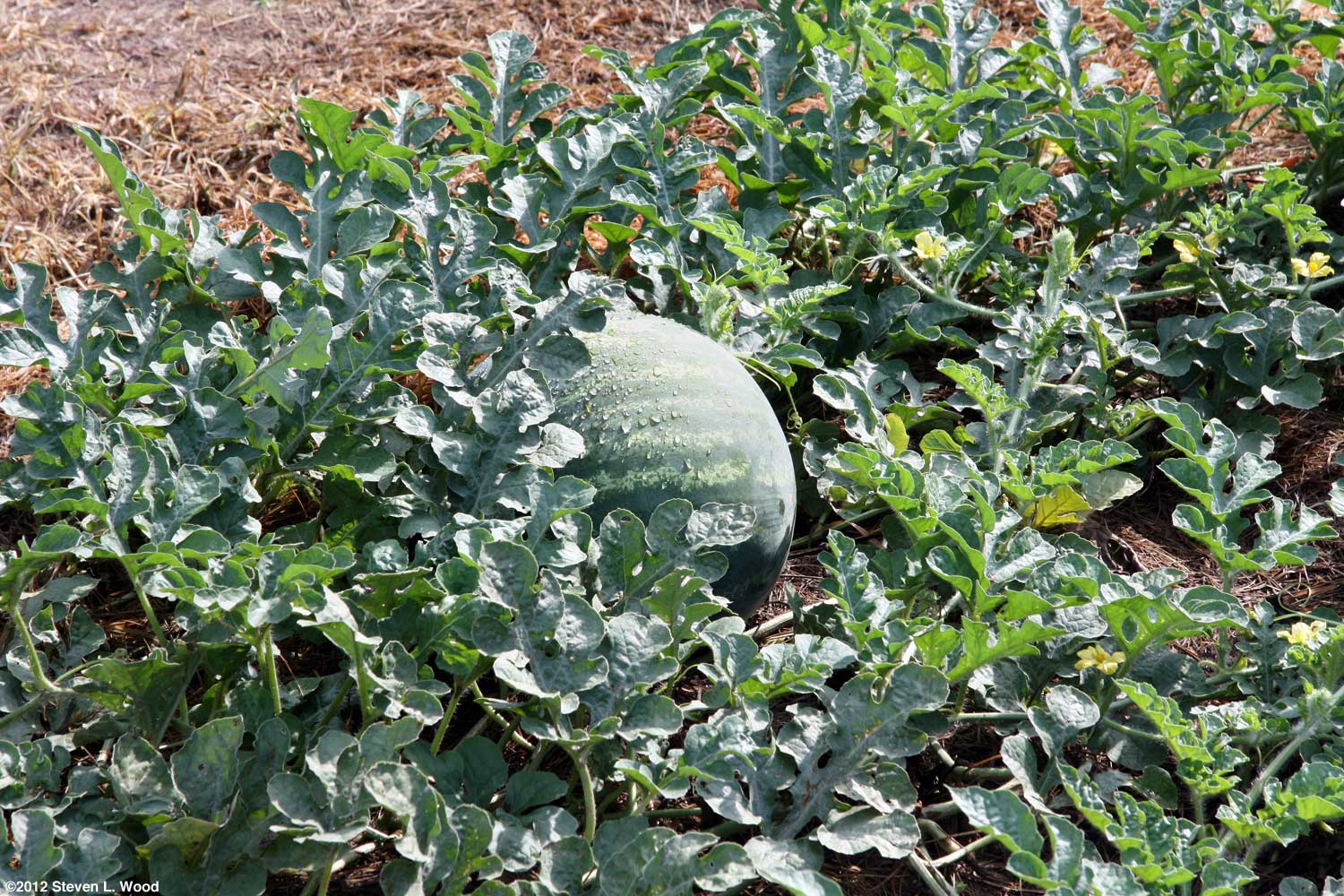
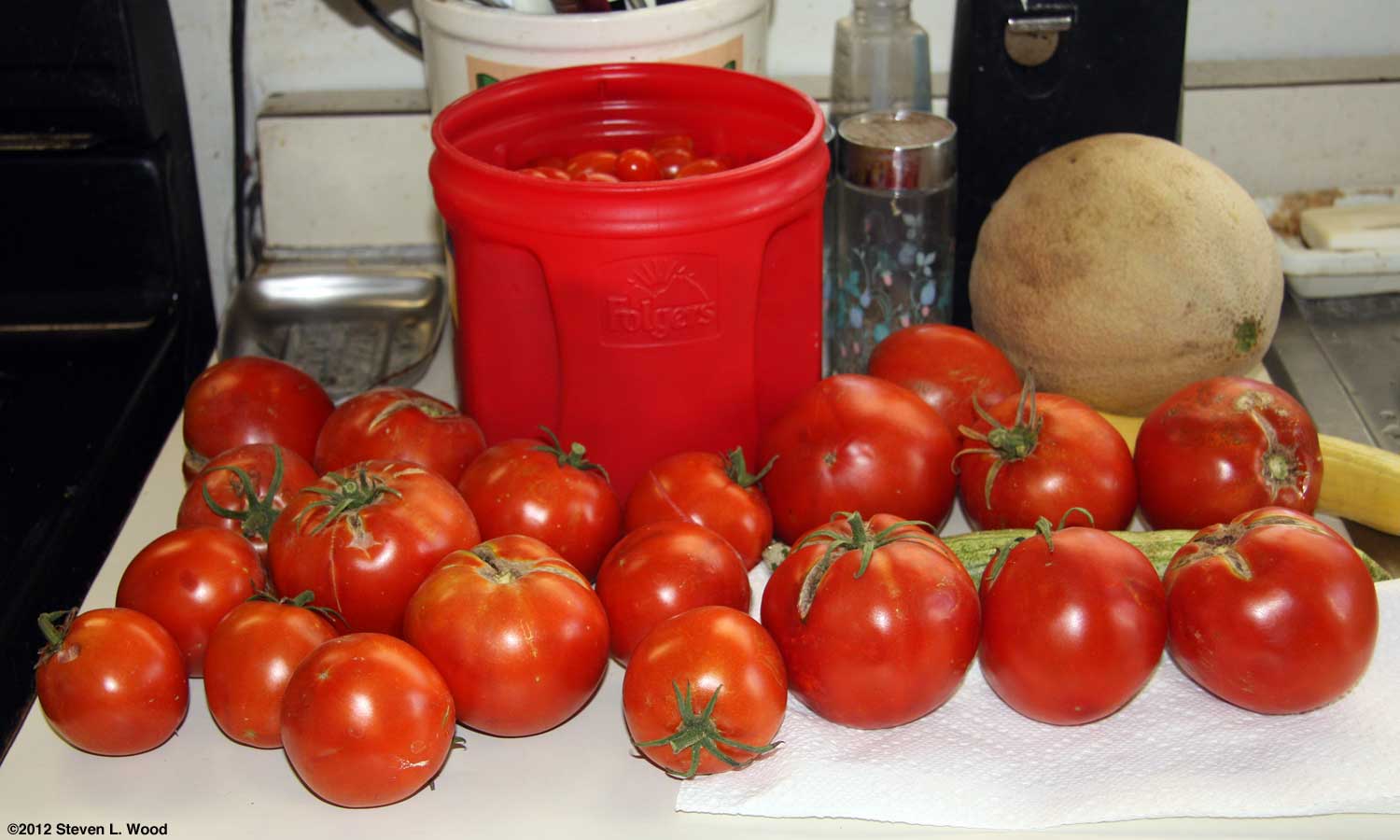
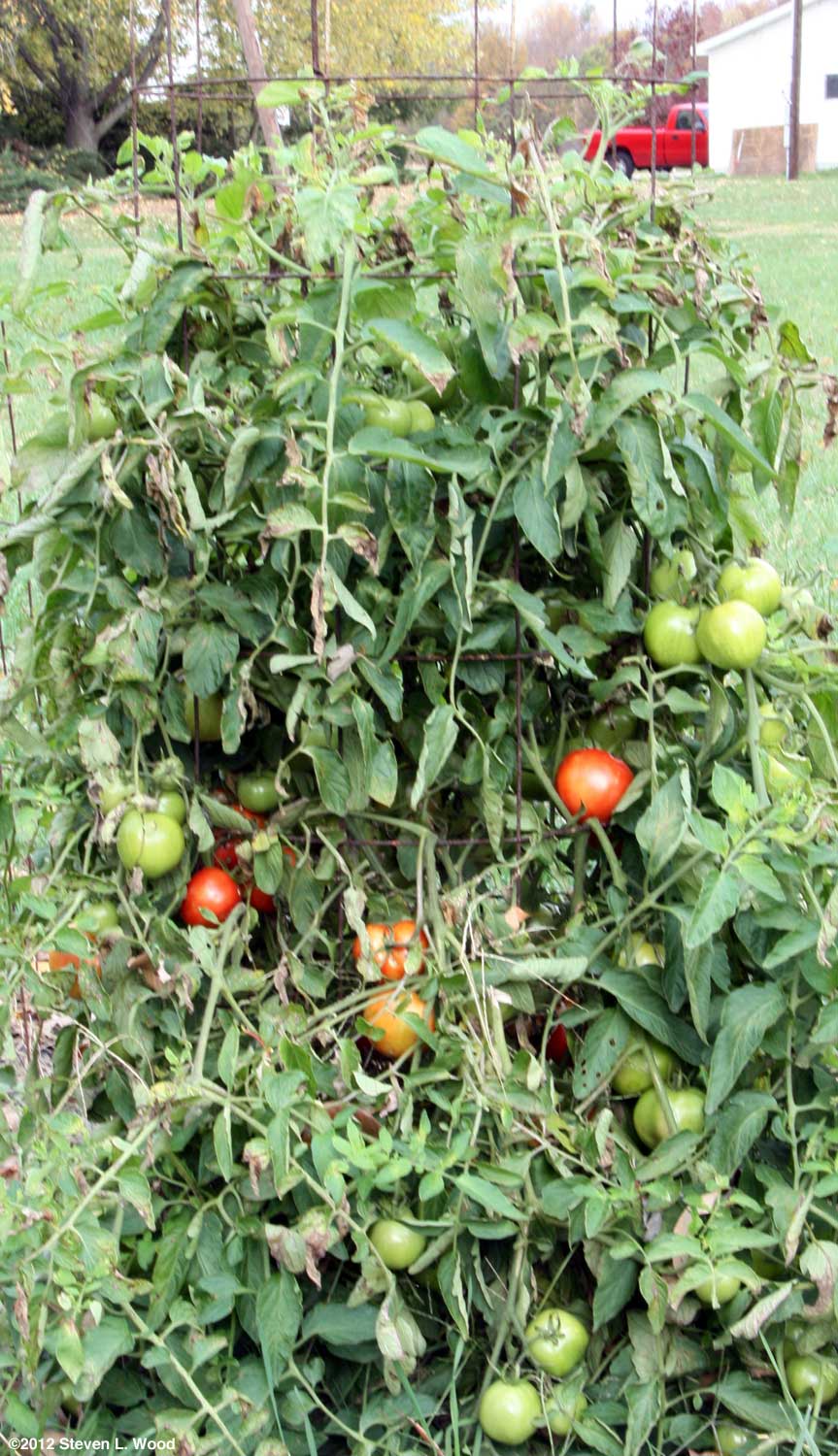
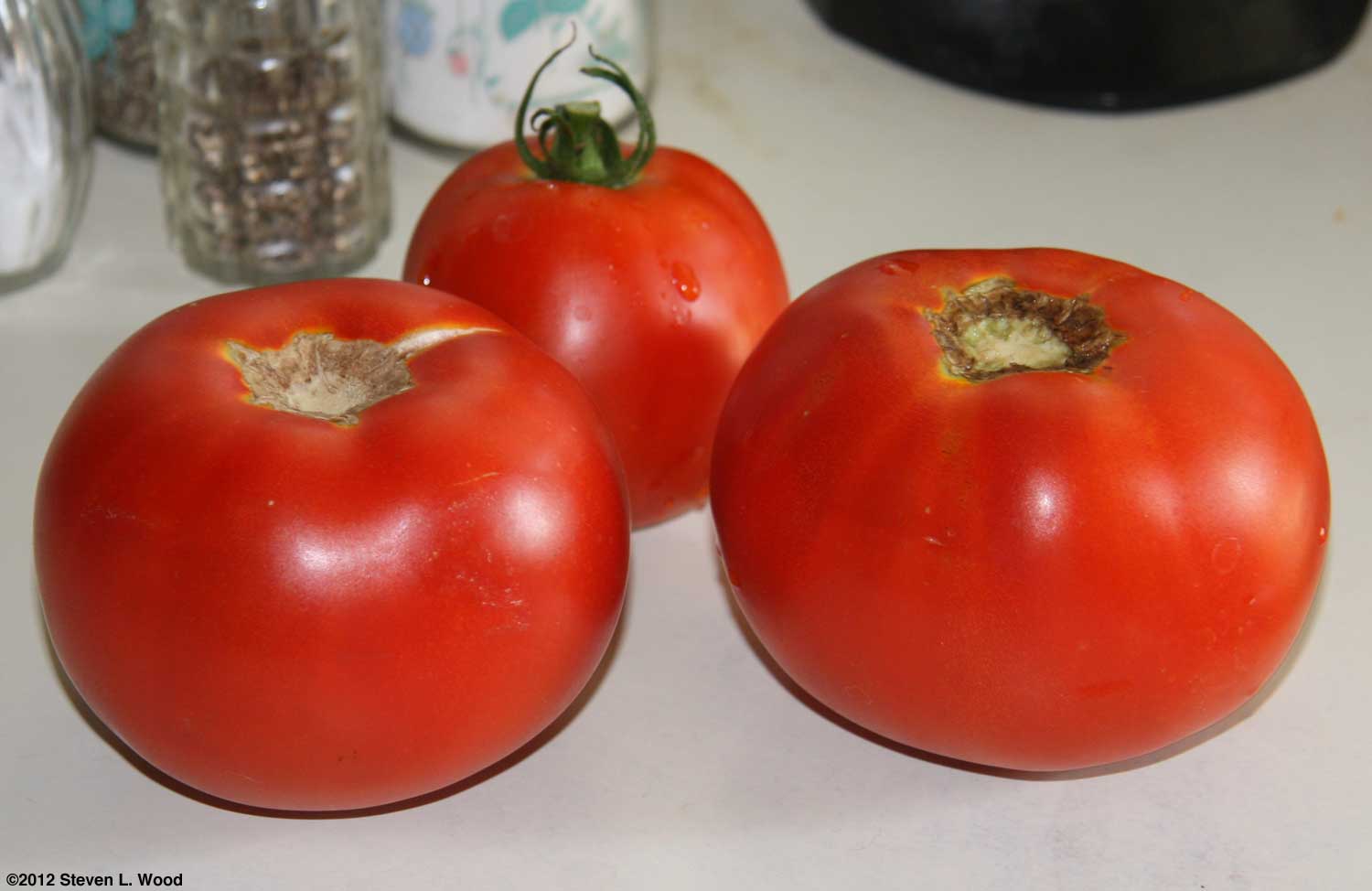
Crops that did retain enough moisture under their heavy grass clipping mulch began to produce early with July's scorching heat. We had our annual tradition of BLT sandwiches when we picked our first ripe, full-size tomatoes on July 12, well ahead of usual. We picked our first melon, a Sugar Cube personal sized muskmelon, just a couple of days later. By the end of July, we were picking enough muskmelon and watermelon to supply our needs and that of friends and family.
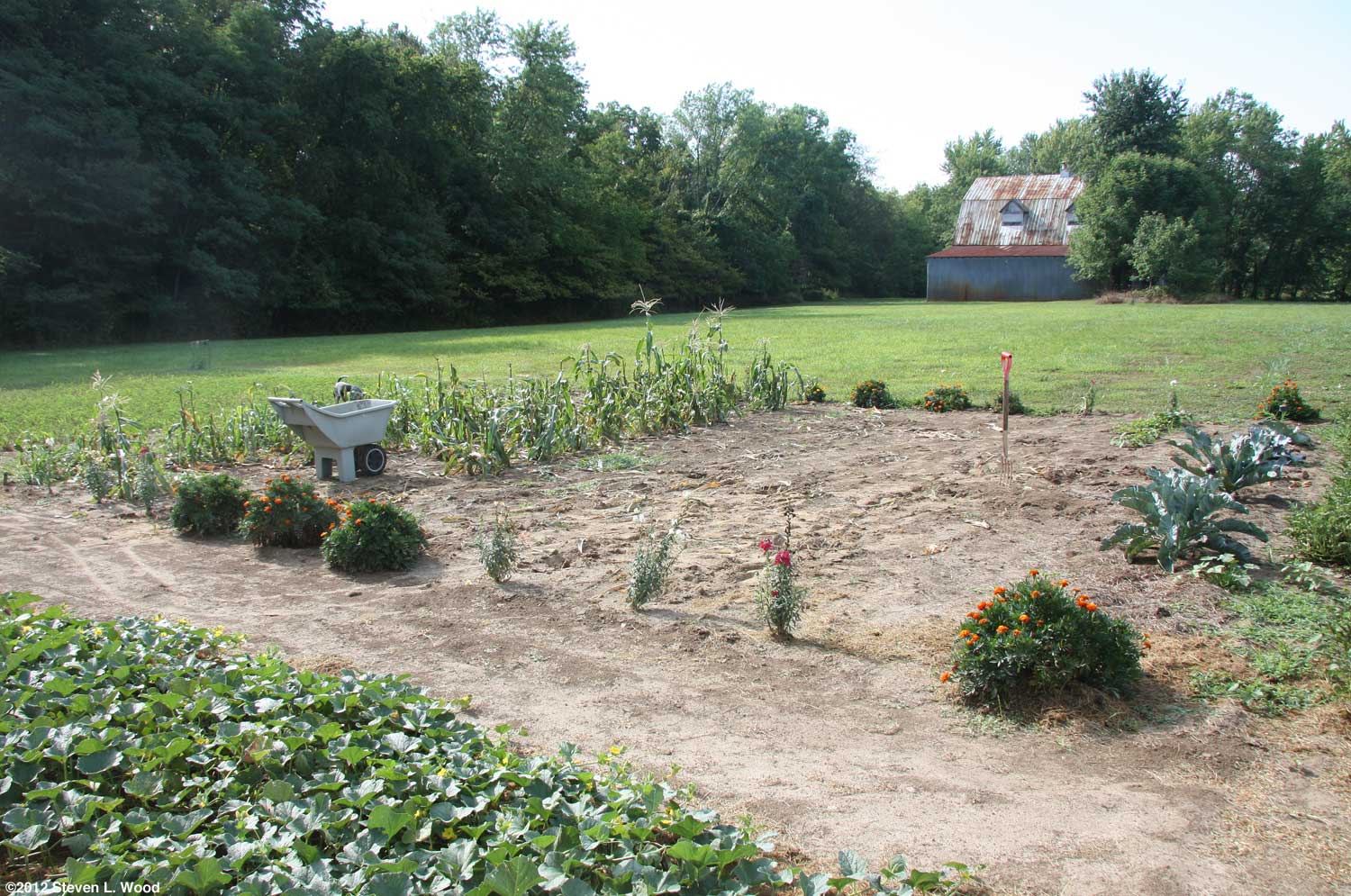
Between the drought, deer damage, and a puppy with a taste for immature sweet corn, we never got an ear. When a couple of the stalks showed a bit of corn blight, I called it a year for sweet corn and pulled and composted all the stalks in early August. The upside of the failed sweet corn was that with light showers predicted just after I cleared and tilled the area, a seeding of buckwheat as a cover crop germinated well. It's probably the best stand of buckwheat we've grown.
By mid-July, the U.S. Drought Monitor had moved our area into its worst drought classification where it would stay for the remainder of the summer. Being a bit older than a lot of farmers and gardeners, I have some sadly earned perspective on droughts. When my first wife and I were farming, we watched our acres of field corn simply burn up in the Midwest Drought of 1983, which I actually remember as being worse that this year's drought. Almost no one in our area brought in a crop that year. This year, some area farmers that had planted early were able to harvest fairly decent crops of corn and soybeans. Those that got their crops in towards the end of the planting season mostly suffered a total loss. After the drought of 1983, we also endured a couple years of pocket droughts (droughty conditions limited to a small area) that pretty well did us in. So this year's drought didn't seem quite as bad to me, possibly because I didn't have as much at stake. Retaining at least a bit of my sense of humor, if a sick one at that, I reran my Mad Dogs and Englishmen posting at the beginning of July that I'd previously run during a dry spell in 2011. With almost no rain and the temperature frequently topping 100o F, Robin Williams' humorous Adrian Cronauer/Roosevelt E. Roosevelt weather report from the movie, Good Morning, Vietnam
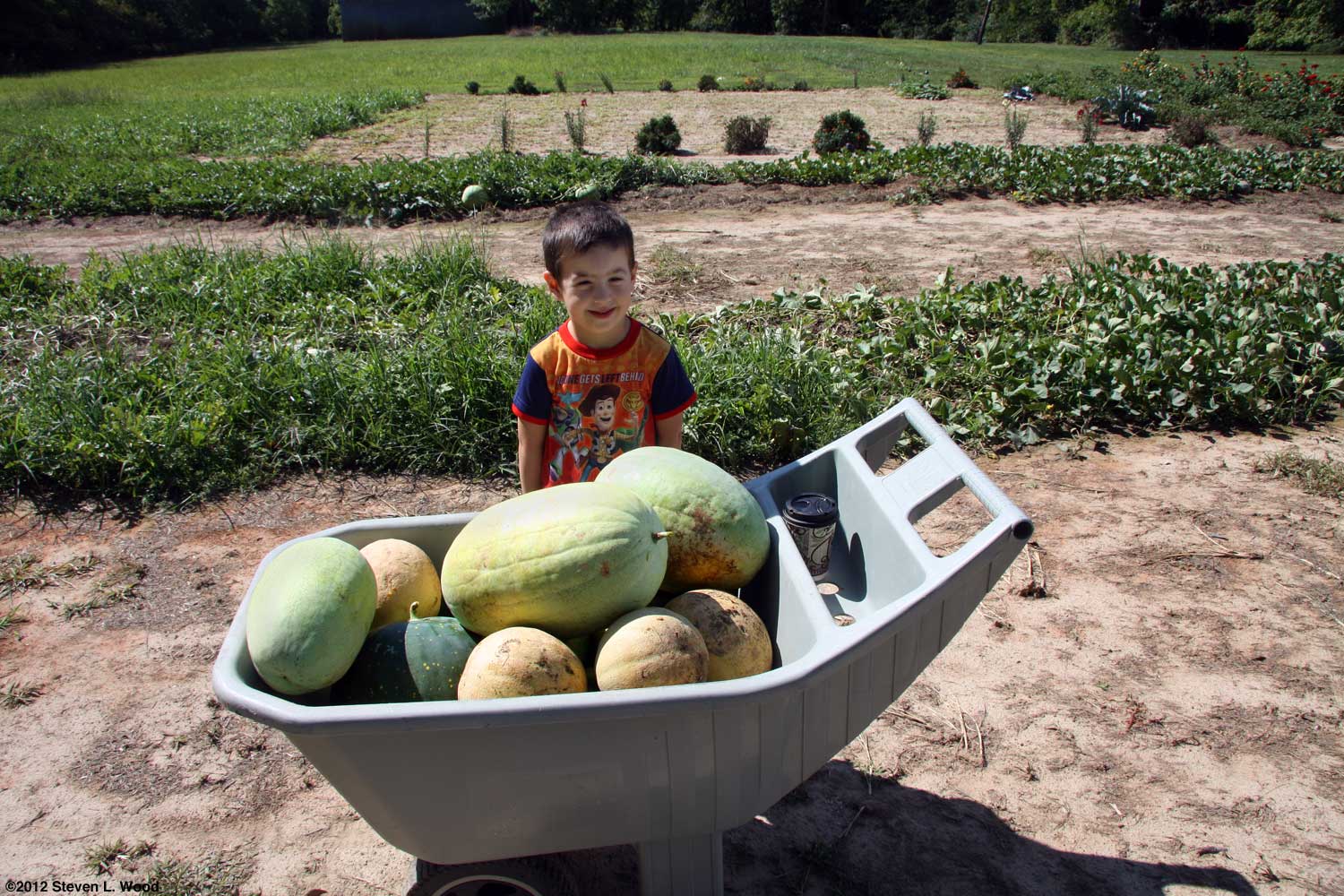
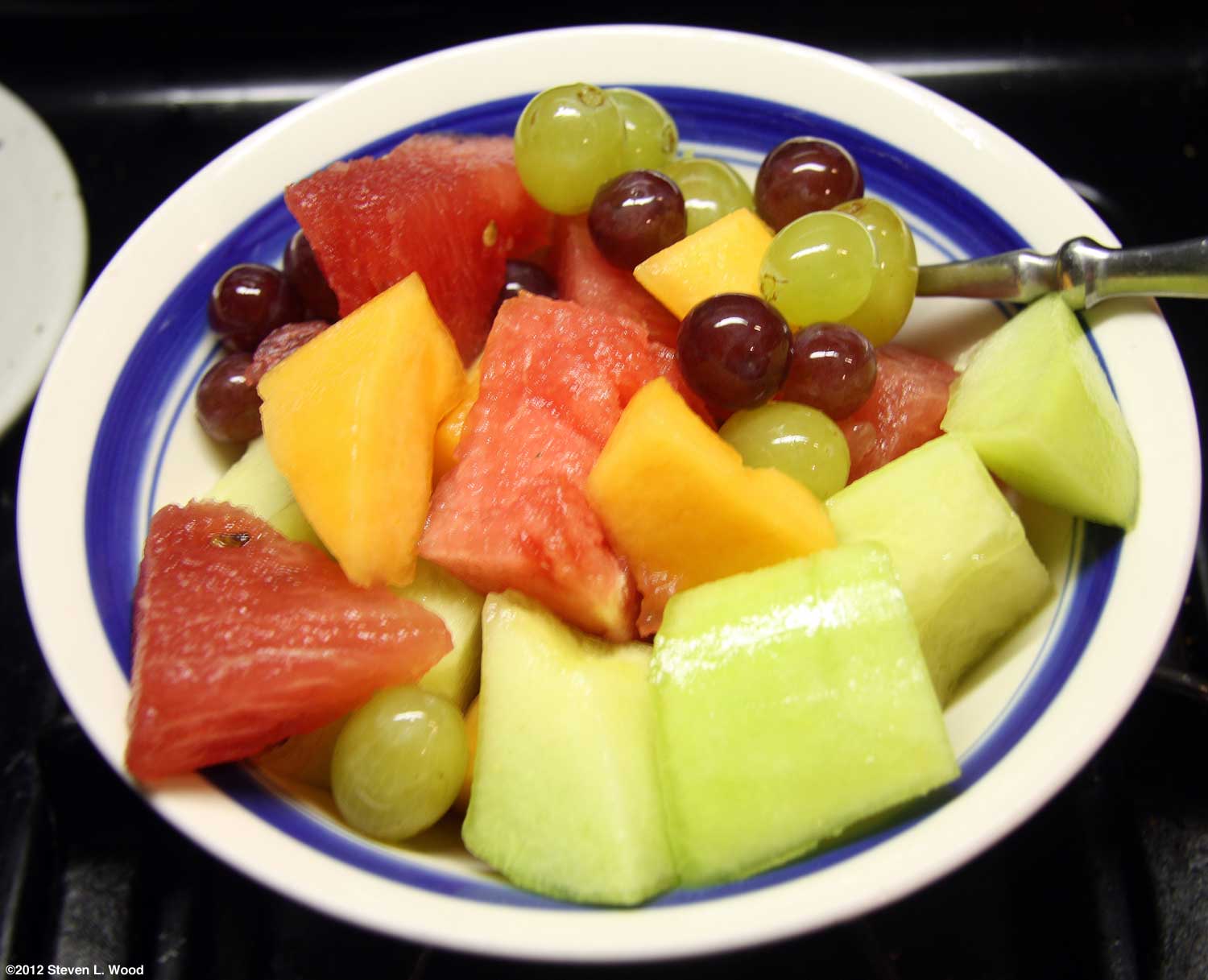
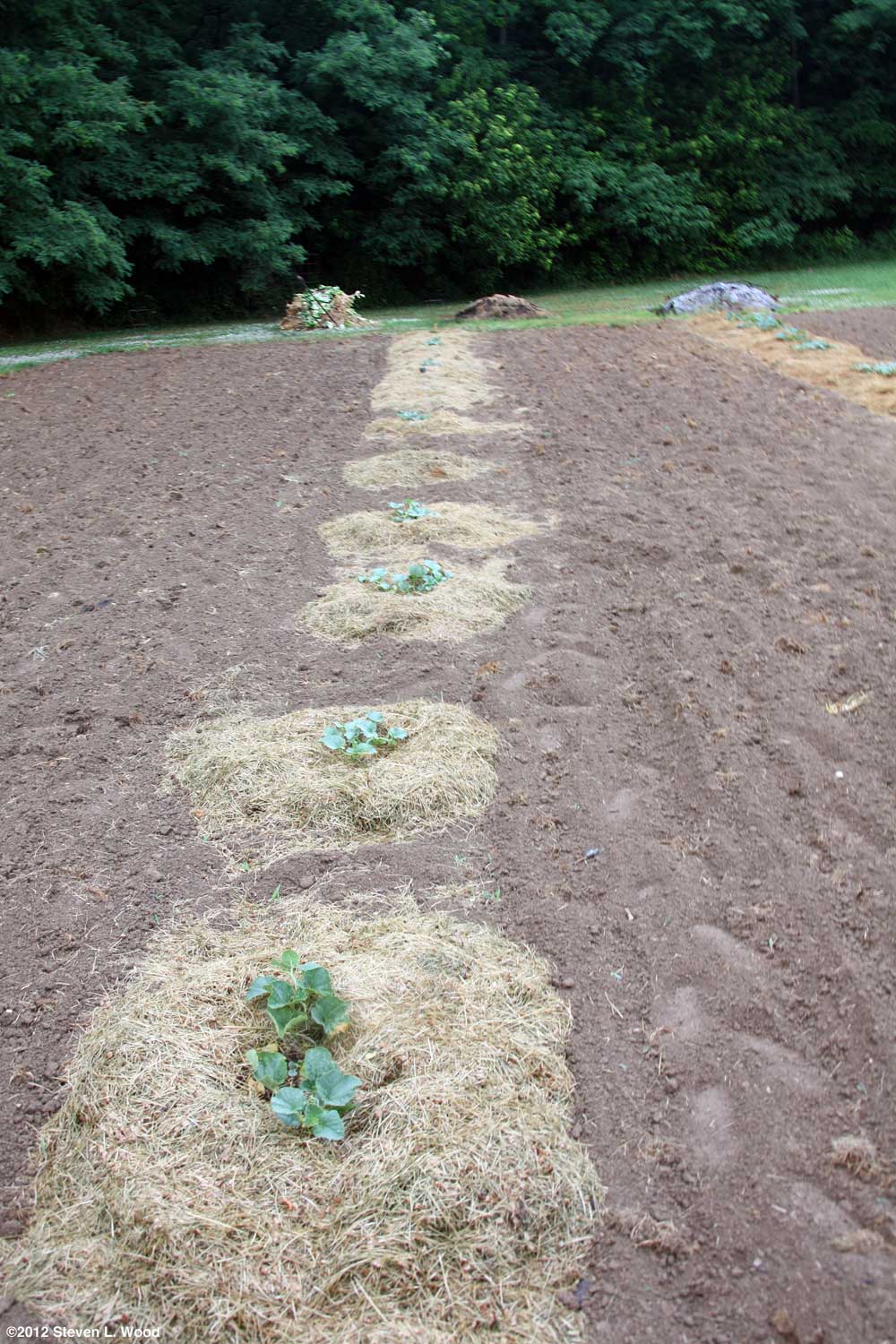
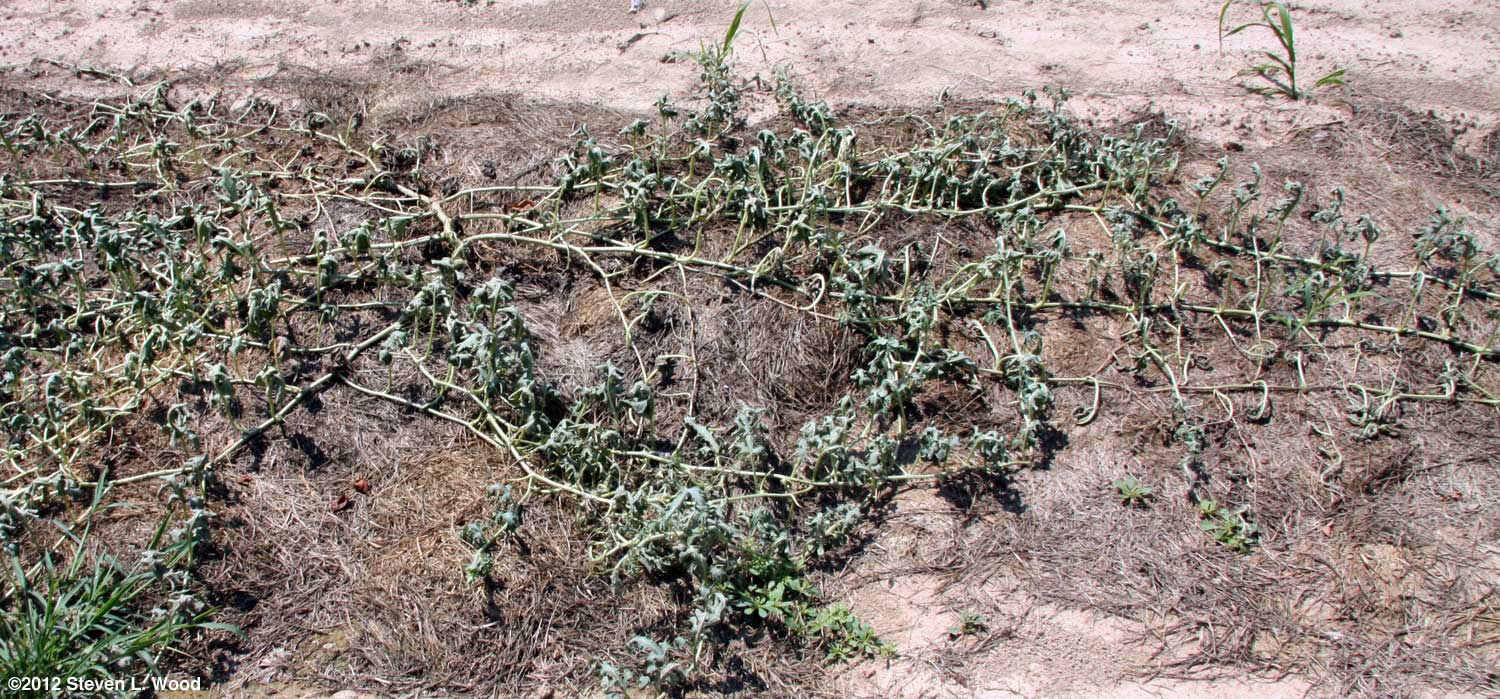
Even in a drought, it's hard not to have some things to harvest in August. Our heavy grass clipping mulch plus some welcome, if light rain, allowed several of our crops to begin producing. Early in the month, our melons began to come on in some volume. All too often, we'd pick several melons, only to discover that the vine died in the next few days. But we had enough hills of honeydew, muskmelon, and watermelon to supply our needs with some left over to share with neighbors and family. (Note that the grapes in the shot at right are from the grocery, but the melons were all from our garden.) Our later planted melons fared far worse from the drought than the first row I'd put in. Just a week or ten days of early growth in better weather, admittedly with possibly more mulch than the later rows, made the difference with most of the first hills transplanted lasting all season. Grandson Brady loves to help Grandpa pick melons. In our melons and other crops, we began to see some plant diseases we'd not previously dealt with, possibly because of plants stressed by the drought. While we got some whopping big watermelons, we also had a bunch of bacterial rind necrosis until I stomped it down with a strong fungicide. Note that the melon at right and many with bacterial rind necrosis are edible. The necrosis in severe cases will get into the flesh, but we caught it in time. And obviously, it doesn't seem to strongly affect the size of melons. Note that the disease is common to many cucurbits. We had infected watermelon and muskmelon vines.
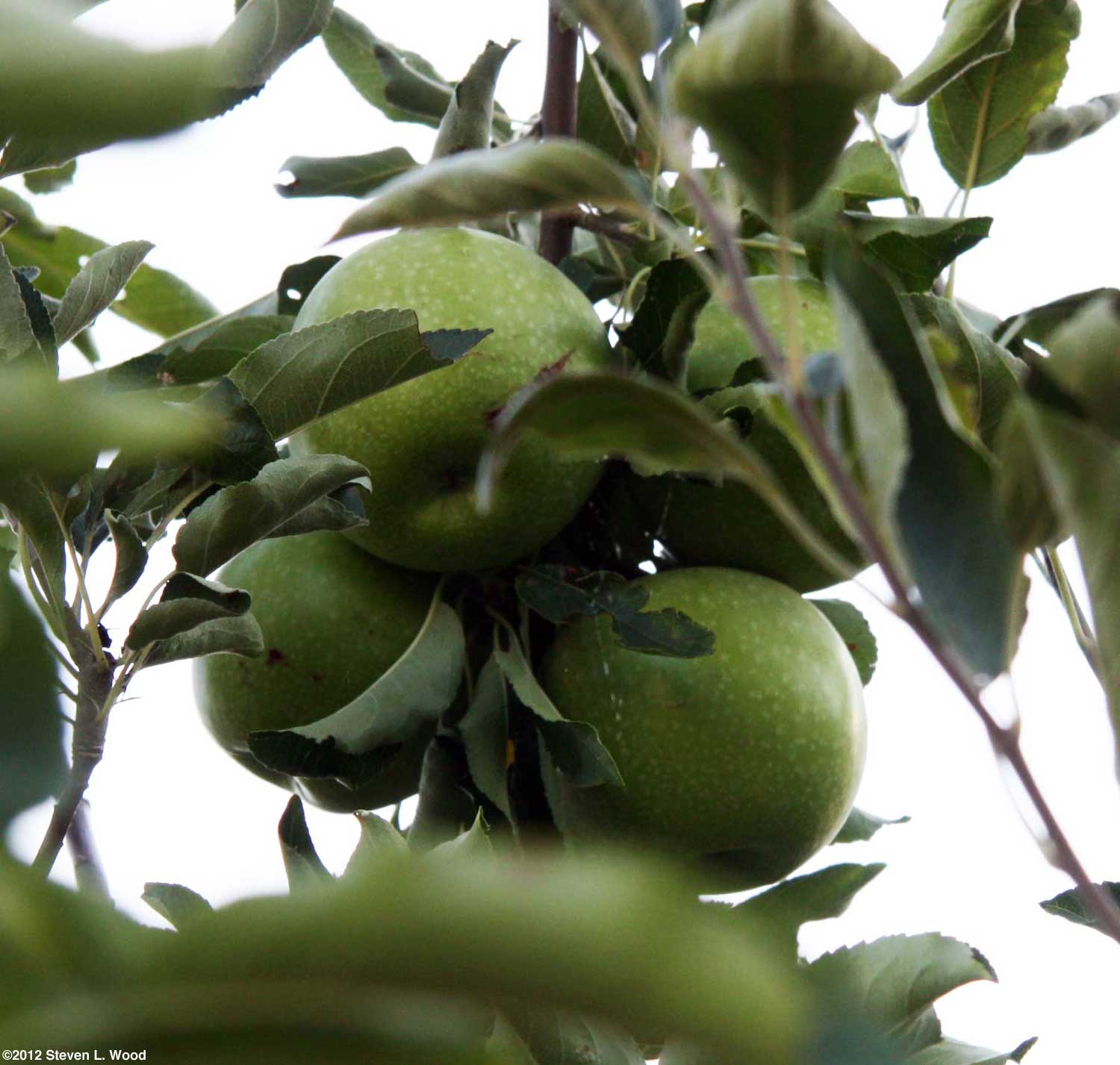
Our volunteer tree of red delicious tasting apples didn't come fully ripe until September, although I began sampling them in August, usually as I went by the tree on the riding lawn mower. The harvest from our Granny Smith semi-dwarf apple tree was the first in several years. It had produced good fruit for one year before we experienced a fire blight infection that eventually killed our standard Stayman Winesap apple tree. Severe pruning of infected limbs and heavy, heavy doses of fire blight spray (streptomycin) saved the Granny Smith tree. It took about three years for the tree to recover enough to begin producing fruit once again.
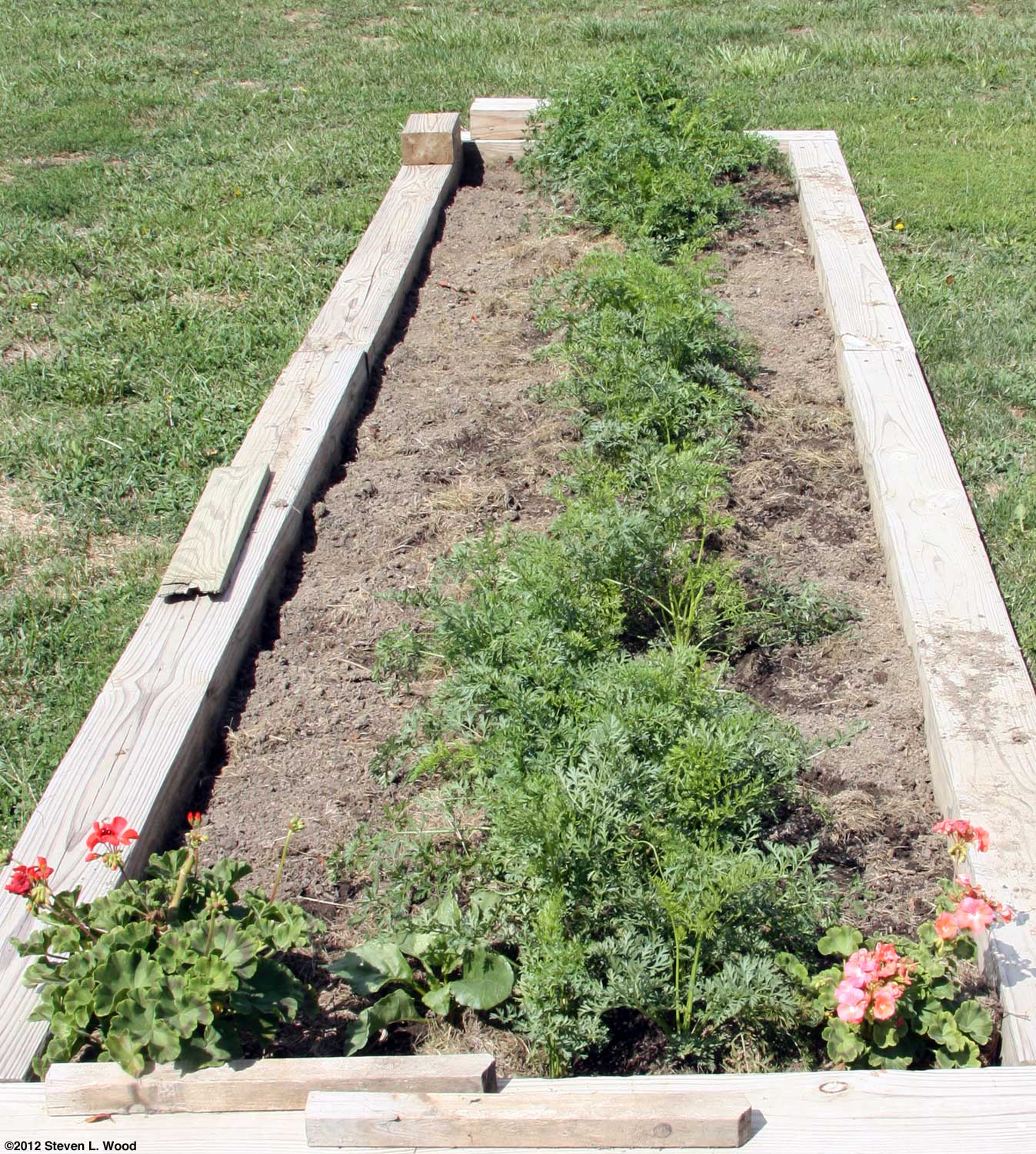
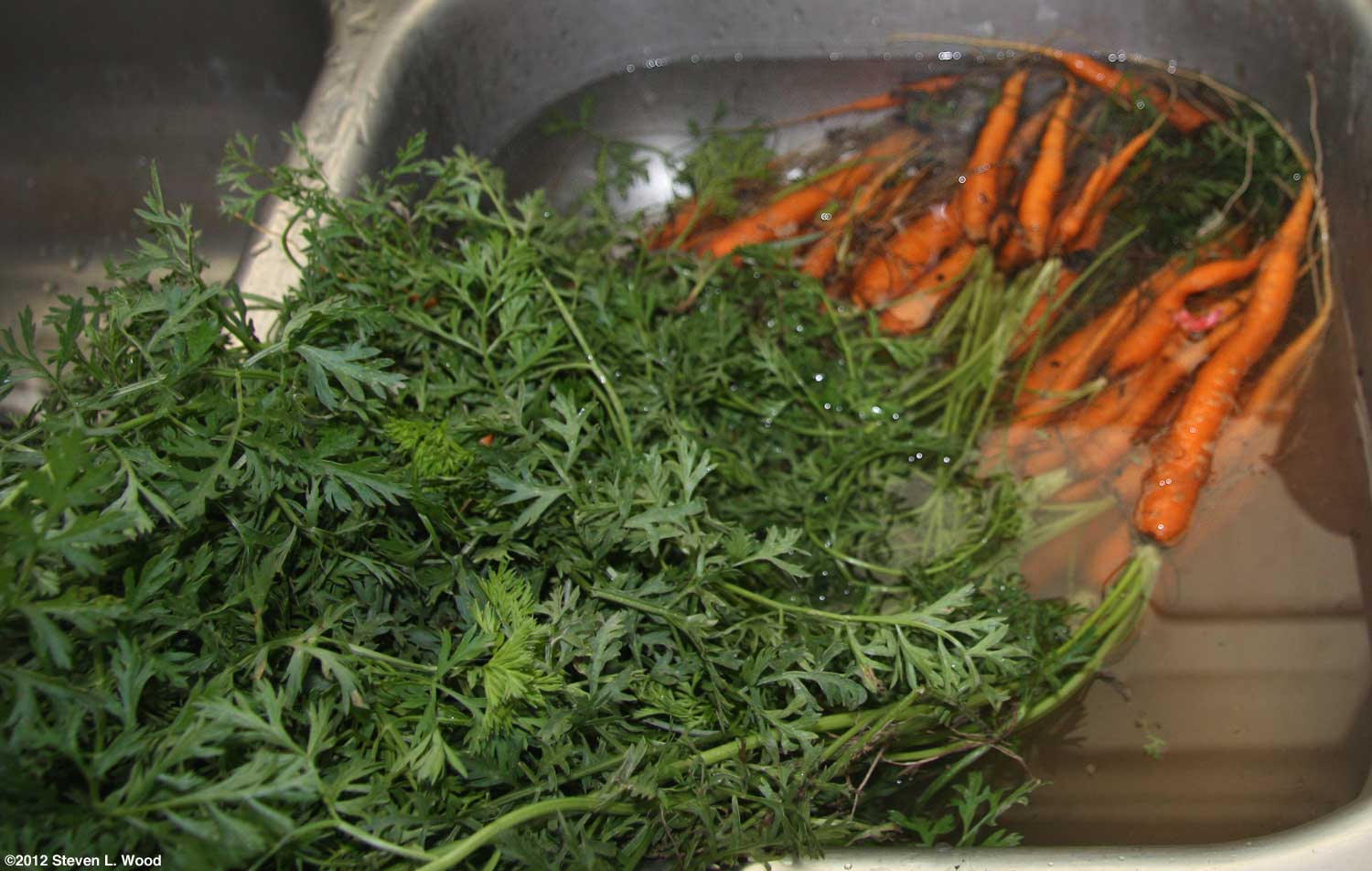
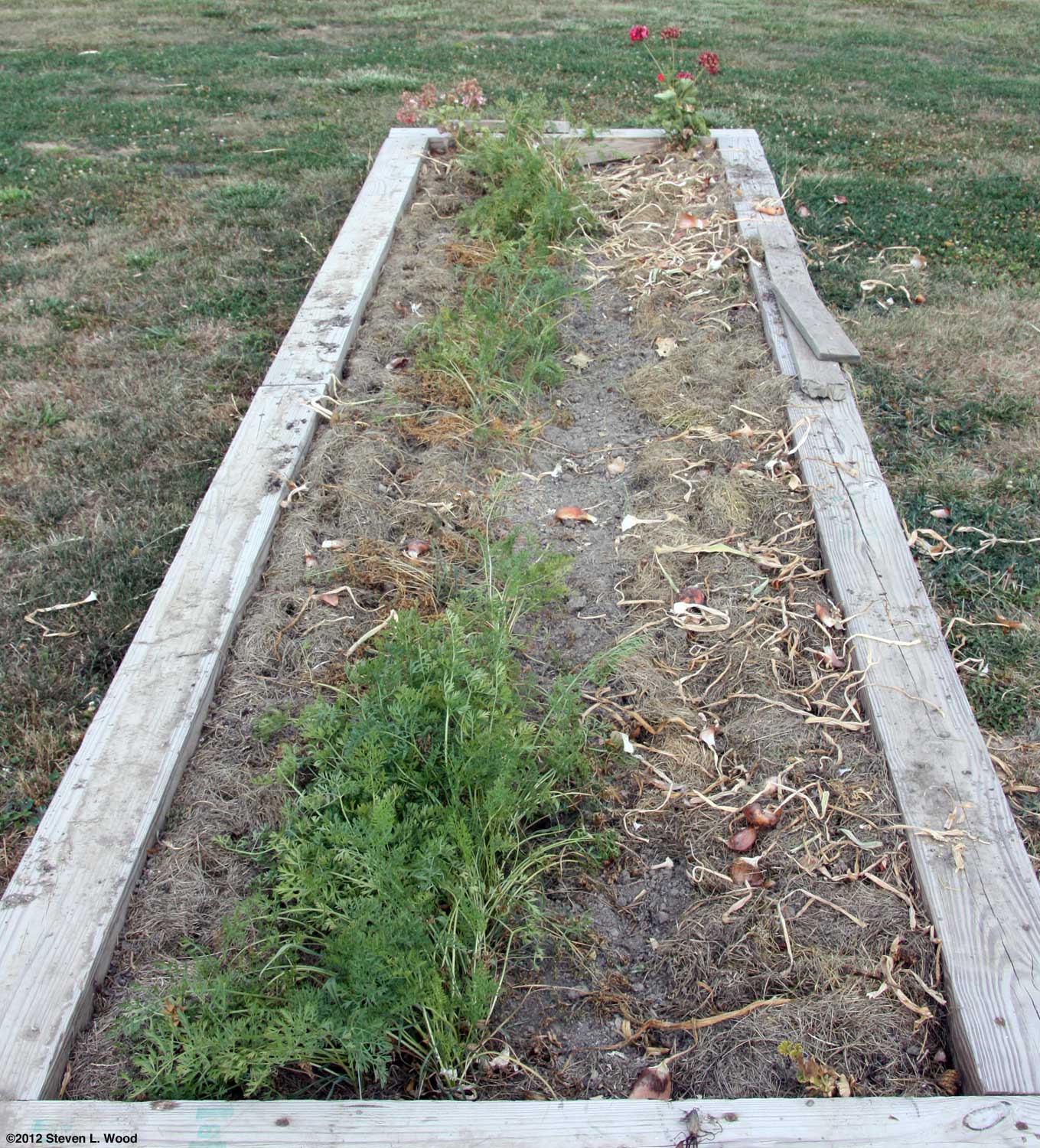
The double row of carrots I'd left in our narrow raised bed, but had really given up on, began to recover by mid-month. I dug just a few of them for table use, leaving the rest to fill out a bit more until early September. As carrots go, they weren't very pretty, as they were already about 30 days past when one would normally dig them. But having thought we'd lost the crop to the drought, they looked gorgeous to me.
Flowers
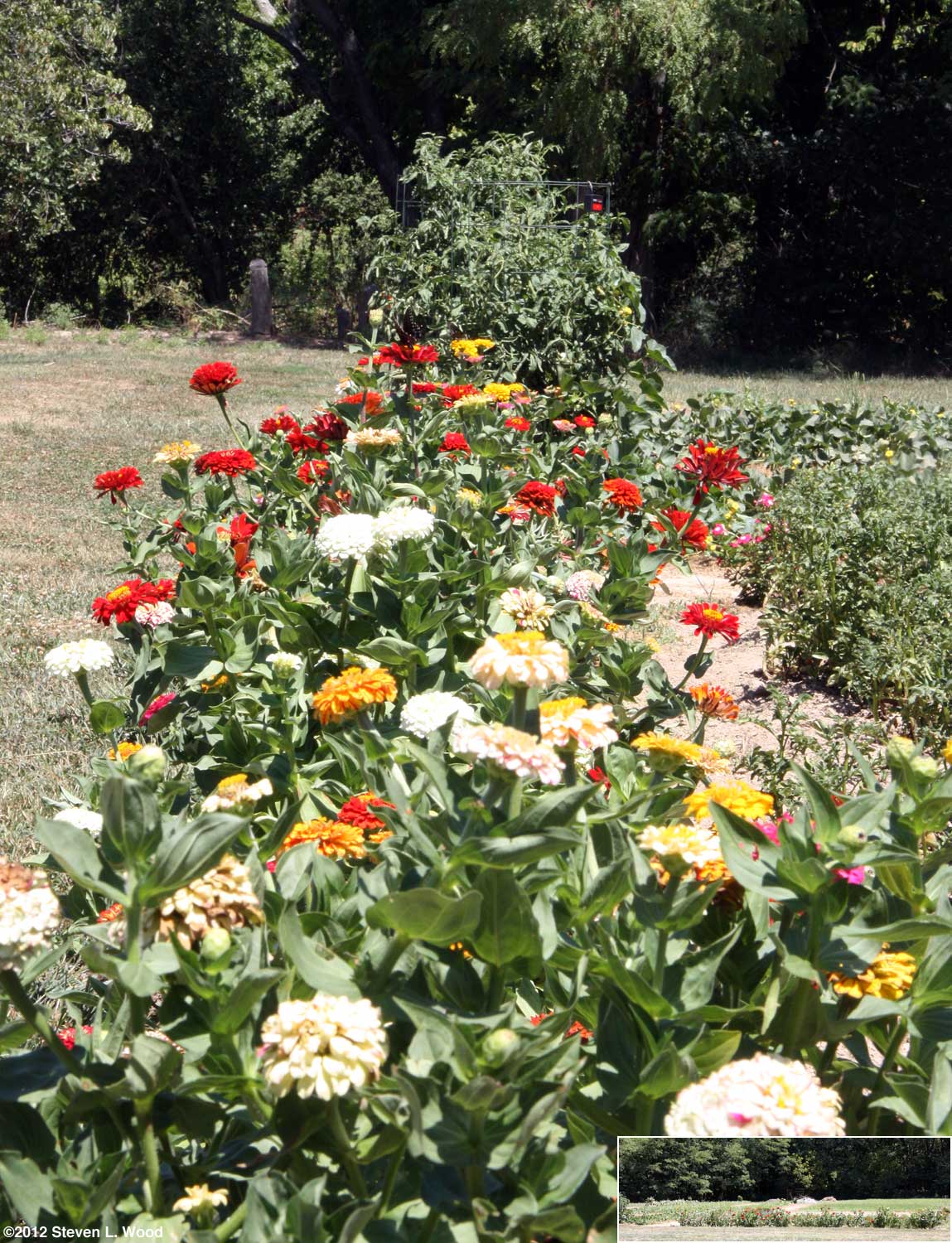
Some of our flowers seemed to ignore the drought and bloomed profusely through the dry summer months. I used to use zinnias to mark the ends of emerging corn rows in the garden, but got to planting a row of them each year. This year our zinnias edged the East Garden next to our potato rows.
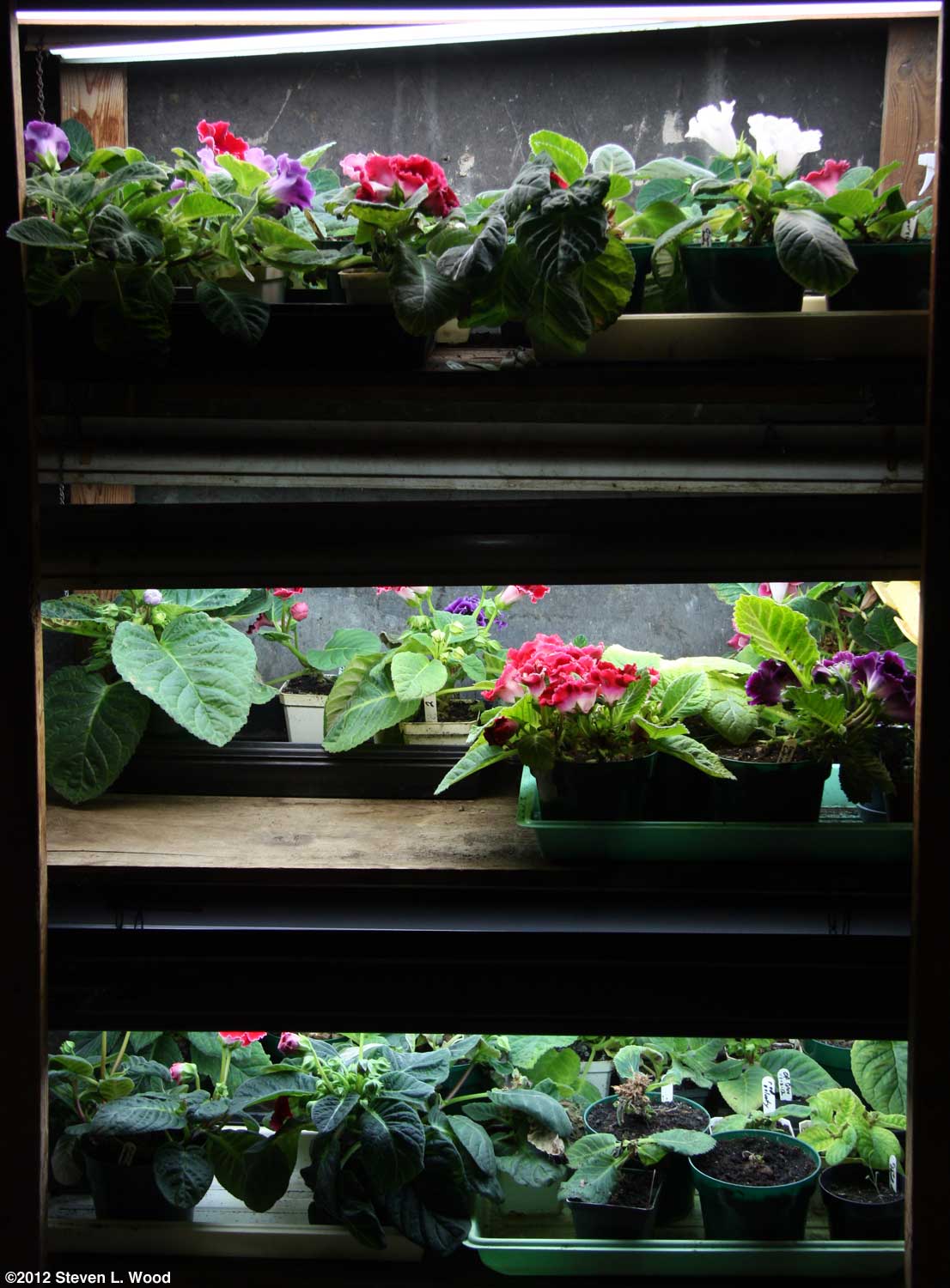
Not dependent on uncertain showers, our gloxinias growing under plant lights in the basement all seemed to come into bloom at the same time. In previous years, we've been able to spread blooming periods for our gloxinias around the calendar by when we started them from seed. Gloxinias grown from seed usually come into bloom in six or seven months. Our older gloxinias that have been through several periods of dormancy seem to sense the season outdoors, despite my attempted tricks with manipulating plant light day length, and came into bloom all at once.
|
|||||||||||||||||||||||||||||||||||||||||||||||||||||||||||||||||||||||
From Steve, the at Senior Gardening |
|||||||||||||||||||||||||||||||||||||||||||||||||||||||||||||||||||||||
| Affiliated Advertisers |
©2012 Senior-gardening.com











 , and
, and