One of the Joys of Maturity |
|

| Affiliated Advertisers |
Succession Planting Some garden crops go into the ground as early as possible in the spring and then are harvested right up until frost ends the growing season. Tomatoes, melons, and bell peppers fall into that category for us in our southwest, central Indiana location. Unless there is some kind of tragic failure, the ground for these plants is locked in for the season. Other, shorter season crops provide one with the opportunity to grow multiple crops on the same piece of ground over the summer. As we harvest those crops, we begin making succession plantings in the Senior Garden. Succession plantings, as we usually practice them, are plantings of a different crop following the harvest of a crop from a particular area of the garden. Doing so allows us to grow one, two, and occasionally three different crops during the season on the same piece of ground. There are a number of things to consider to make succession plantings successful. One has to be careful with the timing. Is there enough time left for the crop to mature? Watching crop rotation is also important so you don't limit where you can grow things the next year, or worse yet, have insect or disease carryover from planting the same or a related crop in succession on the same piece of ground. Also, soil moisture for direct seeded crops can be an issue. For us, the soil is often way too dry to direct seed crops when ground becomes available...often during our usual July dry spell. Overwintered crops such as garlic, planted in the late fall and harvested in June or July, also provide an opportunity for succession planting. Spring peas, lettuce, brassicas (broccoli, cabbage, cauliflower, etc.), our annual spring bed of onions, carrots, and beets, and even early plantings of green beans all mature in time that one can sneak in another crop on the same ground.
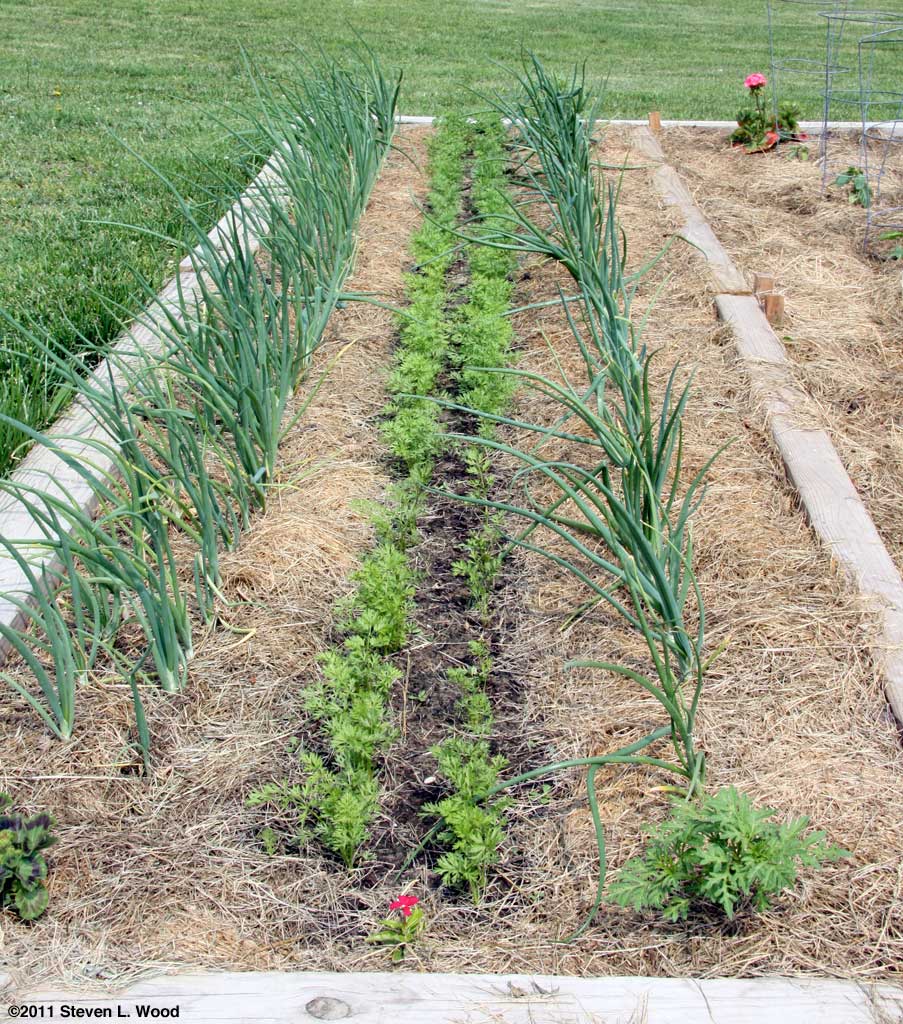
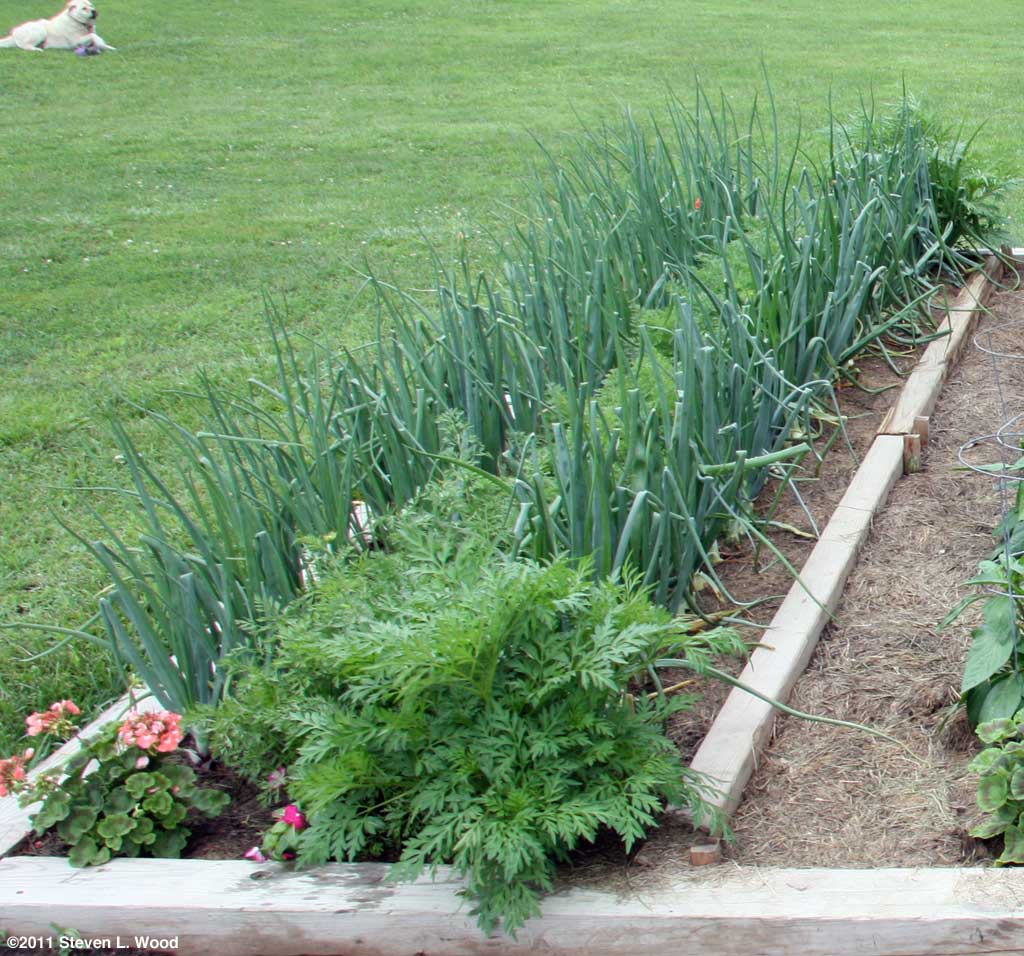
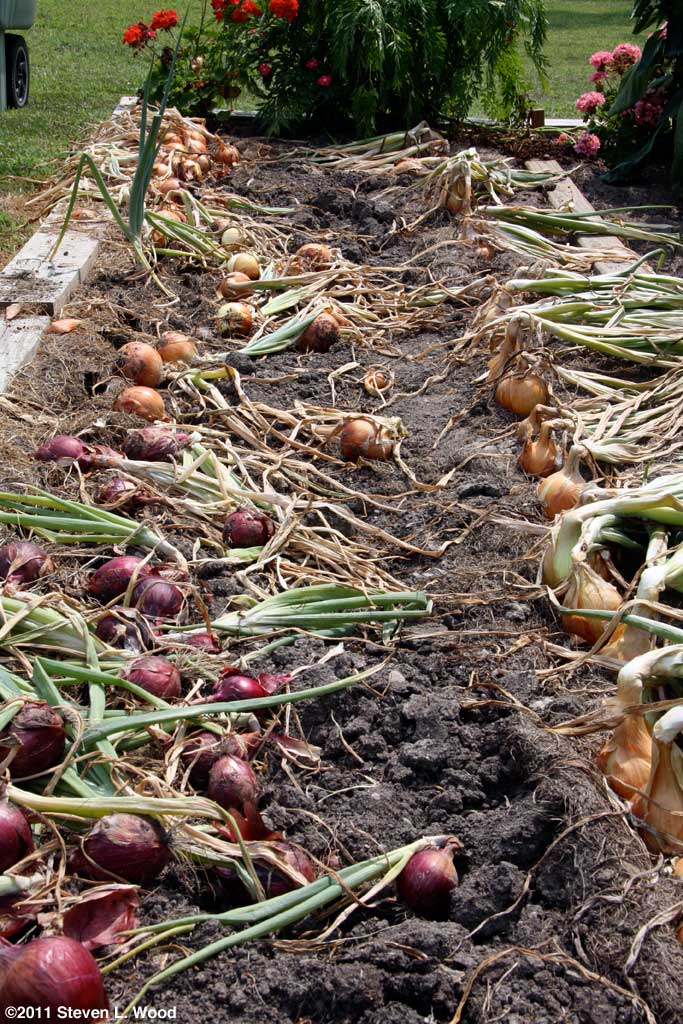
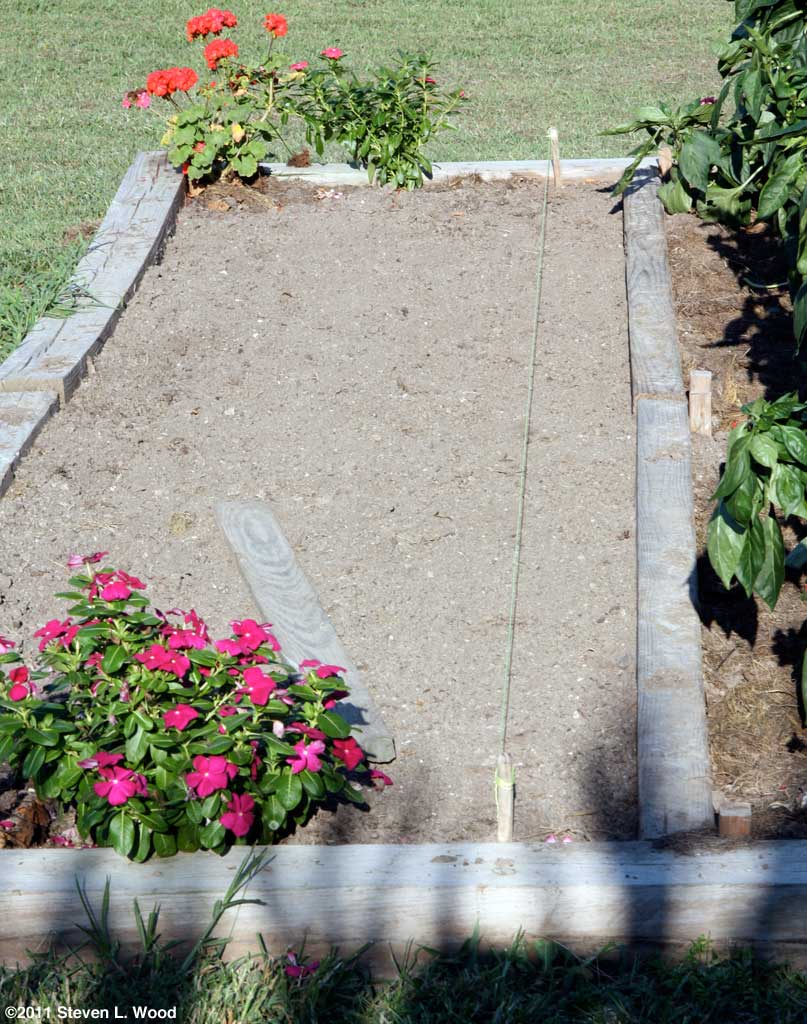
The row of short peas on a trellis shown above left was renovated with hand tools (scuffle hoe, garden hoe, and even a garden fork in places) and direct seeded to pole beans. One of our intensive softbeds from 2011 is a good example of intensive gardening with co-plantings and crop succession. We have areas we don't willingly step into at either end of our large, 16' x 24' raised garden bed that we call softbeds, as there's little to no soil compaction from walking on the ground.
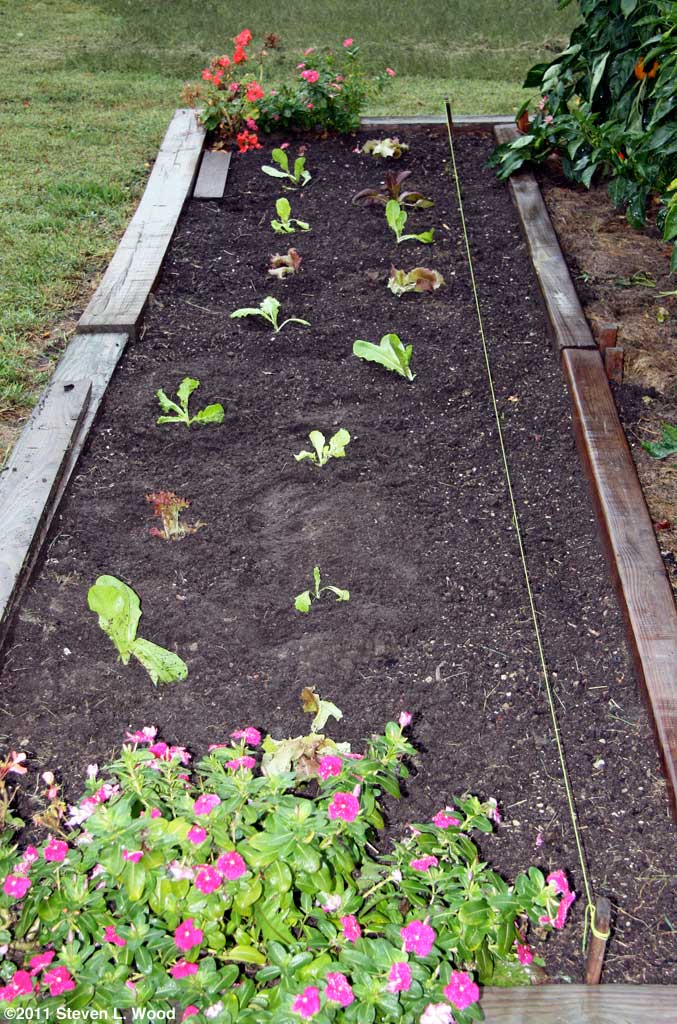
We planted one of the softbeds to onions (transplanted) and carrots (direct seeded) on April 13. We harvested the bed throughout July, first digging the carrots and later bringing in a lovely crop of onions. Since our weather runs really hot and dry through July and August, the bed just sat until mid-August, other than being tilled and a bit of fertilizer added, when I seeded some spinach. Several weeks later, the grandkids and I seeded the row again, as nothing had germinated from the first planting. I did notice a lot of seed when we reopened the furrow for the spinach. And of course, once it rained, we had lots of spinach to be thinned in the row.
Another good succession for us has been following our brassicas and/or garlic with green beans and/or kale. We plant some of our beans a bit late in the season (June or July) to time them a bit better for us to be ready to can when our onions are out (canned as seasoning with our green beans) and for our annual batch(es) of Portuguese Kale Soup. I've run out of growing season following broccoli with green beans or other crops, though, as I sometimes get a bit greedy. I've left the broccoli in too long some years, as it was still producing good sideshoots. One of our bean successions in 2011 also required floating row covers to get past some early frosts and still make a good crop. Planning for succession plantings is pretty important, although I'm not against just sticking a transplant or seed into the ground where there's room. Keeping a map or chart of what went or goes where in the garden is a good idea for crop rotation, and it helps me remember to leave room and time for succession plantings. A simple pad and pencil will suffice, or you can use drawing software or one of the many commercial garden planning Below is our current charting of our main raised garden bed, Plot B, for 2012. The "brackety" thingies in the center are my moveable measuring sticks, graduated to scale in one and three foot increments, my common spacing requirements.
You can see from the chart above that the ends, or softbeds, for our main garden plot are pretty well locked in for the year with tomatoes and peppers. The rest of the bed is mapped for a series of successions. Here in table form are the succession plantings we've used the last two years in the Senior Garden:
And while not a true succession, we plant, re-plant, and re-plant yet again yellow squash in our East Garden anywhere we can to provide a yearlong supply of the delicious veggie. If you're new to succession planting, here are some links that may prove helpful:
Thomas Jefferson is reported to have advised, "Plant lettuce every Monday" throughout the gardening season. While our climate doesn't support summer lettuce very well, even the heat tolerant varieties, repeated plantings make for repeated harvests all through the gardening season. Some crops will excel and others will fail miserably. That's just part of the adventure of gardening.
From Steve Wood, the at Senior Gardening Ads shown on this site do not represent an endorsement or warranty of any kind of products or companies shown. |




 programs available. I've used the old ClarisWorks/AppleWorks draw module for my garden records since 2000. Apple has long since orphaned the software, but it still runs well under the Rosetta emulator in Snow Leopard (Mac OS X 10.6) and the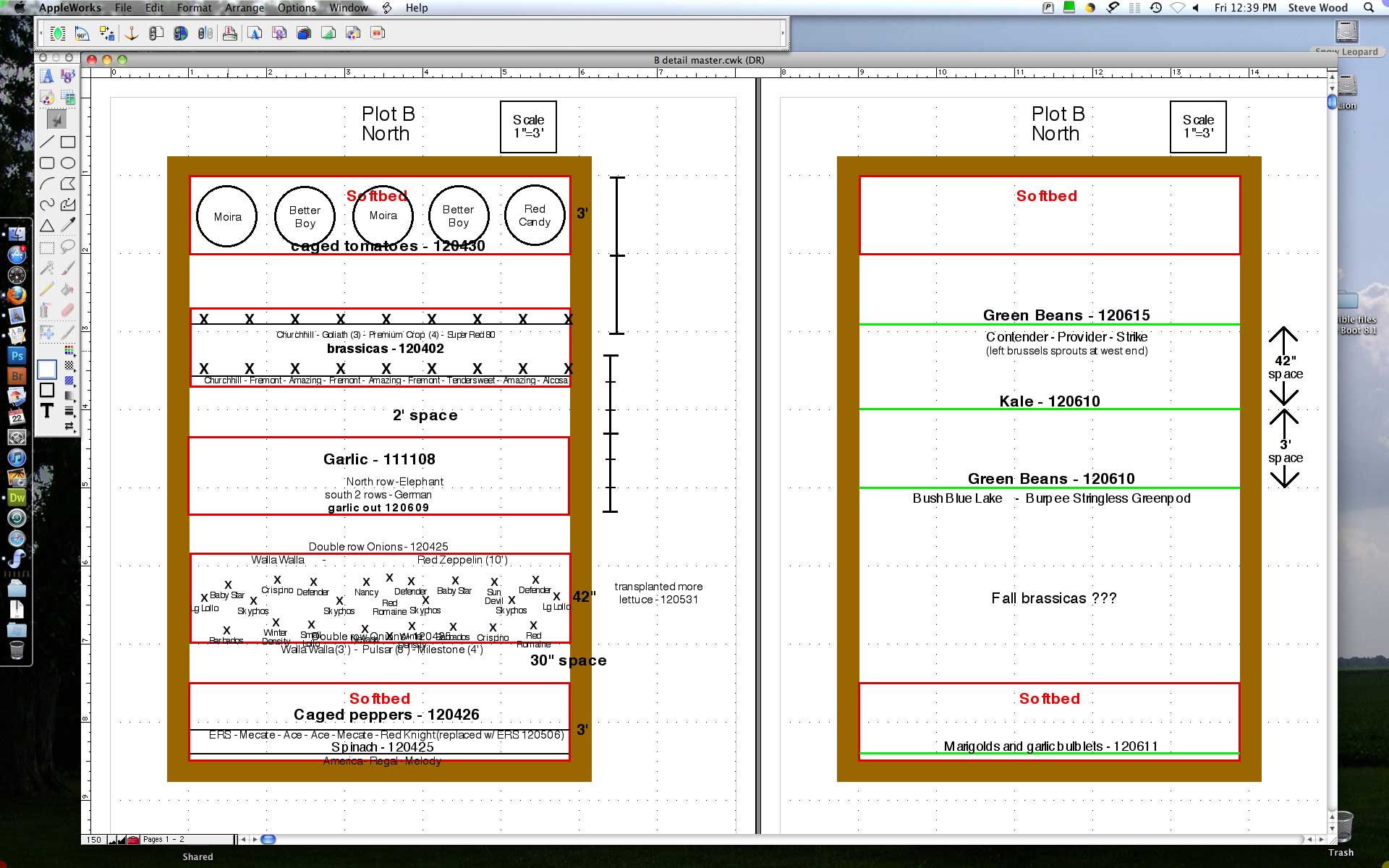
| Affiliated Advertisers |
last updated 6/19/2017
©2012 Senior-Gardening.com