One of the Joys of Maturity
One of the Joys of Maturity |
|
| Affiliated Advertisers |
Clicking through one of our banner ads or some of our text links and making a purchase will produce a small commission for us from the sale. Some Thoughts on Where to Put a Vegetable Garden Ideally, a garden plot should be situated in a fairly level area with full sun all day with deep, rich, well drained soil. If only such areas were common. In the real world, one picks the best spot available and then works with whatever conditions one has to grow good crops.
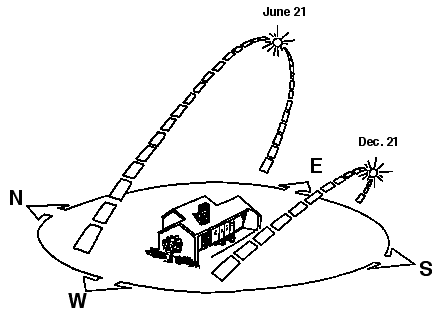
You want as much sun as possible to reach your garden crops. Most experts recommend a spot that receives at least six hours of full sunlight a day. So before selecting a garden site, spend some time, over months if possible, observing prospective areas of your lawn or property to see how much sun they get. Sun and shade move throughout the gardening season as the sun gets progressively higher in the sky in spring and then lower towards fall. Also, small young trees grow, sometimes shading a garden spot after a few years. Realize that from here on, you're constantly going to be making compromises in gardening, but for this one, try for the sunniest spot with decent, level soil you can find. If you have a choice, besides that perfectly sunny spot, you want the best soil you can find on your property. Soil can be improved over the years with soil amendments, but it's a lot easier to start with a spot that has several inches of good topsoil to begin with.
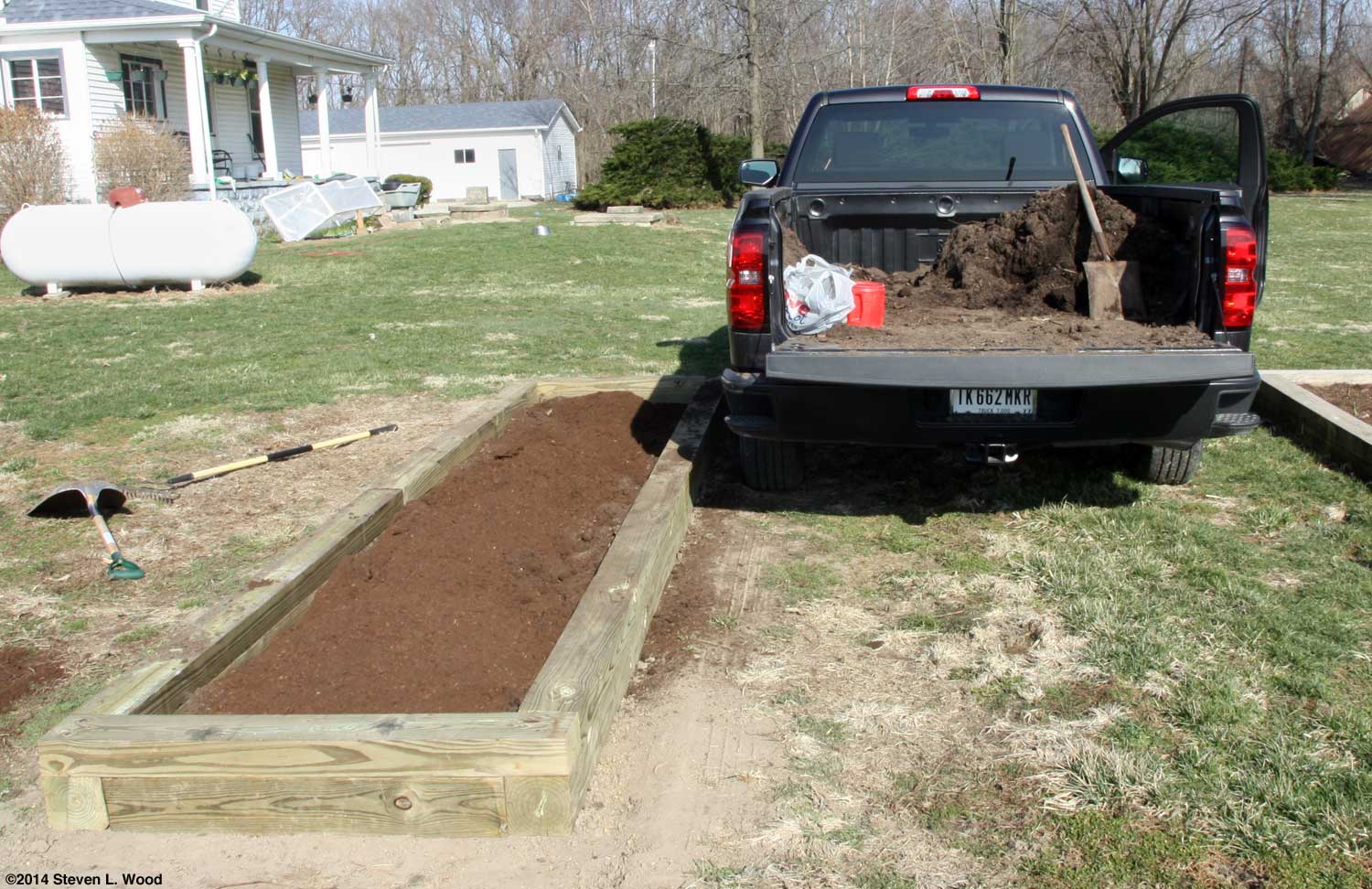
Easy access to the garden also becomes important if you have to haul in materials in any volume at all. When I built our most recent raised bed, I was thankful that I could haul tools, landscape timbers, peat moss, and compost right up to the site of the new bed. Something else to consider in site selection is that your garden doesn't have to be all in one place. We currently have three plots in somewhat remote locations from our house that are just three feet wide and vary in length year to year from about six to sixteen feet long. We use those plots to isolate open pollinated vegetable varieties from which we intend to save seed.
I should also add here that extremely windy locations are a poor choice for a garden location. Our raised beds suffer from high winds at times, toppling over tomato cages and flattening onion plants before they could mature. When buying property, using the previous owner's garden plot can be a mixed experience. I've done it twice, with good results the first time and not so good results the second. If a previous garden plot has been treated well, one avoids the heavy work of breaking new ground and waiting for sod to decay. But one may also encounter ground that has been drained of organic matter and soil nutrients and contains soil borne plant diseases such as anthracnose, bacterial spot, and corn smut. Do avoid gardening along the edge of older structures that have been painted (and have peeled for years) with lead based paints before they were banned. While recent research has shown that garden plants pick up far less lead from paint peelings in the soil than previously thought, any lead picked up that way seems an unnecessary and somewhat dangerous risk. I grow lots of flowers in the beds around our 100+ year old home, but no vegetables there. I haven't dealt with garden size here, but note that most garden writers recommend one start with no more than a 100 square foot (10' x 10') garden the first year. Another consideration in siting a garden plot is if there is room to expand the garden. As ones success in gardening grows, ones garden plots also seem to grow in size. So a spot where expansion is possible is nice, but certainly not necessary. One off the wall consideration could be the impact of a garden on neighbors. Since I've lived in rural areas for the last forty years, that's a consideration I often miss. But if you're planning on hauling in lots of manure, downwind neighbors could be offended. |
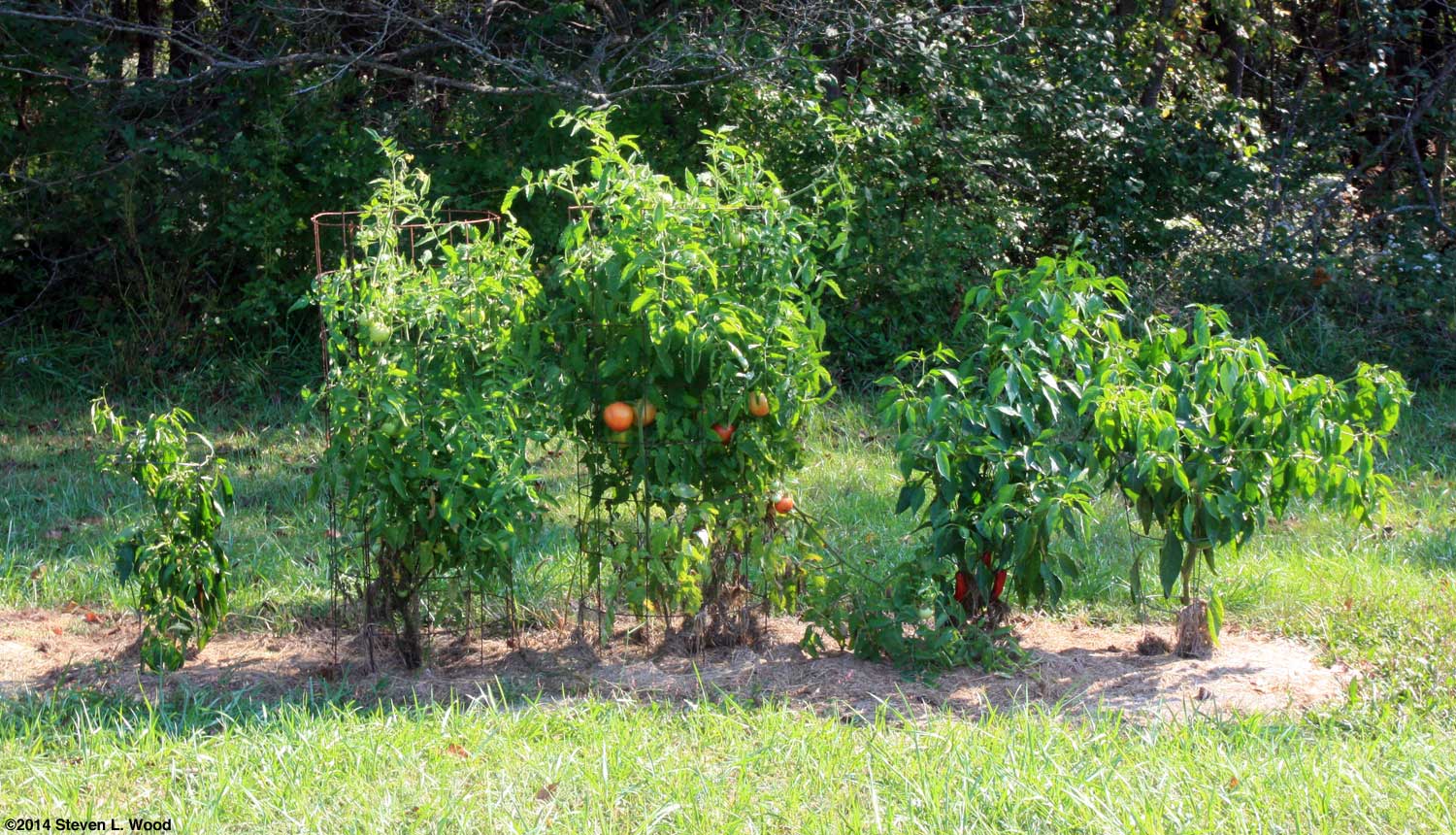
What We Work With Our garden plots, and we have many, large and small, are all compromises of necessary conditions. Our main raised bed is shaded in the early morning, especially in the fall. It's also subject to strong winds that sweep across the open fields to the west of us. It originally was subject to a good bit of soil erosion because of its slope. Terracing it on two sides eliminated the erosion problem. I eventually fully enclosed the plot with landscape timbers, making it a true, if rather large (16' x 24'), raised bed. I later added three narrow raised beds that are much easier to work from the sides.
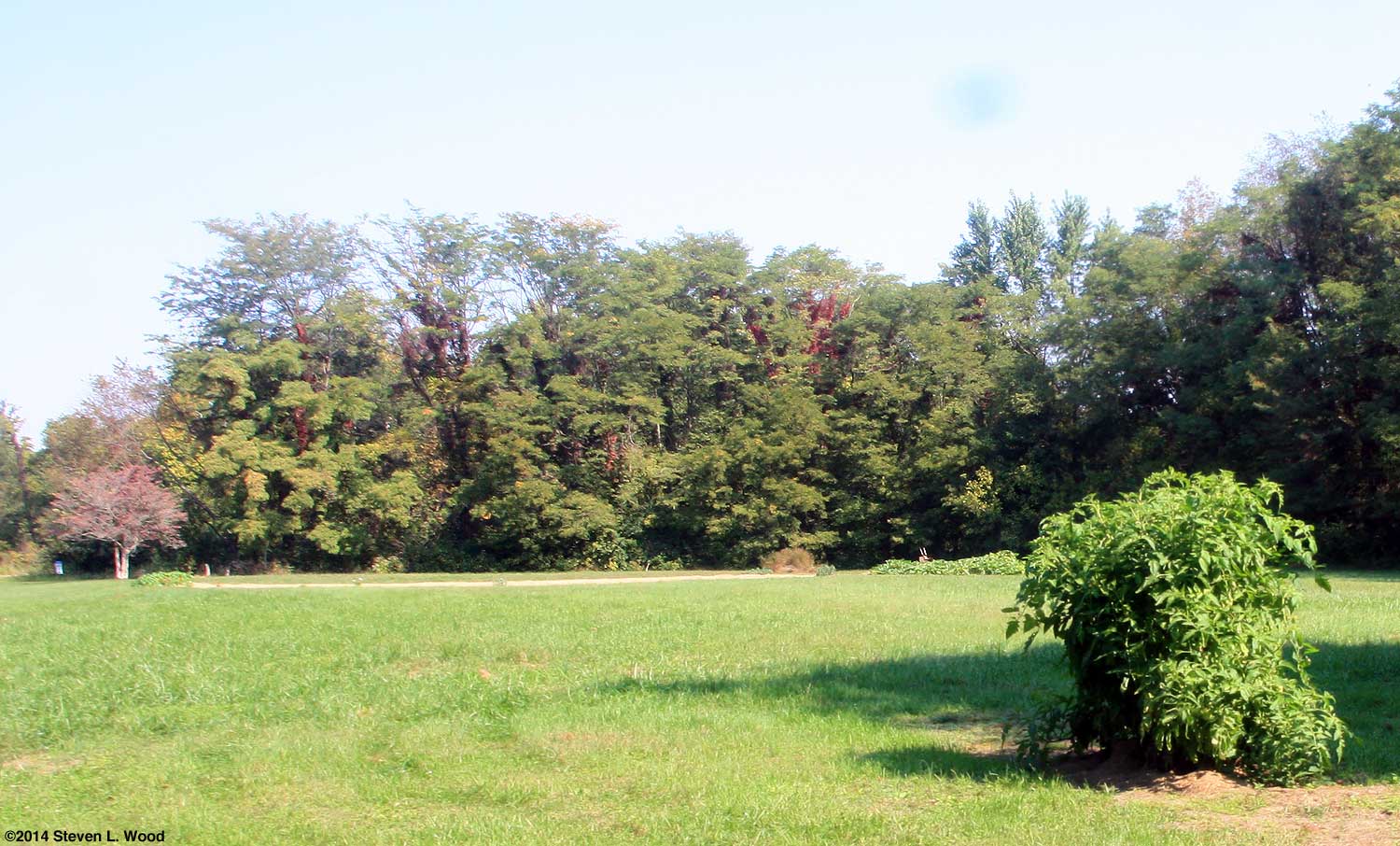
Our biggest garden plot, our 80' x 80' East Garden, is located in a field next to our property that a farmer has generously allowed us to use. We grow our space hungry crops there, including sweet corn, melons, vining squash, pumpkins, potatoes and sweet potatoes. But the site violates almost everything I have recommended here. It's shaded through most of the morning, has heavy clay soil, is adjacent to a nature preserve and its hungry creatures, and is a bit boggy in spots. We use only half of the East Garden each year, rotating our garden section 90 degrees each year. The rotated out section is seeded to alfalfa or buckwheat to improve the soil.
Our isolation plots have both the best and worst native soil we work with. A small plot back by the barn actually has a good bit of topsoil. Another plot is just twenty feet away from a wooded area. And another plot had absolutely no topsoil when I first turned it. We had to enrich it to grow anything other than poison ivy. Outcasts
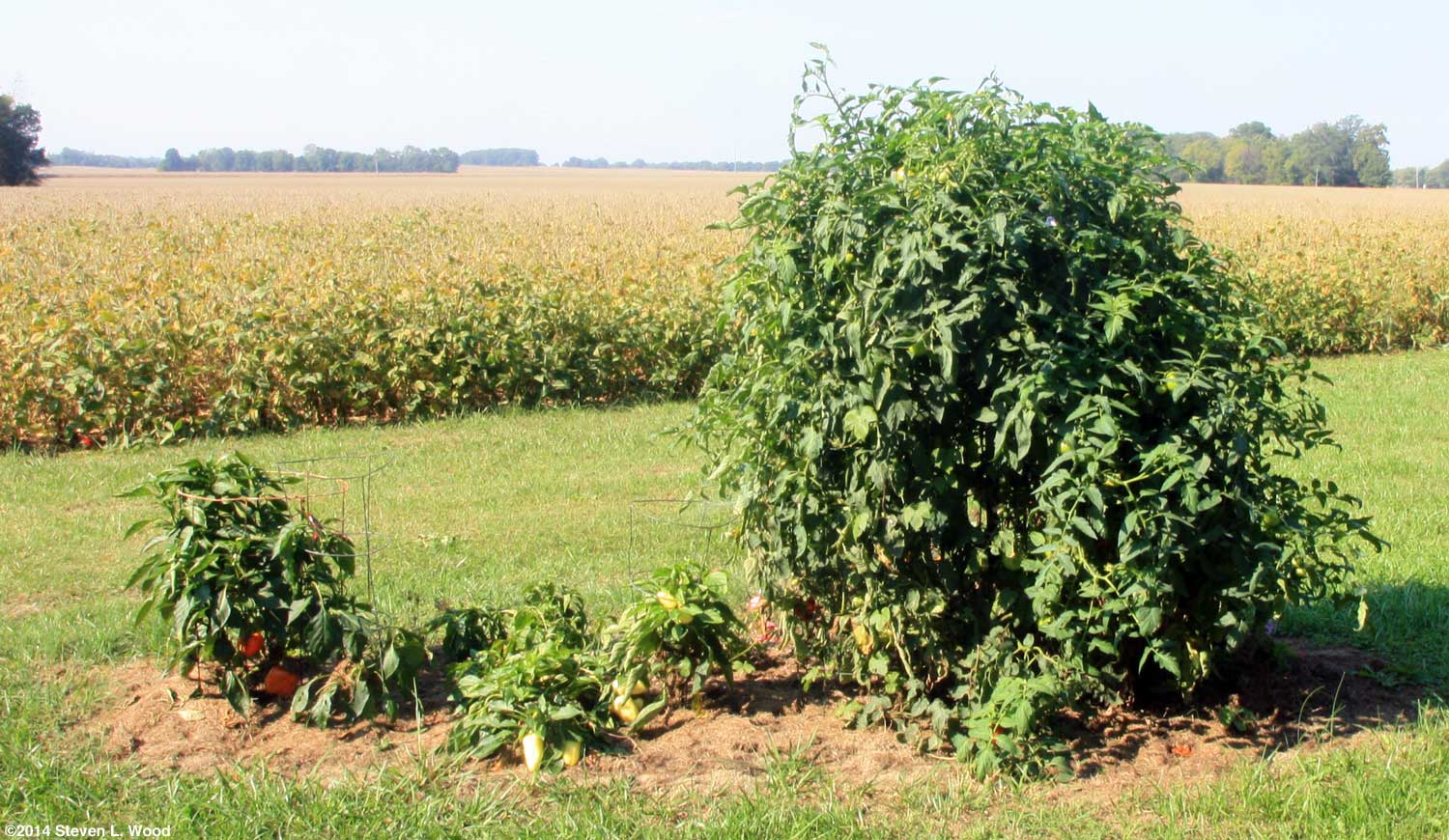
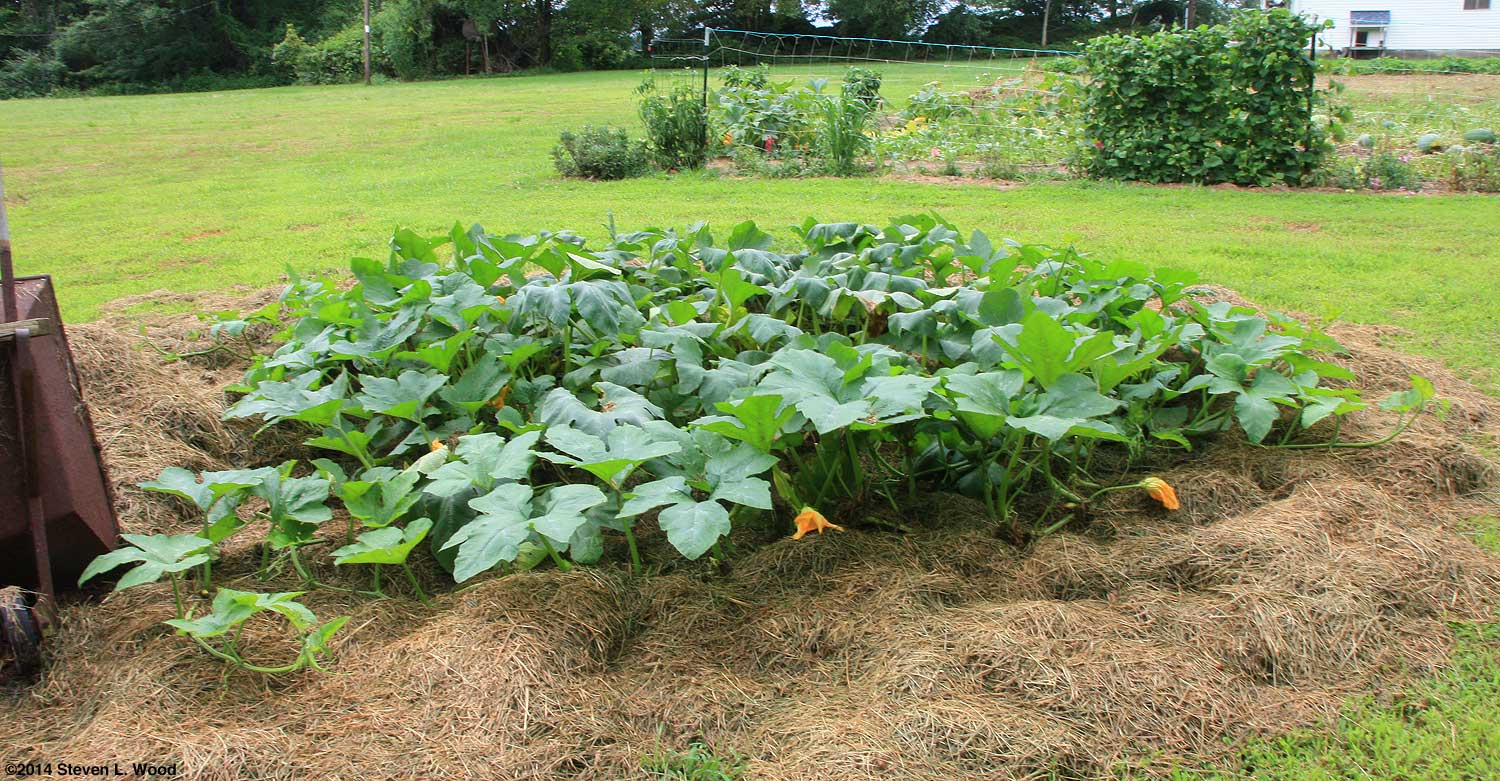
But since we like butternuts and having pumpkins for the grandkids, we hit upon the idea of planting them on the sites of previous years' compost piles outside our East Garden. Despite being heavily shaded all morning, we get lots of butternuts and just enough pumpkins to please our grandkids at Halloween. Links
This One's for Sammy The beginning of this how-to was taken from a larger, still unfinished feature story about starting ones first garden. A visit from one of our adult daughters, Samantha, got me going on at least part of that subject once again. Sam and her husband will be moving to a new home in a year, and she wants to have a garden. Her probing questions got me going again, paring down the huge topic of starting a new garden to just site selection. Thanks, Sam!
From Steve Wood, the at Senior Gardening |
| Affiliated Advertisers |
©2014 Senior-gardening.com