One of the Joys of Maturity |
|

| Affiliated Advertisers |
Clicking through one of our banner ads or some of our text links and making a purchase will produce a small commission for us from the sale. The Old Guy's Garden Record
Saturday, December 1, 2018 - Cleaning Pots and Trays
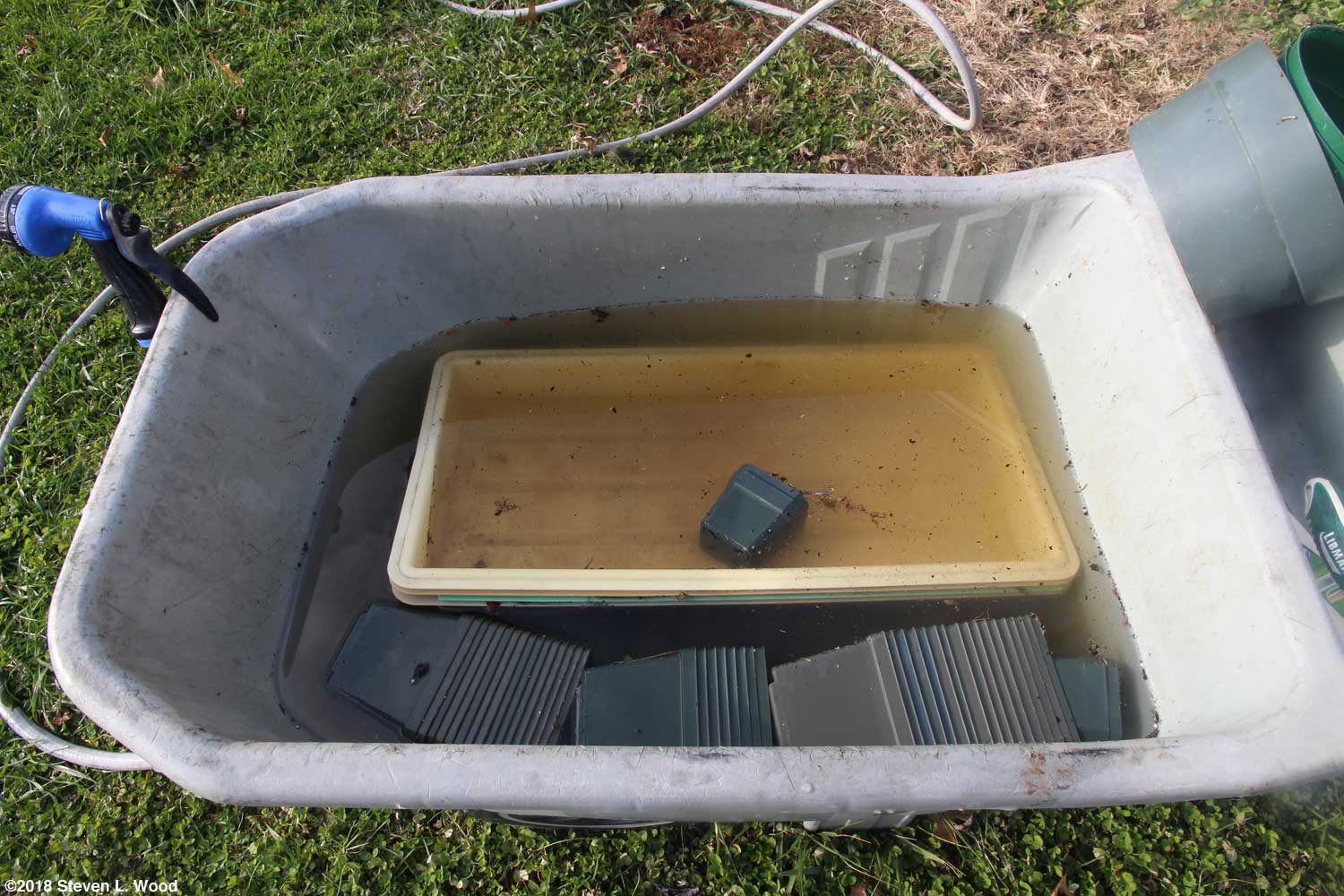
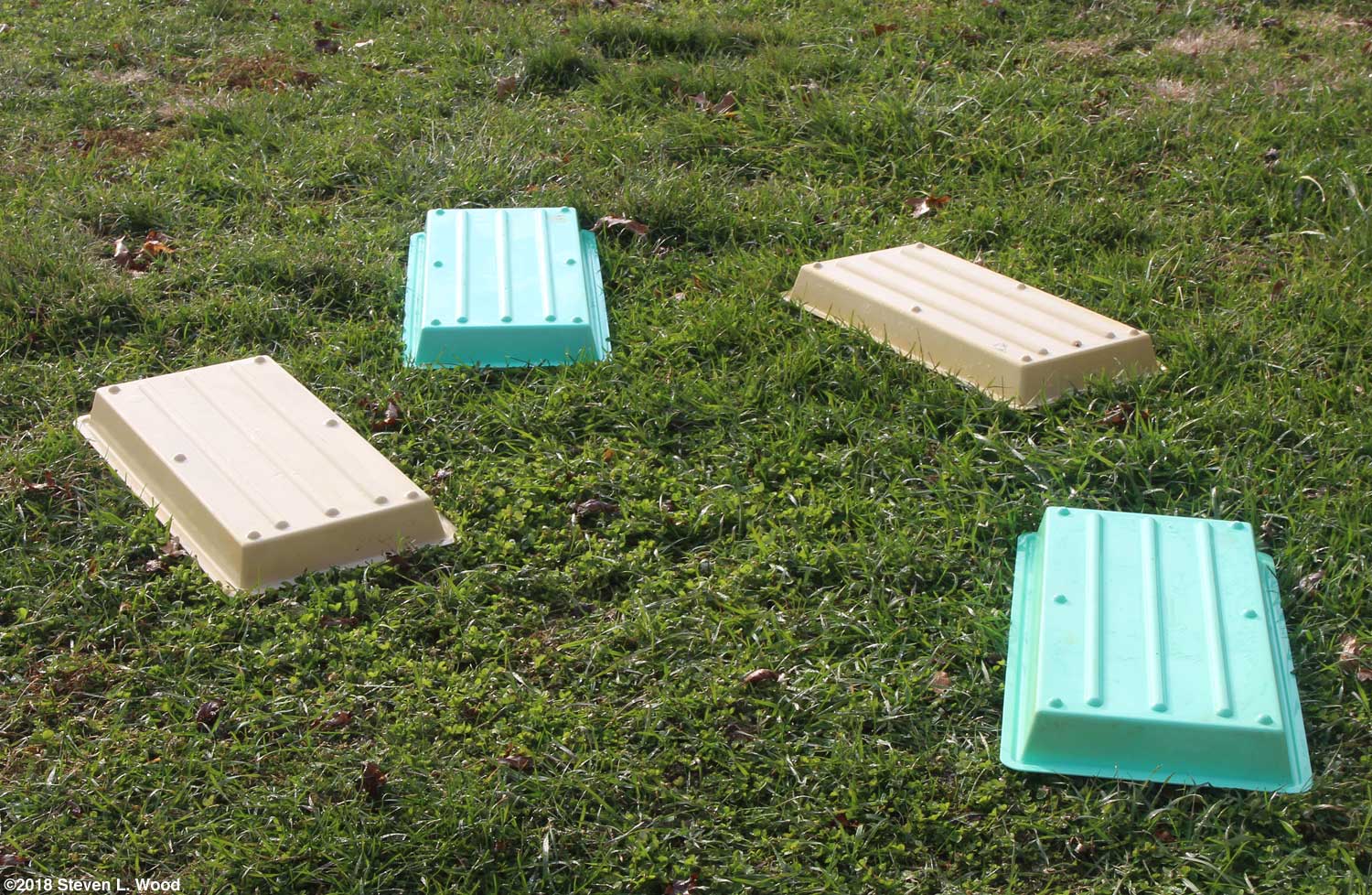
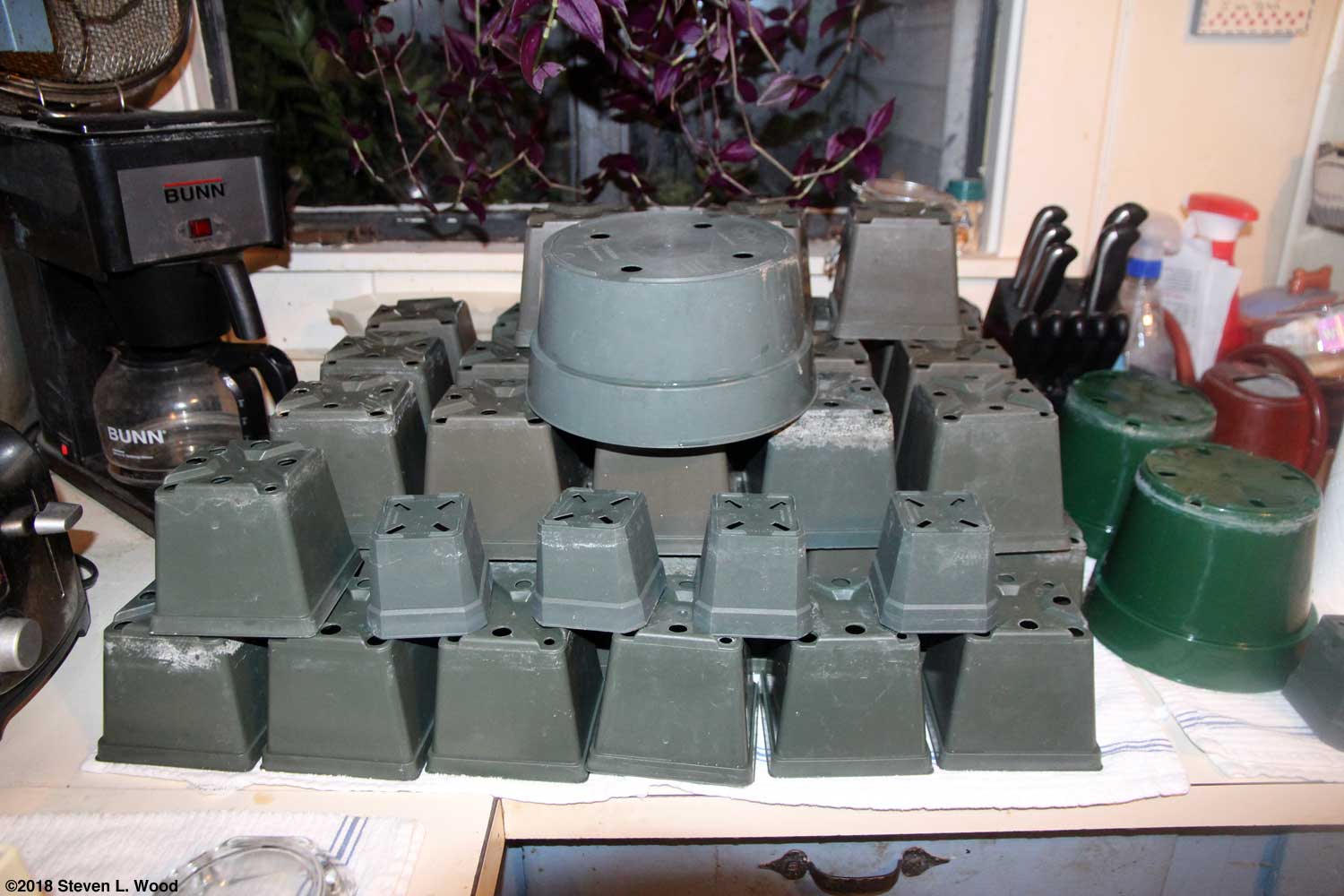
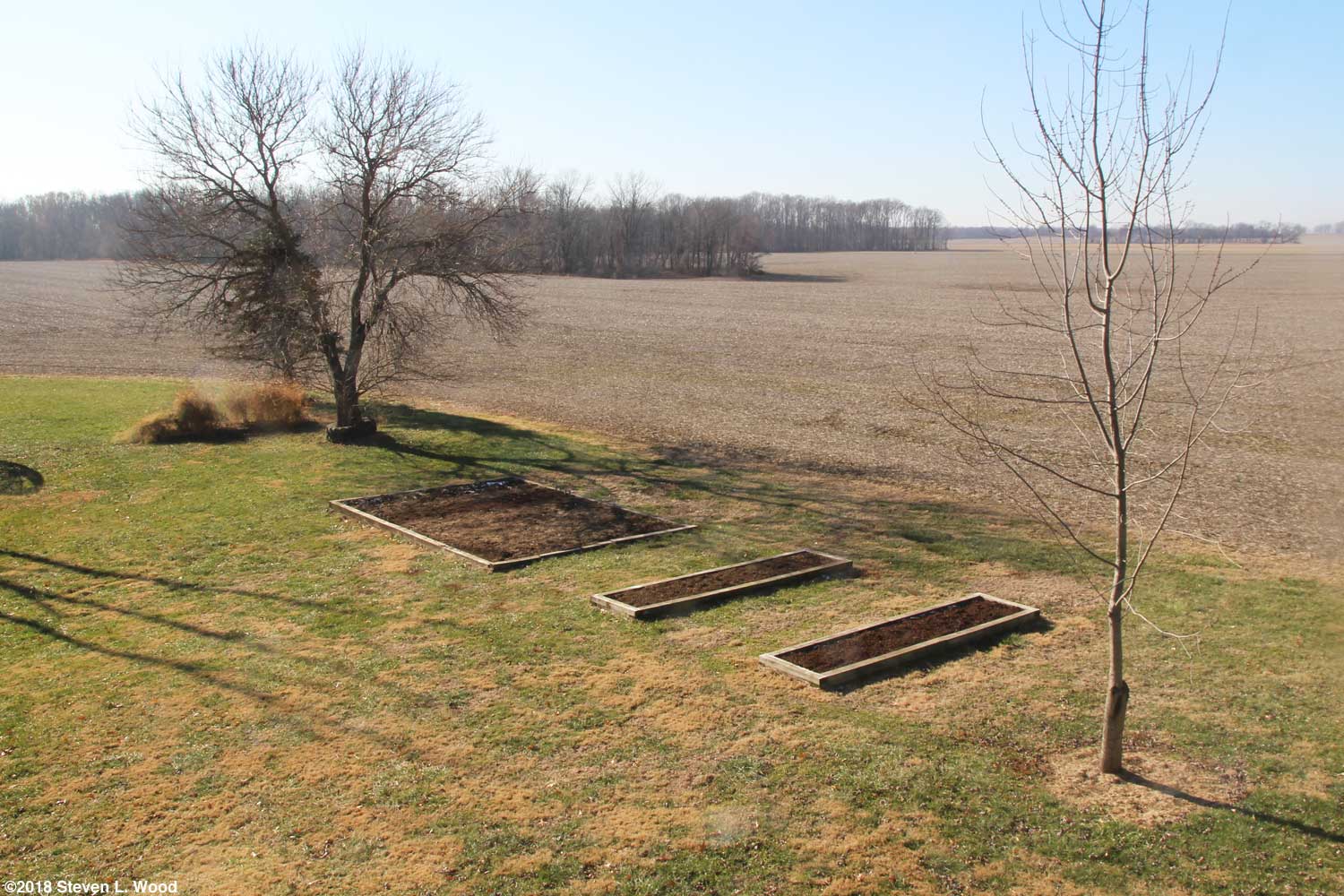
We ended November and begin this month with a few relatively warm days. That's fortunate for me, as I hadn't gotten our used planting trays, pots, and hanging baskets cleaned. Being very thankful for a few warm days, I started that cleanup yesterday. I first soaked eight of our heavy (and expensive) Perma-Nest trays and about fifty plastic pots in a bleach solution in our garden cart. All got a thorough rinse with the garden hose before being laid out to dry. The trays and pots eventually had to come inside to finish drying. Next into the bleach bath were our less expensive, but still reusable standard 1020 slotted and solid plant trays. They soaked overnight. Our hanging basket pots will go last into the bath. When done, I plan to dump the used bleach water on a weedy section of our gravel driveway. Our one remaining outdoor garden chore is cleaning up our asparagus patches. I'll cut the stalks and either compost or dump them in a hole somewhere that needs filling. Indoors, I'll continue looking through seed catalogs as they arrive. Several of our favorites are already a little late in coming in. We'll put together and place seed orders by mid-month.
|
|
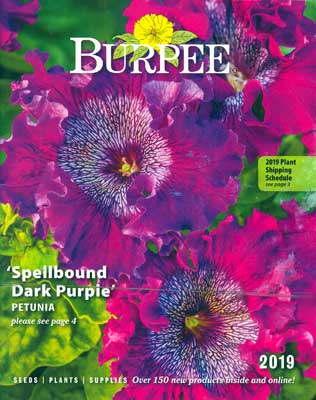
Our print copy of the 2019 Burpee seed catalog arrived in the mail this week. It's as attractive as always, filled with lots of photos of luscious looking vegetables and other offerings. But after looking at it for a few minutes, I noticed something that made me set it aside for a few days. In the intervening days, as I binge watched all three seasons of The Newsroom, I'd occasionally go back and look at items I might order, comparing prices from this year to last season's catalog. At first, I was disappointed at the serious price increases for seed from Burpee this year. I noticed packets of several bush bean varieties being reduced in size from three ounces of seed to two while the price edged up. But as I continued looking, I found Burpee's price movement was both up and down, as some things were cheaper this year than last. I wonder at times if such price decreases indicate older seed that still tests good being sold. I'll probably place an order with Burpee this year, as they still carry the open pollinated Red Creole
Tuesday, December 11, 2018 - Success
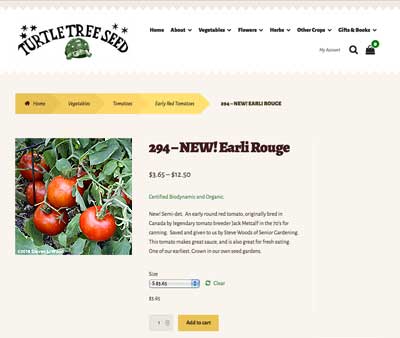
Having a commercial entity offer the seed is a giant step forward in our effort to preserve the variety. If the Lord should call me home today, the variety would still exist in others' hands. Turtle Tree is a relatively new, "non-profit seed company that sells 100% open-pollinated vegetable, herb, and flower seeds." Their seed is grown in their own seed garden and by other farmers and gardeners using biodynamic and organic practices. With Earlirouge seed now commercially available, I'll begin referring all seed requests we receive for it to Turtle Tree. I believe in supporting vendors who grow and carry endangered open pollinated vegetable varieties. Mississippi gardening buddy, Marcus Blanton, wrote that he'd placed an order for a packet of Earlirouge tomato seed and some other items after I wrote him celebrating the listing. I thought his was a good idea, so I ordered some Earlirouge, kale, celery, and onion seed from them tonight. That is my first gardening order for the coming season. Clearing Asparagus Patches
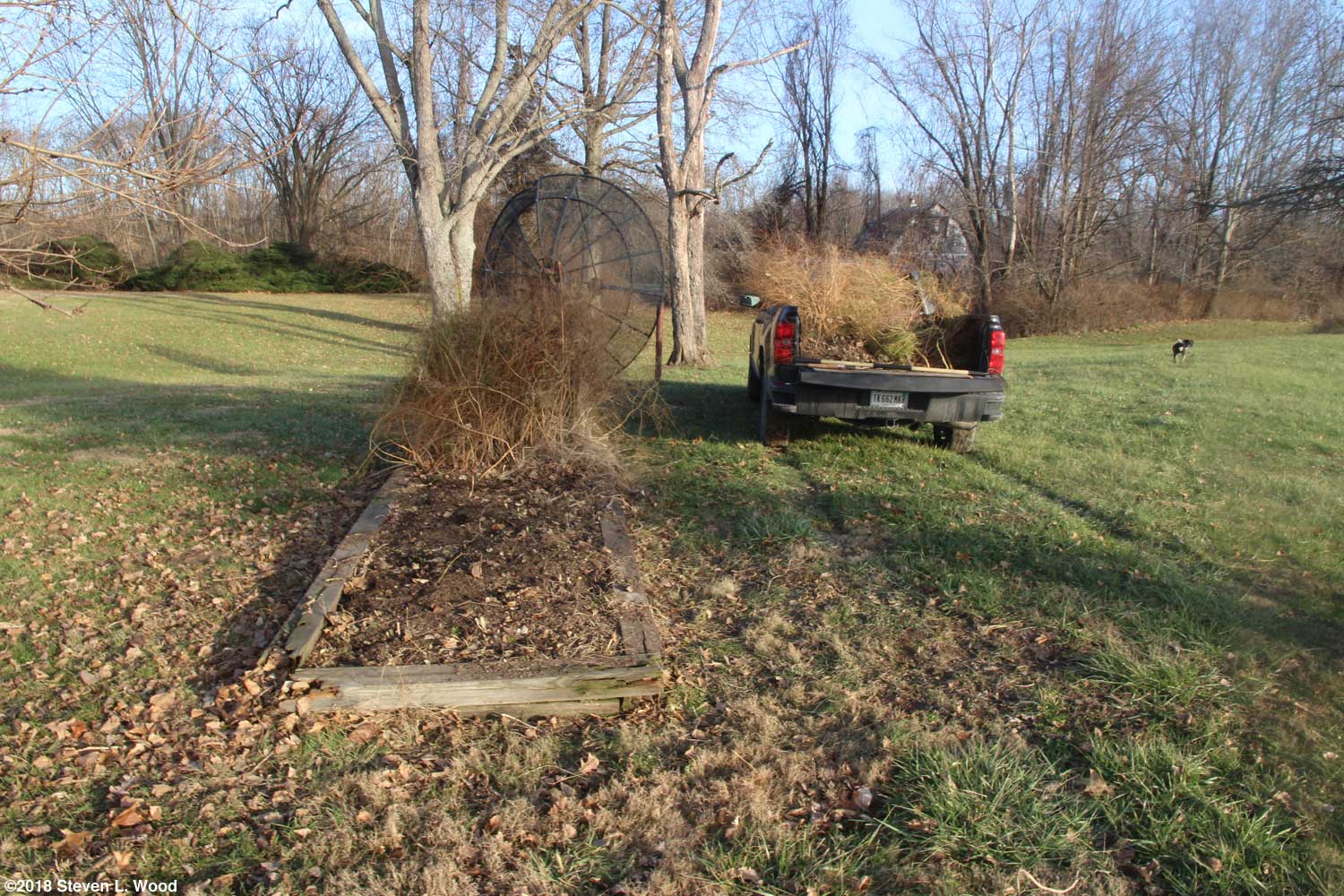
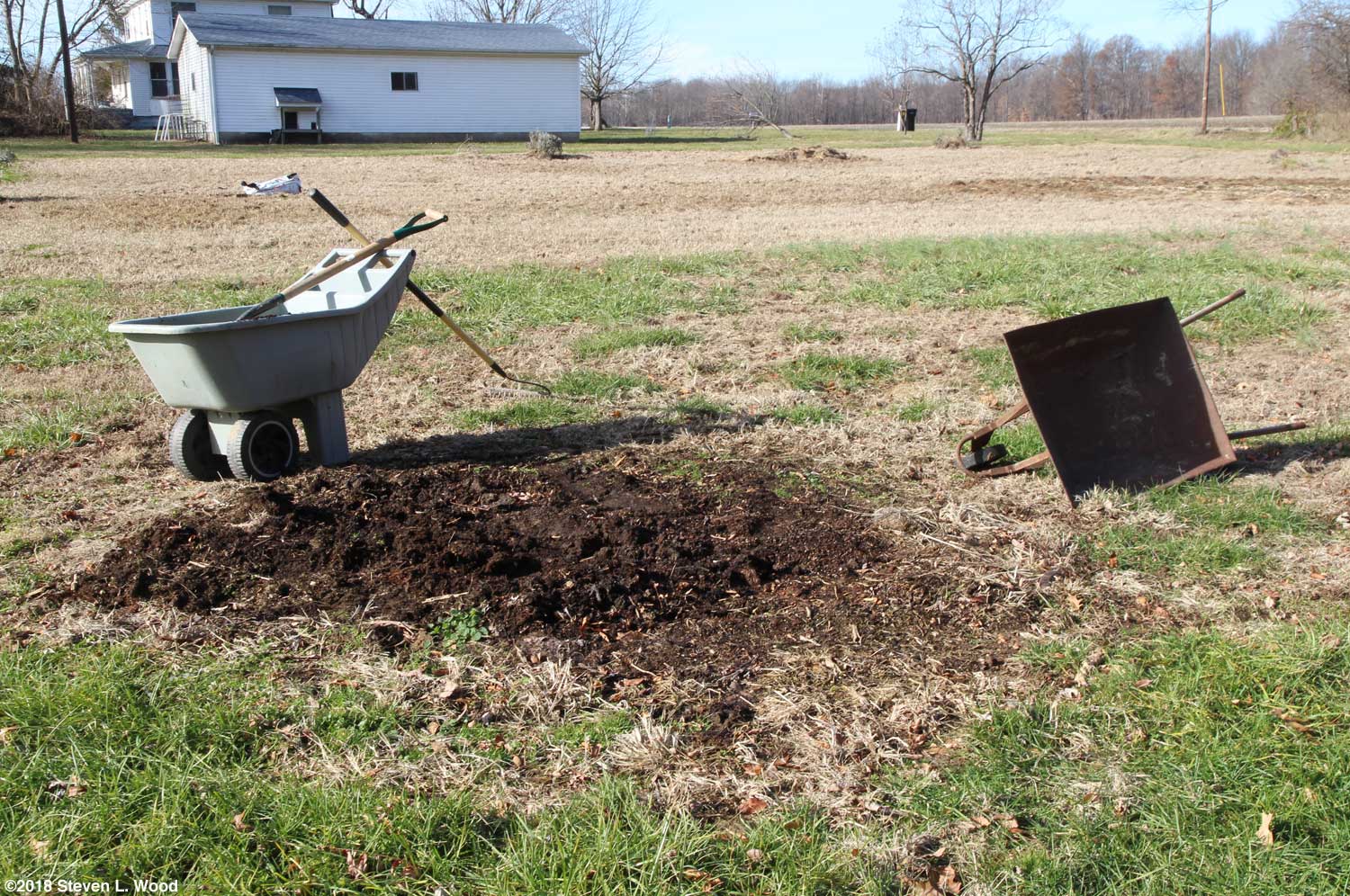
Cleaning up our two asparagus patches is usually the last big outdoor gardening job of the season. Removing the stalks and organic trash is supposed to help prevent insect and disease carryover. We've not had a problem with either, but then, we've always cleared our asparagus patches each fall. I cut the asparagus stalks at their base and load them into the bed of our pickup truck. For years, I didn't compost the stalks, instead, dumping them into whatever rut or hole around the property would hold them, as asparagus stalks break down pretty slowly. That made for some interesting volunteer asparagus sprouts here and there. Somehow, we've gotten into a two year cycle for our compost piles. I'm finding that the asparagus stalks pretty well break down in that time period. Raking leaves and any remaining stalk pieces from the beds and pulling some stubborn still green weeds gets the beds ready for a final and important step. I apply an inch or two of fresh compost to the beds. Asparagus thrives on compost. Today, I only got one of our two asparagus patches cleared in some pretty nice weather. I hope to clear the other patch tomorrow.
As usual, I used lopping shears to cut the asparagus stalks at their base. Since I'd worked pretty hard this summer weeding the patch, it had far less weeds in it to be pulled then in our own asparagus patch. The asparagus stalks went onto our working compost pile. Possibly somewhat foolishly, I decided to rake up some grass clipping mulch from where our butternuts had grown this summer and put them on the asparagus to keep it from blowing away. I overdid things a bit, which ended my lovely day of gardening. With a few more days of relatively warm weather, I hope to spread compost over our asparagus patches. And I can't resist rerunning a photo of Bonnie's Asparagus Patch glowing in the fall of 2012.
I shared my experience in starting an asparagus patch in our how-to, Growing Asparagus. The piece begins, "I've only started two asparagus beds in my lifetime. If you don't move from place to place, starting an asparagus bed is something you should only have to do once." Gifts for Gardeners
I promise, this will be the last time this year I'll promo these pages. If you're looking for an appropriate gift for a gardening loved one, our two pages of shopping guides may offer some good ideas. The Old Guy's Shopping Guide for Gifts for Gardeners is our holiday shopping guide geared mostly for non-gardeners buying for gardeners. Our Shopping Guide for Gardeners is more of a year round guide of gardening tools and supplies with a bit of advice for beginning gardeners. Both guides have been updated recently. The guides have links to gardening books, shovels, rakes, hoes, and lots of useful hand tools. There are also some senior assist items. The general guide has a good listing and description of garden chemicals. I list a lot of organic aides along with some not so organic items, often with appropriate cautions and a gardening/farming war story or two. Turtle Tree Earlirouge Update I received a nice email response today from Ian Robb of the Turtle Tree Seed Initiative. I'd written thanking them for growing out and offering the Earlirouge tomato variety from their non-profit. I'd spoken to both Ian and Caly McCarthy on the phone last January for a possible story about Earlirouge tomatoes (didn't happen, and that happens). Ian wrote, "They certainly lived up to the name being the earliest of all our tomato varieties to set fruit and ripen. Also, they bore fruit for such a long time." I tell about how I came across our Earlirouge seed in our feature story, Earlirouge. One More Gift Idea
At that time, I had counted on Don's reliable advice on a good many things. So I counted my pennies and decided I could spring for the near $50 the Droll Yankees Bird Feeder When it arrived and was filled and hung, it turned out to be all the good things the review said it would be. I wrote and thanked Don for the tip. He wrote back thanking me, as he'd only read about the feeder and hadn't bought one yet! Every time I fill the feeder, I have to laugh and think fondly of Don. The bird feeder is now over three years old and still functions well.
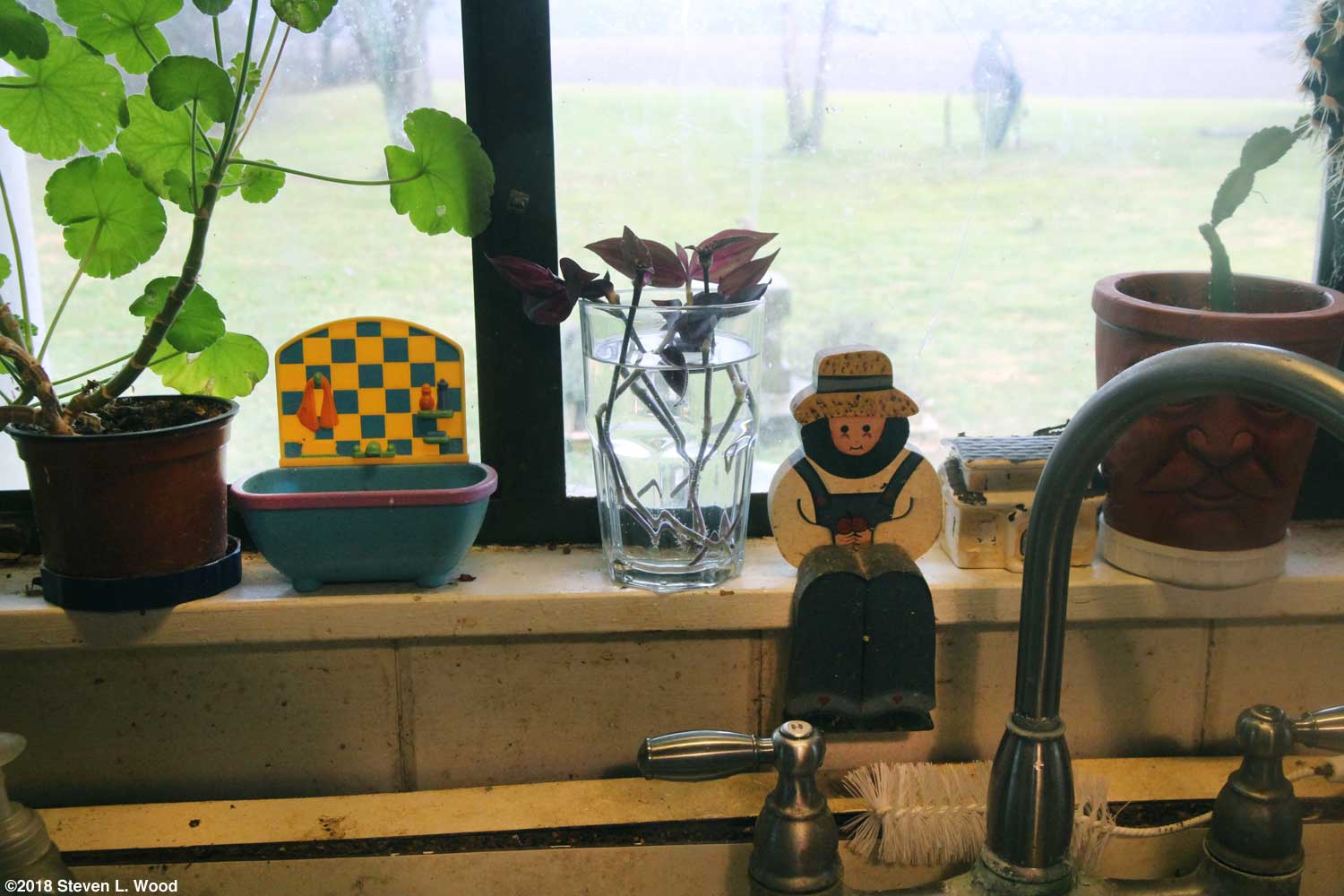
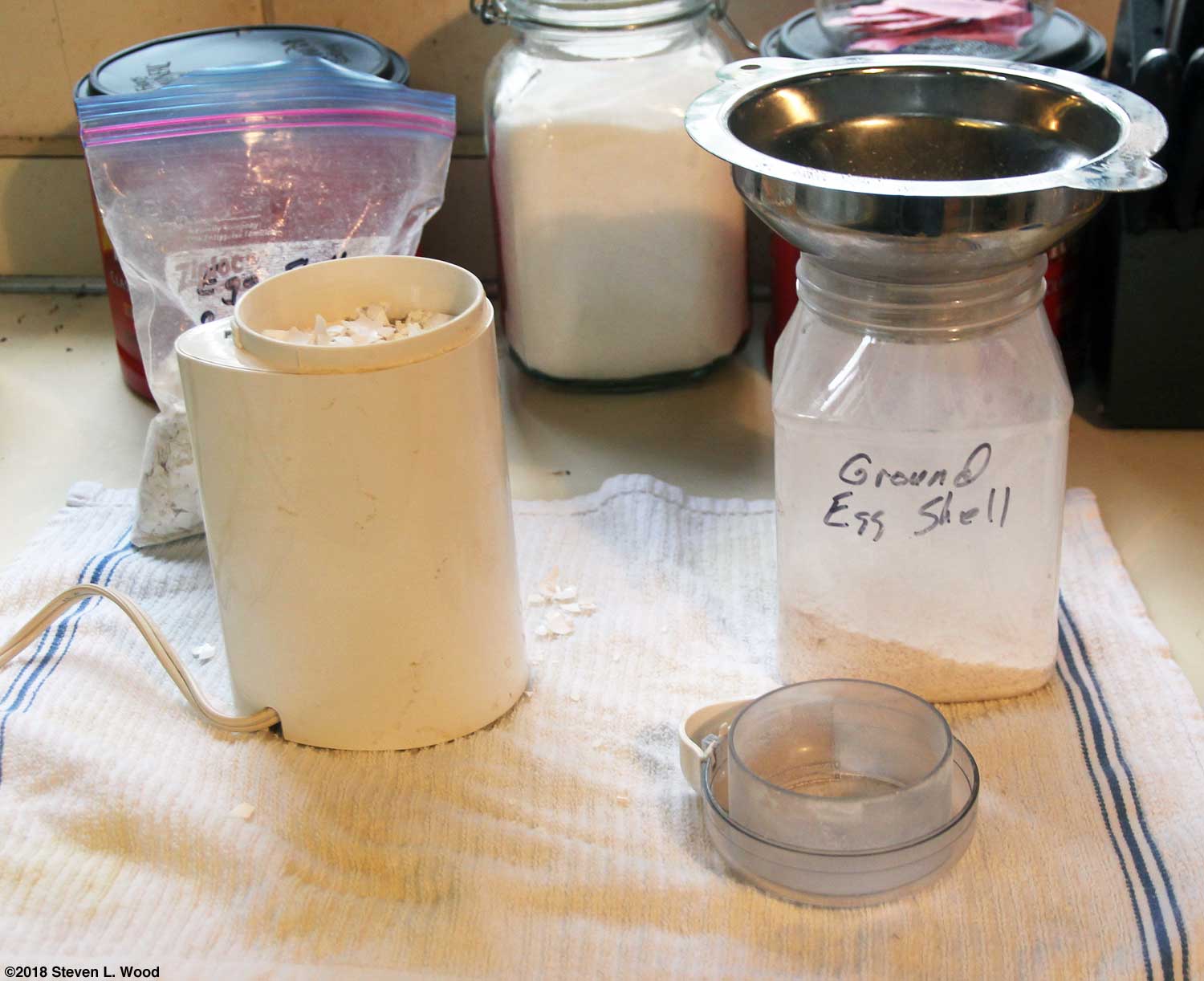
I took cuttings from our wandering jew plant. These plants root rather easily, either in water or in potting mix. I put six cuttings in a glass of water on our kitchen windowsill. I also used rooting gel on six more cuttings that went into sterile potting mix in a deep sixpack insert. Once the cuttings root, they'll go into hanging basket pots. It will take several months for the plants to flesh out enough to be hung. Note that wandering jew plants only last for about eighteen months before languishing, so replacing them each year is necessary. Later, I ground egg shells to a rather fine powder. We use the ground egg shells instead of lime under our tomato plants to add calcium to the soil to help prevent blossom end rot. We rinse and dry egg shells as we use eggs. The shells get crushed a bit and go into a freezer bag in our kitchen freezer. When the bag is full, we use an old coffee grinder to pulverize the egg shells.
Saturday, December 15, 2018 - Cuttings Taking Root
First Seed Order Arrives The seed order I placed with the Turtle Tree Seed Initiative late Tuesday evening arrived in today's mail. Mississippi gardening buddy Marcus Blanton wrote today, saying he had received his seed order from Turtle Tree in a similar time frame. Not having much experience with Turtle Tree, I opened the packet of Earlirouge tomato seed I'd ordered. The packet calls for 25 seeds. When I counted, there were 32 seeds. Botannical Interests Free Coloring Book Botannical Interests has put out a small, free coloring book the last few years. This year's coloring book includes five interesting pages of garden related black outlines. During my years as a special educator, we did lots of coloring. When challenged on the activity by an unknowing school administrator, I responded, "Coloring is weight lifting for the hands."
Monday, December 17, 2018 - Gloxinias
I started some gloxinia seed early in October. I wanted to test its germination, but also was questioning whether our deep well water might have been contaminated with preemergent herbicide. I did what I thought was a light sprinkling of seed, but I obviously overdid things. I guess it's always good news when seemingly every seed sowed germinates. It also relieved some of our worries about our well water. In November, I moved a few of the plants to fourpack inserts. The fourpacks are shallow, but gloxinias don't generally put out deep roots, especially when they're young. The plants remained under our plant lights with minimal attention other than periodic watering.
Gloxinias grown from seed can begin to bloom in just five months. By six months, they should have produced a good number of blooms, although nothing close to what older plants with corms strengthened by years of growth do. Having started this bunch of gloxinias in early October, I'm hoping for a few blooms in March with a good many more in April. By starting a few new gloxinias each year, I keep our gloxinia collection robust and also experience what new variations in plant type and blooms result from our hand pollination and cross breeding of our plants.
Tuesday, December 18, 2018 - Seed Catalogs
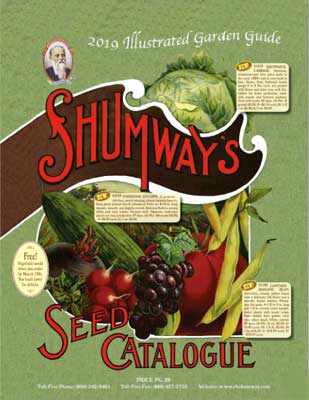
R.H. Shumway has long been a part of the Jung Seed conglomerate. Some other seed houses of the past Jung owns include the Vermont Bean Seed Company, Totally Tomatoes, and others. A pet peeve I have with Jung's companies, Botannical Interests, and others is their practice of wrapping their downloadable seed catalog in a zip file with an executable (Windows app) to open it. Simply making their catalog into a downloadable PDF file would certainly serve their customers better. An Intriguing Vendor
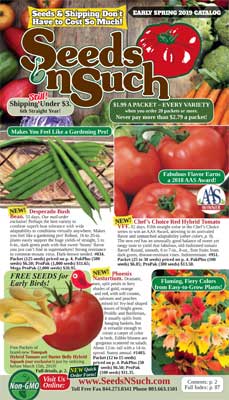
I may end up being a bit of a sucker, but I went through the Seeds 'n Such catalog and web site, pushing my order to 20 packets. They carry some of our favorite hybrid tomatoes (Bella Rosa, Mountain Fresh Plus, etc.) and also offer some varieties I needed to replace. Composting Bonnie's Asparagus Patch
I'm not sure what is going on with my senses, but it seemed quite comfortable working outside for a couple of hours today. The temperature didn't quite get to fifty, but it was sunny with little to no wind. I'm hoping for more such days, as I still have a lot of outside jobs I'd like to get done before winter really sets in. There are a couple of apple rootstocks to get into the ground, lots of bushes to be trimmed, a lone rosebush that needs trimming, and at least four dead trees that need to be cut. And that tree count doesn't include the dying maple tree close to our house that I'm going to let true professionals take care of.
I did pull the grass clipping mulch off of a compost pile today. I'd previously checked just one small area of the pile and had found it pretty well done decomposing. As I pulled mulch off of the rest of it, I found some completely undigested stalks with telltale asparagus seeds on them. I plan to screen the finished compost and move the undecayed material to our working compost pile. I had decided mid-summer to just forgo our annual garden review column. I had started the piece when my knees were a mess and I was really discouraged. But I got back to writing on it and this evening produced a much shorter than usual, but mostly upbeat, 2018 Garden Review.
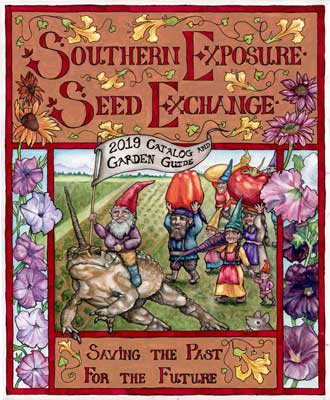
Fedco is an employee and consumer owned cooperative that offers an extensive variety of open pollinated and hybrid vegetable seed. It was founded over forty years ago by CR Lawn, who retired last spring. It's a seed vendor that supplies seed at very reasonable prices while endeavouring to treat both customers and employees right. Most of our bean seed comes from Fedco, as their half pound prices seem to be the best around from reputable vendors. I also like that Fedco lists supplier codes that tells one if their seed was produced by a small farmer on up to multi-national seed producers. And while about two-thirds of what we grow are open pollinated varieties, I like that Fedco also carries hybrids. There are some vegetables where I think hybrids are clearly superior (cantaloupe, sweet corn, etc.). That's obviously just my opinion, as there have been many new seed houses open in the last decade that specialize in only open pollinated and heirloom vegetable varieties. The Southern Exposure Seed Exchange is another one of our favorite suppliers. We got our start of the OSSI spinach, Abundant Bloomsdale, from them. The company carries mostly "open-pollinated seeds, which means you can save your own seeds and they will stay true to type." Doing so may not be a recipe for financial success for the seed house, as one doesn't have to re-order seed every year or two if you save seed. The SESE catalog notes, "We only offer four select hybrid varieties: Granex onion, Tendergreen broccoli, and Bodacious and Silver Queen sweet corns."
If you've received seed from us over the last few years, it probably came in what was once a blank seed envelope from SESE. Both Fedco and the Southern Exposure Seed Exchange are notable for sourcing their seed when possible from local, small farms. I like that. Criteria for Trusted Supplier Status I linked above to "trusted suppliers." I regularly update a page of recommended seed suppliers, based on our recent and long-term experiences with seed vendors. Seed quality, varieties available, price, shipping & handling charges, customer service, and reader input from this site all figure into our evaluation, winnowed a bit using The Garden Watchdog ratings from Dave's Garden. Some of the relationships run back well over forty years, while others are more recent additions. Sadly, I also maintain a private When Hell Freezes Over (WHFO) list of seed vendors who have screwed us over in the past with bad seed. I don't publish that list, believing that no publicity may be a more harsh punishment than ripping the vendor online. If you have a concern about a seed vendor, write, and I'll tell you what I can...if I know anything about them. Also, checking the Dave's Garden Watchdog listings for a seed vendor can be helpful, although folks are more likely to post negative comments than positive.
Shipping and Handling Charges
I've updated our listing of major seed houses shipping and handling charges for 2019. There are still a few vendors on the list where I haven't been able to find current shipping charges, instead relying on those from last year. The star of the updated listing is Baker Creek Heirloom Seeds. They've chosen to include shipping and handling fees in the price of their seed packets. That's really great for when you only want a packet or two from them. High Mowing Organic Seeds tried no shipping charges a few years ago, but couldn't make it work. They reverted to a low base shipping charge that disappears when ones order reaches ten bucks. The Territorial Seed Company bottoms out the listing once again. If you need just one or two items, Territorial's shipping fees make the seed pretty expensive. Even so, when I needed elephant garlic this year, I ordered it from Territorial, as theirs is the best in size that I've found. Likewise, the venerable Stokes Seeds company has a high flat rate that makes ordering one or two packets of seed from them a bit expensive. I still haven't received our print copy of the 2019 Stokes Seed catalog, but was able to download the PDF version of it. I don't know what's going on with Stokes, but they lost one order item when they dropped the excellent, open pollinated Goliath broccoli variety this year. While broccoli seed named Goliath is available from other vendors, I've found that it didn't produce as well as Stokes' strain did. I've never tried saving broccoli seed in the past, but I'm planning on starting extra transplants for the variety this year for seed saving. Note the up arrows (↑) in the listing, as they indicate a warning that as order volume increases in price, shipping rates may increase substantially.
Monday, December 24, 2018 - Seed Orders It's a busy time of year. Beyond all the preparations for family holiday gatherings, I've been trying to finish our initial garden seed orders. We have to start our petunias for hanging baskets, geraniums, and onions in January, so getting seed orders for those items in is important to us. We've placed and received orders from the Turtle Tree Seed Initiative and Seeds 'n Such. We just placed orders late last week with Baker Creek Heirloom Seeds and Stokes Seeds. Those orders pretty well include all the stuff we want to plant next month. I'm still working on one last order to Fedco Seeds. We have a number of new-to-us varieties to try this season. Some are now on order, while others are ones we didn't get to grow in our East Garden last season due to my knee problems. They include: Hestia and Dagan Brussels sprouts; Kazakh melon; Spear cantaloupe; Red Sunset onions; Ventura celery; Chef's Choice tomatoes; Tronchuda or Portuguese kale; Green Ice looseleaf lettuce; Durgesh 41 cauliflower; Castle Dome broccoli; and Elle sweet corn. I do fear that some of these experiments are pre-ordained for failure, as I'm lousy at growing celery and Brussels sprouts! The Fedco plant description of Hestia gives me some hope: " If you have trouble growing decent brussels sprouts, here at last is a variety that is early and easy." Now, I have to get busy wrapping presents. Have a good holiday! Tuesday, December 25, 2018 - Merry Christmas
Luke 2:10-11 (ASV) The image above is a "scene from a life size nativity at the Luxembourg Christmas market." It was taken in 2006 by graphic artist Debbie Schiel who lives in Far North Queensland, Australia, and shared on the royalty-free stock.xchng site. The scripture was copied from my installation of the free Macintosh Online Bible. There's also a free version for Windows users. On my iPhone, I currently use the ESV Bible app. Best wishes from Annie and I to you for a joyous and fulfilling holiday season. Wednesday, December 26, 2018 - Johnny's Selected Seeds Catalog
We've relied on Johnny's for years for quality lettuce seed. Over half of the lettuce seeds we have in frozen storage are from Johnny's. We've had some misses with some of their varieties, but lettuce is one of those plants that may or may not like ones ground or ones specific growing conditions. We grow our best lettuce in the fall, as hot summer temperatures make our spring transplantings get bitter and/or bolt fairly early in the season. That can be a good thing, though, as we had a Crispino head lettuce plant grown from Johnny's seed bolt and produce good seed a few years ago. I let it go and saved seed from it which we're still using. Some of our favorite vegetable varieties from Johnny's are: Coastal Star and Jericho romaine lettuce; Crispino head lettuce; Farmers Wonderful seedless watermelon; Slick Pik yellow squash; Sarah's Choice and Sugar Cube cantaloupe; and Maxigolt peas. On the downside, seed from Johnny's in generally a bit more expensive than seed of the same variety from other seed houses. We obviously are willing at times to pay a premium for good seed from an employee owned company. Territorial Seed Company Catalog
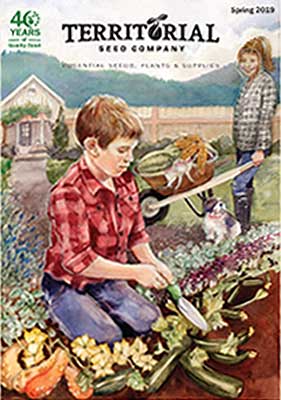
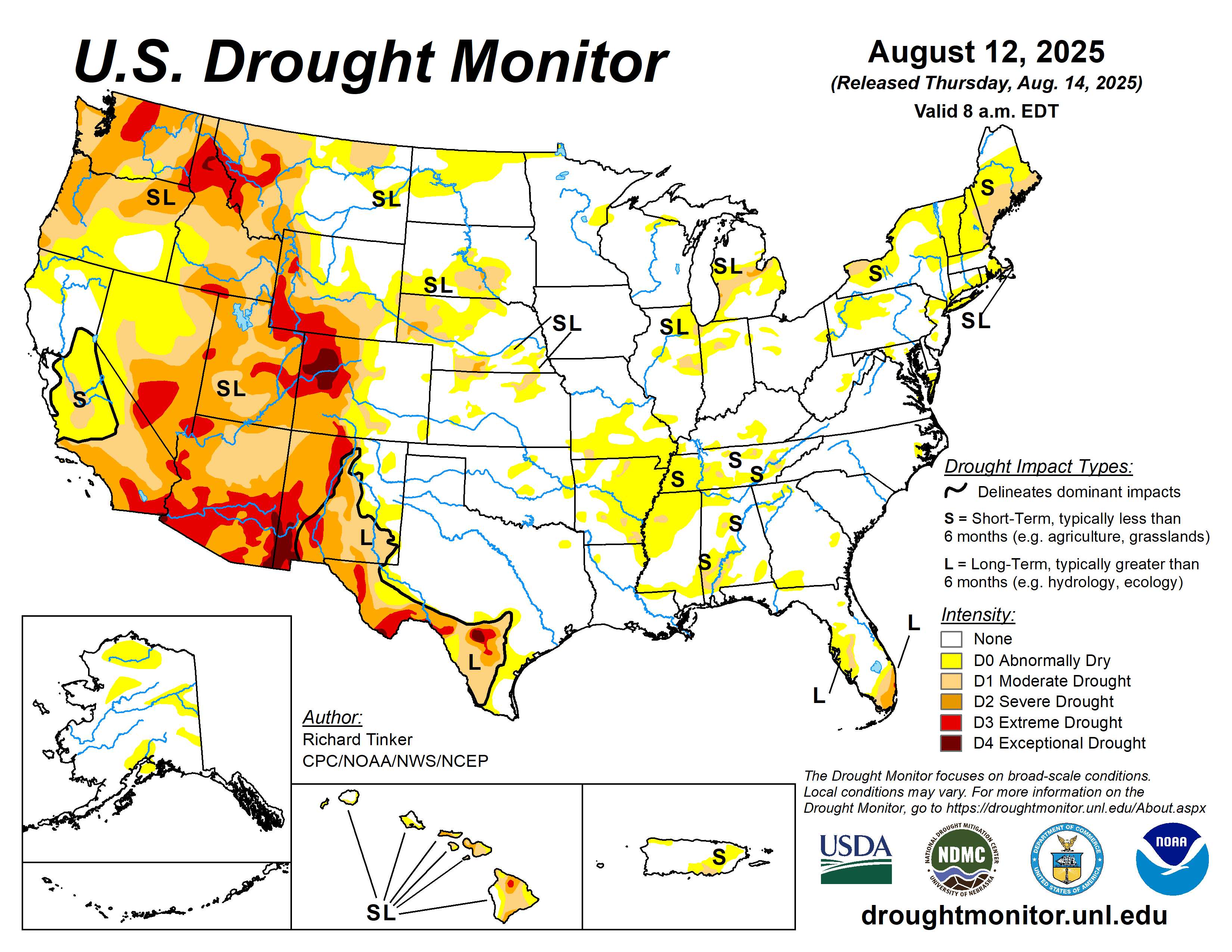
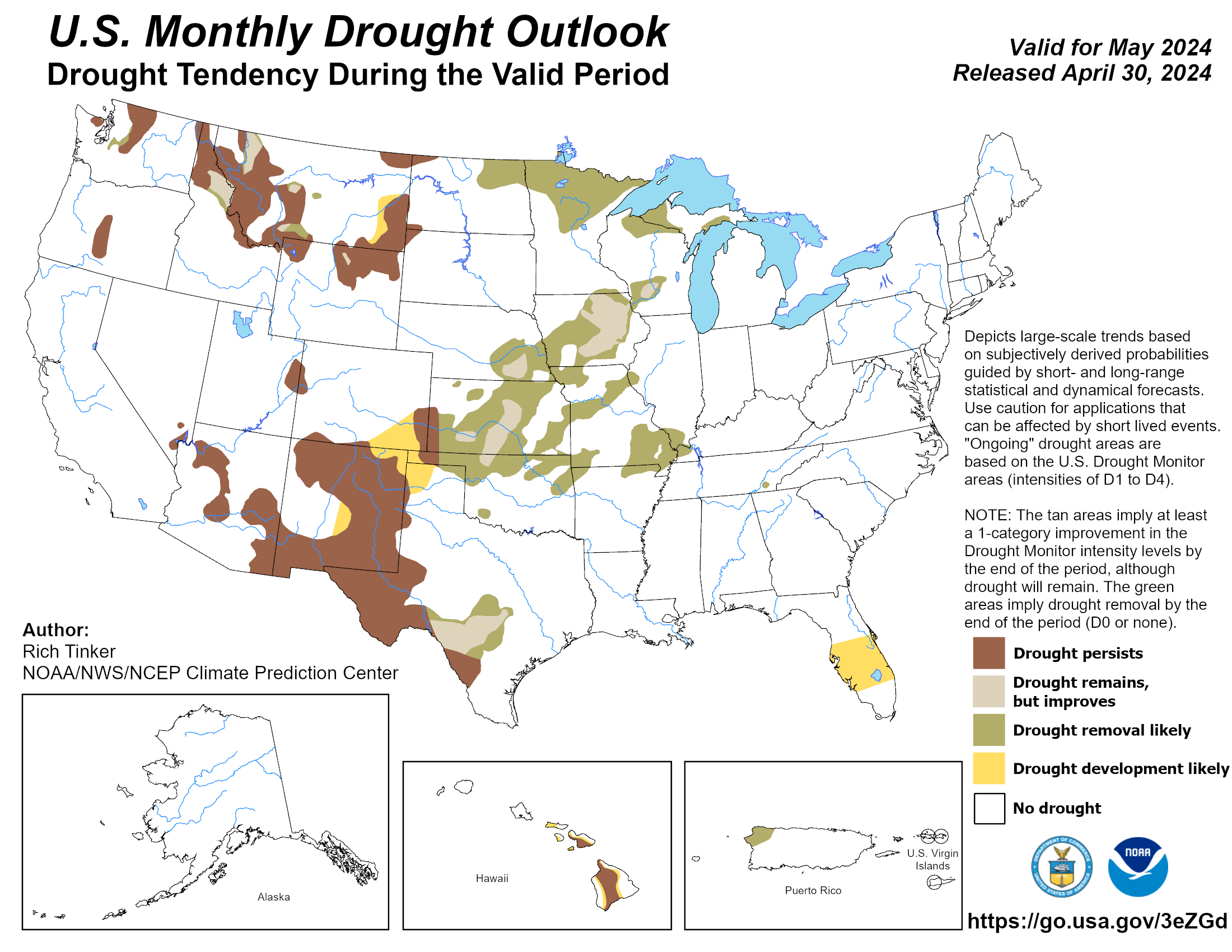
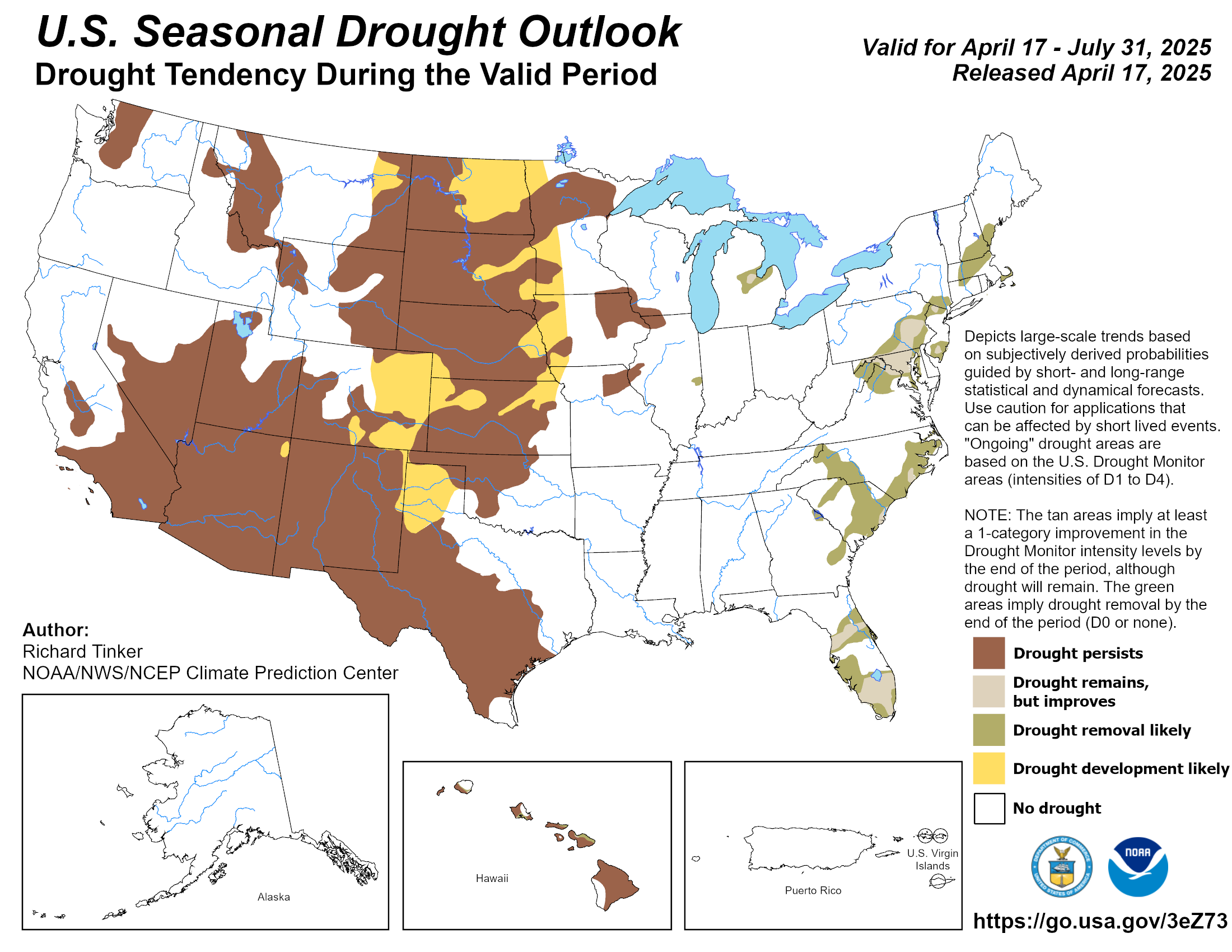
Sadly, the combination of their relatively high base shipping charge and my propensity for ordering just two or three packets of seed in an order means they don't get much of our business. As mentioned elsewhere on this page, I do really like their garlic sets and gladly pay the shipping for them. Of course, we only order garlic every four or five years, as we usually are able to plant each fall from our previous season's garlic. A Sad, but Timely Article About Farming When my first wife and I bought our farm, I'd read Dirk Van Loon's The Family Cow repeatedly. We planned to have dairy cattle on our farm. Unfortunately, our house in Indy didn't sell for a very long time. In the interim, as I'd taken a teaching job close to the farm we were buying, we rented a farmhouse on a large hog farm. We ended up being hog farmers, possibly a very bad choice. By the time we'd been through three droughts in eight years, I woke up and switched to raising feeder cattle. But by then, both the marriage and our finances were shot. We lost the farm. What all of this is getting around to is a rather sad, but timely article by Jim Goodman, an organic dairy farmer in Wisconsin. He tells of the current challenges in dairy farming, especially for small farmers producing organic milk in Dairy farming is dying. After 40 years, I'm done. Drought Monitor While discussing good articles, I ran across one from NPR's Grace Hood, There's a Lot at Stake in the Weekly U.S. Drought Map. Hood gives an interesting behind the scenes look at the history and functioning of the U.S. Drought Monitor. She writes, "TV crews, for instance, rush to be on the scene for hurricanes and wildfires. But they rarely flock to desiccated farm fields, let alone focus on the federal money set aside for crop losses." We've regularly shared the various government drought information sites here on Senior Gardening, over the years. I'll wind up today's posting doing the same once again.
Monday, December 31, 2018 - December Wrap-up
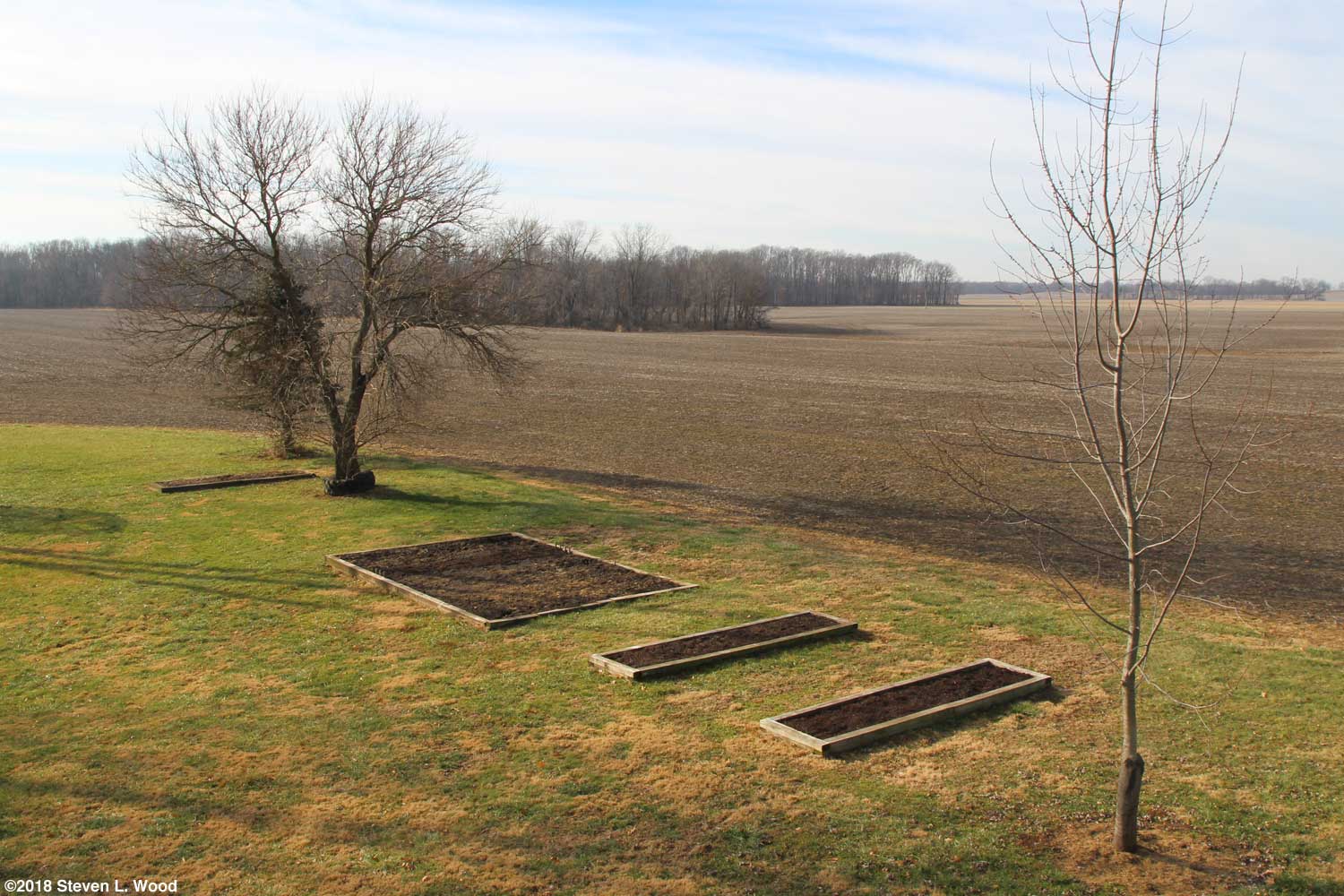
I think I have my December gardening jobs done. Now, if I can just remember to hang the new calendars tomorrow. Instead of doing our usual end-of-the-month animated GIF of our garden, I put together one for the whole year (shown at right). Top Ten With little actual gardening to write about today, I'll list our most accessed pages for 2018 on this site. Note that I didn't include basic pages like this page, the about page, our suppliers page, old blog pages, and indexes. So here are the ten most read feature stories, how-to's, and recipes on Senior Gardening for 2018:
Thanks! To all the readers who took the time this year to write and comment, share tips, criticisms and photos, my sincere thanks. Reader feedback provides valuable insights into the gardening practices of others and often helps me decide on what to write about and what to leave out. It also nice to just have access to other gardeners to chat a bit. A special thanks goes out to those of you who have used our Affiliated Advertiser links when making online purchases. Senior Gardening isn't a profit producing site, but the small stream of income it provides helps. Best wishes from Annie and I to you for a healthy and happy new year.
Contact Steve Wood, the at Senior Gardening |
|||||||||||||||||||||||||||||||||||||||||||

 There hasn't been much to write about here so far this month. Garden seed catalogs are mostly arriving a bit later than in years past. I have, however, downloaded PDF versions of some of the now tardy catalogs. (See our listing of




 would cost.












 Our used pots and trays have been cleaned, soaked in bleach water, dried and stored in our plant room. I placed what may be the last of our seed orders with


| Affiliated Advertisers |
©2018 Senior-Gardening.com