One of the Joys of Maturity |
|

| Affiliated Advertisers |
Clicking through one of our banner ads or some of our text links and making a purchase will produce a small commission for us from the sale. The Old Guy's Garden Record
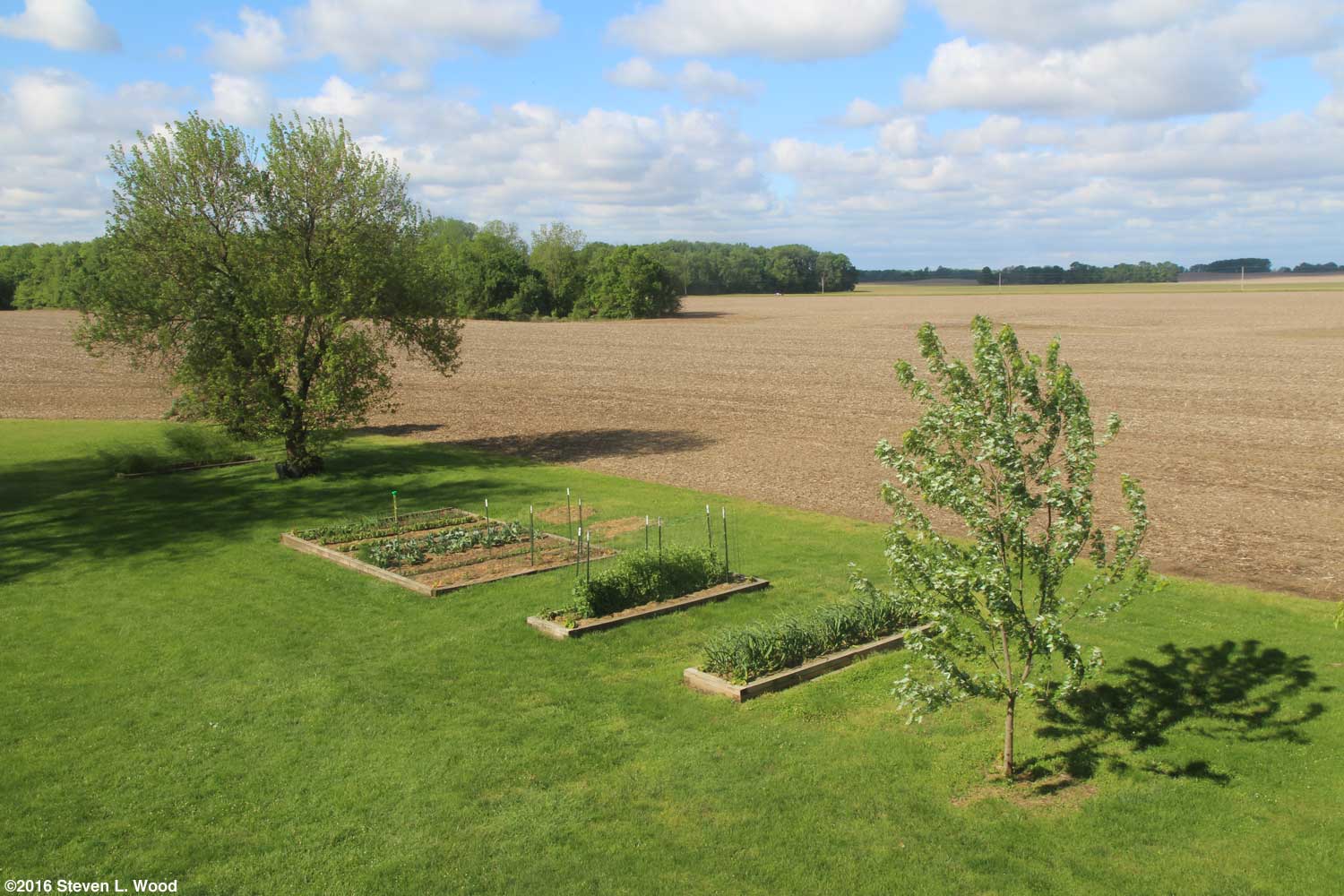
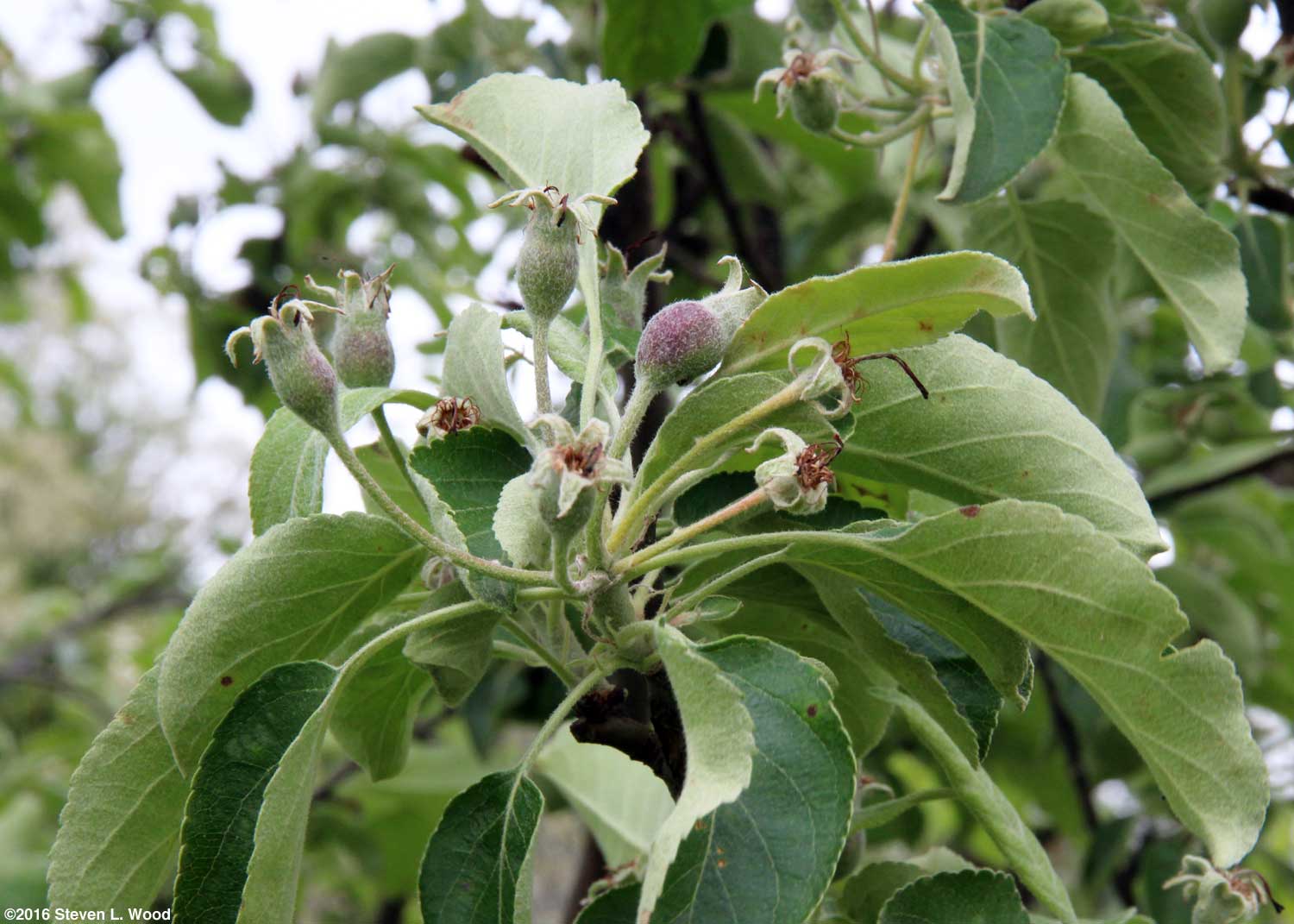
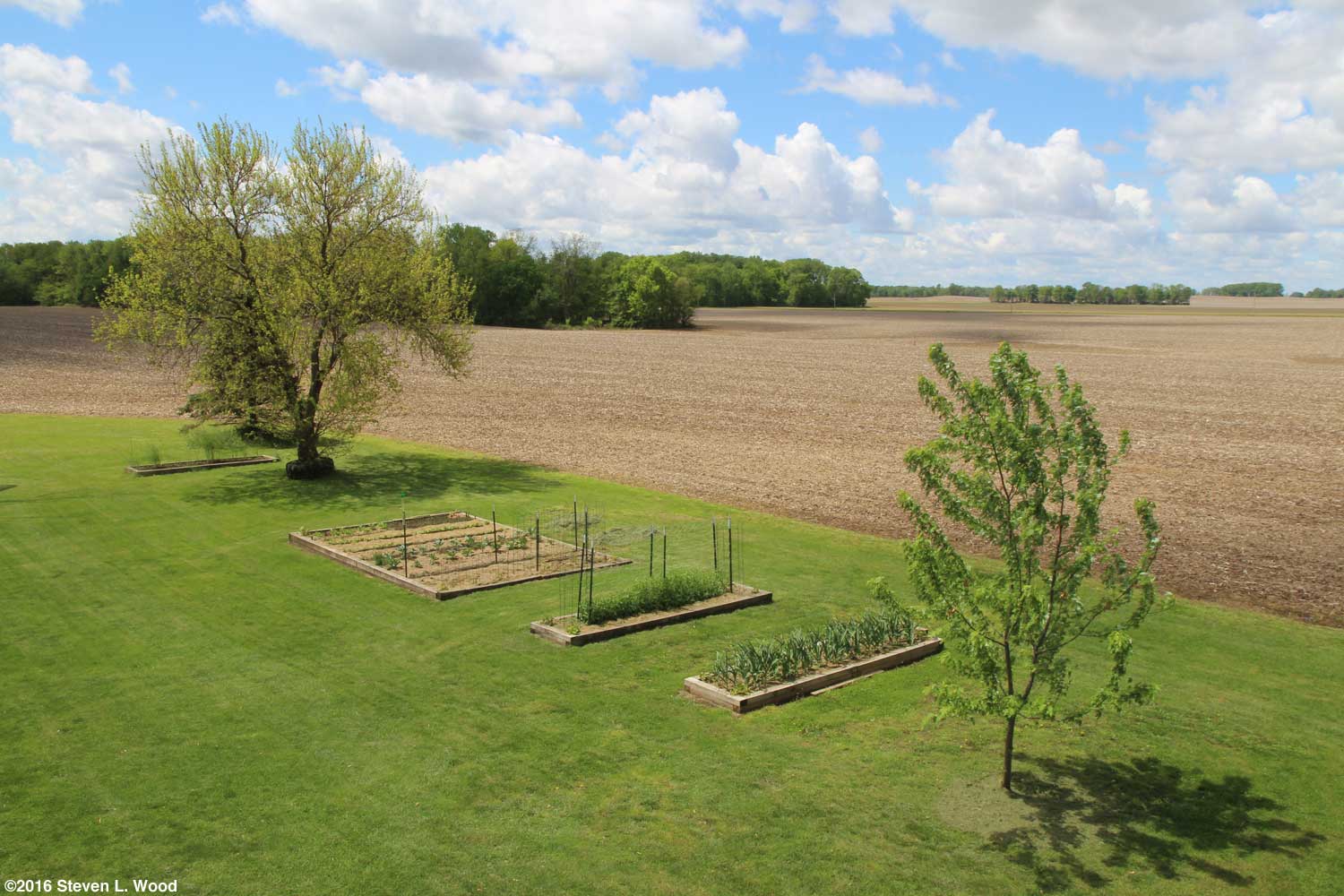
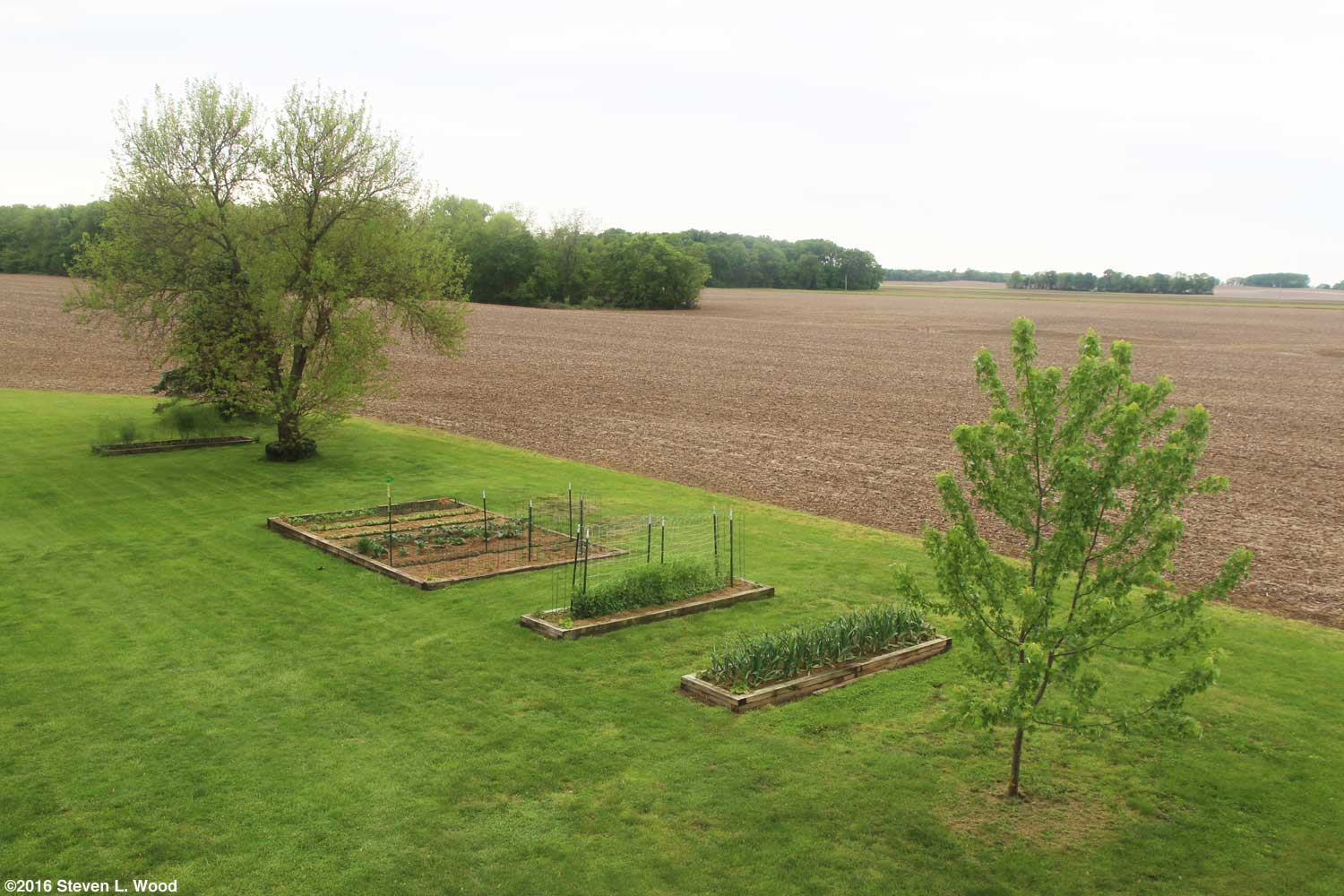
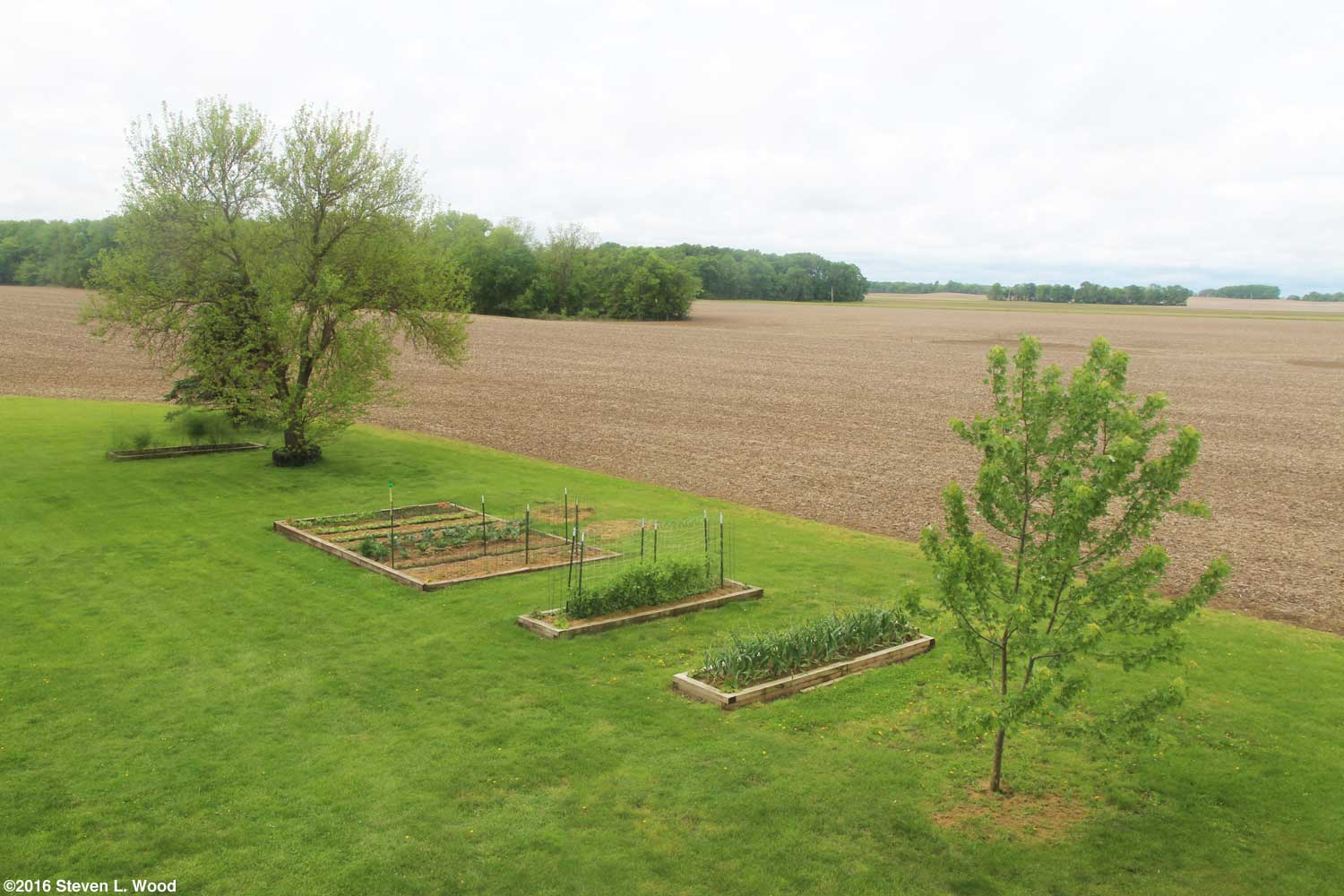
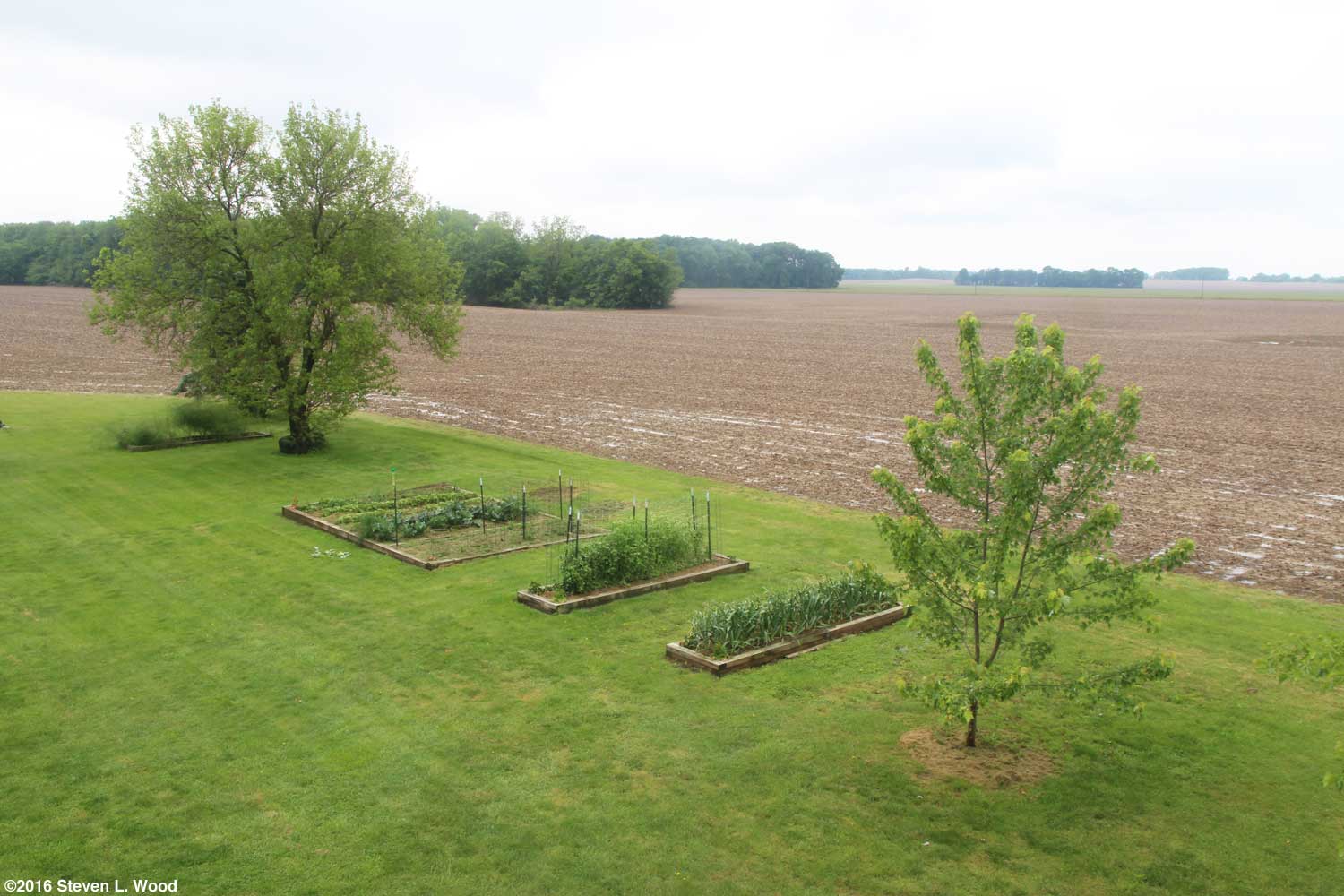
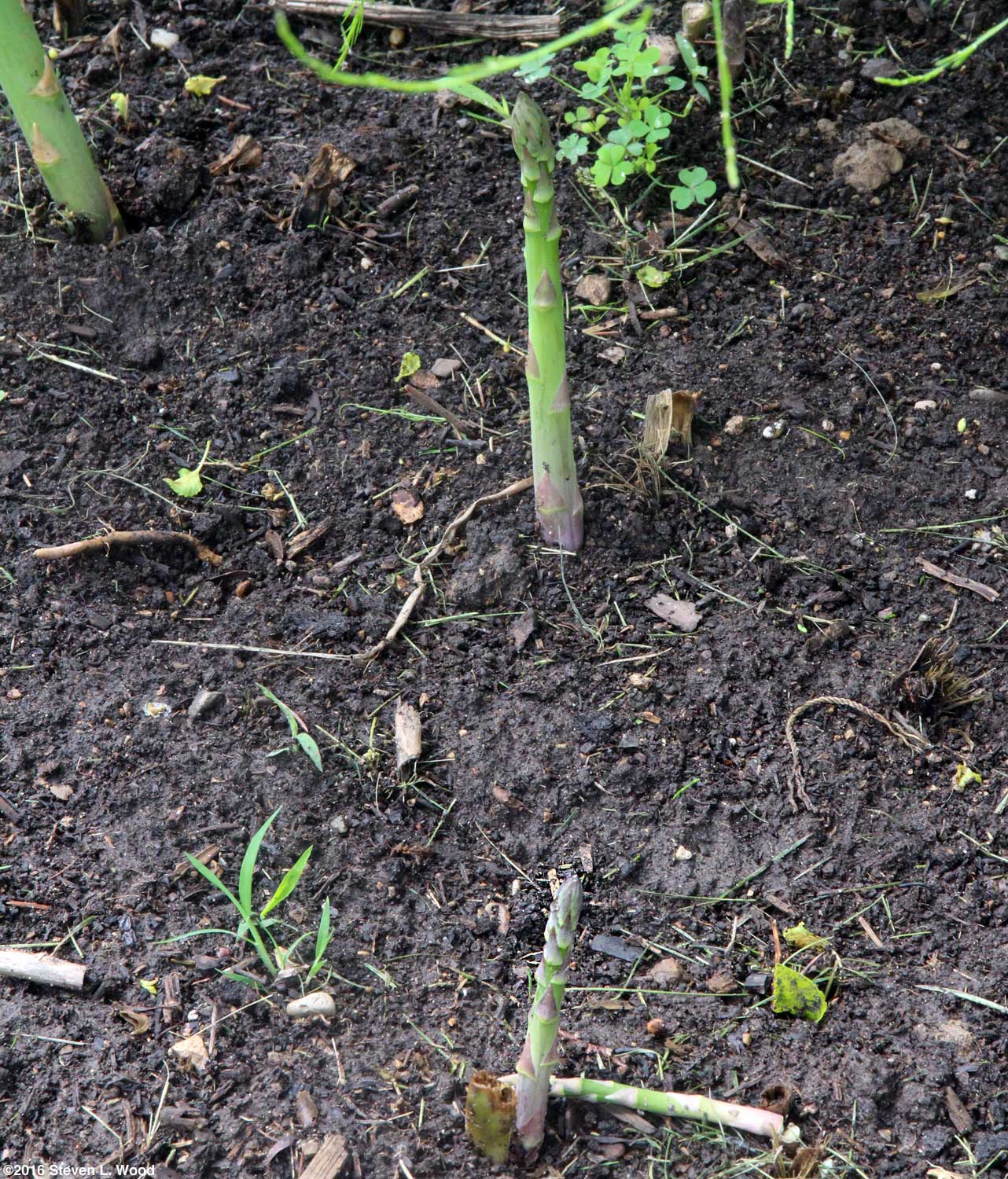
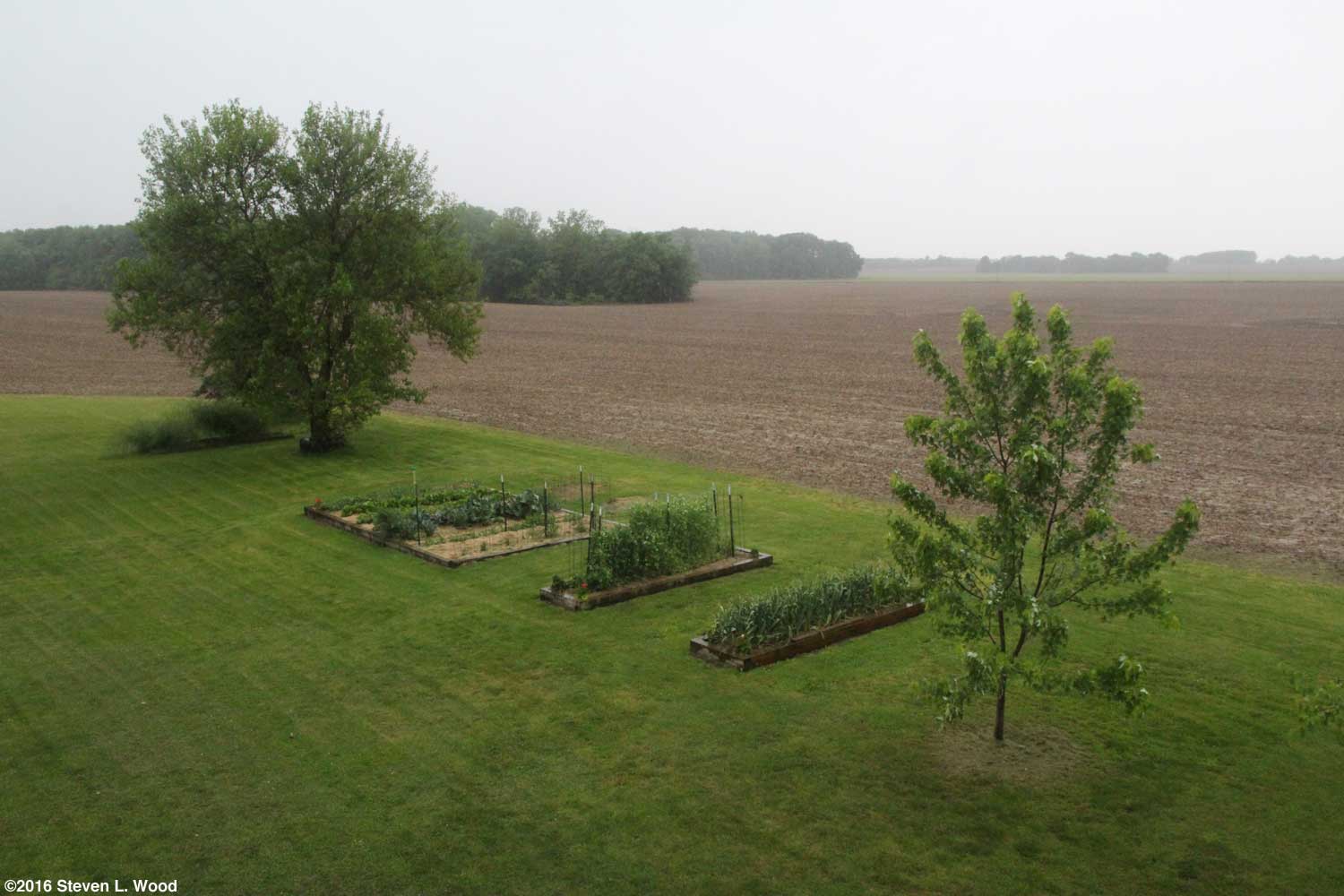
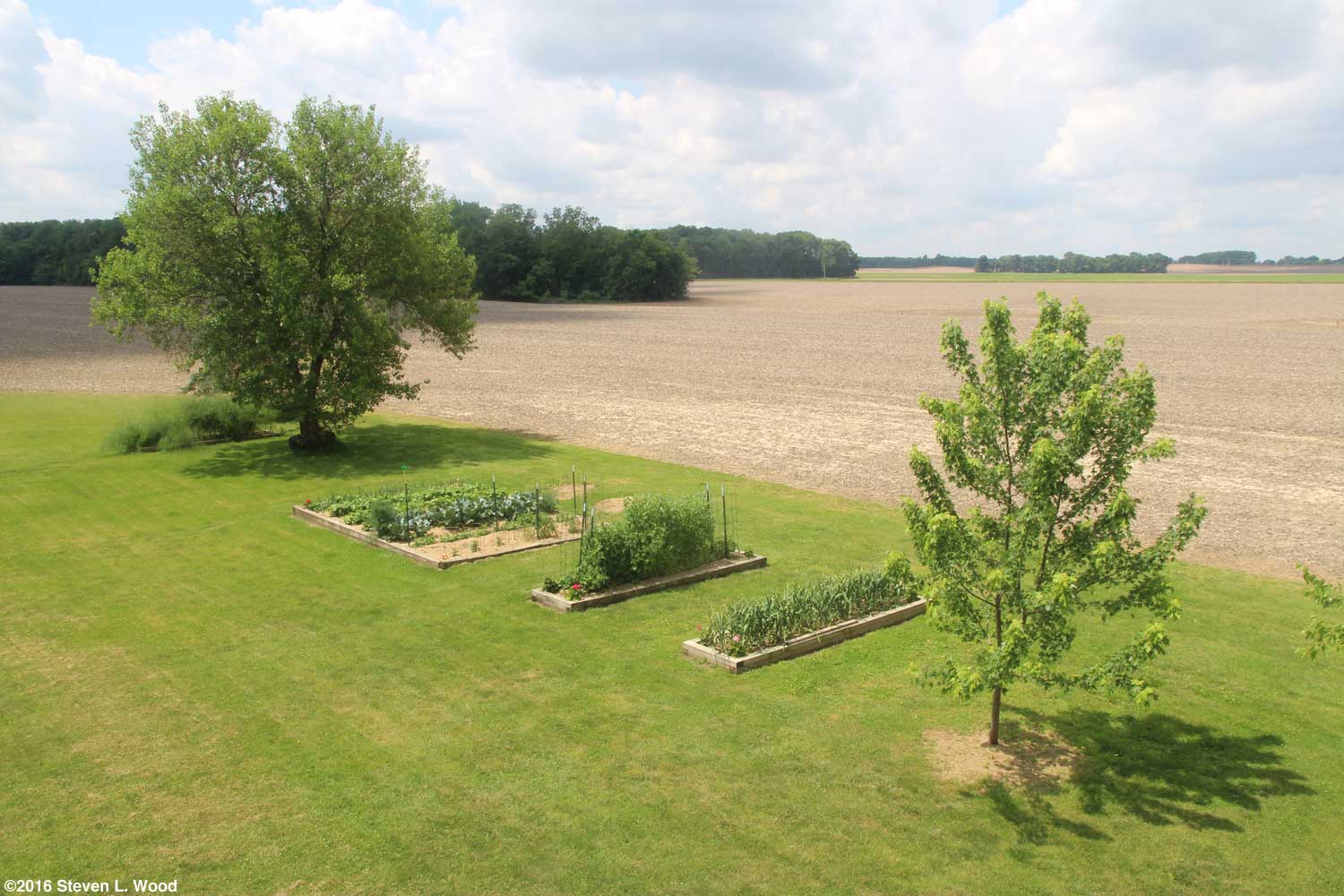
With our "main garden" planted in April, our attention turns in May to getting our large, East Garden plot planted. While we've grown a wide variety of crops there in past years, this time we'll be limiting our plantings to melons, yellow squash, sweet corn, and potatoes. Our Indiana weather in May can be a bit fickle. At times, it's too wet to do much of anything in the garden. And other times, tilled ground dries out to powder during the month. With either extreme, we try to get our crops planted in the East Garden as early in the month as possible. In our main raised garden plots, we'll need to continue regularly spraying our broccoli and cauliflower with the biological, Thuricide, to keep cabbage looper and small white cabbage moths from laying their eggs on our crop. Our apple trees have dropped their blossoms and are ready to be sprayed again. And our onions are big enough to be mulched. Training the early peas to stay between their double trellises will be pretty much an every day job. There will asparagus to pick through the first part of the month. I weeded and cultivated our raised bed of asparagus yesterday. If we're lucky, we might cut some broccoli and/or pick some peas late this month. We should have lettuce ready to cut by mid-month. Beyond that, it's just a matter of taking care of the crops on a daily basis, responding as much as we can to their needs.
|
|
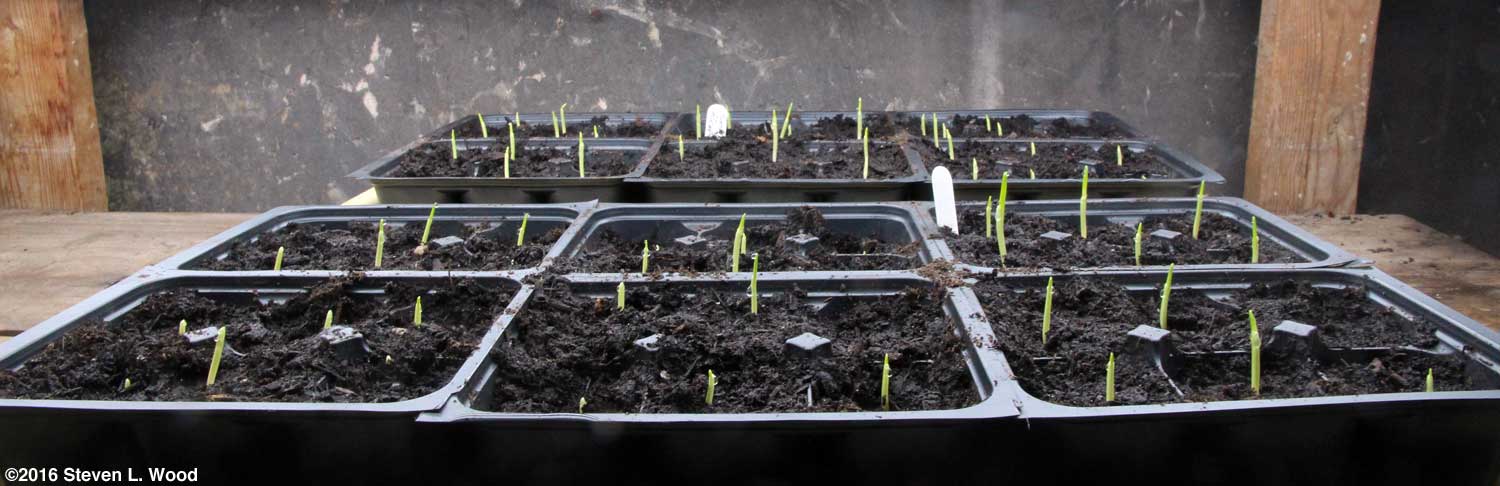
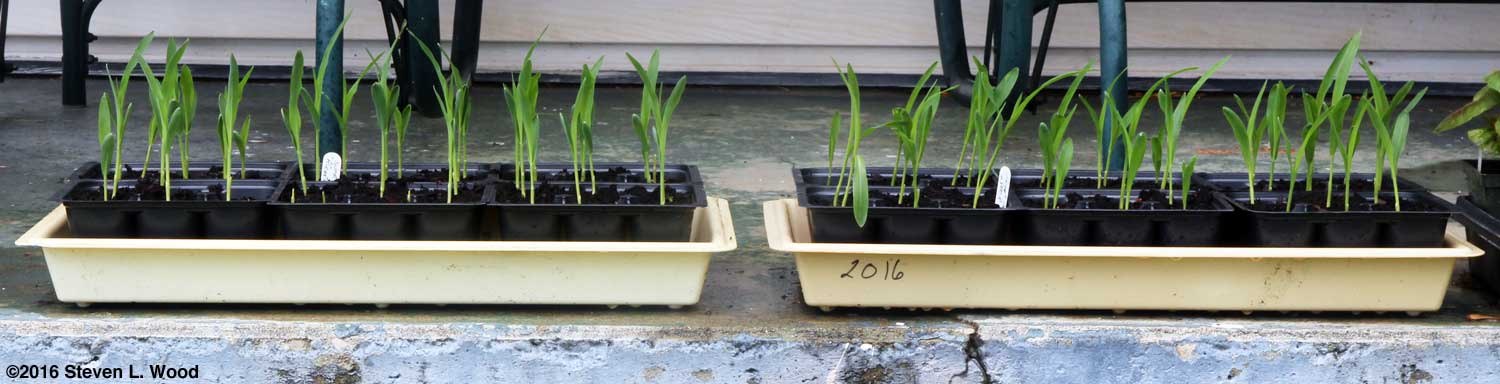
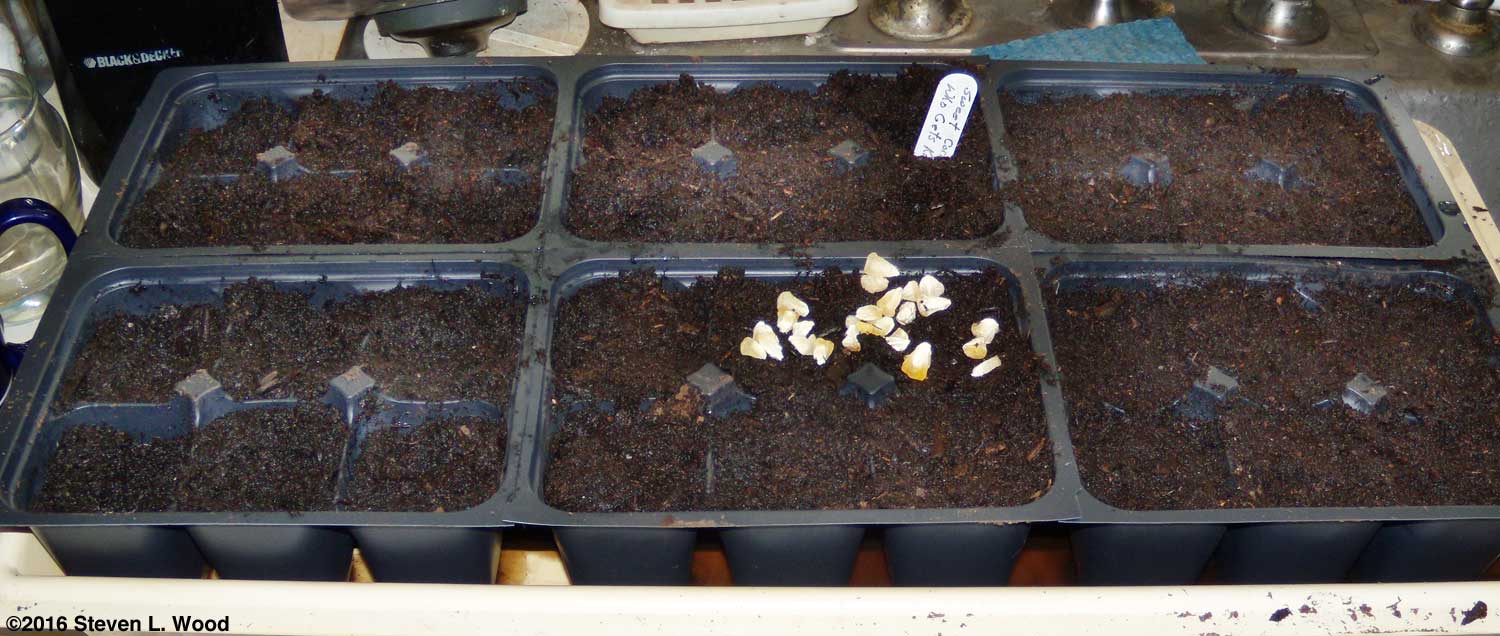
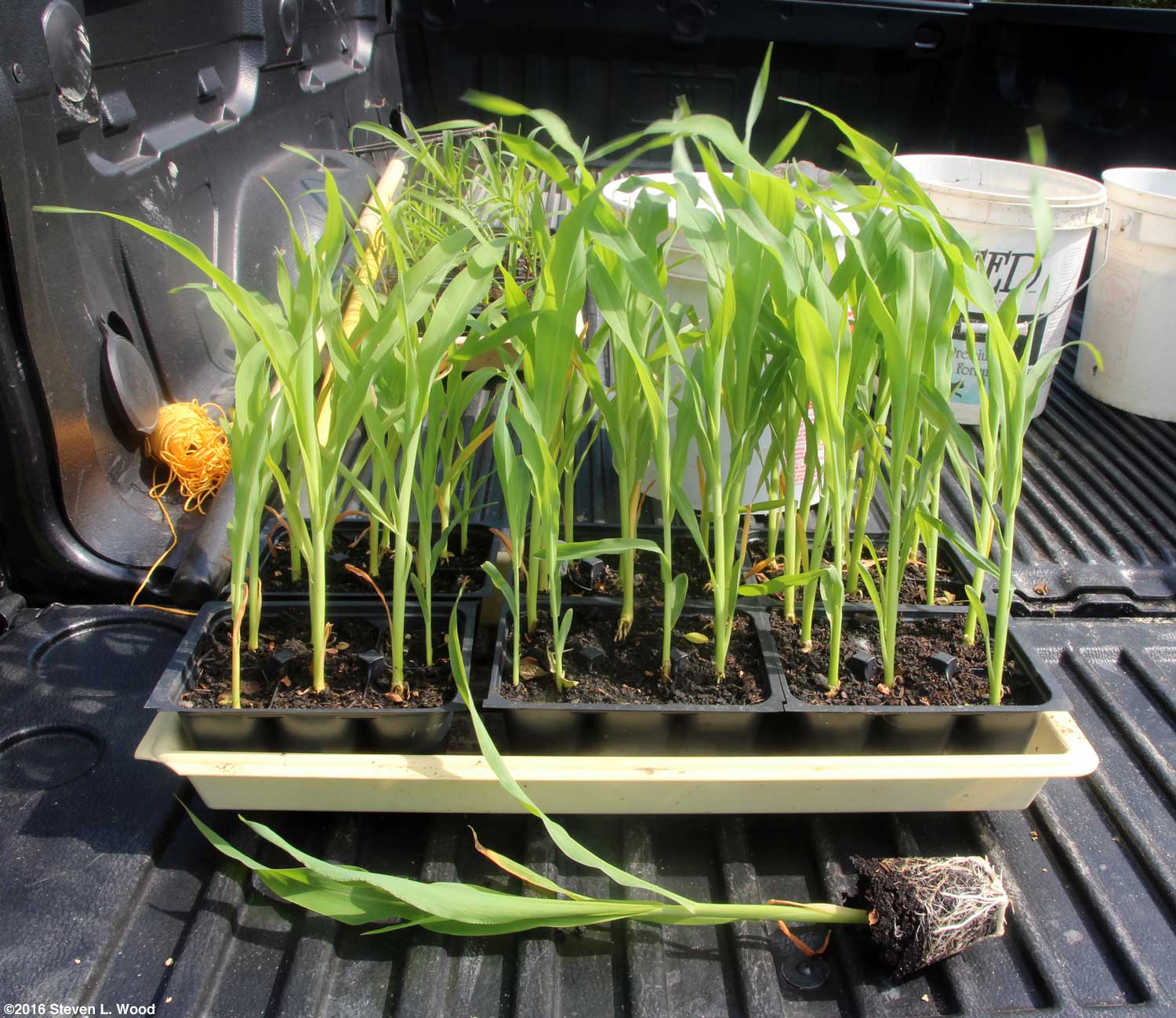
I seeded the corn into deep sixpack inserts, with 36 cells to plant in each tray. One tray went to Summer Sweet 6800R, a favorite, early 73 day hybrid we've grown for years. The other tray was planted to ACcentuate MRBC, an excellent 82 day bicolor hybrid for which seed is no longer available. I started these two together, as they're both sh2 hybrids and don't require isolation from each other. I plan to direct seed the other two sweet corns we'll grow this year, Summer SWeet HiGlow SS3880MR and Who Gets Kissed? The HiGlow hybrid is something new for us this year, as Twilley dropped our favorite full season hybrid. Who Gets Kissed is an open pollinated sweet corn we grew in our main raised bed last summer, only to have deer eat every ear just as they silked out.
I waited until late in the day to spray, hoping not to spray any honeybees and also to let some thunderstorms pass us by. The fruit tree spray is pretty nasty stuff. After I sprayed, we did get a few raindrops, but not enough, I think, to wash much of the spray off the trees. With another wet day today, I'm now definitely behind on mowing. I didn't mow over the weekend, as even when it wasn't raining, the ground was squishy. It's worse now! With what was basically a day off from gardening today, I headed for town and picked up gardening and other supplies. Pipe to install a pitcher pump on our shallow well was surprisingly expensive. But I've been promising that well pump to my wife for years. So it's time. This evening, I froze three pints of asparagus, although we've found our frozen asparagus not too appealing in the past. Our asparagus harvests are steadily dwindling, so this may end up being a short picking season for us.
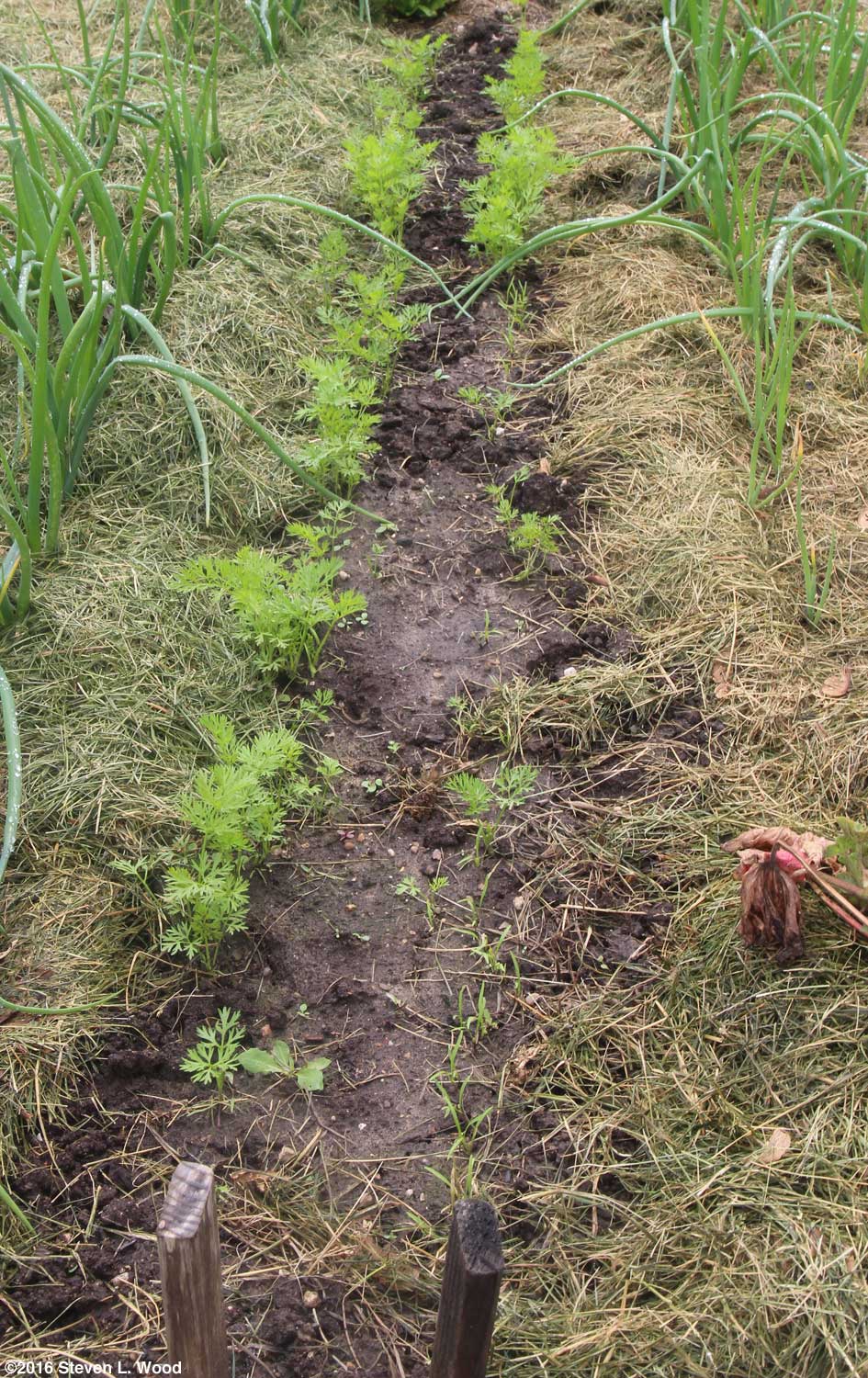
Even with pretty wet ground yesterday, I mowed our front, back, and side yards along with the pond lot (approximately two acres). I was able to rake several loads of grass clippings for mulch, which will get used as soon as they cool down. The mulch I previously put down in our main raised garden bed is already getting thin in places, allowing weeds to germinate. Besides adding a few seeds to our row of short peas and filling in some bare spots in our carrot rows, I used up the last of our cured mulch around our tomatoes and peppers.
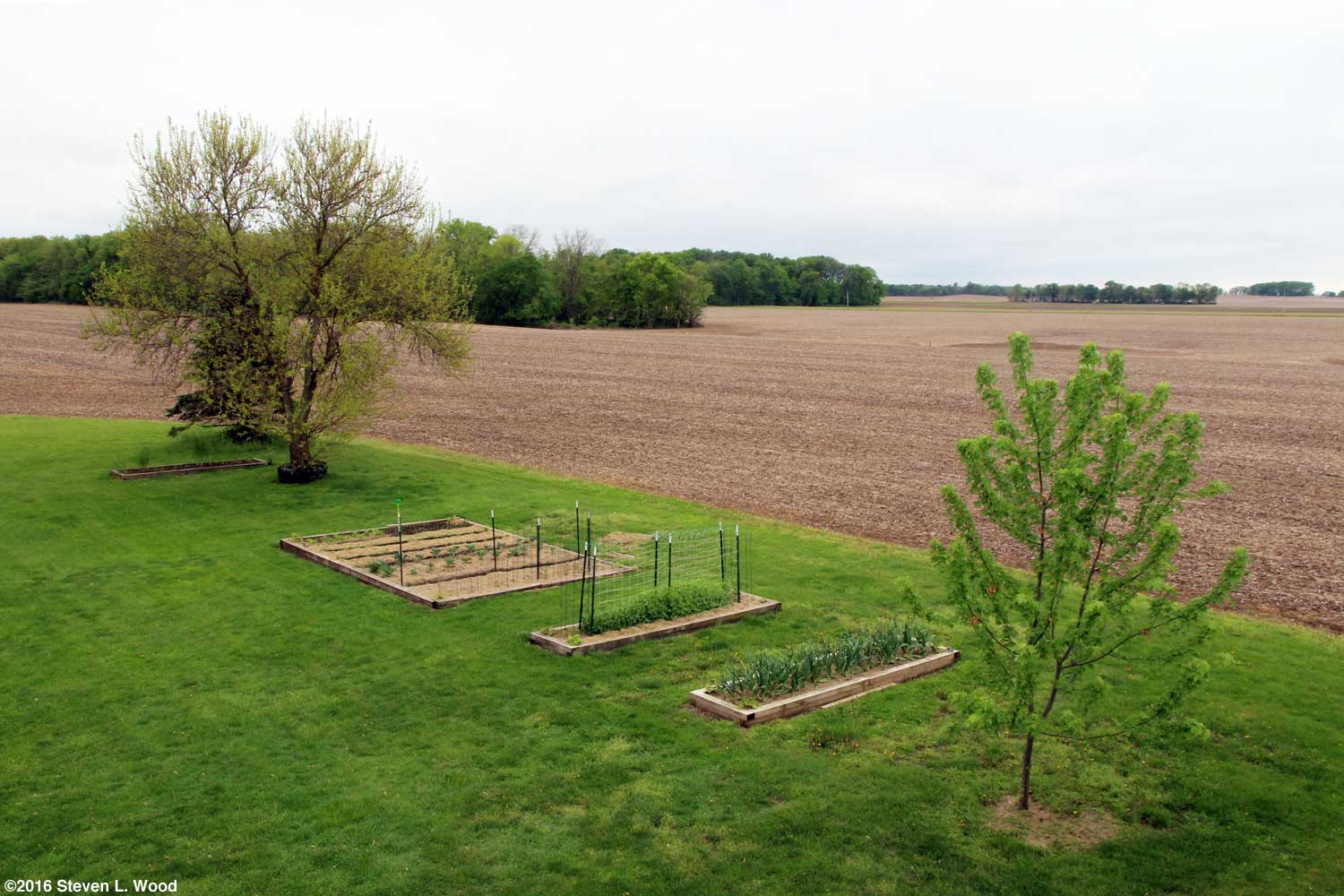
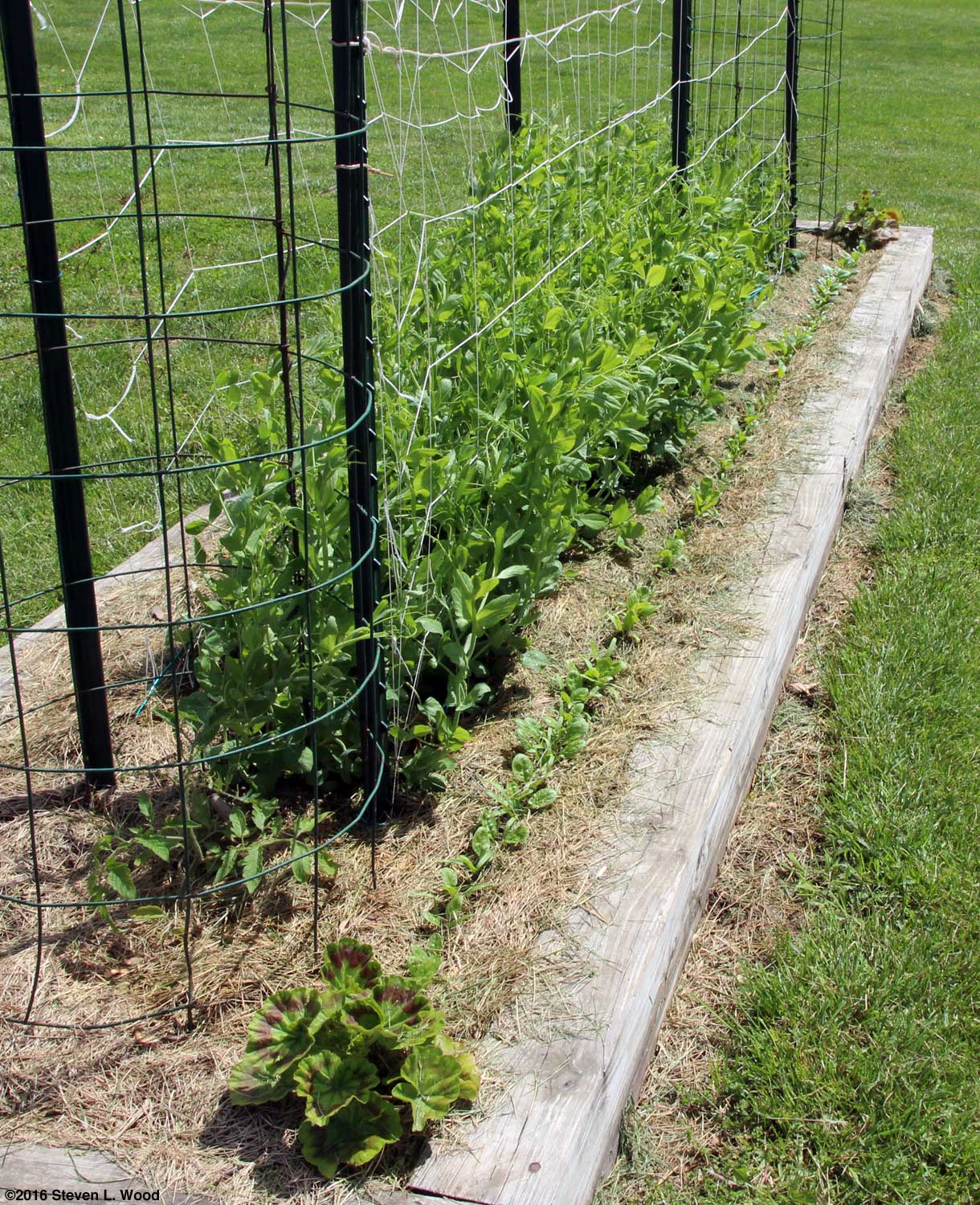
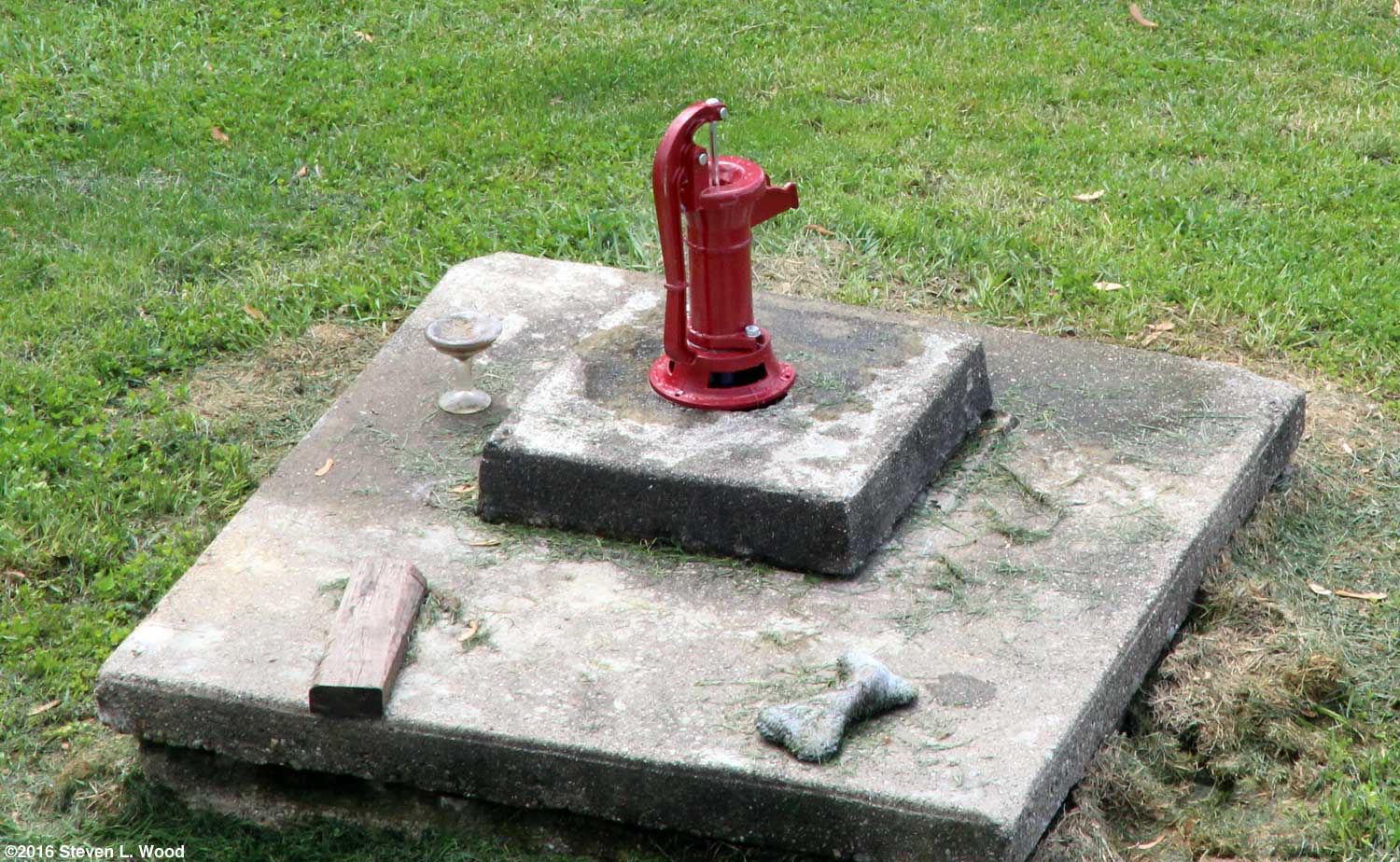
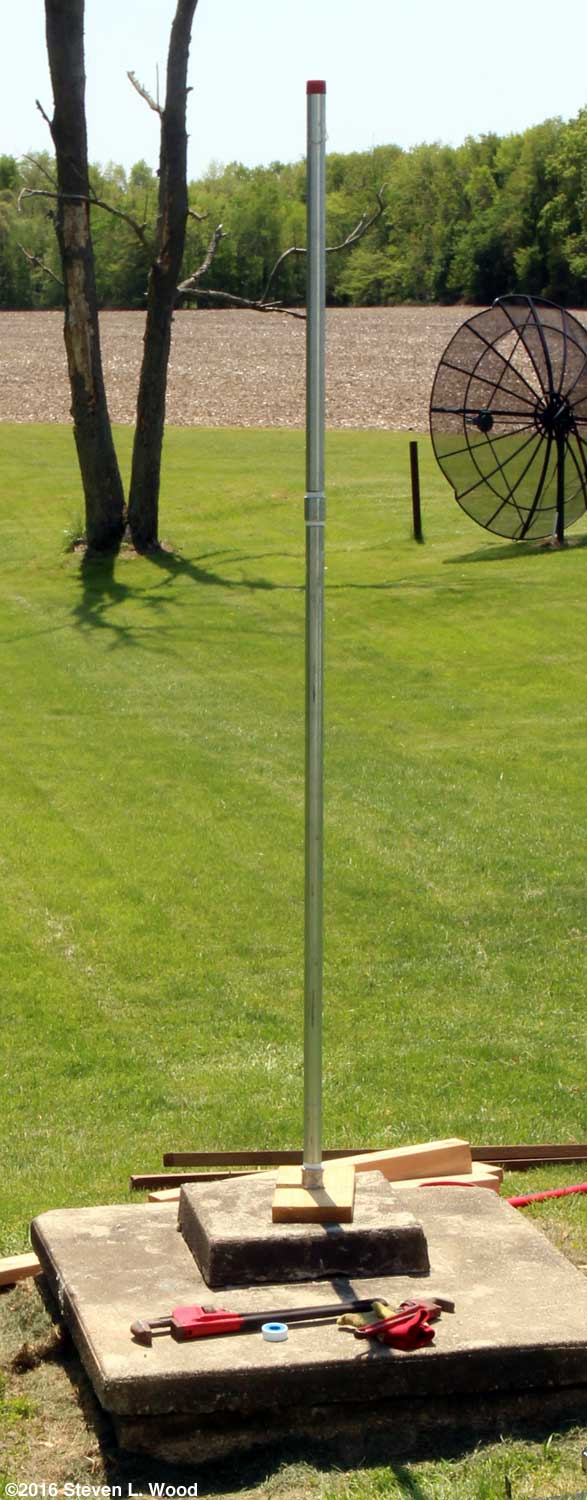
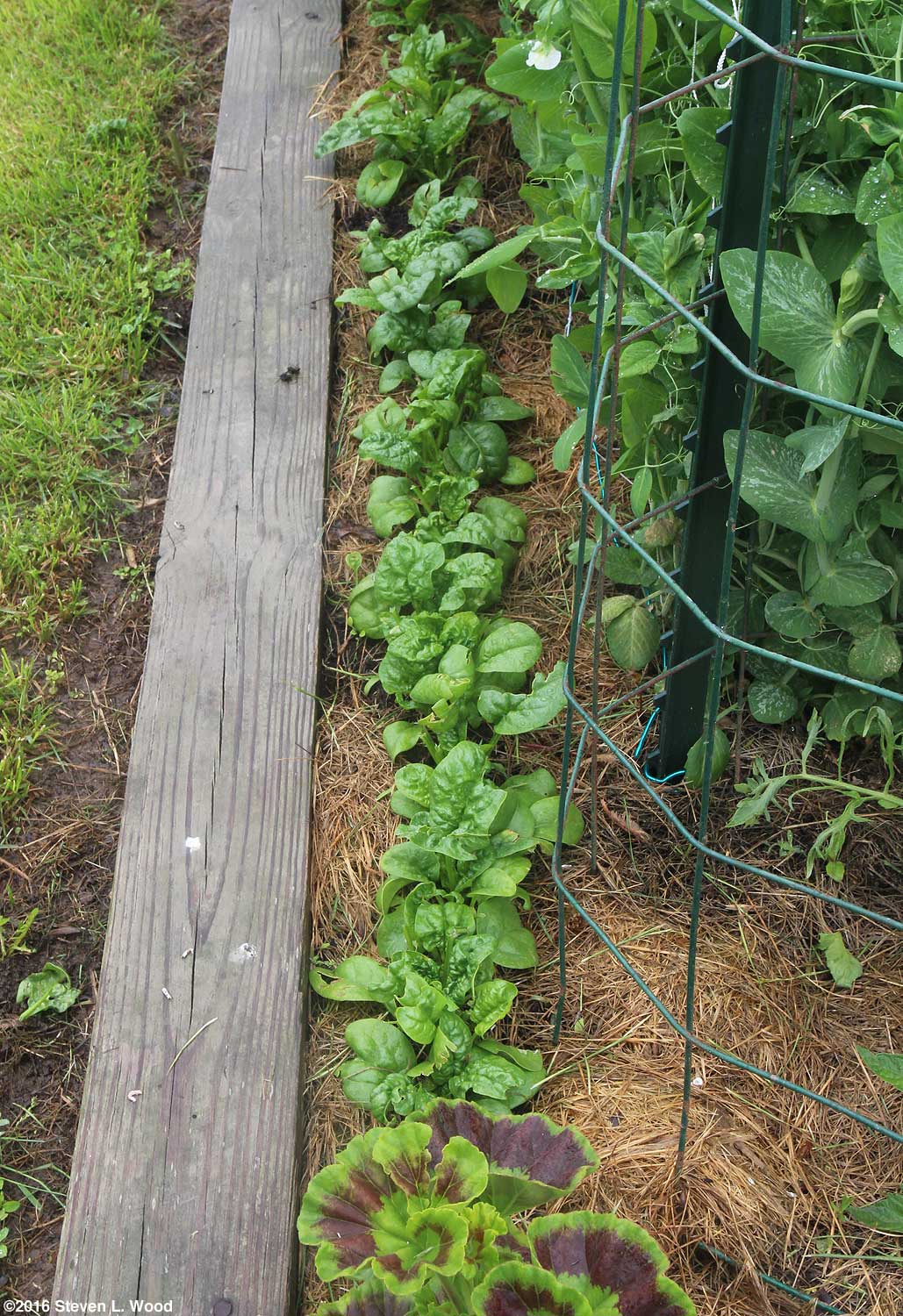
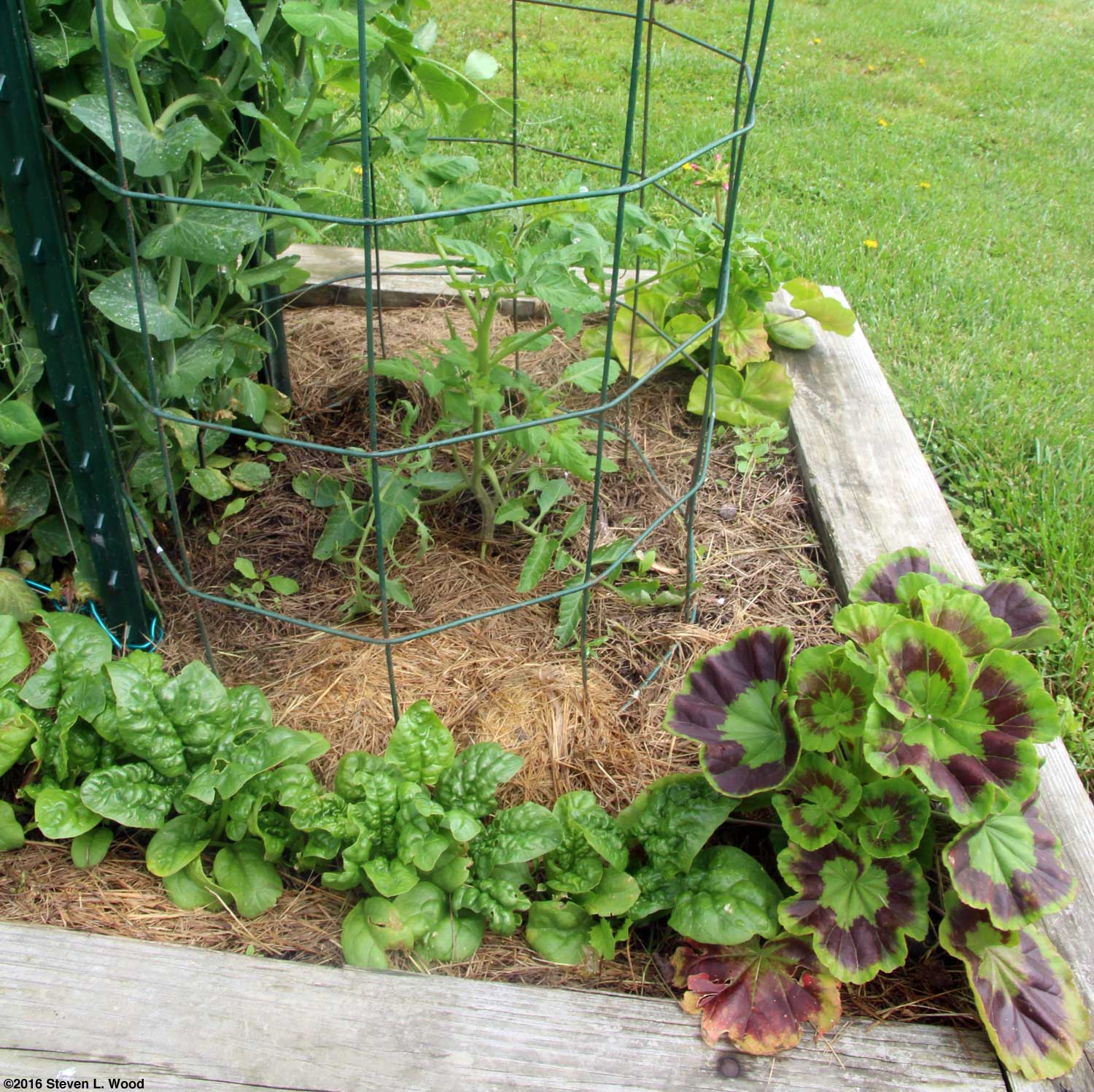
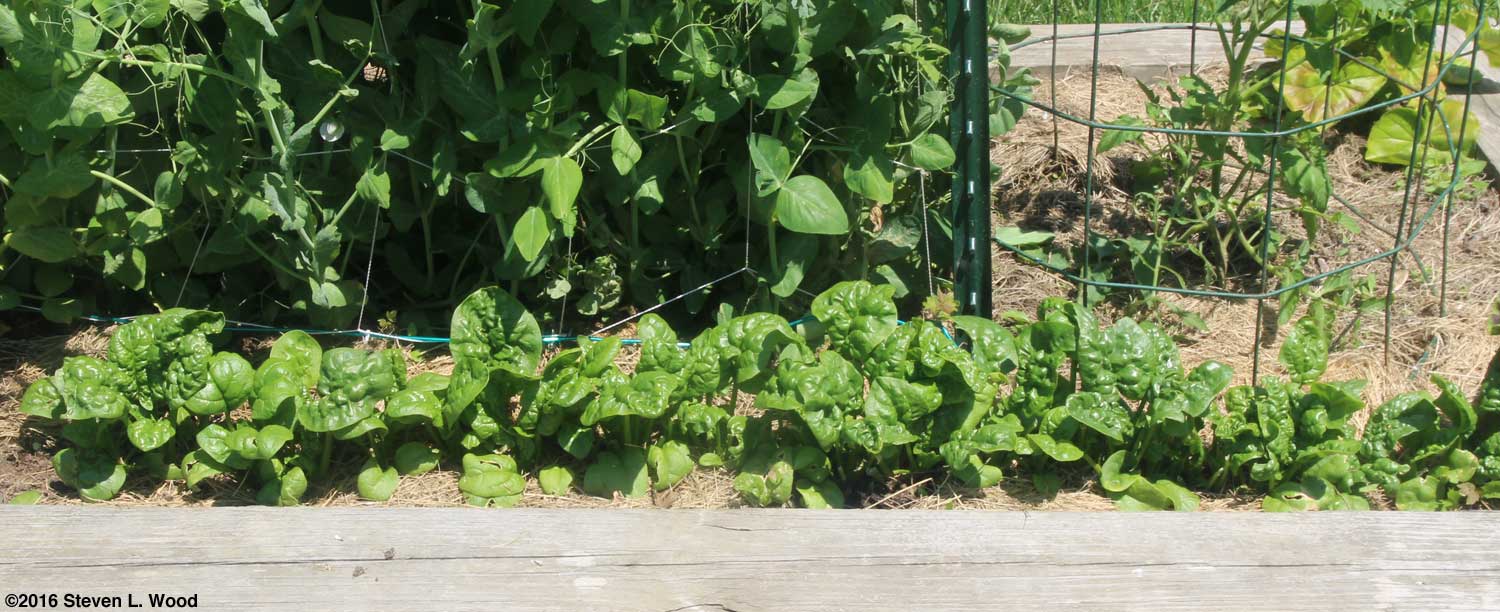
As I walked our main garden plots this morning on my way to pick asparagus, I was happy to see that our row of spinach is now putting on its first true spinach leaves. The bed is a good example of intensive planting, with a trellised row of early peas, the spinach, tomatoes on either end of the pea row, and geraniums marking the corners of the plot. Not being able to mow today, I returned my attention to a project I shopped for earlier this week. I hooked a couple of sections of galvanized pipe to the pitcher pump Annie gave me years ago and put them into the shallow well. I feared that the pump leathers had dried out in the long period they were stored in a spare bedroom. But after a bit of priming, the pump began to gush water as I furiously worked its handle.
When operational, the shallow well will give us another water source during the dry months of August and September to take some of the watering load off our rather puny deep well. Interestingly, the shallow well is plumbed into our basement. I have it capped off there, as when ground water levels get really high, it allows water to flow into the basement! Now, I need to dump a gallon of bleach down the well and go shopping for a pipe coupler (I counted wrong on Monday.) and the cedar lumber I'll need. I love working on projects like this one.
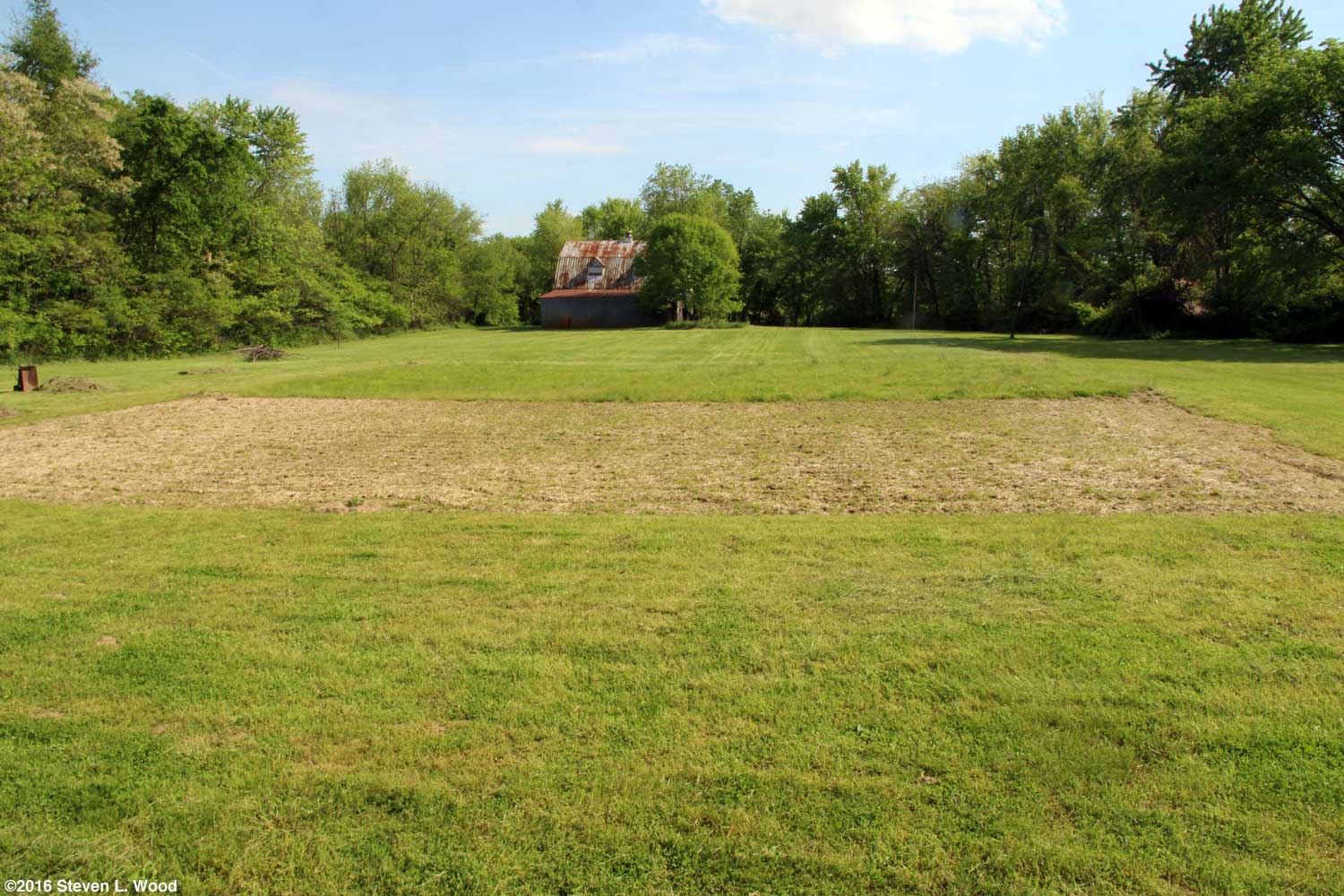
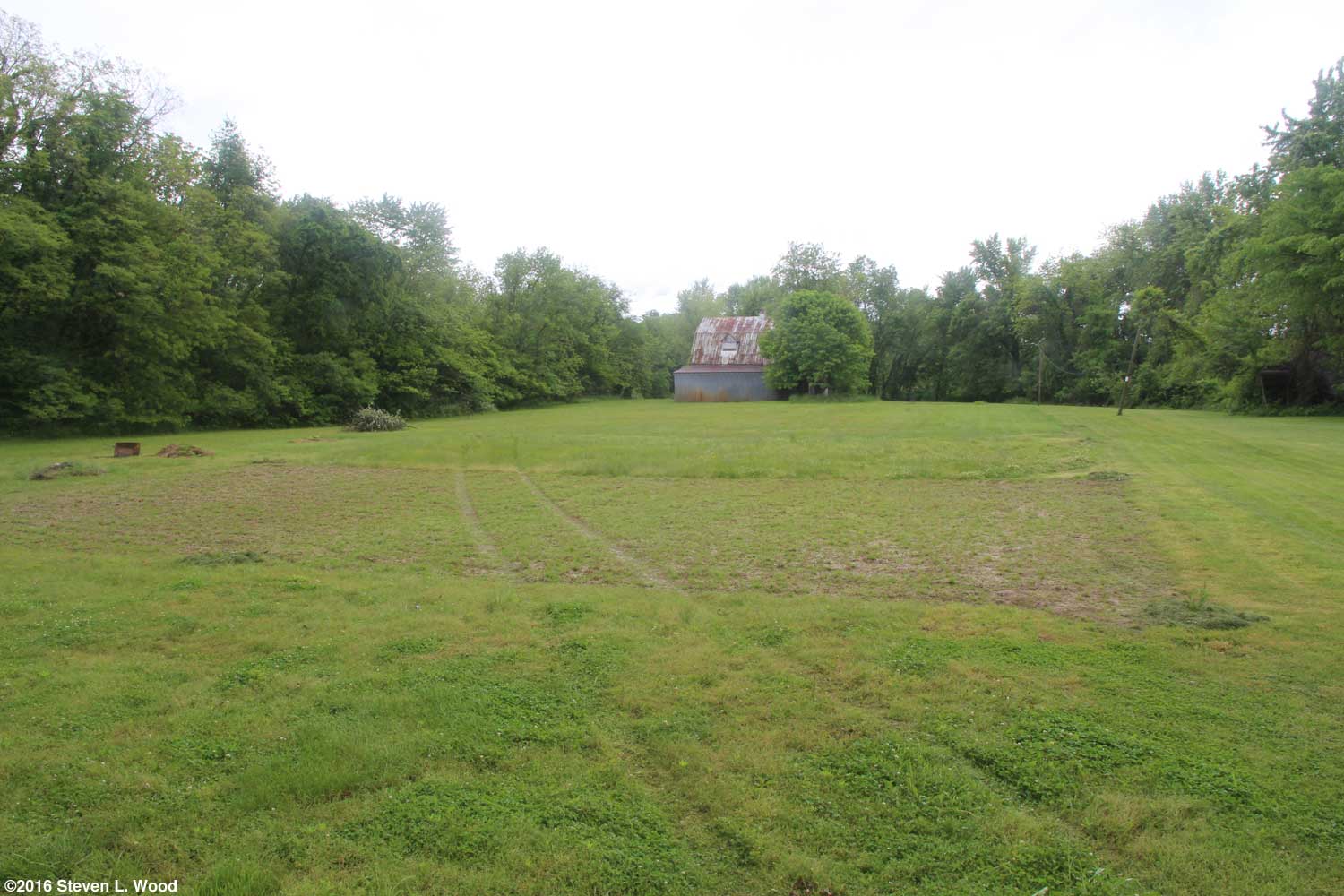
I really wanted to title this morning's posting as, "Sweet Corn's Up!" It would have been a true statement, but a bit deceptive. The two trays of sweet corn transplants I started over the weekend are actually what is up. The sweet corn area in the East Garden is still a sea of mud.
I was pleased to see that we got 86% germination from the 2012 ACcentuate MRBC seed and 97% with the 2014 Summer Sweet 6800R seed. I went back and pressed five more seeds into the empty cells of the ACcentuate flat. Transplanting sweet corn is relatively new to us. I'd thought about it for years, but didn't try it until 2014, when I started some ACcentuate MRBC plants to fill in gaps in our direct seeded sweet corn patch. The bicolor variety produced some of the tastiest roasting ears we had in what was a very good year for sweet corn.
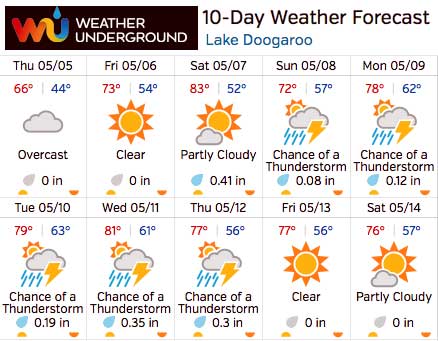
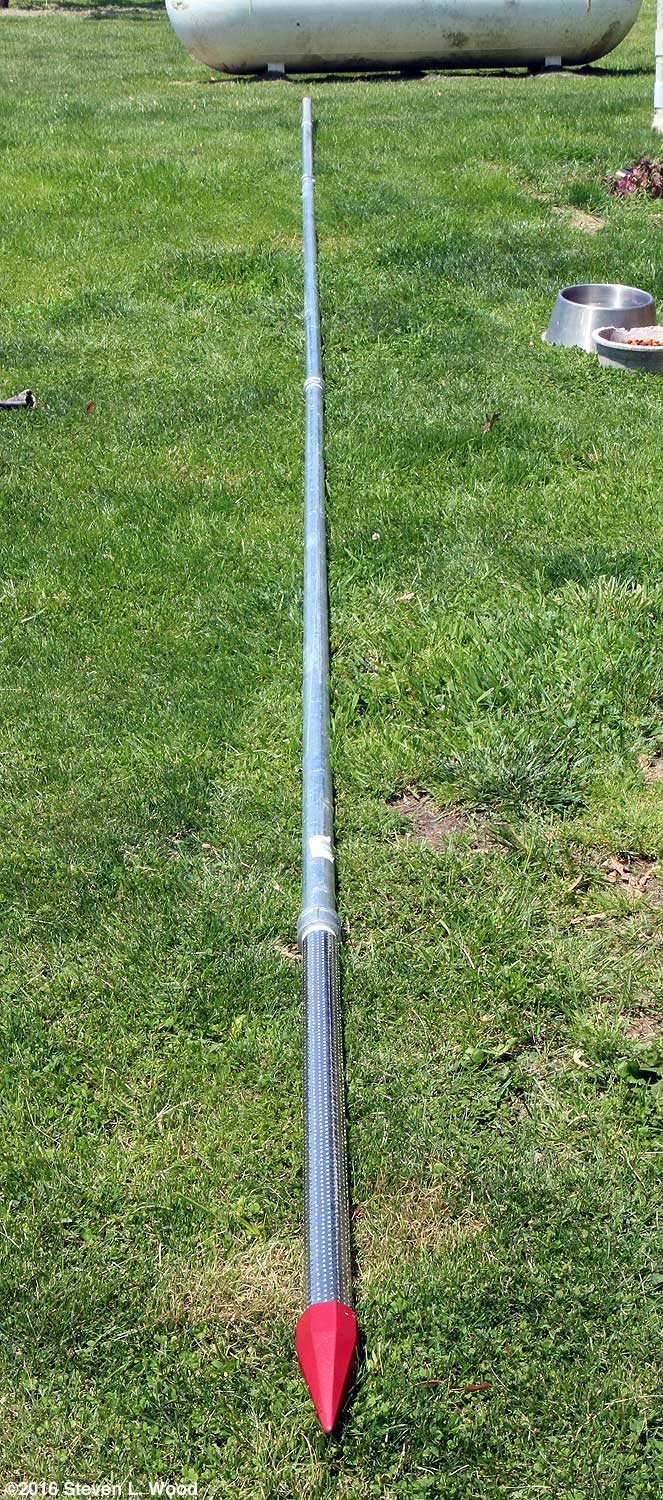
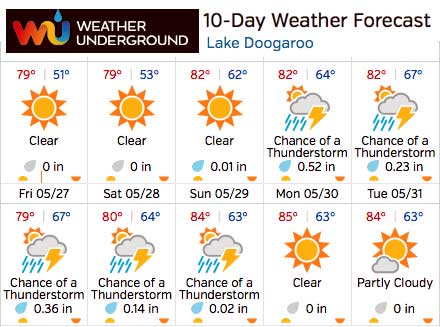
By the time the East Garden finally dries out, and we get to transplant and direct seed sweet corn into it, the soil may be rather warm. Our current extended weather forecast is a nightmare for farmers and gardeners needing to till and plant. I'm excited about our sweet corn varieties for this year. After last year's disappointment with the new, open pollinated, sugary enhanced Who Gets Kissed, I'd like to see what we get from it. I wasn't thrilled that Twilley Seeds dropped our previous, full season sweet corn, but their new Summer SWeet HiGlow SS3880MR sounds good in the plant descriptions. Of course, growing one open pollinated, two sh2 supersweets, and whatever the HiGlow is has presented some isolation problems. That led to me starting the sh2 transplants. I'll also have to stagger the seeding of the Who Gets Kissed and HiGlow by ten days to two weeks to avoid cross pollination problems, as I want all of our sweet corn in one area to protect it from deer (and later, raccoons). But all of that should extend our picking time for sweet corn by several weeks. Taking It Easy I'm taking it easy today after messing around yesterday with a heavy pitcher pump mounted on equally heavy galvanized pipe. My shoulders are really sore this morning. Fortunately, when I actually put the pipe in for real, it won't be top heavy with a twenty pound pitcher pump. The pipe gets driven in first. Then I'll attach the pump. Of course, yesterday's pump test was with only 15' of pipe attached. When I do it for real, there will be 28' of pipe! It's a rather deep, shallow well.
Friday, May 6, 2016 - Shallow Well Pump Installed
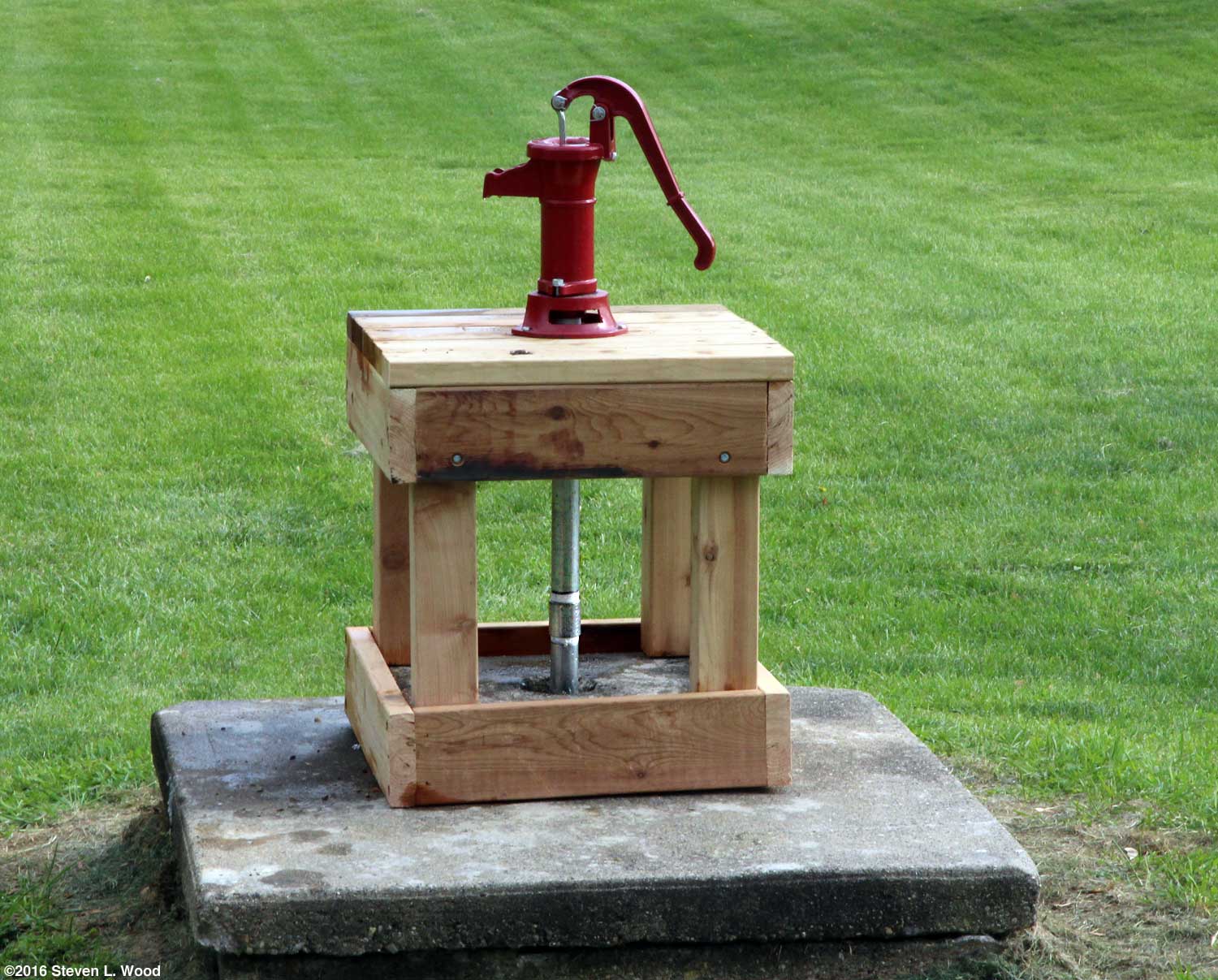
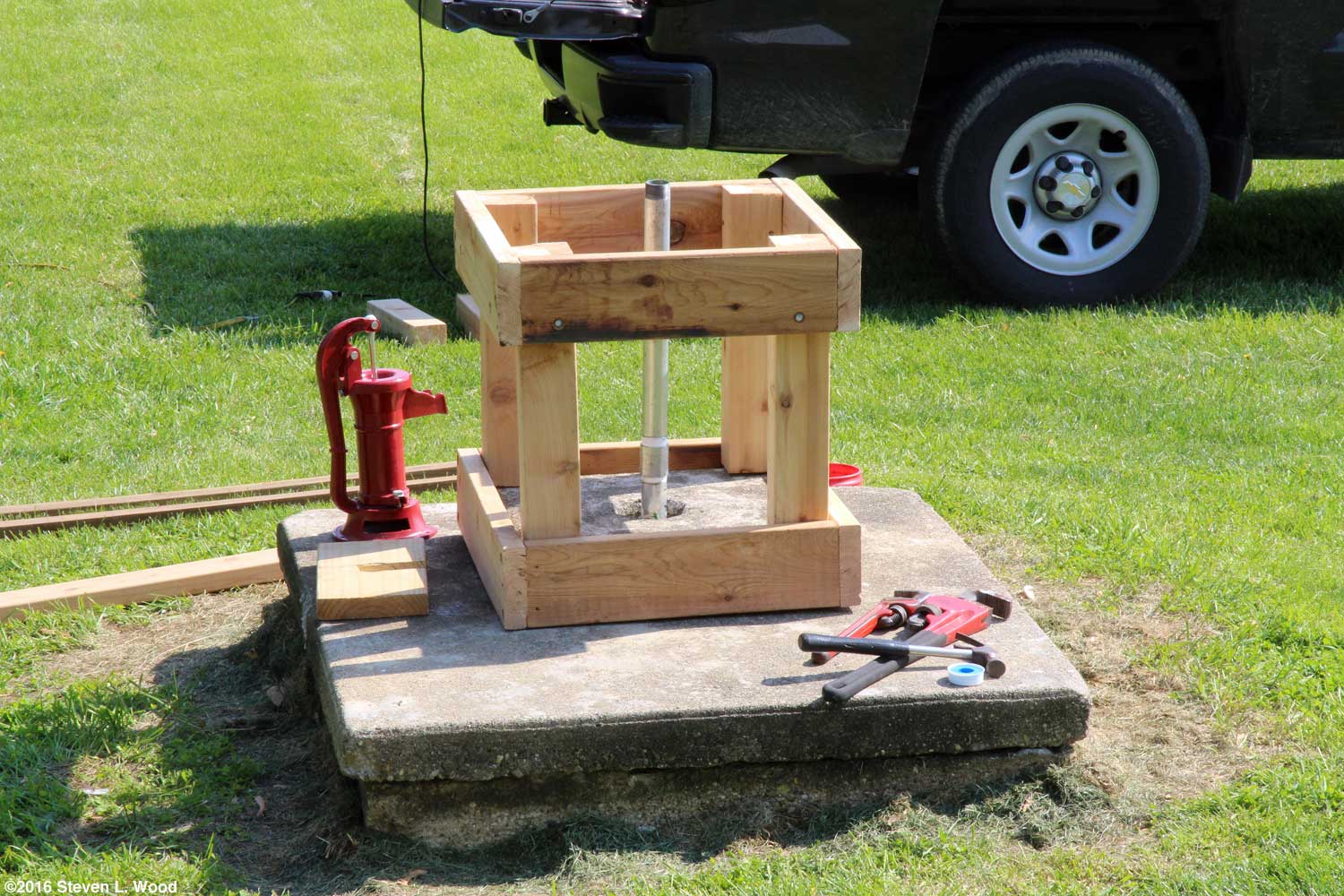
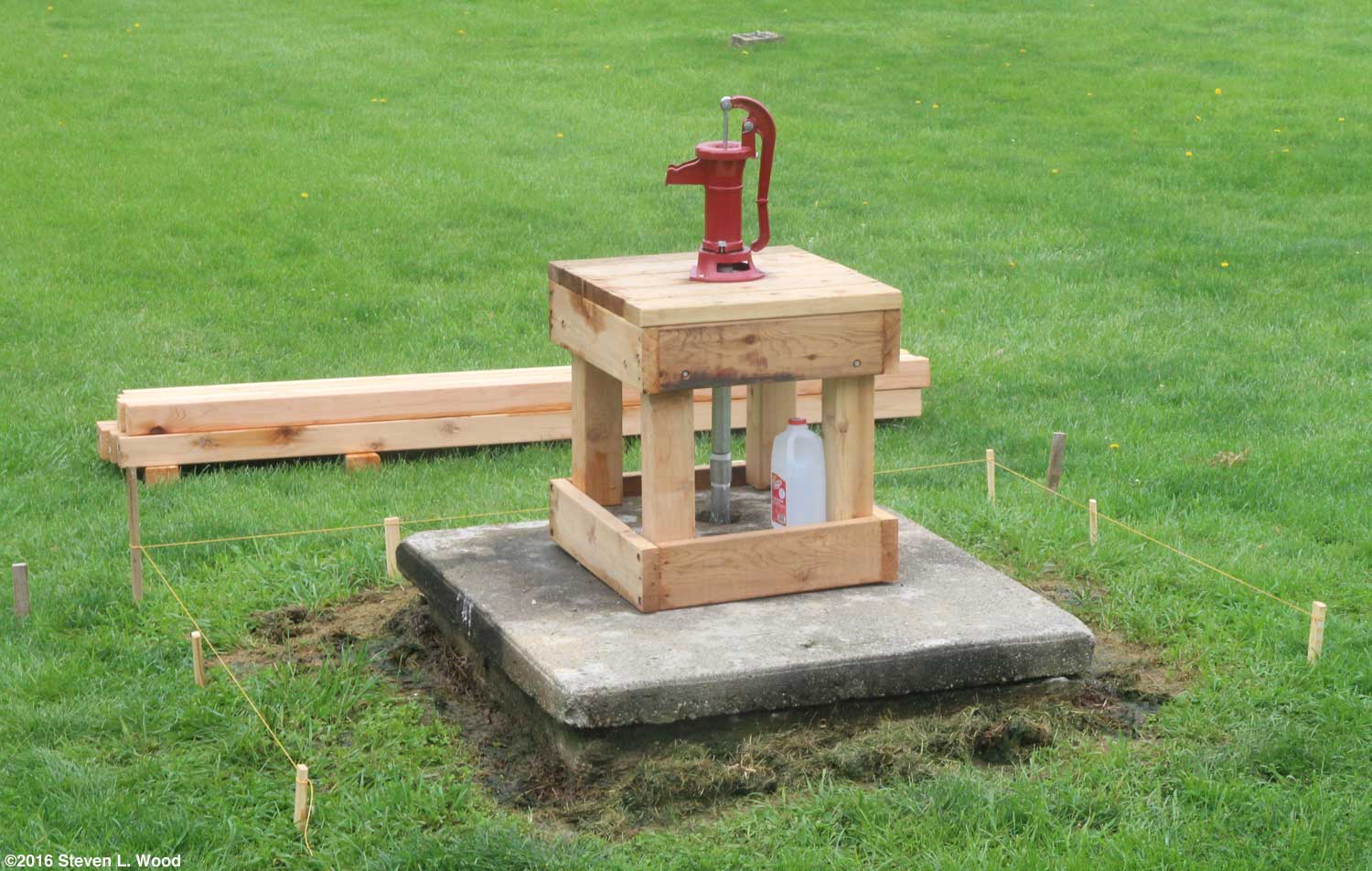
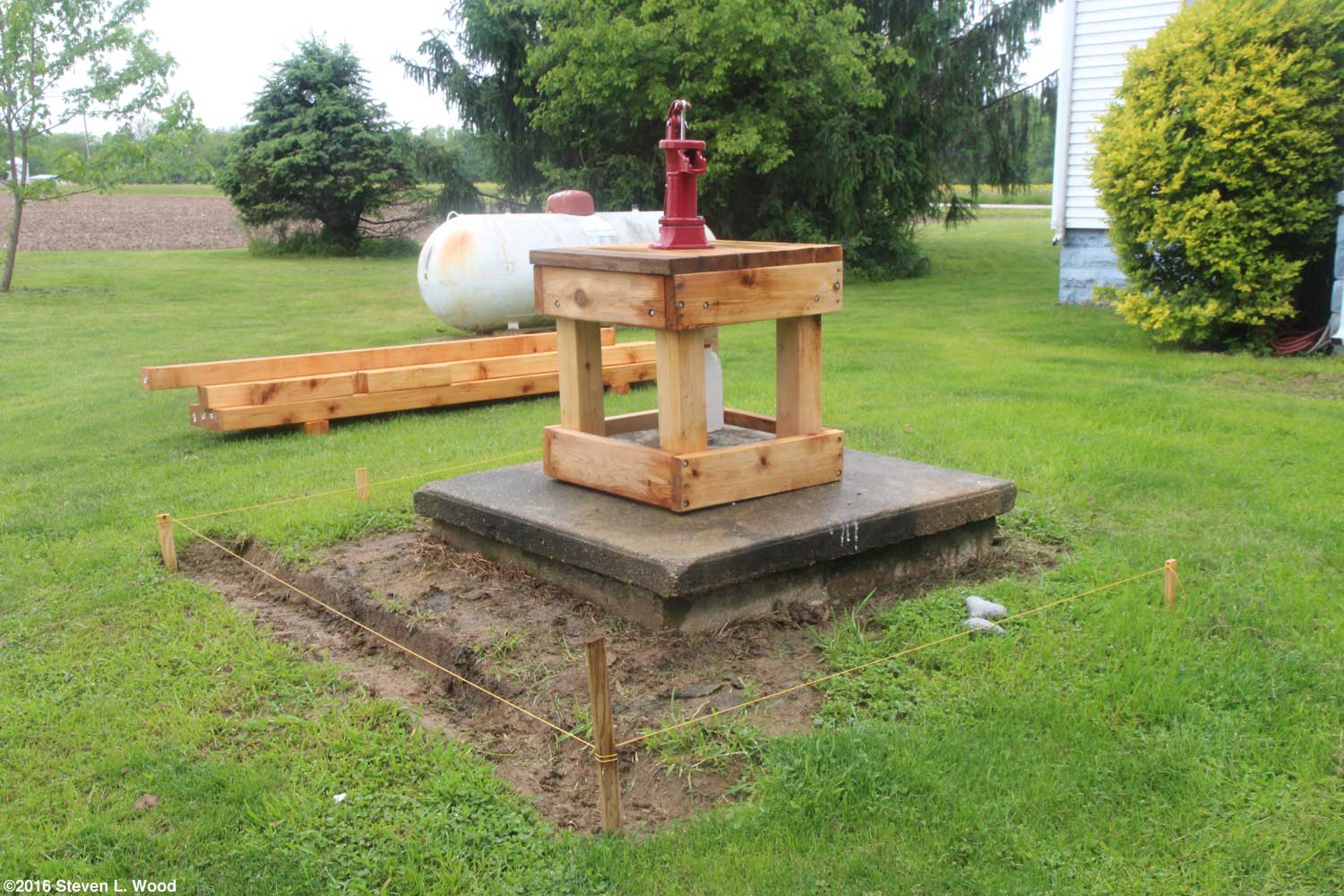
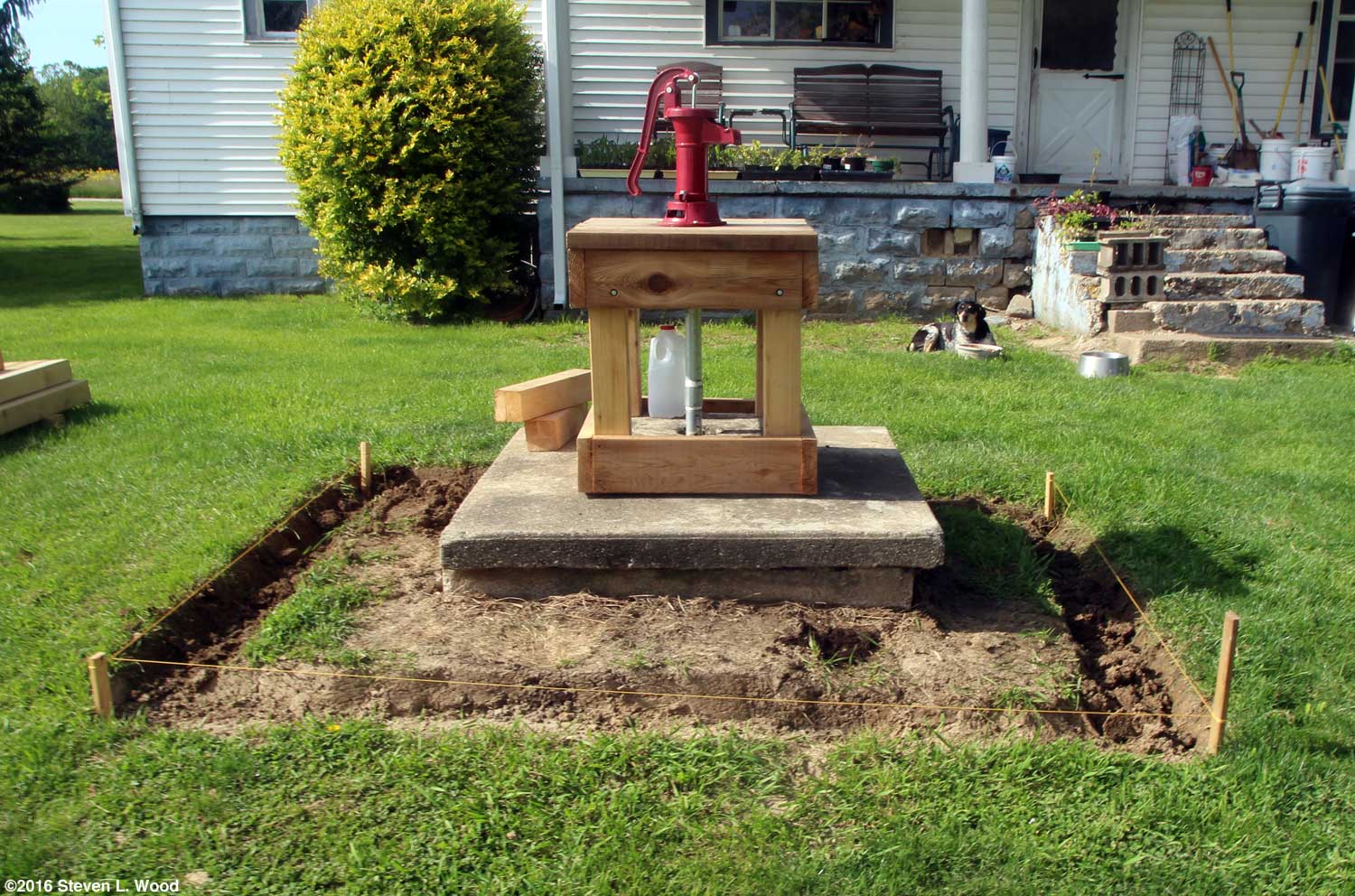
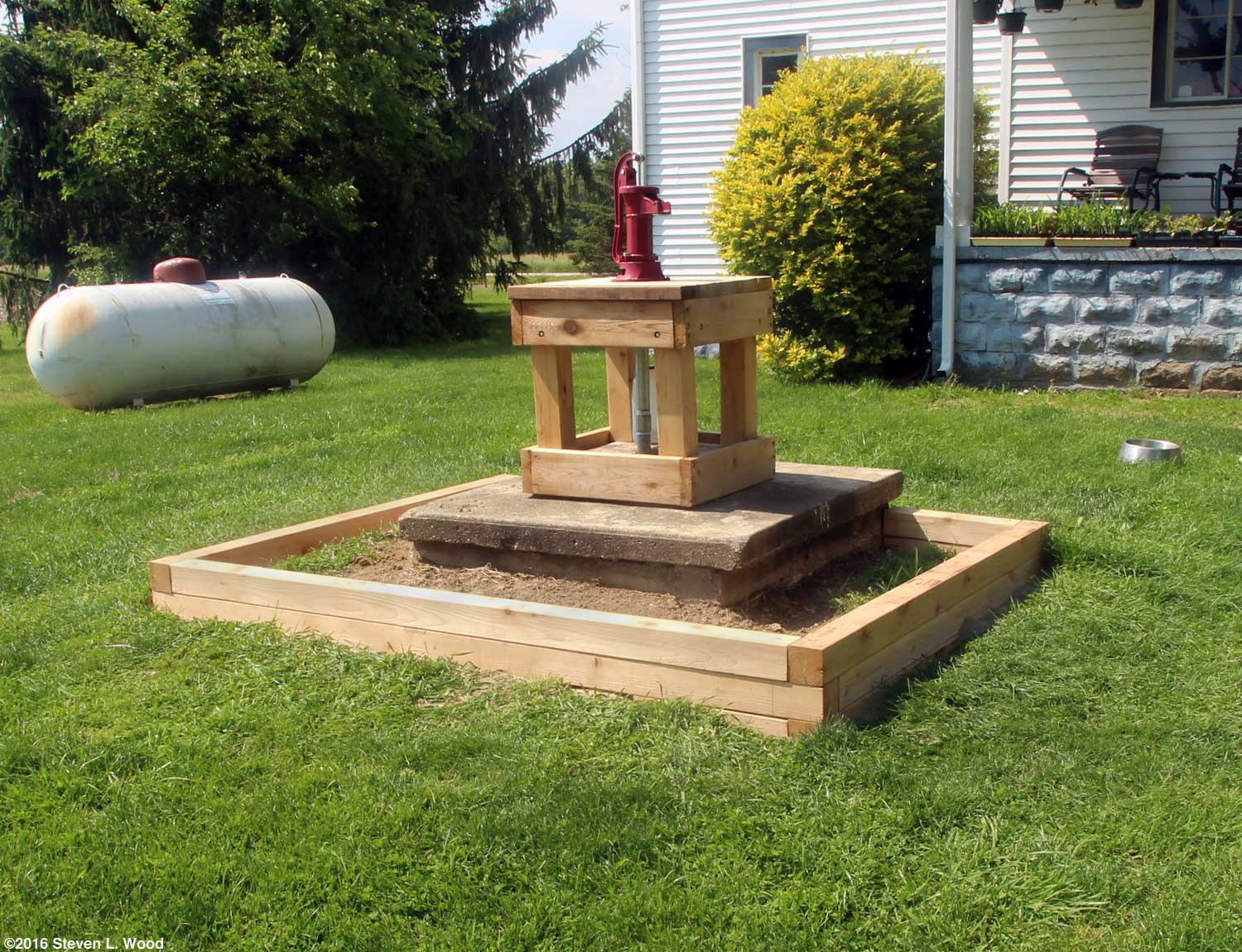
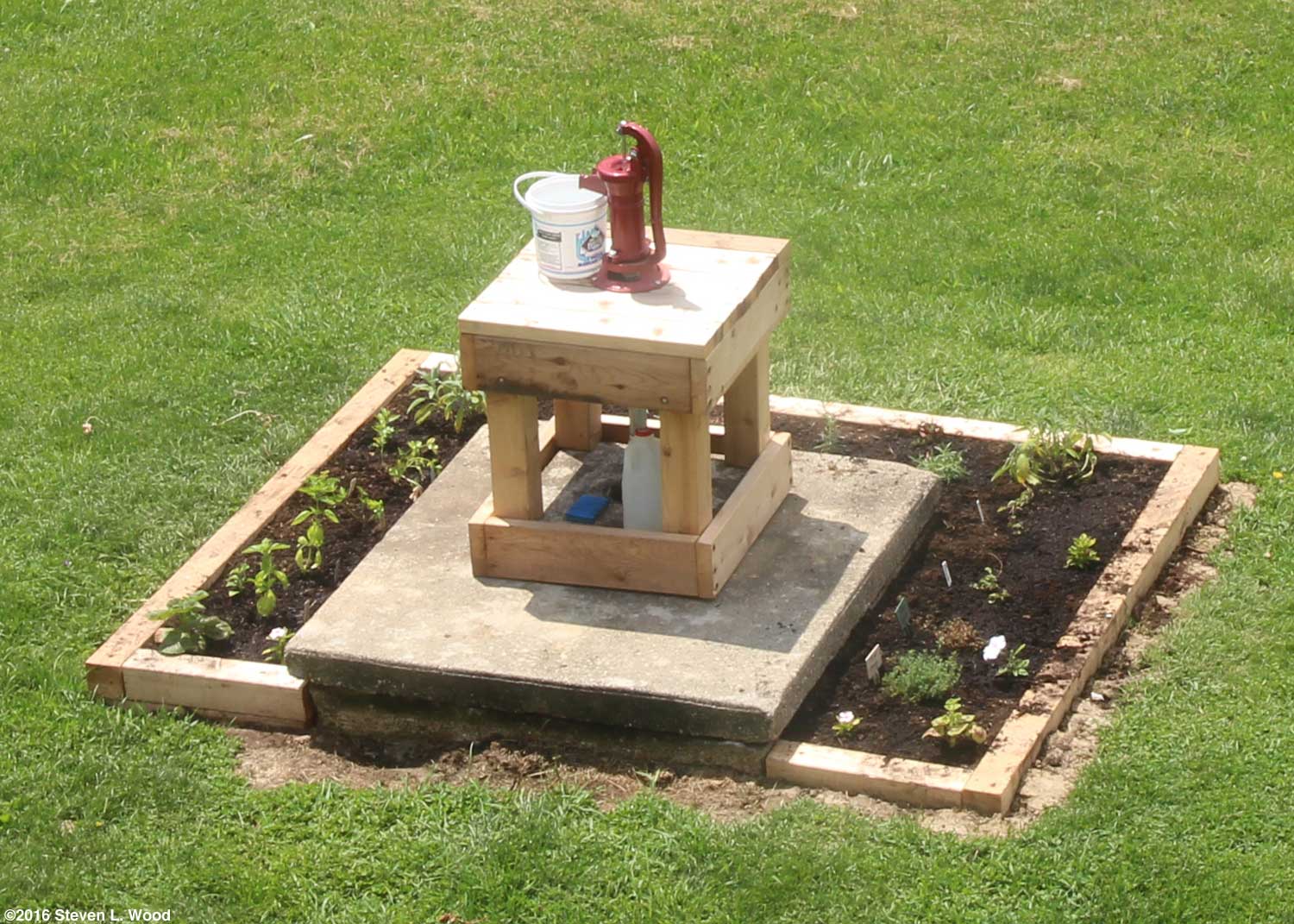
Construction of a stand for the pitcher pump took considerably longer than I had planned. While I used nails to tack the stand together, it's actually held together with lag bolts. They required drilling pilot and counterbore holes to sink the bolts and place the hex heads below the board surfaces. A two inch drill bit from a barrel lock installation kit was used to make the hole for the well pipe in the one and a half inch thick cedar tabletop. Having hopefully disinfected the well of any nasty bacteria with shock chlorination on Wednesday, the well water isn't yet ready to use for watering, much less drinking. Pumped water is still a little cloudy looking with a slight chlorine bleach smell. Since our primary use for the well water will be watering the garden, I'm not too worried about bacteria in the water.
The base of the well pipe was fitted with a stainless steel well point. It's something usually used when someone is driving a well, not in an already dug well. There's about eight inches of mud at the bottom of our well which might have anchored the well pipe. I drove the well point about six inches deeper than the mud to be sure I got the pipe anchored. Note: My lovely wife, Annie, gave me the pitcher pump and well point years ago. Whoever sold it to her said I'd need the well point. With our dug well, I could have suspended a pipe about twenty feet down with some kind of screen cover and probably have done just as well. I still have a few bolts to attach and the base to lock down, but the pump really is functional...at last!
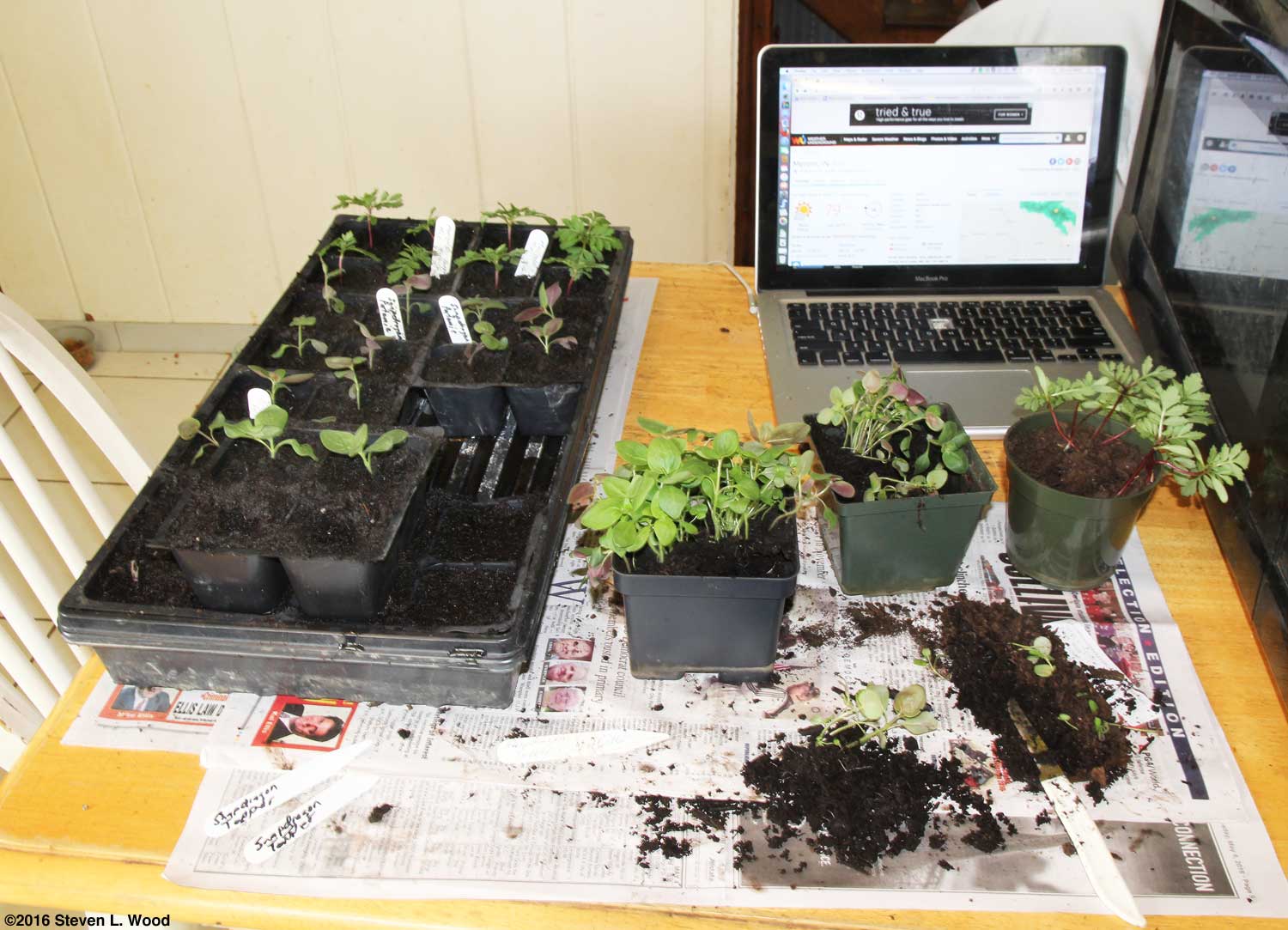
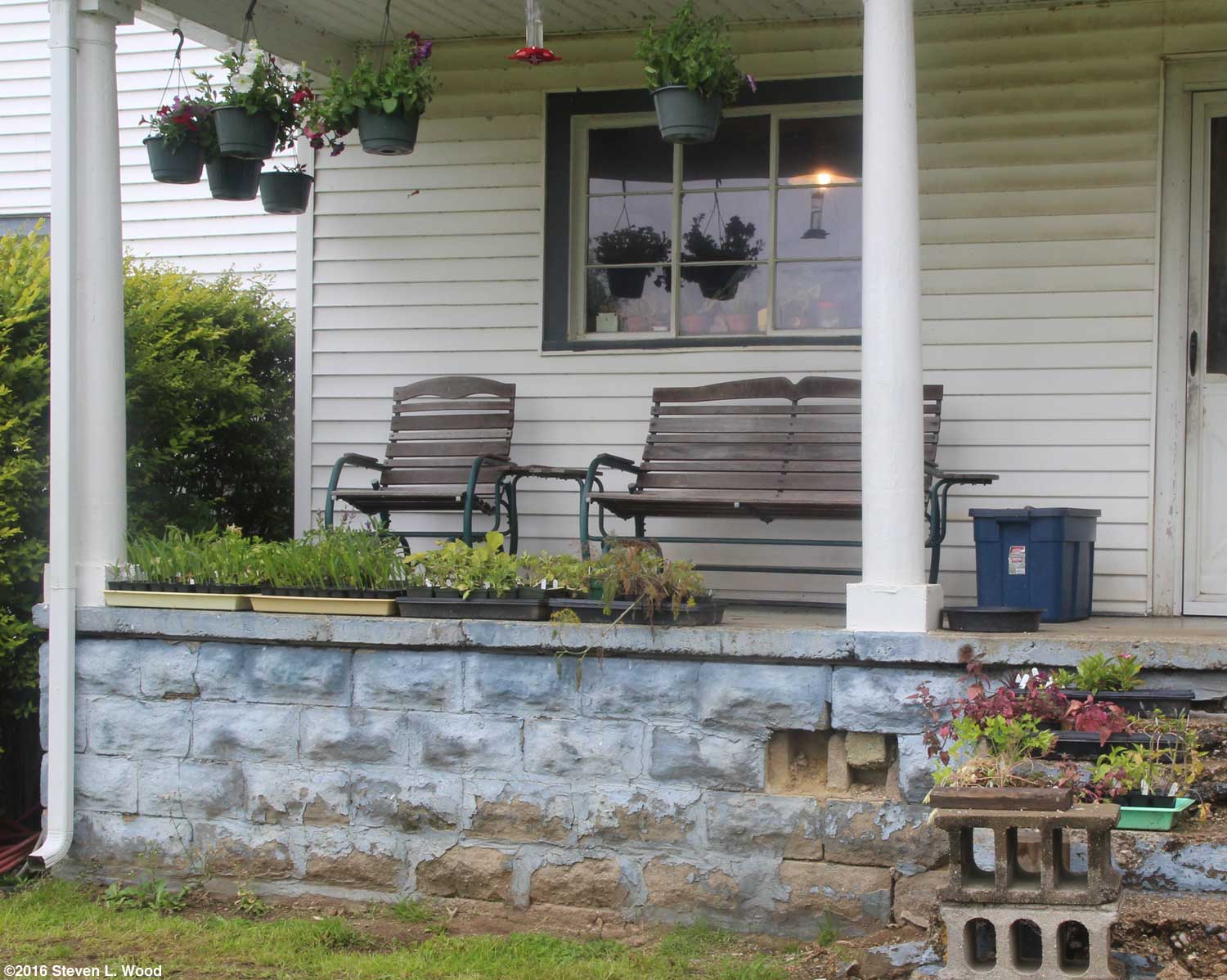
I did get some plants moved from communal pots to fourpack inserts today. I moved marigolds and snapdragons into larger quarters. Sunday, May 8, 2016 - Crop Failure
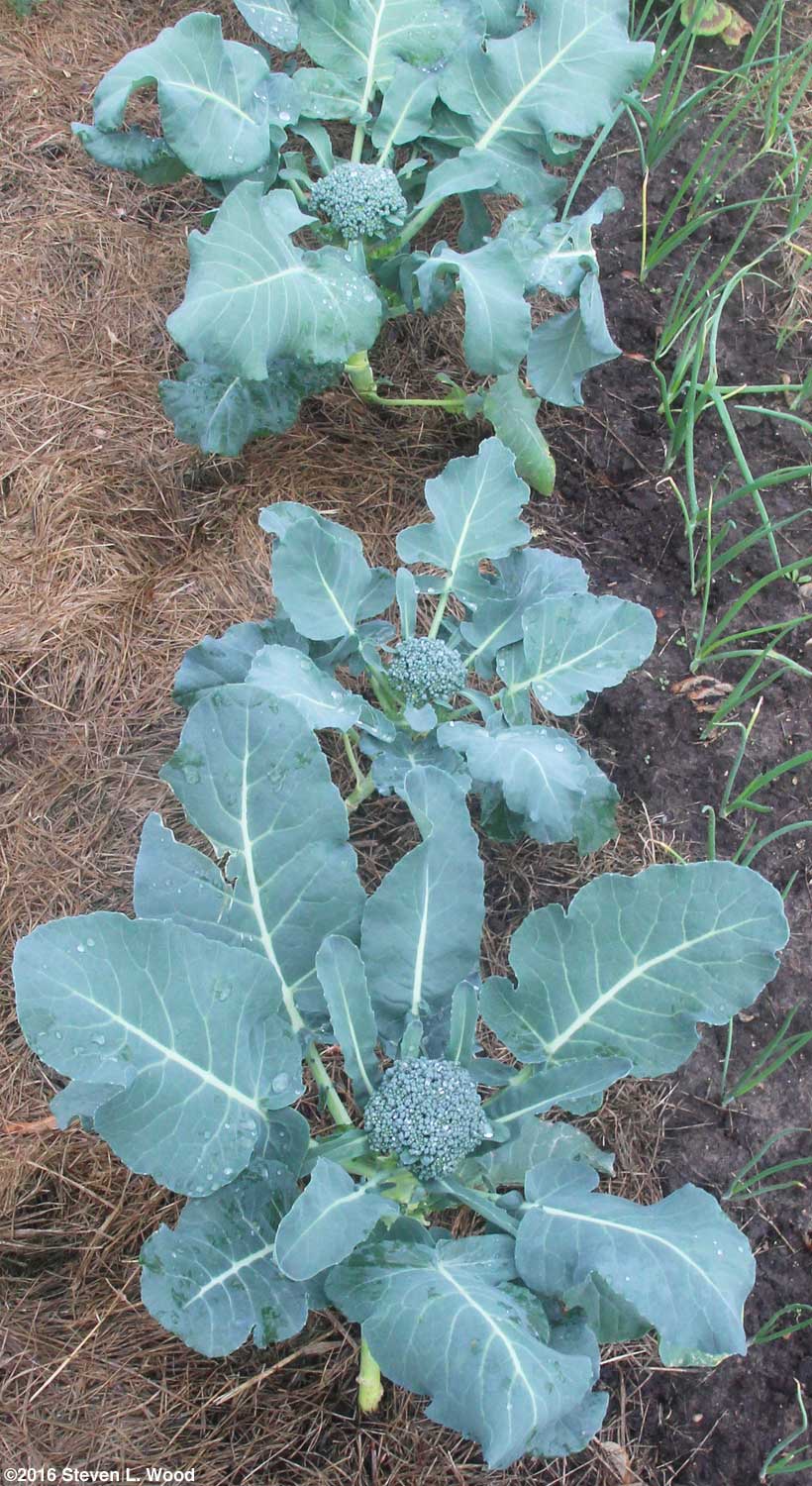
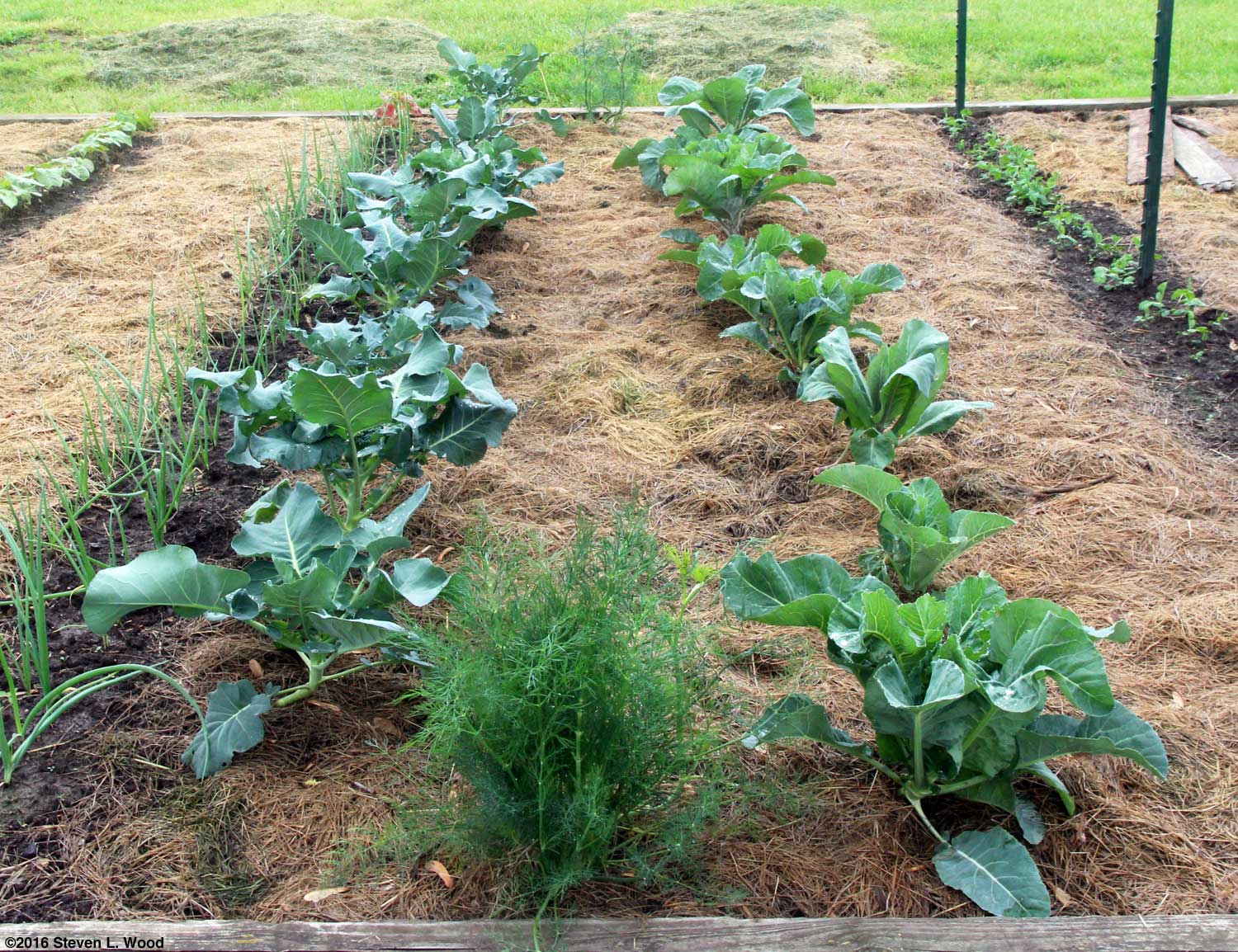
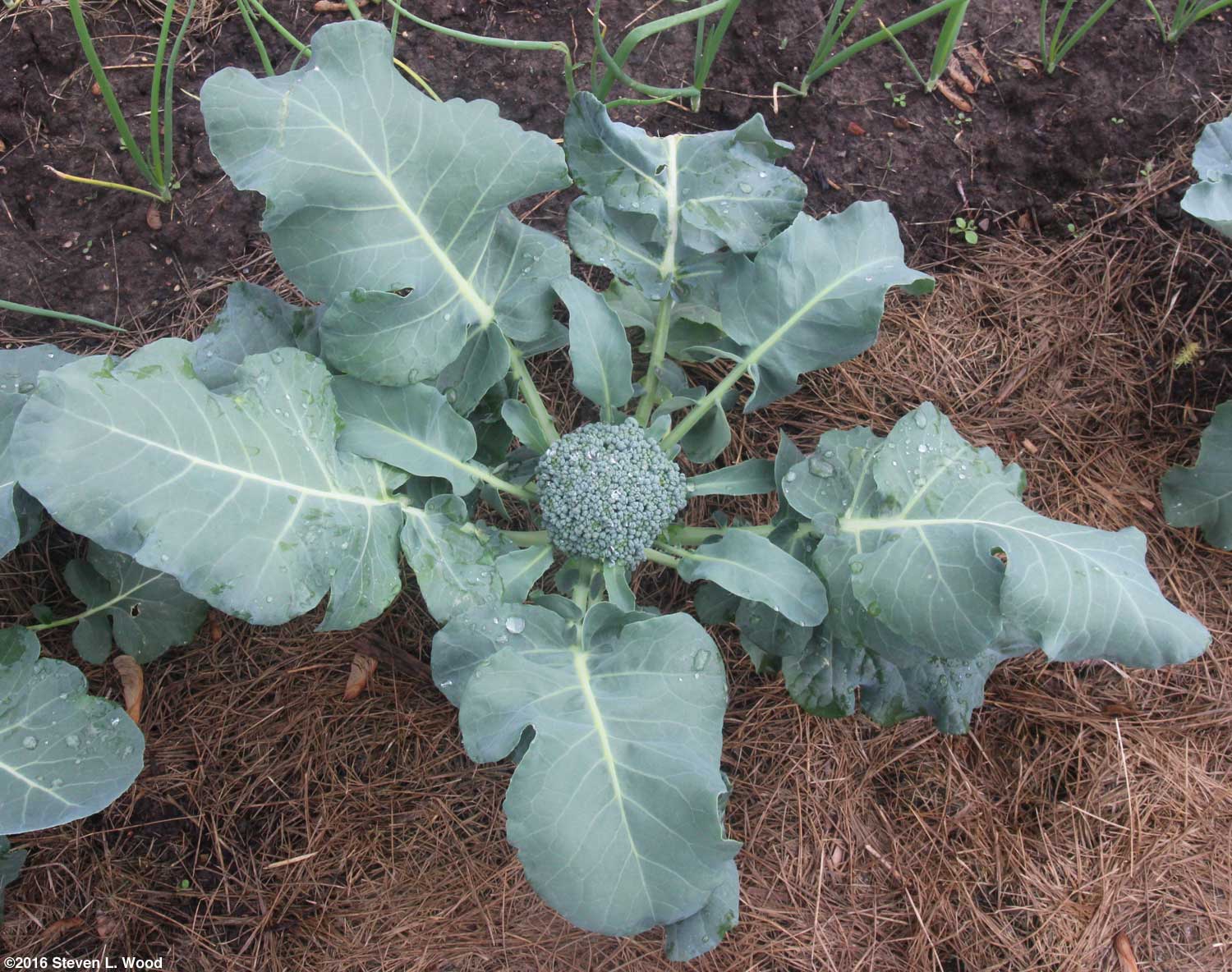
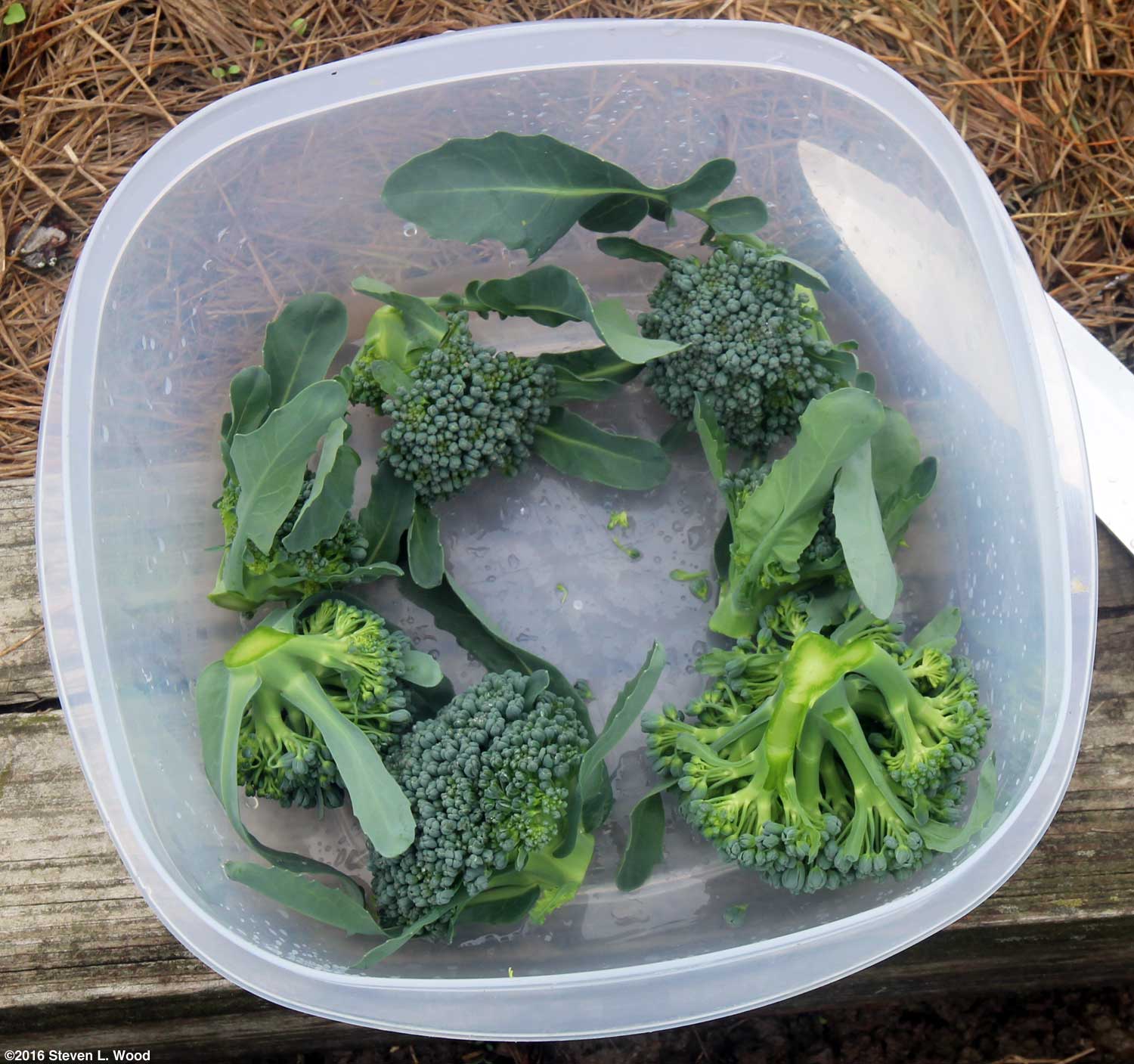
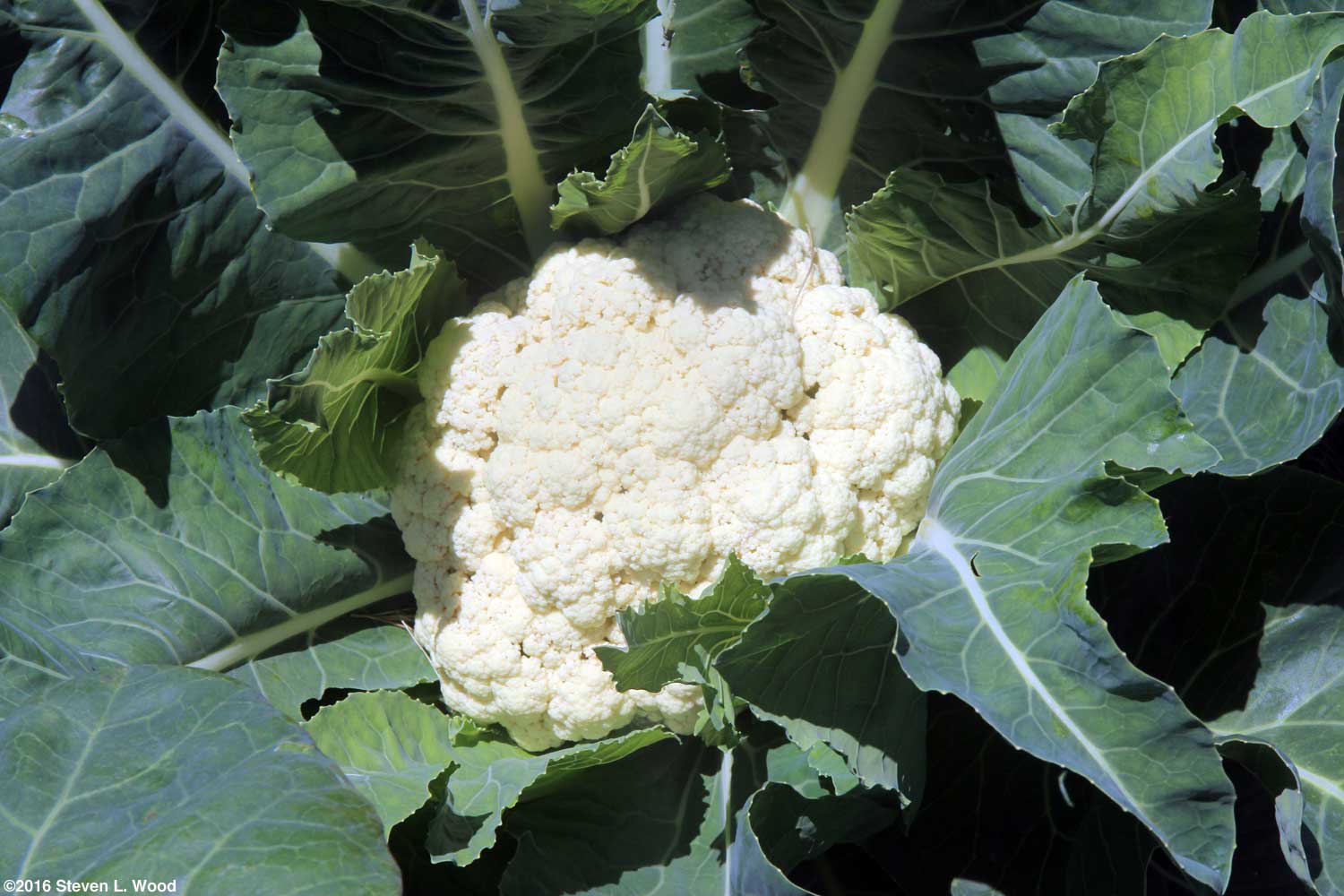
A little checking online named the problem as "buttoning." Apparently, broccoli that is stressed in some way (temperature, soil fertility, root bound transplants, etc.) can fail to head or may produce premature heads instead of the softball to soccer ball sized heads we usually get. I went ahead and cut the small heads of broccoli, not wanting them to go to seed. The plants may yet produce good sideshoots, or possibly even a main head. If not, we'll get another shot at it with our usual fall crop of broccoli.
I've added a section on buttoning to our how-to story, Growing Great Broccoli and Cauliflower. And I had wondered what I would have to write about here today! Why I Have My Own Rain Gauge Since I mentioned emptying our rain gauge, I'll add a comment here. As some pretty strong thunderstorms passed just south of us last night, I checked my favorite (and nearest) Weather Underground reporting station to see how much rain they'd recorded. The site showed 1.75 inches of rain...just before the site went offline. Our rain gauge this morning had 0.40 inches of rain in it. I'm guessing that both the 1.75 figure and our 0.40 are accurate. The Wunderground site is less than a mile south of us, but the weather radar last night had them in a red zone (very intense rainfall rate) while we were in a green zone (less intense rain). Calculating How Much Fertilizer Our Sweet Corn Will Need Years ago, I struggled to be able to afford enough fertilizer to grow good field corn on the 26 tillable acres of our old 40 acre general purpose farm. Last night as more rain fell on our already soggy East Garden, I struggled to calculate an application rate of nitrogen (the N in NPK) for our 25' x 25' patch of sweet corn this year. Every time I ran the calculation for a hundred or two hundred pounds per acre of N, it seemed to give a figure far too low. I guess that may be part of why I'm now a happy gardener with a few pennies in my pocket rather than a struggling, poor farmer. I knowingly bought far more commercial fertilizer and lime this spring than we'll need for our East Garden plot. We've been "taking hay" in the form of grass clippings for mulch from the field the East Garden sits in for years without giving all that much back. The excess lime and fertilizer will be spread over the field to put back some of what we've taken out of it and will take in the future.
I'll probably spread a little over half a bag of the 12-12-12 fertilizer over our sweet corn area before I till again. That will give us a rate of a little over 200 pounds of nitrogen per acre. It will also supply the same amounts of phosphorus and potassium, far more than the crop will require. Excess nitrogen leaches out of soil fairly quickly, but any unused phosphorus and potassium will pretty much stay put for future crops.
I couldn't help myself and threw in the charity water ad at right. While we're too wet right now, a lot of the world's population doesn't have enough water, or at least enough potable water. Next Project - One Last Raised Bed
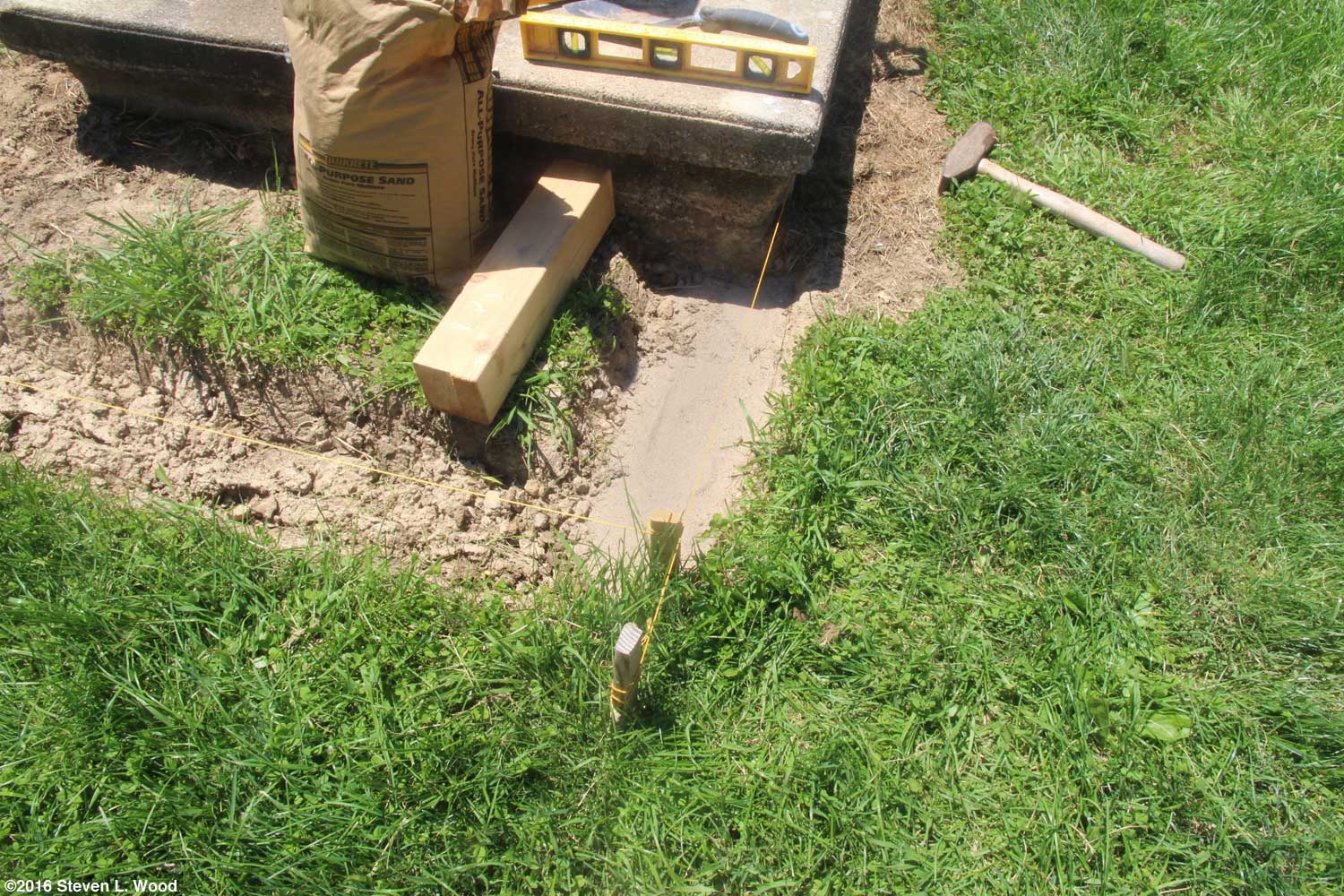
Installing a pitcher pump on our shallow well was just the first of a two-step plan. The second step was to build a narrow raised bed around three sides of the well cover to serve as an herb garden. I've started herbs for several years for such a garden area. And year after year, most of the herb transplants have languished on our back porch as the bed didn't get built and space wasn't available for them in our other garden plots. But with several herbs being perennials, it made sense to me to put them in their own permanent bed. The proximity of a water source ruled out using any kind of treated timbers to build our raised herb bed. Even the newer, non-arsenic treated landscape timbers scare me off for use around any water source used for food production, much less pet or even human consumption. The best option I could see for building the bed was cedar lumber, which doesn't rot as readily as untreated lumber. Unfortunately, cedar is rather expensive. While our other raised garden beds were all constructed with 4" x 6" and 6" x 6" treated landscape timbers, a single red cedar 6" x 6" x 8' landscape timber currently costs around $65, a bit over double the cost of a comparable pressure treated landscape timber. I decided to try using 4" x 4" cedar lumber for the bed, even though the true dimension is just 3 1/2 inches square. If I can anchor the smaller timbers well enough, they should withstand the outward pressure of the soil they will hold in place. More Sweet Corn Transplants With our previous starts of sweet corn transplants now about six inches tall and hardening off on the back porch, I decided to go ahead and start another variety of sweet corn today. It's been about ten days since I started our sh2 hybrid supersweets, Summer Sweet 6800R and ACcentuate MRBC, so I'm hoping that will allow enough time that they won't cross pollinate when the time comes with the open pollinated Who Gets Kissed that I started today.
When doing the planting, I just dumped what I thought would be enough seed out of the packet on the flat. Then I poked holes with my finger in the soil of each cell and dropped a seed into it, before squishing the warm wet soil shut over the seed. Gloxinias
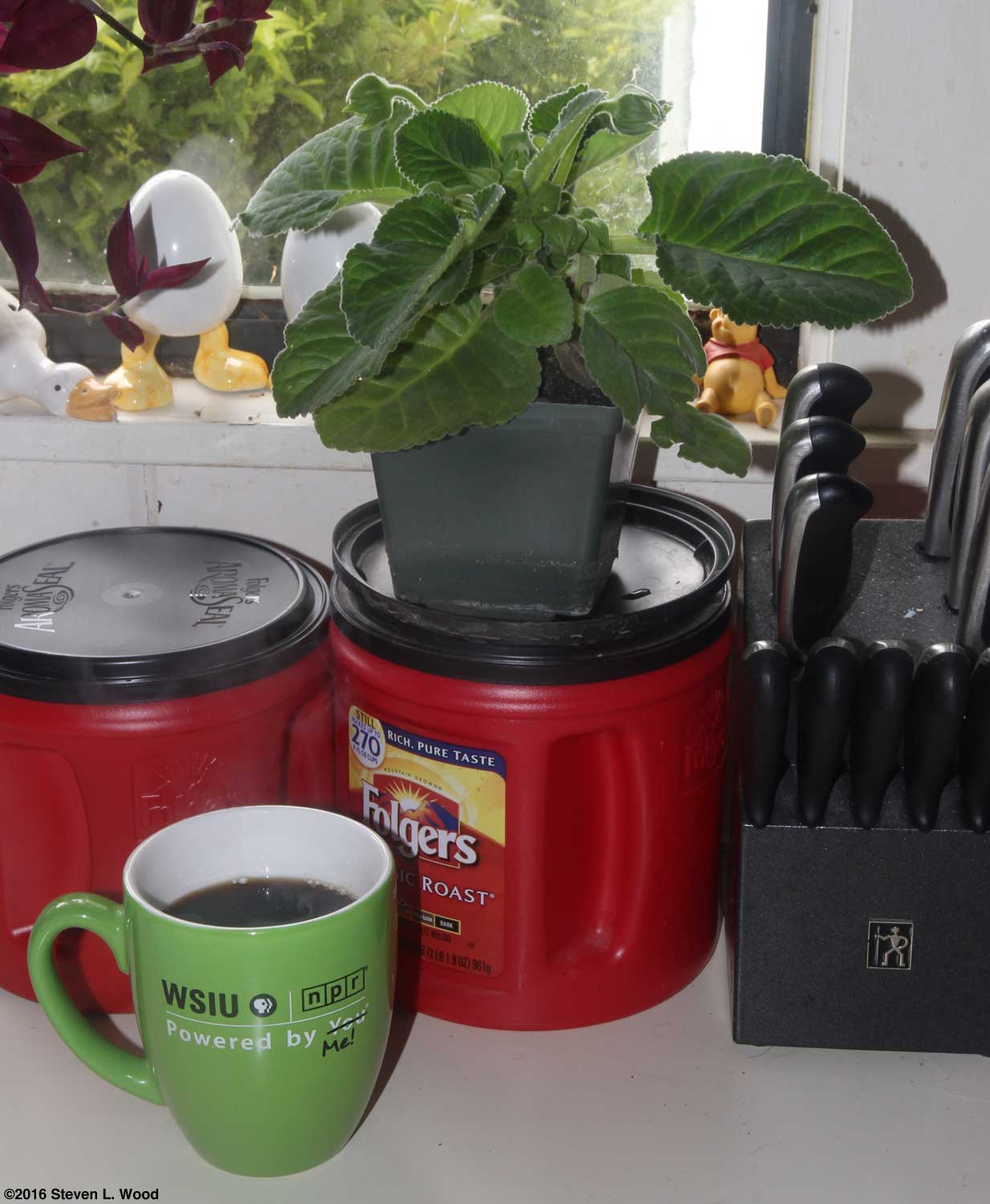
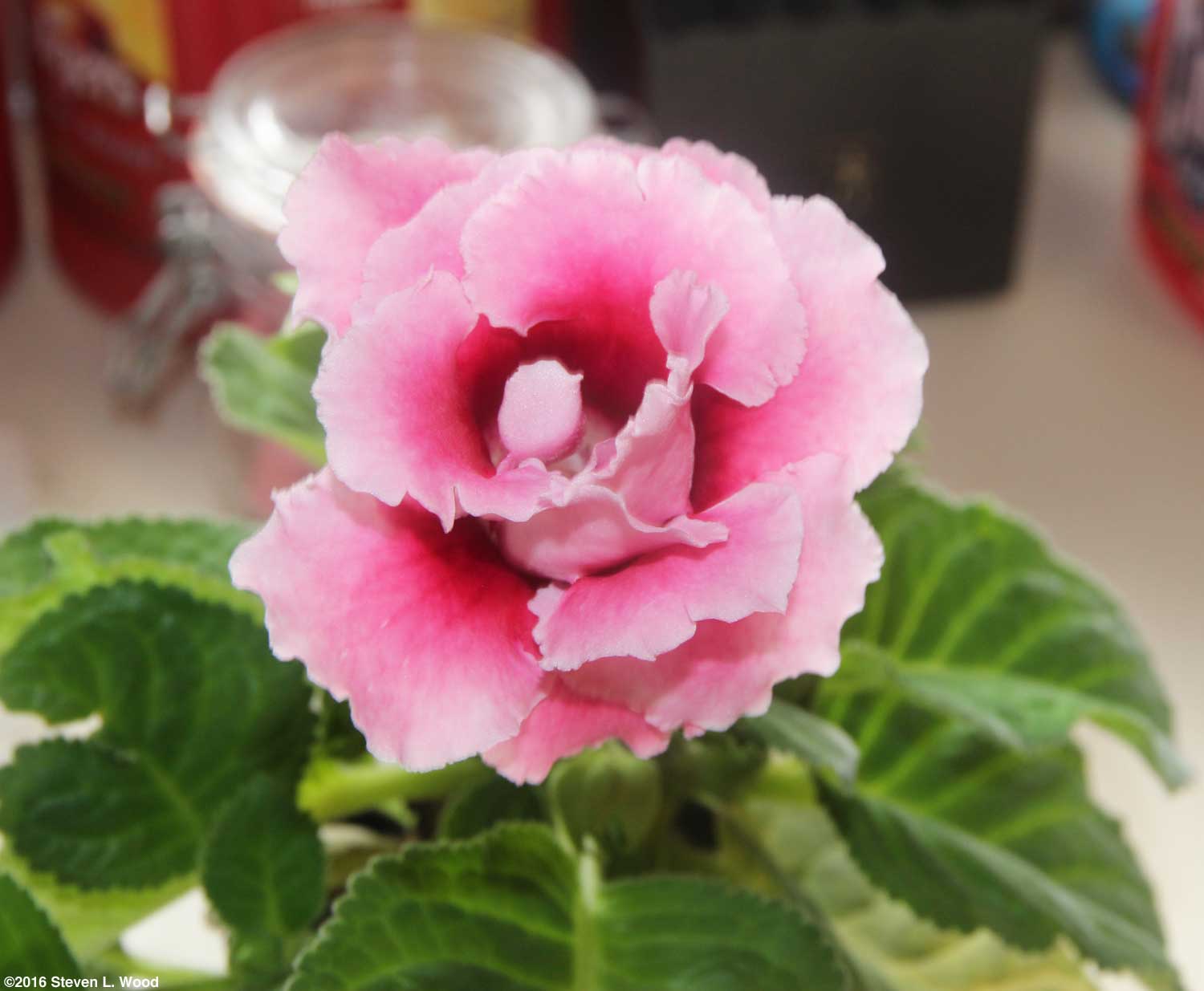
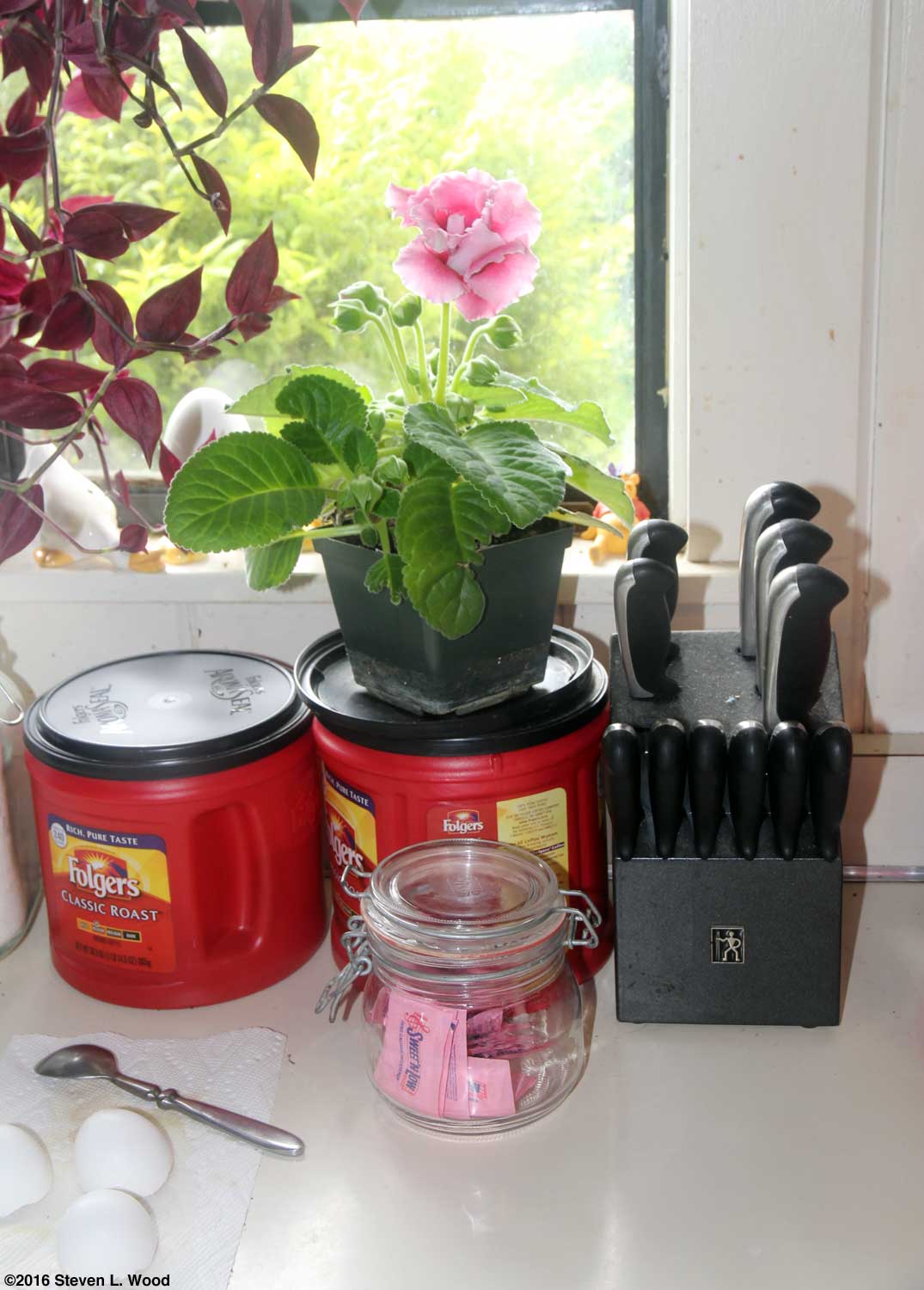
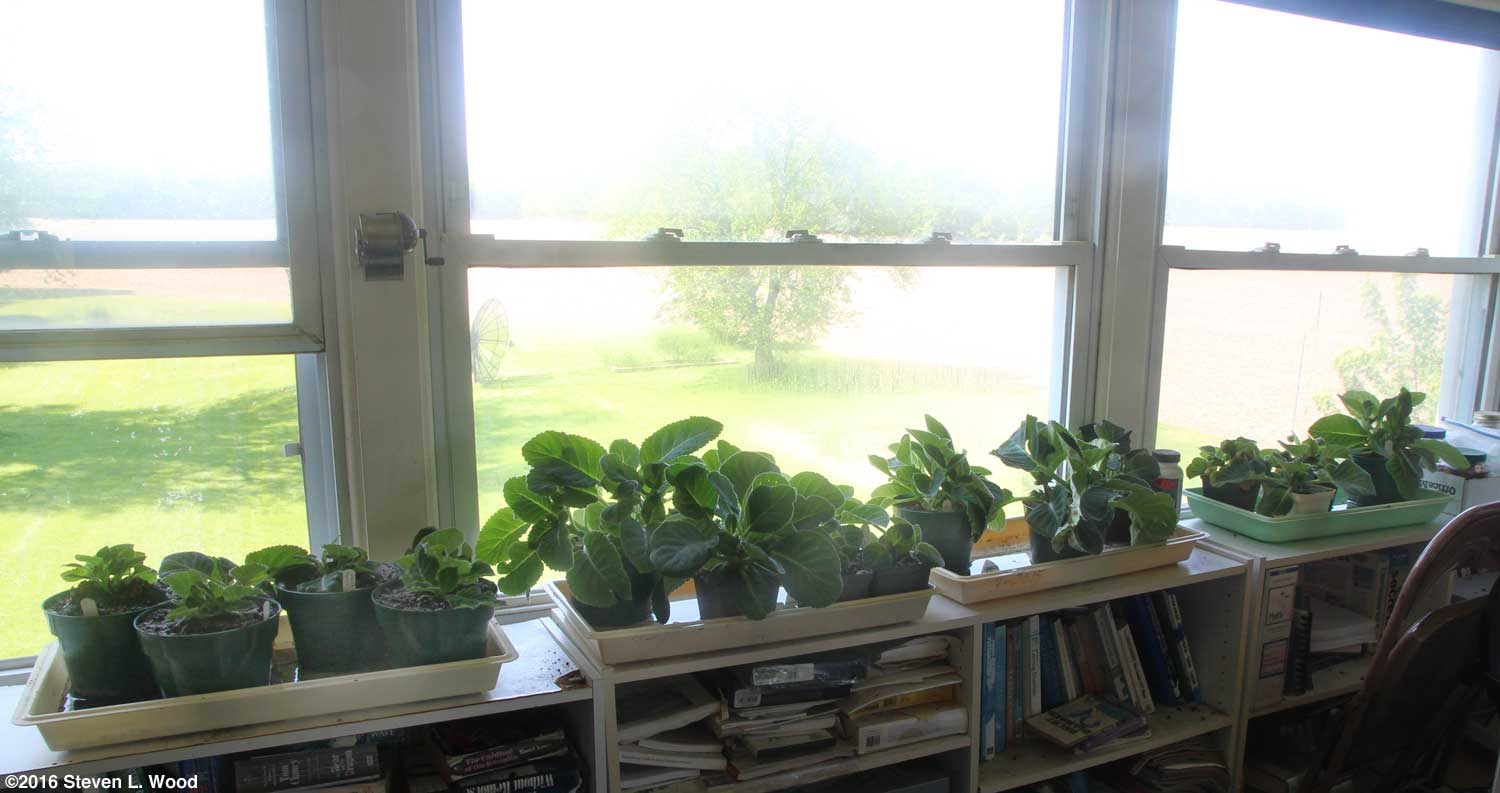
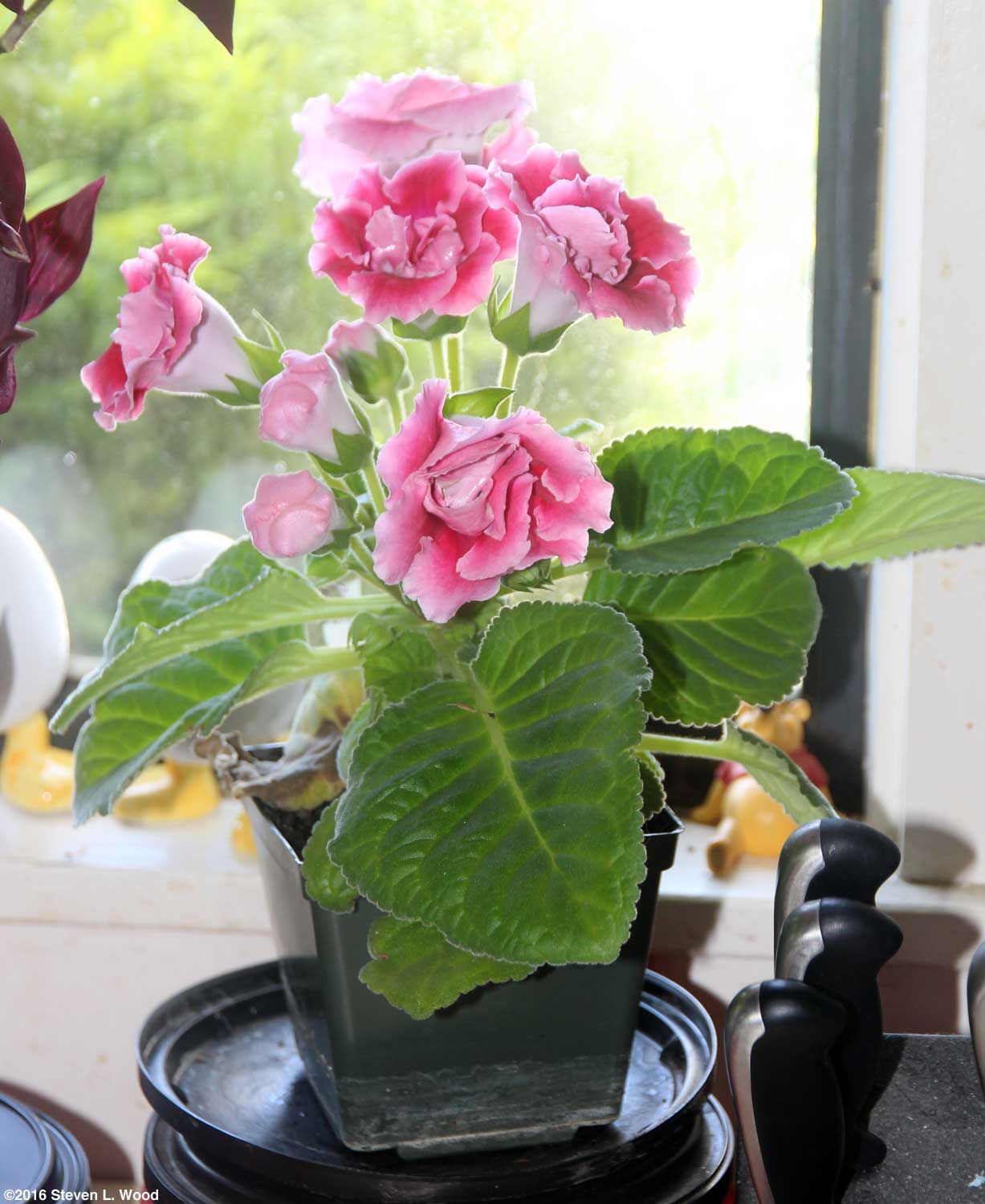
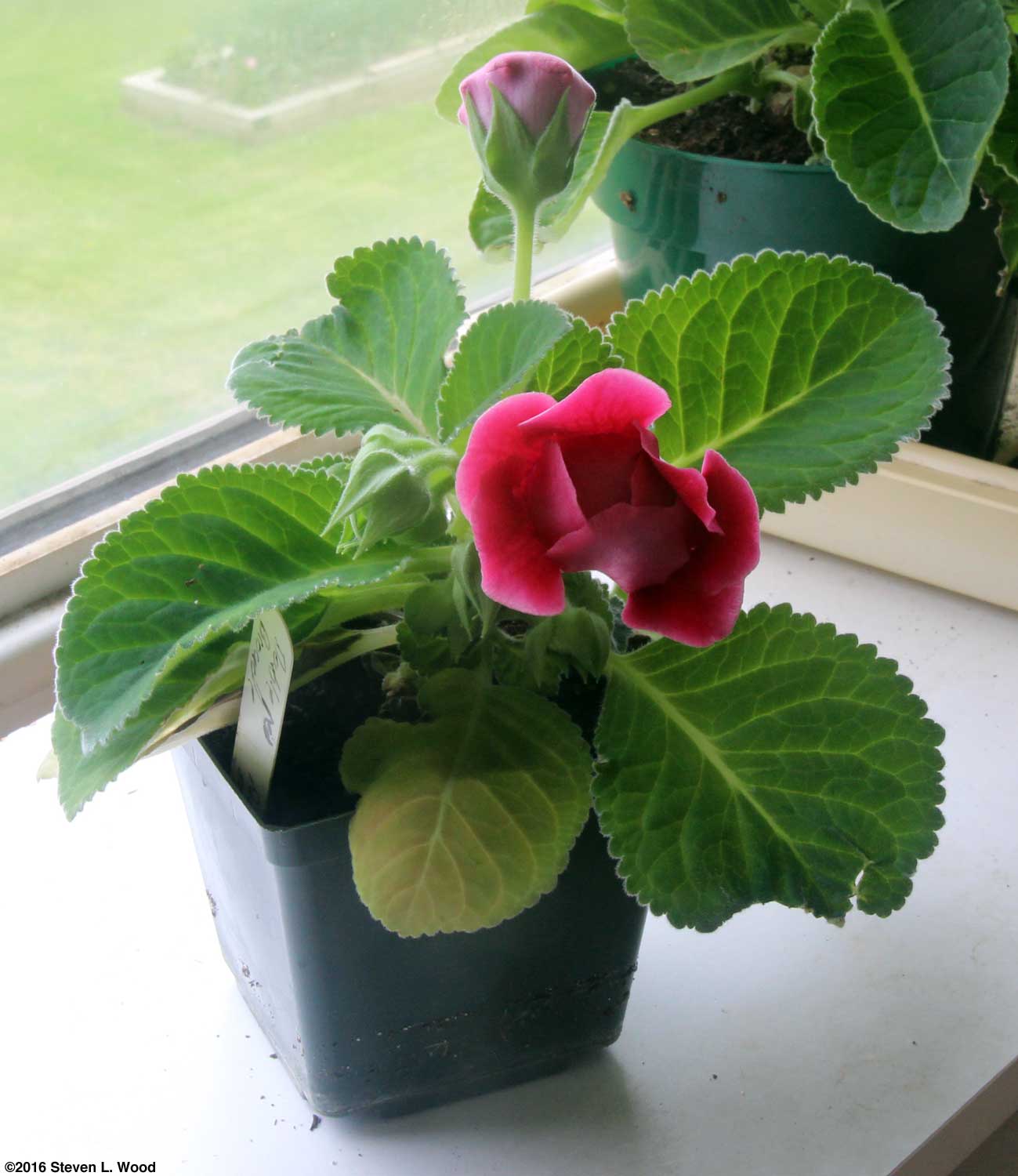
I'm not sure what variety of gloxinia this plant is, as its plant label got lost at some point during dormancy. Based on the pot size I used, I might guess that it's a Double Brocade, as those plants run a good bit smaller than our Empress and Cranberry Tiger gloxinias which usually end up in six inch round pots. With any luck, this gloxinia will be the first of a whole string of plants in bloom that get rotated into the kitchen window. I have four flats of gloxinias in our sunroom with another two or three flats of the plants under plant lights in the basement. I've grown gloxinias for almost forty years and still thoroughly enjoy them. I've also written a good bit about them on this site:
Barn Swallows
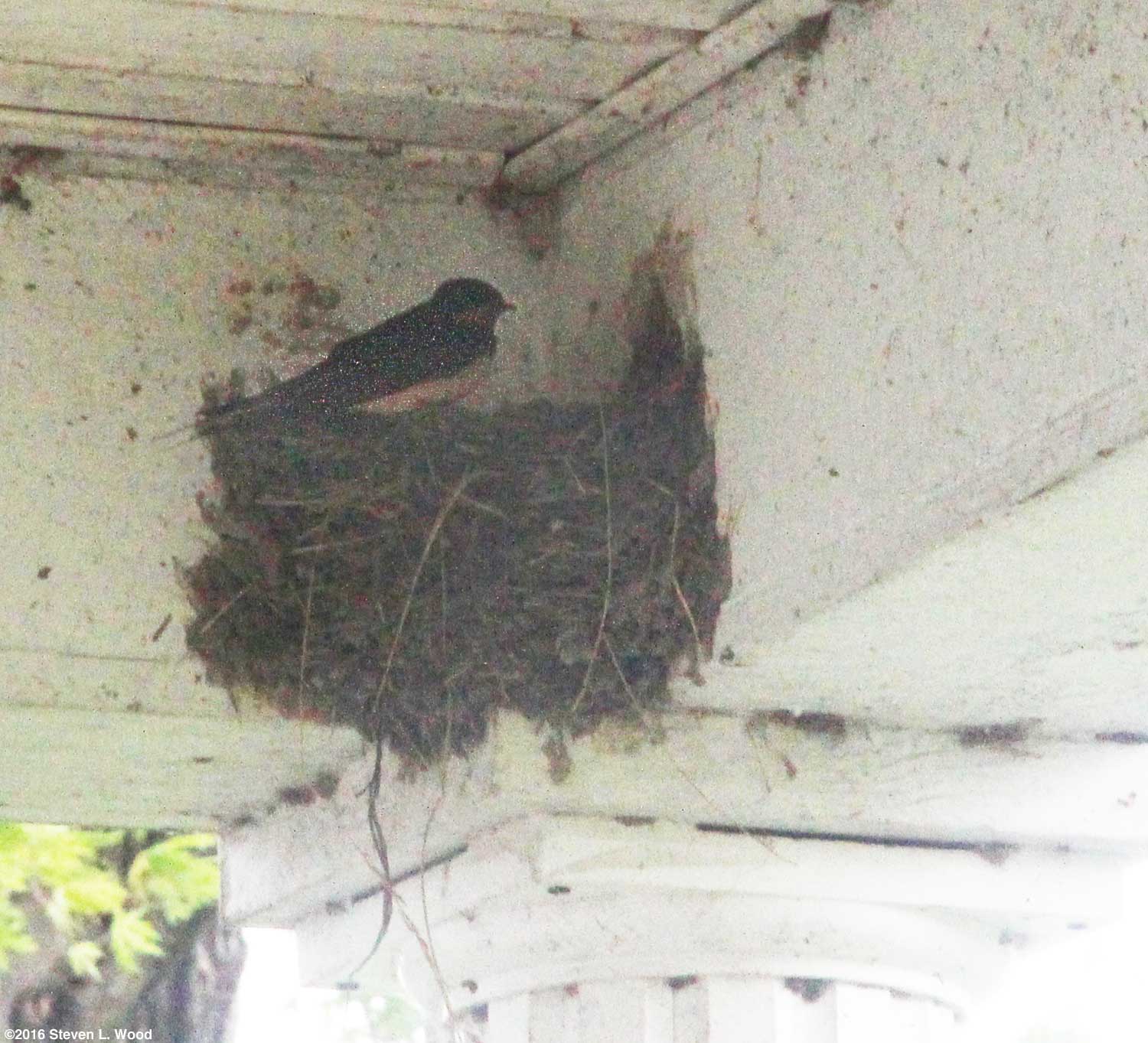
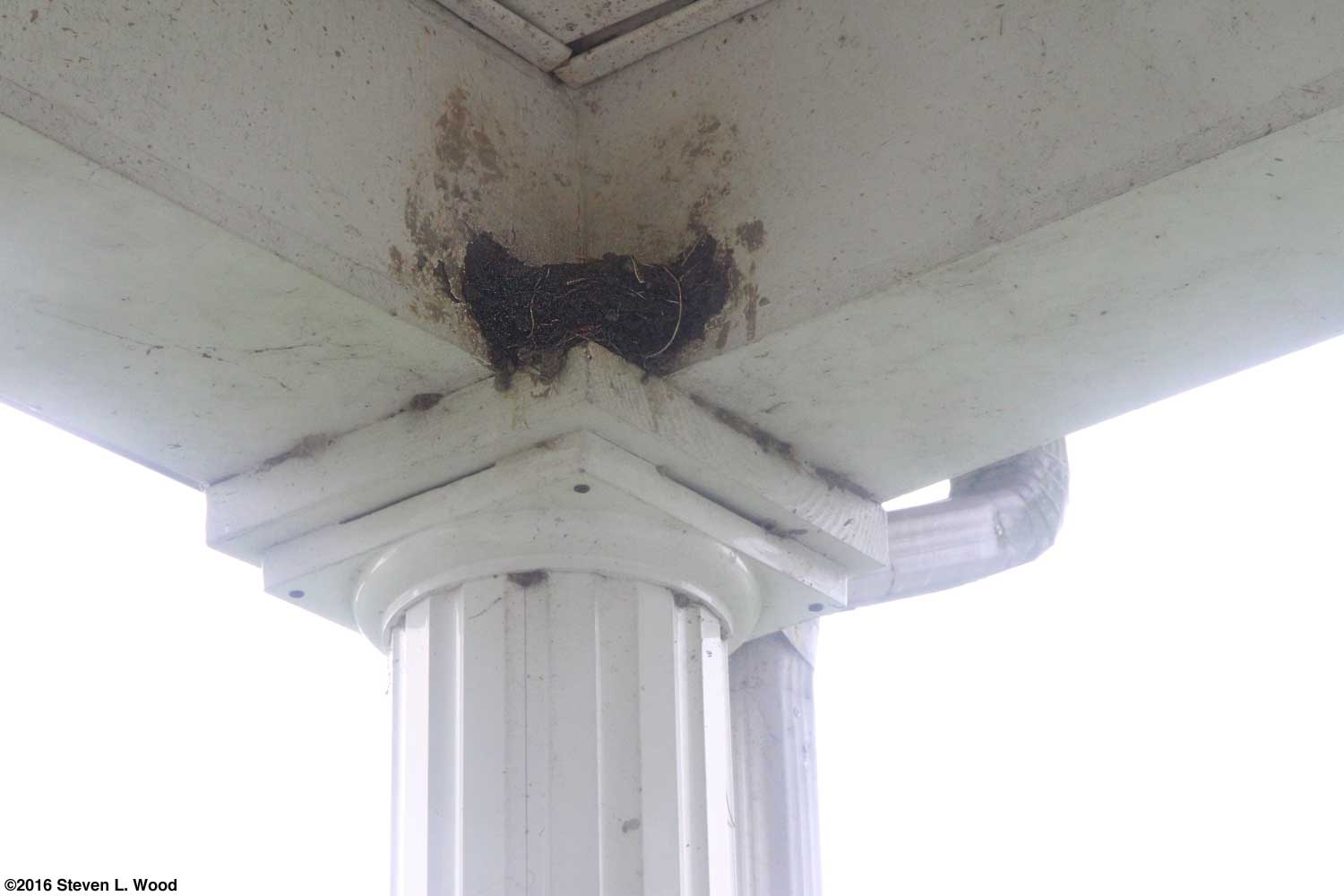
The barn swallows hatch out two clutches of chicks each year, and we get to watch. Over all the years we've hosted the birds, we've only had one aggressive bird that swooped at us. The hard working birds do not extend the same courtesy to our cats. Obviously, something still on my bucket list is getting a good shot of a barn swallow on one of the nests under our porch. Several years ago, I got carried away trying to get a good shot of a barn swallow on its nest and flooded our kitchen!
Here at our Senior Garden, we have just the opposite in weather conditions. Regular, light rains along with a furious thunderstorm yesterday afternoon keep our garden plots too wet to enter without creating serious soil compaction and the danger of losing a boot or shoe in the mud. My main gardening activity for today was dumping the excess water out of our remaining flats of transplants so that the plants wouldn't drown. I'll probably need to do the same thing again this evening or tomorrow morning, as there's more rain on the way.
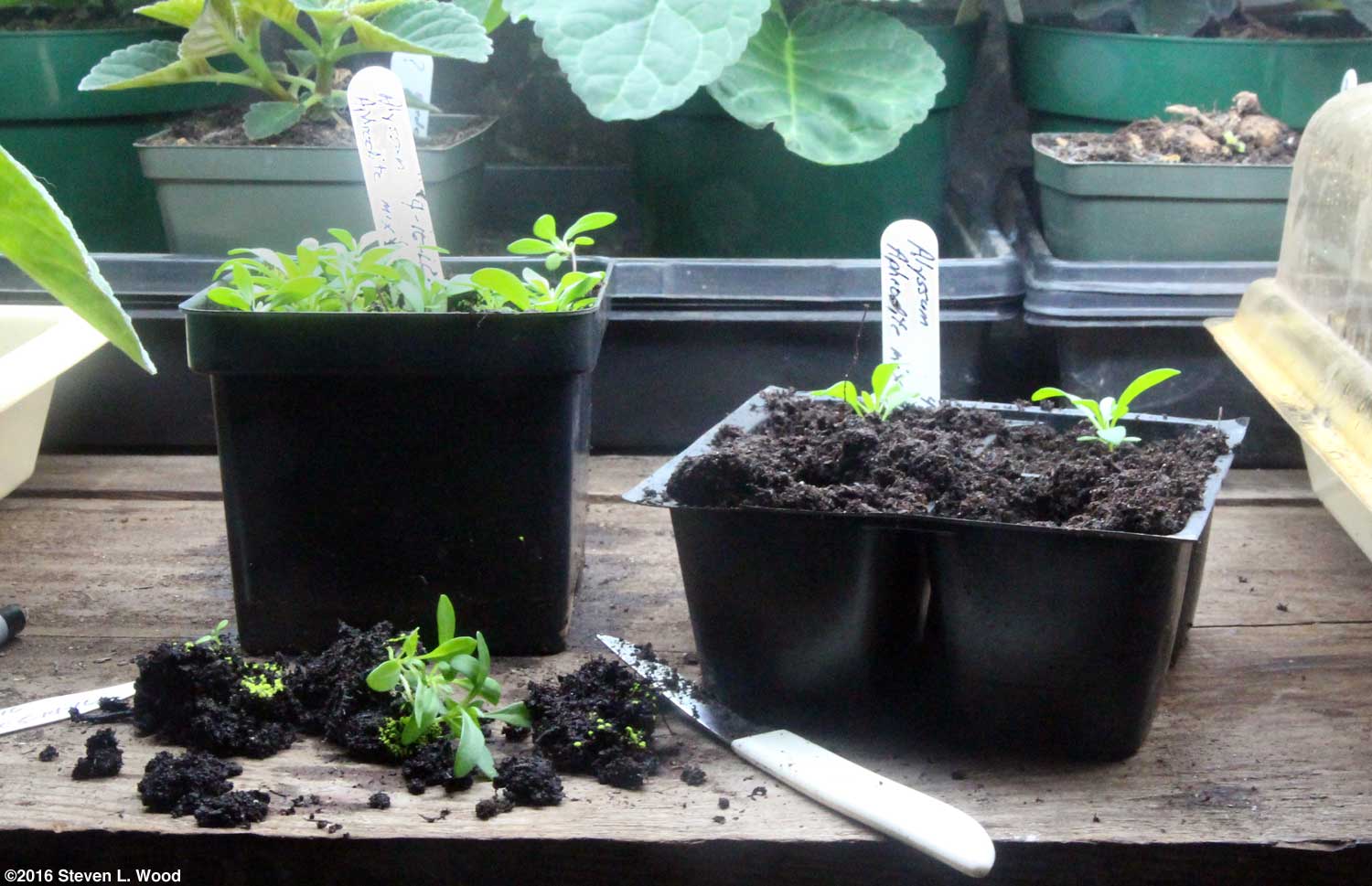
Ground conditions remain too wet to do much of anything in our garden plots. With the cold and wind, I'm even ignoring the lettuce and spinach we have that is ready to pick. I did move some alyssum and shasta daisies to fourpacks and sixpacks, respectively, from the communal pots they'd been started in. With the "early spring," "late spring" weather we've had, the alyssum and daisies may do better going into the ground a bit late. I also tried mowing yesterday, giving up after mowing a few rows in our back yard. Even normally dry areas of the lawn were soggy, with the frequently wet spots still having standing water in them. As today was Annie and my 22nd wedding anniversary, I took today off from any major projects.
Testing Later in the day, I spent about an hour exploring and filing bug reports on a web site revision I'm helping beta test. Doing such work is usually interesting, although it can be a bit frustrating at times. But since our sites haven't gone through a major revision for some time (and won't anytime soon), it was nice to get my hand back into the game. Before building the Senior Gardening site, I did a lot of web development, testing, and implementation (not to mention customer service) at my last job on a web site that used the Moodle course management system (CMS). Even there with all of Moodle's excellent web development tools, I relied heavily on Adobe Dreamweaver for much of my work. Today, Senior Gardening is updated using Dreamweaver CS 5.5, as I haven't yet jumped to the cloud version. Years ago, I was a beta tester for Claris, Apple, and others, working on upgrades to ClarisWorks and Filemaker and the Mac OS 8 (Tempo) and OS 8.1 (Bride of Buster) operating systems. The two operating system upgrades were released in 1997 and 1998, so my OS beta testing skills are pretty rusty now. But finding broken links, poor site rendering and such on web sites is still something I do for my web sites on a regular basis. When starting work on Senior Gardening, I considered using a CMS such as Moodle or Joomla. Both are excellent platforms, but I found that I was more comfortable with the creative control offered by building a web site with HTML with Dreamweaver. I generally write in the "Design" (WYSIWYG) mode, but have to drop into code to add mouseovers and tweak the file paths for all photos used. Senior Gardening continues to be hosted on Hostmonster.com. We've had generally good service from them over the years. If you're looking for a web host and are considering Hostmonster, take your time about it and watch for specials. They often drop their initial sign-up rate to $4.95/month, occasionally going as low as $3.95. Sadly, renewals for multiple sites such as mine run a good bit more. If you click through one of our Hostmonster links or display ads and sign up, Senior Gardening will get a nice bounty (commission) for the sale! Sunday, May 15, 2016 - What a Difference a Year (Four Stents and a New Hip) Makes A year ago today, I underwent total hip replacement surgery at the OrthoIndy Hospital in northwest Indianapolis. An old friend from when I lived in Indy, Dr. Bob Clayton (now retired), did the surgery. I'm glad Bob held on until I got my hip done, as he was one of the best. Web sites and doctors will give prospective patients various estimates of recovery times, but almost all mention that full recovery may take up to a year. My recovery has definitely taken a full year, but much of that was due to my lack of exercise the year before I had the surgery. My hip hurt so badly then that I avoided many normal tasks and allowed many muscles to atrophy a good bit. Most of what I experience now in muscle pain is from my shoulders or legs, not my hip, from rebuilding muscle tone. There are lots of horror stories about joint replacements gone bad. My wife, Annie, knows someone who has had multiple tries at hip replacement. After all the surgeries, the poor woman still has one leg shorter than the other, probably along with a big lawsuit against the surgeon. I picked Bob (Clayton) very carefully after seeing another orthopedic surgeon who scared me to death. I still remember seeing my blood shoot across the examination room when the first doc gave me a cortisone shot in my shoulder! For me, the new hip (and the four heart stents that preceded the new hip) has increased my mobility and extended the years I can remain active. There definitely are things I'll never be able to do again, but I wasn't doing those things in the years before the surgery with the bad hip. As a friend who had both hips replaced at just thirty-one years of age sagely observed, "I'll never be able to play in the NBA." I don't try to twist on the new hip...ever. And my left leg is now a little pigeon toed after being slightly bowlegged all my life. But I can walk without pain once again, dig with a shovel in moderation, and sleep at night without crying out in pain. I obviously came out ahead by having the hip replaced.
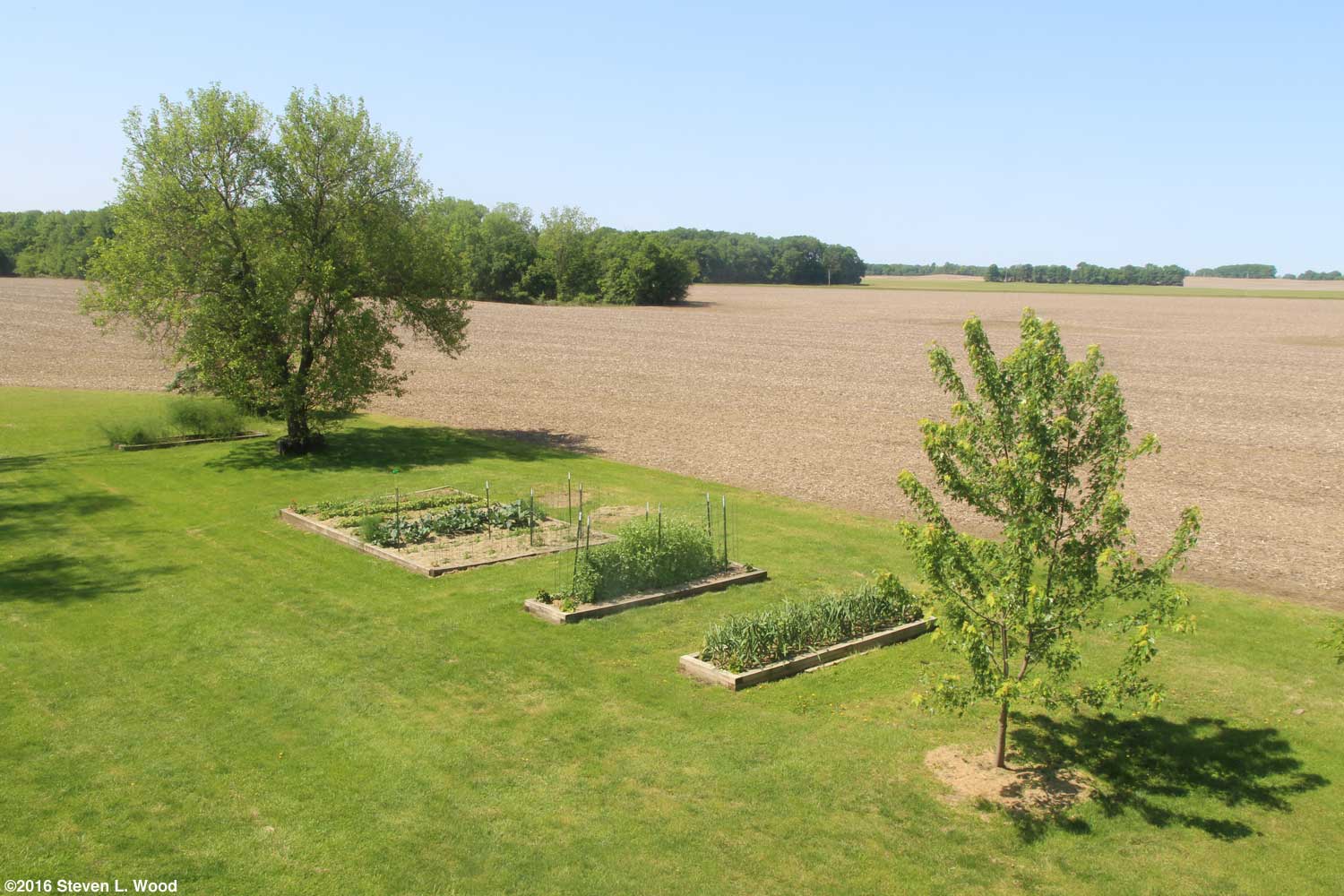
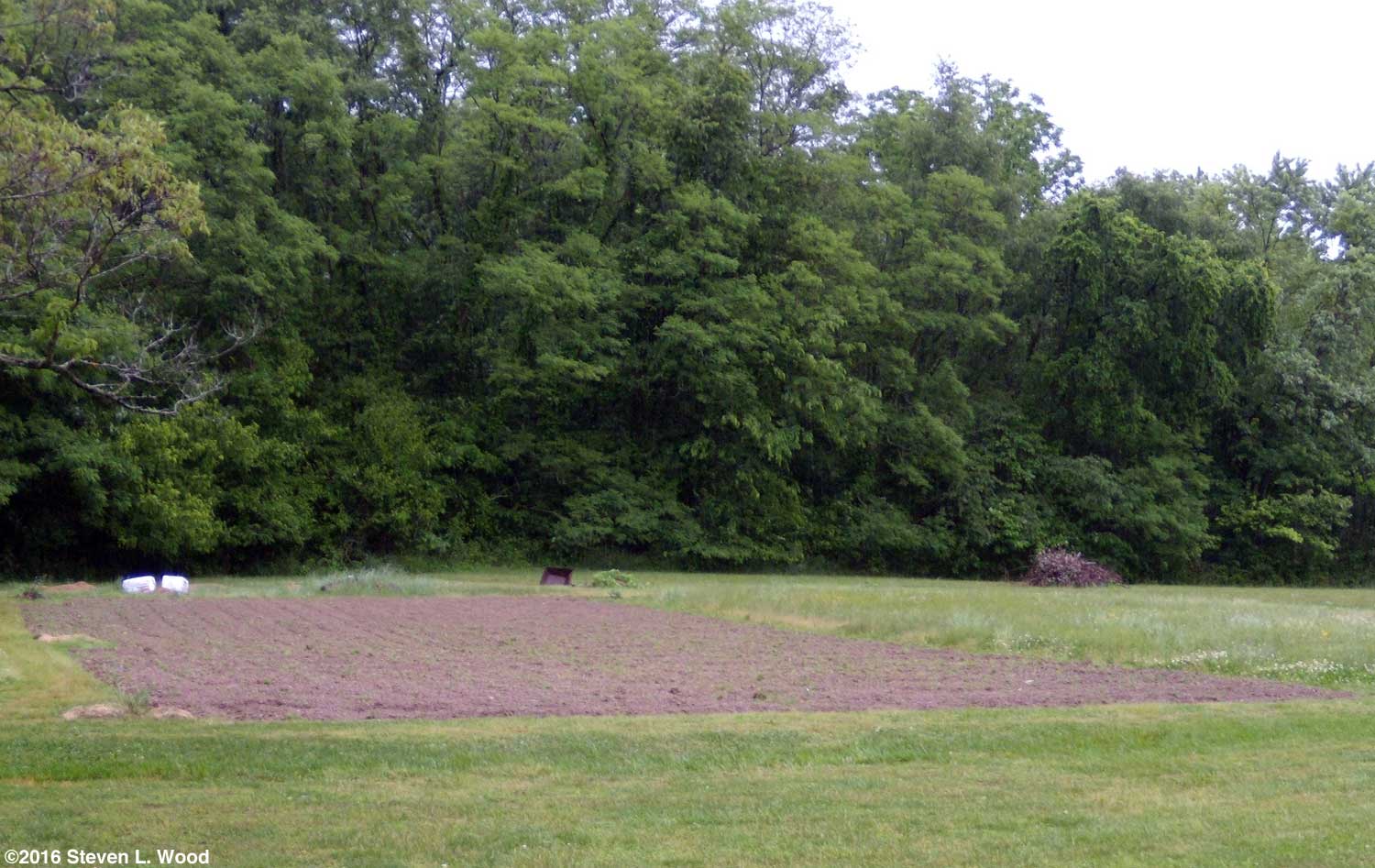
One of the guys who sometimes helps out the farmer who works the ground around us showed up around midnight last night hunting one of his dogs. He wanted to drive back to the barn to retrieve the dog. He drove back, only to find that the dog was much further back than the barn and had to drive out since the pond blocked his way to the barking coon hound. Unfortunately, instead of following the farm drive I'd recently cleared of a fallen tree, he drove smack through the site of our East Garden! I guess it's a good thing we haven't planted the patch yet. He eventually drove through the field next to us to reach a dog he obviously cared a lot about. I've been told the old adage that you lose a bushel an acre per day at harvest for every day field corn is planted after May 10 is no longer accurate. With the modern, shorter season hybrids available today, late planting isn't as big a problem as it once was. Even so, area farmers are getting worried. Frequent rains have kept fields too wet to till and mostly too wet to even no-till for a month...usually when tillage and planting are in full speed. Just Have to Wait It appears now that our large East Garden won't get planted until the soil finally dries enough to till the plot again. Before our current extended weather forecast improved a bit, I chose not to try burning off the grass and weeds in the area with Roundup and mudding in our sweet corn, melons, and potatoes. Concerned that herbicide carryover could ruin those crops, I decided to just wait out the wet weather. I was finally able to mow our main yard on Sunday, but even then, still mowed through and around wet spots and low areas with standing water. The mowing was also slowed by a medium sized oak tree that had been blown down in the severe thunderstorm we had last week. The tree was blocking the farm drive, essential to the farmer who rents the ground around us. Even though the tree wasn't on our ground, it was in the extended area we take care of for the landowner, so I spent an hour cutting up the tree and hauling it to our burn site.
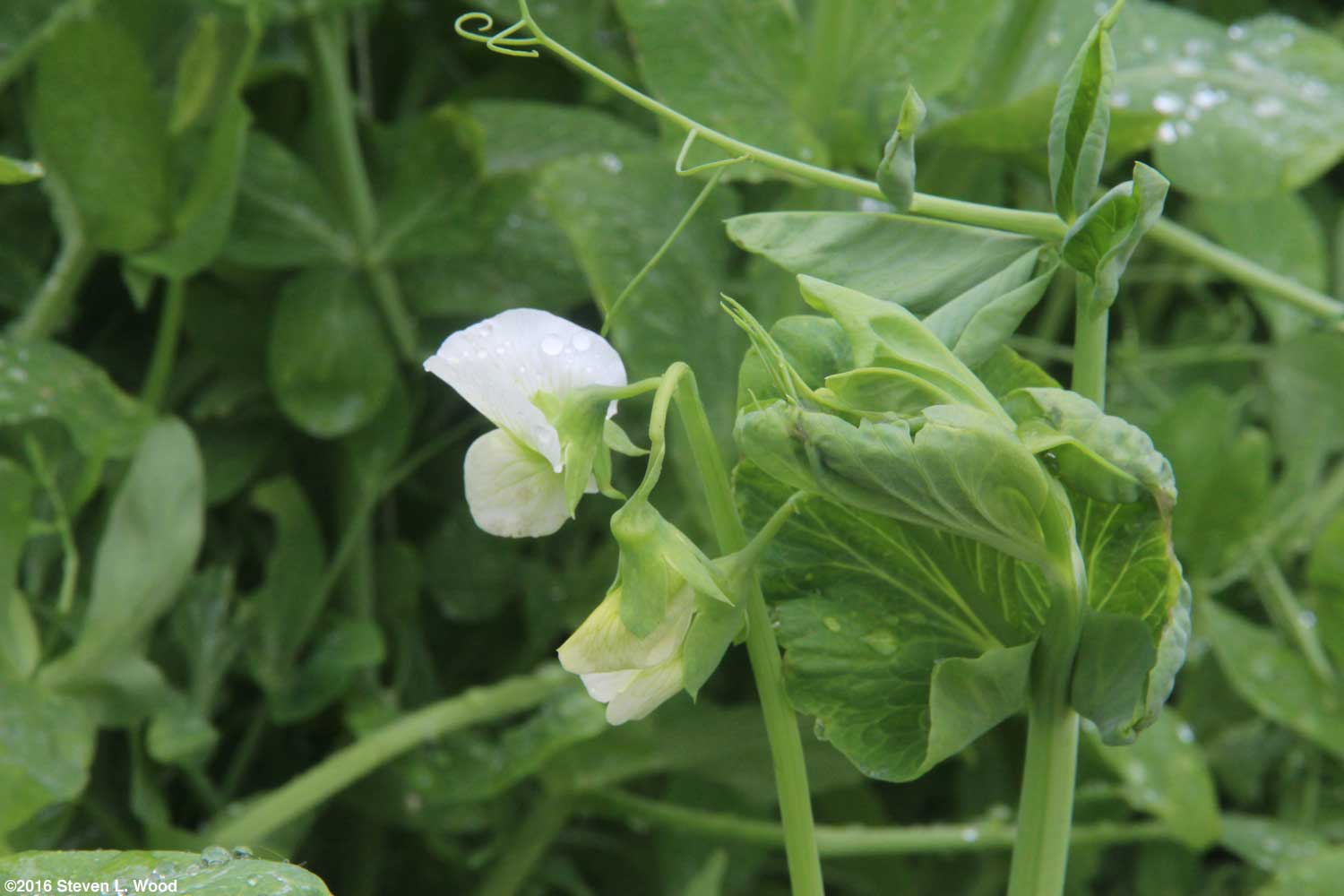
The early peas that are trying to overgrow our spinach are starting to bloom. Our short peas were a bit slow in coming up, but are doing well now.
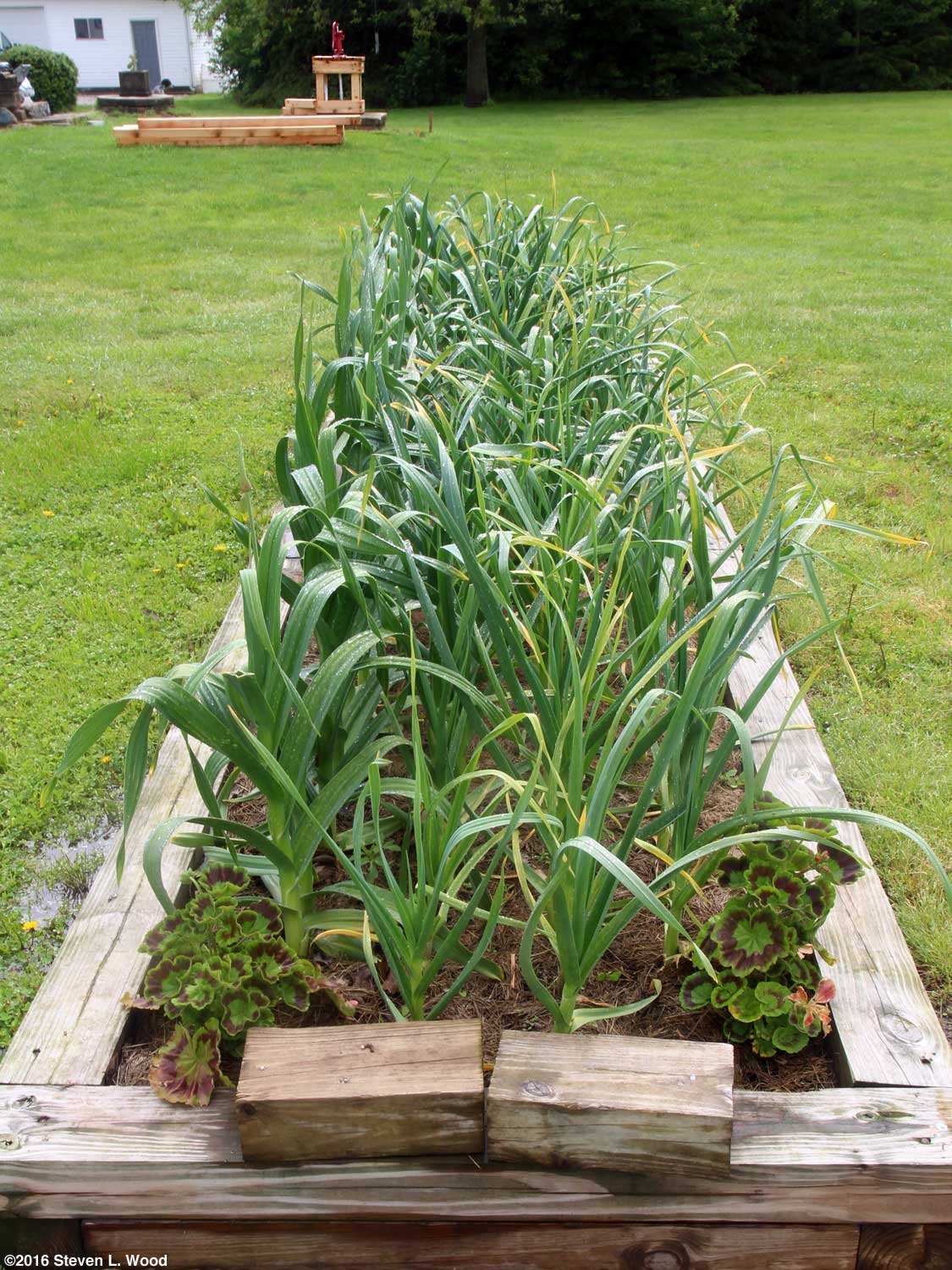
Our onions have taken hold and are looking good. I need to get them mulched.
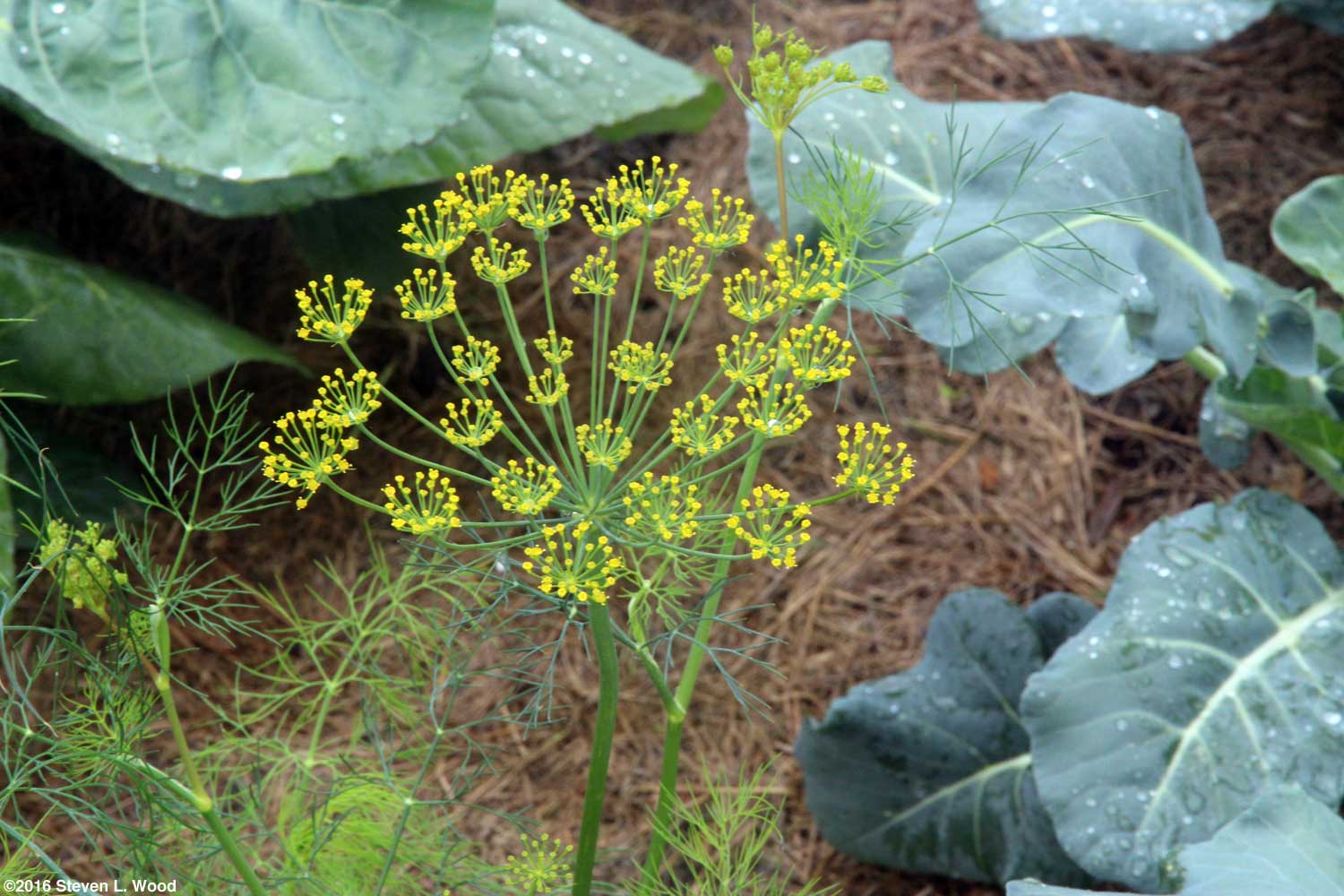
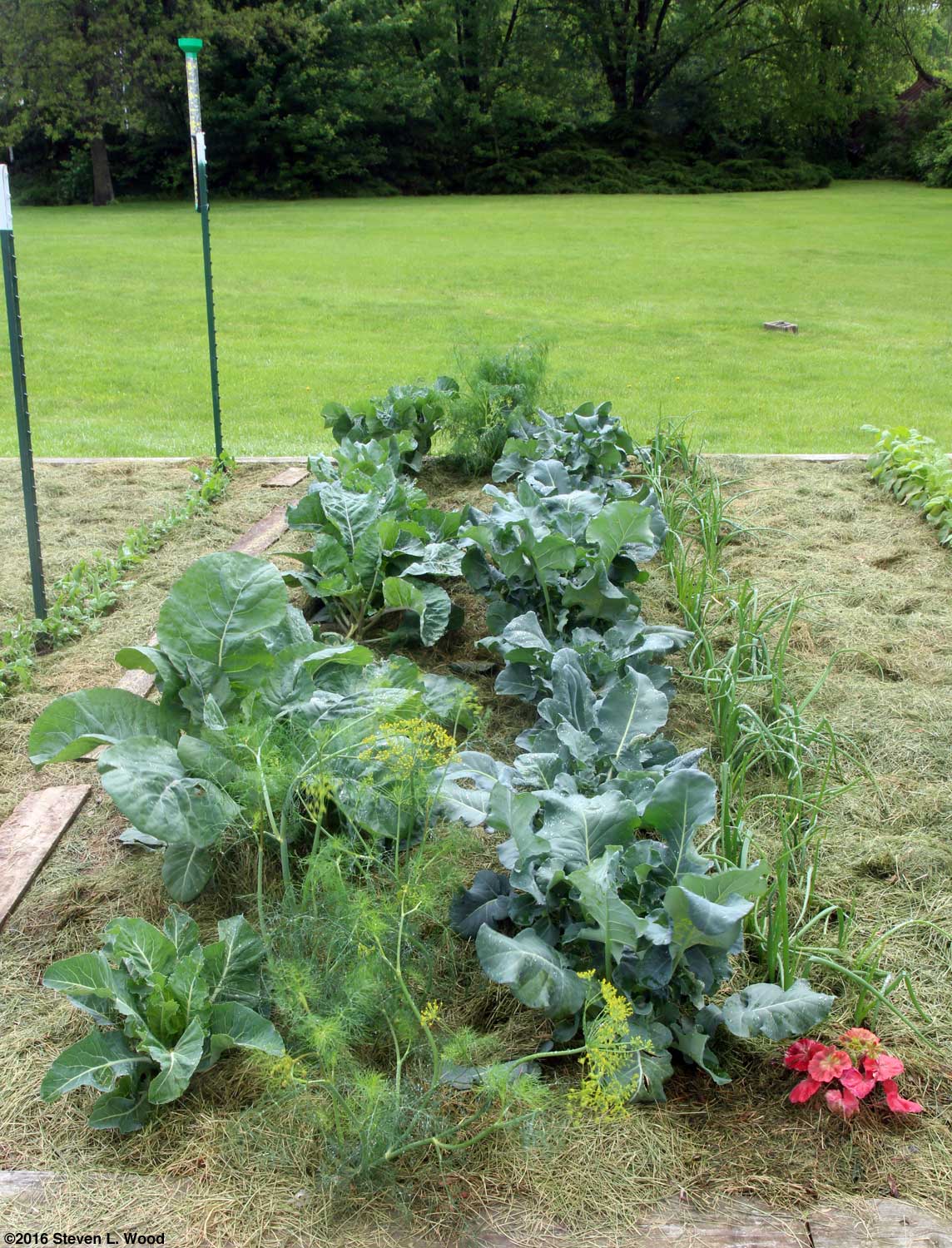
I'm struggling to find time, energy, and enough good weather to complete the raised bed for herbs I started around our shallow well cover. Some of our herb transplants are languishing now in their fourpack and sixpack inserts. Some of the dill plants have bloomed and nearly died in their smallish quarters. A couple of dill plants I put between the ends of our brassica rows are doing quite well. I especially liked the one in bloom shown below.
First Gloxinia in Bloom
For sharp-eyed readers, those are egg shells drying down towards the copyright notice in the photo at right. We're still saving egg shells to supply needed calcium for our tomato and pepper plants. We dry, crumble, and freeze the egg shells until we have enough of them to grind a good batch into powder in an old coffee grinder. I'm not really sure how much egg shell is enough for the plants. Since we have a good many pepper and tomato plants out, I'm still saving shell. I'm guessing one can't easily overdose the plants with calcium. Elsewhere Around the Grounds
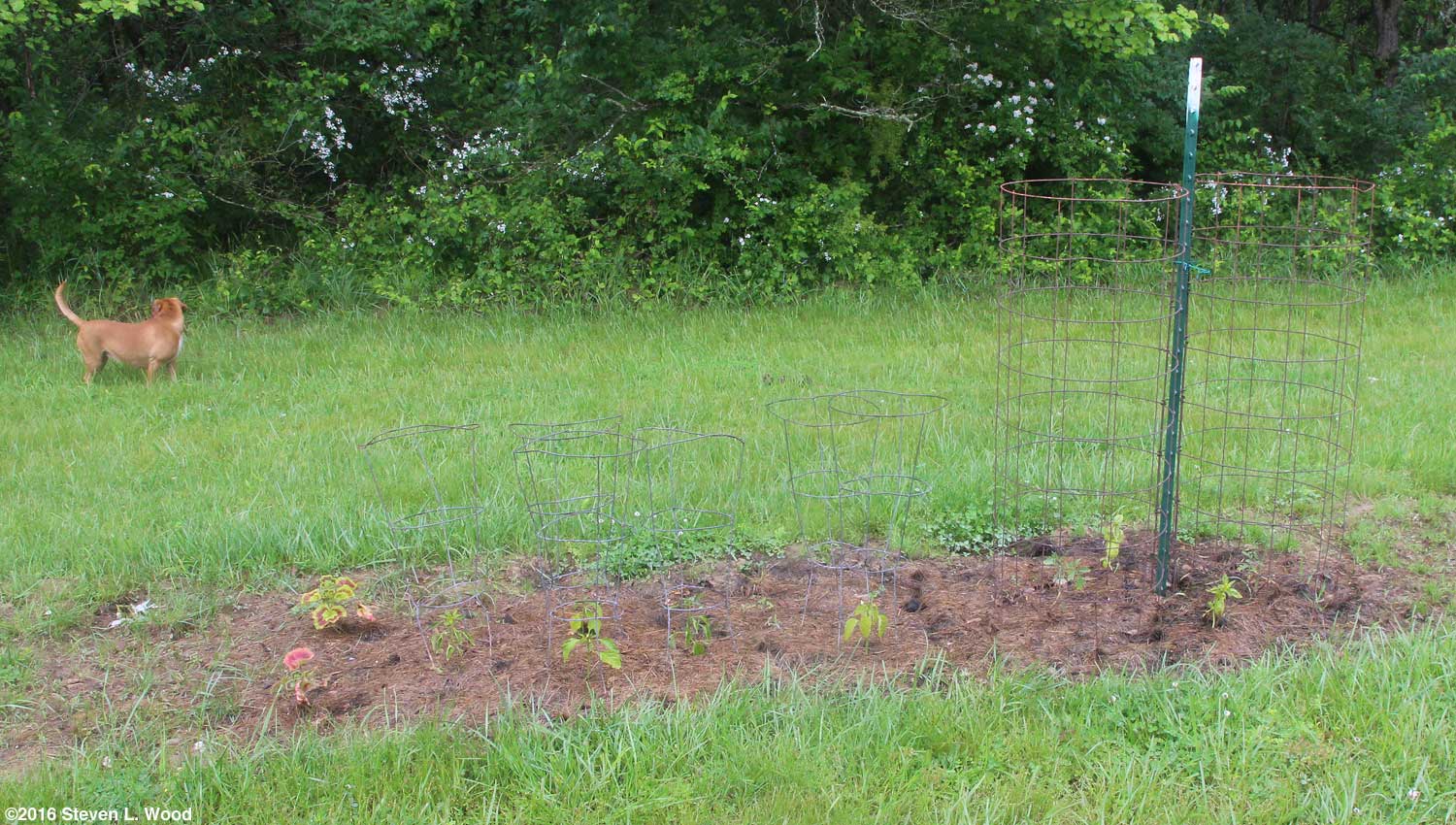
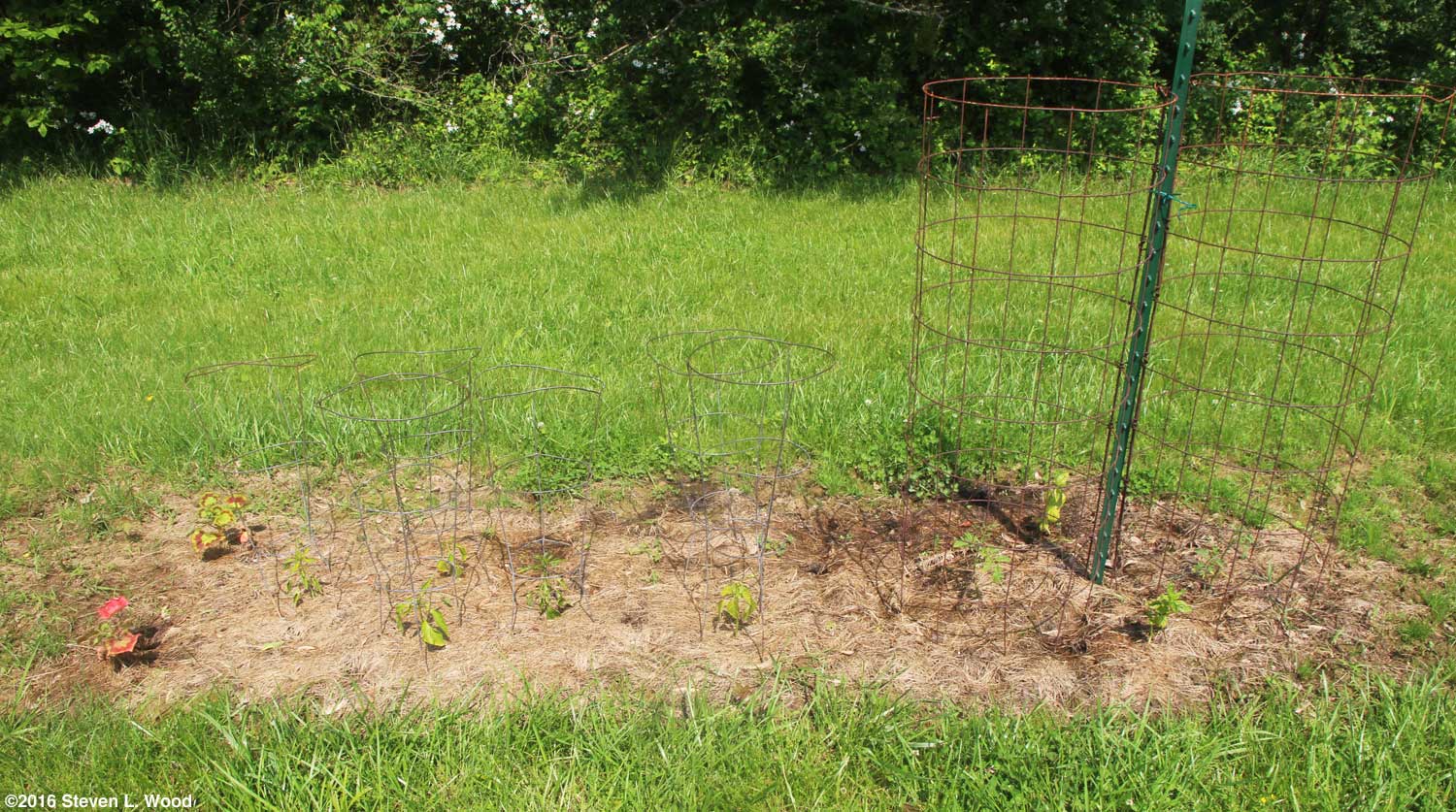
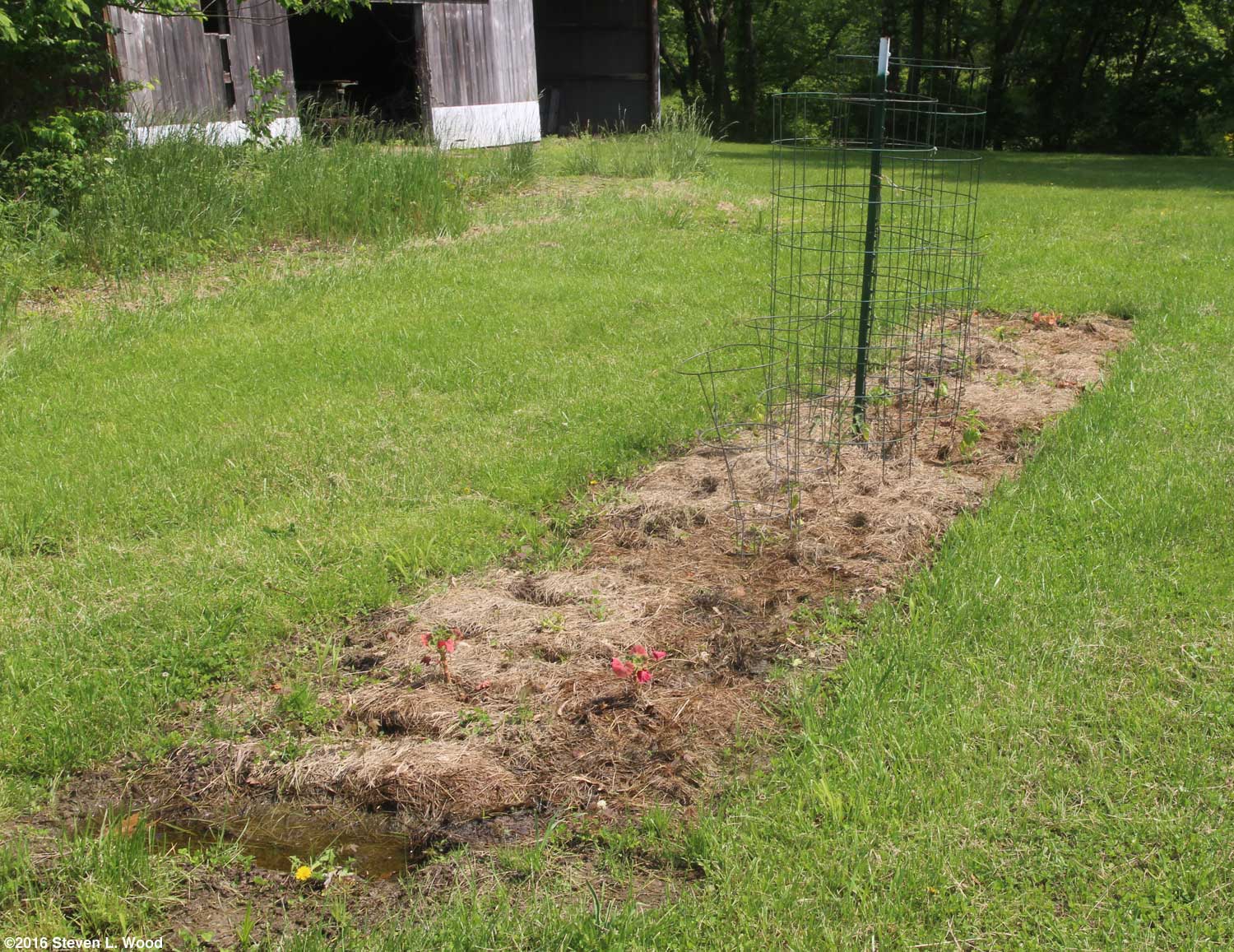
The two isolation plots we have planted have received almost no care since I transplanted tomatoes, peppers, basil, parsley, and geraniums into them. Somewhat surprisingly, the tomatoes there look a bit better than most of the ones in our main garden. The tomatoes in the raised beds may haven gotten some herbicide drift when the field next to our raised beds was sprayed. The unusual weather we've had of late may also be responsible for their poor growth.
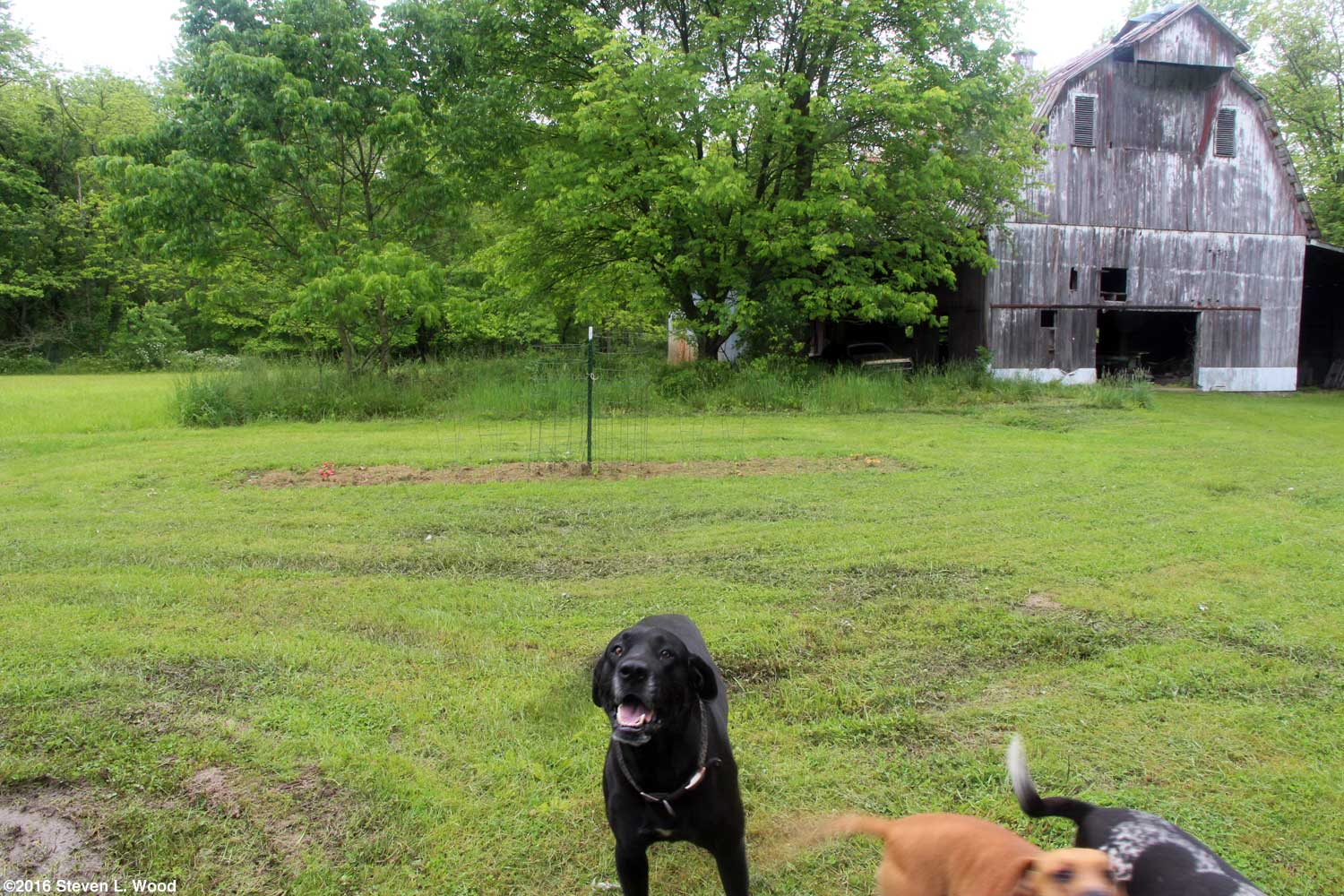
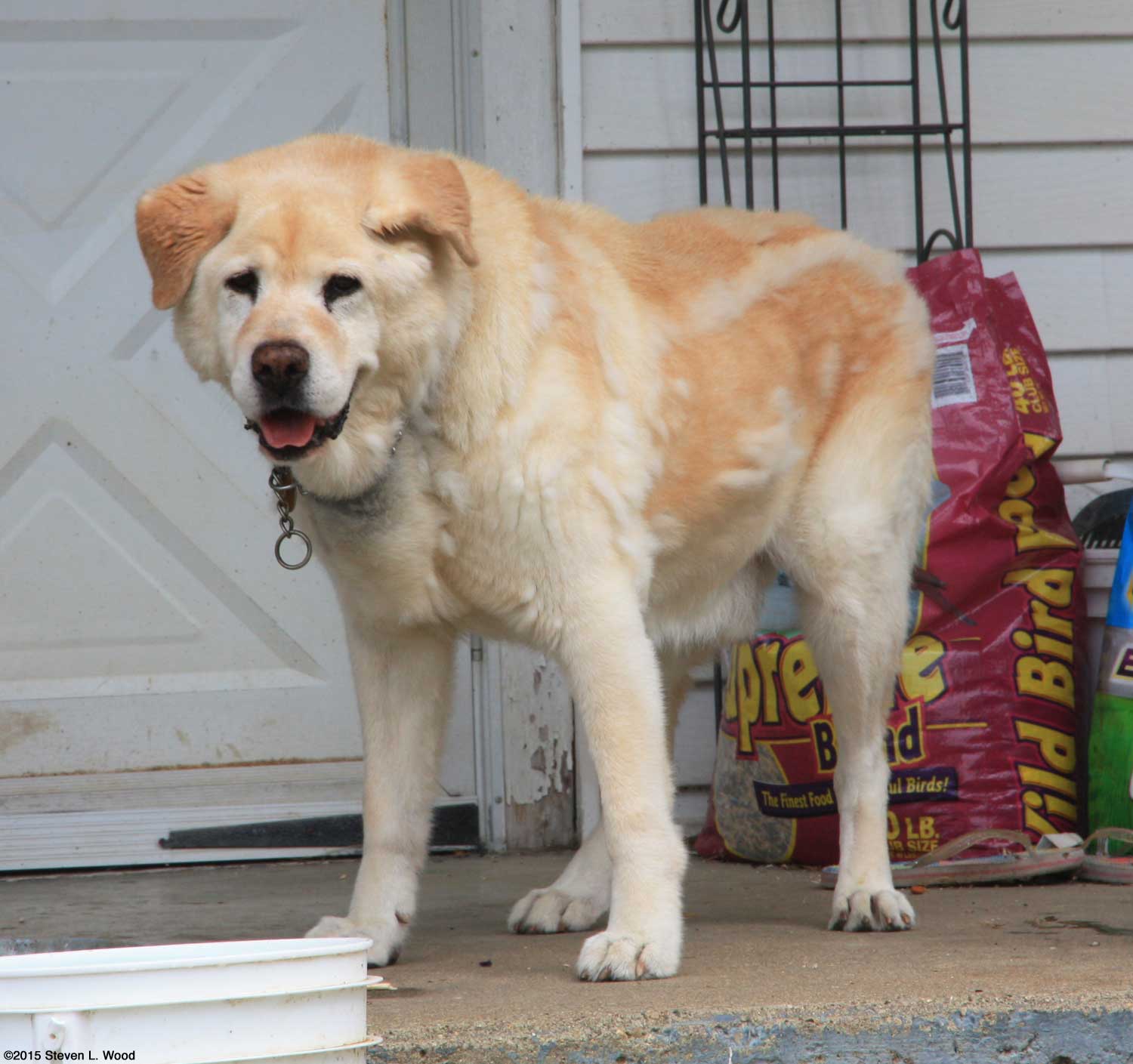
It's often difficult to take a picture around our house without a happy dog being in the shot. I still have one more isolation plot left to plant. I'd originally planned and prepared the bed for milkweed to support monarch butterflies. Having noticed a good bit of native milkweed growing under our pine trees and also wondering how happy the farm renter would be with milkweed growing close to one of his fields, I found another site for our milkweed, opening up yet one more isolation plot. Other than in Minnesota and Ontario, milkweed is not classed as a noxious weed in North America. But still, I'd hate to piss off the farmer who so graciously lets us use the field next to our property.
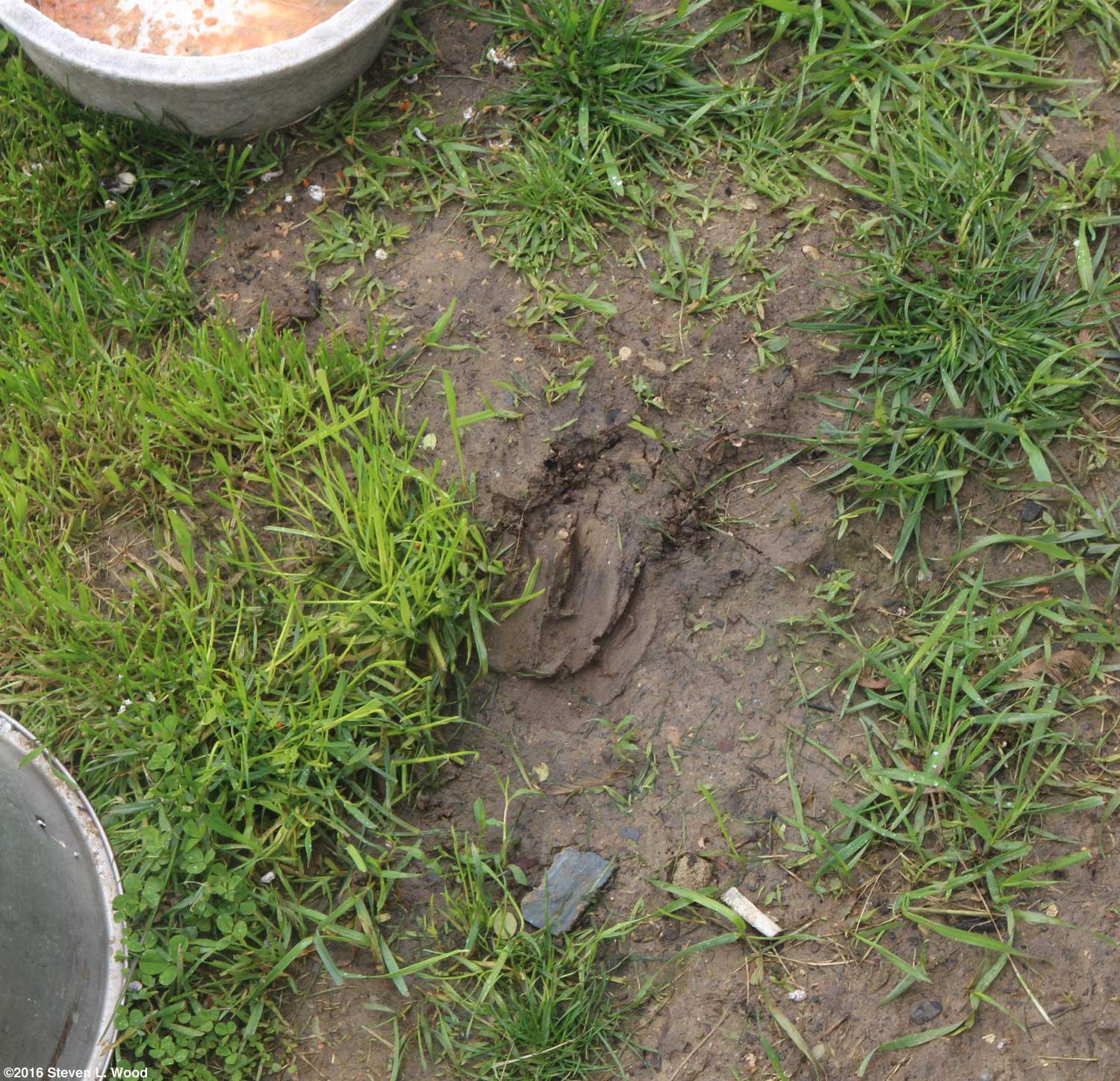
And as I got ready to come inside and begin writing, I spied what appeared to me to be a deer track within five feet of our back porch! A second, fainter track was a step away. Why deer would and could come so close to the house (and not nibble the sweet corn transplants) is almost beyond me, although our main watchdog, Petra, was on the landing of our stairs last night, hiding from the rain and storms. Petra is a rescue dog and apparently had some hard times before we adopted her. One couldn't ask for a more loyal dog.
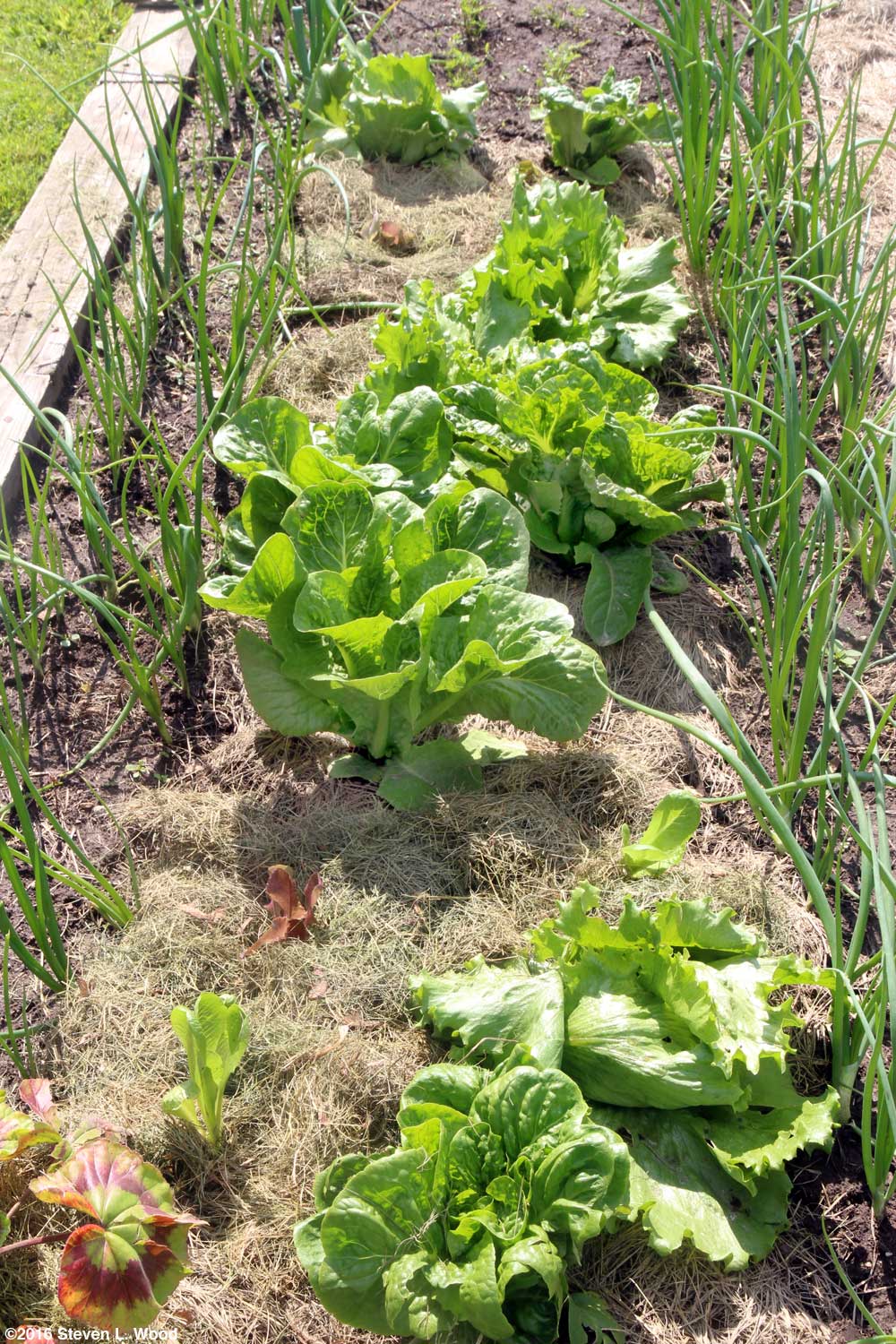
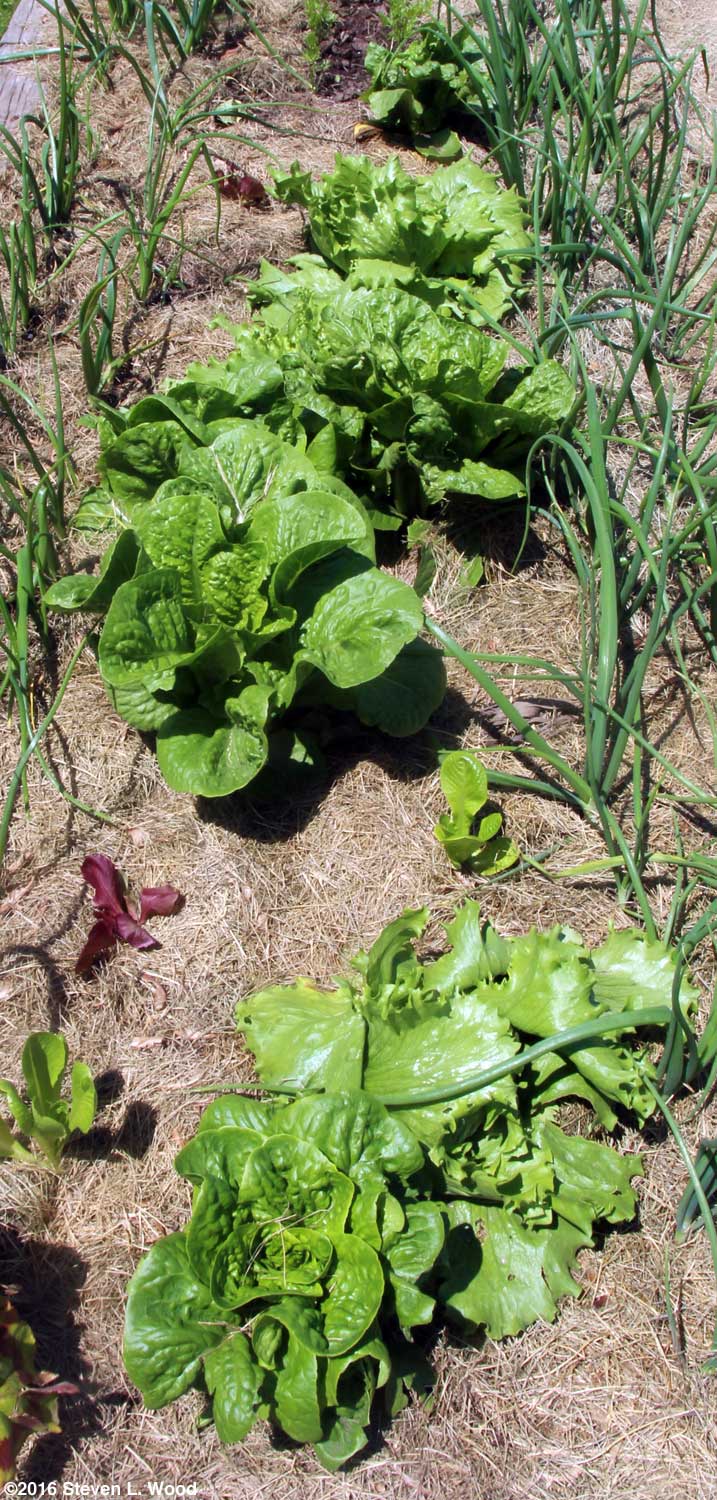
See our how-to feature, Mulching with Grass Clippings, for more about mulching. I also cut a few more lettuce plants today. We had BLTs and lettuce salad for supper tonight. I put in three Skyphos and one Defender lettuce transplant to fill in the bare spots left in our small lettuce patch where I'd previously harvested baby lettuce. I went heavy on the Skyphos, as all the rest of our lettuce in the patch are green varieties. Besides being delicious, the reddish Skyphos adds a bit of color contrast to the planting. We had a gorgeous day today. It was warm (70° F) and sunny with a slight to moderate breeze all day. With our East Garden still too wet to work, I got to work early weeding and mulching the rest of our main raised garden bed. The raised bed dries out fairly quickly, so I wasn't compacting the soil much while walking and kneeling in the mulched rows.
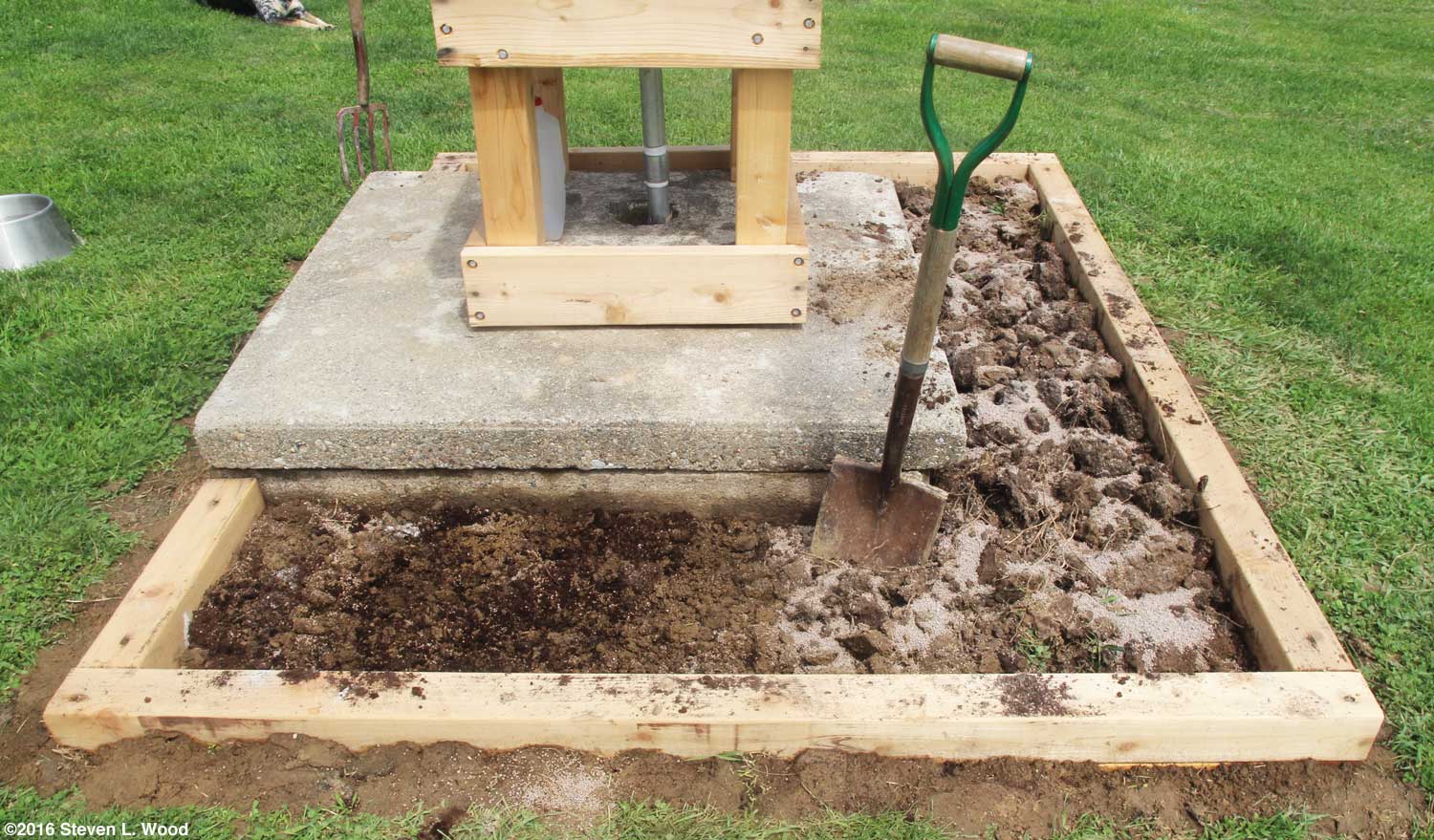
Not wanting to waste a bit of such a lovely day, I moved on to working on what will be a raised bed around our shallow well cover. I finished digging the initial trenches for the cedar timbers that will enclose what I hope will eventually be our herb garden. Soil dug from the area went to fill in holes and low spots around our yard and the outlying property we care for.
While the rain does good things for our precipitation totals and groundwater, it's not going to help us get our East Garden plot tilled and planted to melons, sweet corn, and potatoes. I consoled myself during the rain yesterday by checking our garden record for when we'd transplanted our melons over the last few years. The average planting date was around May 16. The range was from April 27 to June 20, with all of the planting producing somewhat successful crops. So I'm telling myself not to be so impatient for the ground to dry out. We'll probably need every last drop of rainwater that makes it to groundwater sometime in August when things usually dry out here and our wells get very low on water supply.
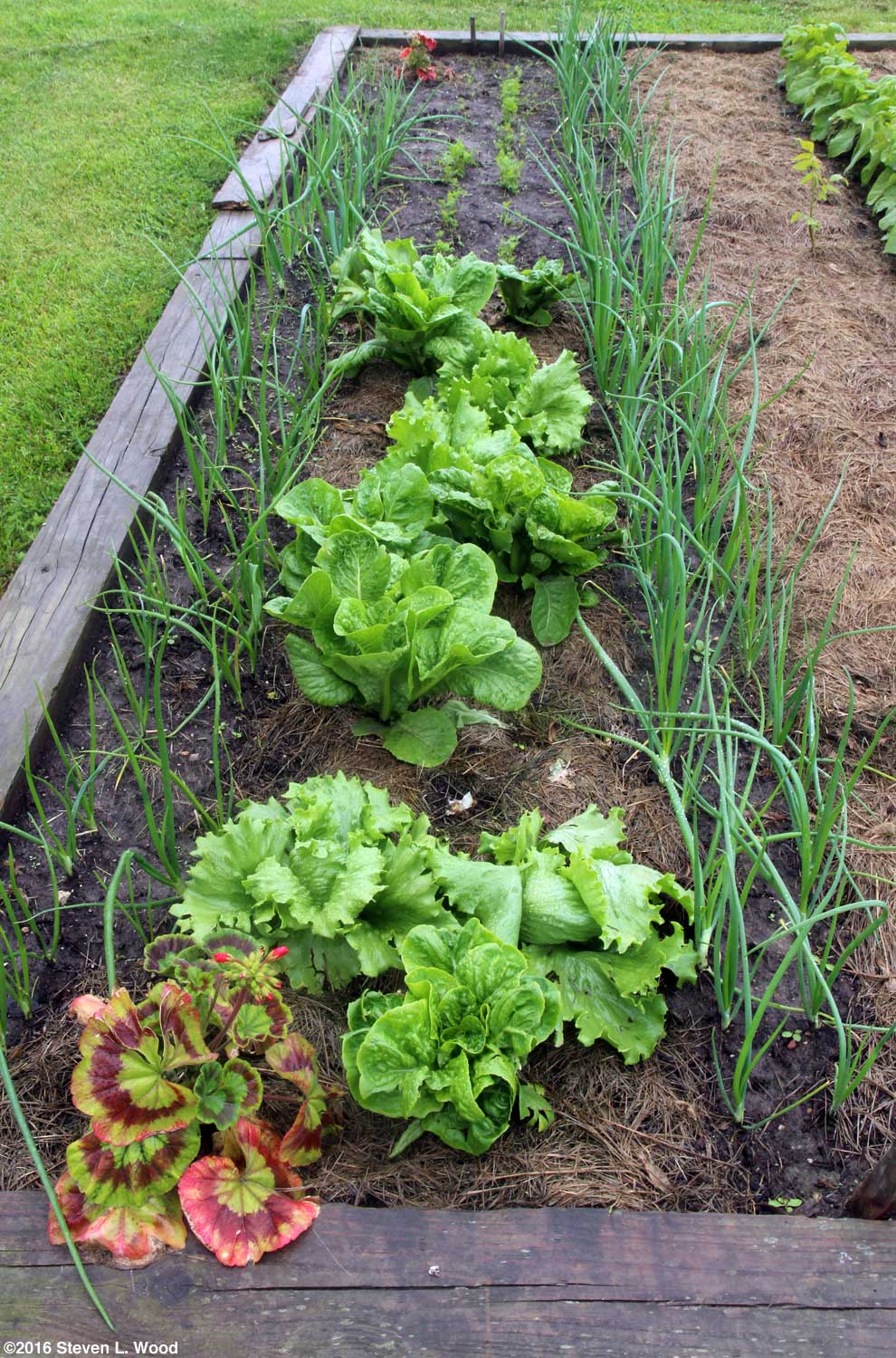
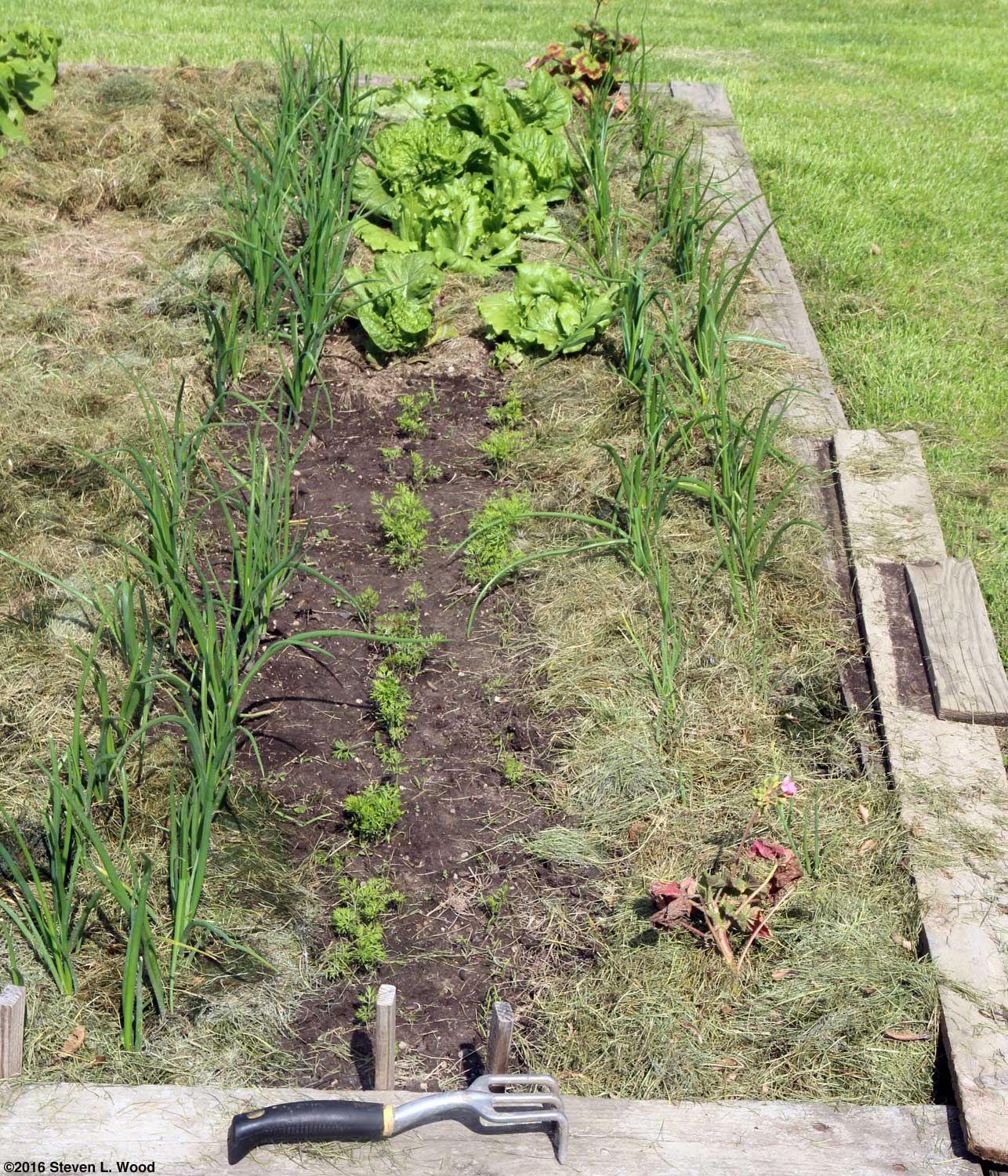
The lettuce and onions that share the softbed with the carrots are also doing well. I popped out in the rain yesterday to cut an iceberg lettuce for supper, as our cut lettuce picked so far was a bit heavy on dark green romaines.
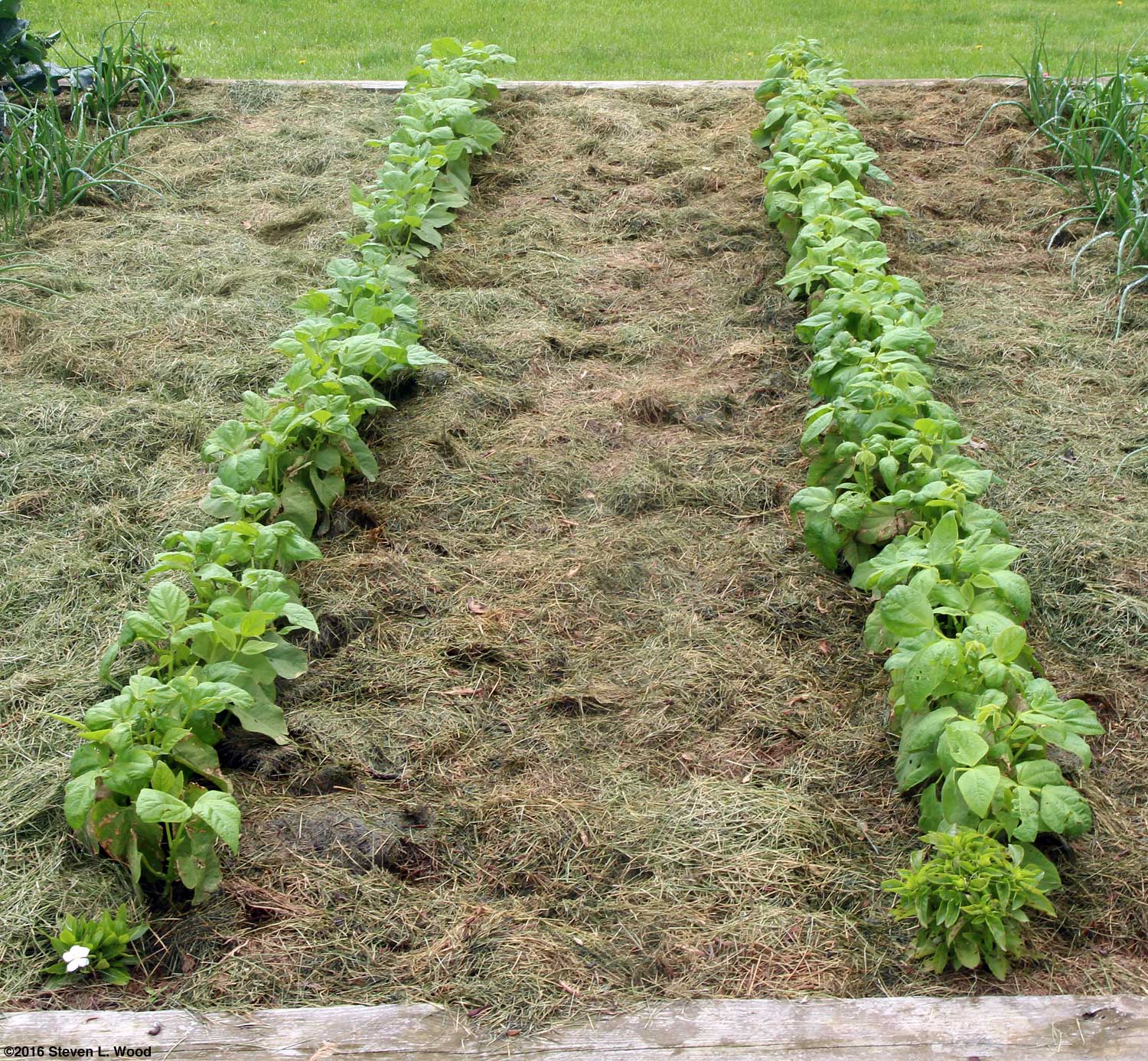
I left a full three feet between the row of green beans on the left and red kidney beans on the right, as the plants will fill out a good bit as they mature. The kidney beans will need all the air circulation they can get, as one picks them as dry beans much later in the season than green beans are picked. We'll probably have to spray the kidney bean row for insect control. Most of the green beans are about 50-55 days to maturity varieties, while the kidney beans take at least 102 days to mature.
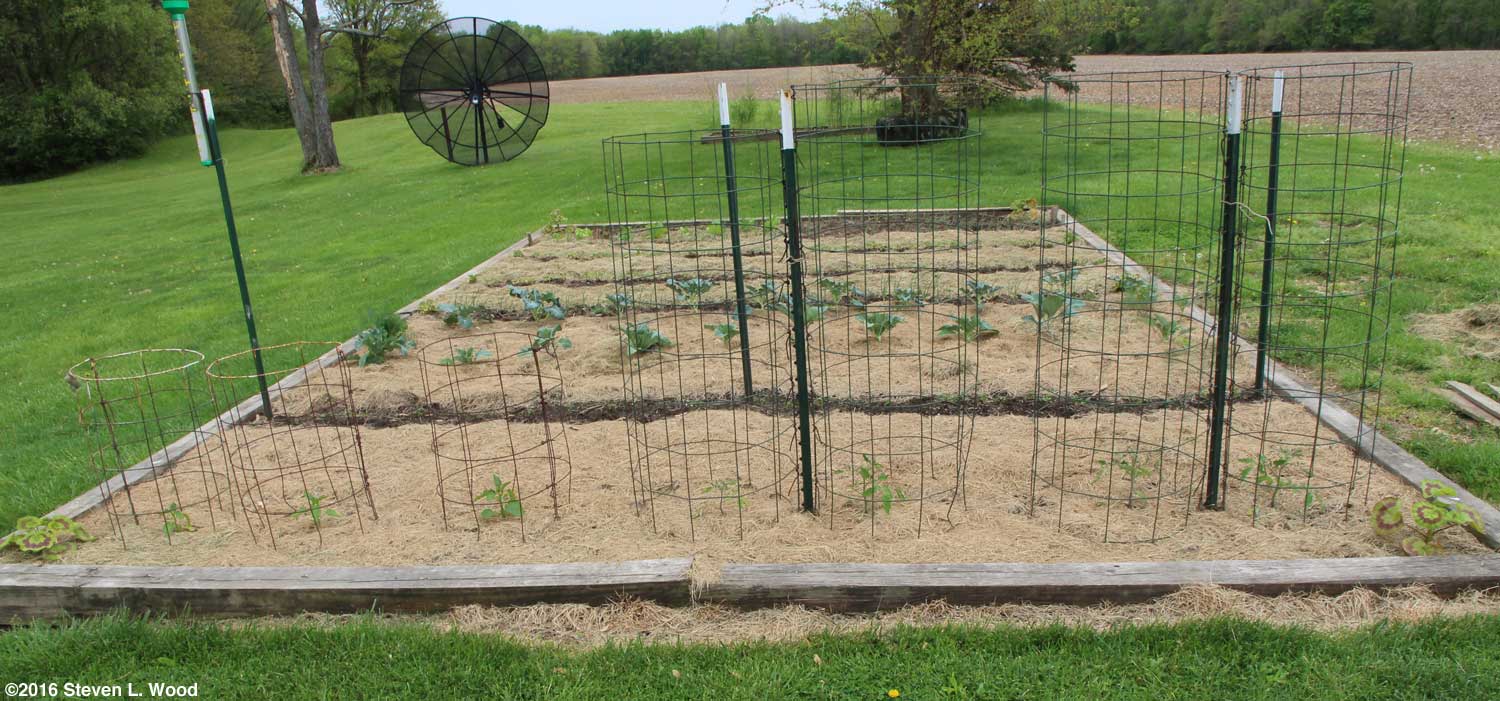
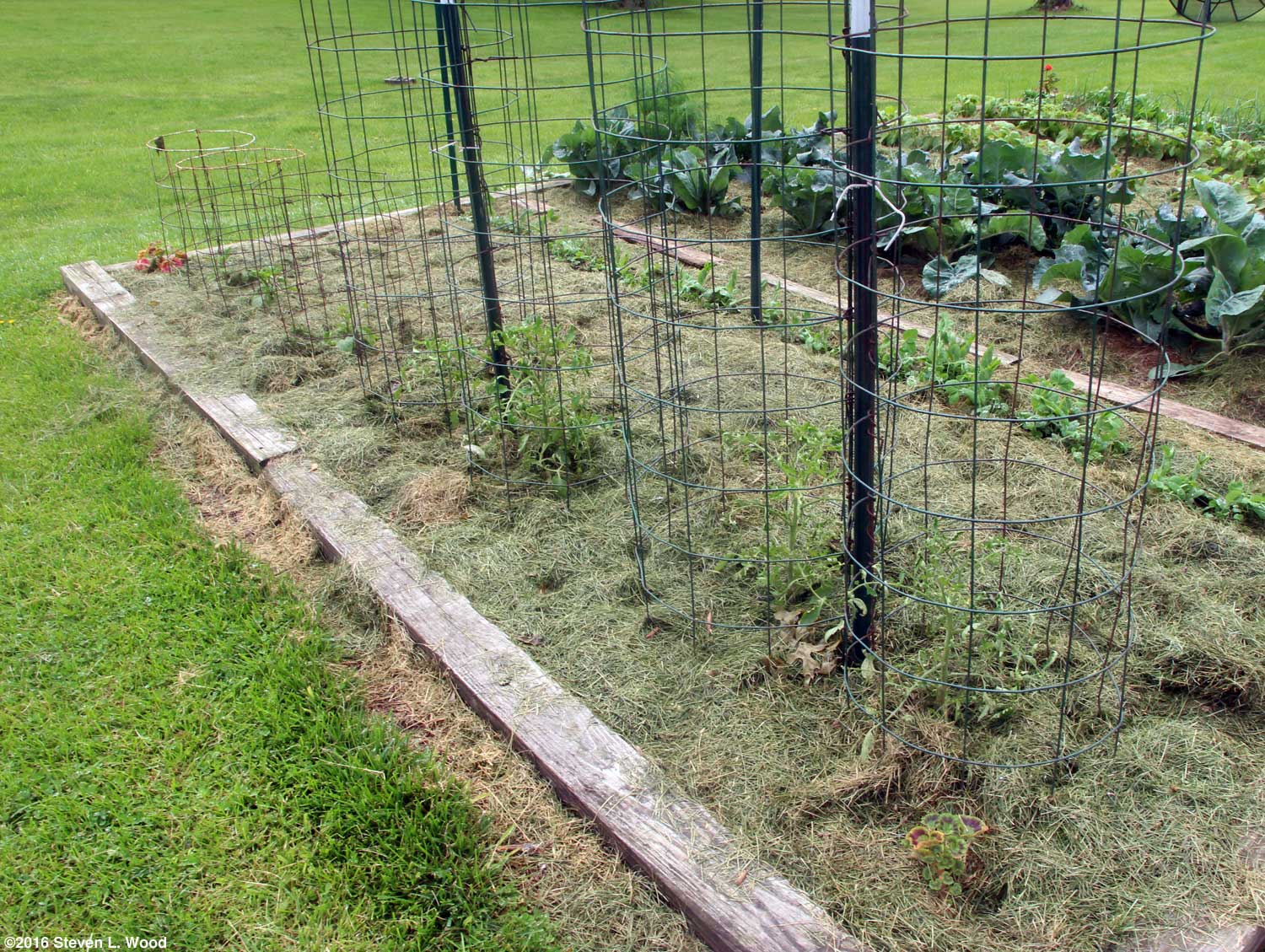
Our row of short peas is pretty spotty. Both the Encore (foreground at right) and the Eclipse varieties are a bit difficult to get to germinate well. Both, however, produce lots of very sweet peas. Since seed is no longer available for the patented varieties, I have to split our harvest each year between picking for the table and freezing early on, followed by letting the last pea pods dry on the vines for seed saving. Even though these are short pea varieties, I'll soon string a trellis down the row to keep the peas up off the ground. Doing so helps prevent pod and seed rot as the last of the pea pods dry. Our row of Earlirouge tomatoes and Earliest Red Sweet peppers is a mixed bag so far. The ERS peppers are doing well, but the four Earlirouge plants are showing lots of leaf curl and don't look very healthy. I'm guessing that the weather we've had has something to do with the tomatoes poor growth.
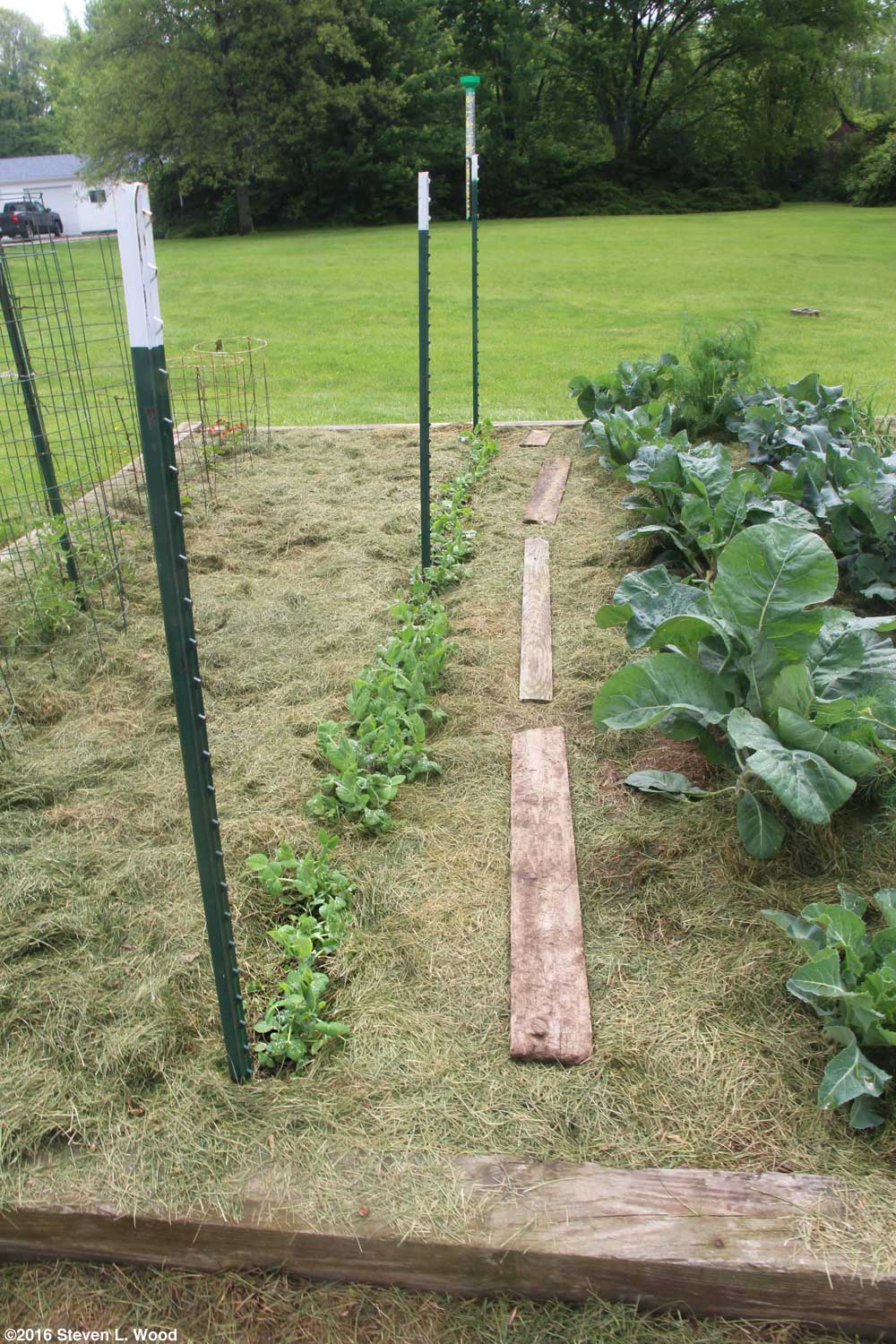
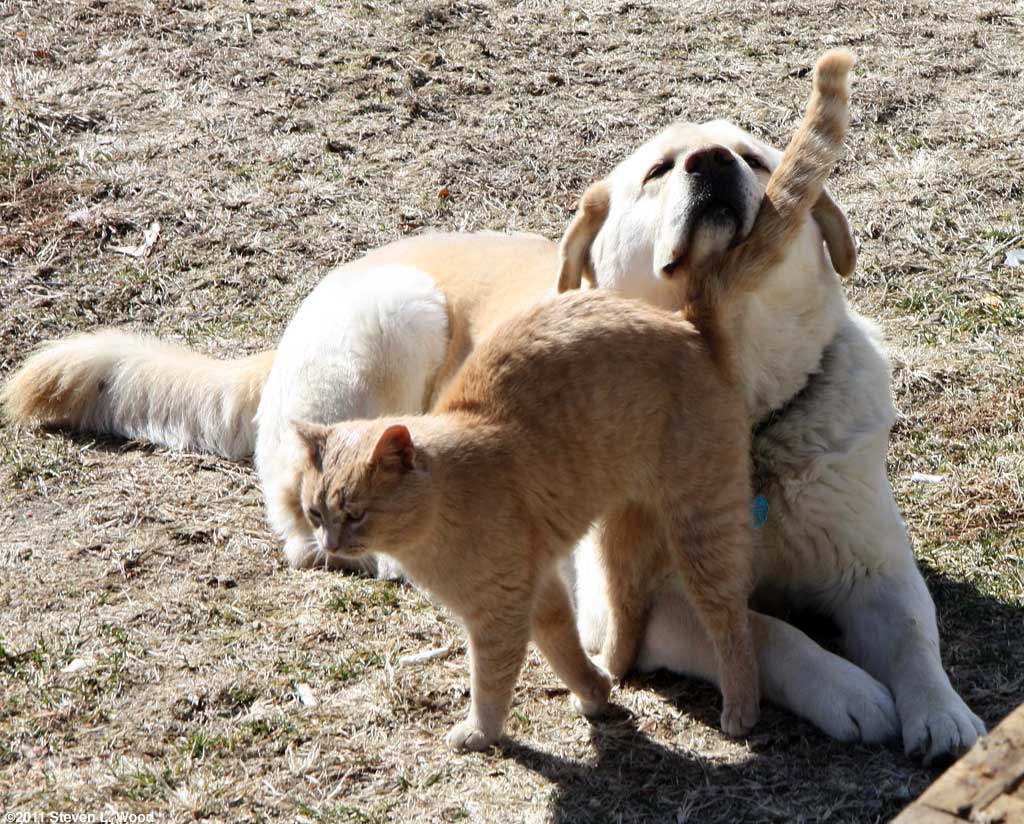
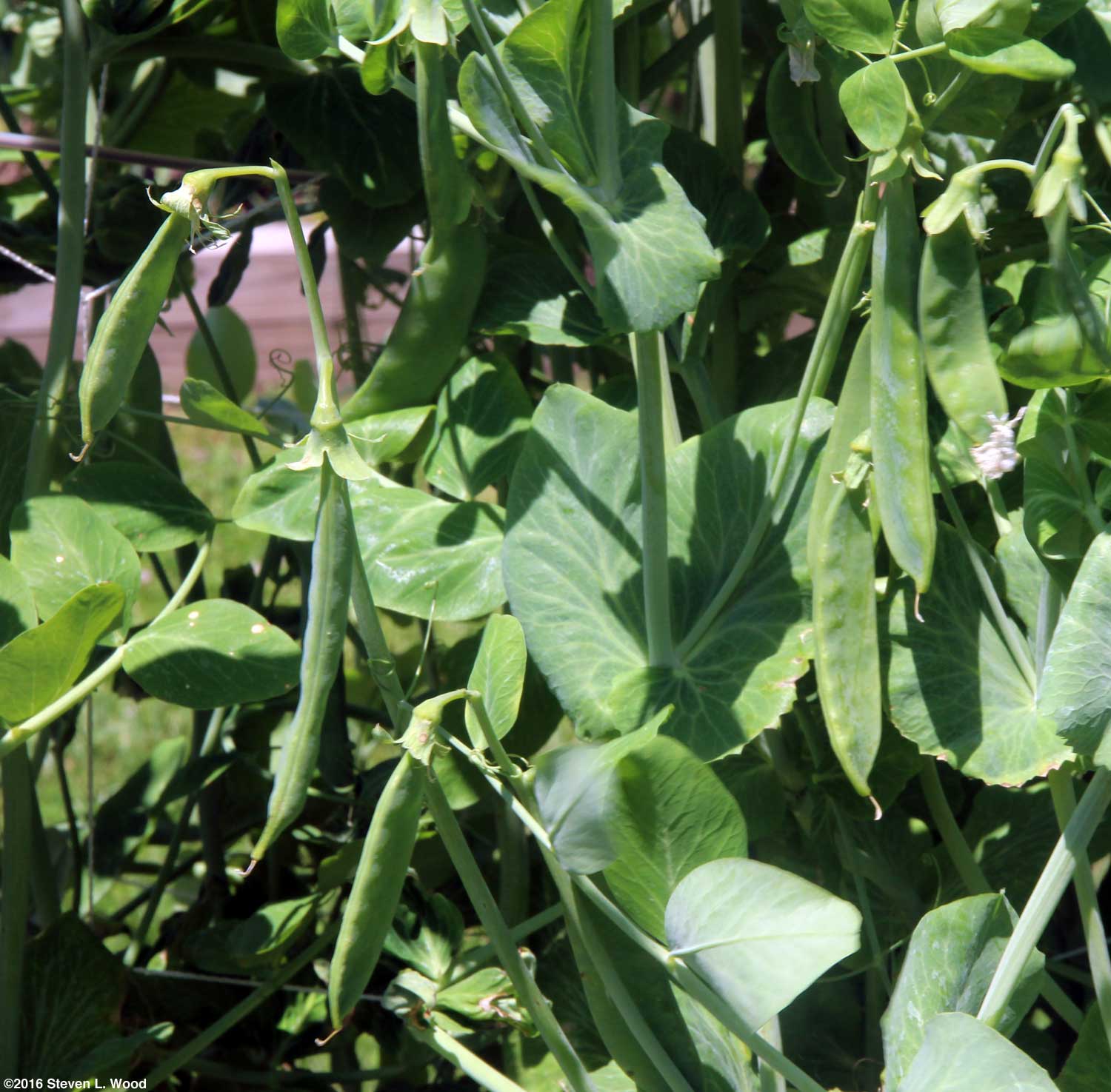
We also have a couple of the related Moira variety of tomatoes growing at the ends of our our early pea bed. The plant on the unprotected west end looks about as sad as the Earlirouge plants. But the plant on the east end of the bed, somewhat shielded from the wind and weather by the peas, is very healthy looking. Our raised bed of early peas seeded on March 9 are now coming into bloom. We should be picking peas in a week or two. The lush growth of the pea vines has once again defeated my efforts to train the vines between a double trellis to prevent them from bending in the wind, ending their productivity. I'm beginning to think that training pea vines is about like trying to herd cats. Some of the pea vines on the ends of the row will have to be pruned a bit, as they're threatening to overgrow the tomato plants at row ends. They're also hanging over and shading some of the row of spinach I squeezed in along the edge of the raised bed. Such nice problems to have.
The early pea varieties are Maxigolt on the left and Champion of England on the right. Both varieties germinate well in cool soils and produce an abundance of sweet peas. When the peas play out, we'll pull the vines and replace them with Japanese Long Pickling cucumbers. Note that this raised bed has very good soil. Even though it was in good shape last season, I planted and turned under a crop of buckwheat to further enrich the soil with organic matter. (Photo of buckwheat growing in the raised bed.
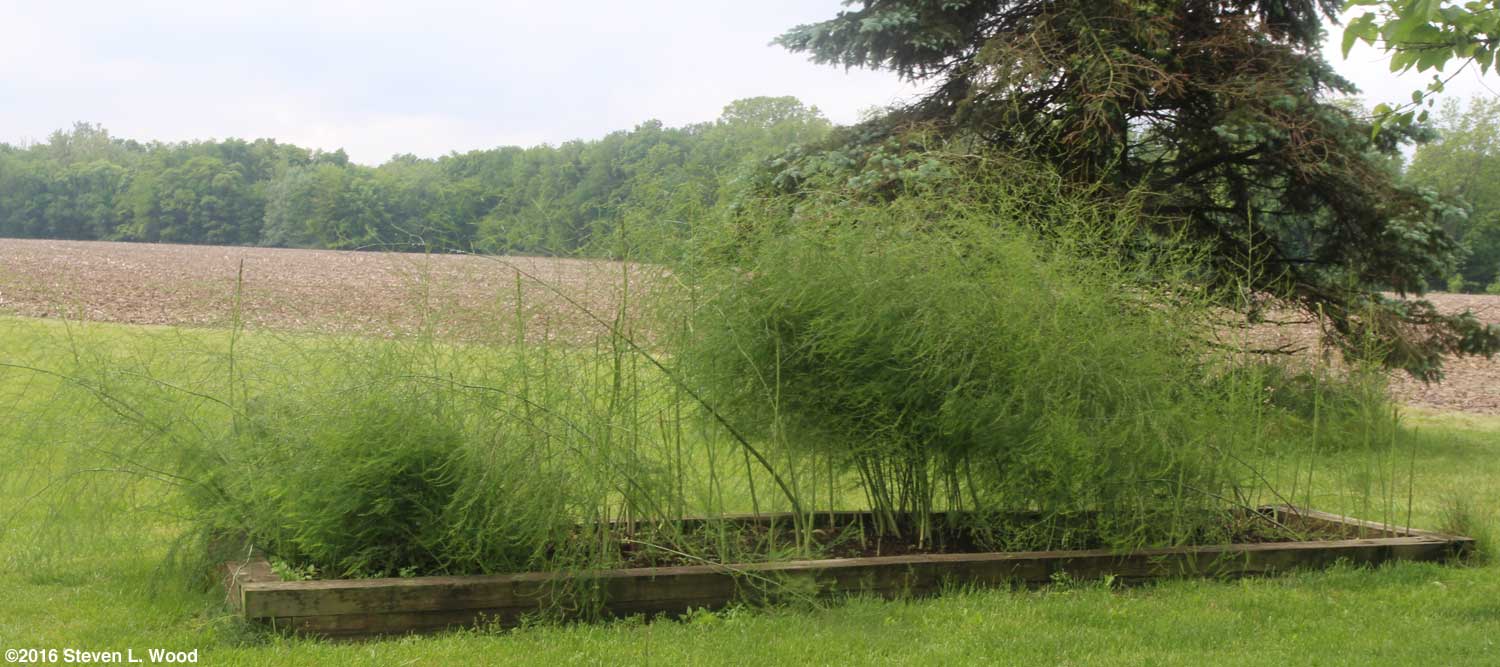
The asparagus bed is also due for some fertilizer and/or compost along with a good weeding. I'm not even showing a photo of our other bed of asparagus, Bonnie's Asparagus Patch. It is terribly weedy and also needs weeding and fertilization. But that patch also survived about twenty years of not being weeded and then mowed down twice a summer before we took over caring for that part of Bonnie's property (Bonnie is the landowner of the farm ground around us.). As I was writing part of this posting, two of our grandchildren were in the next room singing the Interjections and Conjunction Junction songs from the old ABC Grammar Rock series! I quickly dug through my old teaching files and moved bootleg versions of the Grammar Rock videos to the computer in the room where the grandkids were. While those files were hard to come by at one time, most of the Schoolhouse Rock series is now available on YouTube. If you're looking for some educational material that will entertain kids or grandkids, this series is time tested and should do the trick. I'll embed the Interjections video at left so that you too can be humming the tune the rest of the day!
Sunday, May 22, 2016 - Warmer Weather
Our wet soil conditions will probably continue for a while, as we have more rain predicted to start around mid-week. I took our pickup truck into the field east of us yesterday to dump compost and used cat litter and to check two of our isolation plots. As I drove through the field, I could hear the tires splashing through standing water from our recent rains. About Those Isolation Plots
I have a deep sixpack insert of the slow germinating Paprika Supreme pepper plants to fill out one of the isolation plots. Our purchased seed didn't germinate well, but some of our saved seed from several years back eventually came up and has produced good transplants. Cool Weather Crops
One variety I'll be watching closely over the next ten days is the new, open pollinated spinach, Abundant Bloomsdale. While described in seed catalogs as a bit slower growing than other spinach varieties, ours has kept pace with the America and Melody spinach planted in the same row. It produces tasty, deeply savoyed leaves in good quantity. The variety is also described as "bolt resistant," the trait we'll be watching closely as our weather warms. I pulled one Abundant Bloomsdale plant yesterday that appeared to be putting on a seed head. Abundant Bloomsdale was bred by the Organic Seed Alliance (OSA) in partnership with organic farmers. It's named after the Abundant Life Farm where this breeding project started in 2002. The variety was released this year under the Open Source Seed Initiative. In contrast with Monsanto/Seminis bred and patented plants, the OSSI pledge states: "You have the freedom to use these OSSI-Pledged seeds in any way you choose. In return, you pledge not to restrict others’ use of these seeds or their derivatives by patents or other means, and to include this pledge with any transfer of these seeds or their derivatives."
I have decided that I already like the Abundant Bloomsdale variety enough to try saving seed from it. I haven't saved spinach seed previously, but a quick check of Rob Johnston, Jr.'s Growing Garden Seeds revealed that doing so isn't all that difficult. We currently have plenty of seed of our other two favorite spinach varieties, shouldn't have cross pollination problems once I pull our America and Melody spinach plants, and the Abundant Bloomsdale is growing in an area not needed for another crop. Besides providing us with some free seed, saving seed from our plants will begin to adapt the saved seed and resulting plants to our climate and growing conditions. We're getting good use from all of our spinach varieties this spring. We've enjoyed spinach salad, spinach omelettes, and spinach raviolis so far. The spinach has been quite a treat, as our spring spinach often bolts before we get to use much of it. Gloxinias
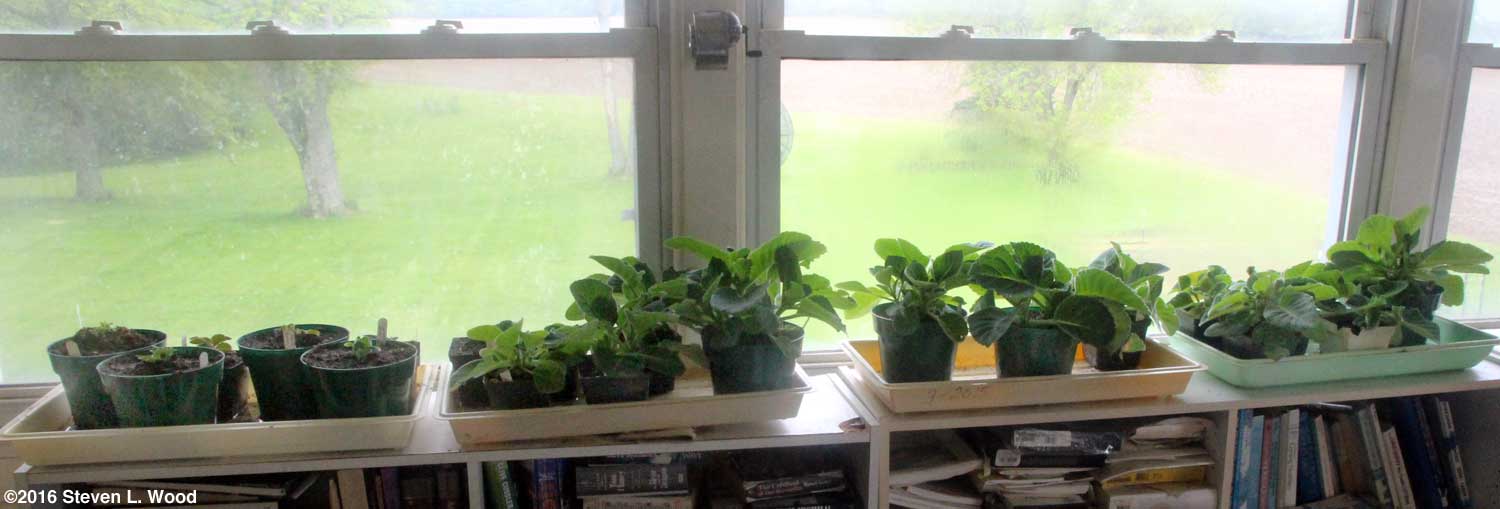
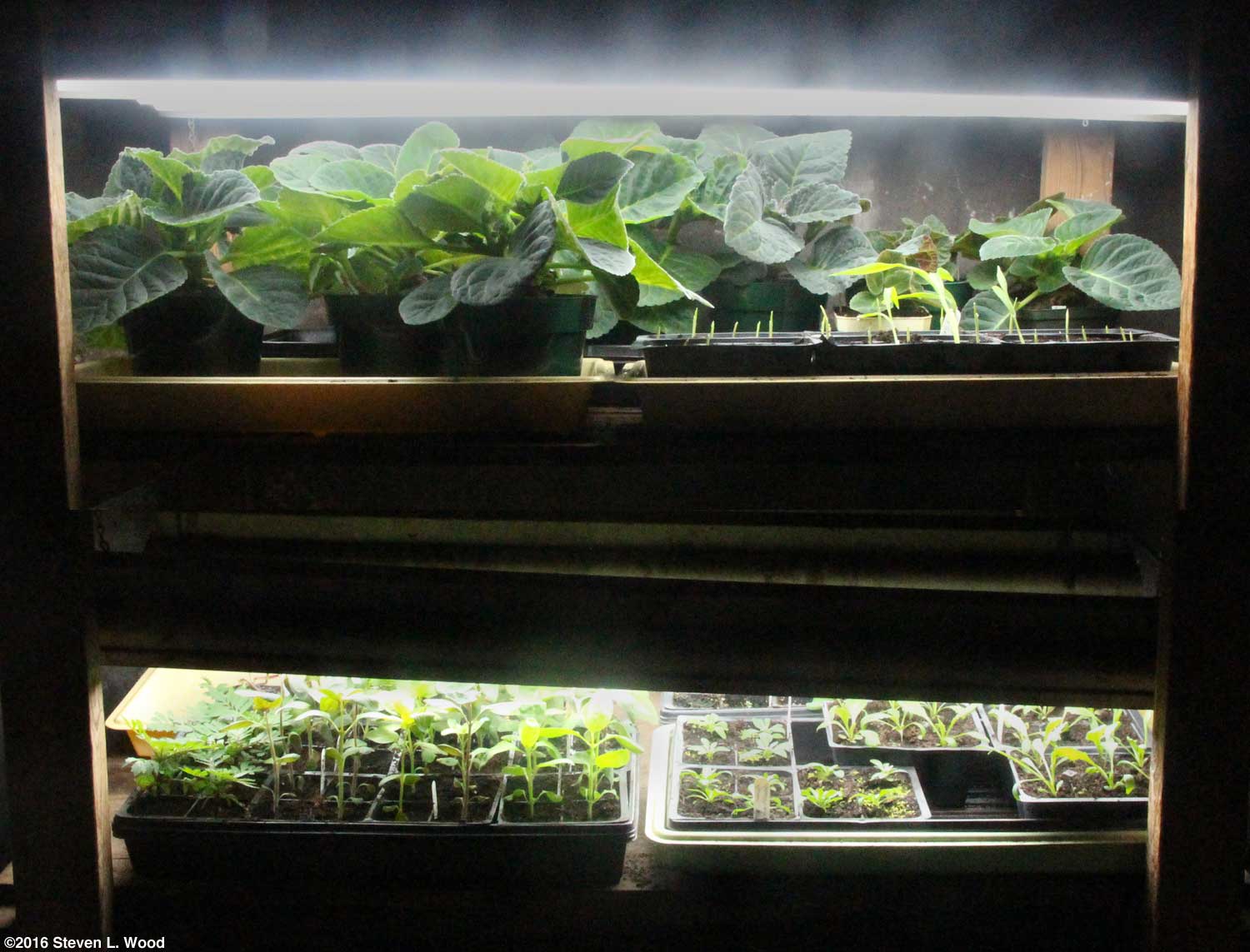
Seeing a healthy, blooming plant has become a relief after we lost our entire collection of gloxinias to the INSV virus two years ago and had to start over from seed. I'm pretty sure we've eliminated the virus after disinfecting our plant light area and not growing anything there for several months. To make sure we're beyond the virus problem, which usually manifests itself after a plant's initial blooming cycle. They'll bloom, rest a bit, and bloom again before needing to go dormant for several months. I've kept our gloxinias separated. Most of our plants are doing quite well on a south facing bookshelf in our sunroom. The rest occupy most of the top shelf of our plant rack. As our open pollinated gloxinia varieties begin to bloom, I'll start hand pollinating the blooms to produce gloxinia seed. Having to re-start our collection has run our saved supply of gloxinia seed a bit lower than I'd like. While we'll be giving away a lot of gloxinia plants this year to keep our collection manageable, I'll also be starting gloxinia seed next month. With most of our gloxinias now out of dormancy and getting ready to bloom, we'd probably not have any in bloom next winter unless we start more from seed, timed to begin blooming in November or December. BTW: I've found that gloxinia seed stores well when thoroughly dried and kept frozen in a manual defrost freezer. When I restarted our collection, some of the seed I used was from 1991 when I was still teaching. We let the kids hand pollinate the plants and sent home baby gloxinia plants with them for mother's day. New Raised Bed Construction on Hold I've had to put construction of our new raised bed for herbs on hold during our wet weather. The ground is still squishy, and I'm to the point where I need to level the trenches, cut the timbers to length, and anchor them in the ground with rebar. The last two jobs necessitate the use of a corded power hand saw and drill, something unwise to employ while standing on wet ground. Thursday, May 26, 2016 - More Rain
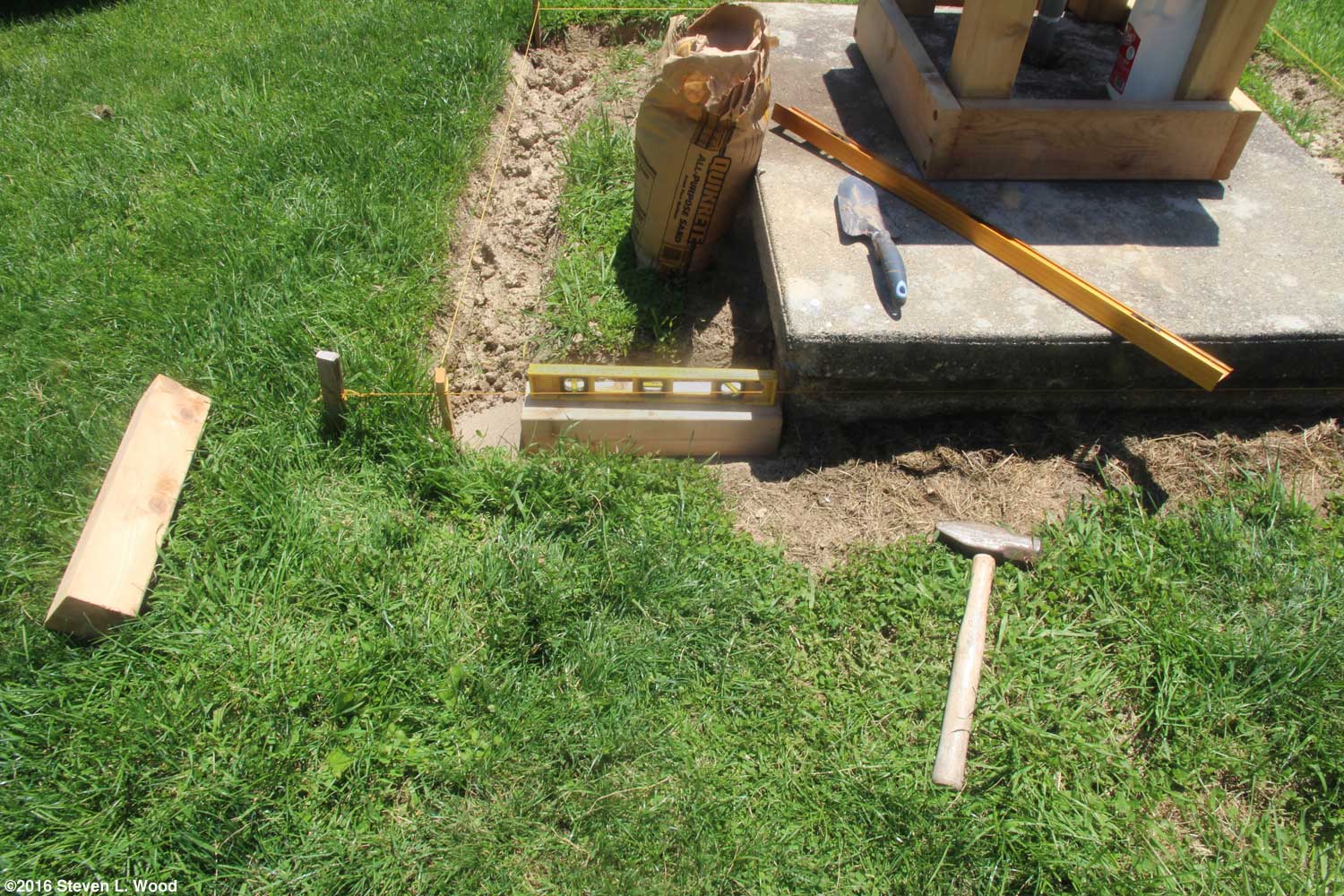
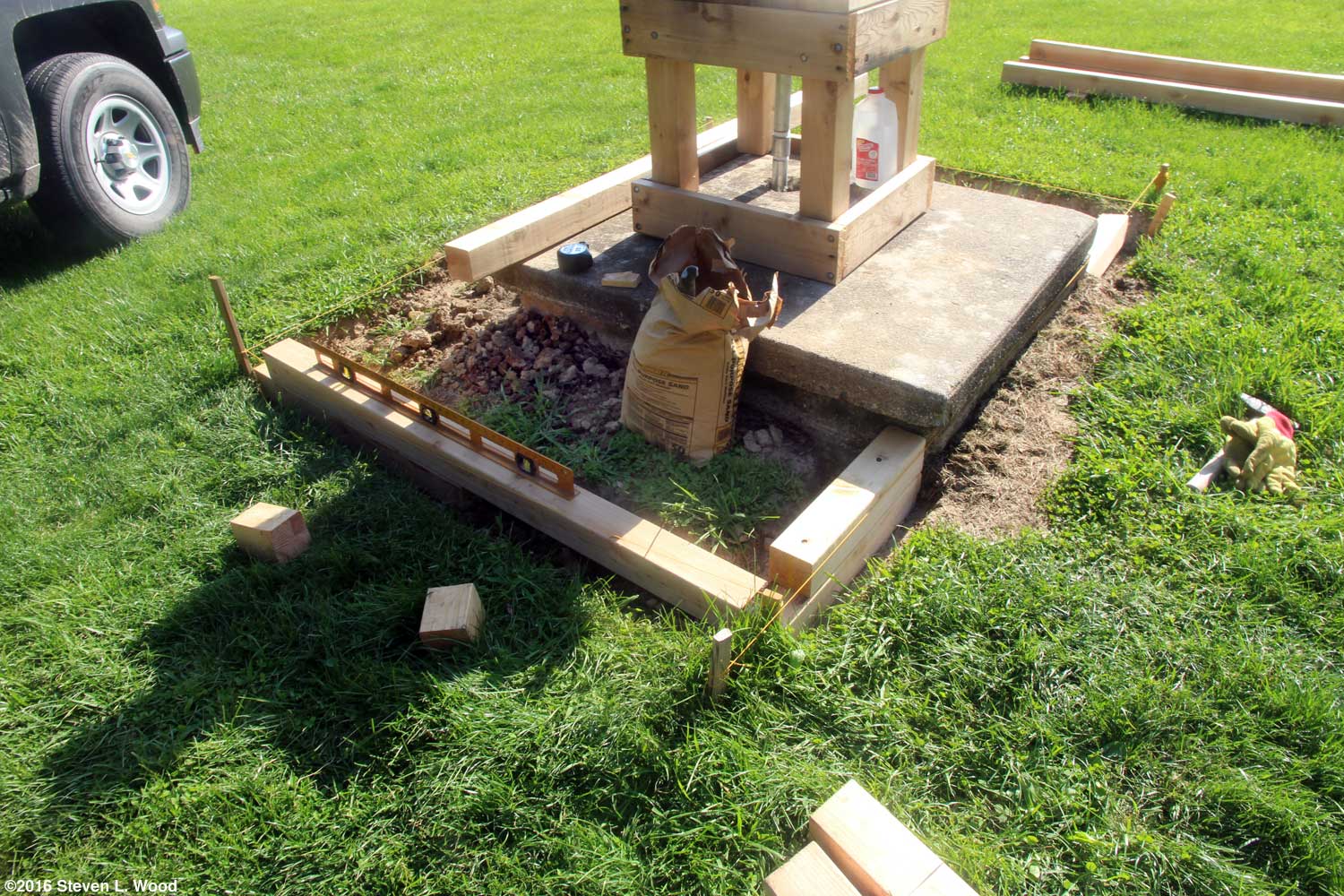
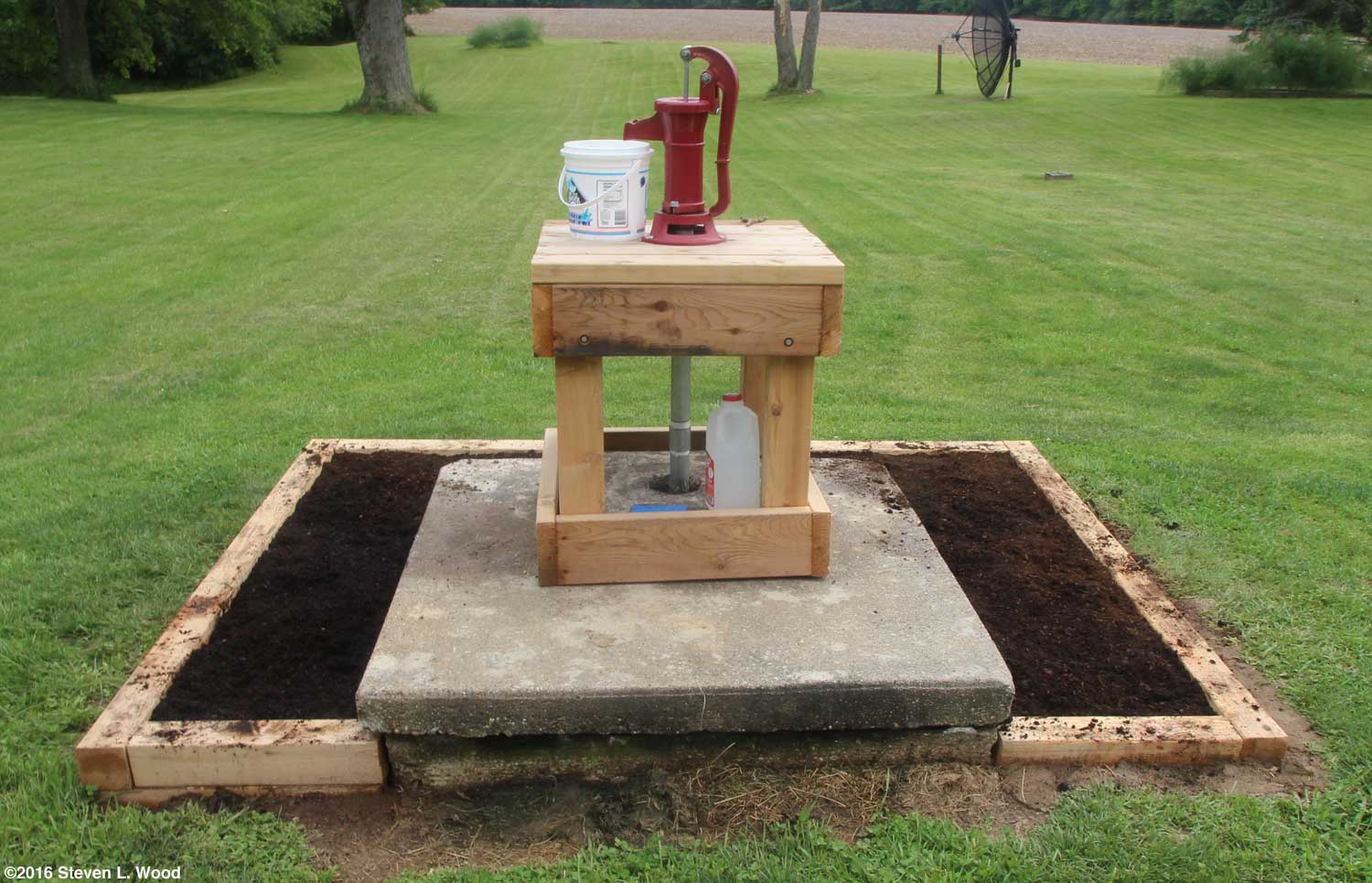
One Last Raised Bed I finished the frame of our latest raised bed on Tuesday. Having previously strung the site and dug initial trenches for 4x4 (actual size 3 1/2") timbers, I began leveling the trenches, cutting wood to length, and anchoring it with rebar on Monday. Getting the trenches level was important so that I could have the tops of the timbers just a bit lower than the underside of the shallow well cover the raised bed abuts on three sides. I've found that once a trench is somewhat level, construction sand is really helpful in filling in holes in the ground and completely leveling the soil surface.
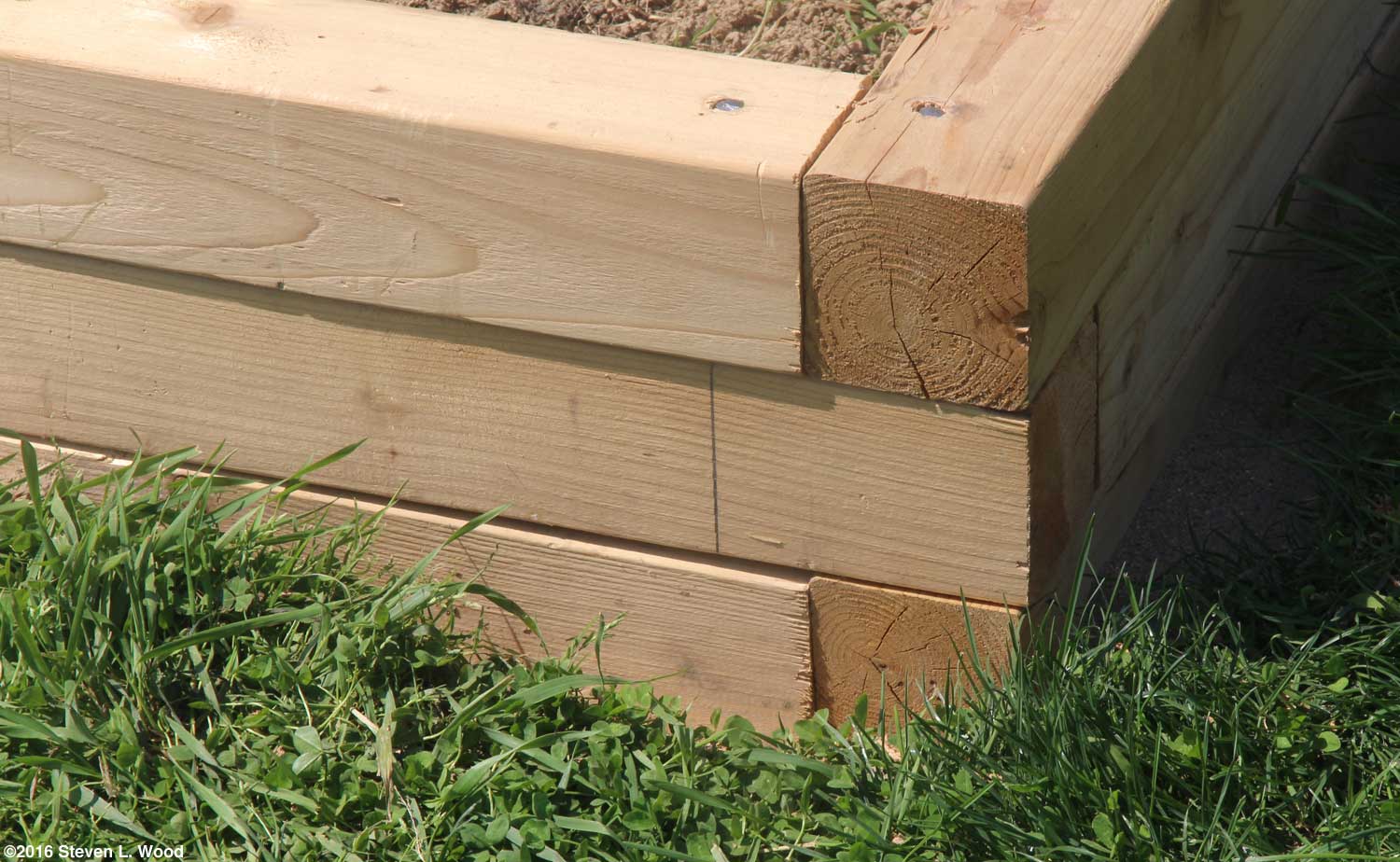
Because the ground on one corner sloped away from the well, I had to use shorter pieces of timbers to go three deep at that corner to keep things level. I've found with constructing raised beds with landscape timbers, one always, always wants the timbers at least two deep to prevent heaving. I learned that one the hard way with our first raised bed that has two sides only one timber deep.
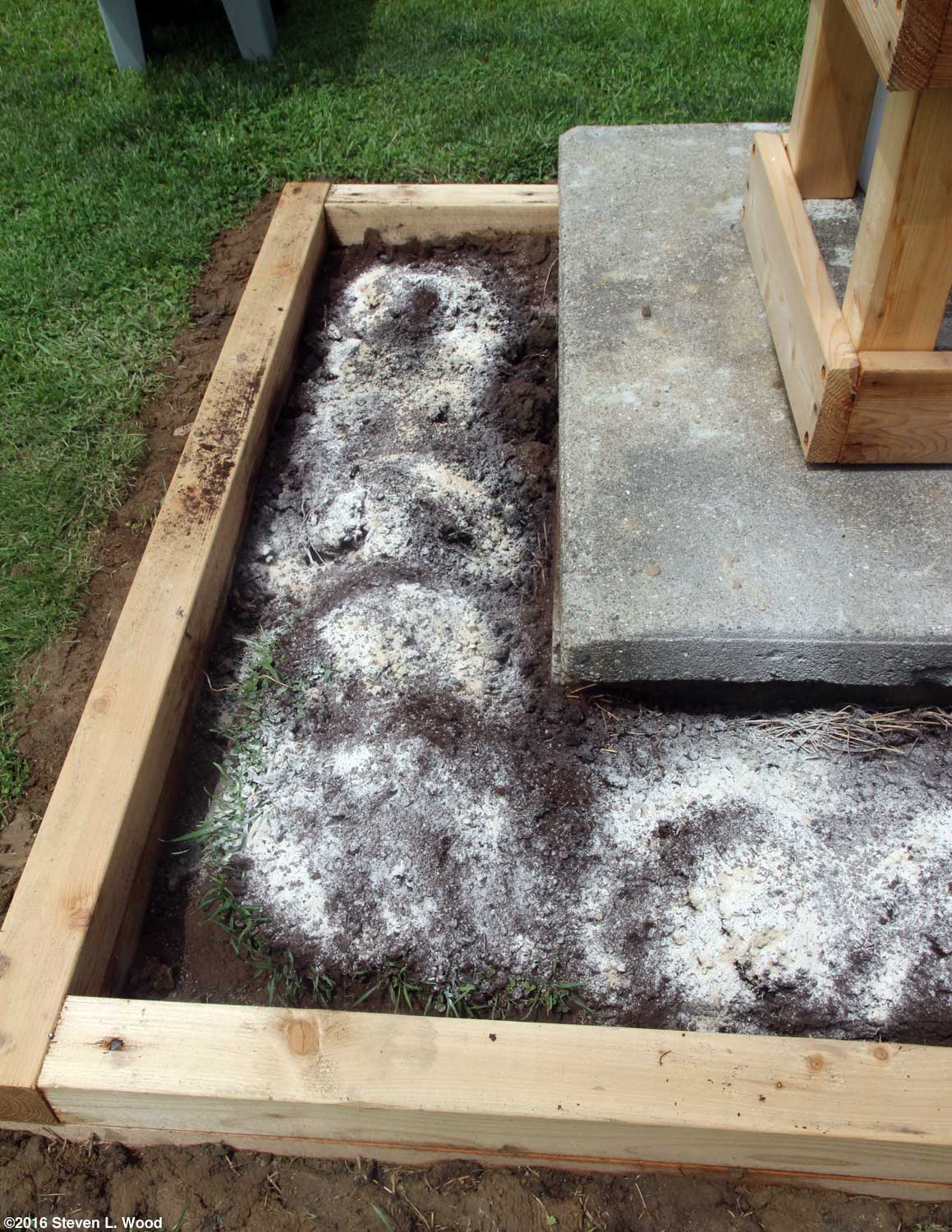
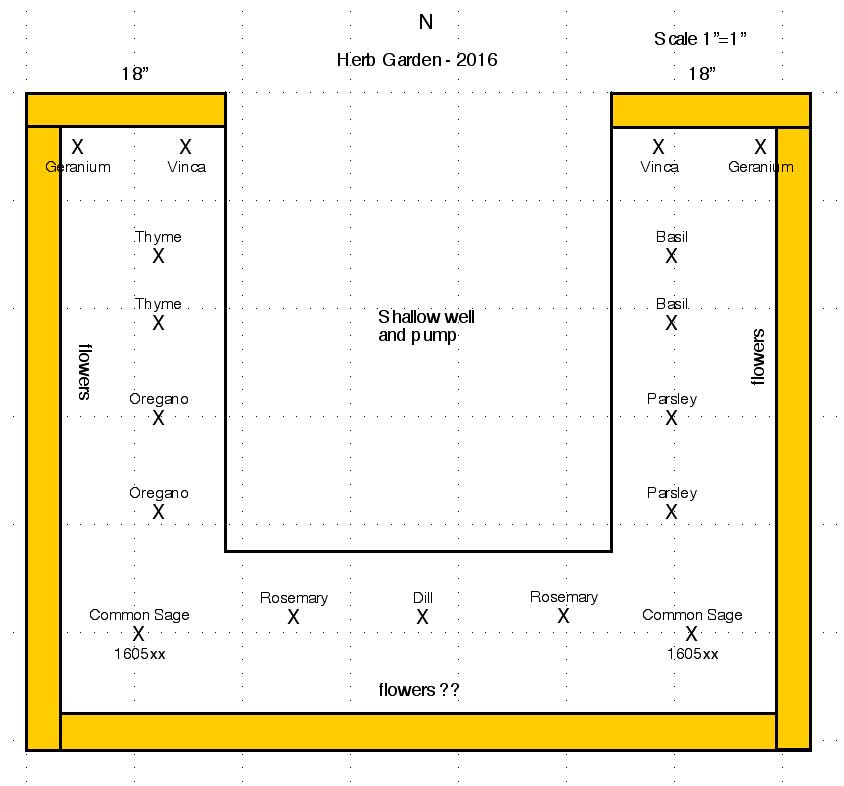
I'm not quite done with the construction yet. I need to hammer in more rebar to reinforce the sides of the bed. I did begin filling in the space dug outside the timbers with loose soil. Work on the soil inside the raised bed is on hold until some gypsum I ordered comes in. It should help break up the heavy clay subsoil around the well. I'll also be adding peat moss and lime to the subsoil before covering it with compost and some leftover potting soil from this spring's plantings. I may even have to buy some bagged garden soil to completely fill the bed, as I took out a lot of the subsoil when trenching and used that soil around our cistern where the surface soil had eroded away. Unless one of our kids wants me to help them build a raised garden bed, this one will be my last to construct. I'm 67...almost 68...and hammering in rebar really kills my shoulders. I actually got off easy this time, as 4x4 cedar timbers are a lot lighter than the 6x6 treated timbers I've used in our other raised beds. I'm almost to the point where the real fun begins. Once I get the soil done and it settles a bit, I'll begin setting out our herb transplants. Since many of them are perennials, I should only have to plant them this year. I have sage, rosemary, thyme, oregano, and possibly some dill, if the transplants revive, to put in. I may squeeze in a few parsley and basil transplants if there's enough space, although I already have dill, parsley, and basil planted elsewhere in our garden plots. This plan all got started several years ago when I put a couple of sage plants in the soil just behind the well cover. Only one plant survived, but it put on an incredible display of blooms for several years that made me wish I had a permanent bed around the shallow well. Now, I do! Our "senior dog" died yesterday. Mac was a sixteen year old lab/rottweiler/chow cross who spent his last ten years with us. Whoever raised him did it right, as Mac loved kids and people and was incredibly tolerant of cats. He went everywhere with us here, often popping into the creek or pond to cool off, leaving his belly and legs covered with mud. When he came into the house, he would stuff as many dog toys as possible into his mouth.
We still have three dogs, but we'll miss Mac terribly. Friday, May 27, 2016 - Ready to Plant
With a bit of rain last night and more possibly today, I hope to begin moving herb and flower transplants into the new raised bed over the weekend. I'm really exciting about finishing this project, as it is one I'd hoped to do for several years.
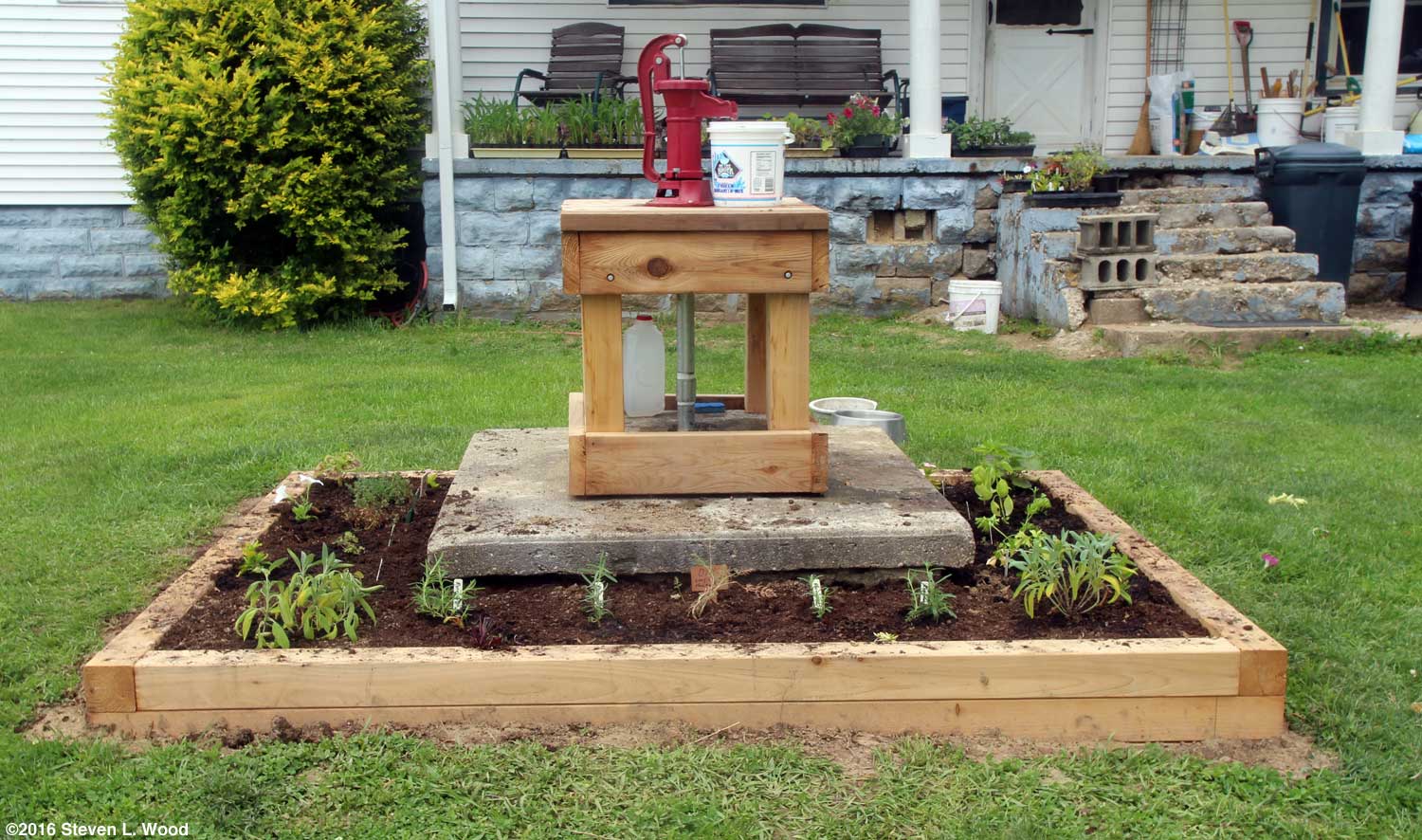
As with all plans, this one will probably change a bit once I start putting real plants into the ground. I also had to research plant heights and widths, as I'm a bit of a rookie at growing herbs. We've successfully grown, saved and dried sage, basil, oregano, and parsley in the past, but dill, rosemary, and thyme are varieties that have often languished on our back porch with nowhere to go in our garden plots. I've always wanted a single herb garden plot where I can go out and pick fresh basil, parsley, and oregano when making spaghetti sauce and the like. Later I went ahead and planted our whole raised bed herb garden today. Parsley, sage, rosemary, and thyme (Simon & Garfunkel Scarborough Fair reference) along with basil, dill, oregano, and various flowers now fill the bed.
Sunday, May 29, 2016 - Sweet Corn Planted
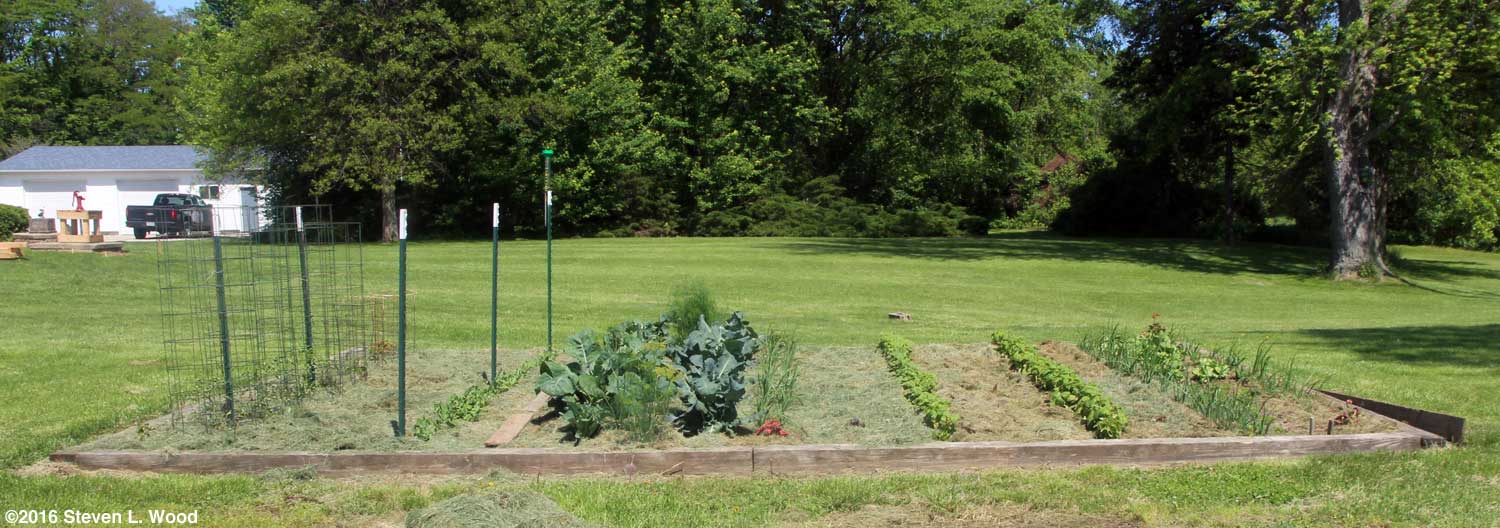
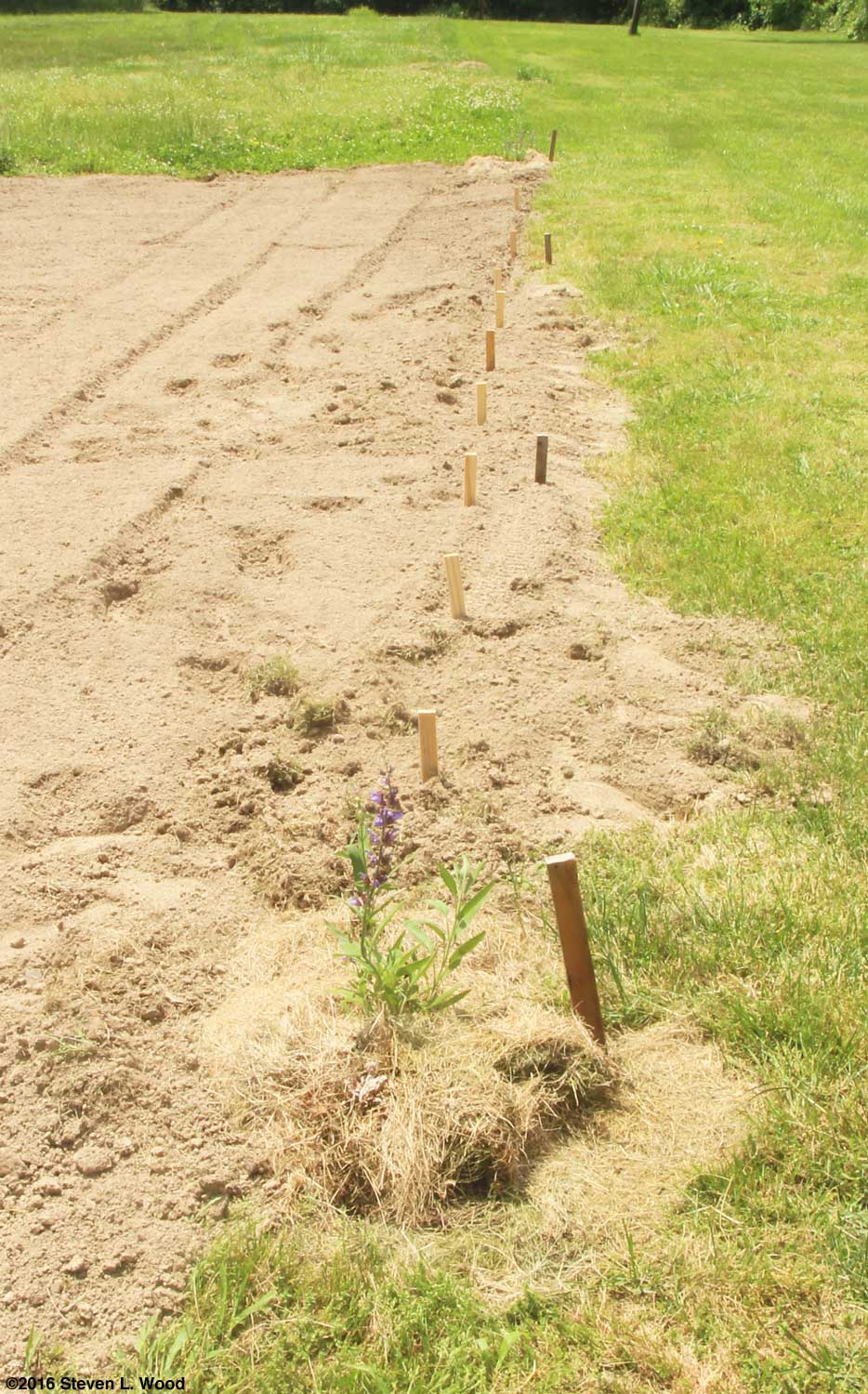
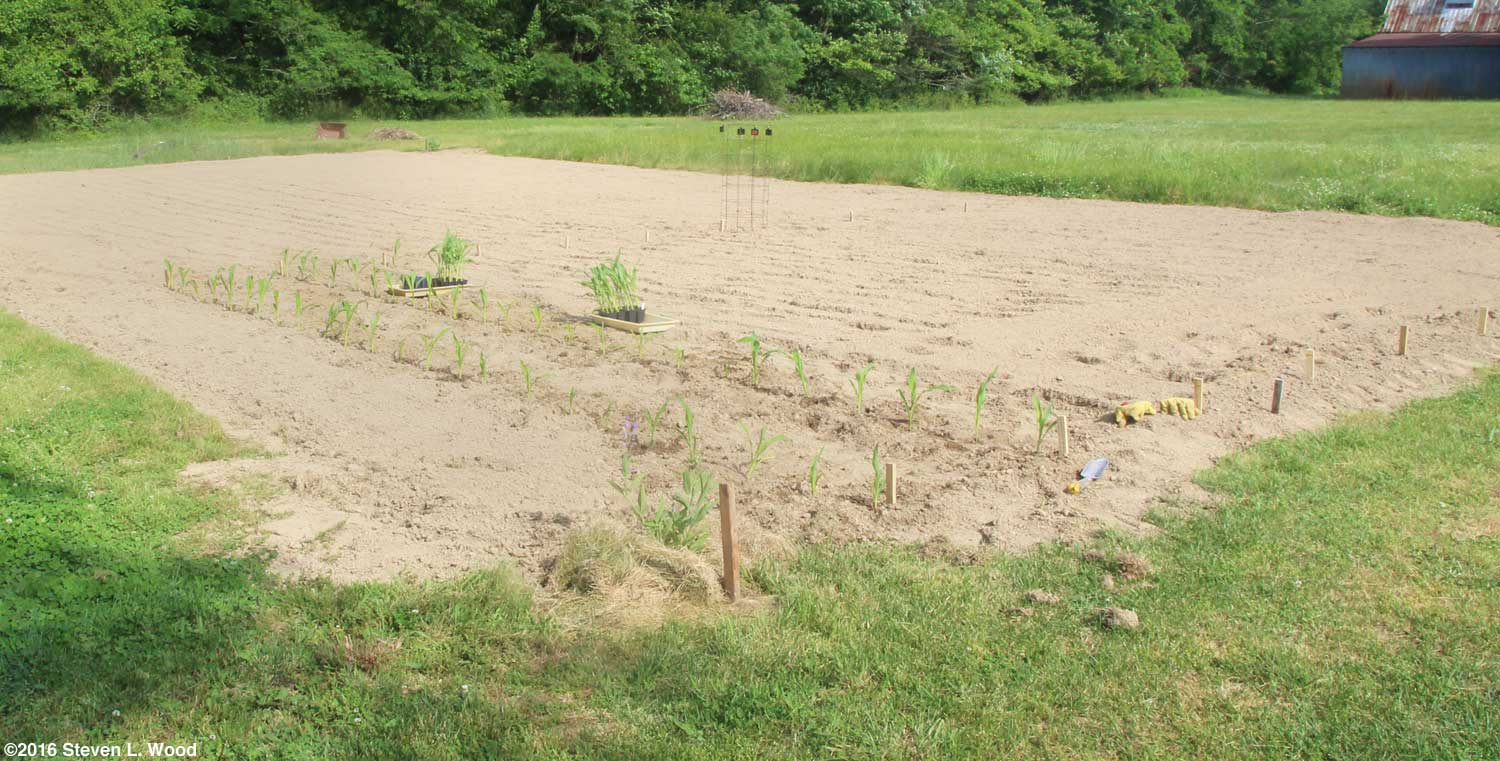
With our East Garden plot planting ready this morning, I got out early and staked the rows for our sweet corn, potatoes, and melons. As often happens, I had to modify the actual rows from our garden plan to match the space and plants available for transplanting. Being a Hoosier, I made sure I was done with the task in plenty of time to get cleaned up and be in front of the TV for the start of the Indy 500. During commercials, yellow flags, and such, I cut lettuce, spinach, and broccoli. I had a sandwich for supper, and the best part of it was the crisp lettuce I'd picked during the afternoon. At this point, none of our lettuce has bolted yet. When I picked spinach, I found several plants putting on a flower/seed head. Fortunately, most of the spinach wasn't going to seed and was still sweet.
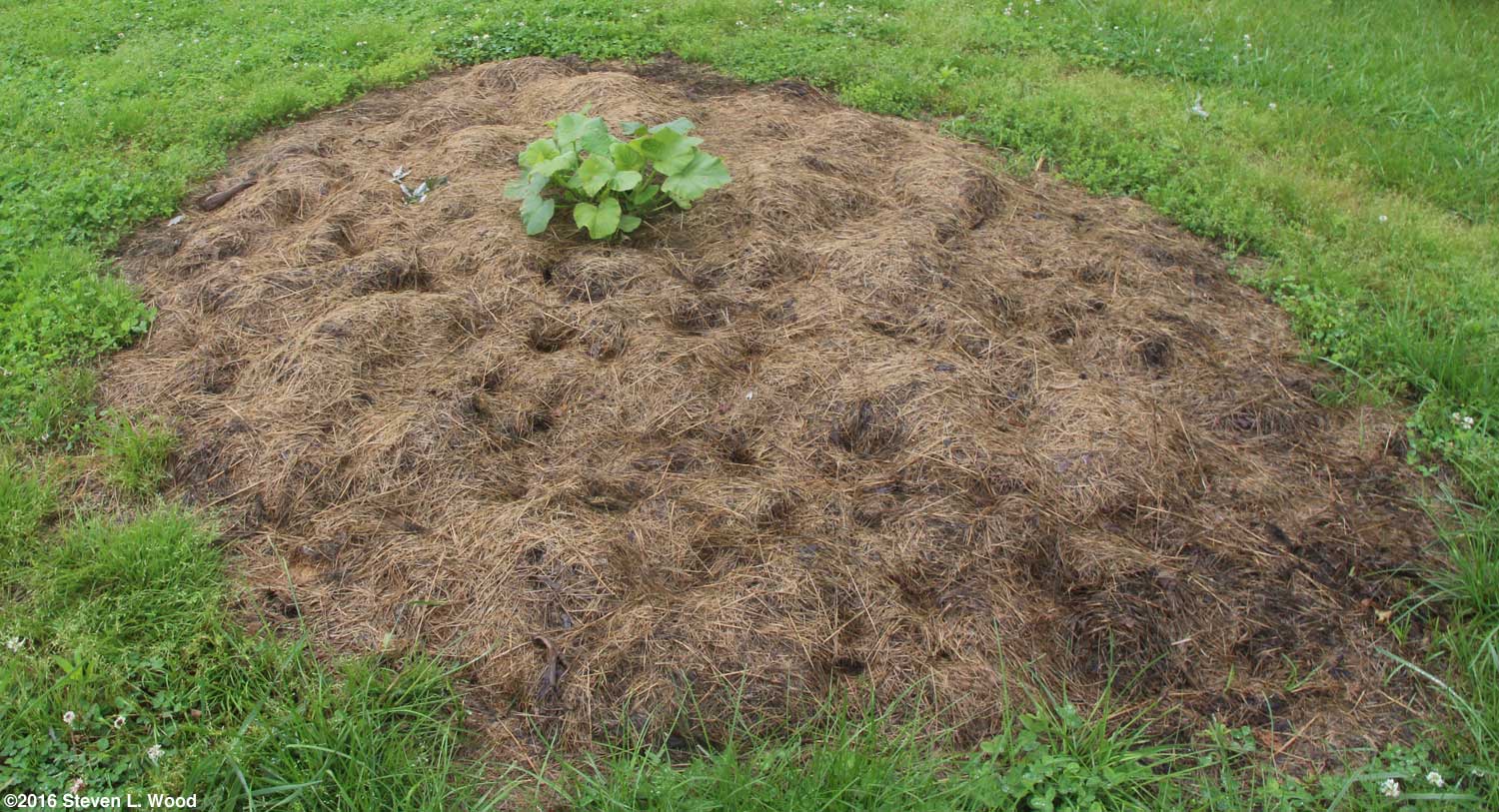
I ended up setting the really tall transplants a few inches lower in the ground than they'd been in their deep sixpack inserts. I have no idea as to whether these plants will produce a crop, but it seemed worth the effort since I already had the transplants, While I transplanted Summer Sweet 6800R, ACcentuate MRBC, and Who Gets Kissed, I direct seeded almost half of the area to Summer SWeet HiGlow SS3880MR. We've had success transplanting sweet corn the last two seasons, but right now, I'm not terribly wild about the idea. Beyond my concerns about using transplants that were weeks past the point where they should have gone into the ground, deer tracks across the freshly tilled ground last week also have me worried. The hungry deer also nipped leaves off our butternut squash plants, a plant deer generally don't bother.
I'm not convinced that any of the measures mentioned above will protect our sweet corn from the deer. I'd sprayed Bobbex on our corn last year, only to have the deer eat all of the corn on a stormy night. We do have the advantage this year of growing our sweet corn in our East Garden, which is a much more open area where our dogs might spot and chase off the deer. Other Stuff
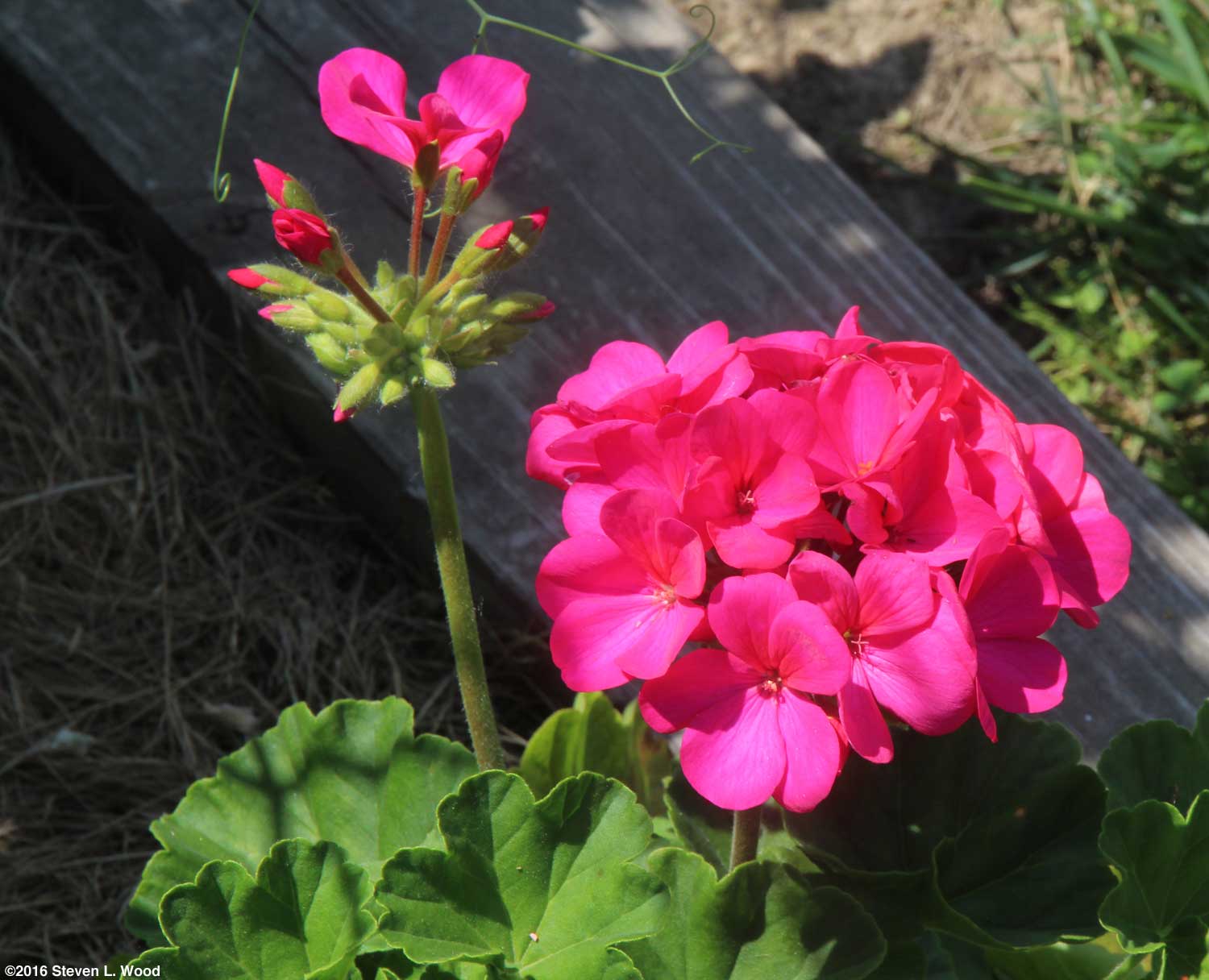
While picking lettuce, spinach, and broccoli and admiring our peas, I also grabbed a shot of an Orbit geranium in bloom. With the strange weather we've had this spring, our geraniums have been slow to bloom. This magenta (That's the color, isn't it?) geranium struck me as being really pretty. Since we purchase our Orbit geranium seed as a mix, it's always interesting to see what colors we get. Towards the end of last week, I brought the last of our flower starts up from the basement to harden off on our back porch. We have marigolds, snapdragons, vinca, petunias, impatiens, alyssum, and a few more geraniums to brighten our garden and flower beds. Once I get our melons and potatoes going in the East Garden, I can get back to putting out flowers.
Oh, and About that Water for the Sweet Corn
When I transplant our squash and melons, it will take hundreds of gallons of water to get the transplants going good. I hope to draw all of that water from the shallow well...if my arm doesn't give out. Have a great Memorial Day!
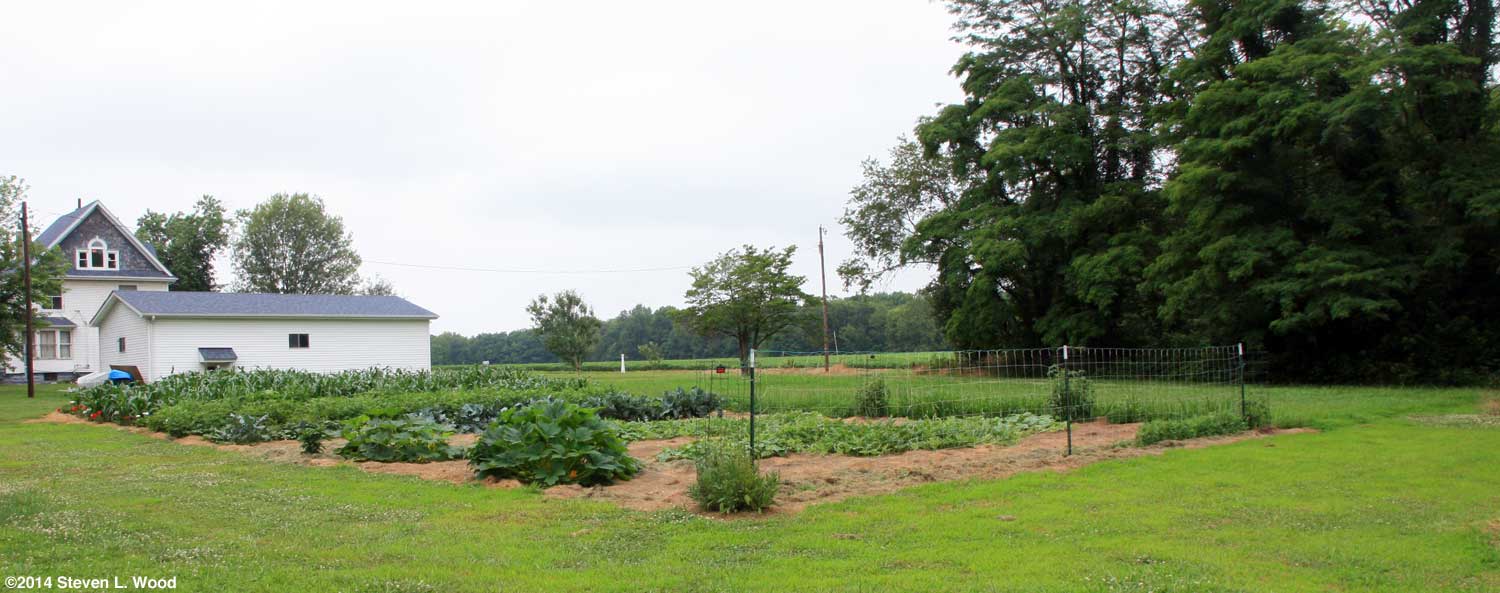
While our monthly rainfall total wasn't unusual, the way the rain came was. We had just enough rain just often enough to prevent tillage of the ground. Since we got our raised beds completely planted in April, the wet conditions only impacted working our large East Garden plot. Area farmers have to be going nuts with the late planting that directly affects their bottom line. But with farming and gardening, there simply will be months like this one from time to time. On a more positive note, we've been able to pick very good lettuce and spinach far later into the spring than usual. We cut off our asparagus harvest early, before mid-month. Our asparagus patches were still putting out some nice spears, but far fewer than in past years. I attribute that one to my not applying our usual fall heavy layer of compost over the asparagus. The compost is still in the pile, however. I need to find the time to screen and spread it sometime next month. Our early peas look great, but haven't yet filled out any pickable pods. That should happen in a few days or so, but it will be a week or so later than usual. During the mix of dreary and sunny days, I did complete a long-standing aspiration, plumbing our shallow well with a hand pump and building a raised bed for herbs around three sides of the well cover. Towards the end of May, I was able to till our East Garden twice and get our sweet corn transplanted and direct seeded. Our seed potatoes have been cut into sets and are curing a bit before going into the ground. And our melon transplants for the East Garden have begun to bloom in their 4 and 4 1/2 inch pots. Transplanting them will be a delicate operation. The blooms will get pinched off, but the stems and vines may be a bit brittle. Contact Steve Wood, the at Senior Gardening |
||||||||||||||||||||||||||||||||||||||||||||||||||||||||||||||||||||||||||||||||||||||||||||||||||||||||





 From an

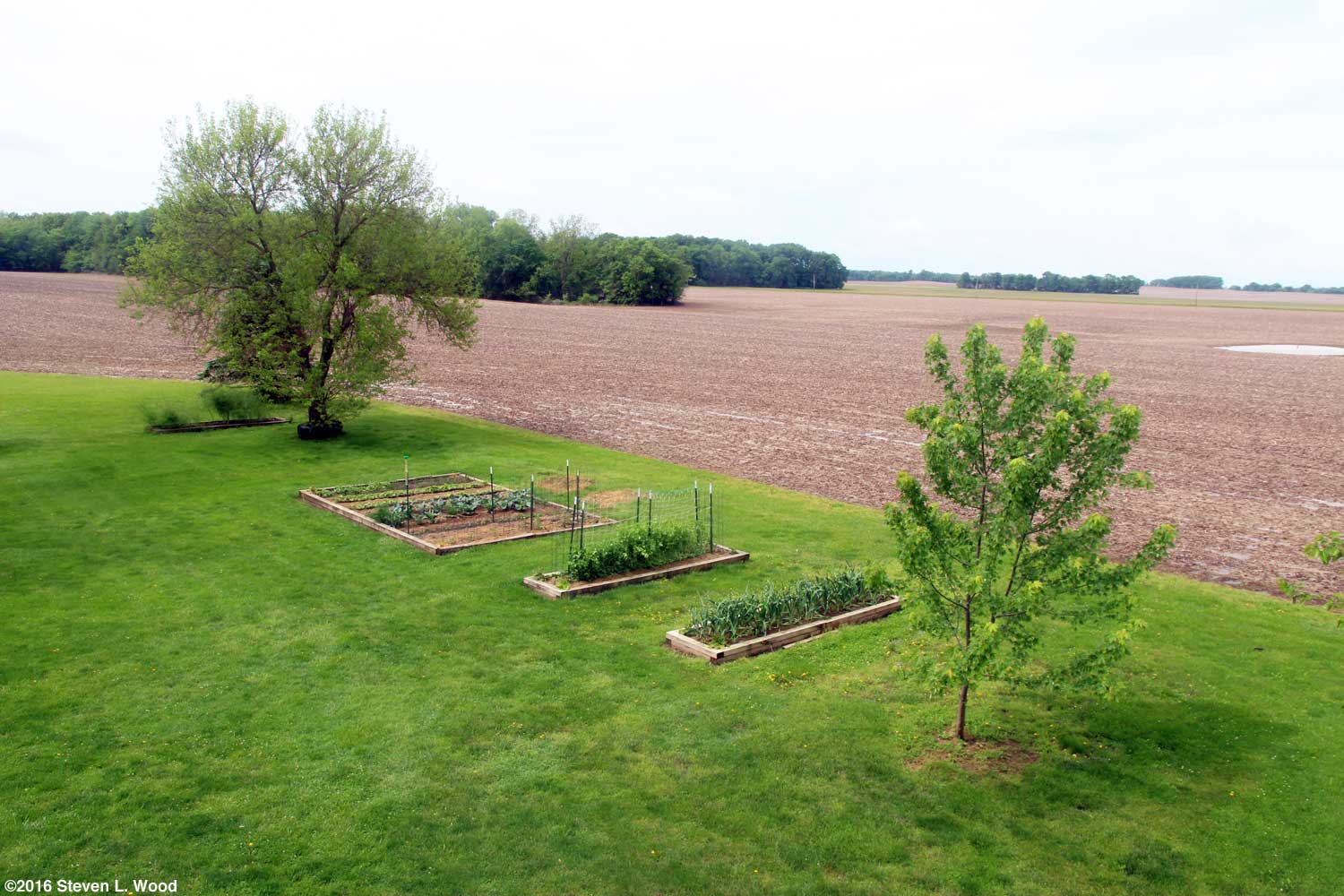
 I received an email yesterday from a nephew who is a missionary in Cambodia. He joked about almost addressing the email to "Uncle Steve," as Wayne is just a few years my junior. He wrote that while it's supposed to be the rainy season there, Cambodia is in the grip of a severe drought. While weather conditions such as droughts in our country cause suffering, I suspect that is nothing compared to a country where most common people are "subsistence rice farmers." Please remember

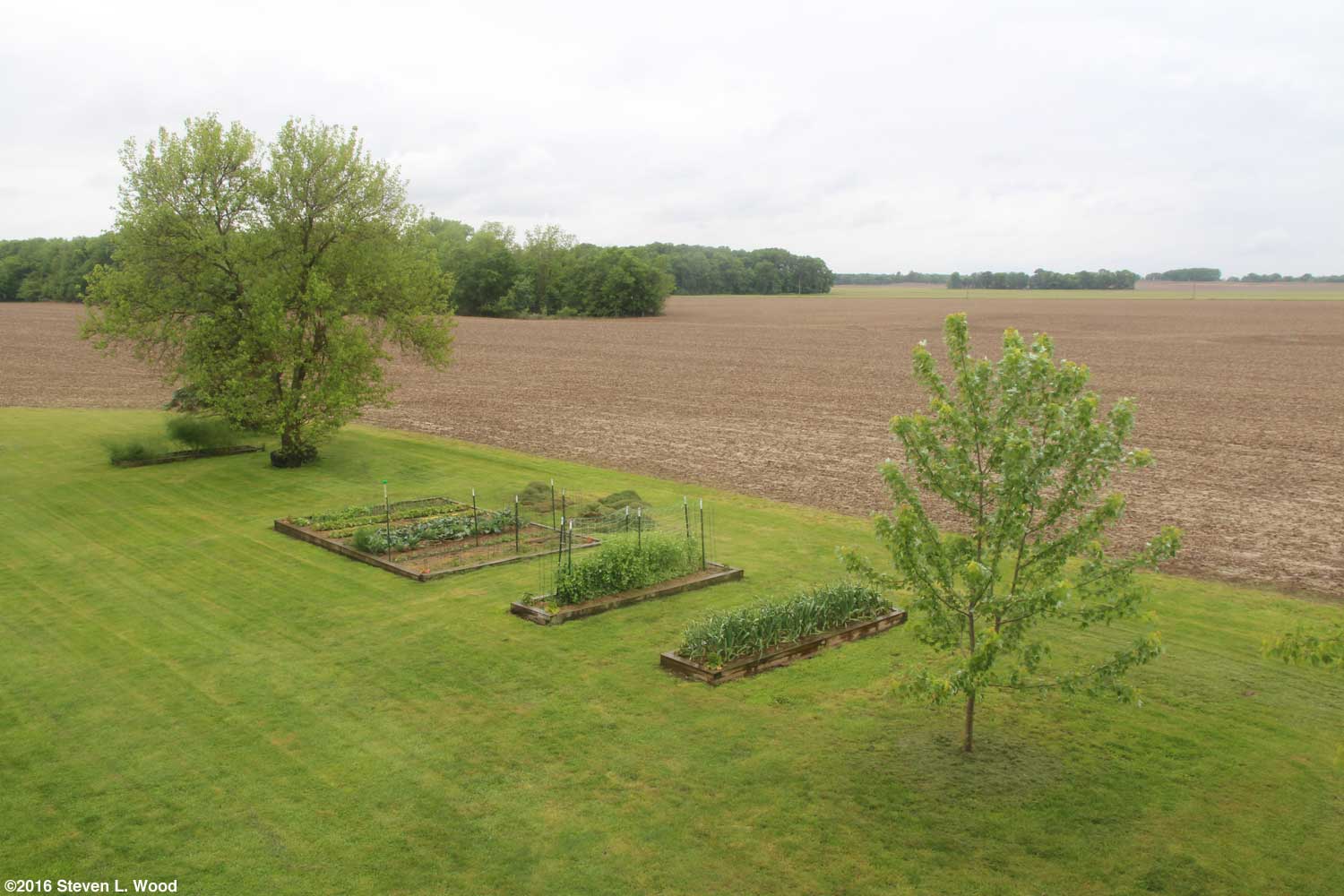














 deer repellent to our sweet corn transplants while they were still in the trays. I also spread the contents of our vacuum cleaner around the corn patch. A reformed grower once told me that he protected his cash crop from deer that way. They supposedly don't like the smell of people in the sweepings. I also broke out our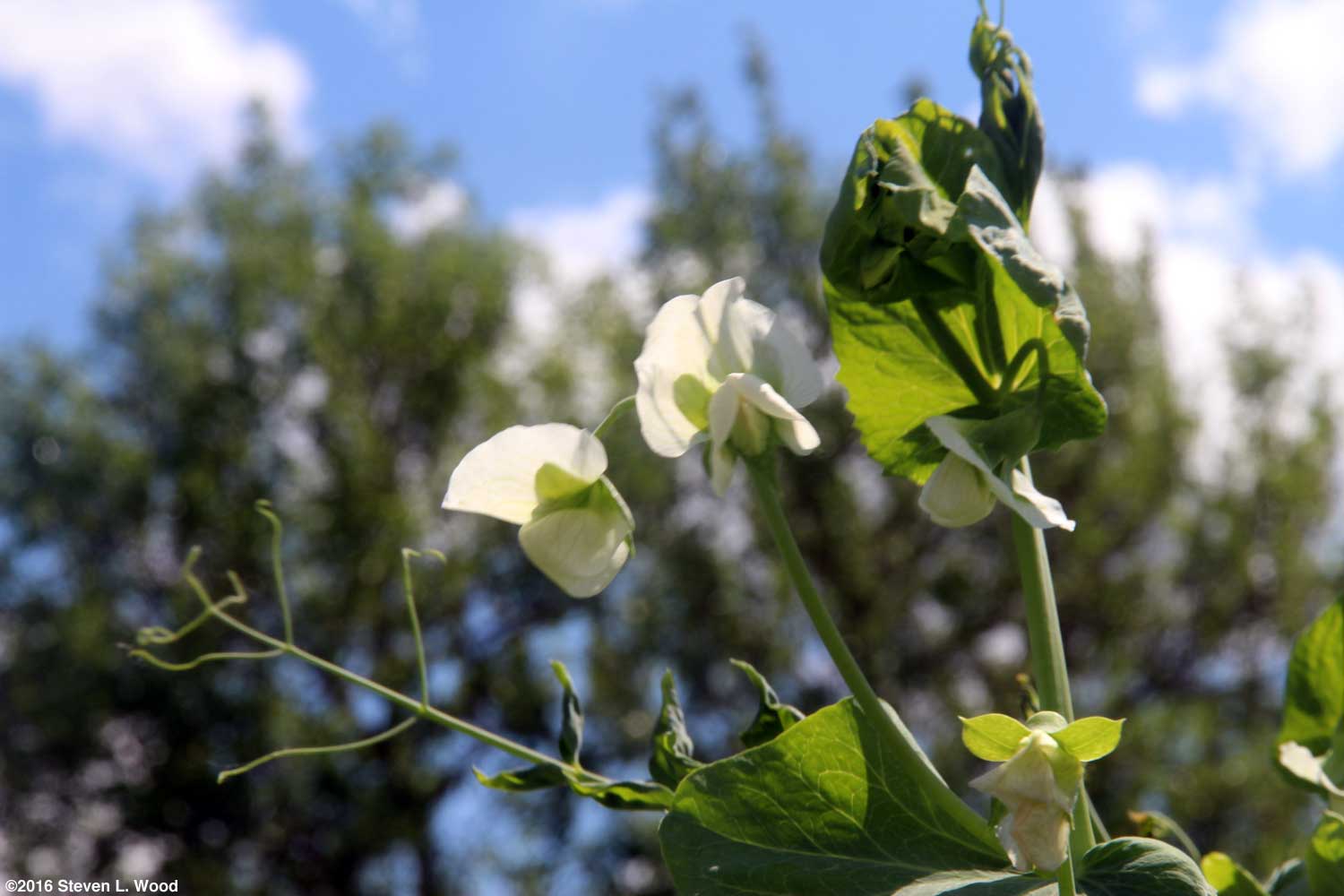
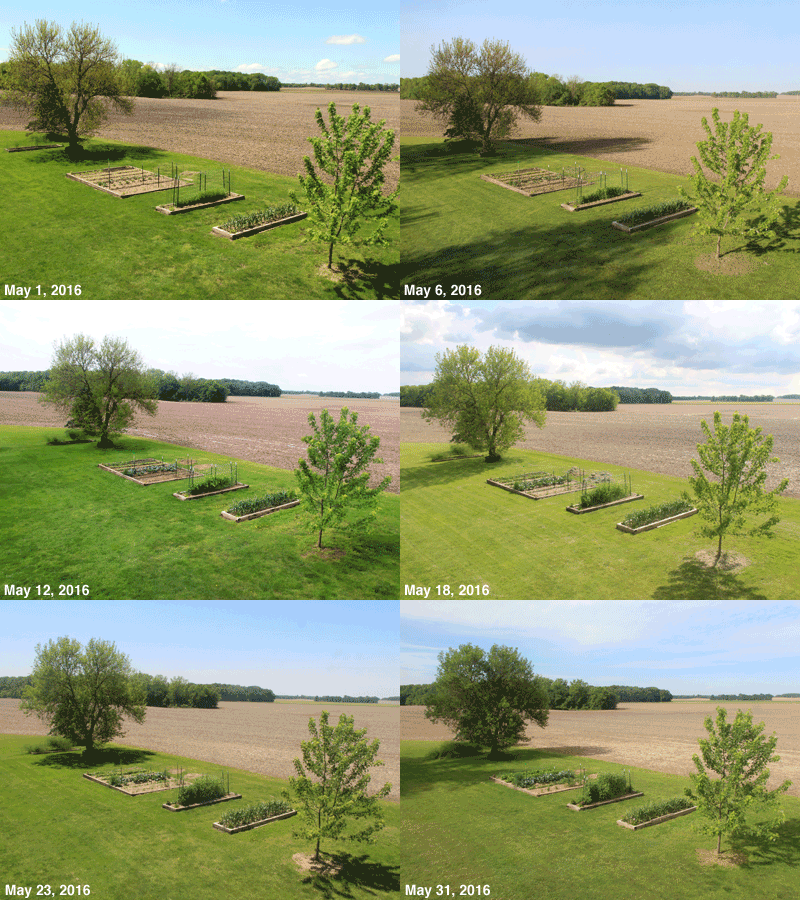 I wrote here on May 1, "Our Indiana weather in May can be a bit fickle." Little did I know then that we'd have
 | Affiliated Advertisers |
©2016 Senior-Gardening.com