One of the Joys of Maturity |
|

| Affiliated Advertisers |
The Old Guy's Garden Record
Clicking through one of our banner ads or some of our text links and making a purchase will produce a small commission for us from the sale. Tuesday, February 1, 2022 - Our Seed Listings We're certainly not in the business of selling garden seed. I do share some of our favorite seed varieties through the Seed Savers Member Exchange (SSE) and the Grassroots Seed Network (GSN). While we save seed from lots of vegetable and herb varieties, we only share our superstars. Listed below are our seed offerings for 2022 from seed grown out this last year (with a couple exceptions). Days-to-maturity are in parentheses.
Spinach seed is often "hard seed." Soaking the seed in water (stratification/scarification) for up to 24 hours before planting is recommended. GSN SSE Note the required, but rather generous OSSI pledge: "You have the freedom to use these OSSI-Pledged seeds in any way you choose. In return, you pledge not to restrict others’ use of these seeds or their derivatives by patents or other means, and to include this pledge with any transfer of these seeds or their derivatives."
Note that I often add some ERS peppers to our Hungarian Paprika peppers when making ground paprika. Here's a tip on growing peppers if they usually don't perform well for you. For years, our pepper plants looked good right up until the time they set fruit. Then they'd languish and eventually die. On a luckshot, I began adding a little Maxicrop
Gloxinias - Our gloxinia seed was derived from crosses of the Empress, Cranberry Tiger, and Double Brocade varieties. It produces a variety of colors in single and double blooms. GSN SSE
We use JLPs for pickles and pickle relish. They're also good for slicing, although not quite as good as pure slicing varieties. Note that JLPs require trellising, as the vigorous vines grow over five feet tall. Since we grow our JLPs as a succession crop after our tall, early peas, they grow between a five foot tall double trellis. GSN SSE
Quinte Tomatoes (70) - Also known as Easy Peel, our Quinte plants last year produced unusually large tomatoes in great volume. Quintes are another Jack Metcalf variety. As with most of his releases, they are an early, semi-determinate, open pollinated plant. GSN SSE
Red Kidney Beans (102) - An ingredient in our Portuguese Kale Soup, Texas Nachos, and Refried Kidney Beans recipes, I've been amazed at the production of our kidney beans over the years. I'd accidentally brought in a package of kidney beans produced in 2017 for our kale soup last year. Realizing just in time that I was using a too old ingredient, I popped the seed into our kitchen freezer. Later, when germination testing some sweet corn seed, I had room to test the old seed. A ten seed sample germinated in January (2022) at 100%. So with the proviso that this seed should probably be used up this season, I'm offering it this year. (GSN) (SSE) Pricing I realized at some point last year that I was getting eaten up by Paypal and GSN fees along with the cost of postage and seed envelopes, not to mention the cost of producing the seeds. So that I wasn't subsidizing people's seed requests, I jacked up the price of all of our seed offerings to $6.50 a packet postpaid (even to Canada).
|



 soluble seaweed powder to my transplant solution for the peppers. Our pepper problems magically vanished. Apparently the seaweed had some necessary element in it that our soil lacked. Maxicrop is a bit expensive, but it doesn't take much of it to do the trick.


Wednesday, February 2, 2022 - Groundhog Day
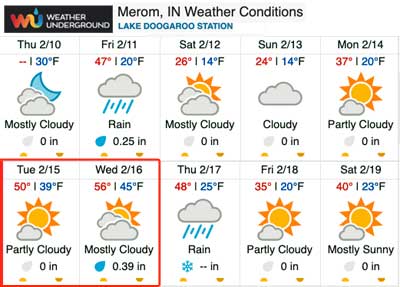
Well, Punxsutawney Phil has once again seen his shadow on this fanciful holiday, so we may be in for another six weeks of winter weather. February usually produces some of our harshest winter weather. But it also often has a day or two of springlike temperatures. Those days are good ones for spraying dormant oil on our apple trees, trimming trees and bushes, and looking in wonder at daffodils pushing up through the ground. The reality for today and tomorrow is that we're obviously in for a winter hit as a major winter storm sweeps across much of the country. Our weather forecast has reduced the predicted snowfall to around eight inches for the two days. Sadly, that's with freezing rain preceding the snow.
I combined all of our remaining, ungerminated geranium seed in a communal pot yesterday. From experience, I know that some of that seed may be hard seed that needs extra time to germinate. Of course, I won't know what's what, as I combined three varieties in the pot. The geranium communal pot now shares its tray over a soil heating mat with the flowers I started today. I set the thermostat for the heat mat to 75° F.
Snowed in, I spent some time yesterday printing and filling seed envelopes. I brought our supply of filled seed envelopes up to four or five each of the varieties we offer on the Grassroots Seed Network (GSN) and the Seed Savers Member Exchange (SSE). Exceptions were a couple of varieties we've not listed and our Earliest Red Sweet peppers which I thought tested poorly last summer. When I looked at the federal minimum germination standards I shared here last month, I realized that I'd possibly set my standards for pepper germination a bit too high. I was looking for 80% germination, but the best I'd gotten was 70%. It turns out that the federal minimum germination standard for peppers is just 55%! So I brought our 2021 Earliest Red Sweet pepper seed in from the garage freezer and started new germination tests on a couple of batches of it. Sometimes time in the freezer actually improves germination. Seed Libraries I really don't expect to sell many of the seed packets I filled. I had in mind that any or all not sold by the end of the month could go to a seed library that always appreciates our donations. If you're unfamiliar with seed libraries, they're places, often part of a local public library, that share open pollinated garden seed for free. There's usually no catch to it, only a request that folks receiving the seed grow it out, try to save some seed, and return some of it to the seed library. It's a great way to bring new people into saving open pollinated vegetable varieties.
I pretty much gave up that effort when some of our endangered vegetable varieties were picked up by commercial seed houses, other seed savers, and/or were in the Seed Savers Exchange seed vault. Possibly the best way to find a seed library in your area is to Google "Seed libraries in [your state name]." There's also a spreadsheet online that lists lots of seed libraries worldwide, but the links to those seed libraries often aren't good. Texas Nachos
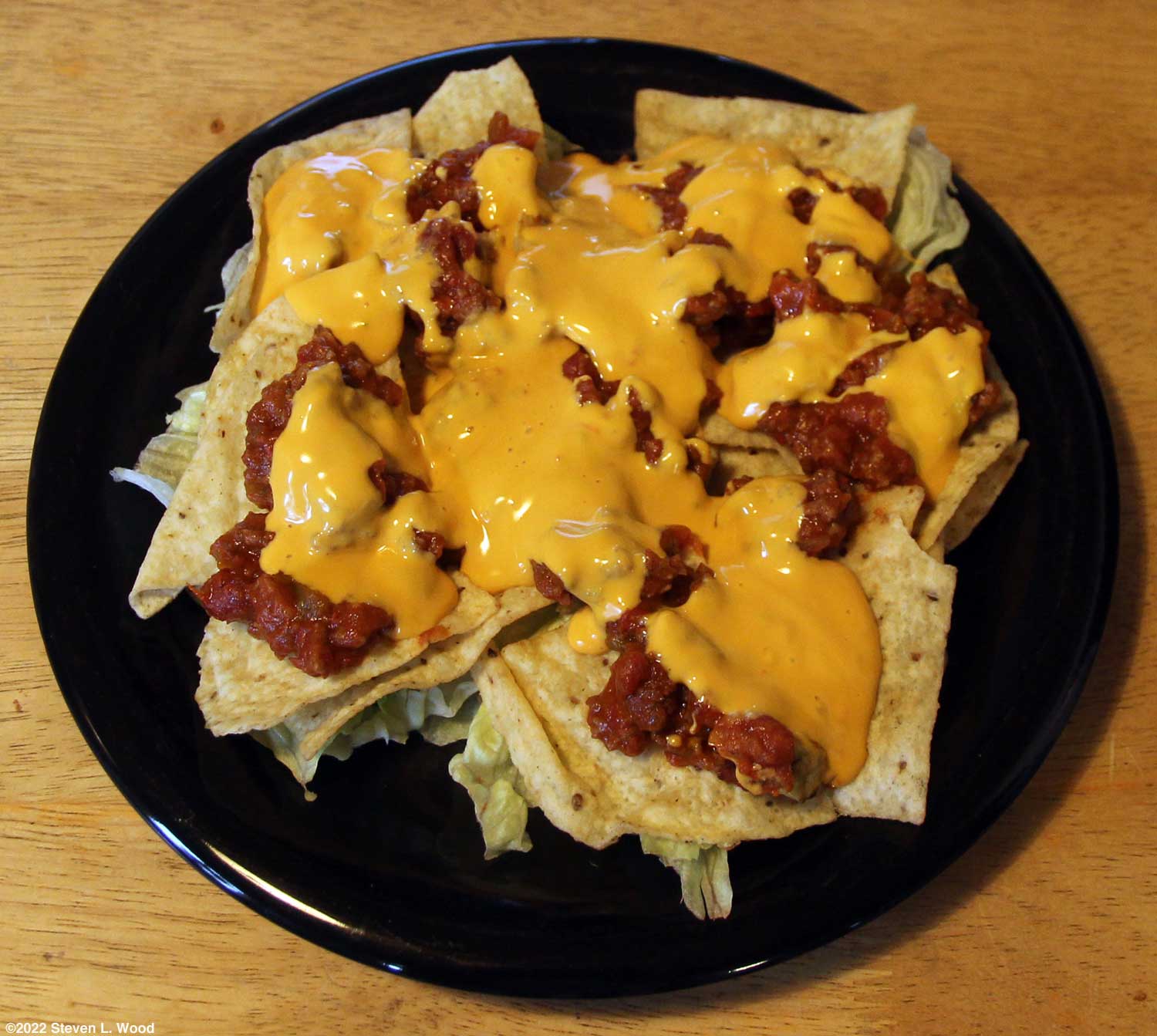
When my wife, Annie, and I were dating, Texas Nachos and margaritas at Chi-Chi's became one of our favorite outings. Since we really couldn't afford doing such stuff on a regular basis, we began experimenting on a Texas Nachos recipe of our own. After just a few tries, we were able to come up with a quick, tasty recipe for the treat that comes pretty close, I think, to what the restaurant served, and possibly even better! That turned out to be a good thing, as Chi-Chi's owner declared bankruptcy and folded in 2004. While Texas Nachos used to be an occasional dinner when our kids were home, we now reserve the treat for Super Bowl Sundays. I've checked our recipe and made sure we have all the necessary ingredients on hand. Note that I really cut down the online recipe now, as it feeds six or more. I'm posting this now to give folks a heads up in time to lay in the necessary items to make this delicious treat on Super Bowl Sunday, February 13, 2022, or for whenever the mood strikes you. Did I make you hungry?
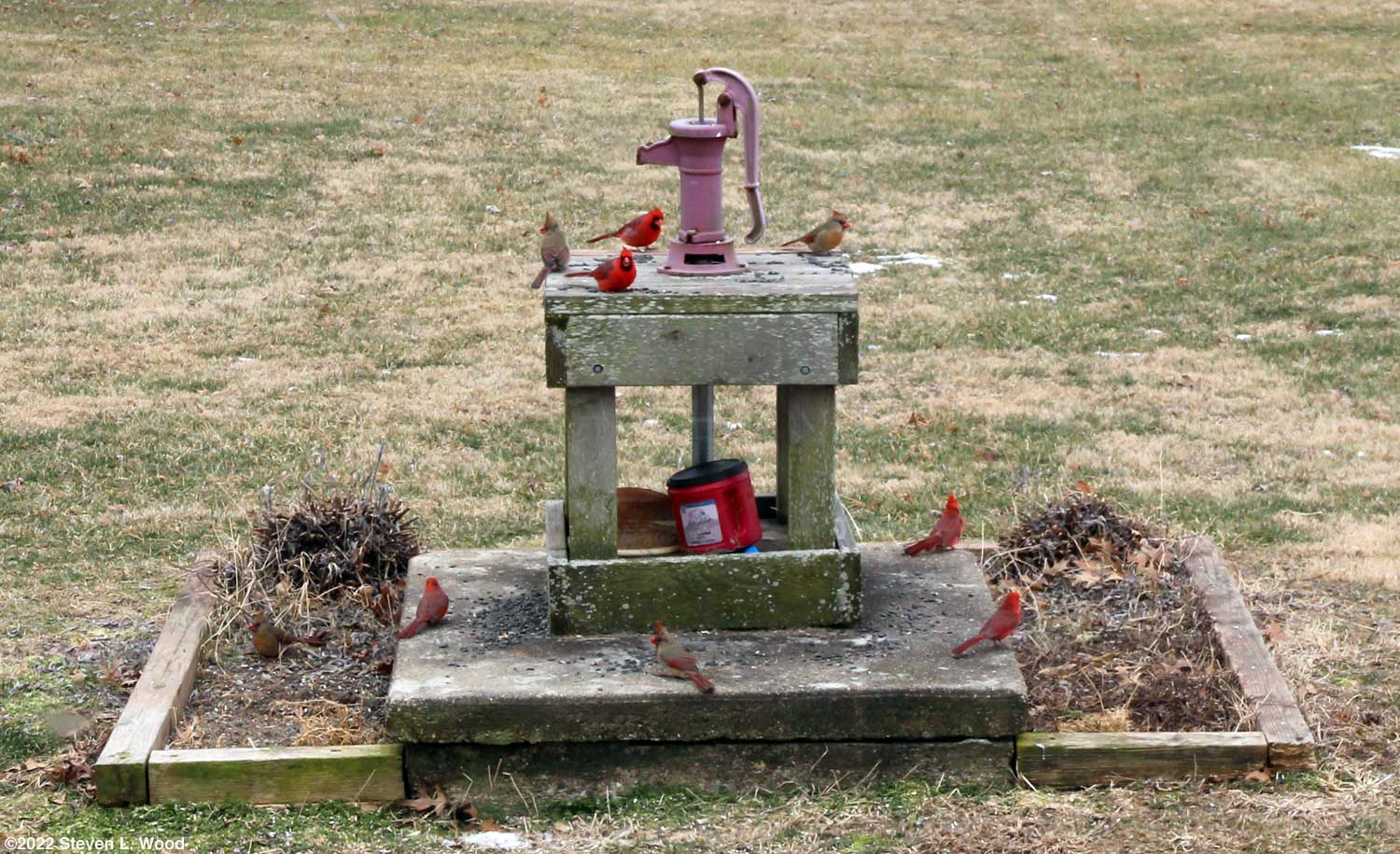
Our supply of birdseed was running low, so I picked up a bag of sunflower seed at Walmart yesterday. More than mixed seed, the sunflower seed draws lots of pretty cardinals. Unfortunately, the birds tend to spook and fly away when I try to take a picture of them, even through a kitchen window! Besides the cardinals, we see sparrows, blue jays, and one red bellied woodpecker.
Monday, February 7, 2022 - Good Gardening Books
Long out of print, Crockett's Victory Garden
Bubel's volume on starting seeds runs just over five bucks shipped for a used paperback copy and exhaustively covers starting garden plants from seed.
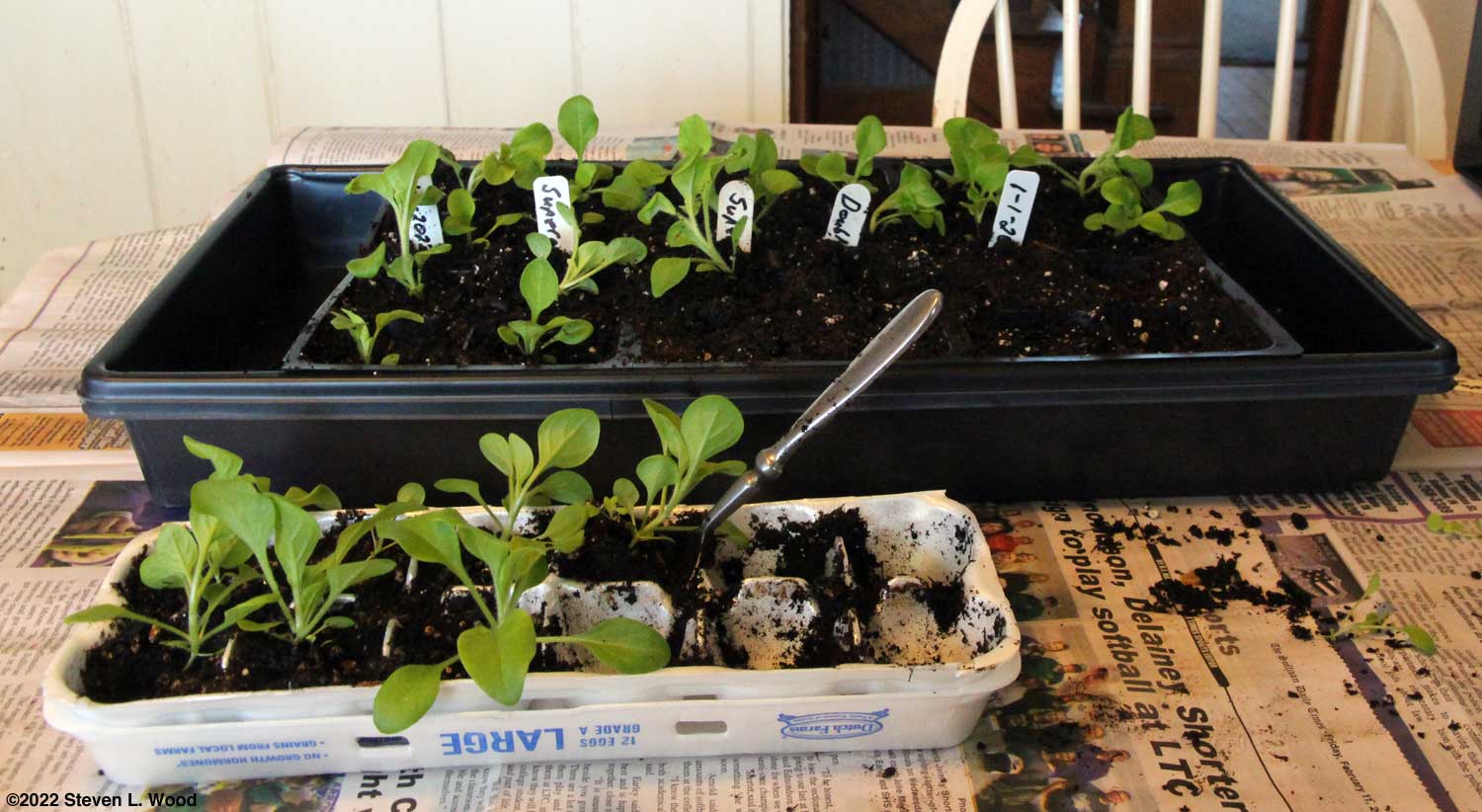
Egg Carton Petunias Our egg carton petunias are thriving in a kitchen windowsill. They get lots of indirect sun on clear days...and can dry out pretty quickly. At present, I bottom water them every other day. These plants will soon need to be moved into fourpacks. A new planting of petunias for our garden plots will follow, in egg cartons of course, and will continue to fill our kitchen windowsill.
Wednesday, February 9, 2022 - A Lesson About Pepper Seed
Preparing seed packets for sales and donations last week, I also started new germination tests on two of the batches of pepper seed. I suspected that the seed might germinate better after being stored frozen for several months. I've read online a little about pepper seed dormancy. After just six days, the two batches tested germinated at 80 and 90%!
Less Snow Cover When I looked out the window this morning, I was surprised to see patches of bare ground and grass. Some 40ish degree days have been working on our snow. Things are a bit slushy, but it's better than pushing through some once deep snow drifts. Freezing Garden Seed A recent exchange with someone ordering gloxinia seed led me to hunt for information about freezing garden seed. We've been quite successful at extending the shelf life of our commercial and saved seed over the years by freezing it. The trick seems to be getting the seed quite dry, sealing it in airtight bags, and storing it in a manual defrost freezer. The best article I found on the subject was on SFGATE: How to Freeze Vegetable Seeds for Storage by Kathleen Marshall.
Thursday, February 10, 2022 - Dormant Oil
One can continue to spray with dormant oil as the trees begin to show leaves and blooms, but only at lesser dilutions of the concentrate. We aim for two full strength sprays of dormant oil when possible, followed by a more dilute spray just as buds open. Sadly, from there on, we rely on some less-than-organic chemicals to control diseases and bugs on our apple trees.
Friday, February 11, 2022 - Little Jobs After several sunny winter days, we have a really gray day today with a little rain in the forecast. Since it's fairly warm outside (47° F), I hope the rain will melt some of the ice still on our driveway. Grinding Egg Shells
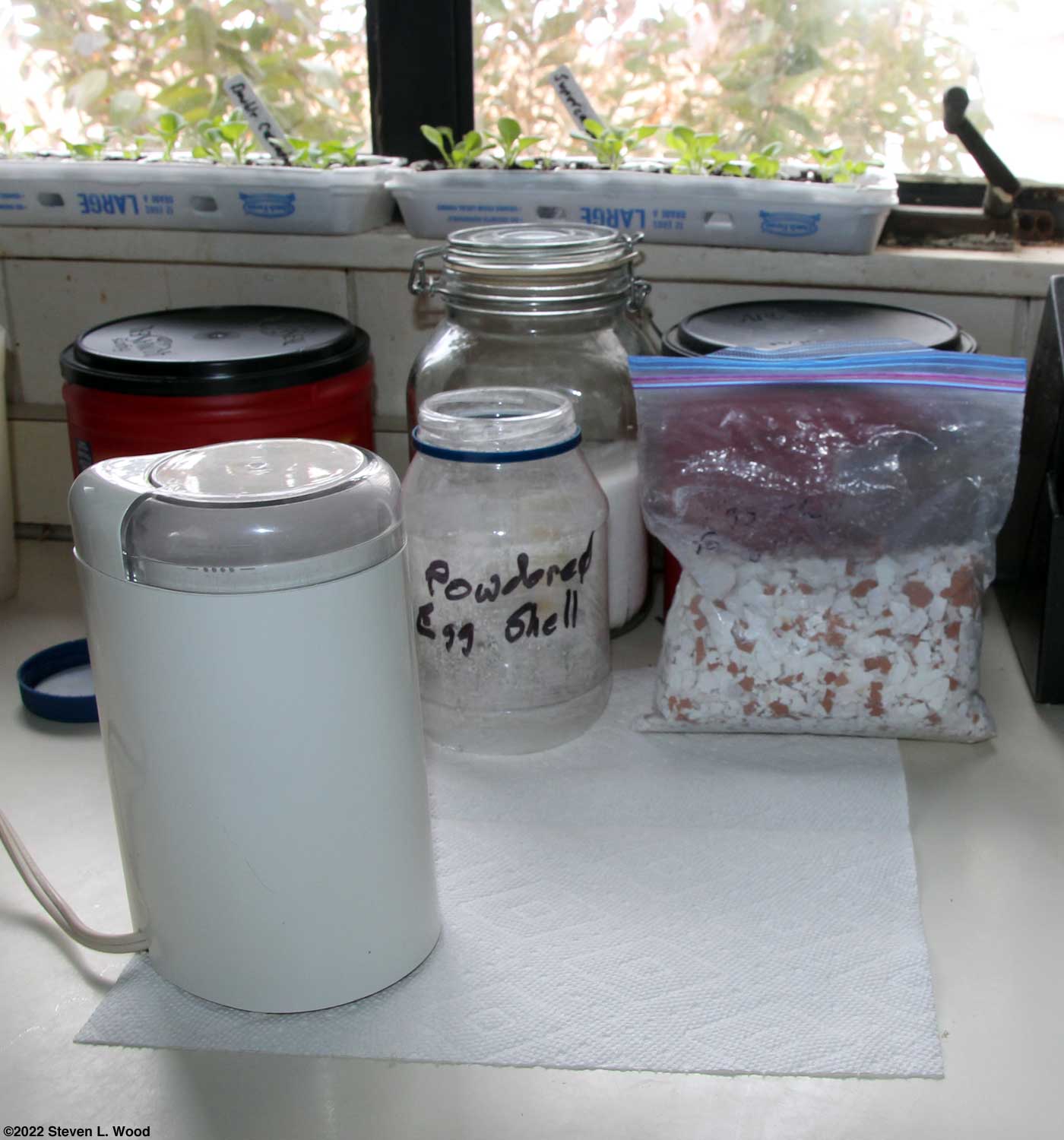
I used to use calcitic limestone in our tomato planting holes, although tomatoes don't much like sweet soil. After reading about using crushed egg shells to supply calcium, I went one better and began grinding egg shells to a powder to use around our tomatoes and to a lesser extent, peppers. We save, rinse and dry the shells before crumpling them into a quart Ziploc freezer bag. I usually scrap a finger on the inside of each shell half to break the albumin air sack. Eventually, the shells get ground in an old coffee grinder reserved for such purposes. The ground egg shell goes in a jar until it gets added to the soil around calcium hungry plants. Note that the egg shells when ground put off a fine egg shell powder into the air. I'm careful to let that subside before dumping the ground egg shells into a jar. I suspect that inhaling egg shell powder wouldn't be too healthy. We still get some blossom end rot early in the season, especially in our peppers. But the egg shell trick does seem to work for us. Saving Paper Coffee Cups
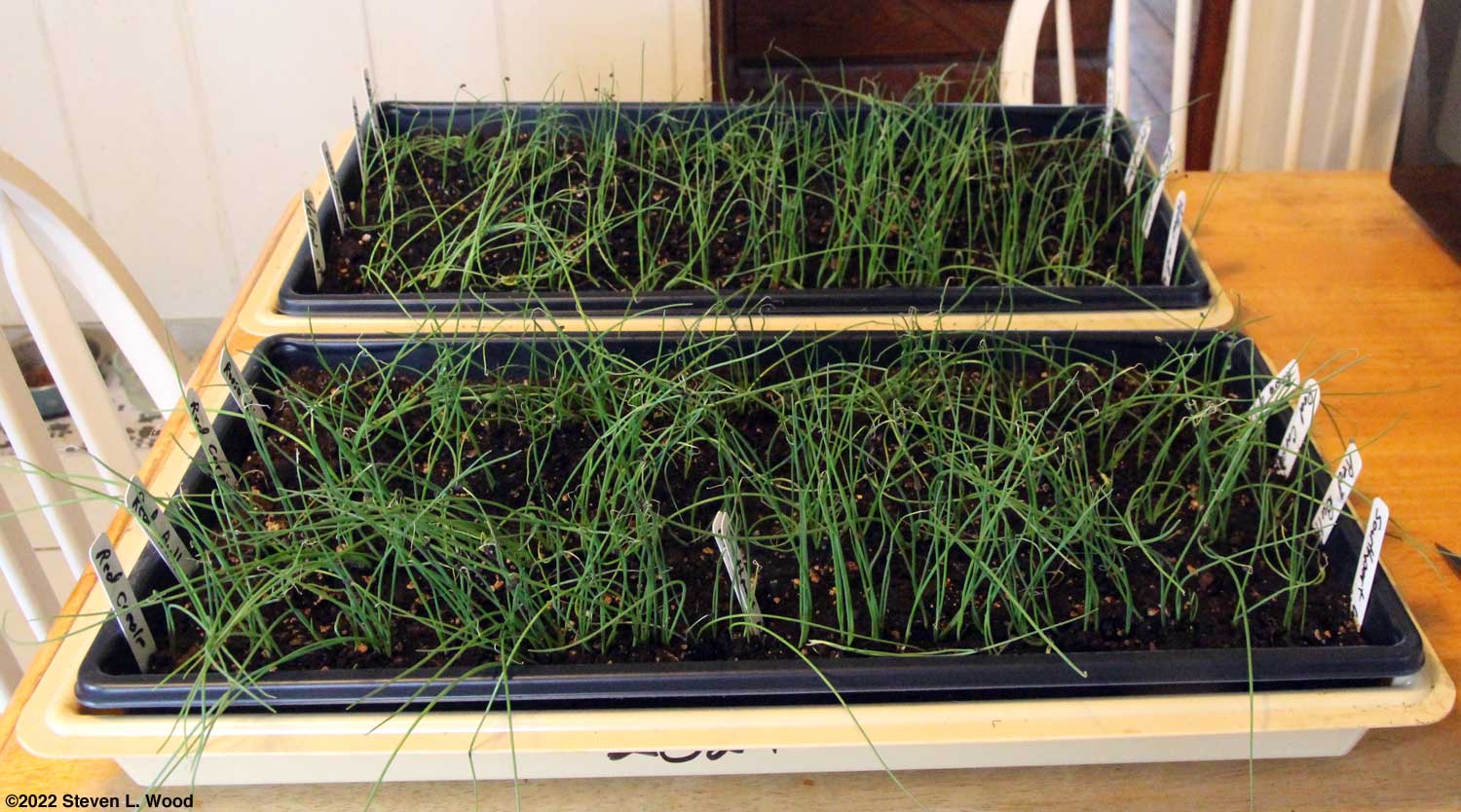
Trimming Onion Plants Our onion transplants were ready today for their first "haircut." Many of the onion plants started a little over three weeks ago were falling over. Trimming them to about 1 1/2 to 2 inches tall cures the toppling over and seems to invigorate the transplants. While I have a nice pair of barber's scissors, I instead used a pair of quality kitchen shears for the haircut. The shears come apart for cleaning, as they pick up plant parts and potting mix in the trimming. While the trimmings look usable as chives, I threw ours in the compost bucket. One of the varieties of seed I planted was treated seed. Several of the plants still had seed hulls attached to the top of their leaves. The chance of ingesting seed treatment just isn't worth a few chives.
The onions will need to be trimmed at least a couple more times before transplanting. Those trimmings won't be as severe as this one, leaving the plants a good bit taller as their leaves thicken and strengthen. For further onion info, see How We Grow Our Onions.
Saturday, February 12, 2022 - More on Peppers It seems that I find something each day that I feel is worth passing along here. Today it was an email from Johnny's Selected Seeds with a link to a page entitled Pepper Seedling Tips. The article contained lots of good information on starting pepper plants and getting them into the garden. What struck me most was their recommendation, "Bottom heat of 80–90°F (27–32°C) is essential for pepper germination." I had some successful pepper seed germination tests going on our dining room table a week ago, but moved some current pepper seed tests over a soil heating mat...set to 80° F. One of our soil heating mats used to be able to do 90° for starting seedless watermelon seed, but like me, the soil heating mats are getting old and can't do what they used to do.
After making a brief run to town, I took a few minutes to spread some sunflower seed around our shallow well. Within a minute, lots of cardinals appeared at the well. At one point, I counted fifteen of them. I went downstairs to switch a load of laundry from the washer to the dryer. When I got back upstairs, the cardinals were gone and so was the seed! Temperatures here today are twenty degrees lower than yesterday. It's been spitting snow all day. While there's no apparent accumulation most places, it's just enough snow to cover patches of ice that remain on our driveway. Walking to and from the truck required a good bit of care.
Monday, February 14, 2022 - Valentine's Day
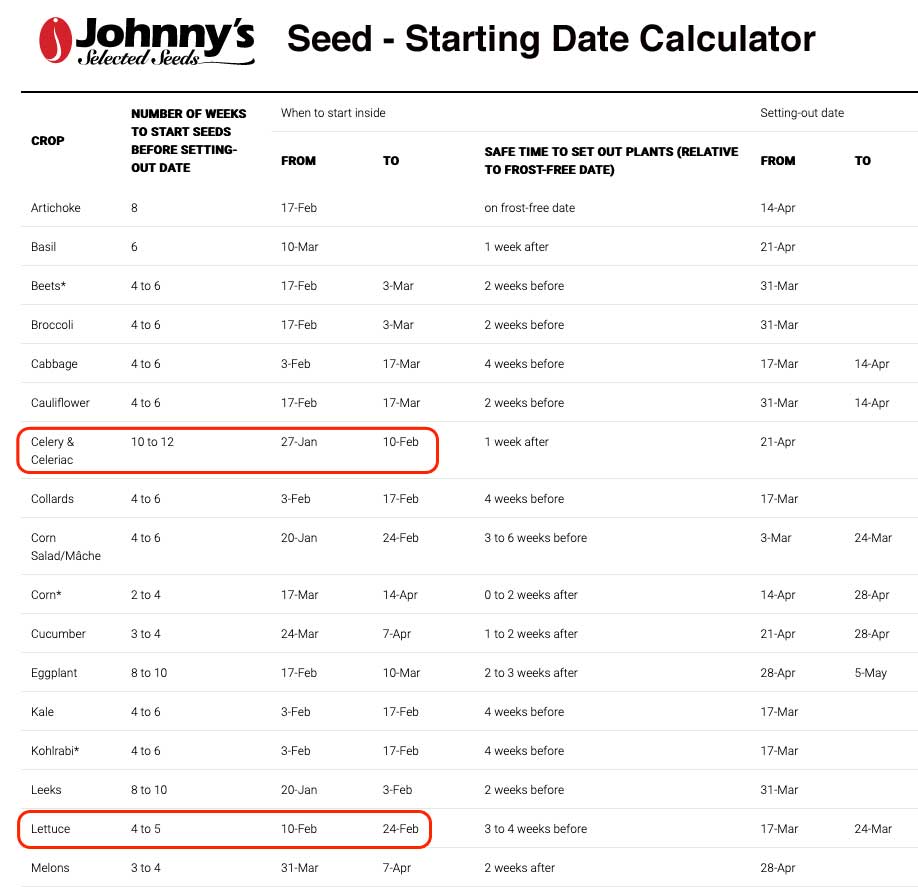
I copied the online spreadsheet into Excel and printed it, as I found several other items I need to remember to start yet this month (lettuce, cauliflower, broccoli). Besides starting some Ventura celery, I also seeded a pot to Giant from Italy parsley. The celery got seeded over sterile potting mix and vermiculite, as it needs light to germinate. The parsley seed got covered with vermiculite. It doesn't need light to germinate, but sometimes can take weeks to come up. A Cornell page suggested a starting temperature of 70-75° F for the celery. Both the communal pot of celery and the one of parsley went over an appropriately set heat mat. Super Bowl Sunday and Valentine's Monday
And while I got chocolates and goodies from my wife today, I just got her a card. Oops! But I'd given her chocolates and a book when she returned from a trip last week. Another Germination Test
Tapping My Foot I'm tapping my foot waiting on our last backordered seeds from Twilley Seeds. I've already started some snapdragons, but want to have some of our favorite Madame Butterfly variety. In my experience, Twilley is a bit slow in getting backordered seeds out to customers. I tried emailing them about the backorder, but their site appears to be malfunctioning right now.
Tuesday, February 15, 2022 - Copy Editing
In college, I worked for the school newspaper first as a sports writer and later as the sports editor. The latter job involved being the copy editor for all the sports stories that would appear in the weekly newspaper. It helped give me a good eye for finding mistakes in articles. As I read online newspapers today, I see lots of errors in pieces from very good writers and wonder, "Have all the copy editors died?" Snapdragons Our backordered Madame Butterfly snapdragon seed arrived in today's mail. The original Twilley Seed invoice showed "BackOrdered til 12/20/21." But at least the seed is here. I started around ten seeds in a three inch pot this afternoon. Spraying Dormant Oil
Dormant oil is supposed to smother bugs and bug eggs on the bark of trees. But while spraying, I was reminded that we have lichens problems on our apple trees. I'll need to spray again with dormant oil with a strong fungicide mixed in.
Our last frost date here is April 14, just eight weeks away. So I'm continuing to get some of our slower growing crops started. Milkweed I started some milkweed seed yesterday. I began soaking and stratifying the seed weeks ago per instructions on the Lady Bird Johnson Wildflower Center site. They suggested soaking the seed for two weeks in some planting medium in a refrigerator. Our seed went into a sandwich bag with a bit of damp vermiculite to stratify in the fridge. The vermiculite and seed went over sterile potting mix in a bulb pan and got covered with a bit more vermiculite. While it took some serious rearranging, I made room for the milkweed over one of our soil heating mats. Petunias for the Garden Our egg carton petunias have just about outgrown their cells in the egg cartons. The plants are getting tall. I usually bottom water the petunias every other day, but they needed water this morning after being thoroughly watered yesterday. That's a sign that there isn't enough soil in their egg cells to provide the necessary moisture for good growth.
These petunias will soon get moved to roomier fourpack cells. To replace them on the windowsill, I started two more egg cartons of petunias. The varieties started are for our garden instead of hanging baskets. To my consternation, I found that the only Celebrity petunia seed I had on hand was loose, non-pelletized seed. So I had a refresher course in dealing with tiny, tiny seed when trying to drop just one seed per cell onto the soil surface. Beyond the Celebrities, I also started some other petunia varieties I picked up off a seed rack. Germination Tests
With the last of our ordered and backordered garden seed having arrived, I think I'm done starting germination tests for this year's garden. Once all the stuff on our soil heating mats clears out, I'll move on to starting lettuce, broccoli, cauliflower, and cabbage transplants.
The excellent article concluded with the interesting observation:
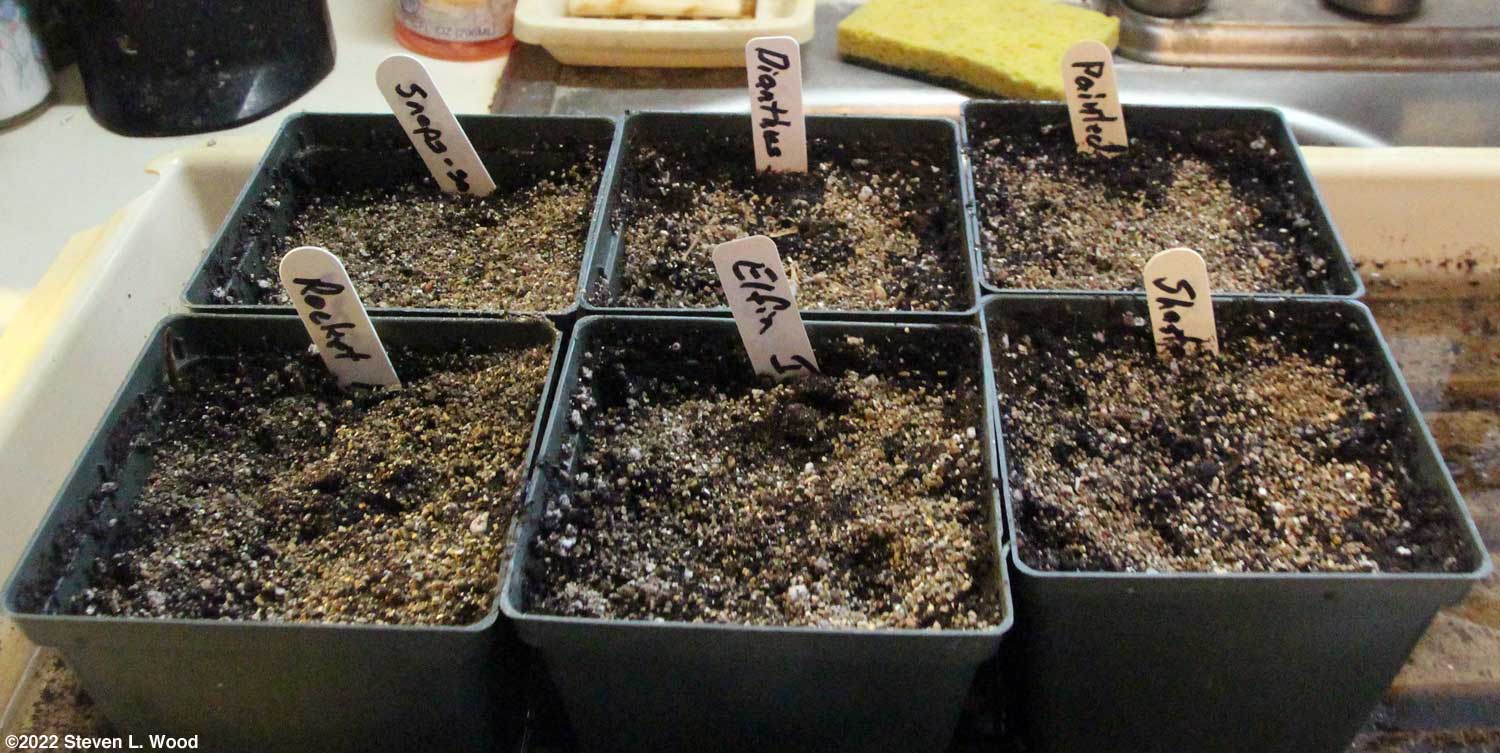
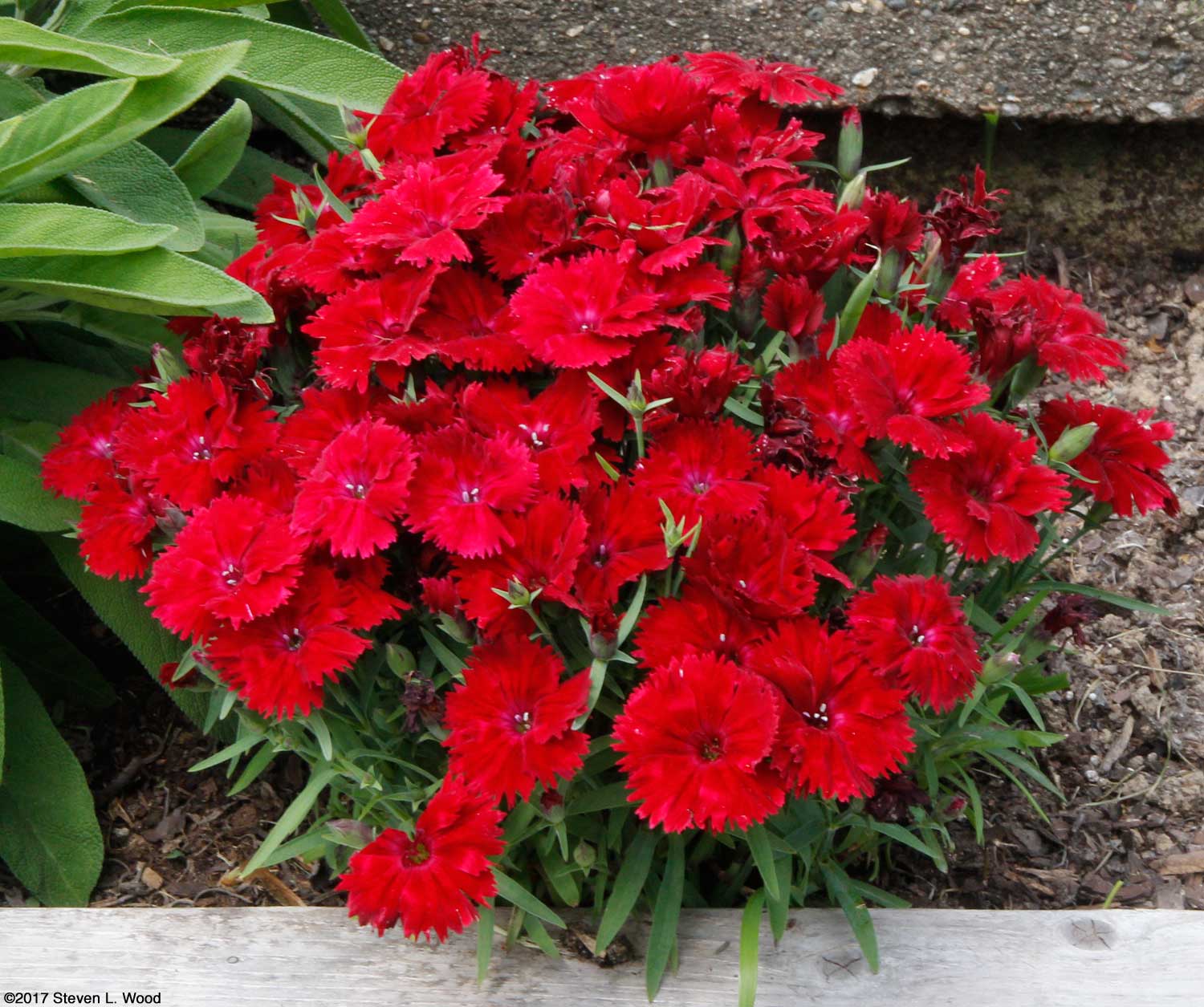
Considering that we live close to a coal fired power plant, that's good news. Dianthus
Seed Library Support I sent forty-some packets of saved garden seed to the Normal (IL) Public Library Seed Library. I've come to support them as the seed librarian there is always appreciative of our donations. On occasion, he's written to request an odd item a seed library patron has requested. Sometimes, I actually have seed for such items. Growing Tomatoes Margaret Roach had an interesting article in the New York Times this week, Are Your Tomatoes ‘Epic’? If Not, Here’s What You Should Be Doing. The article gives tomato growing tips from famous gardeners Craig LeHoullier and Joe Lamp’l. It also gives a lot of credit to the Seed Savers Exchange. A Tip: If the paywall of sites say you're over your limit of free articles for a month, try clearing your web browser's history (cookies and all). That may get you in, but it also may wipe out any saved logins you have. Our how-to, Growing Tomatoes, tells how we grow our tomatoes. Other Stuff
We've successfully used Serenade to protect our tomatoes and potatoes from blight and various other diseases for several years. With its apparent demise, I'm glad to see another business pick up offering a biological over non-organic alternatives. We certainly don't qualify as organic gardeners. But when we can, we use products that are more environmentally friendly. More Other Stuff
Our plant rack in the basement is filling up. Having communal pots of several flower varieties up, the rack will fill when plants in the communal pots need to be moved to individual pots or fourpacks. This logjam happens every year. When the plant rack is full, I begin moving plants to our sunroom and our dining room table. Once the weather breaks, the crowding is eased as plants go under a cold frame to harden off.
Sunday, February 20, 2022 - Garlic
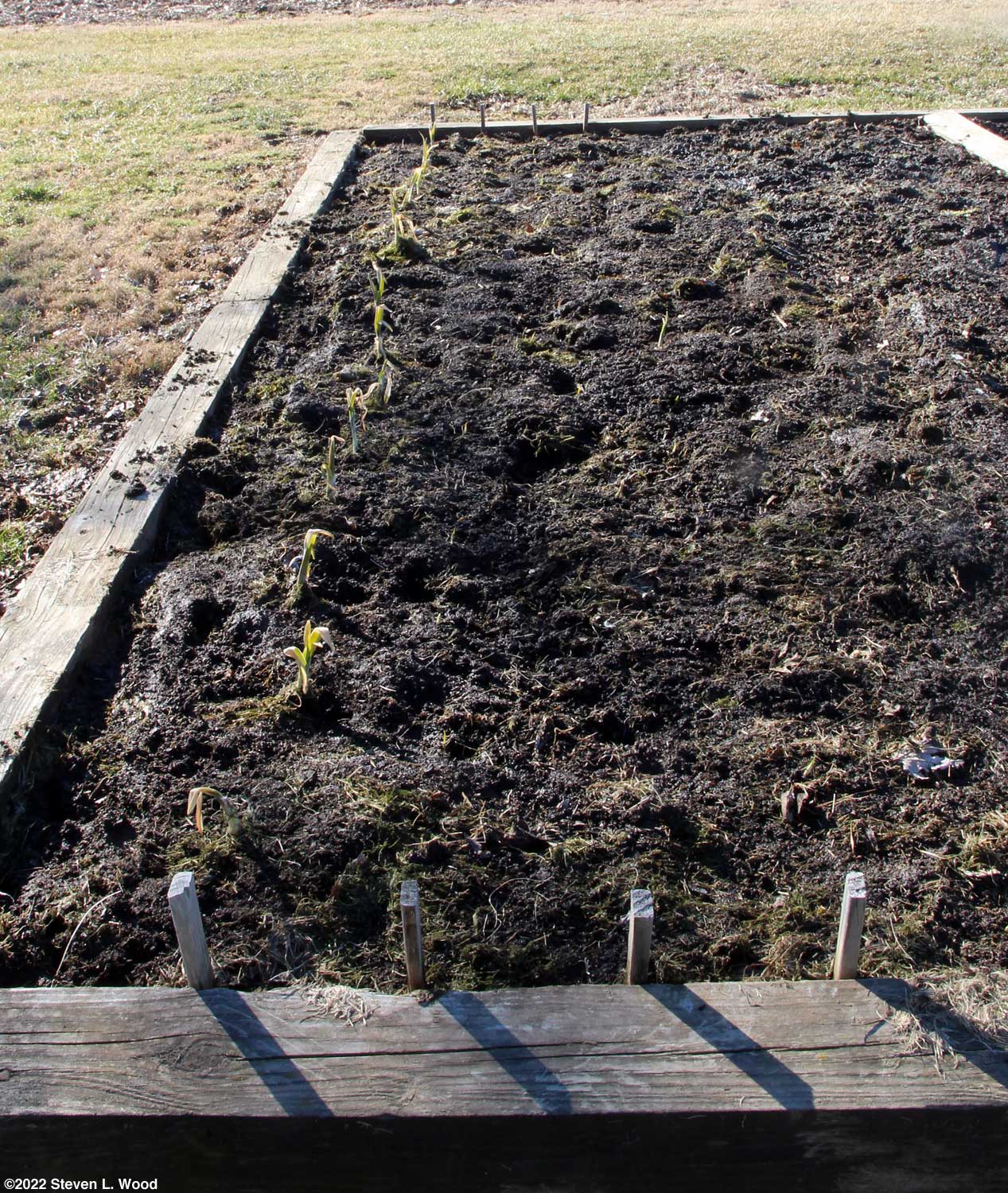
Instead, I cleared the mulch from our garlic area. Our row of elephant garlic has been up since late fall. All sixteen cloves planted have emerged, although the tops have suffered a bit from repeated freezes and thaws. I expected to find regular garlic under the mulch in the other three rows, but only found a few plants had emerged. In the past, I've waited too long to do this task and found garlics trapped under matted mulch. So I was a bit early doing this job, but doubt it will hurt the garlic any. The mulch got moved to our raised bed where our early peas will go next month. Egg Carton Petunias
While thinking about peas, I updated our how-to on growing peas, Another Garden Delicacy: Homegrown Peas. I also put up a piece on growing Egg Carton Petunias this week. Sausage
While grinding the pork in our old cast iron meat grinder, I found that the thawed pork was a gooey mess to put through the grinder as it warmed. The next time I do this task, I'll leave the pork somewhat frozen before putting it through the grinder. The package of sausage seasoning contains enough spices to season twenty-five pounds of meat. There are no directions on the seasoning mix package for smaller batches. I apparently overseasoned the sausage mix, but got a delicious, if very spicy sausage from it. Gardening There's not much gardening to do right now. I have lots of communal pots of flowers and herbs that eventually will need to be split up and transplanted to individual pots or four- or sixpack cells. But they're all still a few days off right now. I still have lettuce and brassicas on my to start list for this month.
Friday, February 25, 2022 - Starting Cauliflower
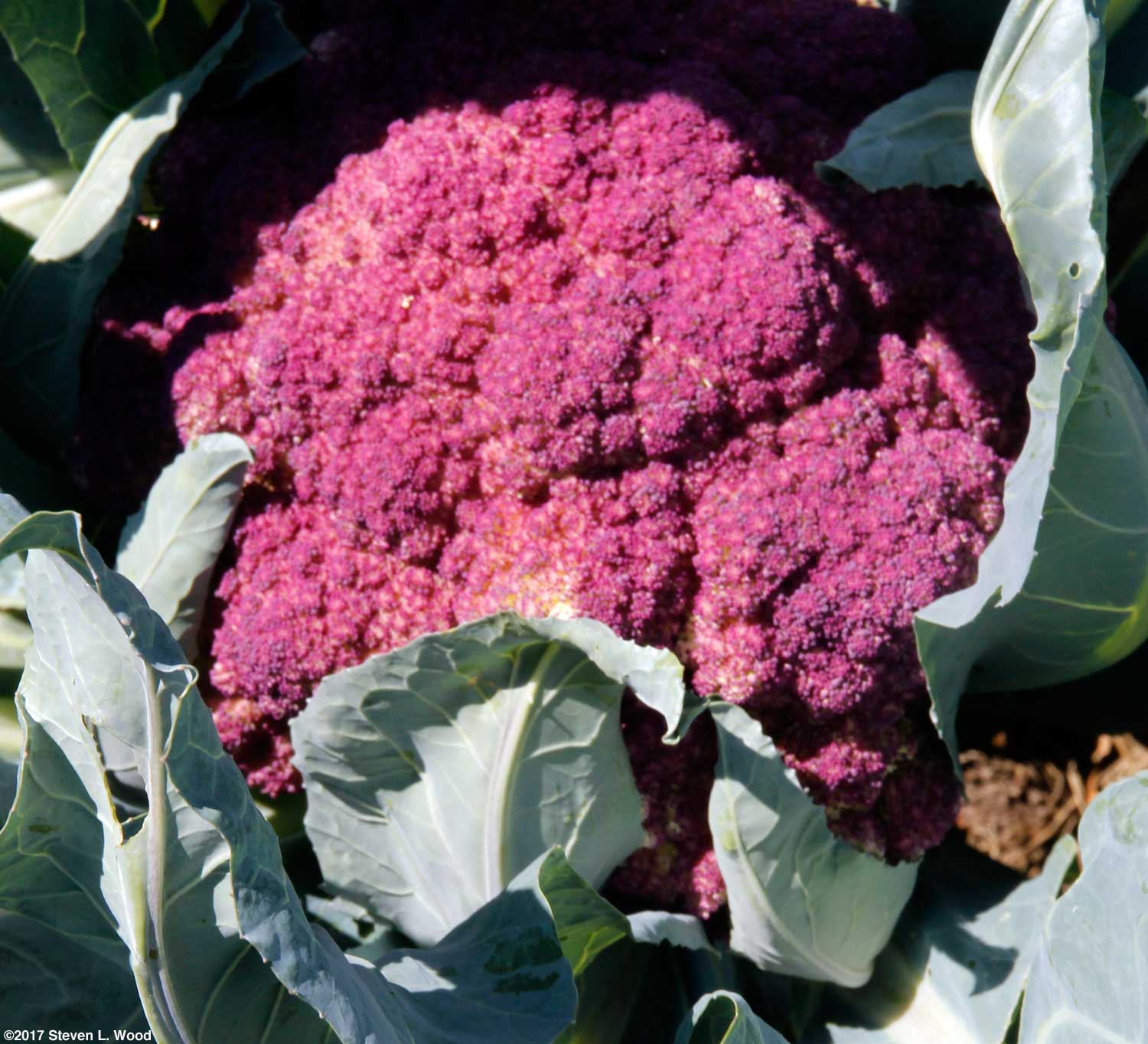
The other sixpack was seeded to a new hybrid, Bishop. It's advertised by Johnny's Selected Seeds as an "Improved Fremont-type hybrid." We really liked Fremont and are hoping the Bishop variety is its equal or better. While possibly an afterthought, I seeded a couple of three inch pots to the Violet of Sicily variety. While a bit prone to clubroot (apply lots of lime or egg shells at transplanting), the variety has produced lovely reddish heads for us that taste as good as any other cauliflower we've grown.
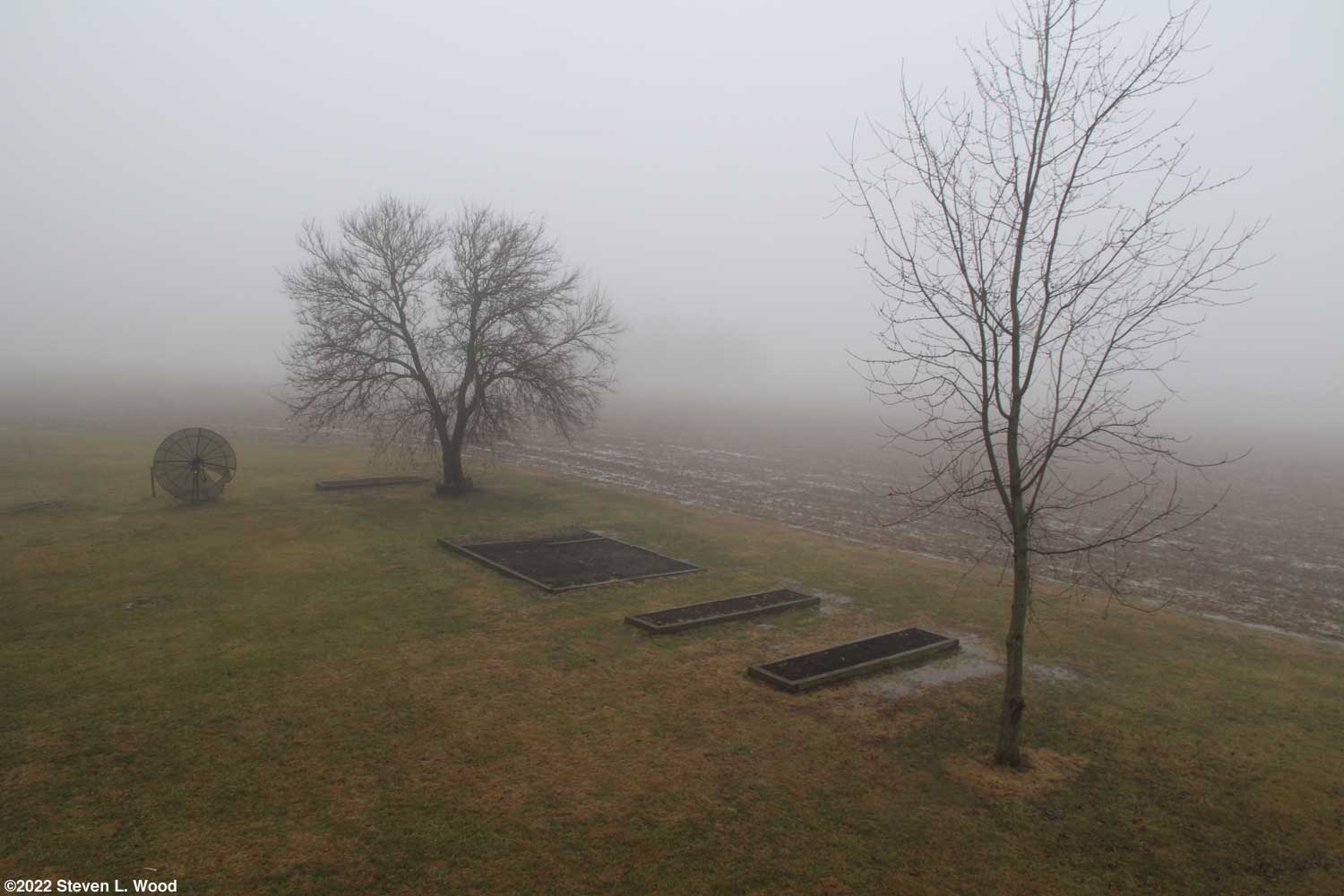
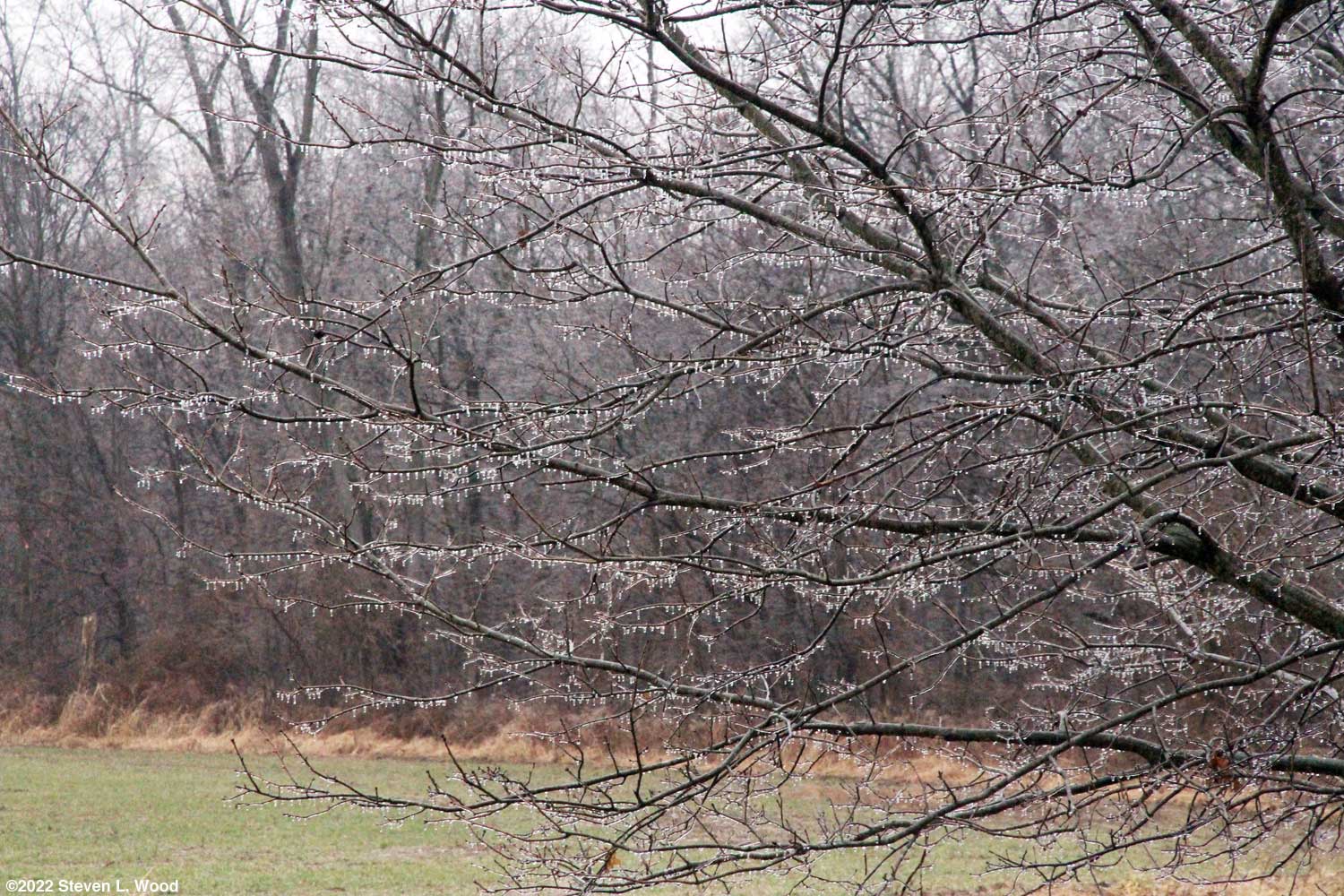
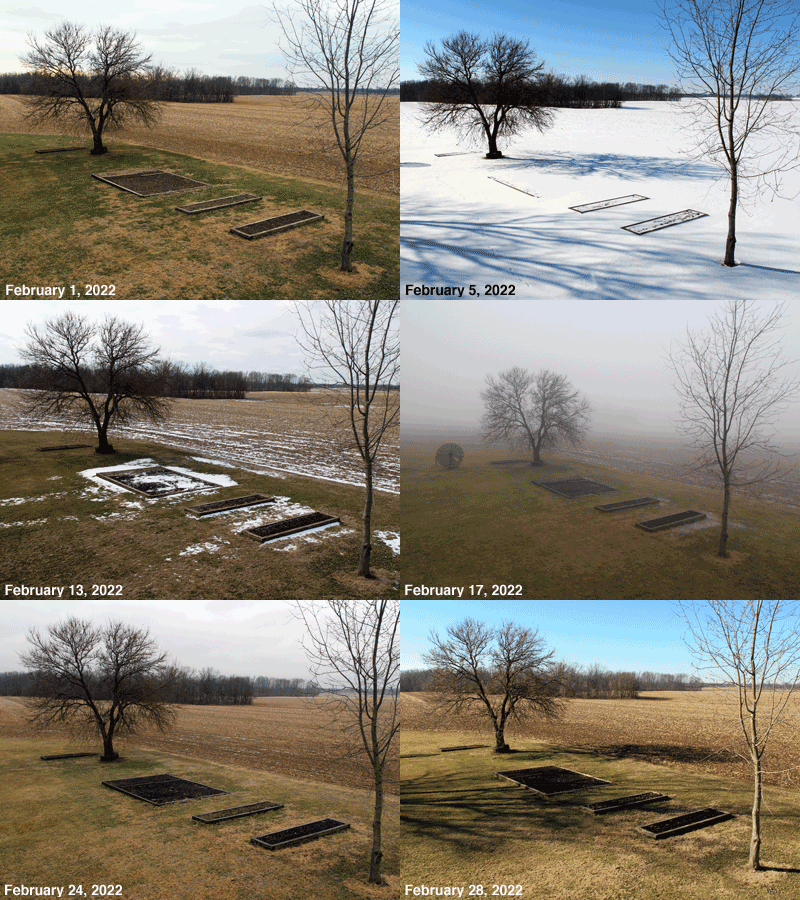
The cauliflower seed went into slight depressions in sterile potting mix and was lightly covered. While brassicas really don't require bottom heat, I put them in a tray over a soil heating mat, but with its thermostat set at 71° F. Growing Great Broccoli and Cauliflower tells how we grow our brassicas from start to finish. From the photo of one of our oak trees, you can tell it's still winter time here in west central Indiana. We got a good bit of rain yesterday while temperatures hovered around freezing. If we actually get the fifty degree temperatures predicted for next week, I'll be a happy gardener. Even though it's been a relatively mild winter so far, I'm sick of the cold. Hurry springtime!
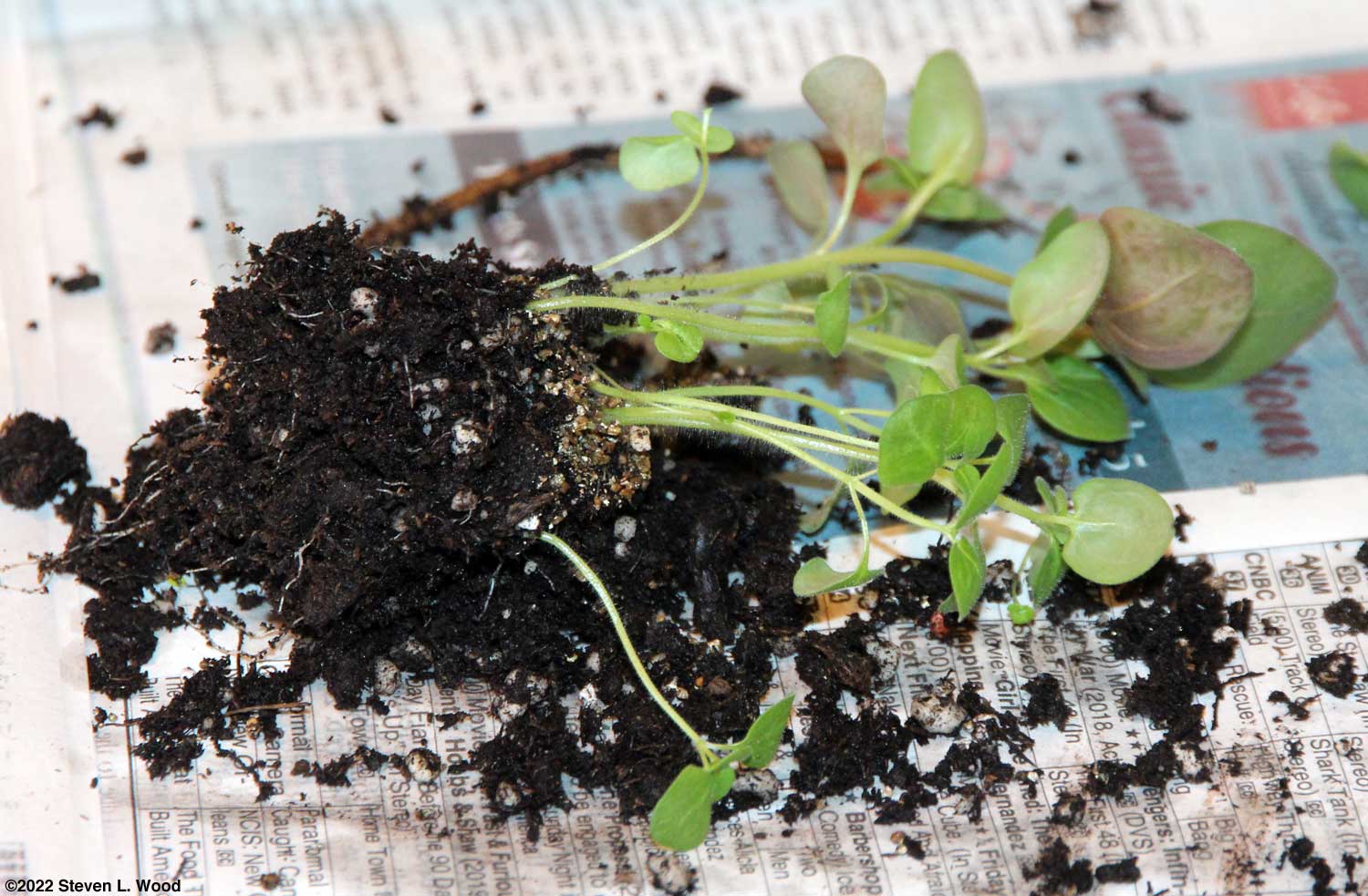
I've started lots of stuff with multiple seeds in communal pots to save time and space. That practice does have a price. Eventually, all those little sprouts have to be moved to individual pots or cells. So I got started yesterday by moving snapdragons to deep sixpack inserts and trailing vinca to a fourpack. The transplanting came to a quick end when I ran out of sterile potting mix.
I still have lots of communal pots of plants coming on. I'll be uppotting those plants well into March. I ran across an interesting link last week to a CDC page, Know Your COVID-19 Community Level. Selecting ones state and county reveals the Covid treat level in ones county. Sullivan County, Indiana, was rated "medium." I'm amazed when I go shopping how few people are wearing masks. With a medium county rating, I'm not willing to take the risk on contracting Covid.
Monday, February 28, 2022 - February Wrap-up
Outside, I moved the mulch that covered our garlic to the bed where I'll be planting early peas in a week or so. I also got a first spray of dormant oil on our apple trees. More inside: I ground egg shells to use supplying calcium to our tomato and pepper plants. Our two trays of onions also required their first "haircut." And I ran bunches of germination tests. Some pepper seed I thought was bad last fall turned out to be pretty good. And most of our purchased sweet corn seed tested well. Our paprika pepper seed and some old pumpkin seed tested poorly. And finally, I sent over forty packets of fresh seed to a seed library. I don't know if the Normal Seed Library is just a table in the corner of the library or something more, but Adult Services and Circulation Manager John Fischer is always appreciative of our seed donations. Later
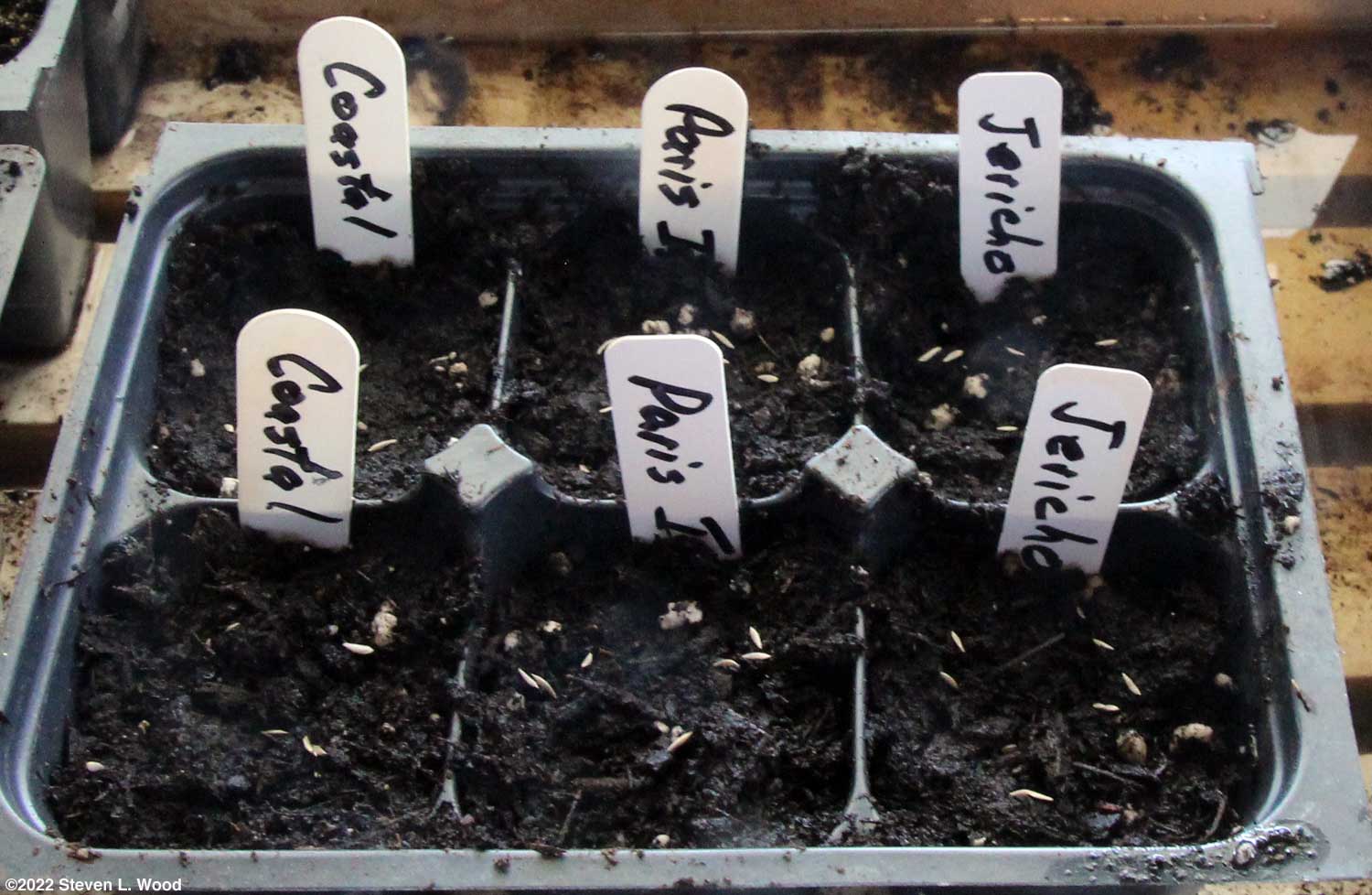
I started some lettuce this afternoon. I filled three deep sixpack inserts seeding two cells to each of nine lettuce varieties. Each cell got several seeds, so I'll have to thin or transplant extra plants to other pots or inserts. I heavily seeded two 4 1/2 inch plastic pots to the Crispino and Sun Devil head lettuce varieties. I haven't saved Crispino seed for several years and need to do so. The excellent Sun Devil variety has now come out of patent (PVP) protection, so I'd like to save and share seed from it. Other than Sun Devil and Barbados, the varieties seeded are still commercially available. The closeup of a seeded sixpack at left shows lettuce seeds on the soil surface. All of the seeds got a light covering of vermiculite to hold in moisture while allowing some light to reach the seeds. I'll add here that most of our lettuce seed is from Johnny's Selected Seeds. We buy loose rather than pelleted seed. The loose seed is cheaper and seems to store better for us in the freezer than the pelleted seed. And Johnny's seed quality is always excellent. To give you an idea of what I had to choose from and seed age, here's an image of our current lettuce seed inventory.
Pleasant Surprise of the Day When putting the seeded lettuce on our heat mats, I got a pleasant surprise. I seeded cauliflower on Friday. I had my doubts about whether some 2014 Violet of Sicily seed was still good. Both pots of the variety showed tiny sprouts emerging this morning.
Contact Steve Wood, the at Senior Gardening |

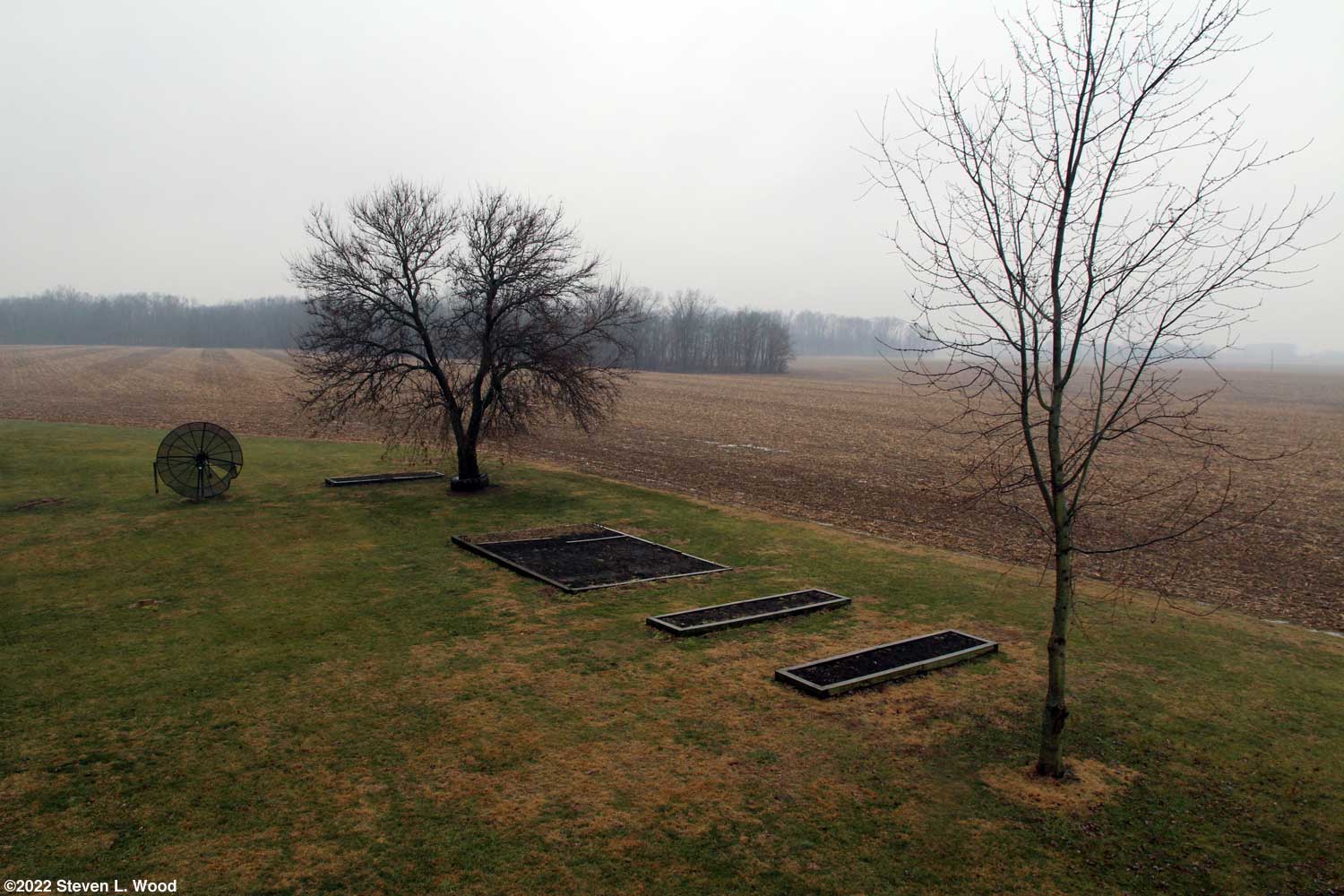


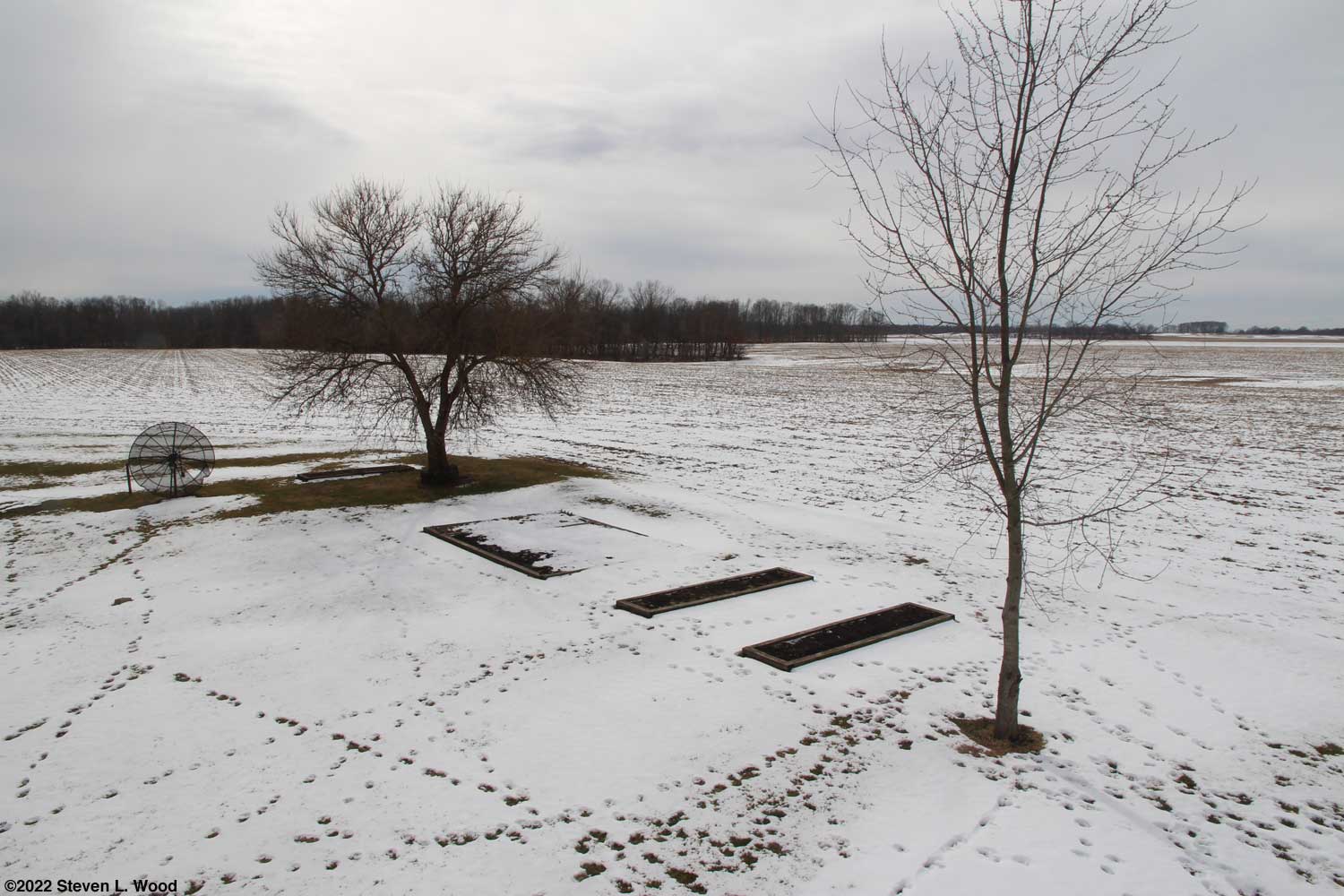
 We got off easy from yesterday's snowstorm. We have around six inches of snow on the ground. Our power didn't go off, and a snowplow has already been down our road...twice. Even so, it's not good weather to be out in. Fortunately, there's leftover lasagna in the fridge, lots of bread, milk, and other supplies I stocked in before the storm, and we're warm and cozy inside.


 ,
,  are still available used at very reasonable prices through


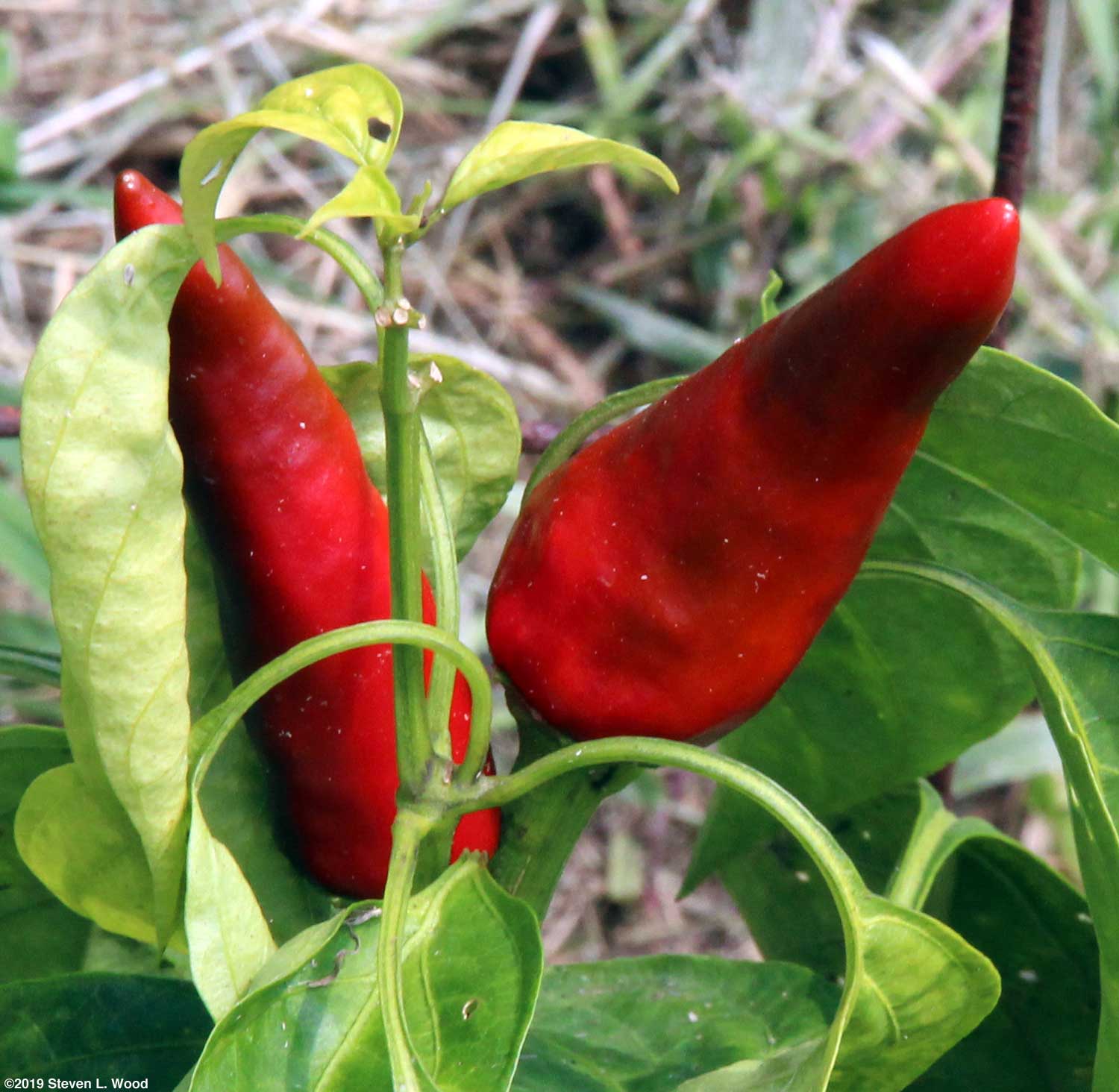

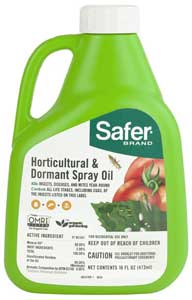









 proved to be a challenge, but I finally found it. When I went to the garage to get our organics only sprayer, it had a half gallon of something frozen in it! Knowing the dormant oil wouldn't contaminate the insecticide sprayer, I found that it was empty, although its cord was frozen. Once it thawed out in the sun, I mixed a gallon of dilute dormant oil and sprayed our three apple trees.






















| Affiliated Advertisers |
©2022 Senior-Gardening.com