One of the Joys of Maturity |
|

| Affiliated Advertisers |
The Old Guy's Garden Record
Clicking through one of our banner ads or some of our text links and making a purchase will produce a small commission for us from the sale.
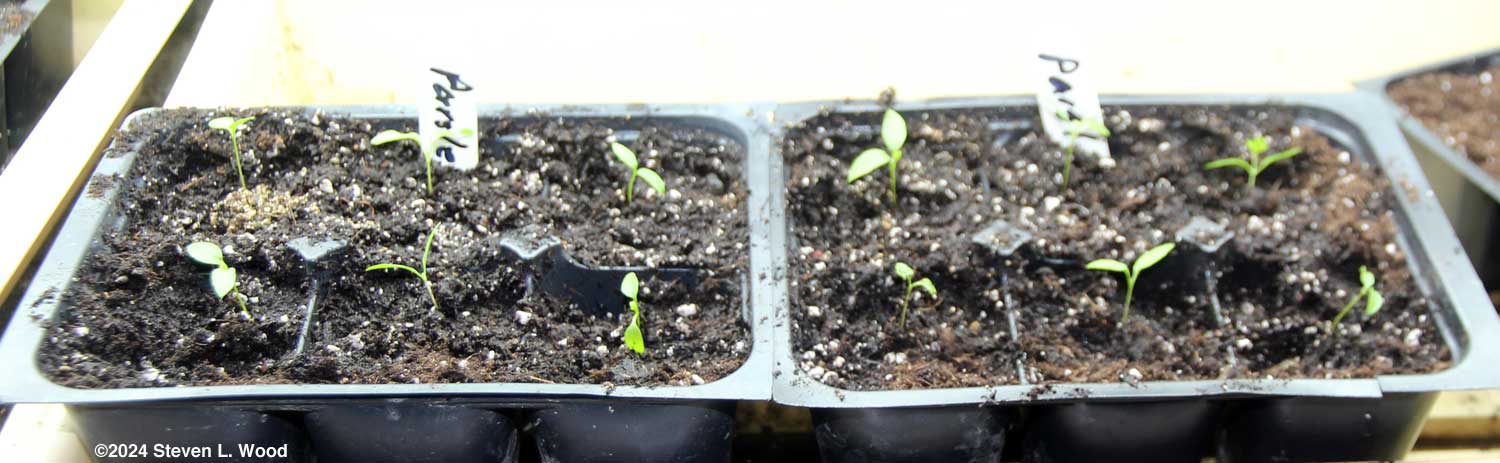
I have a fairly long list of things to start this month. I compiled the list mostly using the Johnny's Selected Seeds Seed-Starting Date Calculator. I'm obviously running a little behind on getting some of the January items started, but not so much that it will seriously impact them. Our geraniums came off the soil heating mat this morning. All six of the Pinto Salmon seeds I planted germinated. At this point, twelve of the fifteen Maverick Red seeds planted germinated. It's just been five days since the seedings, so we may get a few more Maverick Reds yet.
When I checked this morning, I didn't see any petunia seeds germinating in our egg cartons. So this afternoon, I dug out some fresh seed and began sprinkling it over the soil in the egg cells. When I began watering the pelletized seed with warm water, I began to notice tiny petunia sprouts in some of the cells. I should have been more patient and may end up with a real mess of way too many trailing petunias for hanging baskets. We got seriously screwed over by one of the affiliate advertising firms we did business with. They first locked us out of our account and then cancelled it without paying our earned commissions! So now I'm working on updating our affiliate links. You'll see some new names in our affiliated advertisers list and at the bottom of each posting (which helps separate the postings).
|
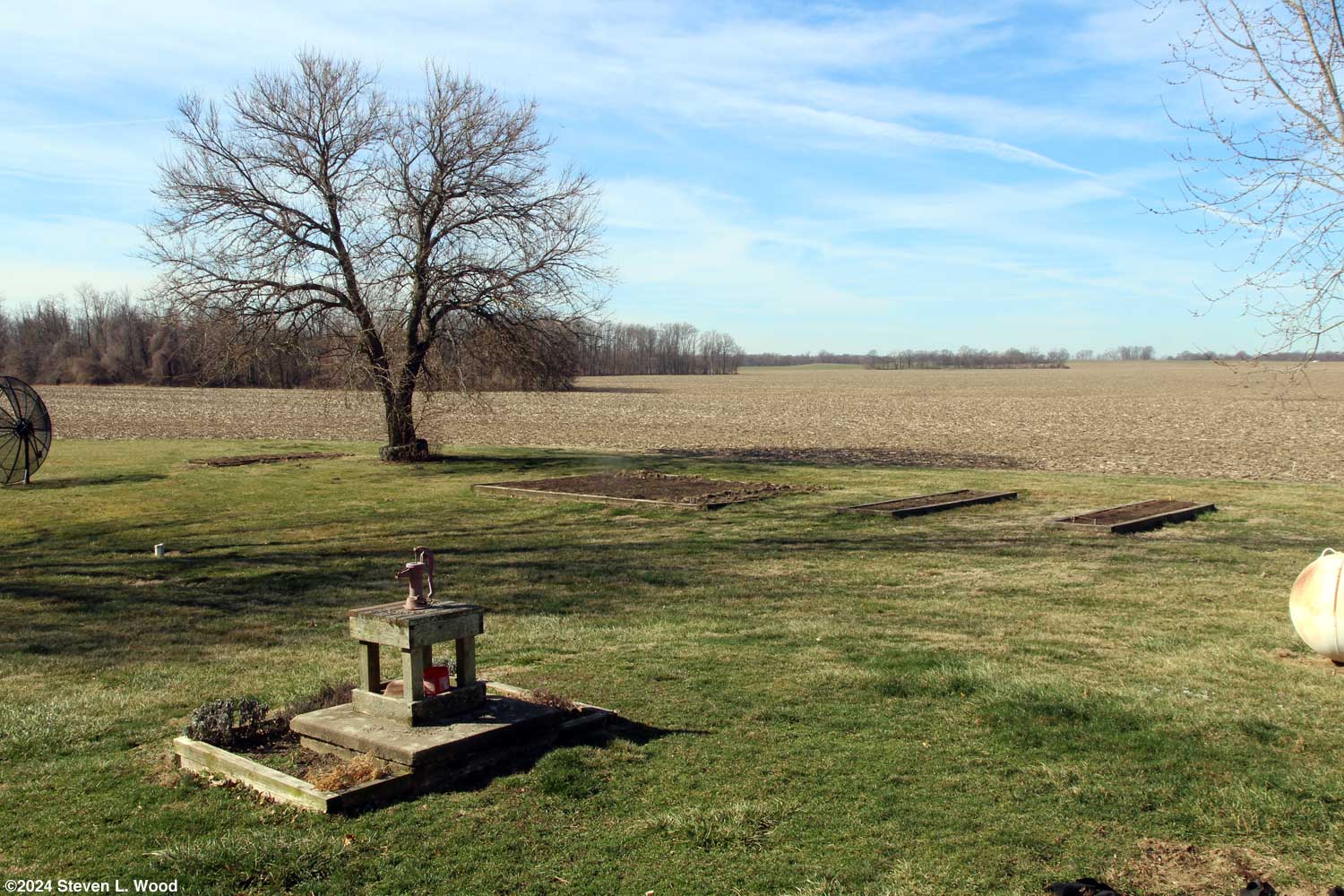


|
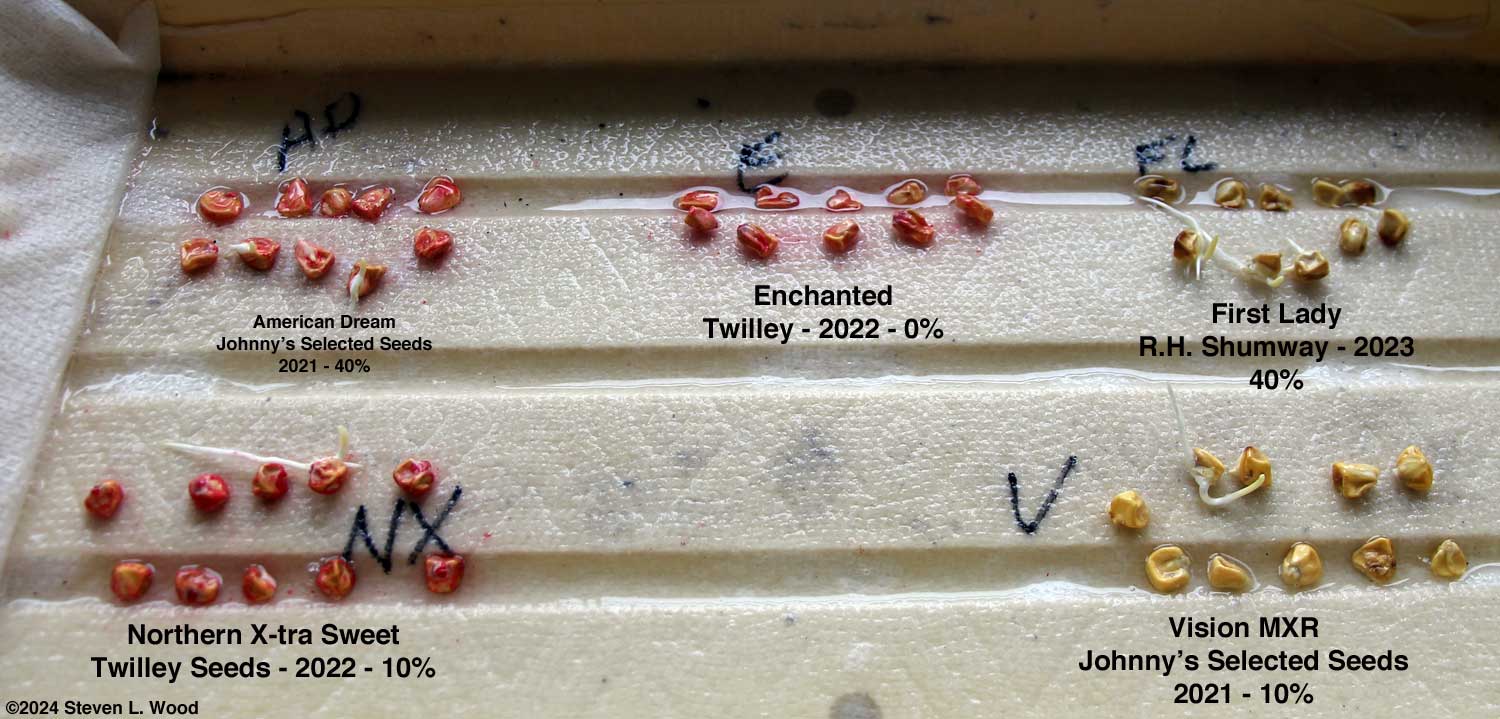
I also started another sweet corn seed germination test with the varieties that didn't test well in a previous test. This time around the seed went into a tray covered with wet paper towels and covered with a wet paper towel, and covered with a black plastic trash bag to hold in moisture and keep out light. I'm guessing that I messed up the previous test by not locking in moisture and locking out light. We'll see. If the results from this test are lousy, I'll need to order more rather expensive sh2 sweet corn seed. I'm still wading through lots of product links, removing the inactive links from Burpee and replacing them with links mostly to High Mowing Organic Seeds, Park Seed, and True Leaf Market, with a few others going to Hoss Tools which carries a surprisingly good line of garden seeds for a hardware site.
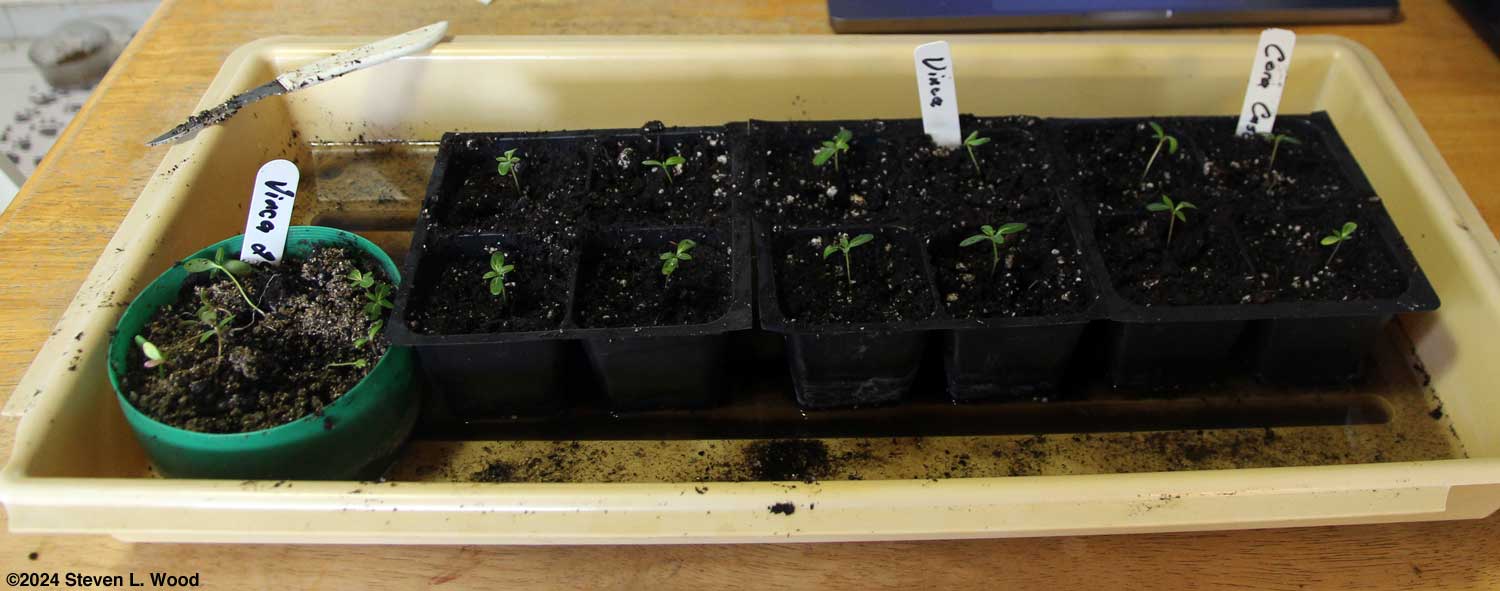
I used lopping shears to cut the asparagus stalks as close to the soil surface as possible. I also raked off lots of leaves. And I was discouraged to find lots of tree saplings growing in the bed. The job took several hours to do. I still need to clean up Bonnie's Asparagus Patch. And then both patches need a good covering of compost. I also started more Vinca today. I used a communal pot and finished off an old (2019) packet of Pacifica XP seed. The seed got covered with vermiculite and went over a soil heating mat. Yesterday, I pulled and stored T-posts that anchored our tomato cages in the East Garden. Pulling the posts always makes my neck and back hurt!
Bonnie's patch is actually off our property, but is in an area we started caring for ten or so years ago. When I began mowing it, I discovered there was an old asparagus patch. With some weeding and TLC, the thirty plus year old planting has returned to production. Removing the old asparagus stalks and weeds makes picking the next spring easier. It also helps prevent disease and insect carryover, things we've been blessed not to experience.
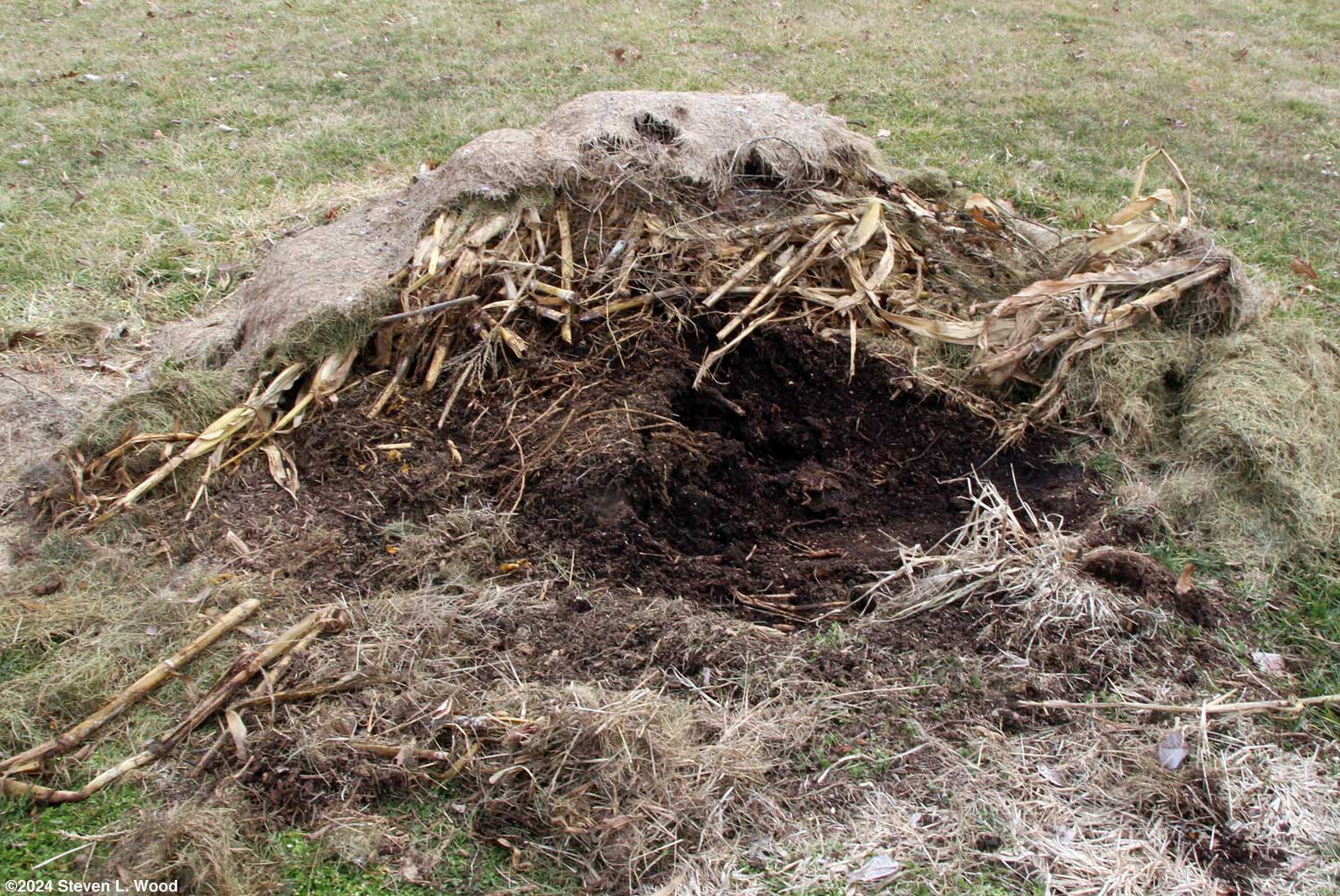
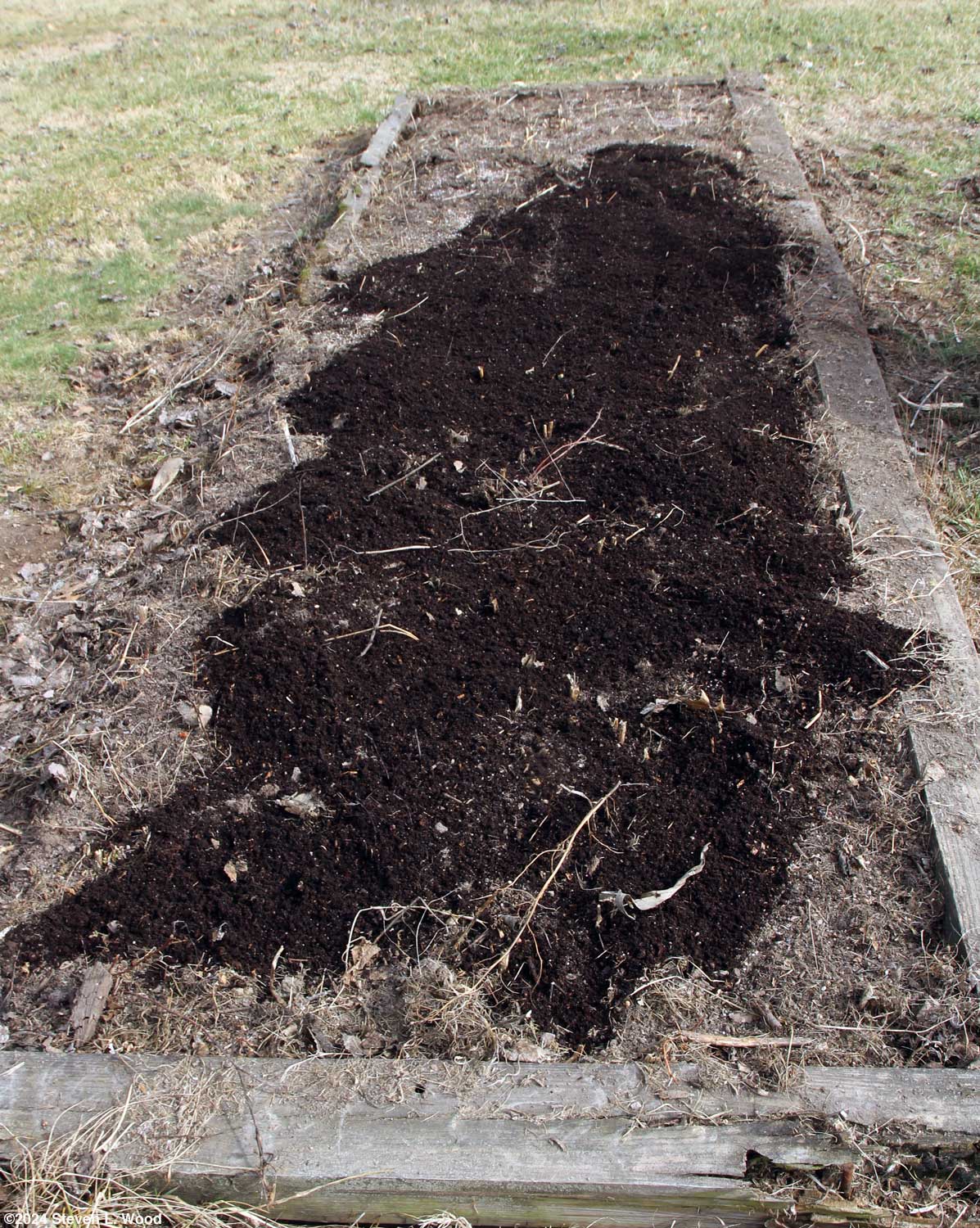
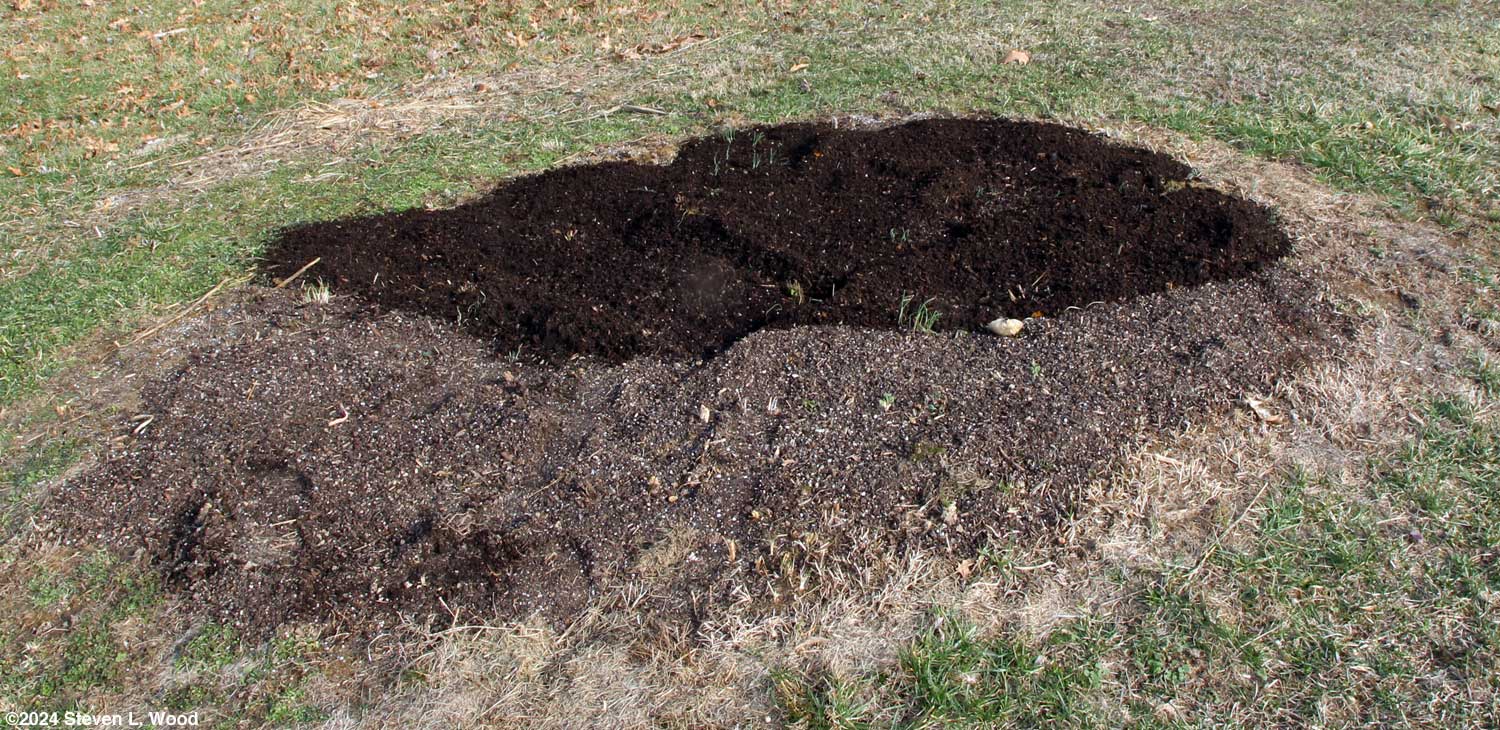
For years, I put asparagus cuttings various places around the property we care for. We once had a lot of volunteer asparagus come up over an old grave of one of our dogs! But I began composting the asparagus stalks a few years ago. In a compost pile not turned often, they take about a year to break down. We have rain coming in on Friday, so I hope to fertilize both of our asparagus patches before then. I'll also need to break open our old compost pile, moving undigested material to our current working compost pile. Then I'll filter the finished compost and add an inch or so to both of our asparagus patches. Asparagus absolutely loves compost. I've often recommended that new gardeners start an asparagus patch. It takes two to three years before one gets their first harvest, but it's an effort that can produce delicious harvests for many years. Our how-to, Growing Asparagus, may offer some advice and insights into the process.
Last night, Annie and I watched the 2024 Grammy Awards. While the performance of Joni Mitchell's Clouds brought tears to my eyes, the ending performance of You May Be Right by Billy Joel had me tapping my foot and singing along.
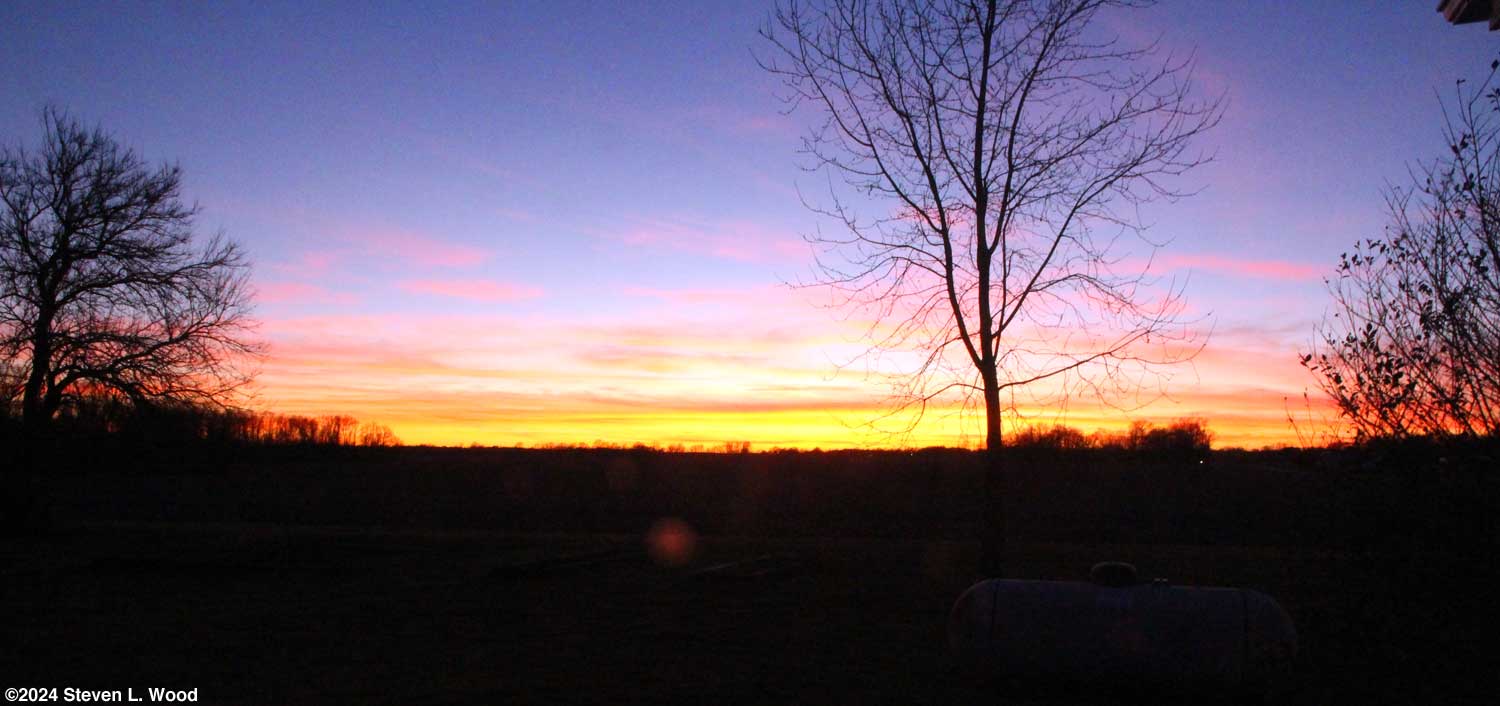
And we had another one of those lovely evening skies we occasionally get tonight.
When I shop today, I'll be picking up supplies for our annual Super Bowl snack of Texas Nachos. With it being just Annie and me on Sunday, I'll use the shortened economy version of the recipe.
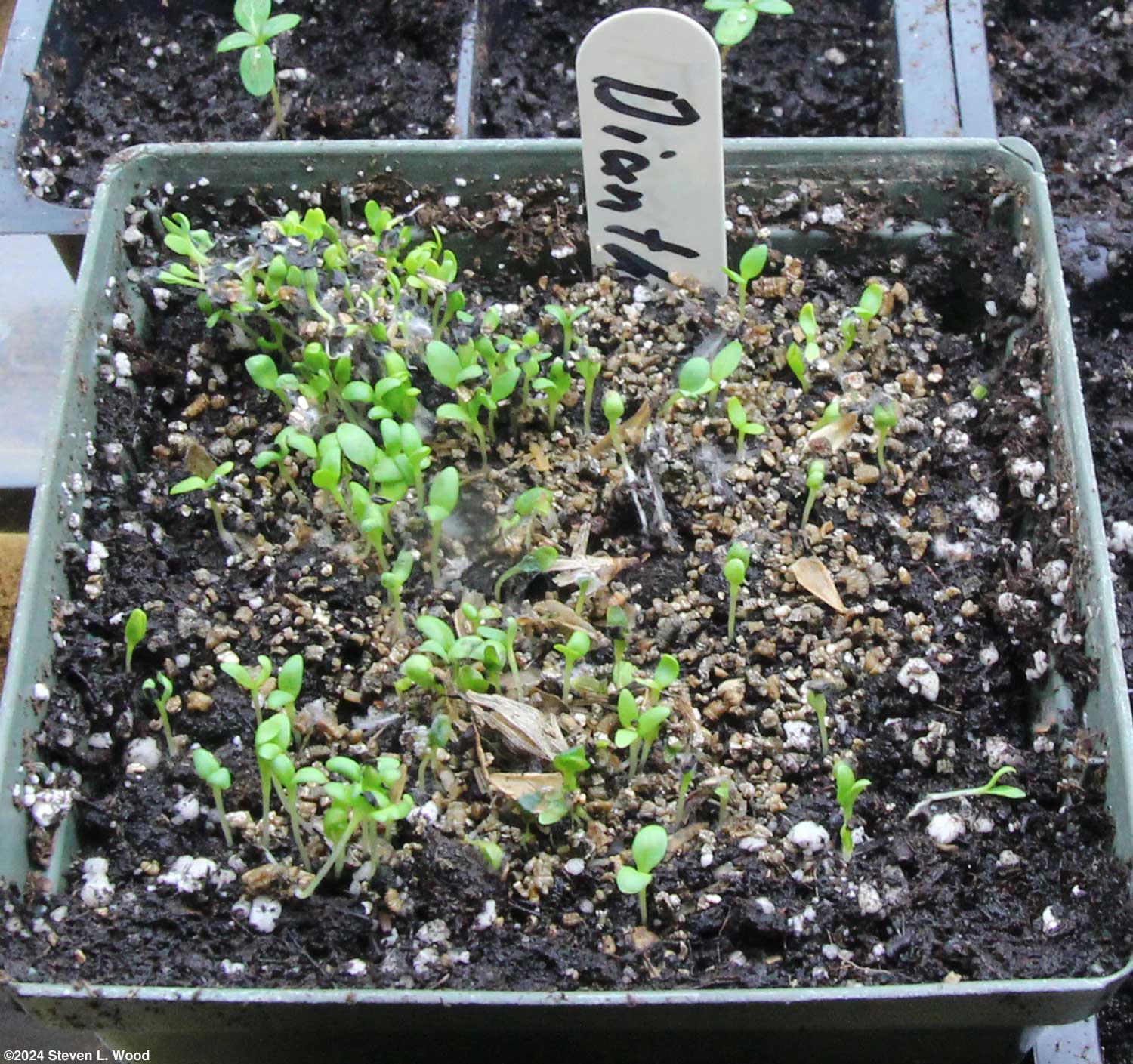
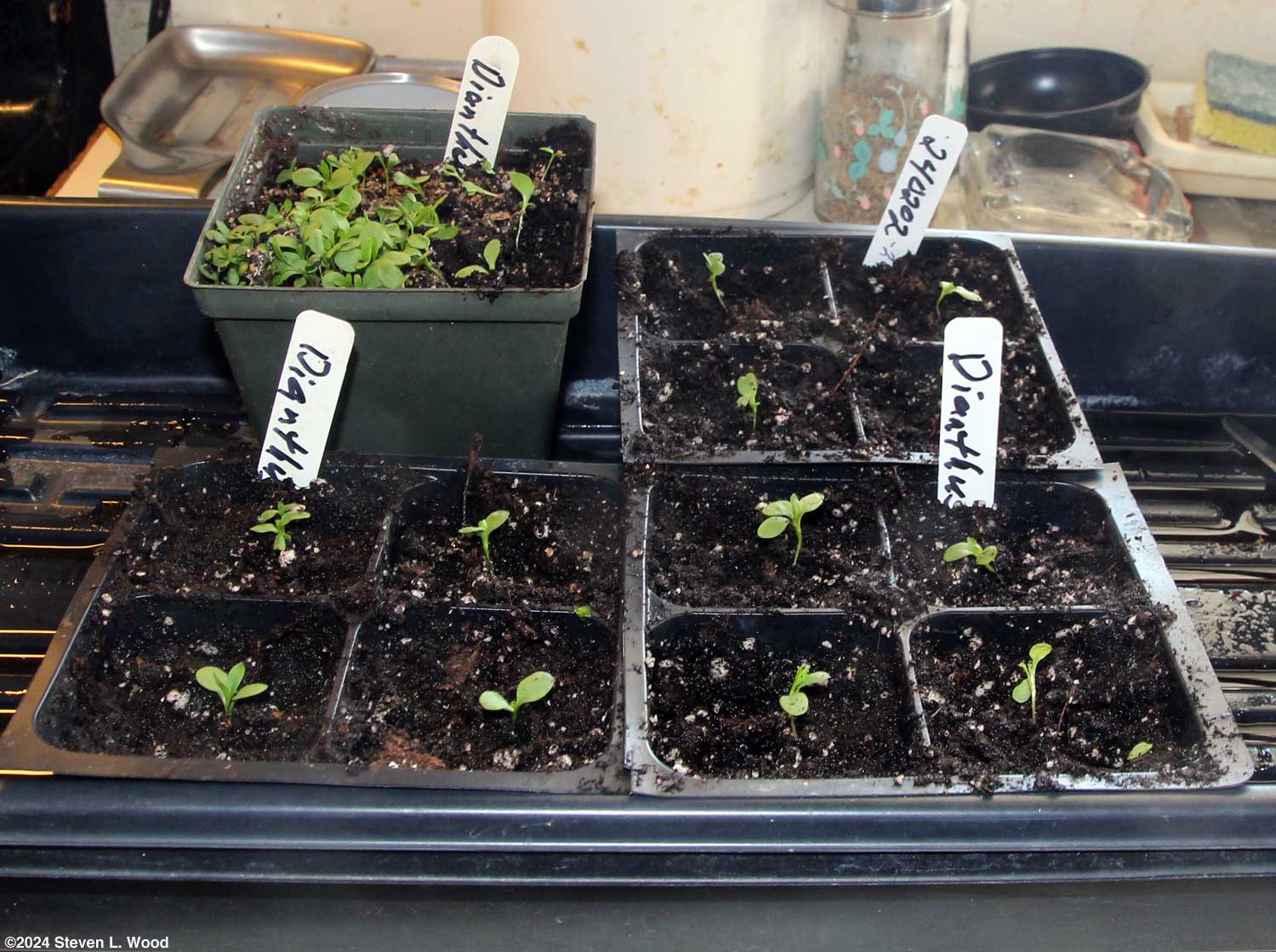
Oops! When I returned the transplanted vinca under our plant lights, I gave a tray of germinating stuff over a soil heating mat a cursory glance. I was pleased to see that our pot of saved dianthus seed had germinated in just five days, but was a bit overwhelmed at the volume of tiny plants. Then I remembered that when tapping the vial the seed was in, a whole bunch had poured out. A lot of what is there is from seed saved in 2016 along with some saved last summer. I'll need to move some dianthus to fourpacks fairly soon, as they're really crowded in their communal pot. If you're unfamiliar with dianthus, they're a small (12") plant that produces a volume of blooms over and over if old blooms are removed. The plants are typically biennial, although I've had them last three years occasionally. Our start of them came from the Carpet Snow variety. It's a hybrid, but saving seed from it has produced a variety of bloom colors.
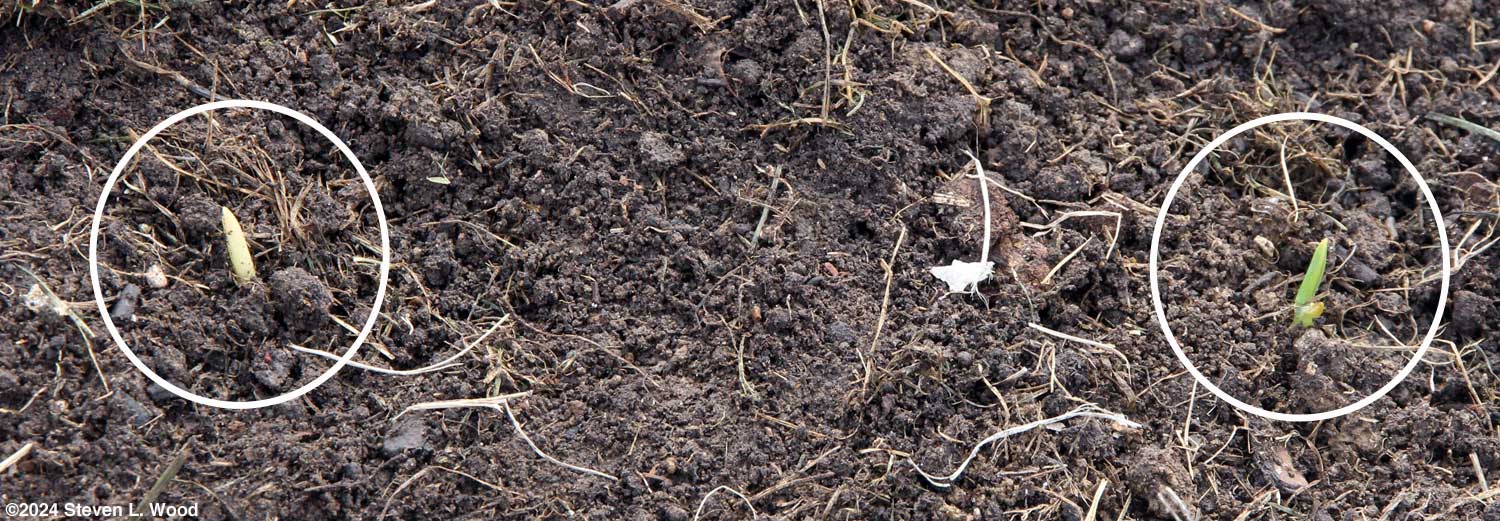
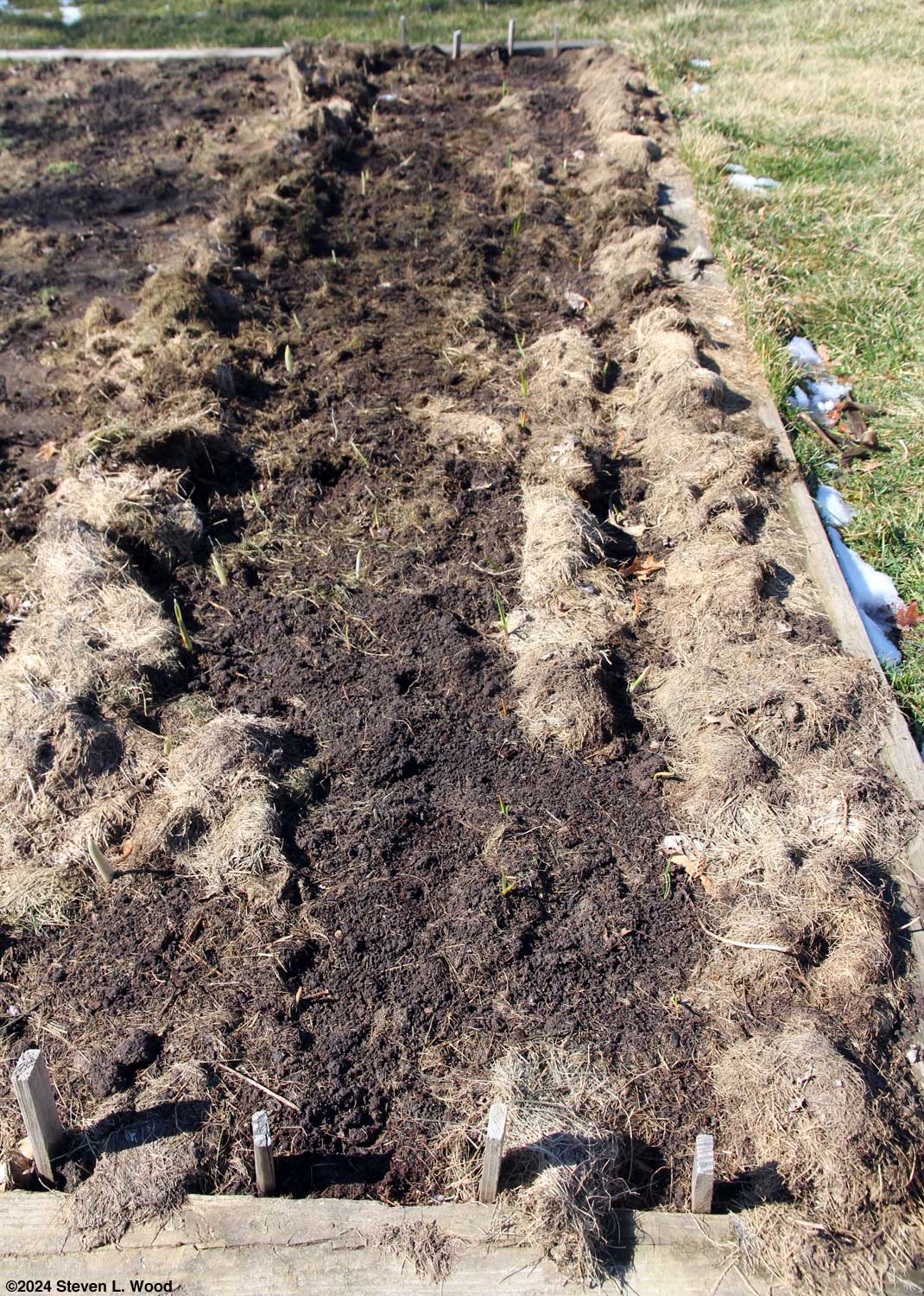
My composting system is pretty simple. I just pile garden stuff and kitchen scraps onto a pile. I add lime and fertilizer to the pile and occasionally shower it with compost starter. I rarely turn the piles, so they don't heat up or break down quickly. The lack of heating does allow some seeds to survive. But identifying and pulling a tomato plant in ones asparagus isn't all that hard. And usually, the site of an old compost pile serves as an fertile site for a following crop of butternut squash or pumpkins. As I returned to the house from spreading compost, I thought to pull back the mulch covering our garlic here and there. At first, I found nothing, but on a second try, I found two garlics that had sprouted. I'll probably need to pull the mulch soon if our warm weather continues. The grass clipping mulch can mat over time and prevent garlic sprouts from breaking through into the sun. And such garlic sprouts can usually weather all but the worst freezes.
And yes, I think there should be at least one more sprout coming up between the two that are circled.
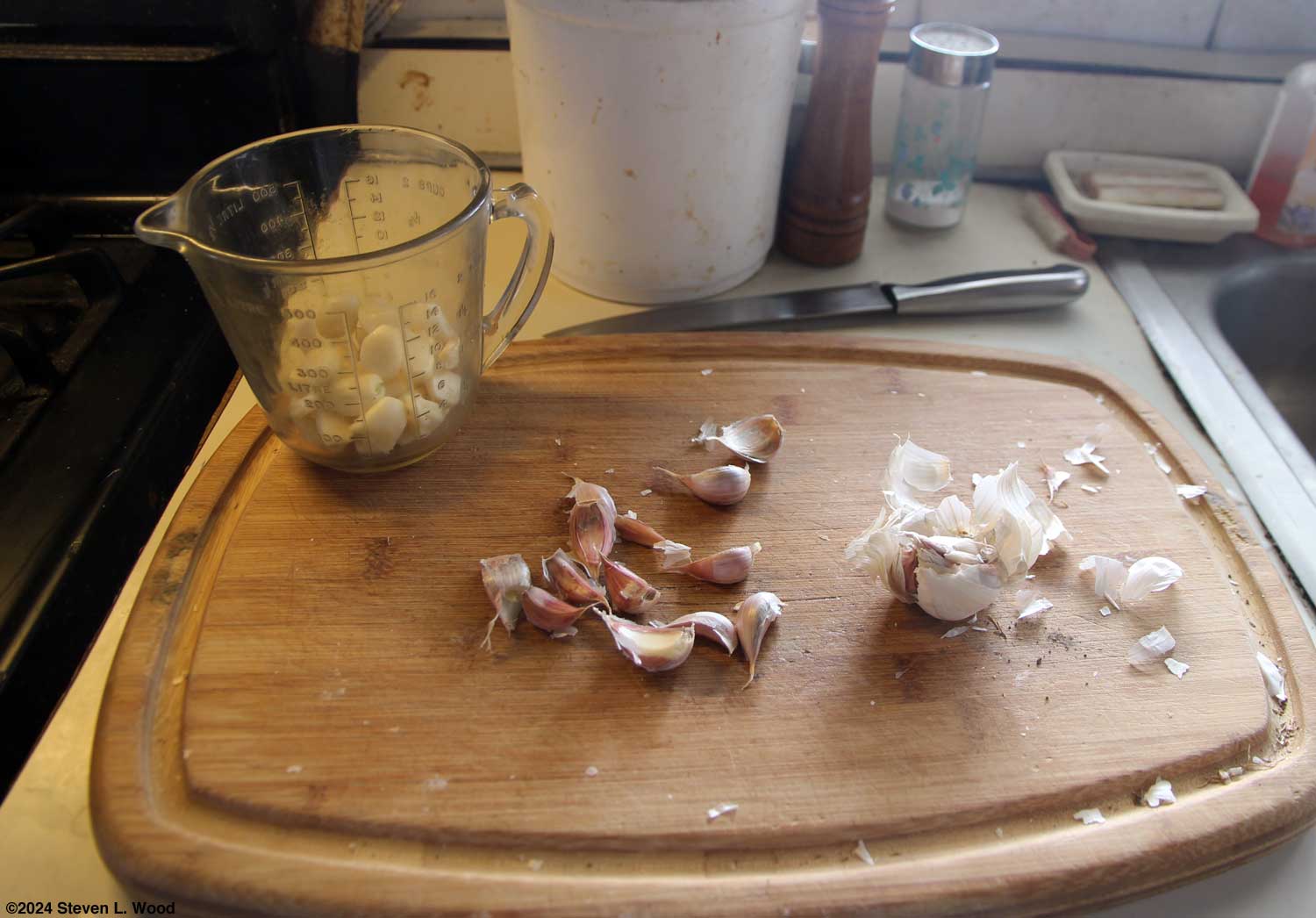
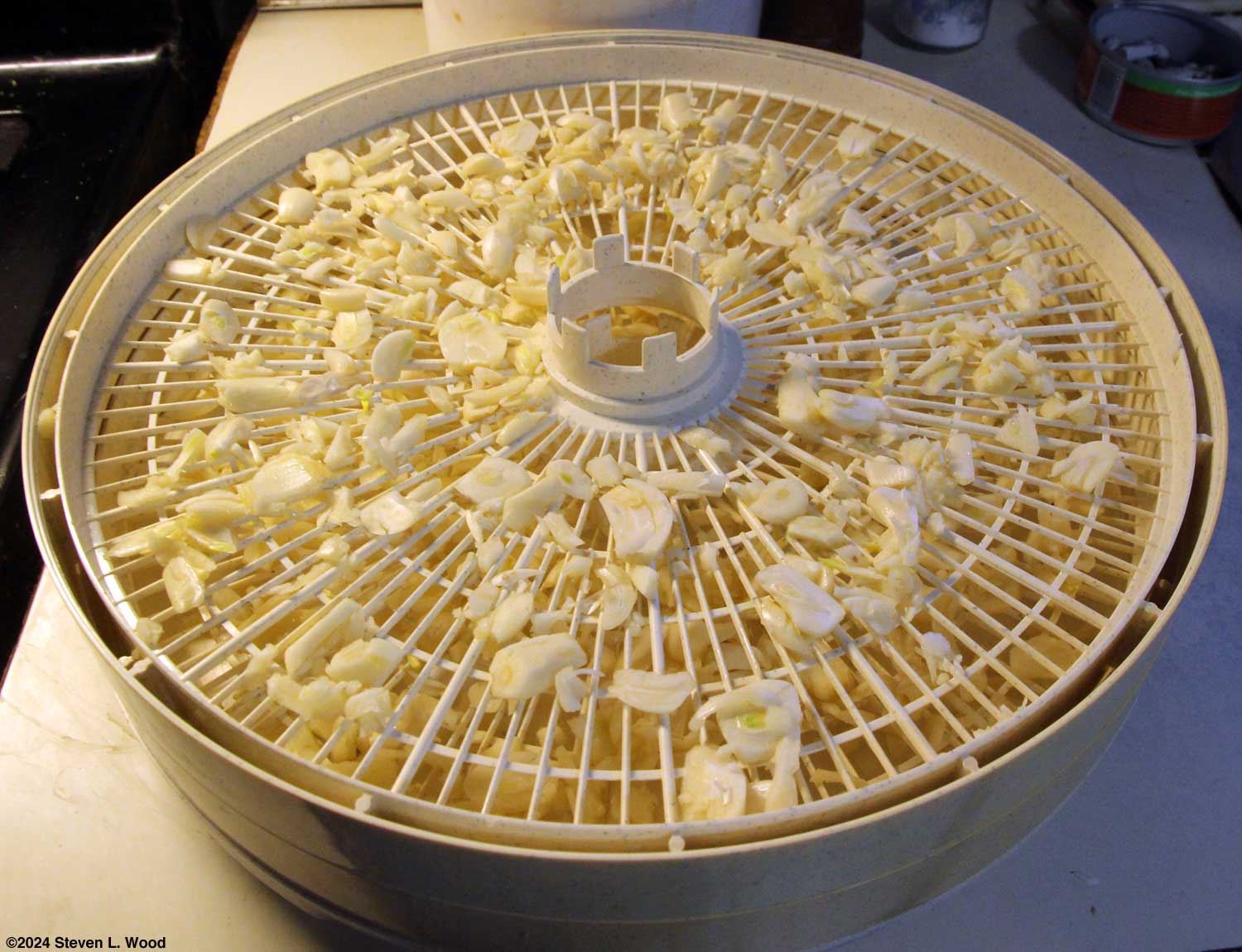
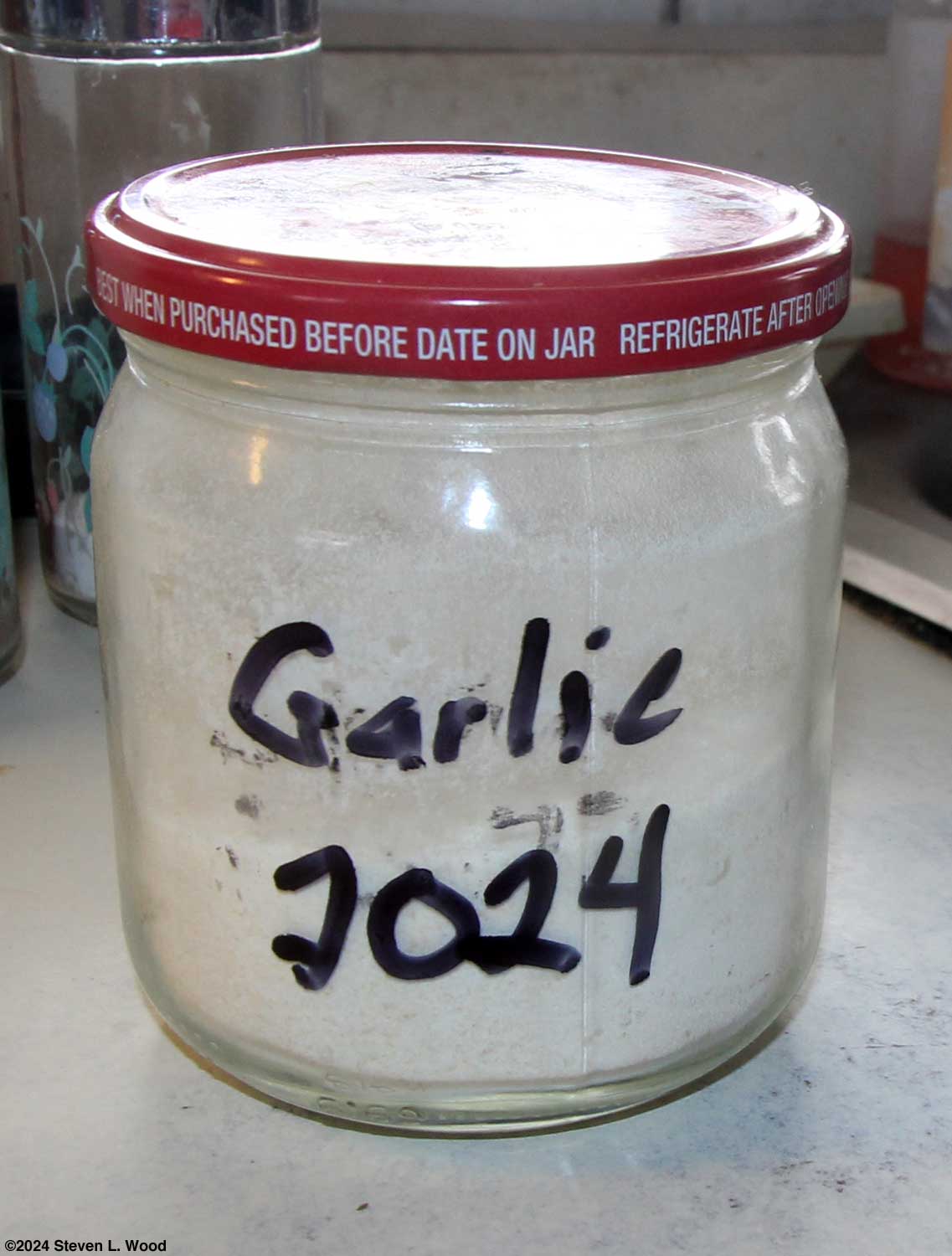
It took about four hours of peeling garlic cloves to have enough to fill two trays of our food dehydrator. I started peeling from our bag of hardneck garlic. When I switched to our softneck garlic, I was surprised at the burst of pleasant, but strong garlic aroma. I sliced the garlic cloves in our food processor. It didn't chop as finely as times in the past. I've chopped it to paste in previous years that made cleaning the dehydrator trays a challenge. The larger garlic pieces will take several days to dry. There's a section in our Growing Garlic how-to on making garlic powder.
I worked a bit more today spreading compost on our asparagus patches. I didn't get the job done, as I still need to screen another load to finish up Bonnie's Asparagus Patch. I cut off my most recent germination test of sweet corn seed today. I was testing all the seed varieties that had come in at less than 50% germination in a previous test. Sadly, there was no improvement in germination in this test, so that seed will have to be pitched.
I ordered more sweet corn seed last night. But I had to go to three outlets to get the sh2 supersweet types of seed I wanted. I ordered more American Dream, Enchanted, and Vision MXR plus two new to us varieties. It's getting hard to find sh2 sweet corn varieties these days. And in ordering from three different vendors, I spent more on shipping charges than I did on seed! I checked the garlic I began dehydrating yesterday. It had dried down a good bit, but still needs at least another day before being ready to grind into garlic powder. As I sat grumpily recovering from my daily gardening cut short by physical pain, my lovely wife, Annie, walked by and said, "You're not doing bad for man seventy-five years old." And she was right. I'm thankful to the Lord for each day and being able to be with ones I love and do things I like.
Saturday, February 10, 2024 - Garlic Day
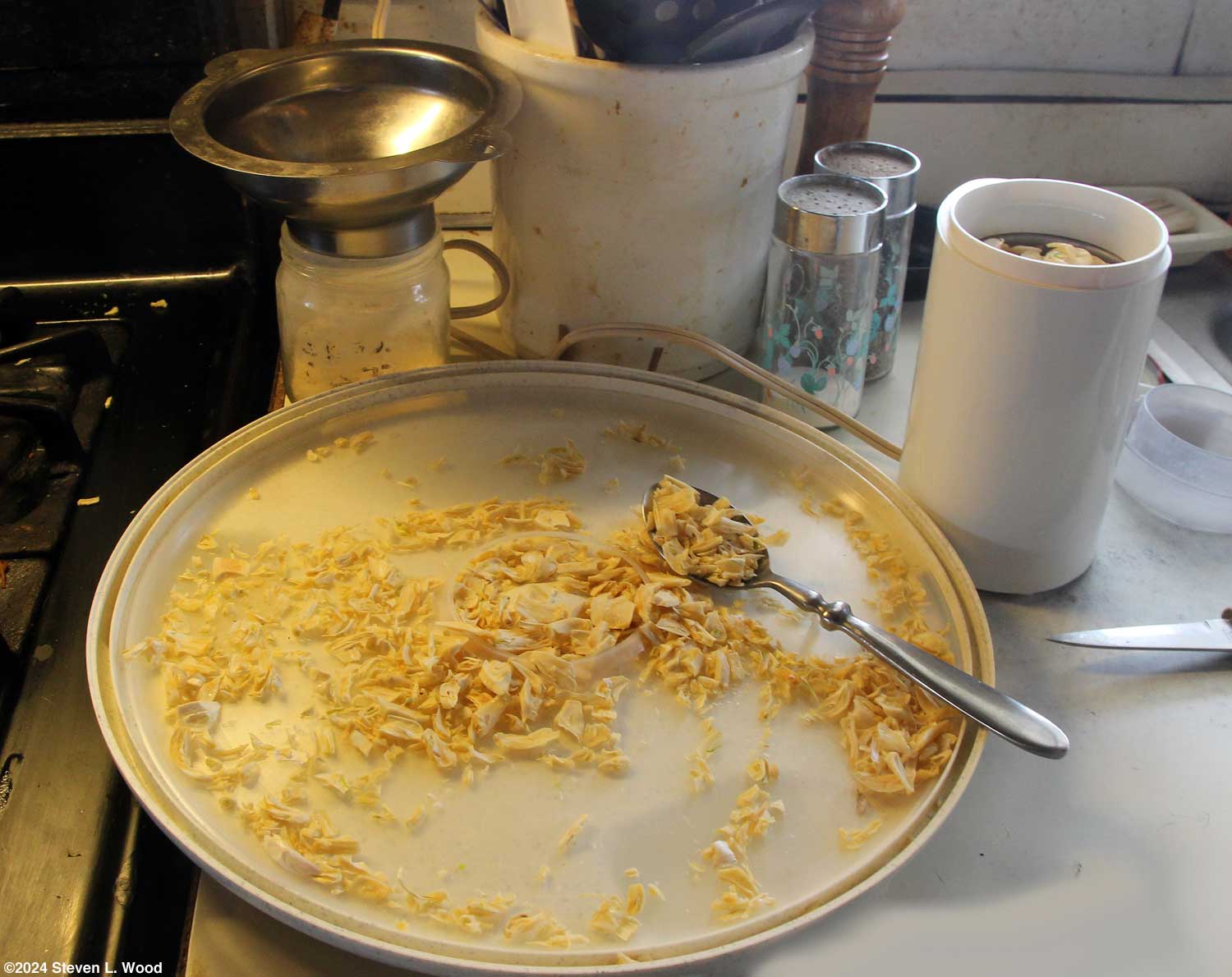
The two trays of garlic I had in our dehydrator for two days were dried out by this morning. I used our old coffee grinder to powder the dried garlic. A section of our Growing Garlic how-to is devoted to Making Garlic Powder . Still in garlic mode, I pulled back the grass clipping mulch off of parts of our planted garlic. Lots of the garlic cloves planted had produced shoots. I'm not sure if I'm doing this too soon, so I stopped after a bit as the mulch doesn't seem to be matting. In what I uncovered, there were a few gaps in the rows, but there's still time for garlic shoots to emerge.
There were jobs that could have been done outside today. It was sunny and in the upper 40s.
Instead, I chose to be lazy. I also jumped the gun a bit and made our annual Super Bowl treat of Texas Nachos for lunch...and probably dinner.
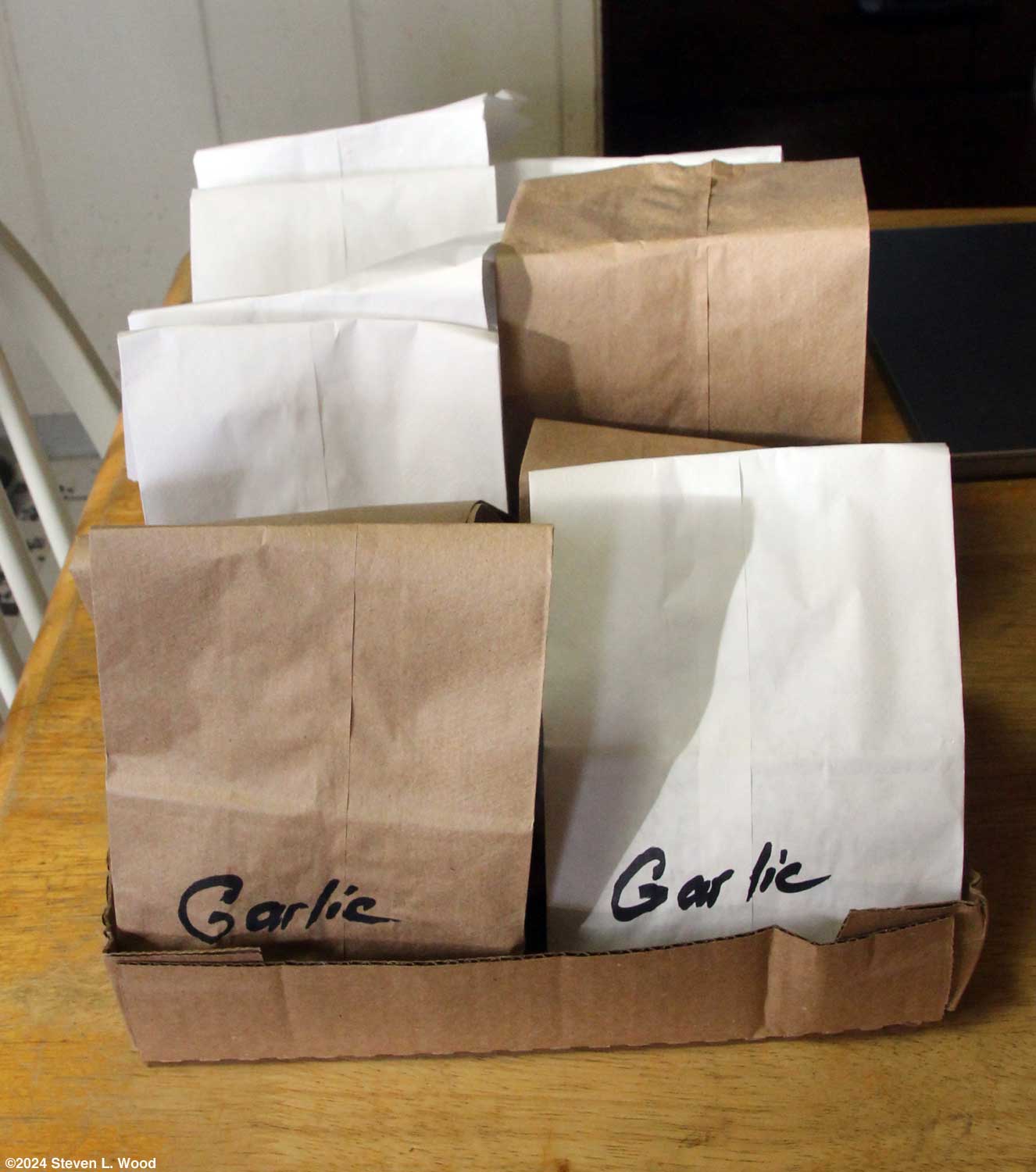
I delivered about a dozen or so bags of garlic bulbs to our local food bank yesterday. As a bonus, I got to look around the inside of the food pantry part of the new building. Lots of new shelving and a large walk in cooler should make food storage and distributions a lot easier than in the past. I'm guessing that our next donations won't come until sometime in late April or May when we get overrun with fresh asparagus.
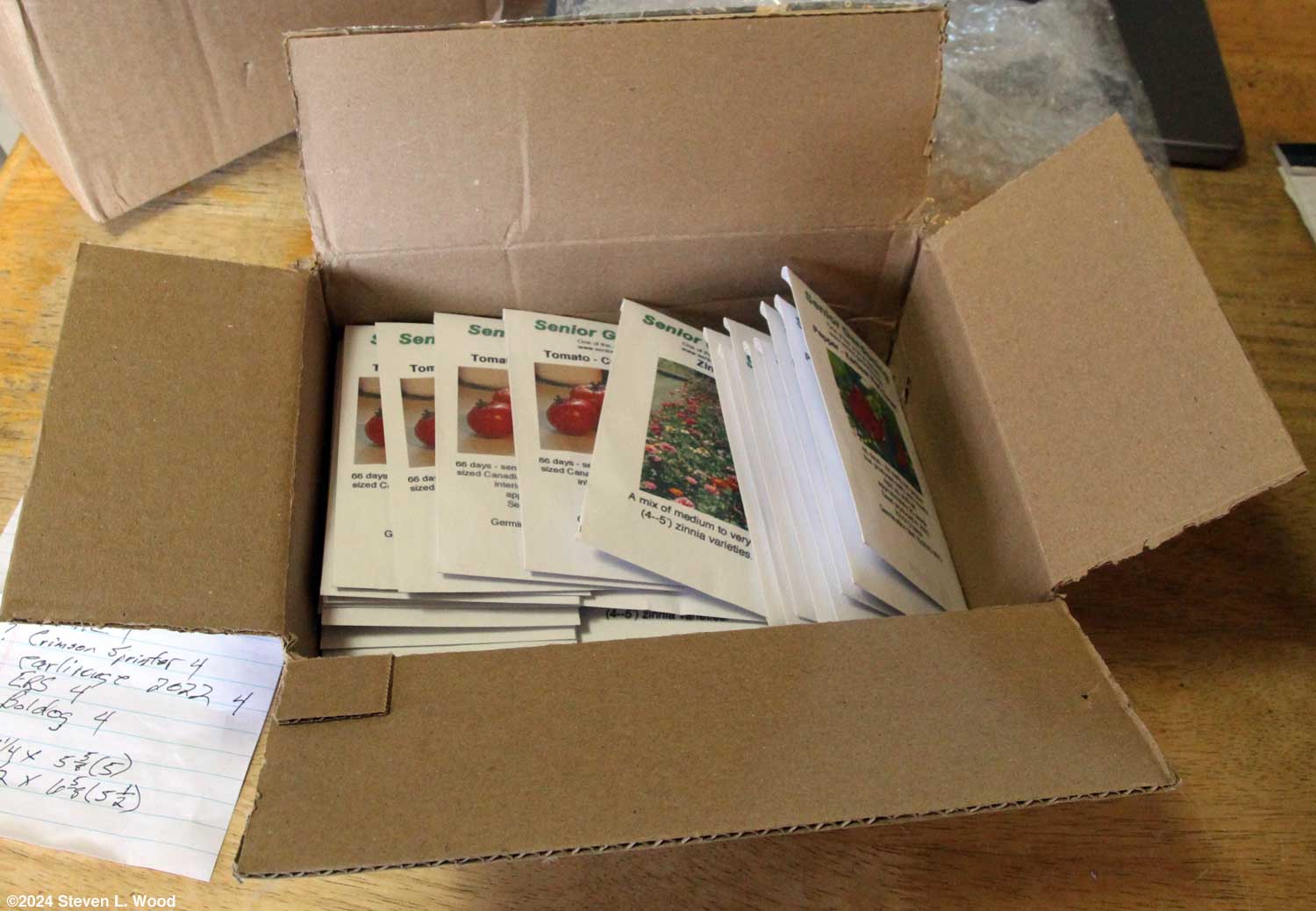
Having received five packets of fresh sweet corn seed in the mail yesterday, I started germination tests for the newly arrived seed. That may seem a little over the top, but I've experienced receiving some really old seed from a vendor in the past. It's better to waste ten seeds now than have a germination failure in the field. I still have one more currently backordered packet of sweet corn seed to come in sometime next month. I also pitched six packets of sweet corn seed that didn't test well. All of these varieties, dated 2021-2023 tested at 40% or less in two separate tests. The seed from last year should have still been good. Later, after watching a couple of Star Trek movies on TV, I transplanted some of our dianthus starts to fourpacks. I'd spilled seed into the communal planting pot, so I had to get some plants out of it, as they were terribly overcrowded.
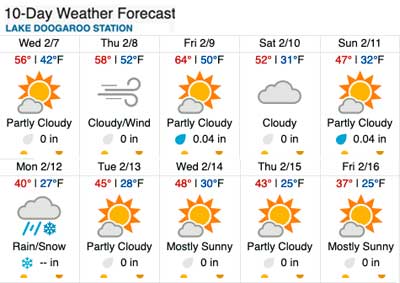
While there is melting on our roof and on our sidewalks, no general melting is going to happen with temperatures today remaining below freezing. Bright sunshine does seem to be reducing the snow depth somewhat. The snow should melt off early next week as we return to above average February temperatures. With no outdoor gardening possible today, I turned to trimming our onion plants again. Some of them are growing vigorously, while others have faded and died. With some white mold visible on the soil surface of the onion trays, I watered a bit with some Captan fungicide. I also moved the last of our gloxinias from our dining room table to our basement plant rack. There, they'll receive bright light, a little water, and no fertilizer to help them move towards dormancy. Currently, we don't have any gloxinias in bloom although there are eight or nine plants that have broken dormancy recently and should bloom again in a month or so. Even though it's been just two days since I started a germination test for the new sweet corn seed that arrived this week, I checked it today. I was pleasantly surprised to see all five varieties had already begun germinating.
I checked my new sweet corn seed germination test yesterday and cut off the test. All five varieties tested met my minimum germination standard of 80% in just four days! That's what fresh seed should do. The varieties are: Vision MXR 80%; X-tra-Tender 3473 90%; American Dream 90%; Honey & Pearl 100%, and Anthem XR 90%. I'll be interested to see how the X-tra-Tender 3473 grows and tastes, as it is a white corn. Our favorite white corn is Silver Queen, but it's not an sh2 variety, so I can't grow it around our sh2 varieties.
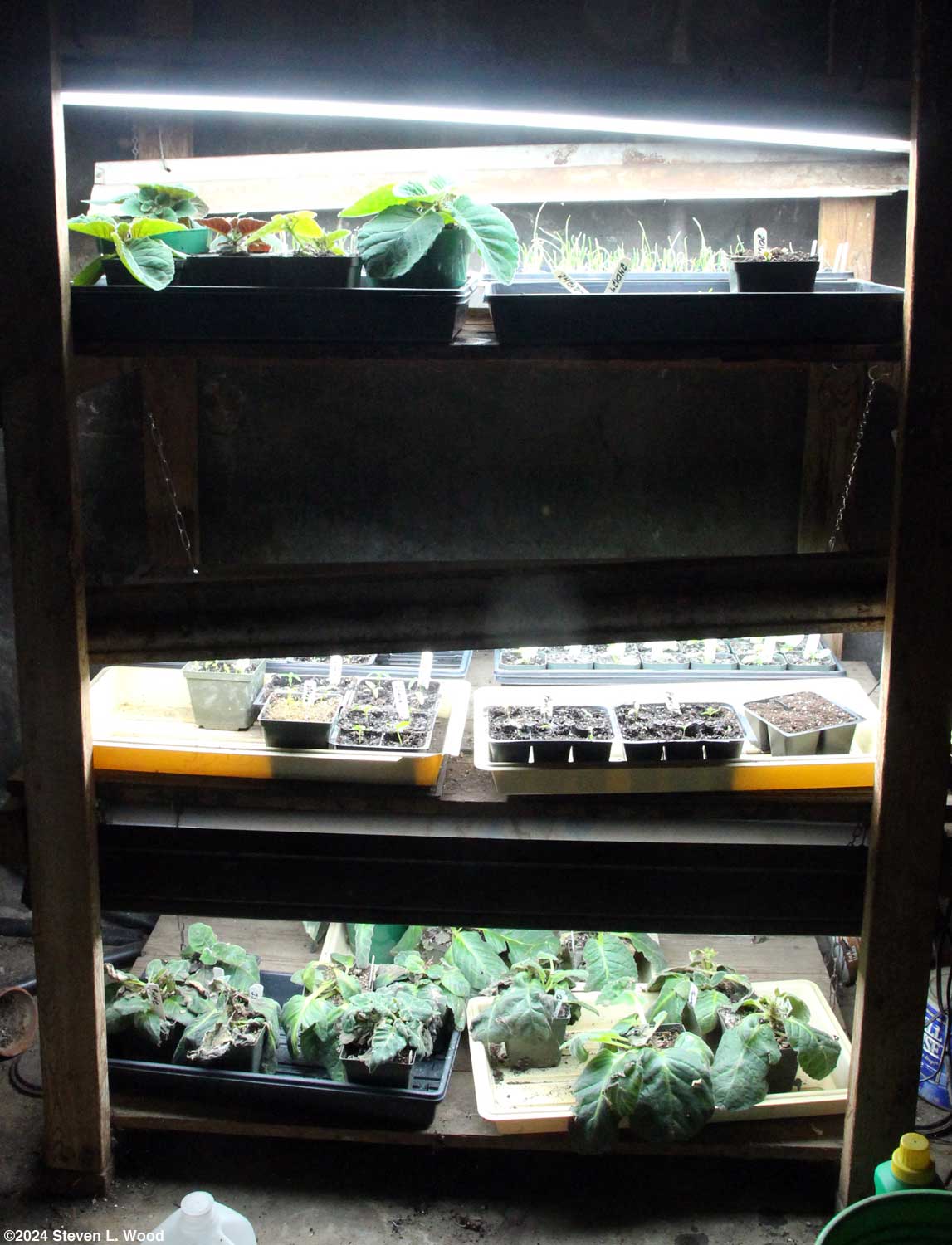
And as happens around this time every year, our plant rack is filling up. The bottom shelf is devoted to gloxinias heading into their annual required period of dormancy. The upper two shelves have lots of garden transplants and gloxinias emerging from dormancy. I've already moved two large hanging basket pots of Wandering Jew to our sunroom. Our egg carton petunias will soon be big enough to move to a kitchen window. Beyond that when things get too crowded, I can move some stuff to our dining room table which gets good sunlight through our bay windows in the morning. While it's early, this might be a good time to order hummingbird feeders. Our first of the tiny birds usually appear mid-April.
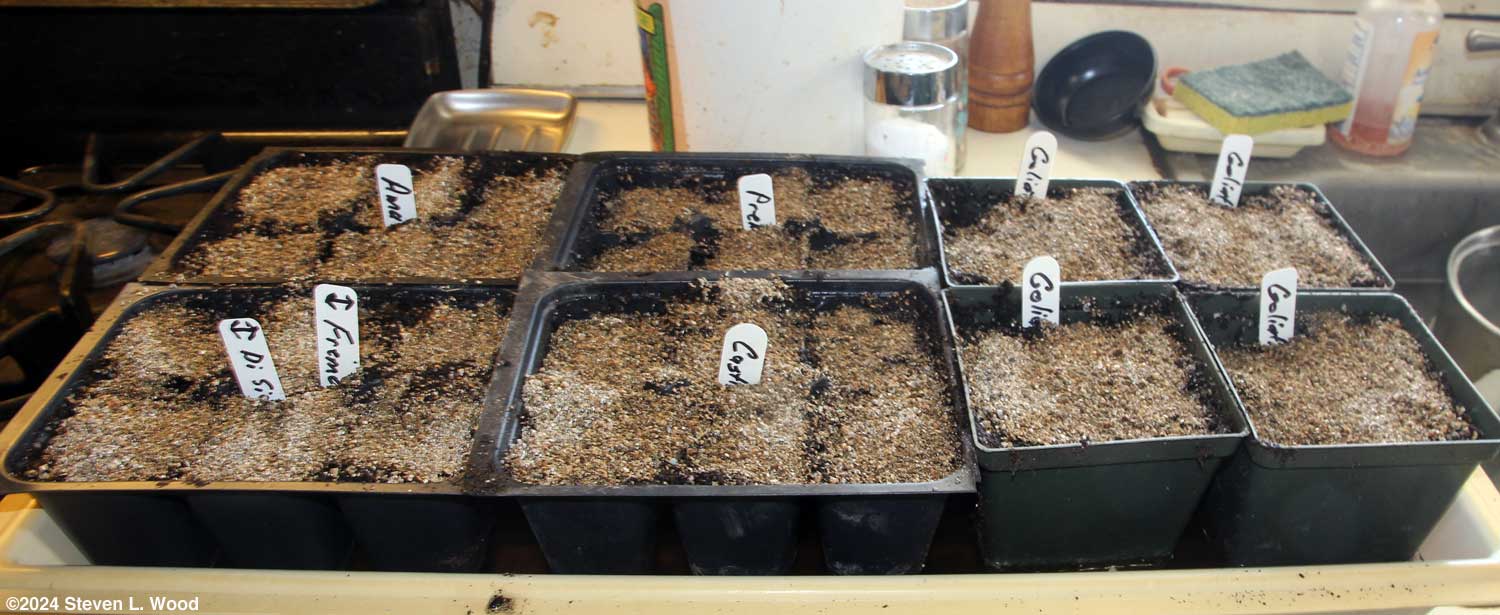
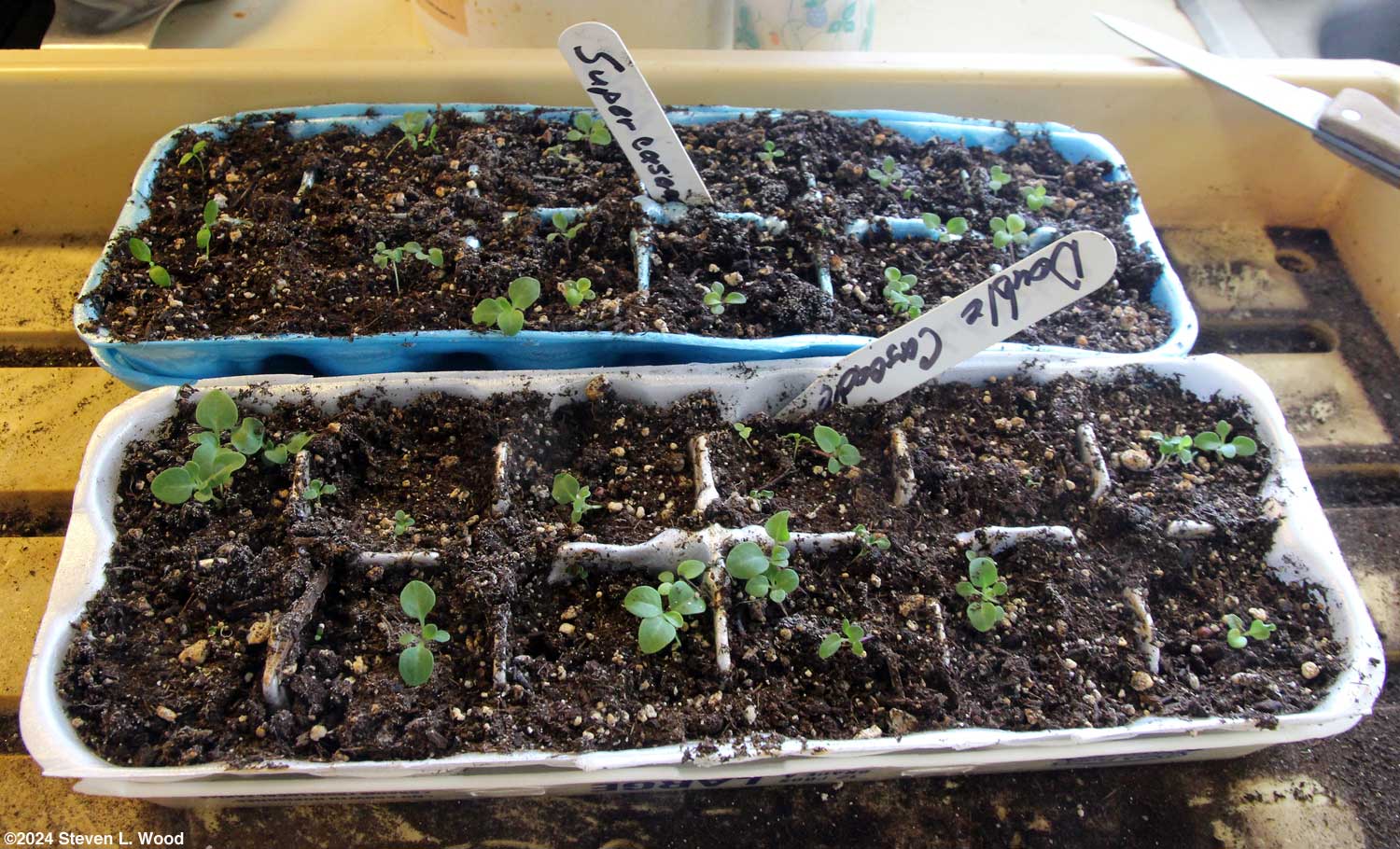
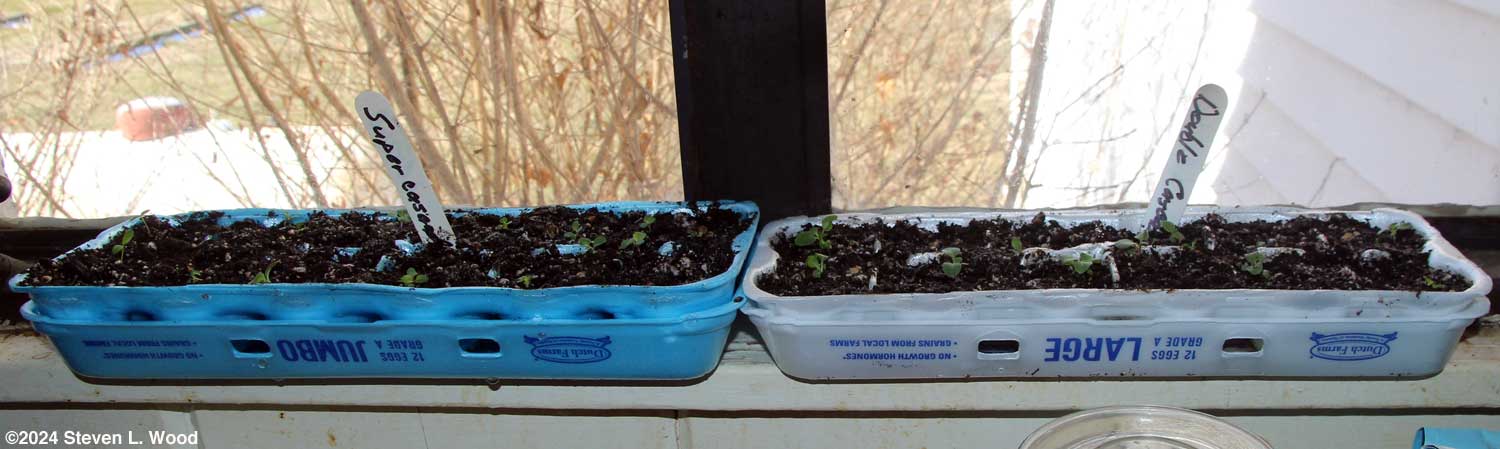
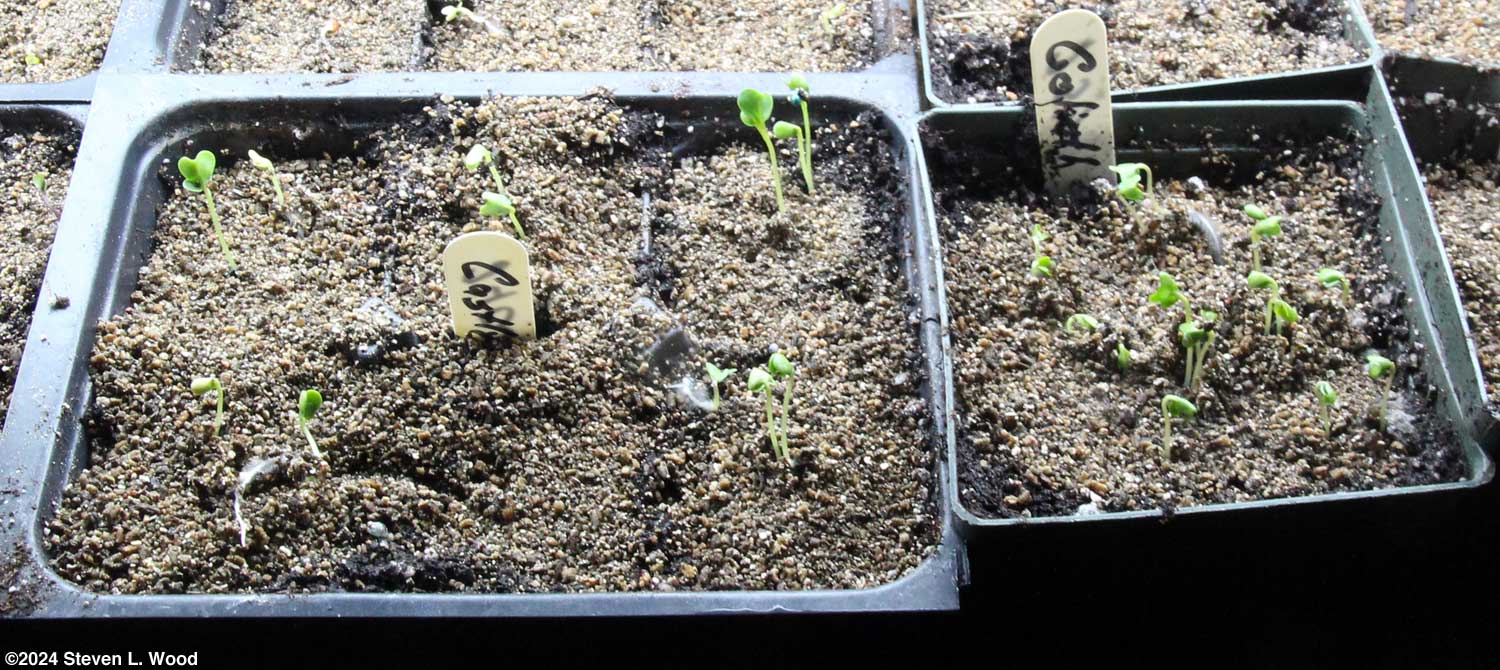
Since brassicas need total darkness for germination, I seeded them over sterile potting mix and covered the seed with vermiculite. Some of the Goliath seed hadn't tested well and the Fremont seed was old. We'll see what I get out of this seeding. Our egg carton petunias were slow to germinate, so I re-seeded them. What I got was a mess of too many Supercascade and Double Cascade petunias that had to be thinned today before moving them to a kitchen windowsill.
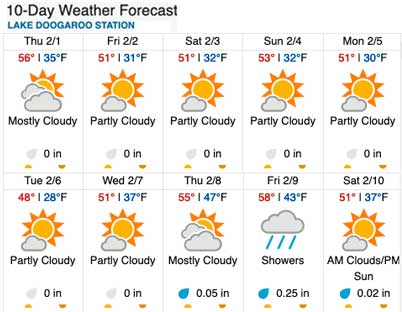
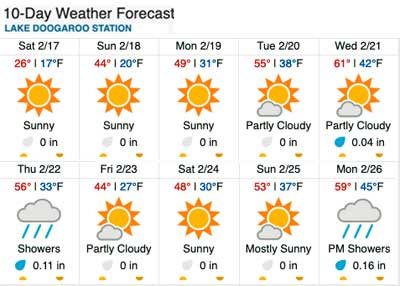
The petunias will remain on the windowsill for several weeks until they outgrow their egg carton cells and need to be moved to fourpack inserts under our plant lights. Eventually, they'll go into large hanging basket pots to hang on our back porch. After taking out trash to the roadside for pickup, I worked on pulling mulch back off of our fall planted garlic. A lot of the garlic is already up, necessitating getting the grass clipping mulch off of it. While the mulch protects the garlic after planting, it can mat and prevent the garlic shoots from emerging. I typically don't pull the mulch this early, but our rather mild winter weather has allowed the garlic to emerge fairly early. From the many online critics of Punxsutawney Phil's prediction of an early spring. our currant weather outlook looks pretty good. We have some pretty nice weather predicted for the rest of February.
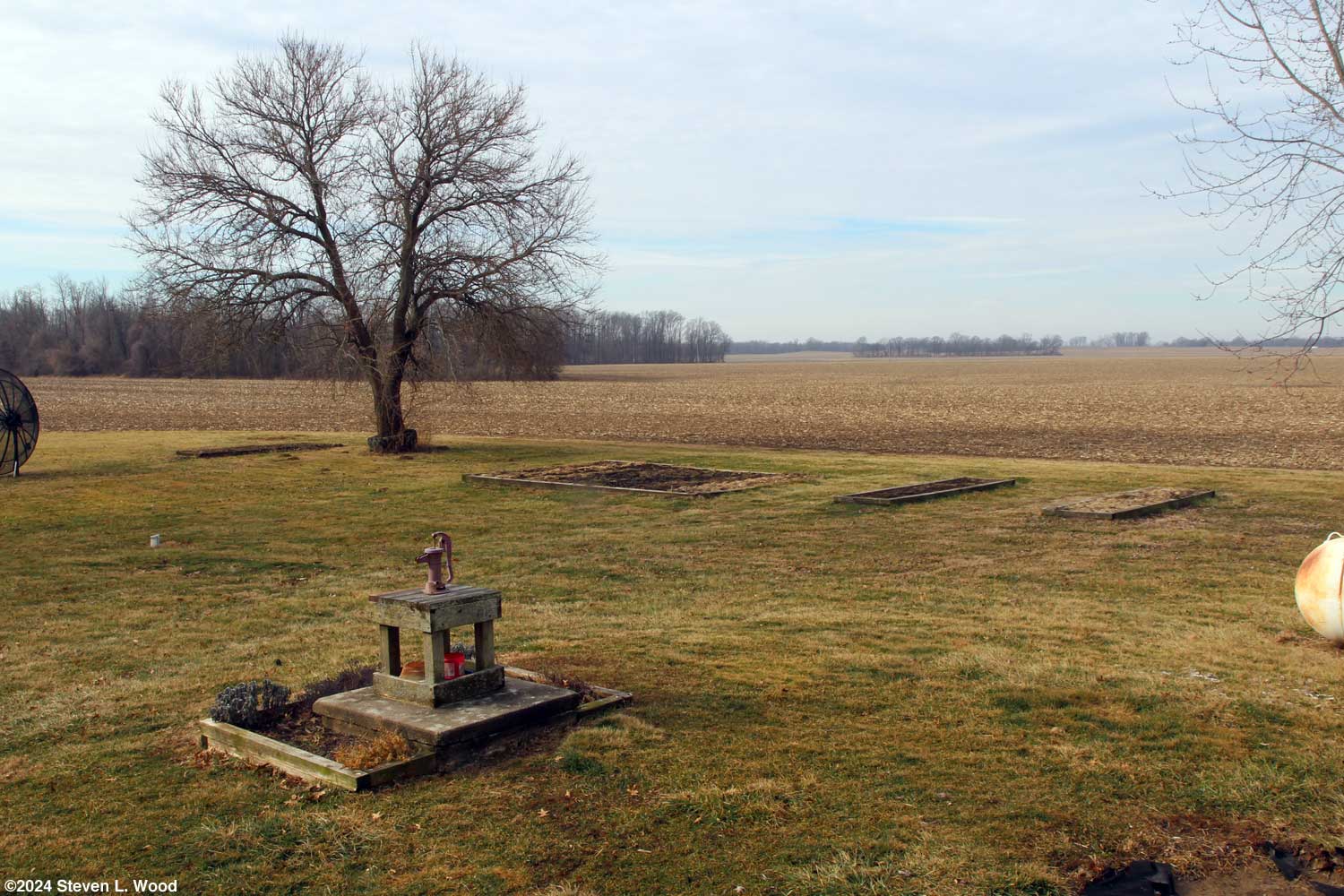
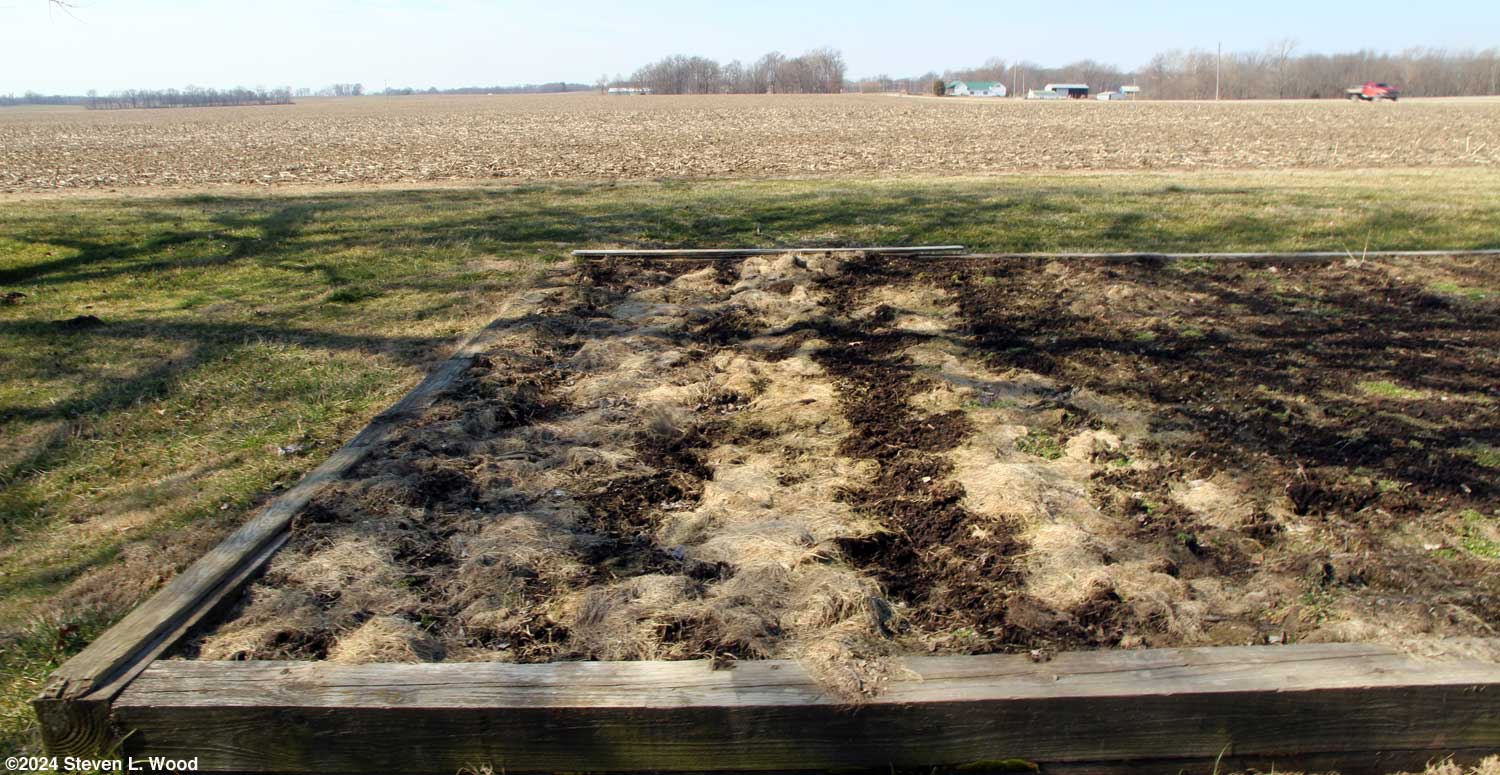
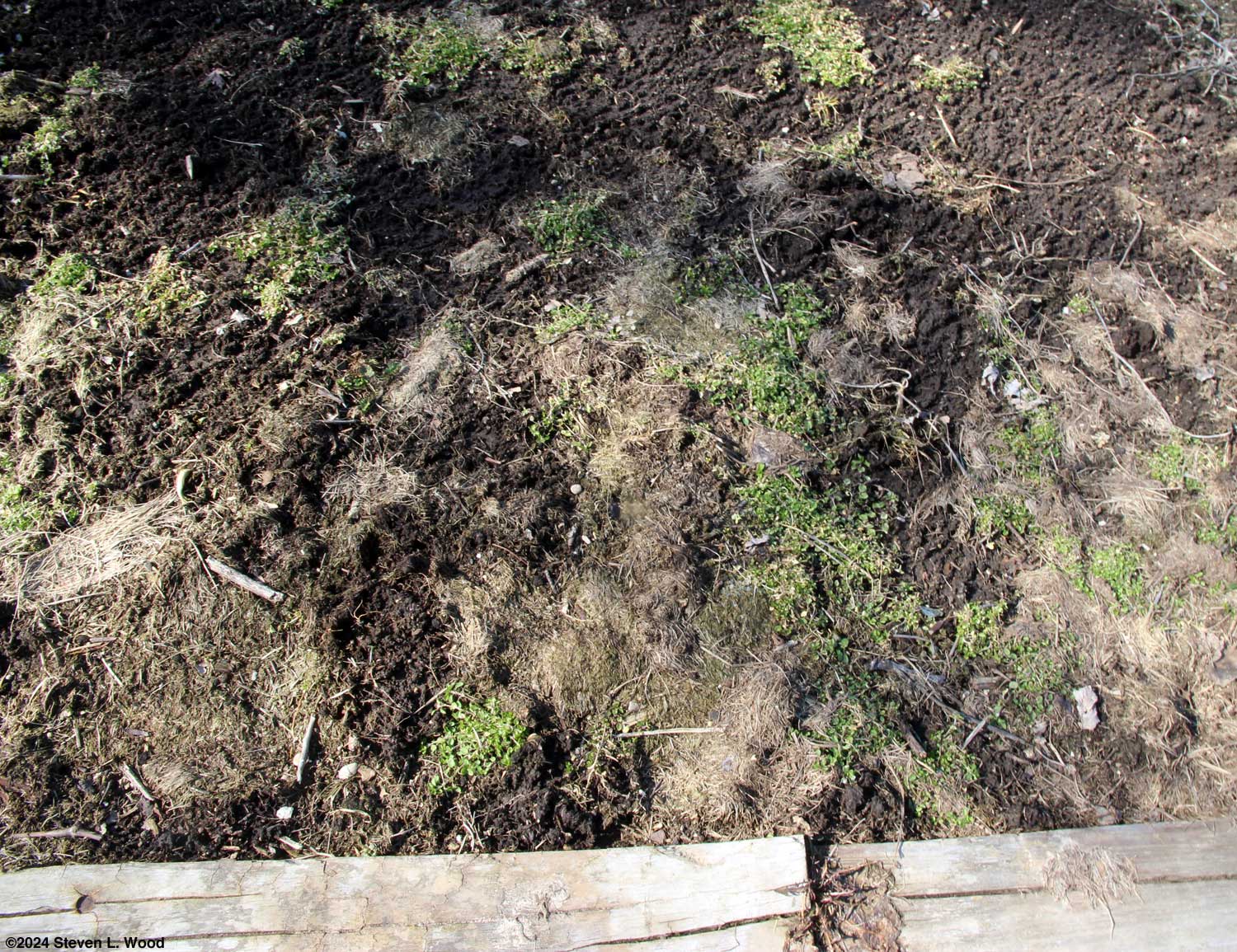
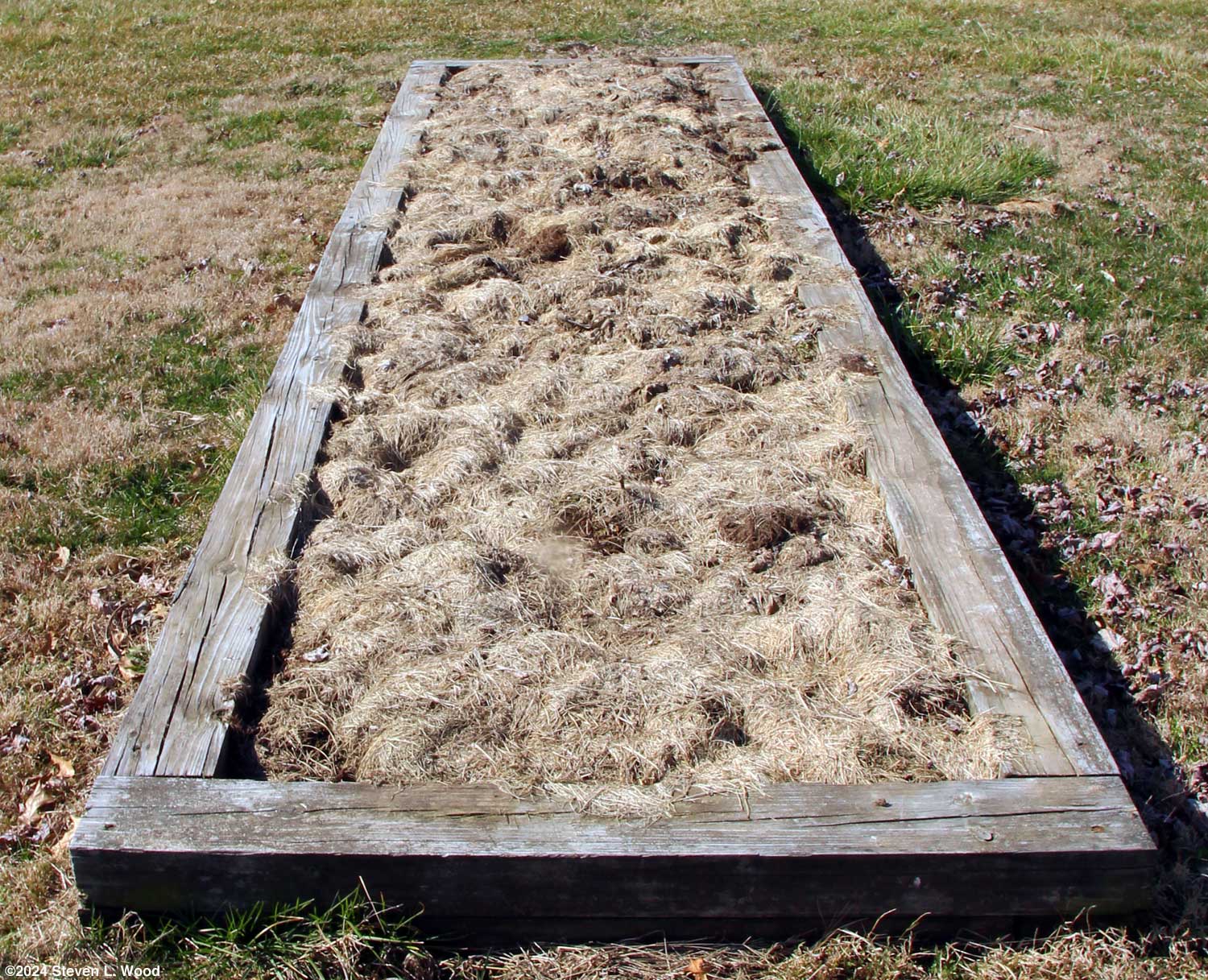
Enjoying working outside without a coat or jacket, I began raking old mulch off of our main raised garden bed. There's also a lot of chickweed there. I got some of it with the rake today, but will have to go back and hand pull the nuisance weeds later on. Raking one side of the bed filled my four cubic foot garden cart, so I just raked the other half of the bed to the side. The raked old mulch got dumped on our compost pile. Days like this are few and far between in most winters, so I was thrilled to get to work outside for a couple of hours today.
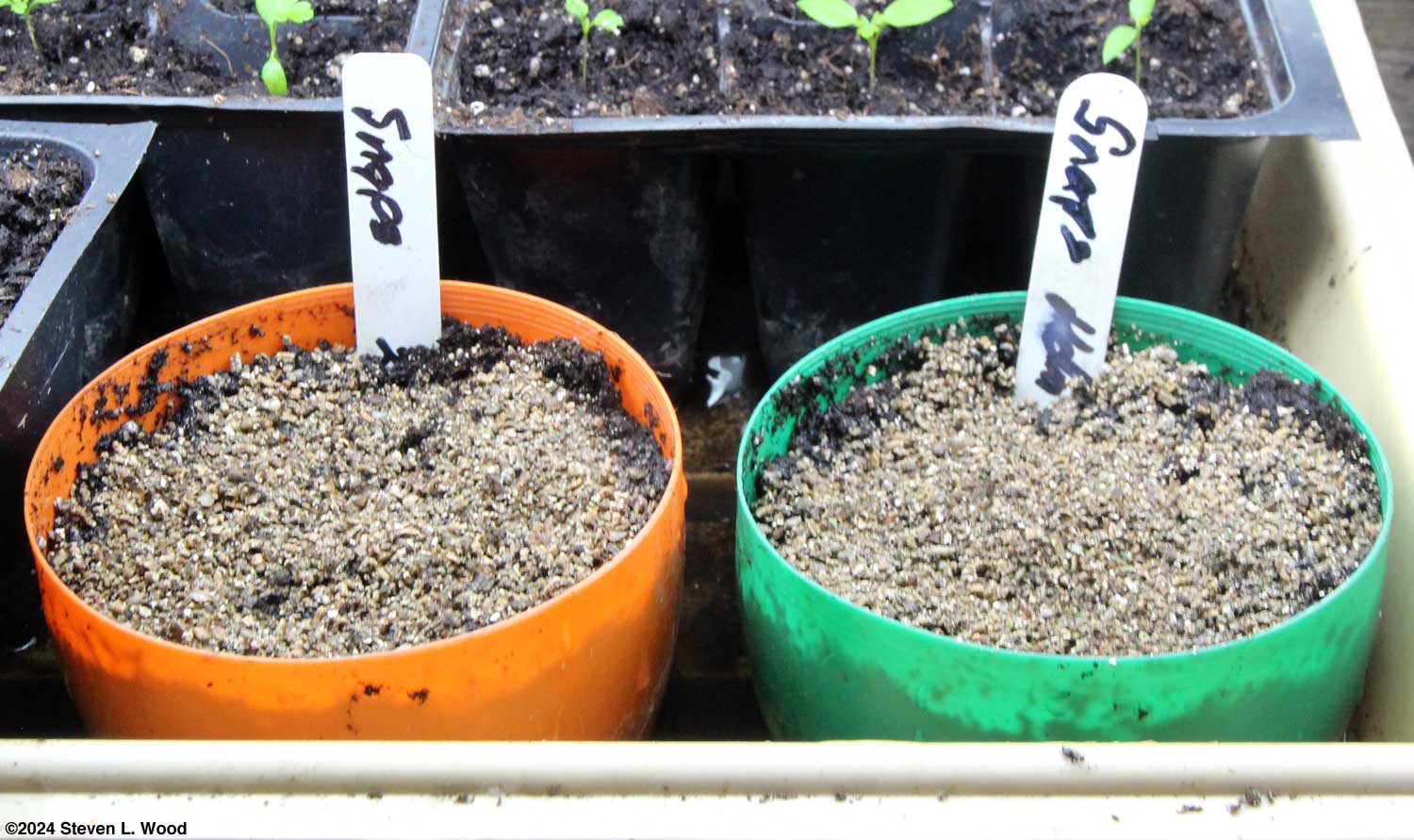
I did start a couple of shallow pots of snapdragon seed this afternoon. One pot got snapdragon seed saved last season and the other seed collected from Madame Butterfly plants two years ago. Since snapdragon seed needs light to germinate, it went over vermiculite over sterile potting mix. I didn't fire up our second soil heating mat, as snapdragons germinate okay in temperatures of 50-70°F. With our recent warm weather, our basement has warmed up enough to support those temperatures. Our recently planted broccoli and cauliflower seed, however, remains over a soil heating mat set to 75°F. I realized last night that in sharing the planting of our spring brassicas, I hadn't shared a link to our how-to, Growing Great Broccoli and Cauliflower. I also noted that the rather long piece hadn't been updated in some time. With some major changes in our affiliated advertisers, there were dead product links and still working links that produce no profit for us after an affiliate program killed our affiliation. Updating feature stories and how-tos is a lengthy and involved process. I first use a link checker (BLT, which is no longer available but still works on my 2018 Mac Mini) to find broken links. Then I run the computer's spell checker. A final step is to have my Mac read the article back to me, paragraph by paragraph. Since I'm somewhat dyslexic, these proofreading steps are essential. To this day, I think the dyslexia made me a better teacher. I end up making some grammatical changes to the article, sometimes adding a bit of new content. A lot of my time was spent updating Burpee links after they dropped their affiliate program. Sam's club links also took some hits. The whole update took about three hours to do. I was actually mentally exhausted when done and took an hour break before writing this posting.
Friday, February 23, 2024 - Weather Outlook
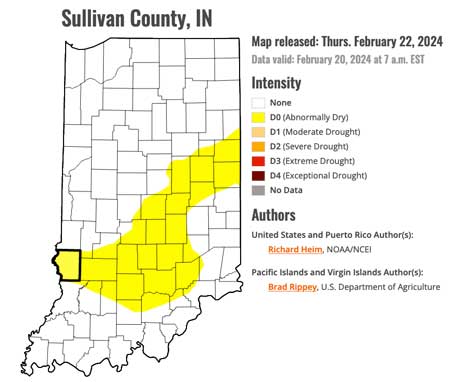
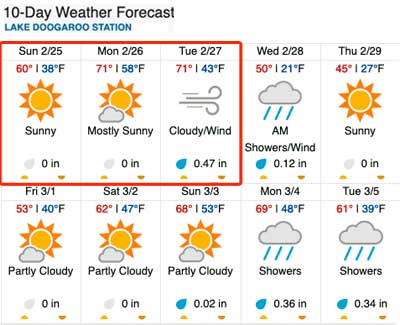
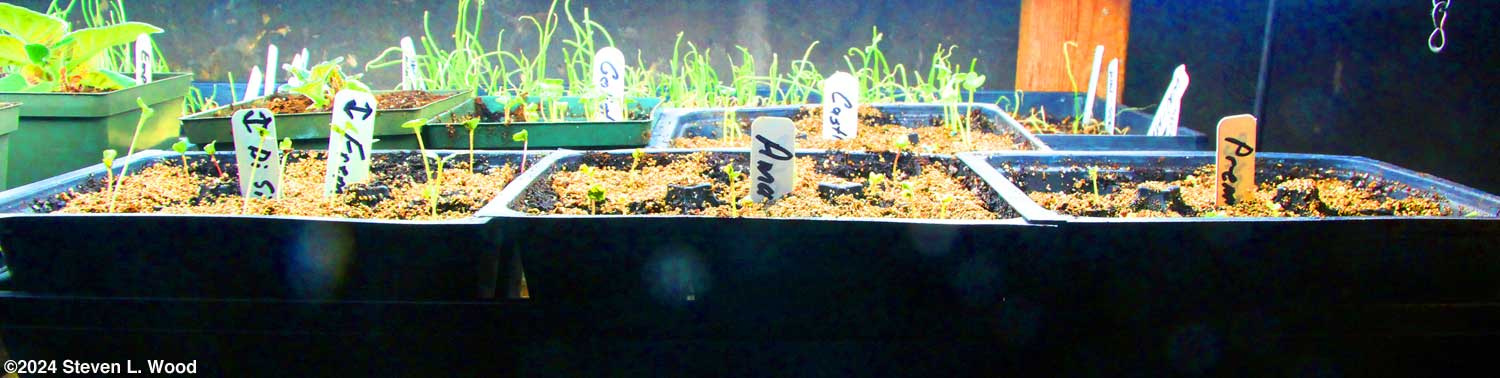
Here in Sullivan County, Indiana, we're no longer in a drought, but are still in the drought monitor's Abnormally Dry classification. Our Extended Weather Forecast from the Weather Underground does show some rain coming for us later this month. And February is historically the driest month of the year here in Indiana. High temperatures for the rest of the month are still predicted to be above average. The Weather Underground's March weather calendar predicts more of the same. Next Month Realizing that I often start our early peas the first week or two of March, I again looked at the Johnny's Selected Seeds Seed-Starting Date Calculator. While I pretty much have followed the calculator's recommendations for February, my experience suggested most of their seed starting dates for March were a bit early, so I adjusted my planting plan a bit. Our Earlirouge tomatoes have stunted in the past when transplanted too soon. And our melons, squash, and the rest of our tomato varieties go in a bit late as I'm always tardy getting our East Garden plot's soil prepared. Getting back to our early peas, the earliest they've ever gone in was on February 27. I direct seeded our peas on March 2 last year and got an incredible crop. So I'm tempted to get an early start this year. Our early pea planting will be of seed saved from a cross of the Champion of England and Maxigolt varieties. And after writing about my proofreading routine yesterday, I got busy and updated our Another Garden Delicacy: Homegrown Peas how-to this morning. A Nice Surprise Not really expecting to see anything up, I checked my Tuesday planting of broccoli and cauliflower today. To my surprise, some Castle Dome and Goliath broccoli had germinated! There also were hints of some Premium Crop emerging and some cauliflower.
Most online sources suggest broccoli may take 5-10 days to germinate. I'm thrilled that some of ours is up just three days after being seeded. And the Goliath was from seed we saved last season.
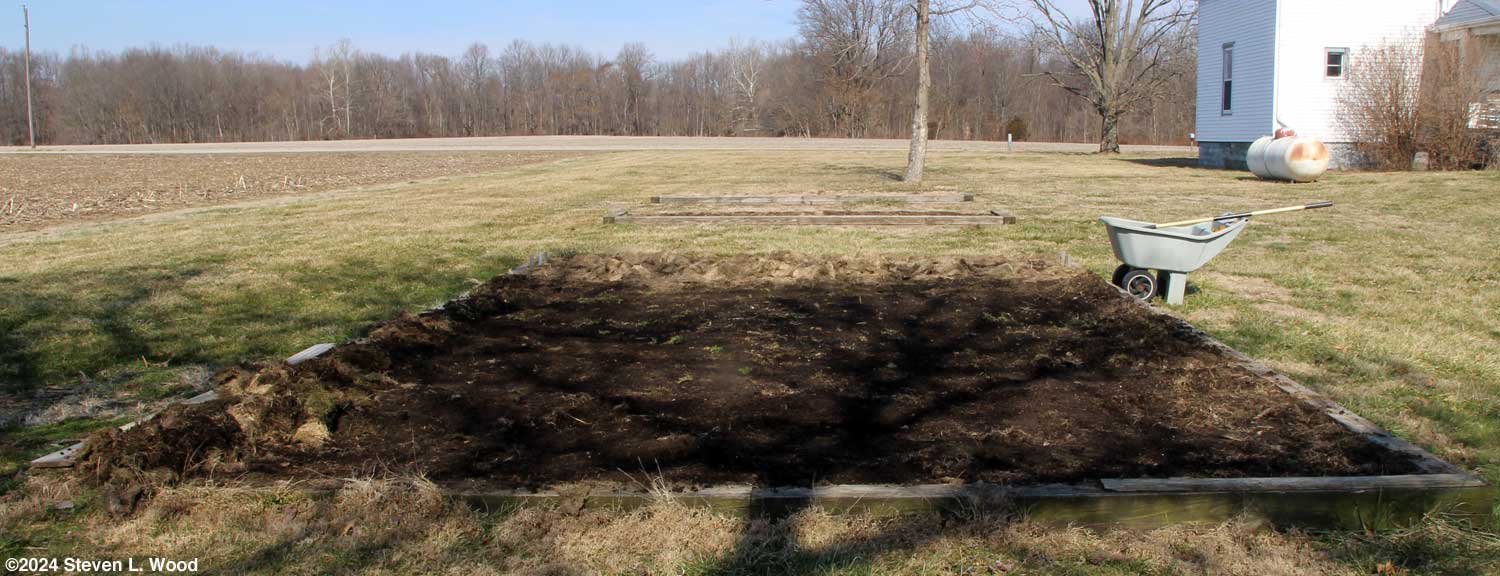
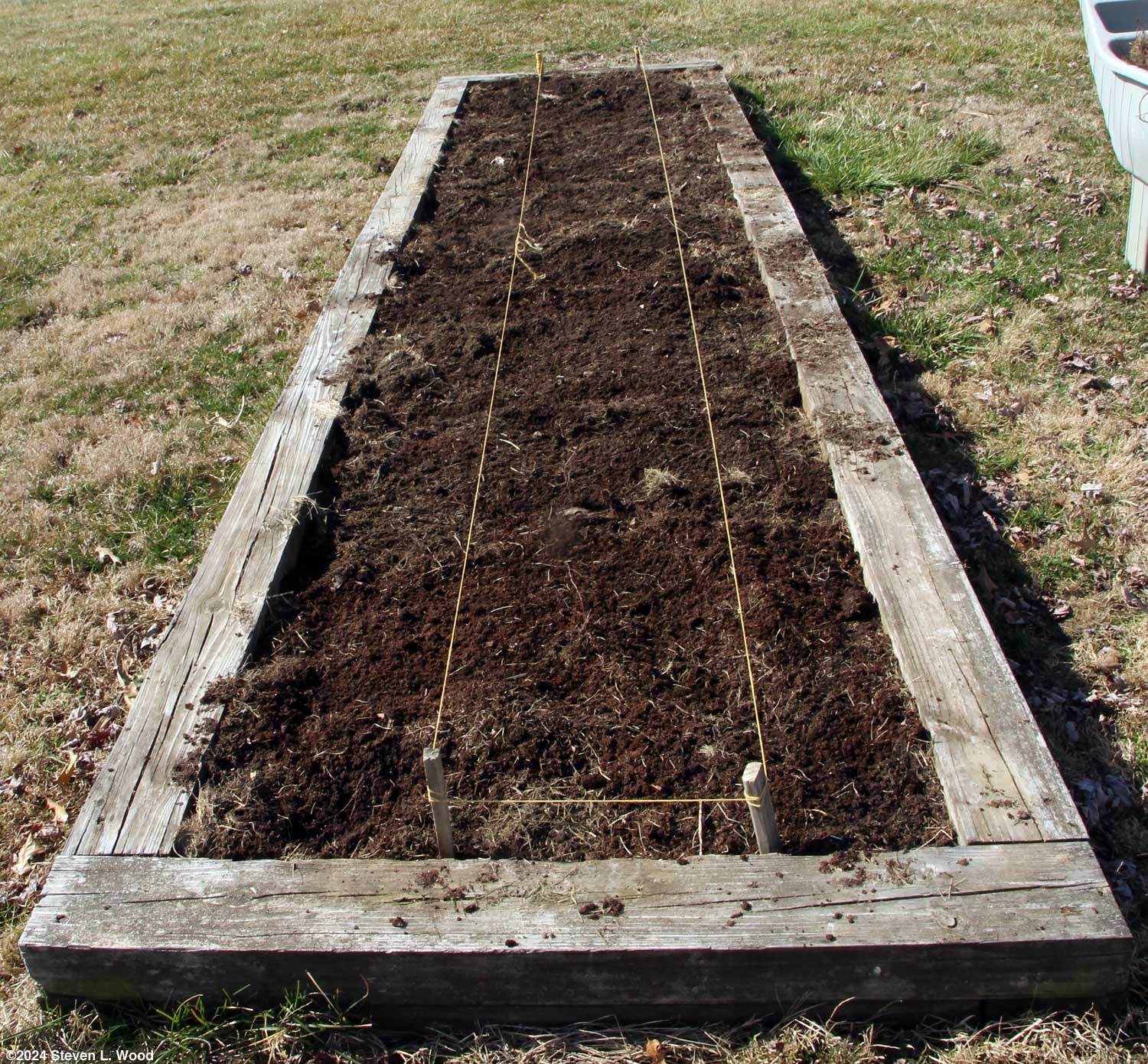
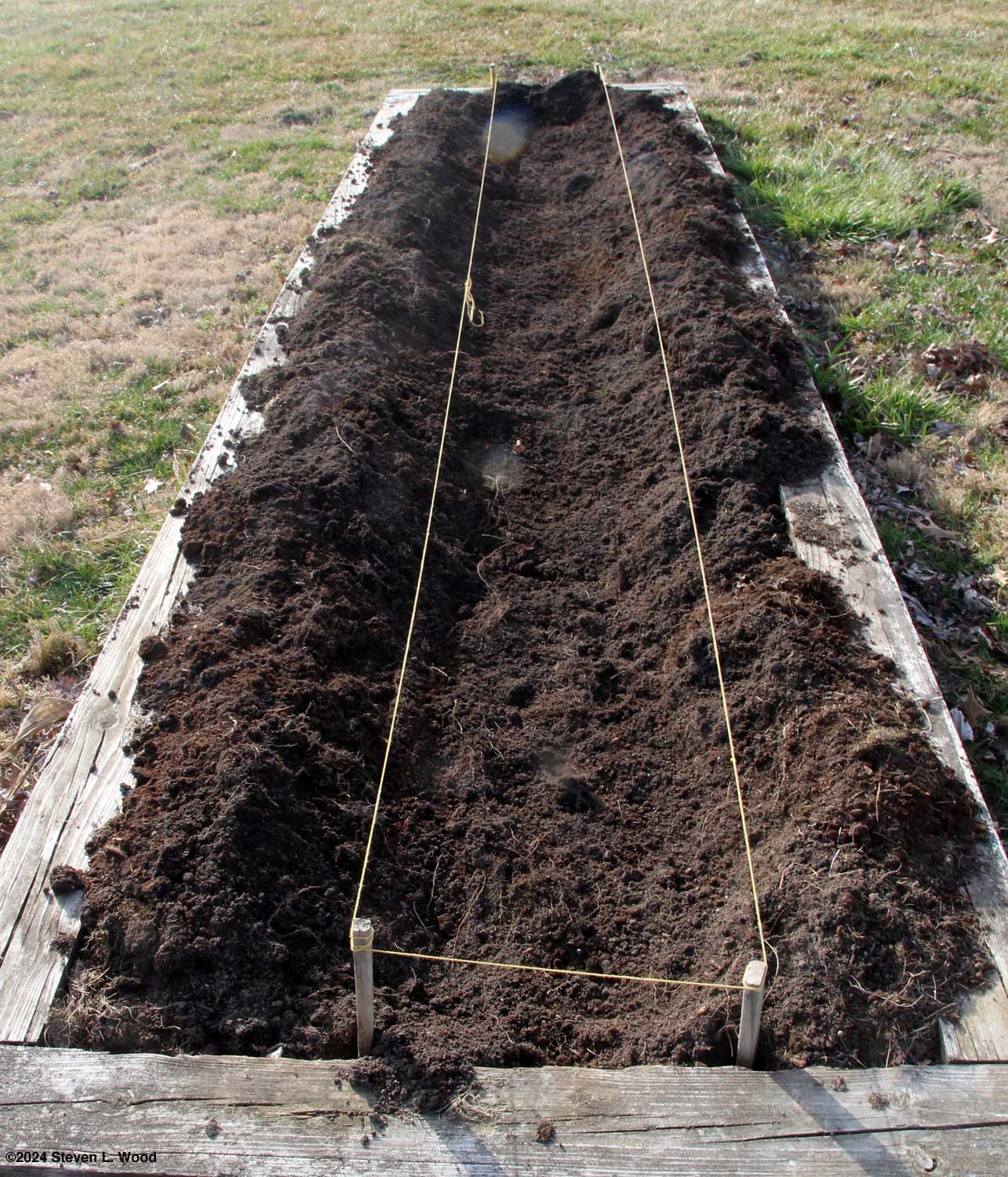
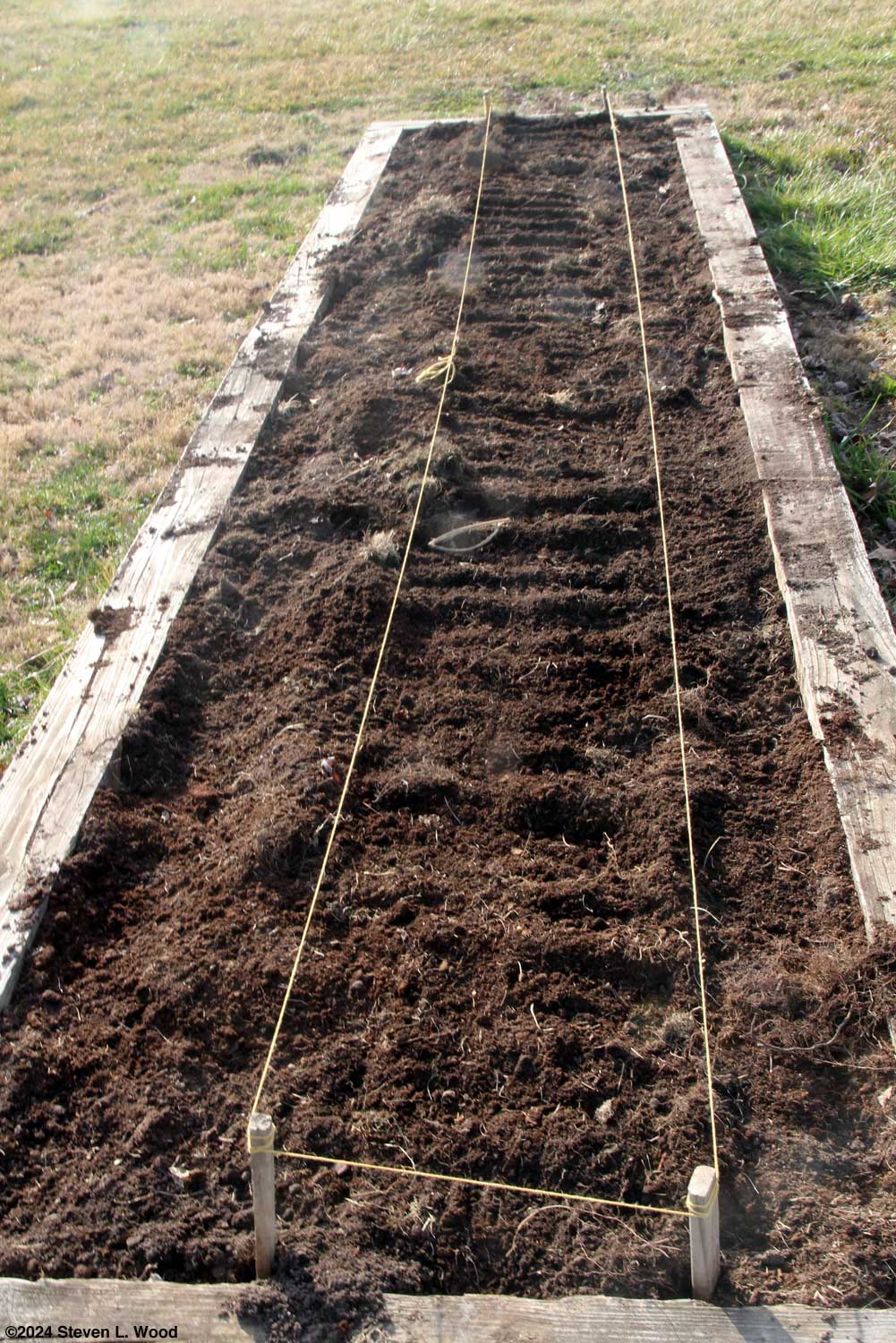
With the mulch out of the way, I was able to stake and string the area I need to work up tomorrow for planting. With our walking rototiller currently down, I didn't get the area tilled last fall. Fortunately, I sort of deep dug the bed last fall, adding peat moss and other soil amendments to it. But I'll still need to do some serious hoeing tomorrow to prepare the bed. Our nearly thirty year old MTD rototiller quit starting mid-summer last season. Our John Deere X570 lawn tractor is due for annual service, so I prevailed on the good folks at Vincennes Alliance Tractor to also pick up the old tiller to see if anything can be done for it. At 75 years of age, I'm hoping the rototiller will just need something simple like new breaker points and a condenser to extend its life a little more. New rototillers are really expensive.
I still have spinach and lettuce on my list of things I want to start this month. I'm balancing getting things started for next season while still doing some necessary garden cleanup not completed last fall. I saw some not so nice news on the CBS News site this weekend, Avast sold privacy software, then sold users' web browsing data, FTC alleges. I've used Avast's free version on my Macs for years. Other than frequent pop-ups suggesting I invest in their paid version, the software seems to have done its job.
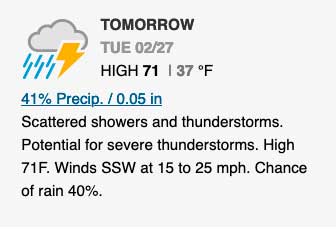
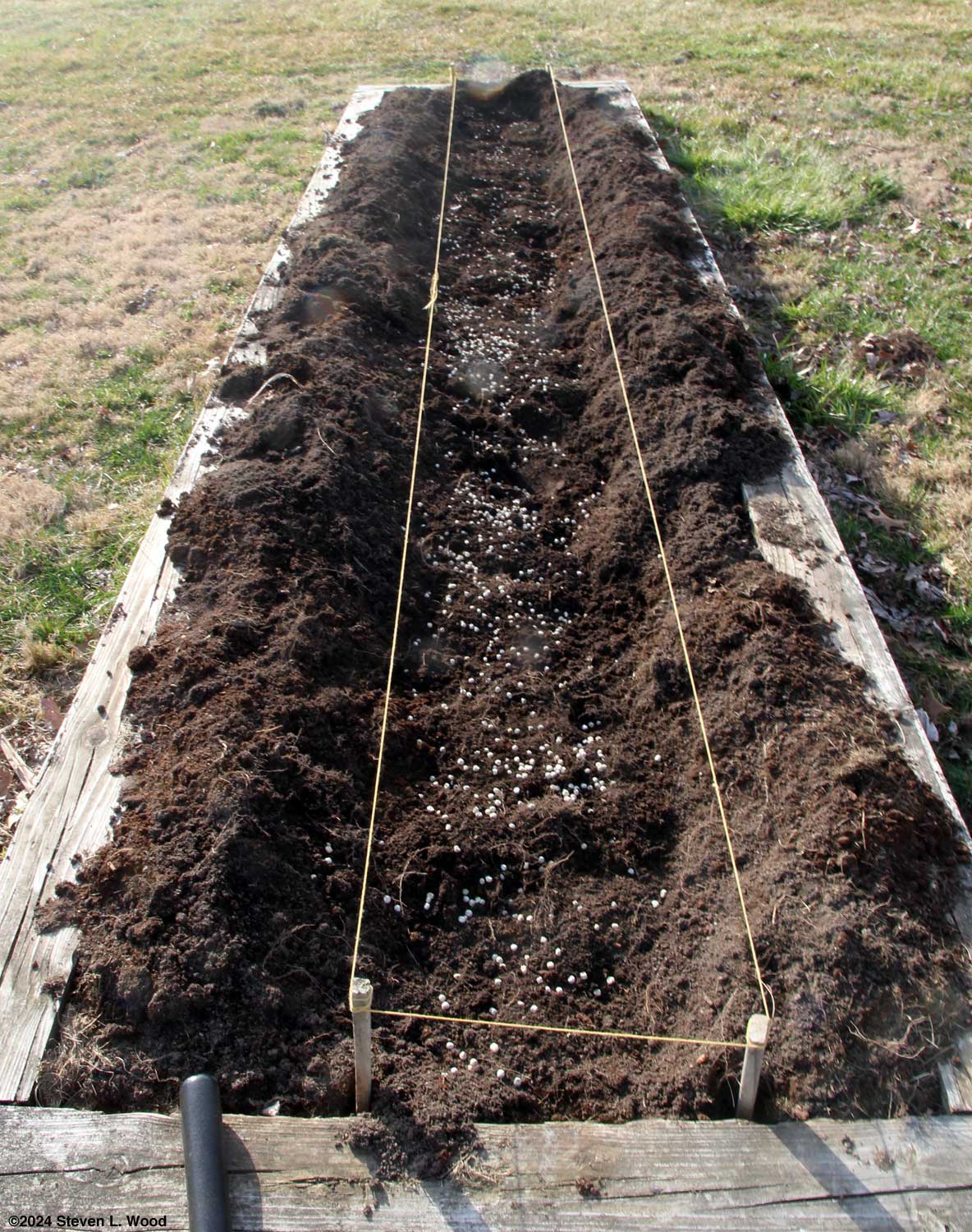
I had planned to use the warm weather today and tomorrow to prepare our pea bed and plant our early peas. A dog with a bleeding sore required a trip to the vet today, pushing back my gardening plans. The nice weather forecast for tomorrow also turned sour, with strong storms and winds predicted. After two hours at a boutique veterinary with a staggering bill, I needed to get outside and do something. So I tried opening a furrow with my garden rake, fully expecting the soil to be too hard. It turned out my soil preparation last fall paid benefits, as I was able to fairly easily open a two to three inch deep furrow about fourteen inches wide. I spread granular soil inoculant down the furrow and hoed it in. I then treated the pea seed with Captan fungicide, wetting the seed and sprinkling the fungicide over it. Since Captan is potent stuff, I gloved while working with it.
Then the pea seed went in. It was a heavy sowing, as I had some old Champion of England and Maxigolt seed that needed to be used. But most of the seed spread was saved seed from last season. Last year's March 2 planting didn't produce any pea plants until March 26. With our off and on warm weather this year, I'm hoping to see pea plants in about two weeks. Today's high temperature: 76°F! Crazy!
I also started four communal pots of spinach. The goal was much the same as with the broccoli. I wanted some plants, but also wanted to know the viability of the seed saved in 2019 through 2023. The seed got planted into and covered with sterile potting mix. I reset the thermostat for the soil heating mat under the tray of broccoli and spinach from 75 to 70°F. Seventy-five degrees is the upper limit of temperatures for germinating spinach seed. I read online that warmer temperatures might result in poorer germination of spinach seed. Since I didn't soak the seed before planting, I'll need to be patient waiting for it to germinate. And of course, the spinach seed was all from the open pollinated, open source Abundant Bloomsdale savoyed spinach variety which we love.
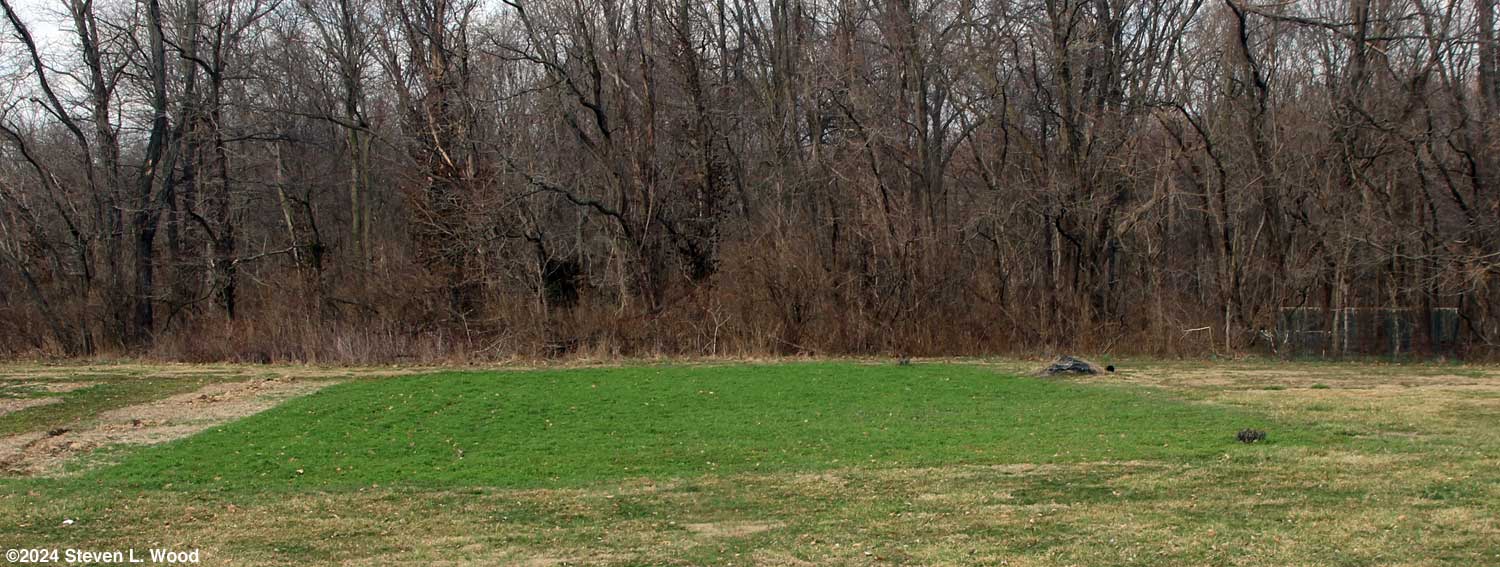
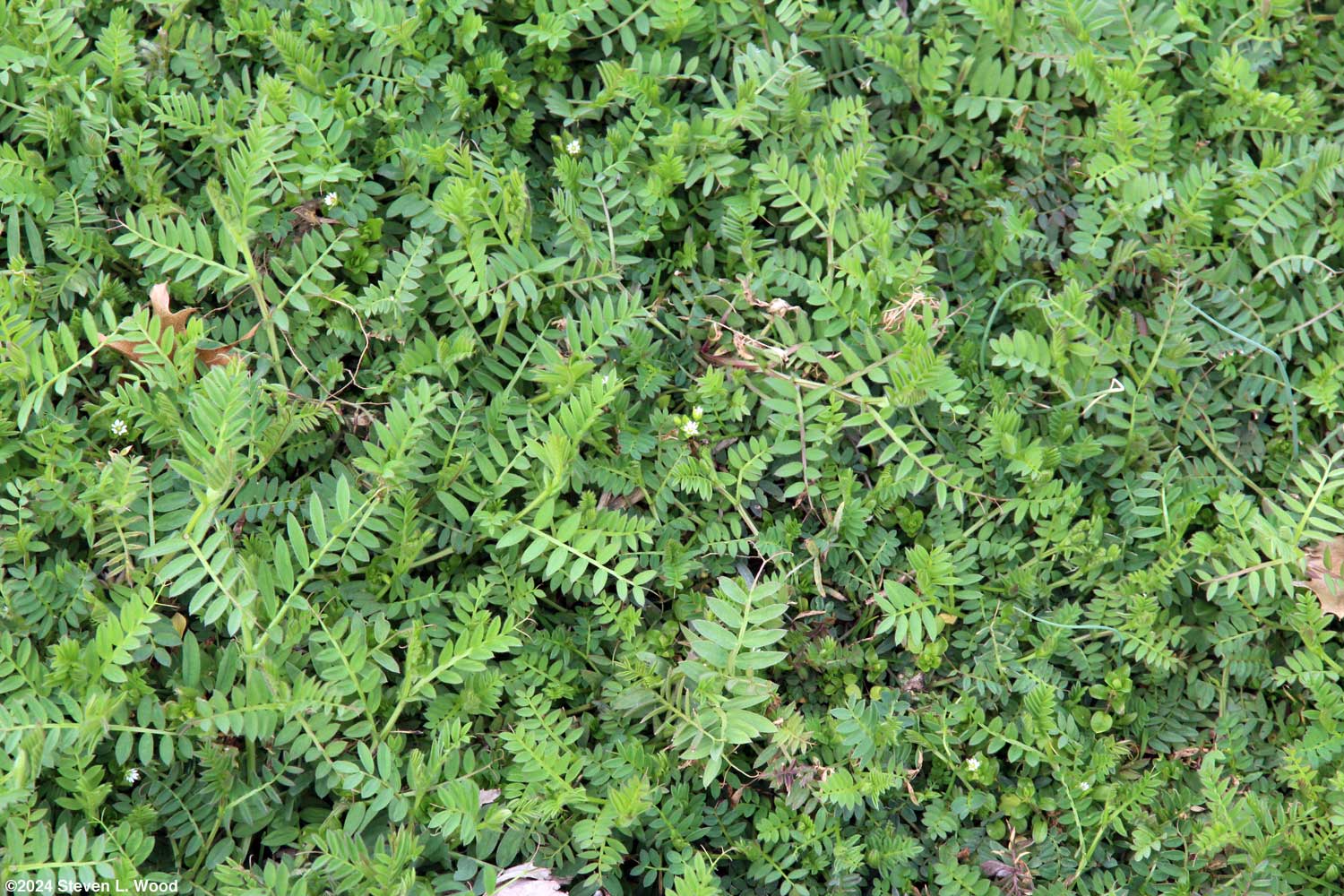
While out in our East Garden, I couldn't help but notice the deep green coloring of our cover crop of hairy winter vetch over the half of the plot we hope to plant this spring. Planted in the fall, hairy winter vetch matures slowly in warmer winter days. It produces a ground cover that chokes out weeds. When turned under, it provides organic matter and nitrogen to the soil. And, it's really pretty in the wintertime when there are few really green things growing.
Thursday, February 29, 2024 - February Wrap-up
Garden cleanup continued all month with the removal of old mulch in several areas. Pulling mulch off of our November planted garlic revealed lots of garlic spikes. I broke open our "finished" pile of compost and screened loads of it for our asparagus patches. There were lots of grass clippings and undigested corn stalks on the top of the pile that I'm still moving to our working compost pile. Possibly the biggest success of the month was getting our early peas seeded on February 26. From my gardening records, that's the earliest we've ever gotten them started. But our warm winter induced me to try getting an early start.
And actually, I had a lot of fun completing the project. And as a Christian, I think I'm supposed to doing some good works from time to time.
Contact Steve Wood, the at Senior Gardening |
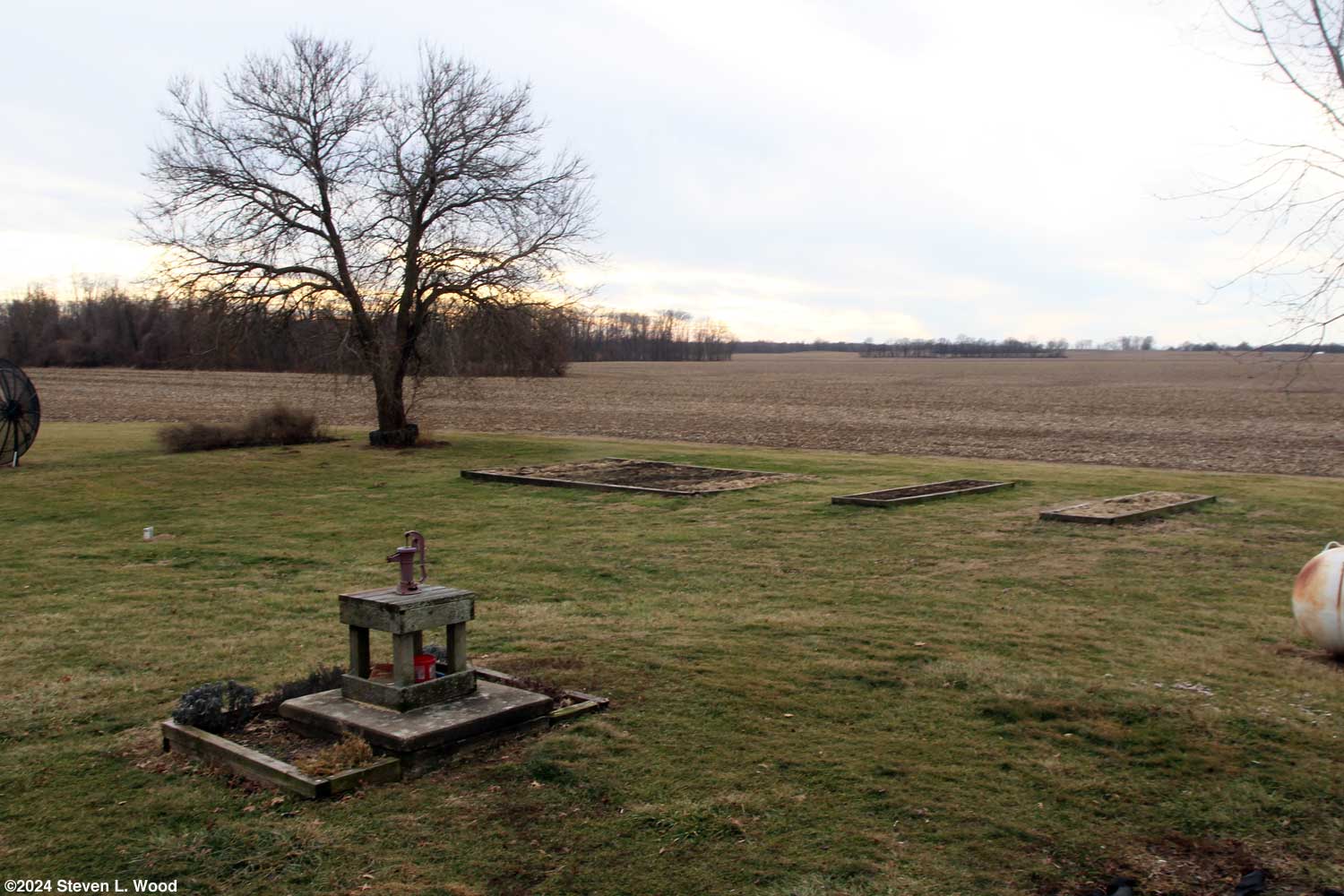


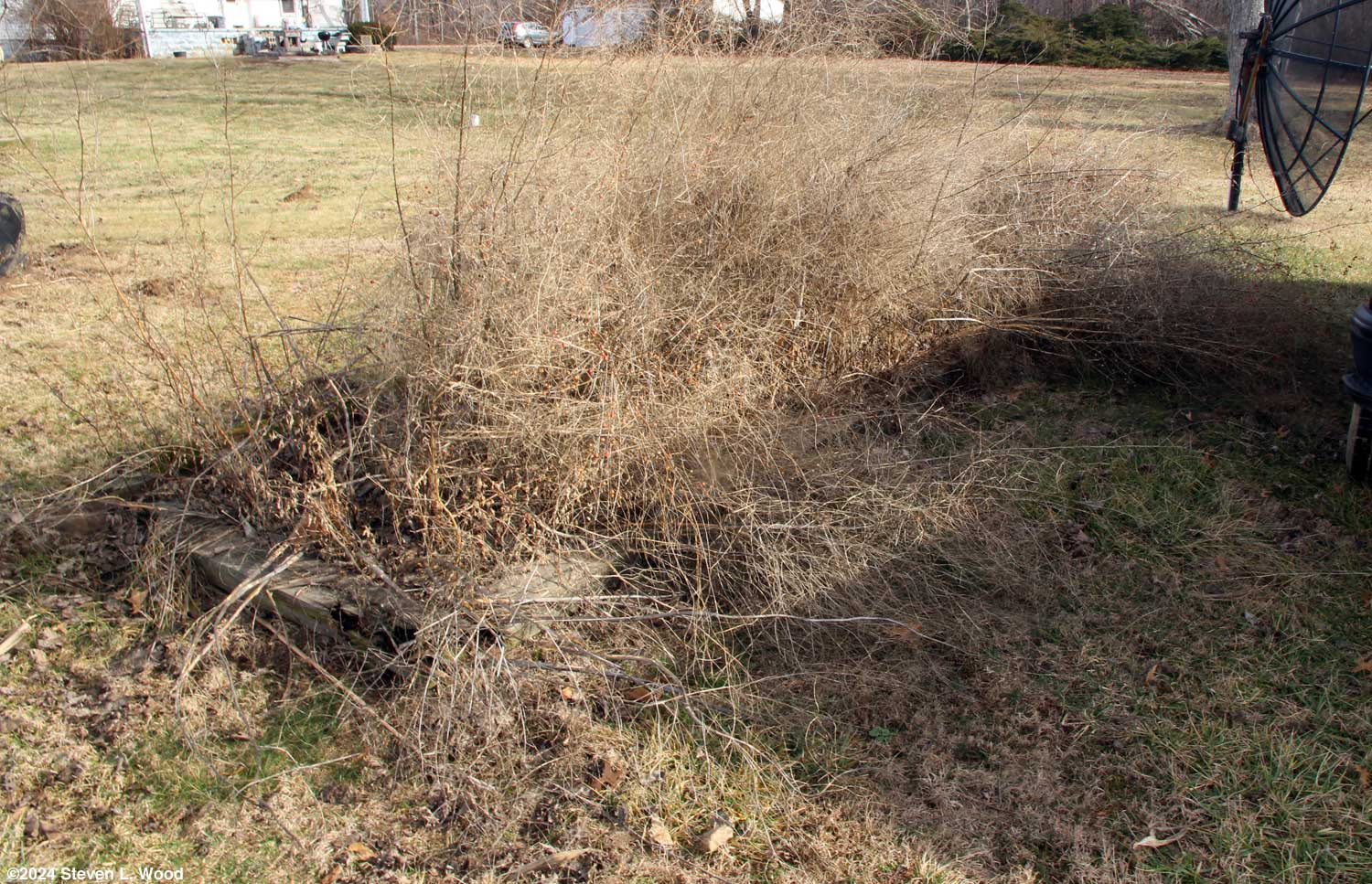

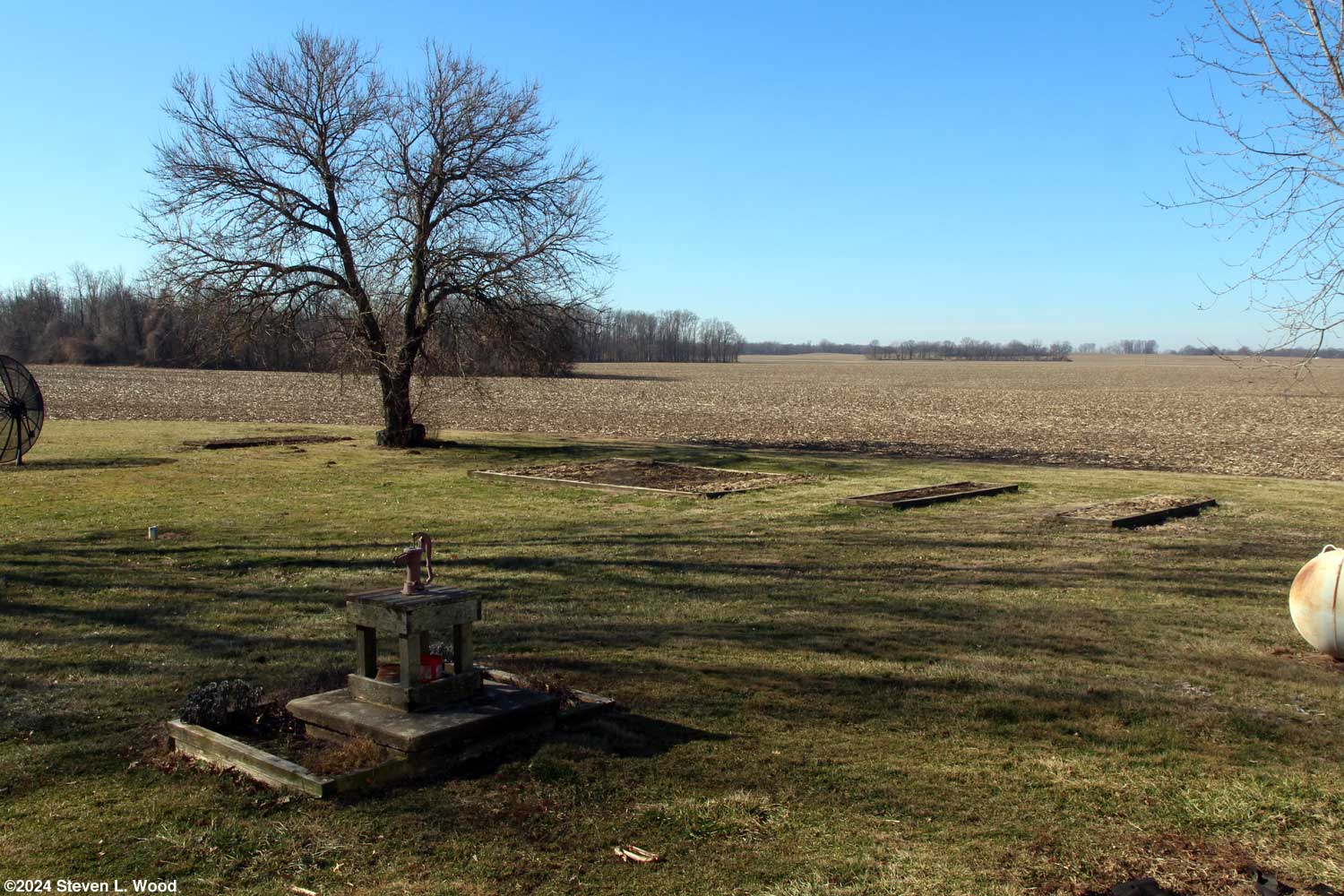
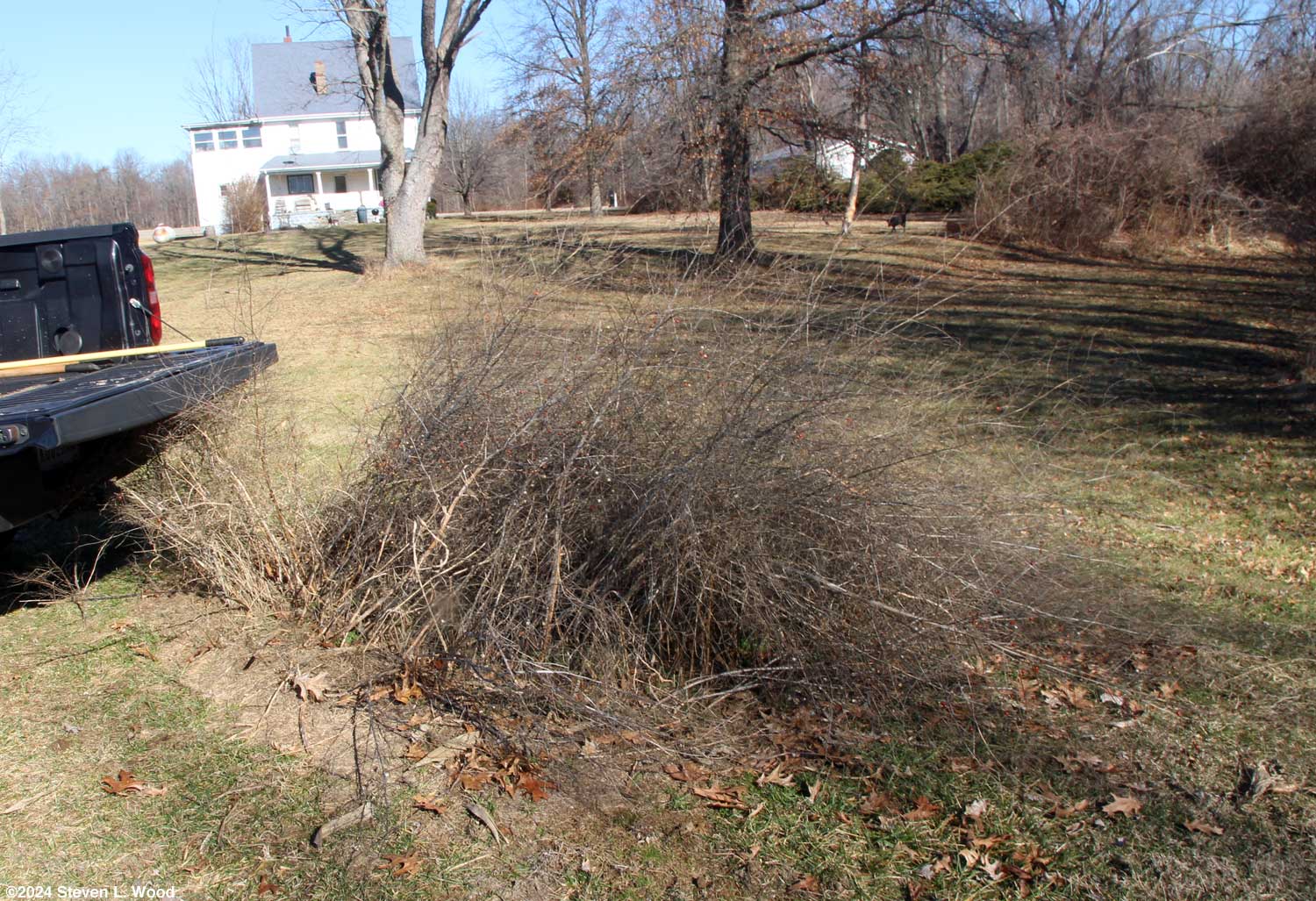
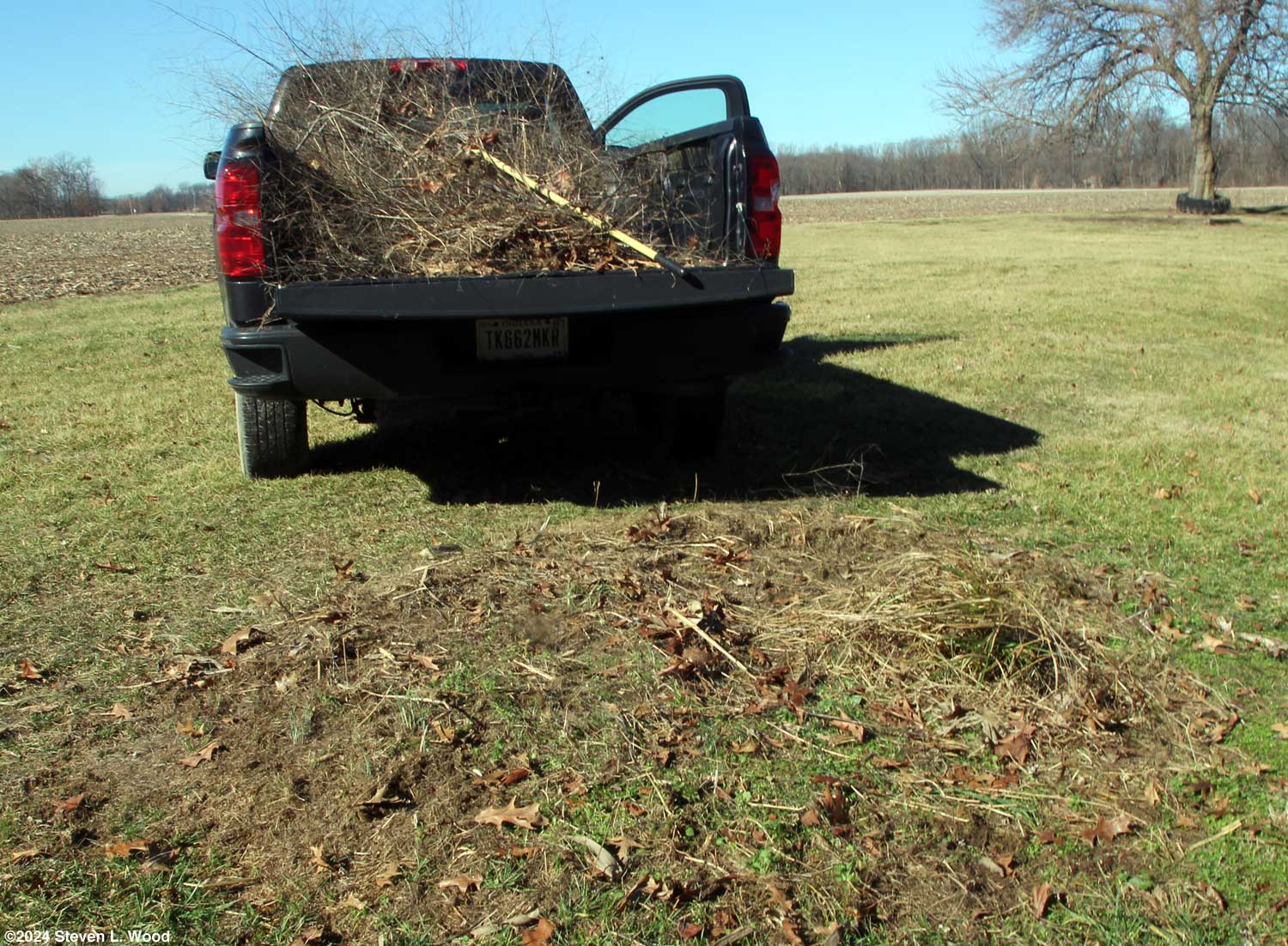
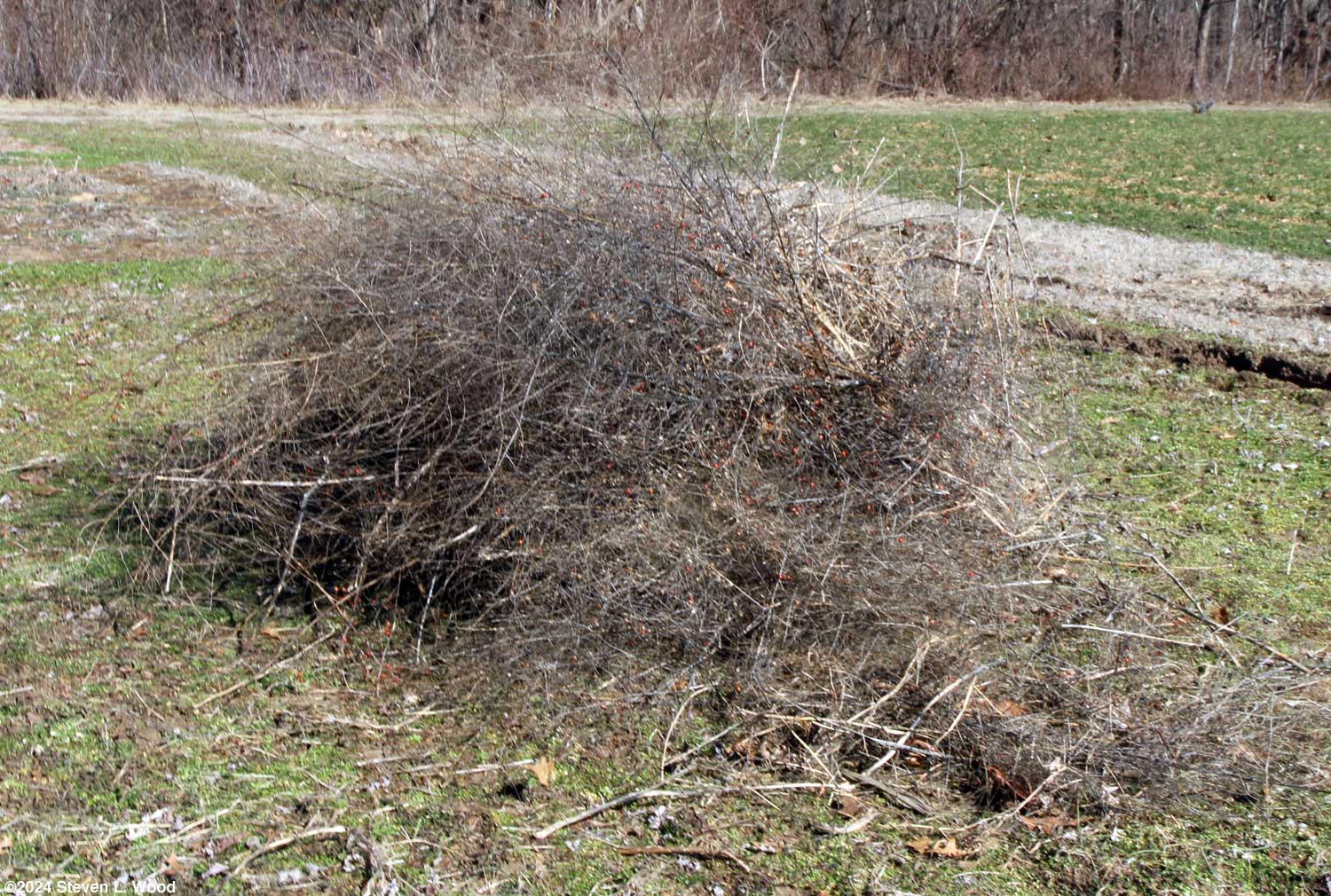











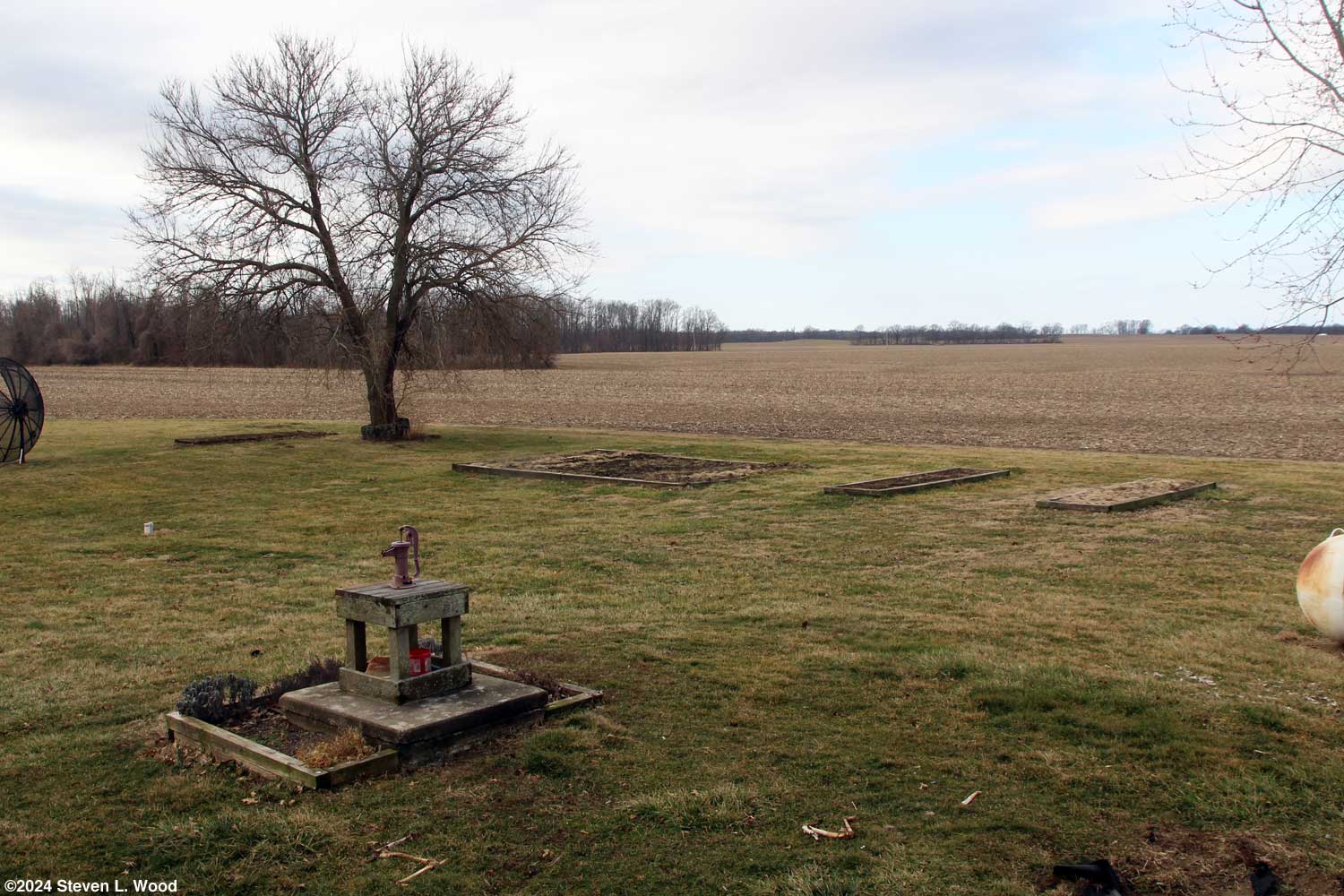

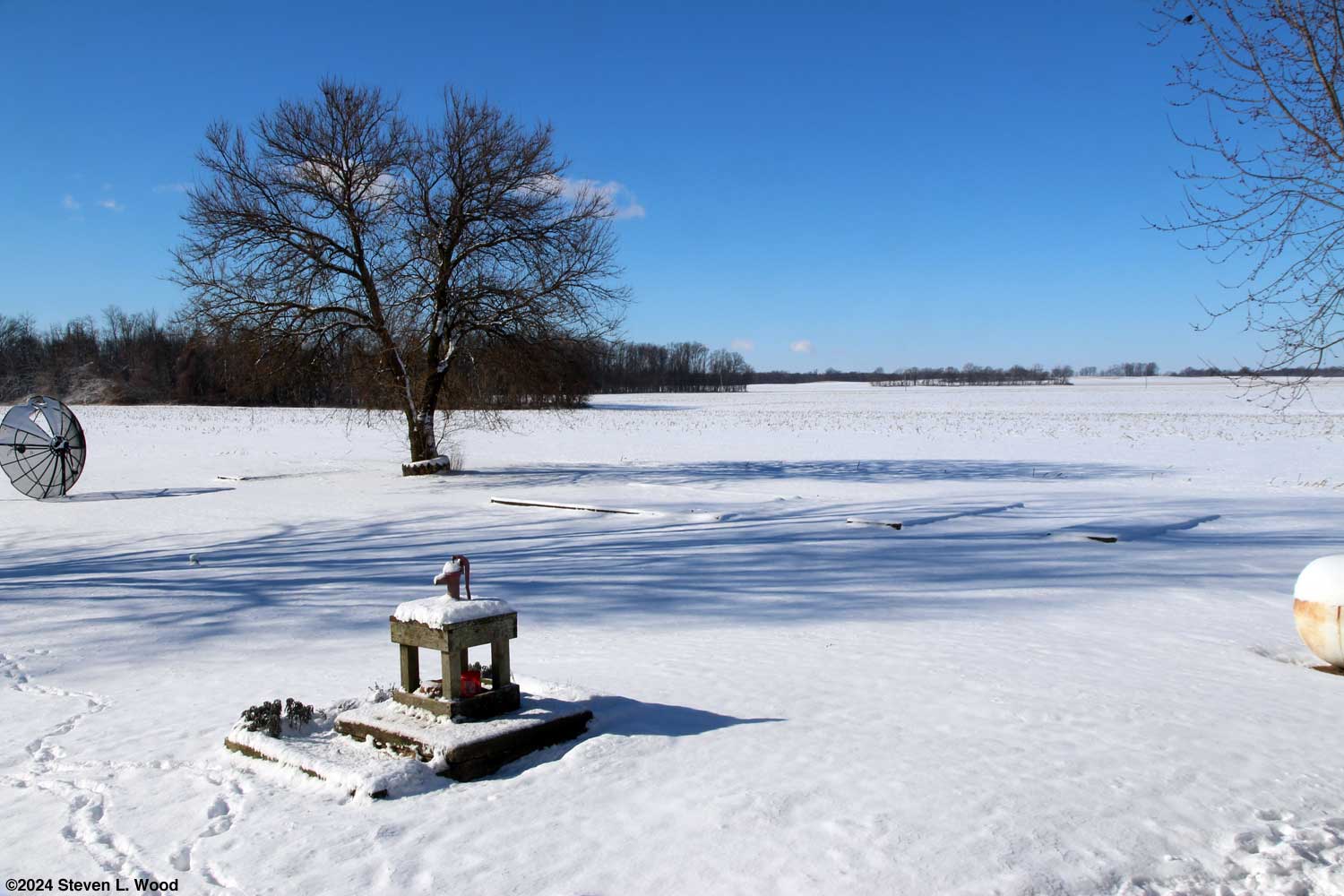

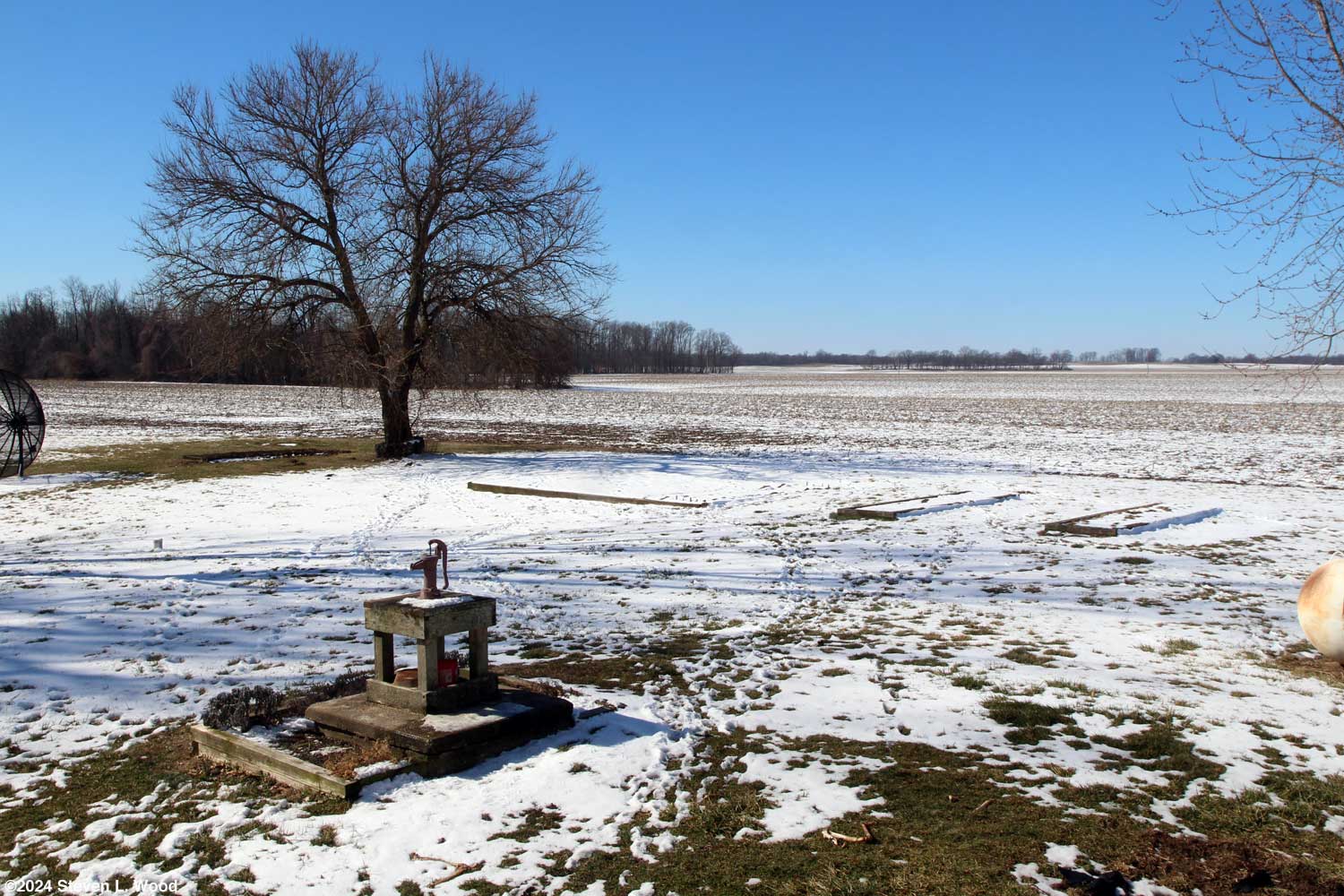











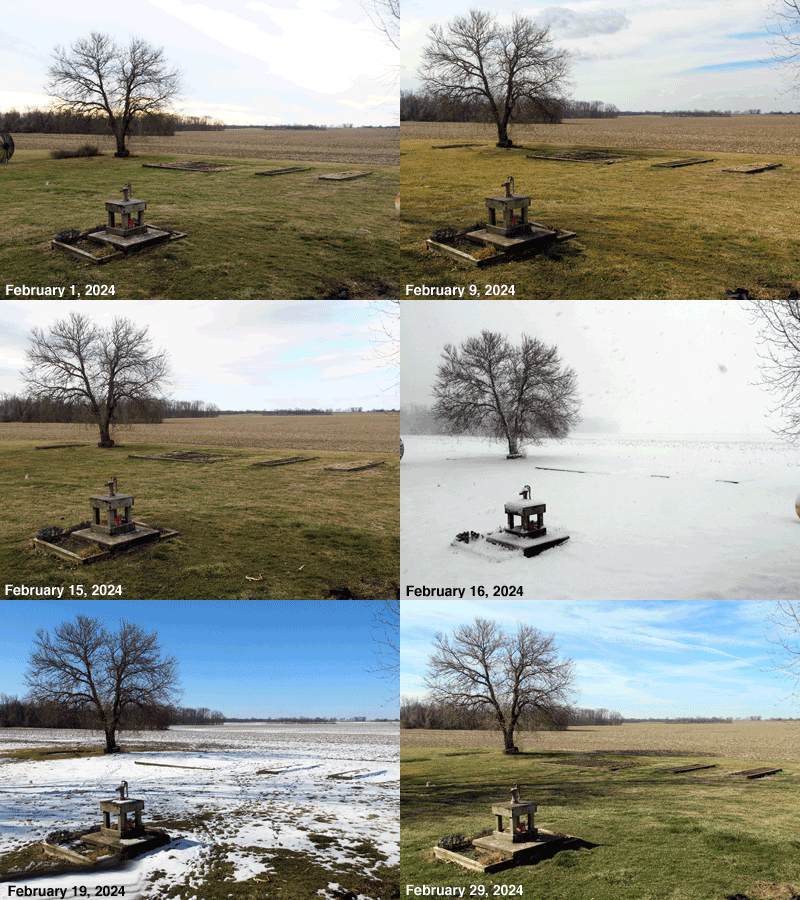 My early outdoor gardening got stopped yesterday by freezing temperatures and forty mile per hour winds! The winds have let up some today and we're headed for a warming trend. With a lot of nice weather this month, I got a lot done.

| Affiliated Advertisers |
©2024 Senior-Gardening.com