One of the Joys of Maturity |
|

| Affiliated Advertisers |
Clicking through one of our banner ads or some of our text links and making a purchase will produce a small commission for us from the sale. The Old Guy's Garden Record
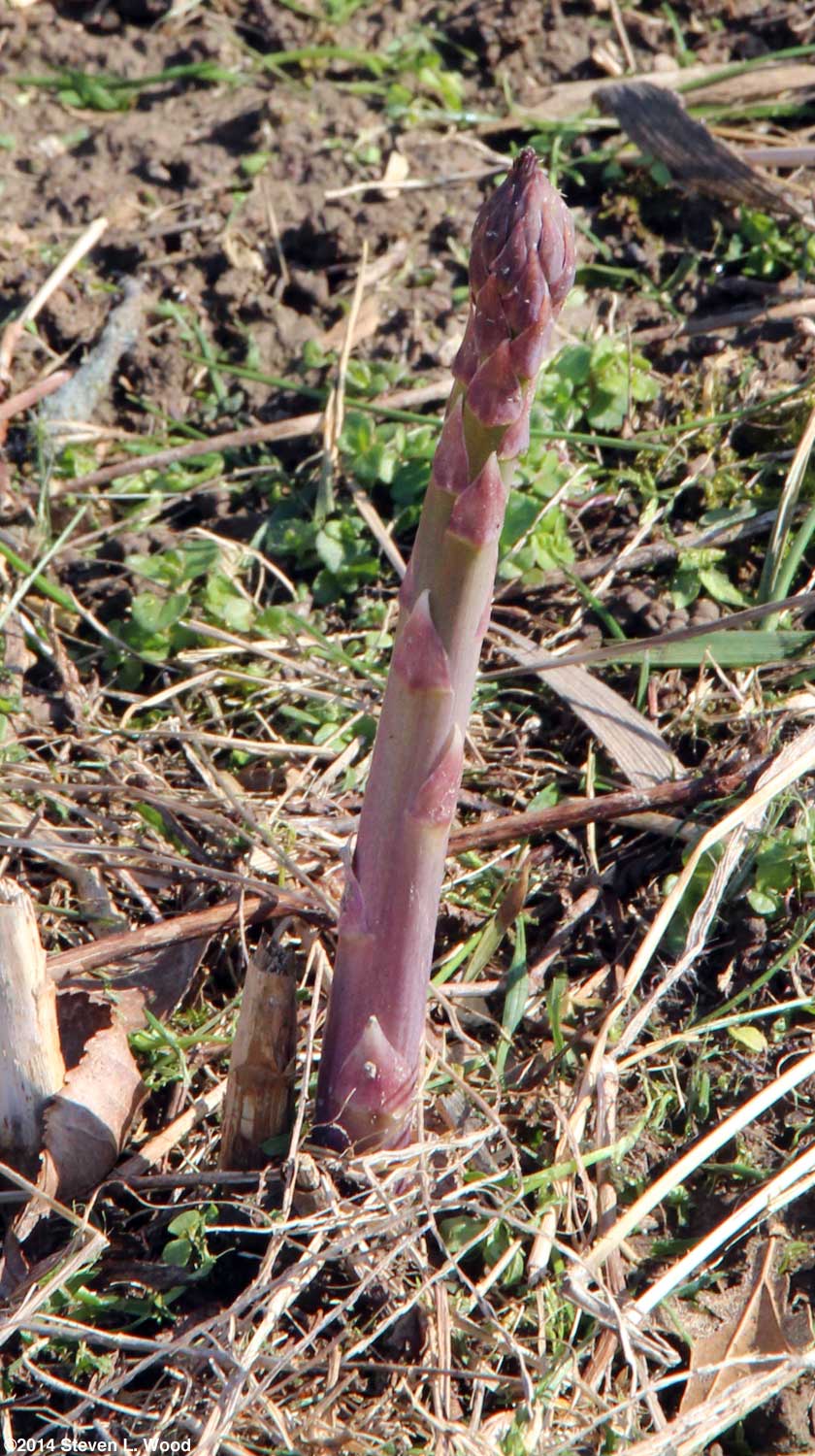
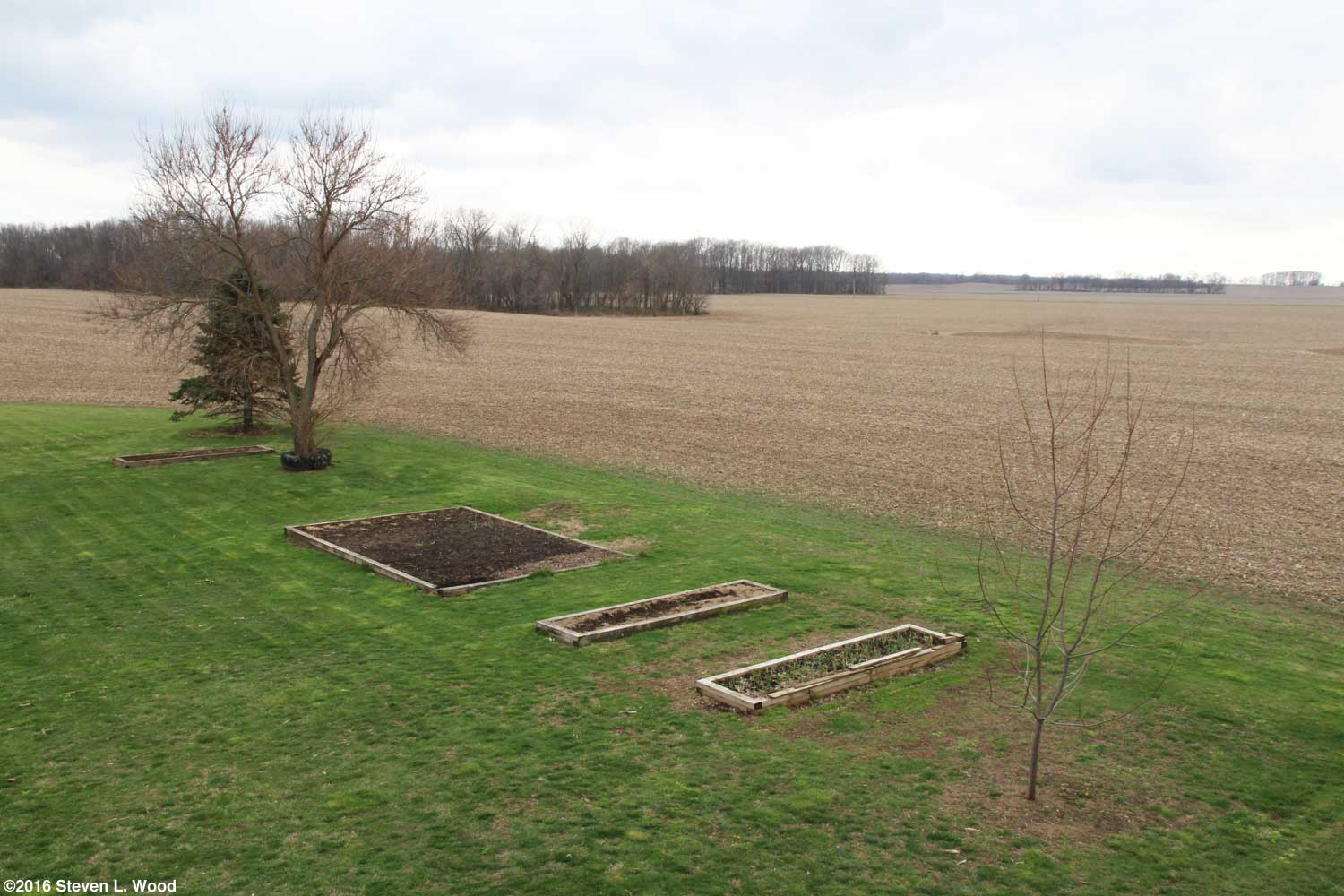
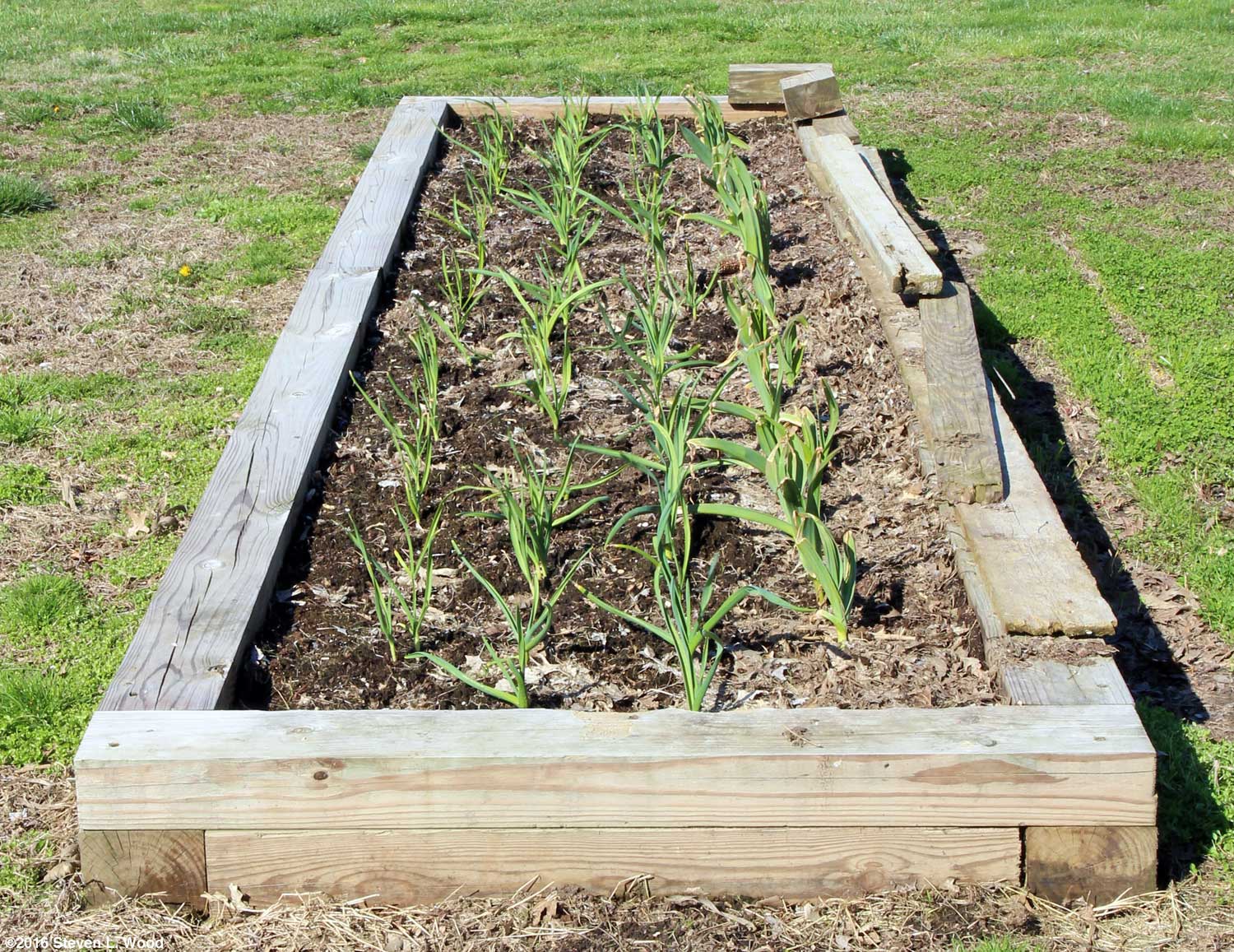
After three straight relatively relaxed months of gardening, our pace will intensify over the next few weeks. Counting back from a very safe frost free date of May 1 for our area, we'll soon hit that sweet spot when it's time to start tomato and pepper transplants to have them at an ideal six to eight weeks old at transplanting time. There will be lettuce and more flowers to start as well. Late in the month, we'll start our melon and squash transplants. We already have lots of transplants growing under our plant lights and in our sunroom (See yesterday's posting.) They will require watering and some will need to be moved to larger pots as they increase in size. We're hoping our garden plots dry out enough for early tilling. I didn't get our main raised bed rototilled last fall, so that will need to be done as soon as possible. Our large East Garden plot that lay fallow last season will need several tillings before we begin planting in it. While our raised beds dry out pretty quickly, the East Garden's clay soil takes a good bit of time to dry enough to permit working it. Our two, narrow raised beds were fall tilled. One was planted to garlic last October, and the other has mulch ready to be pulled back for an early (mid-March, hopefully) planting of peas. Beyond the early pea planting, we won't be putting any seed or transplants in the ground this month. But towards the end of the month, we should be able to begin moving some transplants under our cold frames outside. A third narrow raised bed at the back of our property and a patch further back on ground we take care of for the landowner grow asparagus. It's been several years since we had asparagus in March, but with the warm winter, we might get some late in the month. Whether we do or not, both asparagus beds will need a light weeding and a layer of compost this month. The flowerbeds on the north and east sides of our house will also require some weeding. Tulips and daffodils have already emerged, and this year we have some daisies that appear to have overwintered well. A few dianthus are also present in the north flowerbeds, so I'll have to be especially careful when weeding around all the perennials we've worked so hard to get started.
|


|
Wednesday, March 2, 2016 - Starting Lettuce
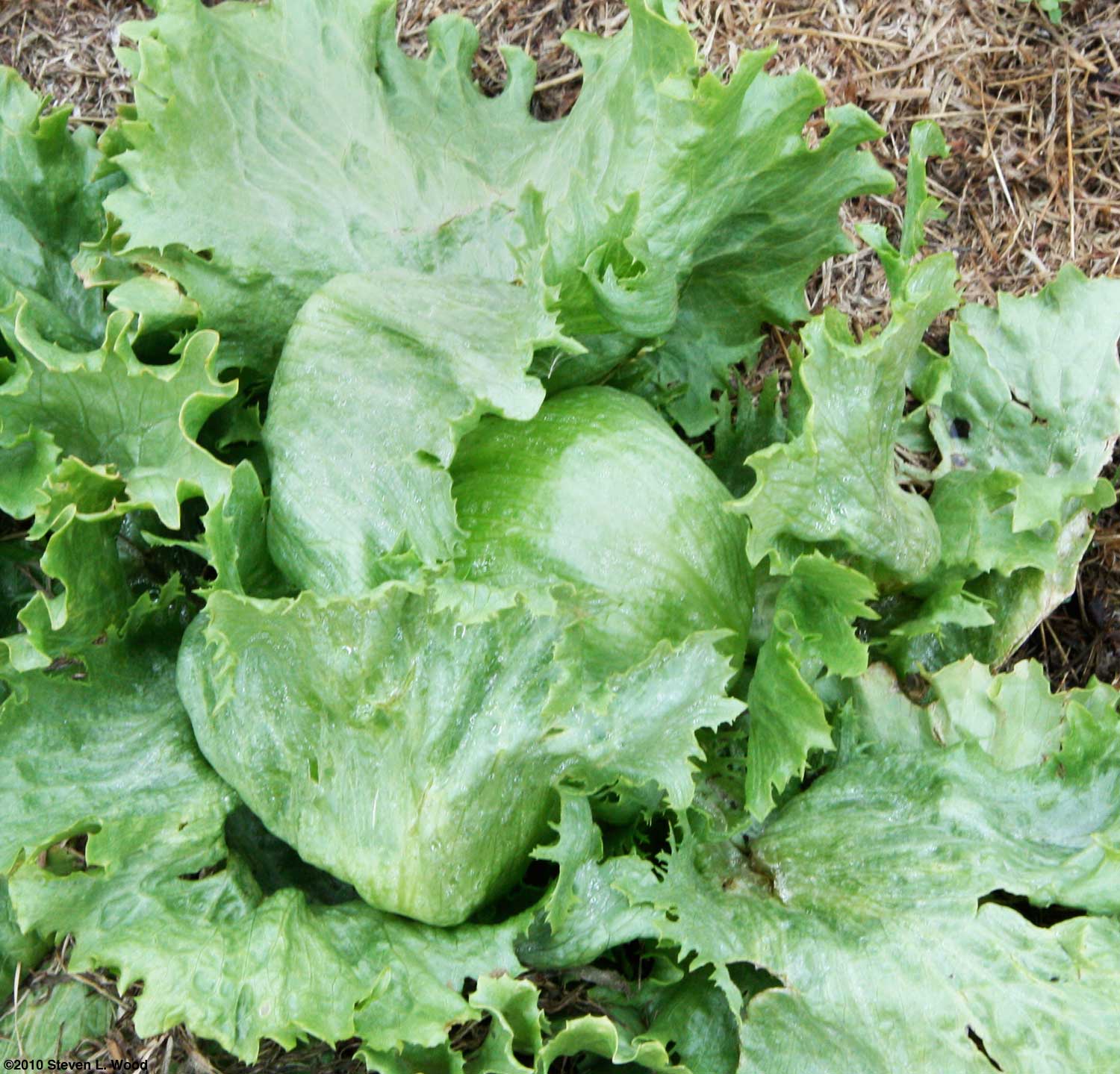
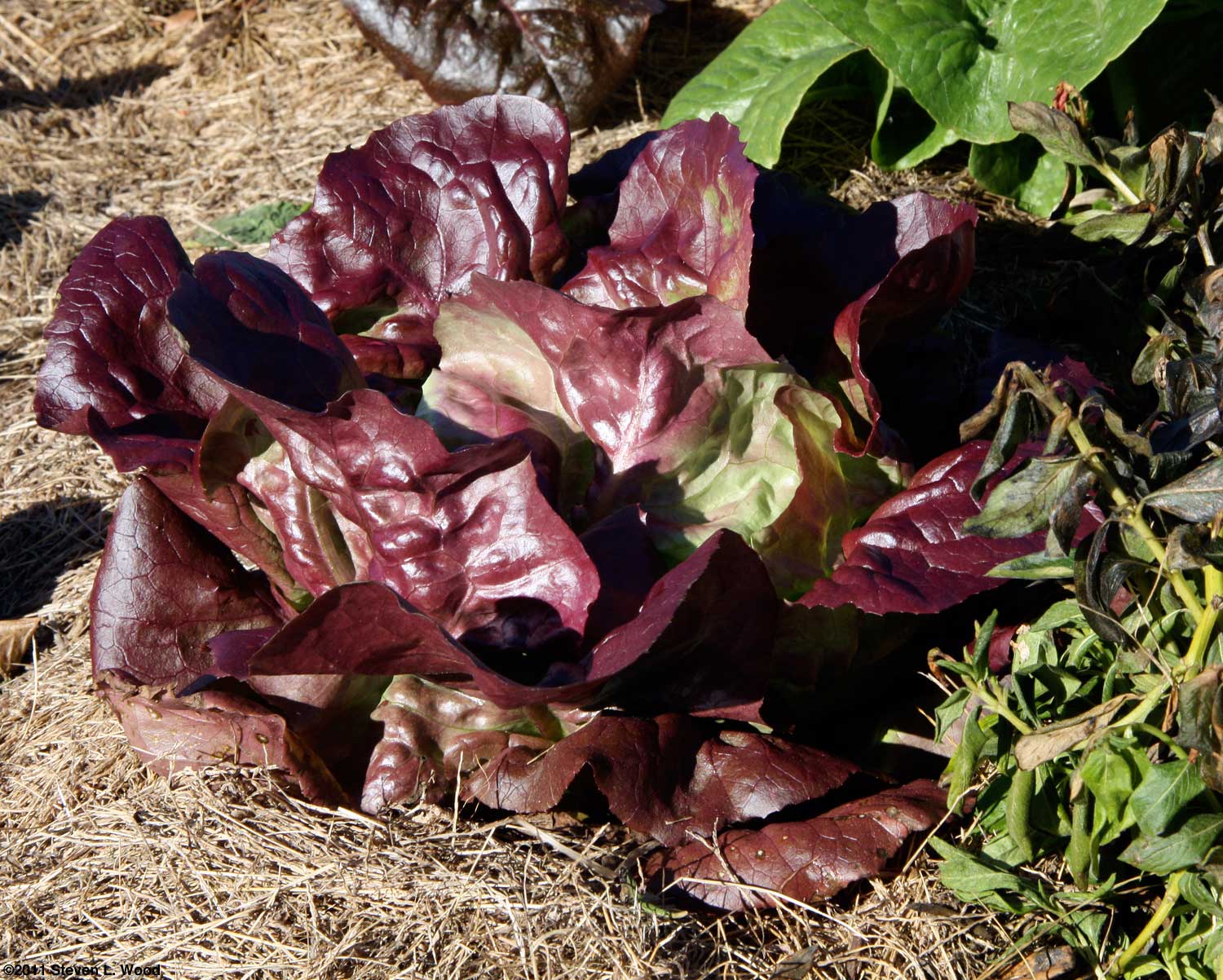
While I've started as many as fifteen different varieties of lettuce in the past, I limited this seeding to just a few favorites. For head lettuce, we're going with Crispino, a soft iceberg type, and Sun Devil, an old open pollinated but patented iceberg. Our Sun Devil seed is pretty old, so we may not get much from it. I also started some Skyphos, a red butterhead that needs to be harvested pretty early to ensure sweetness. For romaines, we're going with Defender, the somewhat heat resistant Coastal Star, Ridgeline, and Winter Density, an interesting variety that "starts out looking like a bibb," but "then wrapper leaves fold tightly, forming a head like a romaine when mature." I also seeded some Pandero, a mini red romaine we tried for the first time last year and liked. I may start more lettuce in a few weeks for second plantings to replace harvested plants. But our later plantings often get caught by hot weather. Through the hot, dry summer months, growing lettuce just doesn't work for us. I think that makes us enjoy what spring and fall lettuce we get all that much more.
Since we had a fairly warm, sunny day today, I filled my pots and inserts outside with sterilized potting soil. All but one of the lettuce varieties were planted into fourpack inserts. I've gone with smaller celled inserts in the past, but found that the lettuce outgrew them pretty quickly. Before sowing (back inside), I moistened the soil mix with very warm water, as our potting mix runs heavy to some rather dry peat moss. After the soil cooled a bit, I put seed(s) at the center of each insert cell. Lettuce seed is small and rather inexpensive, so I was generous with the seeding. For some terribly old (2005, 2006) Sun Devil seed, I used a communal pot. I seeded it heavily, half and half, to the two vintages of seed we've had in the freezer for years. If any of it comes up, I'll want to let a plant or two go to seed, as Sun Devil seed isn't commercially available anymore.
The seeded inserts went under our plant lights in a tray covered with a clear humidome and on a soil heating mat whose thermostat was set to 70° F. The communal pot of Sun Devil seed just went into a tray under our plant lights, as I was out of room over the heat mat. With outside temperatures up a bit with what appears to be an early spring, our plant room is running around 65-70° F. Milkweed
I planned to start our milkweed seed last month, only to see on one packet that milkweed seed requires a week or two of stratification for the seed to germinate well. So the seed has been moving back and forth from our refrigerator to our freezer and should now be ready to germinate. I used three four inch pots for the planting, as I had three packets of milkweed seed. Since the seed doesn't really need light to germinate, it just went on top of sterilized potting soil and was covered with a bit of milled sphagnum moss. Milkweed is the only plant the endangered monarch butterfly eats as it migrates to and from Mexico in the fall and spring. The use of advanced herbicides on farm fields over the years has destroyed much of the necessary milkweed, so we're hoping to do our part in helping preserve the species. Thursday, March 3, 2016 - More Cuttings to Root
I'd planned on getting the cuttings on their way yesterday. Tuesday night, I'd filled a bulb pan with sterile potting mix and thoroughly watered it. Unfortunately, I left it in a tray on the plant room floor. When I went downstairs yesterday, I found a hole dug in the bulb pan, with potting mix spread everywhere, and a nasty clump in the pot that I assumed to be cat pee. So...the planting got held off a day.
So today I filled a bulb pan with sterile potting mix and watered it with near boiling water. When the soil had cooled, I made a deep hole in the soil for each cutting, dipped them in Clonex Rooting Gel, put them in the holes, and pressed soil around them, being careful not to let any of the leaves at the top of the stem touch the damp soil. We still have lots of wandering jew tips putting on water roots in glasses in the kitchen. In the next few weeks, we'll begin to root those cuttings in soil the same way we did today. Note that the water roots formed may or may not help in the plants' survival. I just think it can't hurt. Petunias
My transplanting tool of choice today was a teaspoon! It perfectly lifted the petunias with their entire soil ball from their egg carton cells. I put four Double Cascade plants in the pot. I have some Supercascades in another egg carton about ready to transplant. While I needed to get today's chores done, I also created another problem. The cuttings and hanging basket pot took up the last open space I had left under our plant lights. Even though I sterilized soil today for starting flowers, I'll need to wait to do that until I make some more space on our sunroom shelves where the overflow from our plant rack ends up. The good news is that we're just weeks away from being able to move transplants outside under a cold frame to begin hardening off.
Friday, March 4, 2016 - Garlic
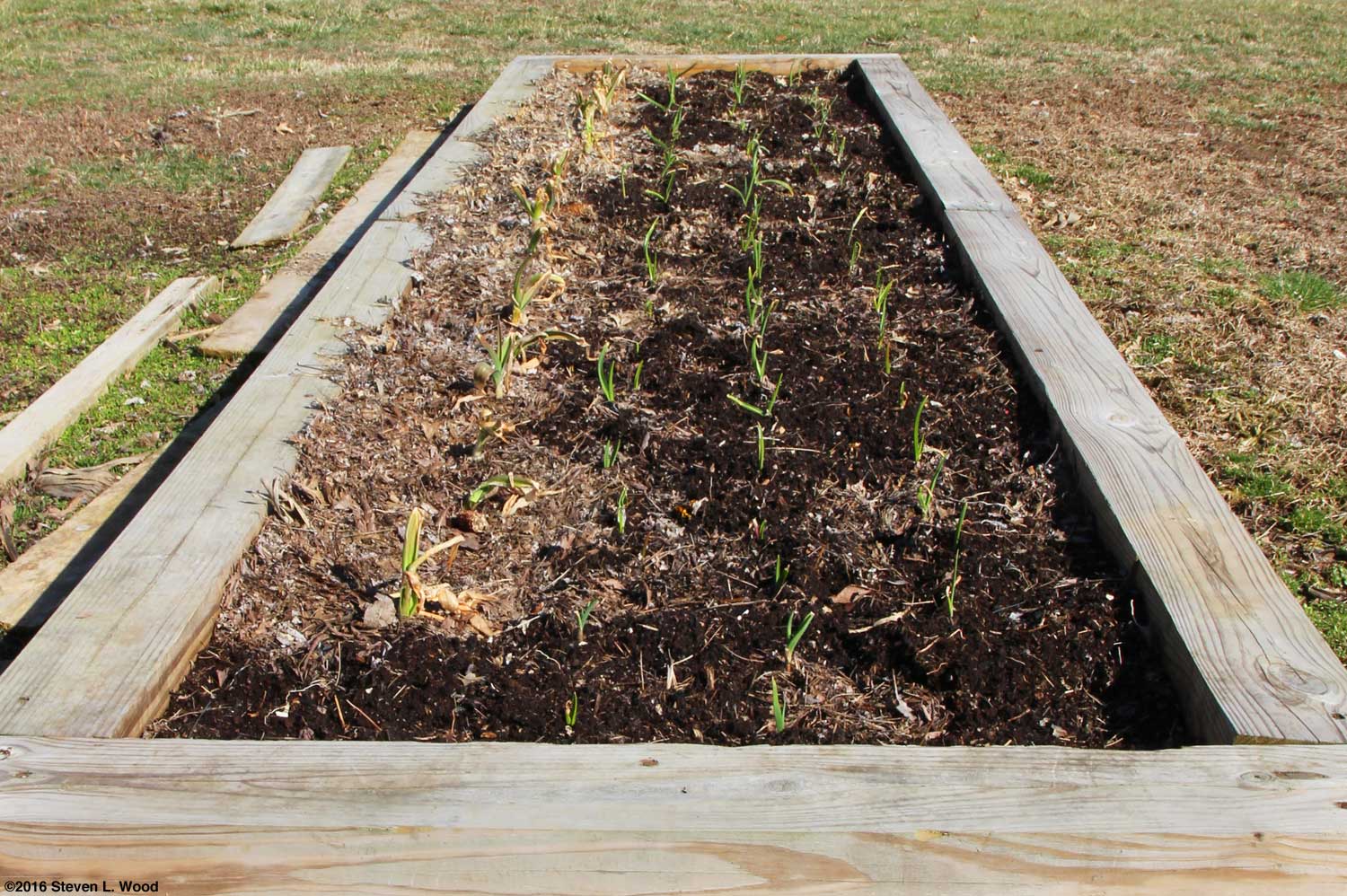
We plant our garlic in the fall because, well, because that's what most sources suggest. I suspect one may get a better crop that way. One source suggests that "your bulbs are bigger and more flavorful" from a fall planting. Since I've never grown spring planted garlic, I really don't know if fall planting is better. If you haven't fall planted garlic and can find bulbs, it can be planted in the spring as soon as the ground thaws. For our area, that's pretty much right about now. Since regular soil preparation isn't really possible at this time of year, planting into a weed free area of your garden will have to do.
Further Information on Growing Garlic
We grow the Carpet series of dianthus which produces a variety of solid and bicolor blooms. The original seed packet is long gone, but dianthus seed is easy to collect and save in the fall. The saved seed I planted in one pot today was several years old. I also started seed from a fairly fresh (2015) packet of Carpet Snowfire. We won't need many plants, as we have some existing plants that appear to have overwintered well in one of our front flowerbeds. Dianthus seed is often sold as an annual, although the Carpet series seems to be more of a biennial or even a tender perennial. In the past, I've lined the flowerbed along the east side of the house with the small, pretty plants.
Dianthus seed can be a bit fickle in germinating. Most sources recommend a germination temperature of around 70° F. The "fickle" part comes in on how long the seed takes to germinate. We've had plants emerge from seed in about five days, but have had to wait weeks other times. Either way, we'll have some plants to fill in bare spots in our flowerbeds. One of the dogs took out all the dianthus in one of our front (north) flowerbeds last year going after a mole!
Saturday, March 5, 2016 - The Little Red Line
Once the cold frame is set up, we'll begin moving plants under it to harden off. It takes about a week to ten days outside with increasing exposure to the full sun, wind, and UV for plant stems and leaves to toughen up enough to do well when transplanted into the garden. The first of our transplants to go under the cold frame will be the hardiest and earliest that we'll transplant: onions; brassicas (broccoli, cauliflower, cabbage); and the sage plants we overwintered in our sunroom.
This is pretty early to be moving stuff outside. We've done so before in March and had to bring everything back inside on several occasions. Our current cold frame protects down to around 28° F, depending on how much heat it's been able to build up through the day. But the forecast looks very much like an early spring, so we'll forge ahead. Still to be put together is a second cold frame. We need a second frame because the current one, built in 2014, isn't big enough to hold all the plants we need to get under it at one time. I also built it a bit too tall, making for too much surface area which dissipates heat too quickly on freezing nights. I'll probably do some leg shortening modifications to the current frame eventually. But we also need a second frame for space, and our original plan for the frames was to use them in the fall to cover one of our narrow raised beds. The existing frame is built to fit into our narrow raised beds, covering half of it. When I put together the second cold frame, I'll take pictures and keep track of my measurements to make a how-to page of instructions for building one. Currently, we have a how-to that shows how to construct A Simple Cold Frame with wood. Even with using pressure treated wood for the frame, it rotted out around the nails at its corners in about ten years. Thus, our new cold frames are built out of much lighter and more durable PVC pipe (and occasionally get blown away in the wind!).
After a disastrous flirtation with H&R Block tax software last year, I had to purchase TurboTax last season to correct whatever was wrong with my data entry or Block's software. So even though Intuit got terribly greedy last year (pushing me to try the Block software), I ordered TurboTax Deluxe My tax return preparation adventure today included three failed attempts at downloading the required update to TurboTax. The update would completely download, only to offer up an error message with no alternative other than to quit, relaunch the program, and try again. I'm guessing that on a Sunday afternoon, the TurboTax servers were overloaded with folks like me trying to work on their taxes. I also wasn't at all pleased that TurboTax removed entry of Form 1098-E from the step-by-step entry. For folks like Annie and I who still have lots of college loan interest to enter, such an omission is a major error on Intuit's part. And yeah, I told them about it somewhat emphatically on their after filing survey. Once I got over those hurdles, filing our returns was pretty easy, especially compared to last year. We had to file print returns then by mail because of all the fraud IRS had encountered. This year's fed return was accepted in minutes. Indiana always takes a bit longer. (Wow! Indiana acceptance arrived just after midnight.) One last comment: TurboTax no longer supports the Macintosh Snow Leopard operating system (OS X 10.6.8). That necessitated doing our taxes on the little used El Capitan partition of my Mac Mini. While I use Apple's latest and greatest software on my laptop, Snow Leopard is still my operating system of choice on my main computer, the Mini. I had to download print drivers and several system updates to get the El Capitan partition up to date. I also foolishly opened the Mail app to find a receipt. The fan on my external drive where the El Capitan partition sits is now humming as I delete some 40,000 virus files detected by Sophos Anti-virus! When Sophos couldn't automatically remove some of the infected files, I got lazy and manually trashed some large sections of email attachments. After all of the tax and virus fun and games today, I'm now going to walk out to our asparagus patches to check for any sprouts emerging. Monday, March 7, 2016 - Garden Planning I stayed up late last night working on our garden plan for this year. There's a bit more to it than just deciding what to put where. Like most gardeners, we rotate our crops, almost never growing the same vegetable in the same spot two years in a row, with three years actually being preferable. With somewhat limited space and often growing two different crops on a piece of ground per season, planning for the next season can be a little challenging. I'd gotten an early start on the planning last fall, working out the rotations, but also knew some tweaking of the plan would be necessary to fit as much of what I'd like to grow into our raised garden beds. Our two narrow raised beds (plots A-1 & A-2) and our large main raised bed (plot B) are now pretty well locked in for the season. Entries in green on the graphics are for succession crops.
We planted one 3' x 15' (interior dimension) narrow raised bed to garlic last October. Even earlier in the fall, I'd turned down a cover/smother crop of buckwheat in plot A-2 and mulched the ground with grass clippings. In a week or ten days, I hope to pull back the mulch down the center of that bed and plant early peas there. As is our usual practice, once the tall peas are done and pulled off the trellises, we'll transplant a succession crop of Japanese Long Pickling cucumbers there. The garlic bed will probably go to fall cauliflower and broccoli.
I still have a little free space in our large (15' x 24') raised garden bed to use for one more succession crop. Let me add here that I really don't recommend such a large raised bed. This plot started out as a sloping garden plot that eroded fairly easily. I terraced the bed using landscape timbers on the two low sides of it to stop the erosion. Getting a little wild and crazy the next year, I enclosed the other two sides, making a huge raised bed. While such a bed drains well (There's a dry sump in the middle of it.), unless you're elastic man, you're not going to be able to reach some parts of the bed without stepping into it. We use lots of old lumber as "walking boards" to prevent compacting the soil when working the interior of the bed. With a much smaller family to feed now, I began last year using the same ground for both our spring and fall crops of carrots and lettuce. We'd grown way too many carrots for several years, so I cut our carrot planting in half, using the other half of the plot for lettuce. When I plant our fall carrots and lettuce, I just flip the garden plan horizontally to achieve some crop rotation. Of course, we now have only five carrots left in the fridge from last season, but that's mainly because I messed up our spring carrots last year by fertilizing them late in their growing period.
While we didn't grow any hybrid tomatoes in last summer's reduced size garden, I hope to have some Bella Rosa and Mountain Fresh tomatoes this season in an isolation plot. Both are prolific producers of good sized tomatoes with real tomato taste.
The plot will take a lot of spring soil preparation this year, as we didn't plant it to vegetables last year when I was rehabbing from hip replacement surgery. It was seeded to alfalfa as a cover crop, but that didn't take very well. But the entire plot has had a year to rest, with the section we're planting this year having not been used for two straight years. Half of the 80' x 80' plot is always seeded to a cover crop. Fortunately, where the alfalfa didn't take last season, volunteer dutch white clover took over, giving us a nice turndown crop this spring. Since we'd lost our sage plant corner markers for the plot last season to mowing (by someone else unaware of their purpose), I staked out the plot again last fall. With it defined, I was able to add soil sulfur to the area where our potatoes will grow to acidify the soil. The rest of the plot got a little lime, although I'll probably need to apply a light layer of lime again this spring before tilling.
While I've gone with three rows of melons in years past, I decided to go with just two longer rows of melons this year. I stole space from our sweet corn and potato plantings, as I'd overdone them in 2014. I'm hoping to try using long floating row covers for insect protection over the melons. Cucumber beetles severely damaged our 2014 melon crop. The insects feeding weakened the plants, and once vanquished, they left behind some nasty melon diseases. Our garden plans are not finalized, but we're far enough along to know how much and what to start as transplants. Garden plans almost always prove to be fluid things, shifting and changing throughout the season. Ideas occur, weather conditions dictate changes, and sometimes stuff just doesn't grow the way you want it to. Garden Planning Software
Easy access to Appleworks is one of the reasons why I still do most of my work on the Snow Leopard partition of my Mac Mini, as Appleworks works as a native application on it. I can still use Appleworks on newer operating systems using the Sheepshaver emulator, although it can be a bit clumsy moving files to other partitions. I went on a merry chase today trying to find a larger version of the image (above left) of my lesson plans. I never found one, but that's just as well. The lesson plan pages are filled with student names which I couldn't legally reproduce an image of here anyway. I also nearly had a heart attack today when I turned on my new T5i camera and nothing happened. I replaced the battery and still got nothing until I bopped the camera's side. Then a message appeared telling me the memory card wasn't accessible. I'd pulled it yesterday to import images on my laptop's memory card slot, and hadn't gotten the card seated right when I put it back in the camera. Whew! Wednesday, March 9, 2016 - Planting Peas
All I had to do today was pull back a little grass clipping mulch, use a hoe to dig a shallow furrow, work in a little lime, fertilizer, and granular pea inoculant, and spread and cover the seed. I planted the peas half and half to Champion of England and Maxigolt, two excellent, tall, open pollinated pea varieties. I treated the seed with Captan Instead of drawing the soil I'd pulled out of the furrow back over the seed, I spread some commercial garden soil over the seed, firming it by tamping it down with the head of my hoe. I accidently picked up organic garden soil instead of organic potting soil when shopping yesterday. Later on, I'll add a double trellis for the peas vines to climb. Two feet at either end of the bed weren't planted to peas. I save those areas for caged tomato plants. By anchoring the tomato cages to the T-posts that support our trellises, we avoid the cages blowing over and uprooting the tomato plants when they are top heavy with fruit. We get some really nasty straight line winds here. I also offset the seeding a bit to the south side of the bed, as our pea vines always seem to push to the north side of the bed, sometimes off the trellis. Supplies I spent yesterday afternoon chasing down some needed garden supplies. Hefting bales of peat moss and bags of Transplants
The dianthus I started last Friday and the lettuce started on March 2 are both beginning to germinate. Our saved dianthus seed started popping up in volume well before the commercial seed. And our very old (2005 & 2006) Sun Devil iceberg lettuce seed has completely outperformed our other lettuce. The Sun Devil seed wasn't on the heat mat the rest of our lettuce is on, so maybe I'll learn something from that. As often happens with older seed, the regular Sun Devil seed came up much better than the pelletized seed. Since Sun Devil lettuce seed is no longer available commercially, I hope to let at least one of the plants go to seed this spring for seed saving. (Note: It appears that Sun Devil is no longer a PVP variety!) Having put some seed into the ground, I guess our gardening season really has begun! Thursday, March 10, 2016 - Not Really a Slow Day
Two hanging basket pots of Double Cascade petunias got moved to the back porch. With our moderately cool and cloudy weather and the protecting overhang of the porch roof, the plants should do fine without a traditional hardening off period under a cold frame. I also brought out our second tray of sage plants. One hanging basket of Wandering Jew also got a spot on the shadiest side of the porch. Another pot of Wandering Jew didn't make it and had to be dumped. I immediately used the pot to start more cuttings. The failed planting had been in the sunroom, so I put the new one under our plant lights in the basement. To free up some room under our plant lights and also to give them a bit cooler climate, I moved our trays of brassicas to the sunroom. It runs warmer than the basement during sunny days, but is much cooler at night. I'm hoping the move will serve as a sort of pre-hardening off for the broccoli, cabbage, cauliflower, and Brussels sprouts. The last of the petunias growing in egg cartons on our kitchen windowsill finally outgrew their egg carton cells. I moved the remaining plants to fourpack inserts and placed them under our plant lights. Our windowsill looked pretty bare without the petunias, so I started some Carpet and Celebrity petunias in egg cartons today to fill that space. Our first petunias were all Supercascades and Double Cascades which are ideal for hanging baskets. The Carpet and Celebrity petunias are better suited for edging our raised beds. While our vegetable crops come and go through the season, our flowers remain all summer, adding a lot of wonderful color to our garden plots.
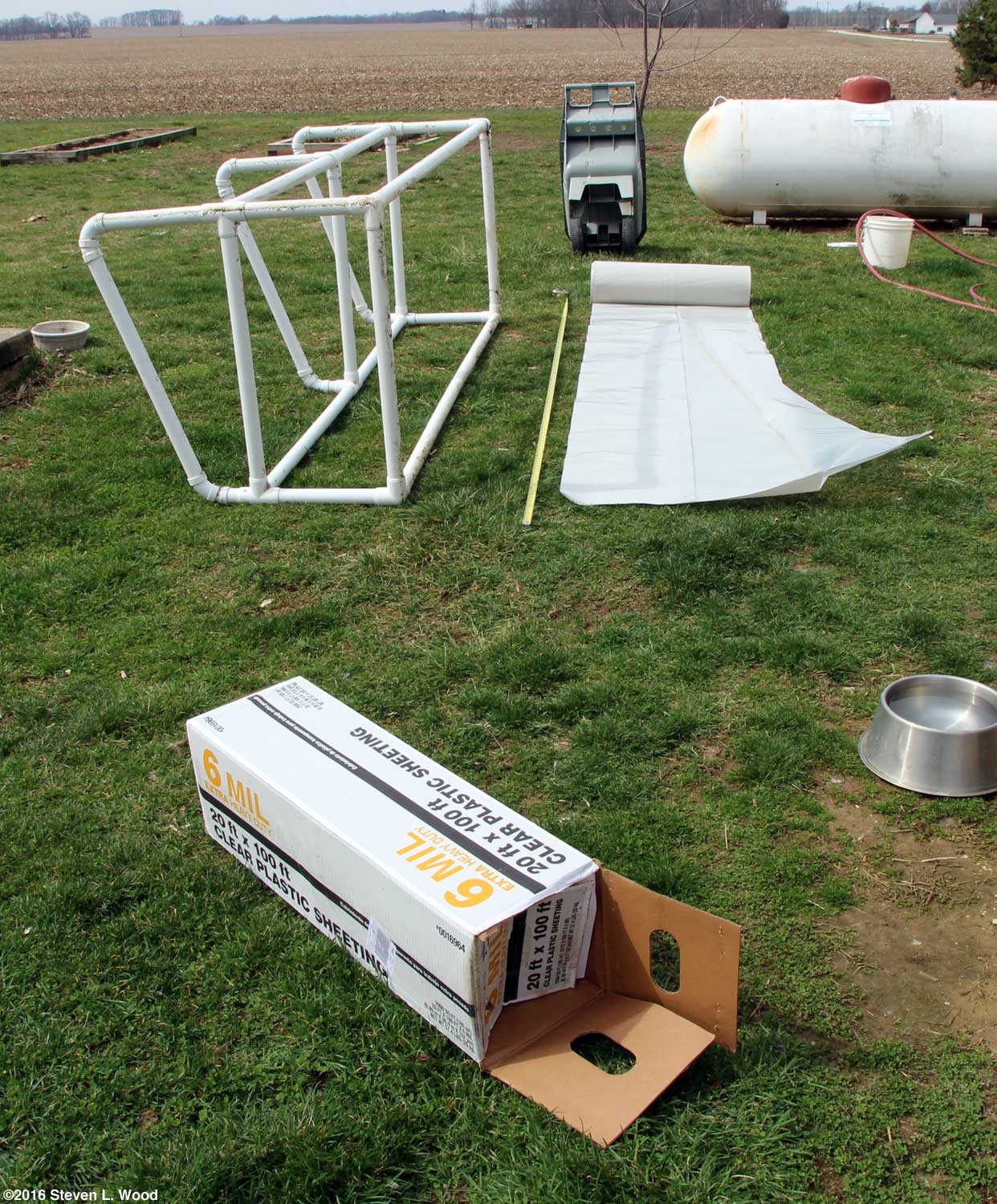
Our weather outlook for the next ten days still looks good, although there is a cool down predicted for the end of the period. That's a concern, as we often get hit with a late freeze and/or significant snow around March 20-25. For now, all I'm waiting on to get more plants outside is a dry day without strong winds to stretch the clear plastic over our cold frame. If we get a late cold spell, the cold frame protects plants under it down to about 28° F. Below that, everything has to come inside for freezing nights. For the last three years, we've had one or two nights each year in late March when our kitchen wall was lined with hanging basket plants and our dining room table covered with trays of transplants. Once plants go outside, they never, ever go back under our plant lights anymore. We still don't know where we got the INSV virus in our old gloxinia collection, but it could have been from bringing plants (possibly with bugs) back inside and into our plant room. (This last paragraph sounds best when accompanied with a round of Once Bitten, Twice Shy.) Friday, March 11, 2016 - Cold Frame I got our cold frame set up today. That involved covering the PVC frame with heavy duty, 6 mil plastic and then moving several trays of plants under it. I sorta lucked out with the weather, as we had a wonderfully warm day today with only occasional winds. My first task was to carefully measure the cold frame (twice) and cut plastic from our large roll. Laying out the plastic, I moved the cold frame onto the plastic and attached the edge of the plastic to the PVC frame with some snap clips. Snap clips are marvelous devices. They're slightly oversized pieces of PVC that fit over the plastic and the PVC pipe, firmly attaching the plastic to the frame. I believe the snap clips were developed for greenhouses, but they are what makes a PVC cold frame work.
I rolled the PVC frame across the plastic, stretched it, and attached snap clips to secure the other side. When I got to the ends, I was sort of confused. It took two tries before I realized it would be easier to draw in the sides first and then cover them by drawing up and attaching the center of the plastic to the frame. I also found that doing it this way took more snap clips that I used last year, forcing me into the supply I had reserved for our second cold frame. (Snap clip order has been placed.) With the ends secured, the frame itself was pretty much ready for use.
After finishing covering the frame, I made a trip to the big city to pick up the organic potting soil I'd missed earlier this week. When I got home, I used the garden soil I'd inadvertently purchased for potting soil to fill holes that would leak cold air around the base of the frame. I usually just till the ground where the frame will sit so that I can rake up soil around the base of the frame to seal it on cold nights. With all the rain we've had, I deemed the soil too mucky to till, thus, the dark garden soil around the edge of the cold frame.
I put two trays of onions and two more of brassicas under the cold frame to begin with. Our trays of sage stayed on the edge of our back porch, as those plants are tough as nails already. Before winding up the day, I propped the frame open with a six inch square wood block for the night. It will allow some air movement under the frame without exposing the plants to too much wind. With the cold frame set up and some space free under our plant lights, I set out trays and deep sixpack inserts this evening in our plant room. If the Lord grants me yet another day, I'll start tomatoes and peppers tomorrow. BTW: Our snap clips and all the unusual PVC fittings for the our cold frame come from the Greenhouse Megastore (DGW rating).
Saturday, March 12, 2016 - Starting Tomatoes and Peppers Counting forward from today, we're about seven weeks from our target date to transplant the first of our tomatoes and peppers. I probably should have started some plants a week ago, but got backed up on available space under our plant lights. With our cold frame and sunroom now relieving some of those space issues, I started our tomatoes and peppers today.
I filled a tray with 36 deep cells with tomatoes (Earlirouge, Moira, Quinte, Mountain Fresh Plus, and Bella Rosa), bell peppers (Earliest Red Sweet, Ace, Red Knight, Mecate, and Sweet Sunrise), and paprika peppers (Paprika Supreme and Hungarian). In another tray (not shown above), I started basil in two fourpack inserts (Dwarf Blend, Caesar, Sweet Large Leaf Italian, and Genovese). The full tray seeded to tomatoes and peppers went over our thermostatically controlled heat mat set to 80° F. That temperature was a compromise, as tomatoes like temperatures of 70-80° F, and peppers, 80-90° F. Since basil germinates well at 65-70° F, that tray just got covered with a clear humidome and went on a shelf on our plant rack.
With our recent mild weather, I did the transplanting in our garden cart off the edge of our back porch. I mixed a bag of organic potting soil with an equal amount of peat moss and a bit of lime for the geraniums. I also threw in the last of a bag of moisture control potting soil. I like a rather light mix that can hold lots of moisture.
Getting the geraniums off the shelves of our plant rack has opened up a good bit of space we'll soon need. I'll be starting melon and squash transplants soon, and they take lots and lots of space. We start them in the 4 1/2" and 6" pots they'll remain in until transplanted. I'm already having fun deciding just what squash, cantaloupe, honeydew, and watermelon varieties we're going to grow this year. Looking at our thirty geraniums in the sunroom, I asked myself, "What was I thinking," when I started so many plants. But I was fighting germination problems with old seed this year and just overdid things a bit. We'll quickly use twelve of the geraniums at the corners of our three raised garden beds. While that leaves eighteen plants to play with, they will get used rather quickly or migrate to some of our nearby kids' homes. Tuesday, March 15, 2016 - Waiting
I'm also waiting on our tomato and pepper seed to germinate. Since I seeded them last Saturday, it's a little early for anything in that tray to be up yet. The lettuce I seeded early this month has produced disappointing germination. I went back and re-seeded many of the already planted cells over the weekend. I'd guess the poor germination is due to much of the seed being pretty old. Outside, the peas I seeded on March 9 aren't yet showing any sprouts. The rain did wash up a few healthy looking plump seeds, though. I got out and broadcast alfalfa seed over the half of our East Garden plot that we won't be planting this year. Overseeding onto unworked ground may not prove very successful, but then, I've not had real good luck getting a stand of alfalfa when I've properly prepared the soil. No shoots have appeared as yet in our two patches of asparagus. I check the asparagus about every other day, as when it starts to grow, it grows really fast. (Think inches of growth on a single, warm, sunny day!)
When done weeding, I had nearly filled our 4 cubic foot garden cart with weeds. They went onto our compost pile. When covering the weeds with some grass and corn stalks from the older side of the pile, I was pleasantly surprised to find that we did indeed have a little finished compost underneath the top layer of undigested material.
We received our third seed catalog this year from Burpee Gardening Thursday, March 17, 2016 - St. Patrick's Day - Still Being Patient
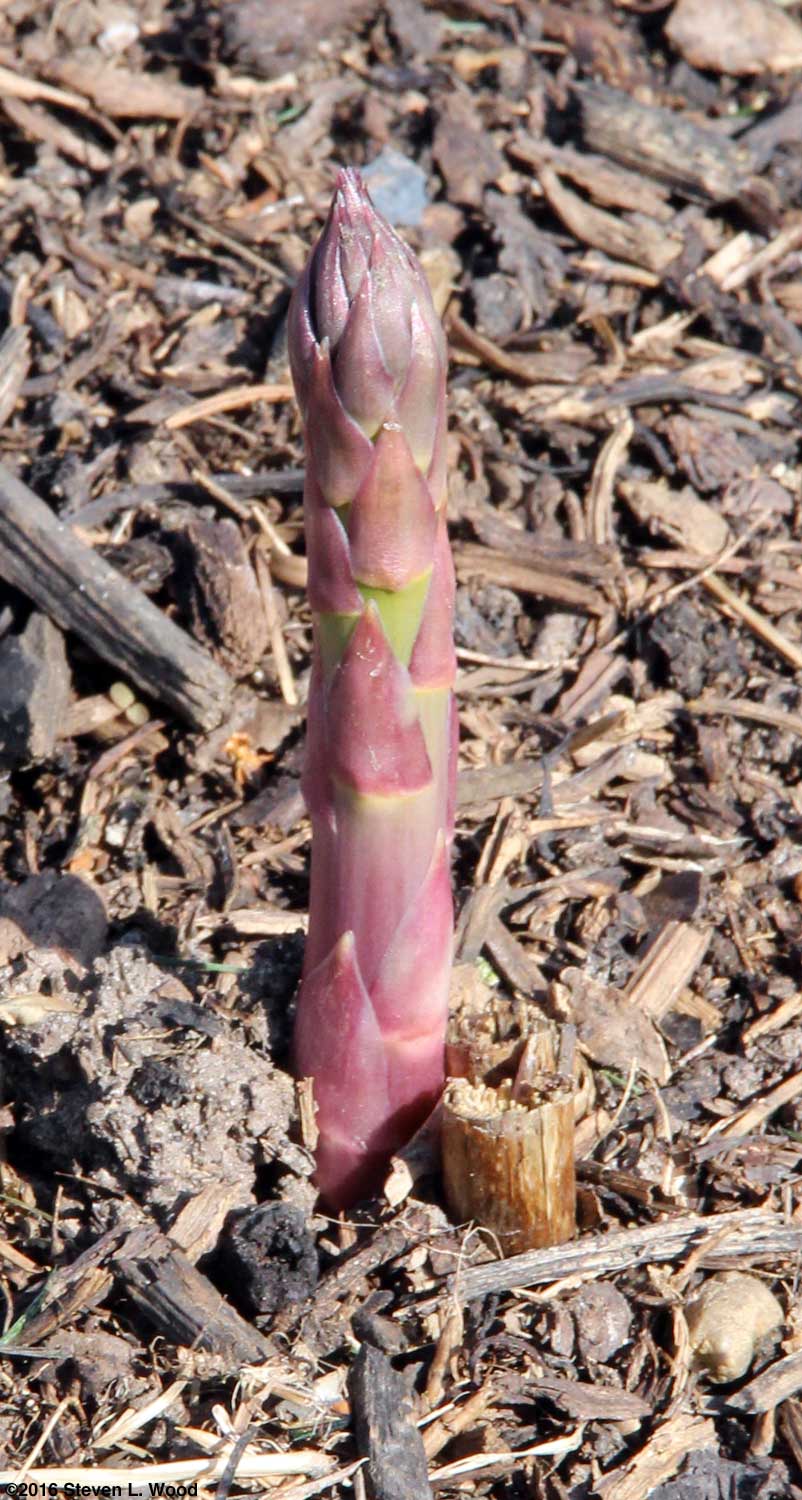
I tried screening compost yesterday, but most of the finished compost was wet muck. I only got enough screened to cover about a third of our narrow raised bed of asparagus. I did, however, see a few asparagus shoots beginning to emerge in both of our asparagus patches! Part of my caution in getting plants outside comes from predicted overnight low temperatures over the weekend in the low 30s. More caution comes from experiencing snow and/or a freeze almost every spring here between March 20-25. So we'll just wait out the weather, getting ready to go once the weather really breaks. An Essential Garden Tool - Our Mower!
We couldn't grow as much garden as we do without using grass clippings to hold back weeds and conserve soil moisture. I really don't consider our main raised garden bed completely planted until we get everything in it mulched each spring, usually by the end of April. As the years passed, tilling our large East Garden plot with a walking tiller became physically difficult. Several years ago, I broke the bank and bought an expensive pull-type rototiller that mounts on our lawn tractor. I may have messed up by purchasing a tiller that is specific to our X-500 mower, as when the mower wears out, I could be stuck with an expensive piece of equipment that only fits a few John Deere models. But the tiller has turned out to be a dandy tool, making tilling the East Garden and our outlying isolation plots fairly easy work. I still till our raised beds with our "Senior Tiller," a twenty-plus year old MTD rear-tine tiller. Now, if the soil will just dry out...
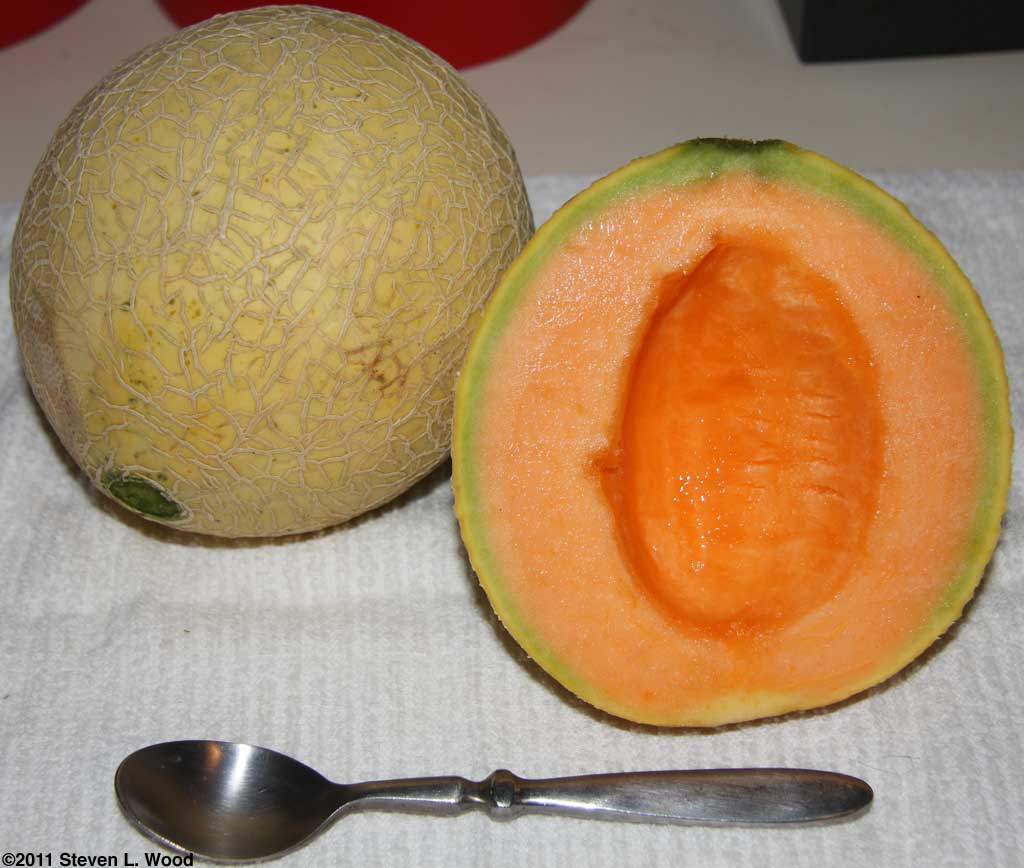
I'm still transplanting a little of this and that at times. I moved some Sun Devil lettuce from a communal germination pot to fourpack inserts. A few more Rosemary plants also needed their own quarters. I'm also having a lot of fun deciding what varieties of squash, melons, and pumpkins we'll grow this year. We definitely will have Waltham Butternut squash While the planned configuration of the melon patch for this year's East Garden has a few less foot-row available for melons, I decided to cut the in-row spacing we use from six to four feet between hills. That will allow us to put in around 24-25 transplants. I've picked eighteen varieties already, but now need to flesh out which varieties I'll plant multiple hills of to fill the rows. I still have time, as melons and such are transplants I don't want much over four to five weeks old at transplanting. Any older and the plants get unmanageable in their pots, with stems snapping when I transplant. I'd not planned to share our varieties at this point, but realized that there is still time for folks wondering what to grow to order seed and get transplants started. Of course, what grows well for us under our growing conditions on our ground may not grow well for others in their locales. Yellow Squash
Cantaloupe - other than the one experiment noted below, all varieties are hybrids
Honeydew
Watermelon - All varieties in this category are open pollinated.
Seedless (Triploid) Watermelon - All are obviously hybrids
I hope the images at right made your mouth water just a bit. They did mine. The green title line for today is, of course, for St. Patrick's Day. I'm not Irish, but my lovely wife, Annie, is of Irish/Cherokee descent. Friday, March 18, 2016 - Mowing Already!
As I mowed the front yard, I got lots of strange looks from folks driving by. While the grass wasn't universally high, there were lots of tall clumps that needed to be mowed. I still have to mow our side yard, the barn lot, and the one acre field to the east of us, but it's really nice to see our yard green again. We're blessed to live in such an idyllic setting. Peas and Asparagus
Cooler Weather After some toasty 60-70 degree days, we've returned to more seasonal weather. I completely closed the cold frame last night over our onion and brassica transplants, as our overnight low reached the predicted 34-35° F. With several mornings of predicted lows at or below freezing, I'll be sealing up the base of our cold frame late each afternoon. Just as important, I'll need to at least crack open the cold frame each morning, as temperatures under it can quickly zoom to a hundred degrees or more in the full sun. Free Seed Update I'm discontinuing our offer of free Earliest Red Sweet pepper, Japanese Long Pickling cucumber, and Earlirouge tomato seed to seed libraries and readers of this site. Of the twelve seed libraries I contacted, five requested and received some of our free seed.
Several readers of this site also requested seed and hope to save seed from their plantings this summer. I was more than happy to provide seed to all of them, as the three varieties are all somewhat endangered. I'm currently the only member of the Seed Savers Exchange offering Earliest Red Sweet pepper seed, although I think (hope) some other members who previously grew the variety may have some seed left. While Reimer Seeds offers cucumber seed similar to our strain of Japanese Long Pickling, I'm still the sole source for our much longer and thinner strain. Baker Creek Heirloom Seeds has expressed an interest in the JLP variety and may have added the variety to their seed bank. They grew it out last summer from seed I gave them. And the Earlirouge tomato variety is probably pretty safe, as the Seed Savers Exchange does have it in their seed bank. We're definitely not out of seed for the varieties mentioned above, but as I wrote when I first began the offer (and later expanded it), I've had to cut it off because I'm really getting busy with gardening and other outdoor chores now.
Instead, I decided to re-seed some plantings I'd done previously that hadn't germinated. I brought in paprika pepper and milkweed seed from the freezer in our garage where we do our long term seed storage. When I got downstairs to do the plantings, I noticed tiny sprouts coming up in two of the three pots of milkweed I'd started a little over two weeks ago. Had I checked the seed packets more carefully, I would have seen that milkweed can take two to four weeks to germinate. It also took a +2 closeup filter to get a decent shot of the tiny milkweed. While most of the tomatoes, peppers, and basil I started a week ago are coming up nicely, the commercial Paprika Supreme pepper seed appears not to be doing anything. So I reverted to using seed I'd saved from the variety in 2009 and 2014 for today's re-planting. Only recently did I discover that the Paprika Supreme variety is listed as a hybrid, but I've had saved seed produce plants and fruit true to the variety in past years. The saved seed, however, does have pretty poor germination rates (30-40%), so I seeded the communal pots pretty heavily today.
While it is now officially spring, our nights are still a bit nippy. I had sealed our cold frame shut yesterday afternoon while the sun was still out to retain some extra heat overnight. We had a freeze predicted, but our overnight low only reached 35° F. I again got out fairly early this morning and propped open the cold frame so that the bright sun wouldn't overheat the frame and the plants under it. Since we're still having fairly windy weather, the frame stays partially closed to protect the tender transplants from the wind. The cold frame currently has two trays of onion transplants and two more of brassicas under it. I brought out our leftover herb plants to go under the frame this morning, more to get them out of the way in our plant room than to harden them off. These herbs are still crowded in their communal germination pots. Handling the tray of herbs produced some very pleasant, pungent odors. Not under the cold frame are some sage plants that are about ready to be transplanted around our East Garden plot as corner and halfway markers. The hardy perennials can easily survive a light frost, especially since I started the plants last fall. They remain on the edge of our back porch.
Our garlic continues to thrive in the spring weather. Just as soon as our lawn fills in enough to produce some grass clippings, I'll need to mulch the garlic for weed and moisture control. Our early planted peas are coming up nicely now. I always sweat it out until I see our peas begin to emerge, hoping the seed hasn't rotted in the cold ground. But peas seem to know just when to germinate. The tiny pea plants are a little hard to see in the image at right, but clicking on the image will open a larger view where the plants are more visible. I rooted some more Wandering Jew cuttings today, this time using individual 3" pots for the cuttings. Since I had room in the covered tray over our heat mat, they went there. Cuttings usually take better when covered with a clear humidome for a few days. Once the cuttings root, they'll be transplanted into a ten inch hanging basket pot. I also set out four more ten inch hanging basket pots to be used later today for more petunias. I'm sorta waiting for it to warm up a bit outside, as I'll do the transplanting on the edge of the back porch. It was pretty chilly (43° F) this morning when I walked our garden plots! It's supposed to get into the 50s this afternoon. Our plants previously transplanted into hanging basket pots hang from our back porch, as they're pretty easy to bring back inside on cold nights. Tuesday, March 22, 2016 - Gloxinias
There were more gloxinias to be repotted than there should have been. I'd been delinquent in checking the dormant plants and ended up with a dozen plants to work with. It takes a sharp eye to pick out the tiny shoots on the corm that signal that the plant is ready to resume its growth cycle. In addition, one of our cats had obviously been messing around in the dark, dormant gloxinia area of our basement. Some of the dormant plants were knocked over with others completely out of their pots. Depending on the size of the gloxinia corm and rootball, some plants got moved to larger pots. Those that didn't got fresh soil in the bottom of their pots and around the corm. Since I was using a commercial potting mix with fertilizer already added to it, there was no need to further fertilize the repotted plants. I did mix some systemic insecticide granules into the potting mix for each plant, as we've had some bug problems under our plant lights. The last bunch of gloxinias that broke dormancy in late February are looking pretty good, although I did lose one big corm. Sometimes the plants just don't make it when coming out of dormancy.
Several of the remaining pots of dormant gloxinias appear to have corms that have withered and died. The only way I know to tell for sure is to just wait for the plants to break dormancy, or not. Sometimes the ones with the worst looking corms surprise you and spring back to life after several months. I'll probably wait until sometime in May or June before pitching any corms that haven't shown signs of life. Because of the way our gloxinias cycled this year, we've not had any in bloom for some time. Our current gloxinia varieties include Empress, Double Brocade hybrid, Cranberry Tiger, and some open pollinated plants from saved seed. Most of the latter are Empress and Cranberry Tiger or crosses from the two varieties. I'm obviously looking forward to having the lovely plants in bloom once again. Our current gloxinia features include:
I pretty well finished getting our hanging basket plants transplanted and outside yesterday. With the strong winds we had, the pots of petunias and Wandering Jew went under the porch against the house, a somewhat more protected area than hanging from hooks on the porch. Missing this year from our usual porch plants will be a pot of trailing impatiens that didn't germinate at all and possibly a trailing, ivy leaf geranium. A new packet of ten Tornado geranium seeds only produced one plant, and it isn't' growing all that fast. Some of the lettuce I seeded March 2 just didn't take, with our Winter Density, Skyphos, and Pandero failing to germinate anything. In addition, I only got one plant in four seeded cells of Coastal Star. Before pitching the seed as bad, I started communal pots of all of the failed varieties, hoping I'd done something wrong in my seed starting culture. With this planting, I used vermiculite instead of milled peat moss to cover the seed, and the pots just went on a regular shelf of our plant rack without any bottom heat. Even with the germination failures, we have a lot of lettuce transplants of other varieties doing well under our plant lights. Dianthus
I'll be using the dianthus in our front flowerbeds to replace plants lost to age (and dog digging!). I'm hoping that the Snowfire plants will cross a bit with our plants from saved seed. Our saved seed plants over the last few years have gone pretty much to red and pink blooms with very few bicolor blooms. This is one of those rare instances where the rule of not saving seed from hybrids can be broken. While the variety of colors from our saved dianthus seed have diminished some, we're still getting nice plants from our saved seed. And, the saved seed used was from 2011 and 2012! Thoroughly drying our seed in the late fall and then freezing it in airtight containers has worked well for us. Flu Despite both of us getting flu shots this year, Annie began coming down with the flu Sunday evening. By Monday morning, she was a mess. For whatever reason, I didn't begin to show symptoms until yesterday, but now feel really rotten, although I'm getting off much easier than she did (so far). Fortunately for us, I was able to take care of her Monday and Tuesday, and she's now reciprocating by taking out the trash, emptying the cat litter box, etc.. After fortifying myself with a healthy bowl of Portuguese Kale Soup, I ventured outside this afternoon to check the cold frame and also our asparagus patches. There was enough asparagus ready to pick to bring our picked total of it up to half a pound. I think we're about ready for our first asparagus feast of the season.
I awoke this morning feeling much better than I had in days. But taking our daily splash shot for the top of this page and turning the plants in our sunroom sorta wore me out. I think it's going to be another day or so yet before I shake the full effects of the flu. I probably wouldn't have posted anything here today, but I received an email this morning from John Fischer of the Normal (IL) Public Library announcing a seed swap they are holding on March 29. Besides the seed swap, they also are encouraging folks to check out their seed library. The Normal library is one of the seed libraries that took us up on our offer of free, open pollinated seed for their seed library. Their library also includes some significant contributions from the Seed Savers Exchange. If you live near the Bloomington/Normal area, the seed swap might be an interesting event to attend. I've not found a really good listing of seed libraries, but the links below may be of help in finding one close to you.
Saturday, March 26, 2016 - Frost
We didn't suffer any frost damage overnight, as I had our cold frame sealed shut and our hanging basket plants were protected by our poor house insulation along our back porch. But with overnight lows of 25° F predicted, we'll be bringing all of our plants inside next weekend to protect them from the freezes. Our cold frame is only effective down to about 28° F. Even with mainly frost hardy onions and broccoli under the frame, I'd rather be careful than lose all of our lovingly cultured transplants. The predicted cold weather for next weekend really isn't all that unusual. Our actual frost free date for this area is about April 14, although I generally rely on the much more conservative date of May 1. But the somewhat late cold snap may push back transplanting our onions, broccoli, and cauliflower from our usual target date of sometime during the first week of April. I wrote about frost dates late last month. If you're unsure of the frost free date for your area, Dave's Garden has a page that uses your zip code to calculate your frost dates (spring and fall). As an example, and possibly to make me feel better about our frost dates, I punched in my sister's zip code of 56465 (Merrifield, Minnesota) on the page this morning. It returned a spring frost free date of May 14 and a fall, first frost date of September 23. That's a pretty short growing season, yet my sis and her hubby grow a great garden every year. Asparagus None of our asparagus was big enough to pick this morning. I'll go back and check the plants this afternoon, though, as asparagus can grow a couple of inches on a warm day! With about a half pound picked so far and in the fridge, a good picking this afternoon should be enough so that we can enjoy our first mess of asparagus for supper this evening, lunch tomorrow, or possibly both.
As I walked to our asparagus patches, I passed our beds of early peas and fall planted garlic. Both appear to be doing well so far. Other than getting some mulch around the garlic, neither the peas nor the garlic require any special care at this point. Later As I got into the afternoon hours, I realized that I had a wonderful day to work with. It was sunny and fairly warm, and most of all, not very windy. I'd been wanting to spray our brassicas under the cold frame with Thuricide (BT), as I saw a very early white cabbage moth earlier in the week. White cabbage moths are one of the culprits that lay their eggs on broccoli and the like. The worms that hatch eat the brassica's leaves and also damage the heads. Thuricide is an organic, biological product that gives the moths and/or worms fatal stomach cramps. With the wind staying around 4-5 MPH, with occasional gusts of 10 MPH, I turned to a job I'd been dreading, but knew I had to do soon. I got out our Roundup Sprayer After emptying and cleaning the second sprayer for the day, I reached for yet another sprayer. We use separate sprayers for Roundup, biologicals, and insecticides so that we don't accidentally kill off half our garden with a poorly rinsed out sprayer. The third sprayer for insecticides got filled with a rather nasty, but effective product, Bonide Fruit Tree Spray On days like today, I especially admire folks who are able to farm or garden organically, especially fruit growers. I simply don't have the knack of it, although we try to limit our use of insecticides and herbicides as much as possible.
Soil tests had shown the plot to be in pretty good shape on soil pH. That's a good thing, as it was way too windy today to spread lime over the plot. I did sprinkle a little 12-12-12 commercial fertilizer over the soil surface before tilling. I also spread milky spore to help control cutworms and Japanese Beetle larvae. The tilling with our twenty-two year old senior tiller was uneventful. The tiller started on about the fifth pull of the starter cord, and the soil in the bed worked up well. With this tilling, we may be able to begin transplanting broccoli and cauliflower into the bed next week.
Our weather forecast has improved a bit. The very cold temperatures originally forecast for this weekend are now predicted to be in the 30-32° F range. While we may need to bring the hanging basket plants inside for a few nights, our transplants should do just fine under the cold frame. Even though I'm at an age where I'm trying to get rid of a lot of old books, I added one to our collection this week. I picked up a used copy of Carol Deppe's Breed Your Own Vegetable Varieties
Thursday, March 31, 2016 - March Wrap-up
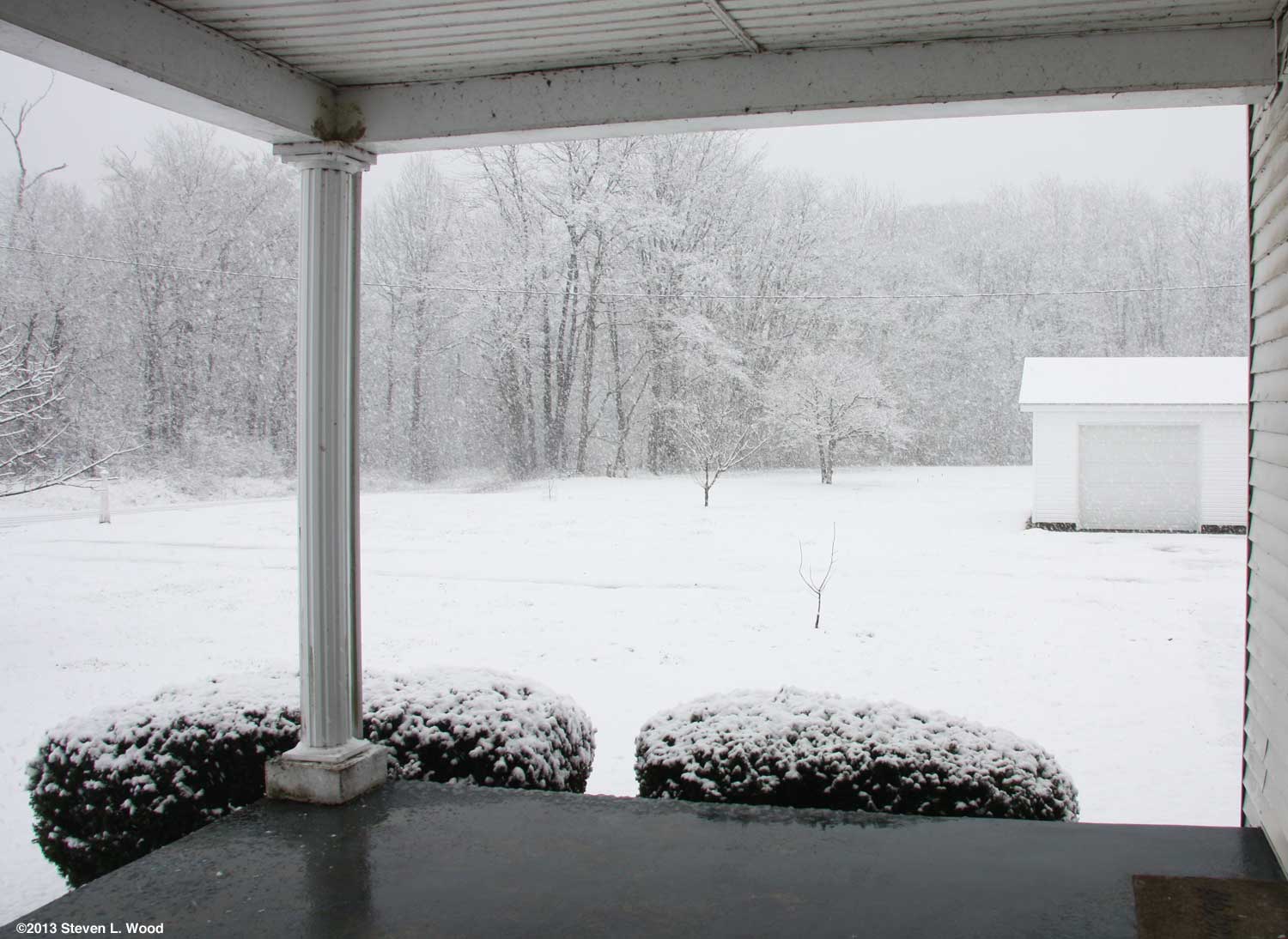
The timing of this rain proved fortuitous, as our main raised garden bed was dry enough yesterday to rototill, setting us up for some early planting and transplanting very soon. March had already been a good month for us, as we got our early peas seeded and up, some asparagus picked (and deliciously consumed), and transplants out under our cold frame. We also have hanging basket plants lining the edge of our back porch, along with some overwintered sage sitting on the edge of the back porch. Indoors, we have lots of healthy transplants started. Tomatoes, peppers, herbs, and some flowers are all doing well under our plant lights, although our geraniums growing on the bookshelves in our sunroom are just about to outgrow their 4 1/2 inch pots. On our kitchen windowsill, tiny, tiny petunias have emerged from the soil of their egg carton containers. They are our second batch of petunias seeded. The first were for the hanging baskets. The second bunch will be used to line the borders of our raised garden beds. Very strong winds made working outside in March a bit unpleasant to difficult many days. On a slightly less windy day than usual, I was able to apply the second spray of the year to our apple trees. They got a dose of organic dormant oil and copper fungicide in February, but this month's spray was of the more powerful Fruit Tree Spray just as the buds on our Granny Smith tree began swelling and showing some red coloring that portends their imminent opening. As I put together our monthly animated GIF of garden shots from our sunroom window, I was struck by the lack of snow in any of the shots for the entire month of March. We usually have some snow early in the month, and sometimes get a nasty, surprise snow late in the month. But our mostly warmer than normal month produced no accumulations of snow, although a few flurries did occur. While the temptation is almost irresistable, I'm not going to put out any tender transplants until after our frost free date (April 14). I do hope to get our broccoli, cauliflower, and onions transplanted sometime next week, as they're all somewhat frost hardy. I also need to transplant the sage plants into our East Garden where they'll serve as corner and halfway markers for that garden plot. Contact Steve Wood, the at Senior Gardening |
|||||||||||||||||||||||||||||||||||||||||||||||||||||||||||||||||||||||||||||||||||||||||||||||||||||||||


 . I avoid this potting mix when starting seed, due to all the fertilizer pellets and perlite in it that can impede germination, but for this task, the product is great.




 again this year early on at a much more reasonable price than last year. I think Intuit lost a lot of business last year due to their deleting some vital stuff from the Deluxe package and their high prices.


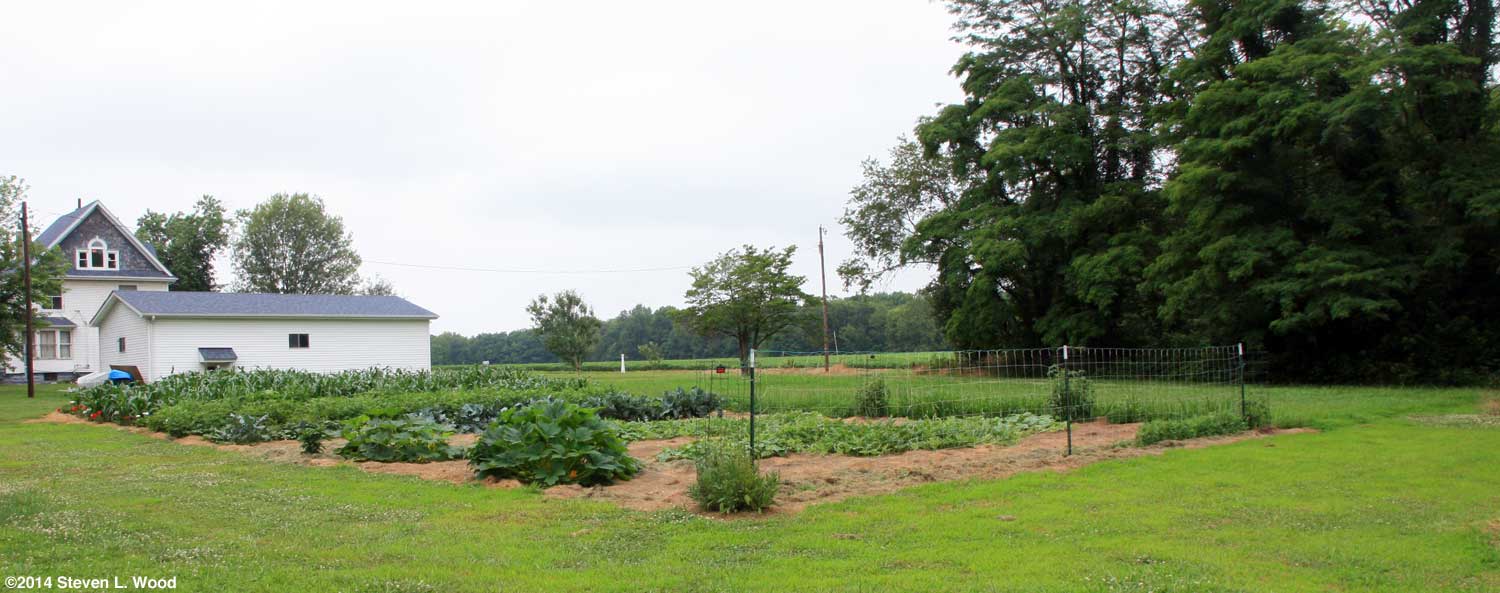



 I've looked, but I still haven't found any software I like better than the aging

 fungicide, as the ground is still a bit cold, and I don't want the seed to rot.











 We're winding up the month of March with a steady overnight (Wednesday-Thursday) rain that may well bring our monthly total up to average. Since we've been a bit short on rainfall so far this year, the rain is especially welcome. We're still relying on a
 | Affiliated Advertisers |
©2016 Senior-Gardening.com