One of the Joys of Maturity |
|

| Affiliated Advertisers |
Clicking through one of our banner ads or some of our text links and making a purchase will produce a small commission for us from the sale. The Old Guy's Garden Record
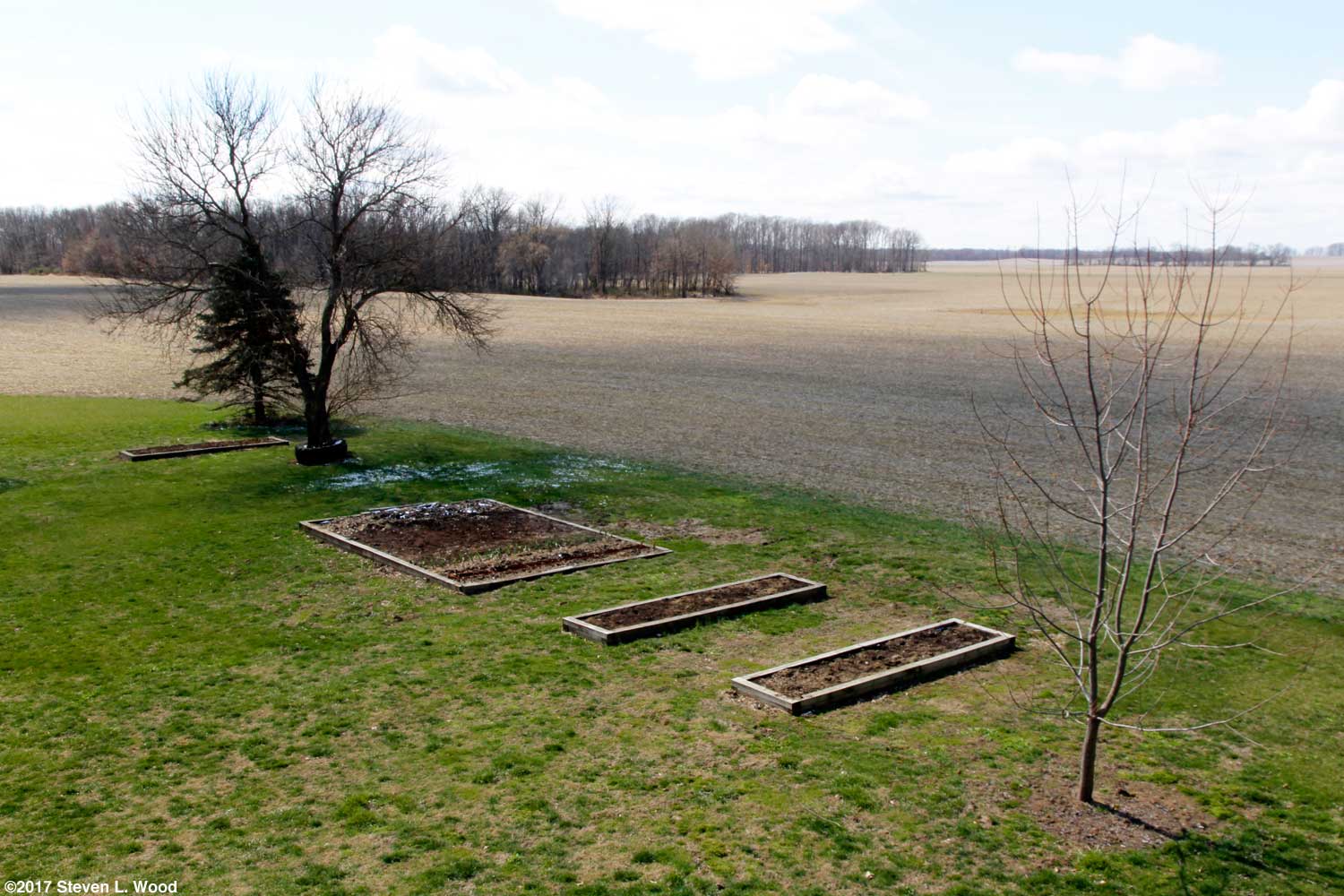
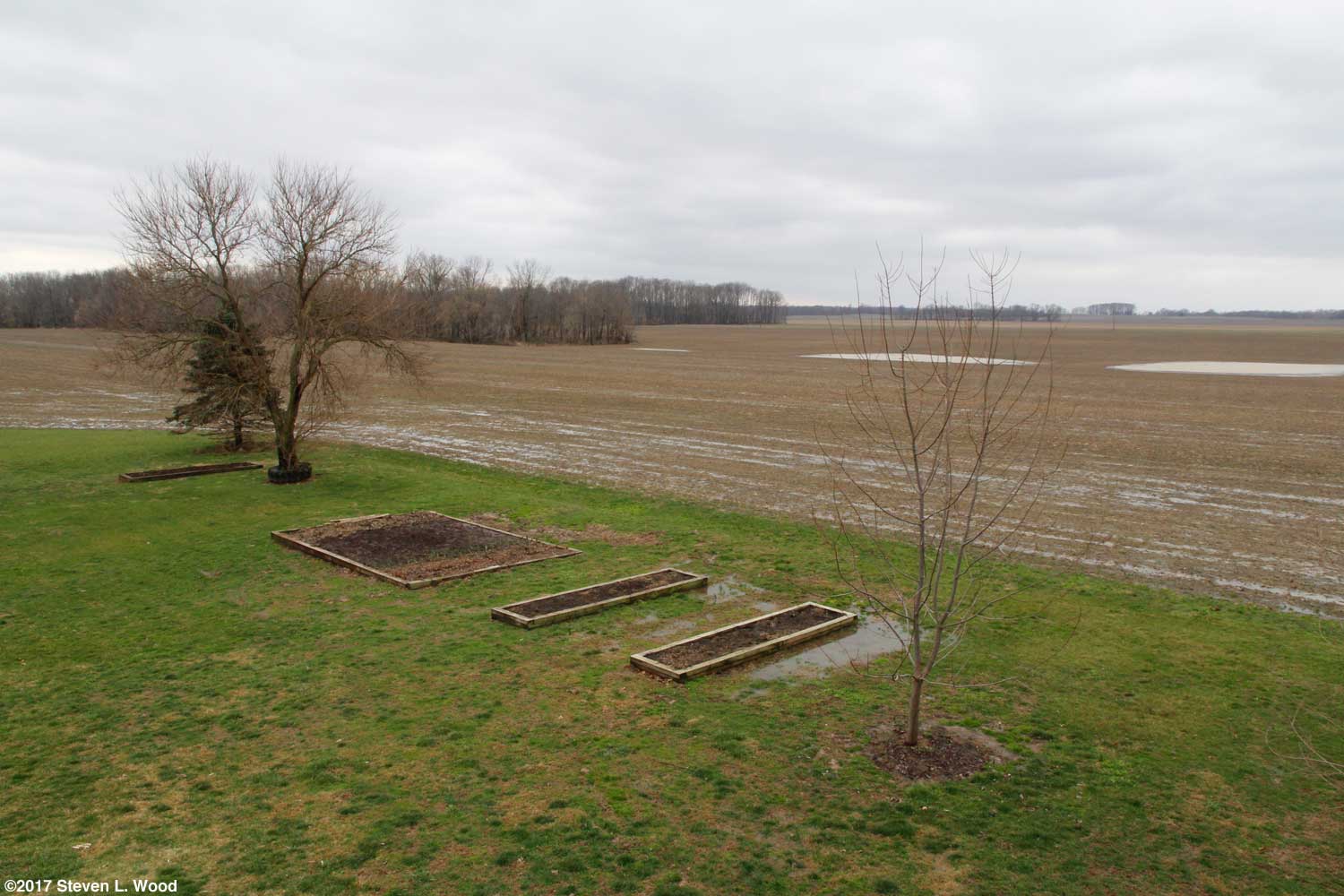
Even with its last blasts of winter, March is always a very busy gardening month for us. We'll be starting lots of transplants inside, shuffling them around warm, bright areas of our house when our large, lighted plant rack proves too small to hold all the transplants until we can start moving plants under a cold frame late this month. If the relatively warm weather we've had continues, we'll almost certainly begin picking asparagus by the end of this month. The warm conditions will certainly have us mowing the lawn and field. And I hope to seed our early peas sometime in the next few days. Our lettuce, tomato, pepper, and basil transplants will get seeded this month. That's especially exciting to me, as we have several new and new-to-us tomato varieties we're going to try this year. I'll be watching soil moisture levels all month, looking for days when I can rototill our two narrow raised beds and our large East Garden plot. The improved soil in our narrow raised beds dries out pretty quickly, while the heavy clay soil in our East Garden takes some time to be dry enough to till without damaging the soil structure. I also have a couple of building projects I hope to complete this month. Our rather new, PVC cold frame has proved to be a bit too portable, as the wind caught it several times last year and blew it fifty feet or so each time. I'll cut into the base and pour a bit of concrete ballast into the PVC to help keep the frame in place. I also have enough supplies on hand to construct a second PVC cold frame, hopefully improving on our original design. Our woven wire tomato cages are in terrible shape, with the bottom wires having rusted and broken off. Those cages will get trimmed down for use as pepper cages. I'll gasp and pay the price for a new roll of concrete reinforcing wire (woven wire) to make a bunch of new tomato cages.
|

|
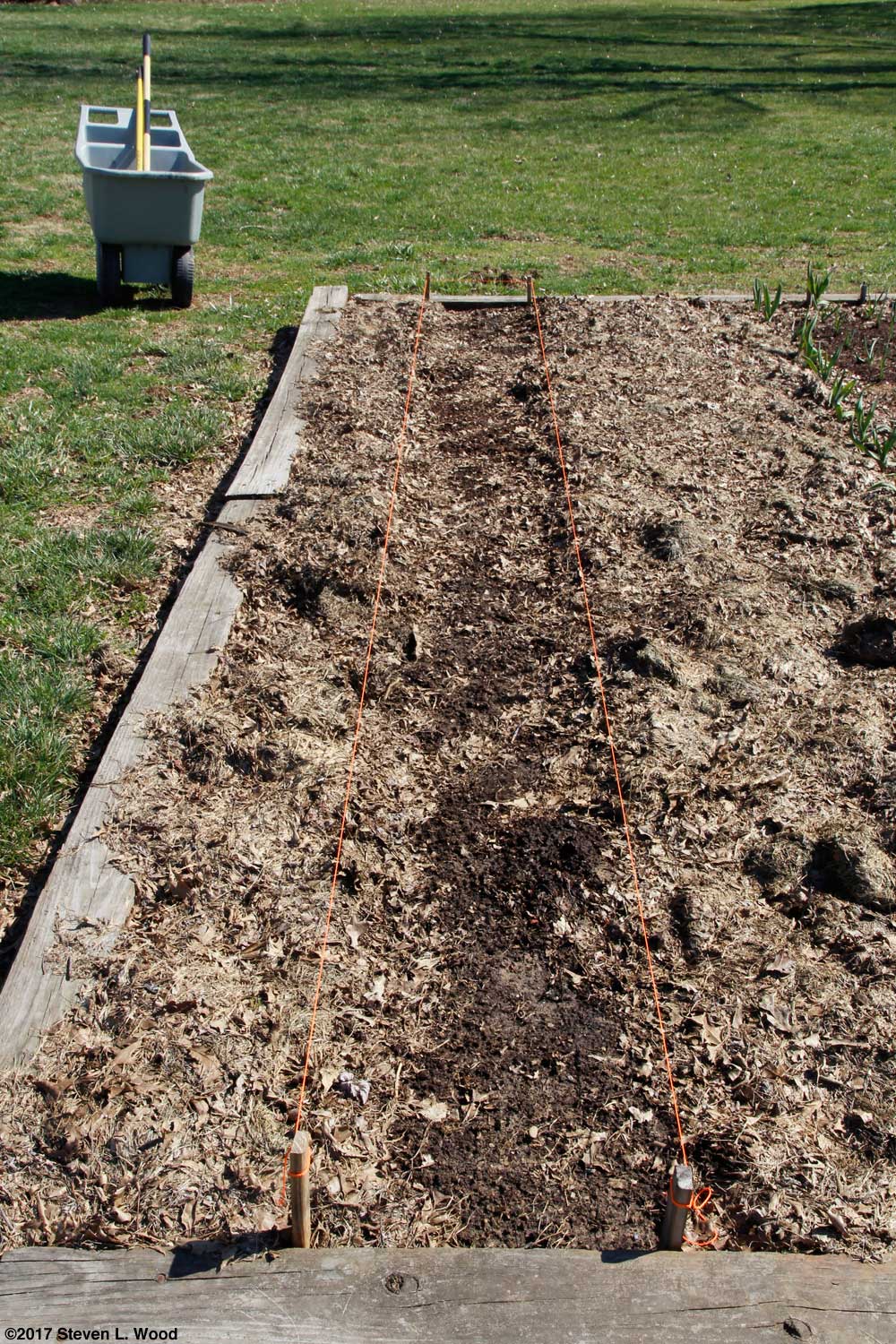
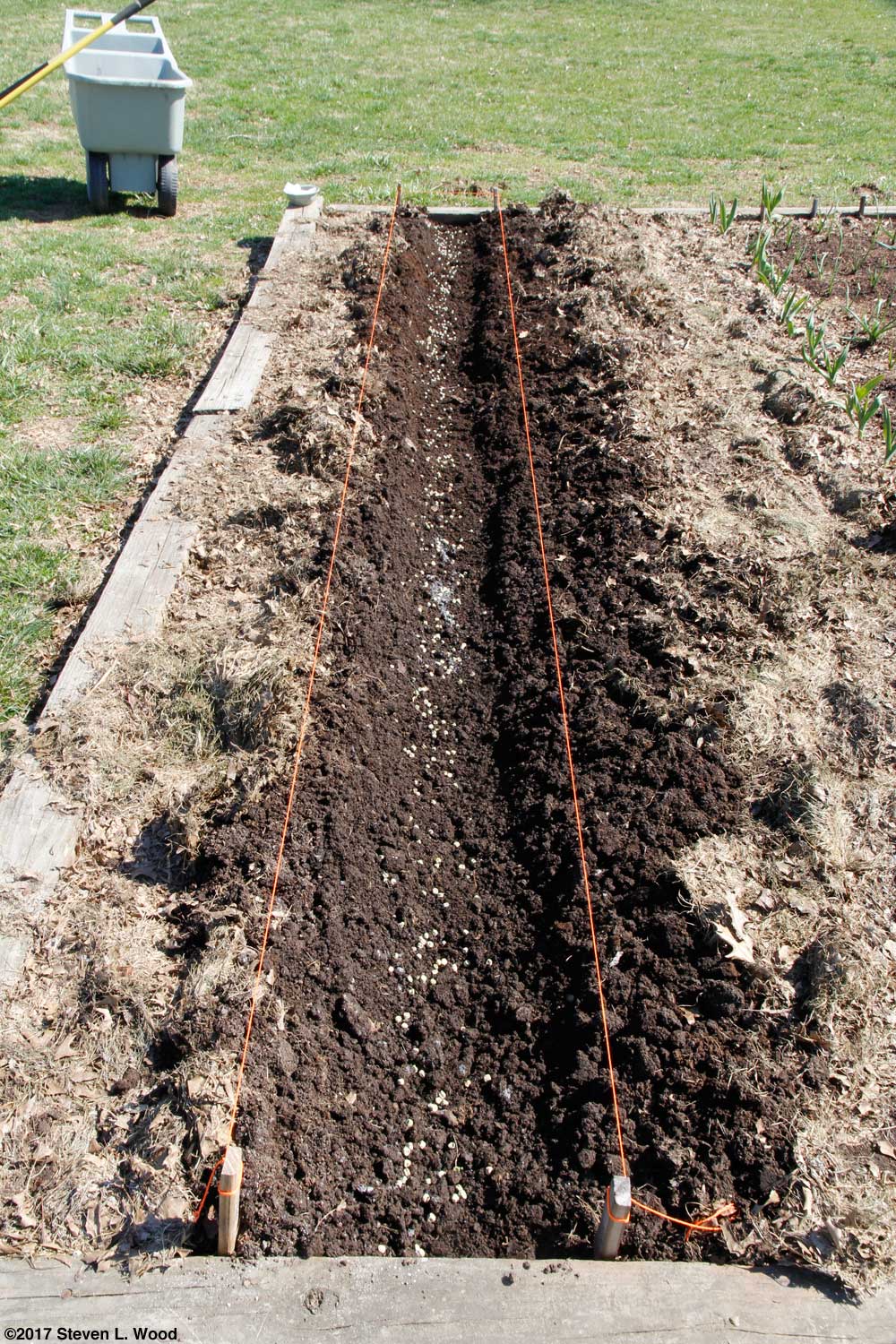
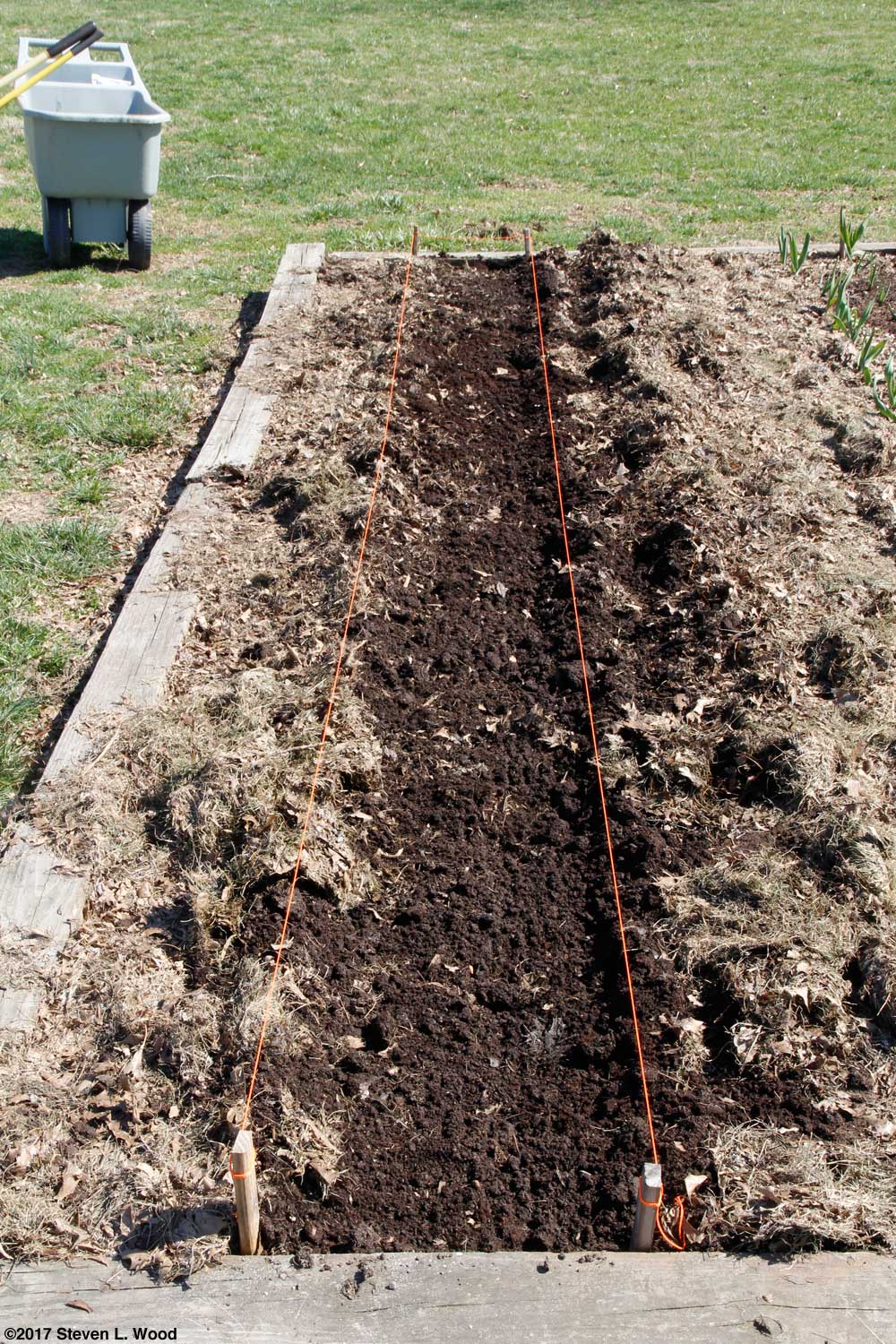
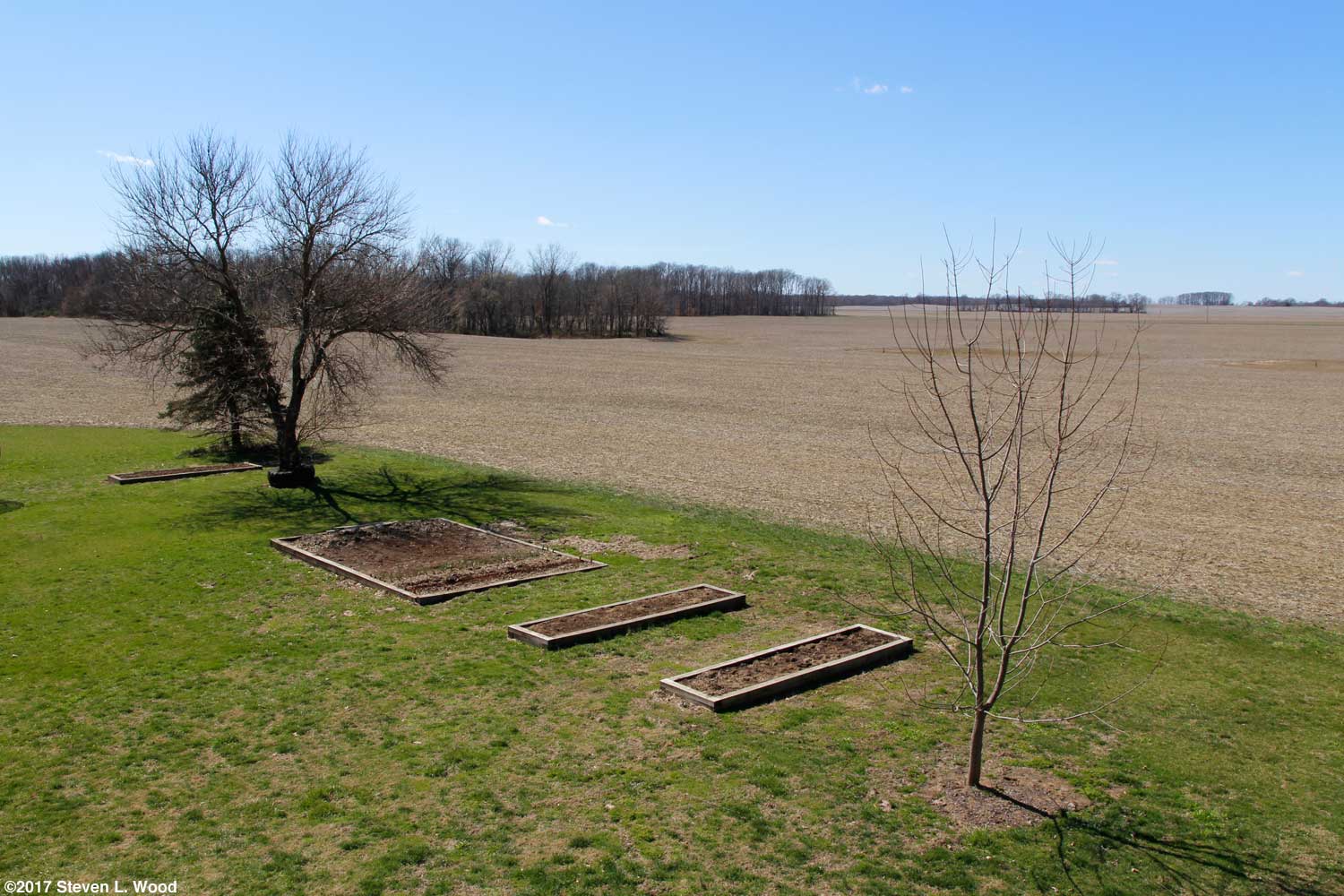
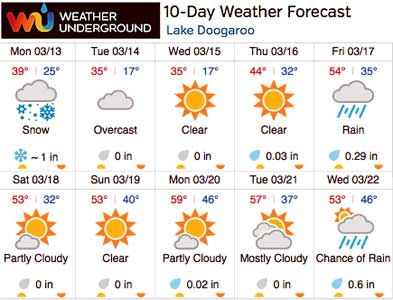
So far, March has been predictably unpredictable. After weeks of warm weather in February, we're just coming off a cold snap that delayed several gardening jobs. But today started out clear and sunny with the temperature steadily climbing. Looking at our extended weather forecast, there seems to be no cause to delay any longer. Planting Peas March 4 isn't the earliest we've planted peas here at our Senior Garden, but it's close. We start our tall, early peas as early as possible, well, because we can. There's always an itch to get started gardening outside each year, and planting our early peas seems to scratch that itch a bit without too much risk of a lost crop. The early start also means an early harvest in late May and early June. The area for these peas was rototilled, limed, and fertilized last fall. It spent the winter under the cover of a grass clipping and leaf mulch, which I pulled back to reveal the pea row last Sunday. I started the planting today by checking the soil pH of the row with our old electronic soil pH test meter. One end of the row was at an ideal 6.9, while the other end registered at 6.4, requiring just a touch of lime.
I used both a hoe and rake to open a six inch wide trench about two inches deep for the peas. Then I hoed in the lime, a touch of 12-12-12 fertilizer, and some granular soil inoculant. With this early of a planting, I wet my seed and stirred it around in a slurry of Captan fungicide before sprinkling it liberally down the row. Note that I wore latex gloves while working with the captan treated seed. Then I raked a inch or two of soil back over the pea seed. I used the rake to tamp the soil down in the row to ensure good seed to soil contact. Depending on the weather, the pea seed should germinate in a week or two. Then it will be time to drive some T-posts and erect a double trellis around the pea row. When I was done, I returned all of my gardening toys to our garage, as I probably won't be doing any more planting until we transplant our brassicas in early April.
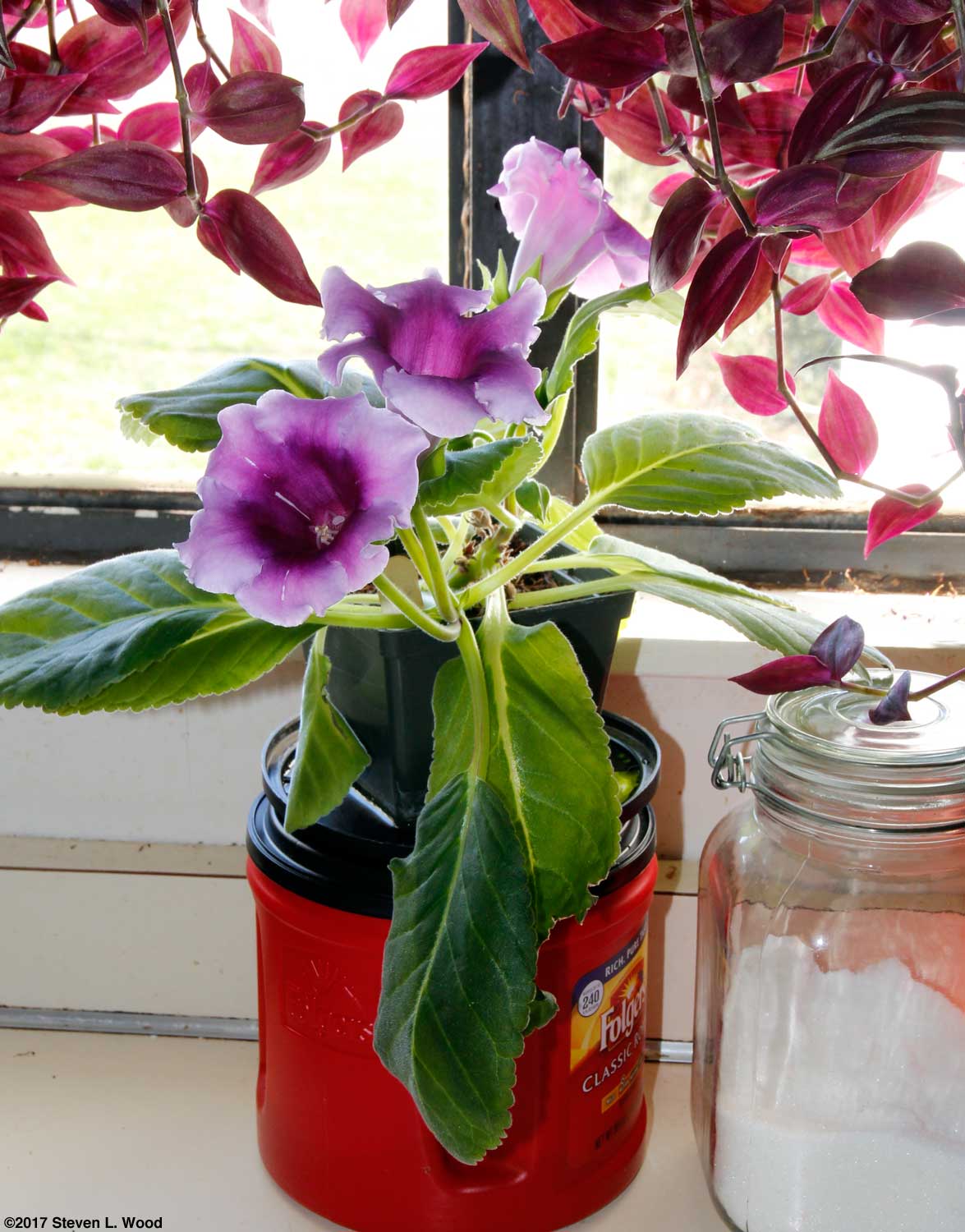
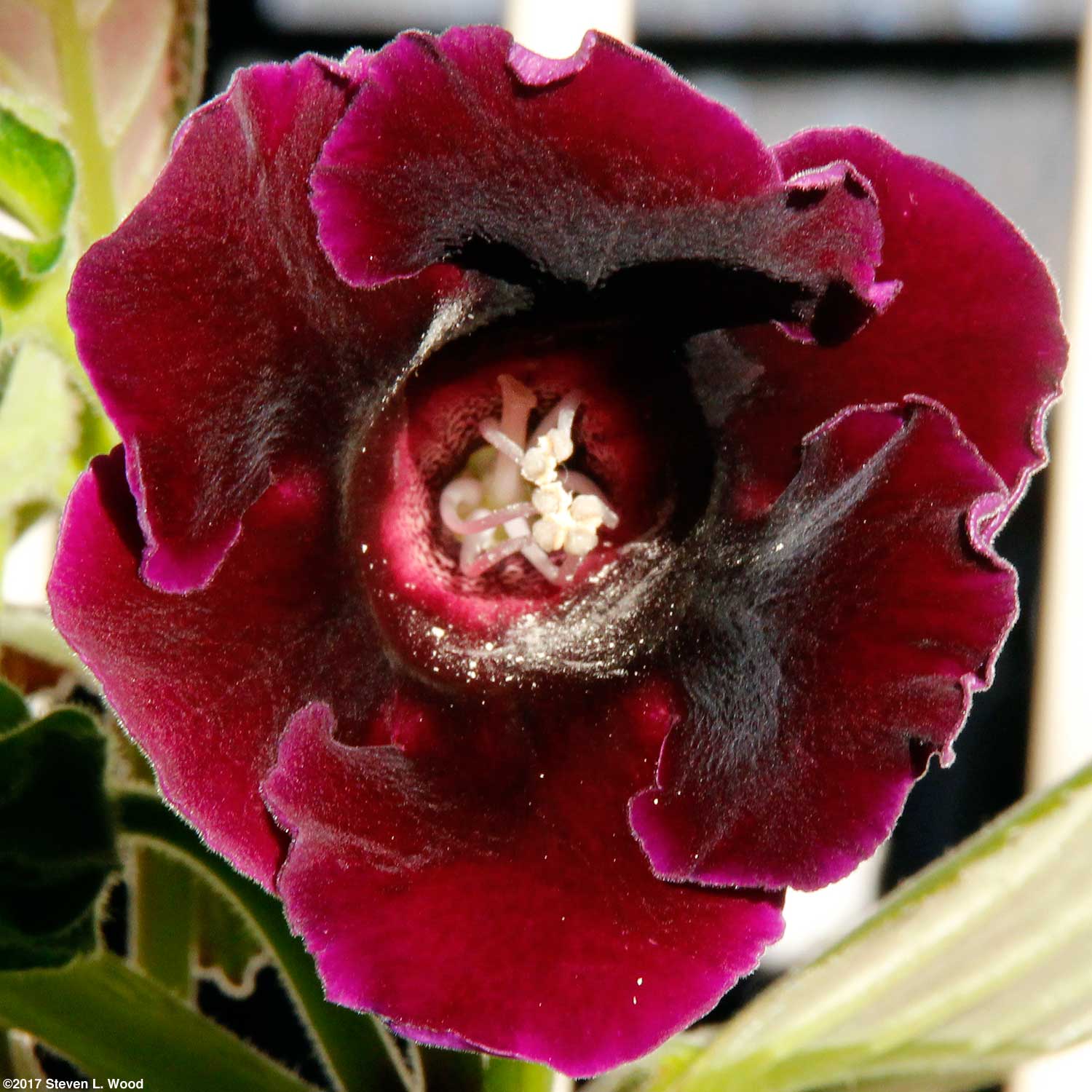
Also indoors, we have a lovely, lavender gloxinia in bloom. Most of our gloxinias are now going through their required, annual period of dormancy. But several plants that hadn't bloomed last winter are finally putting on some buds. Possibly a Helpful Link: Another Garden Delicacy: Homegrown Peas - How we grow our peas
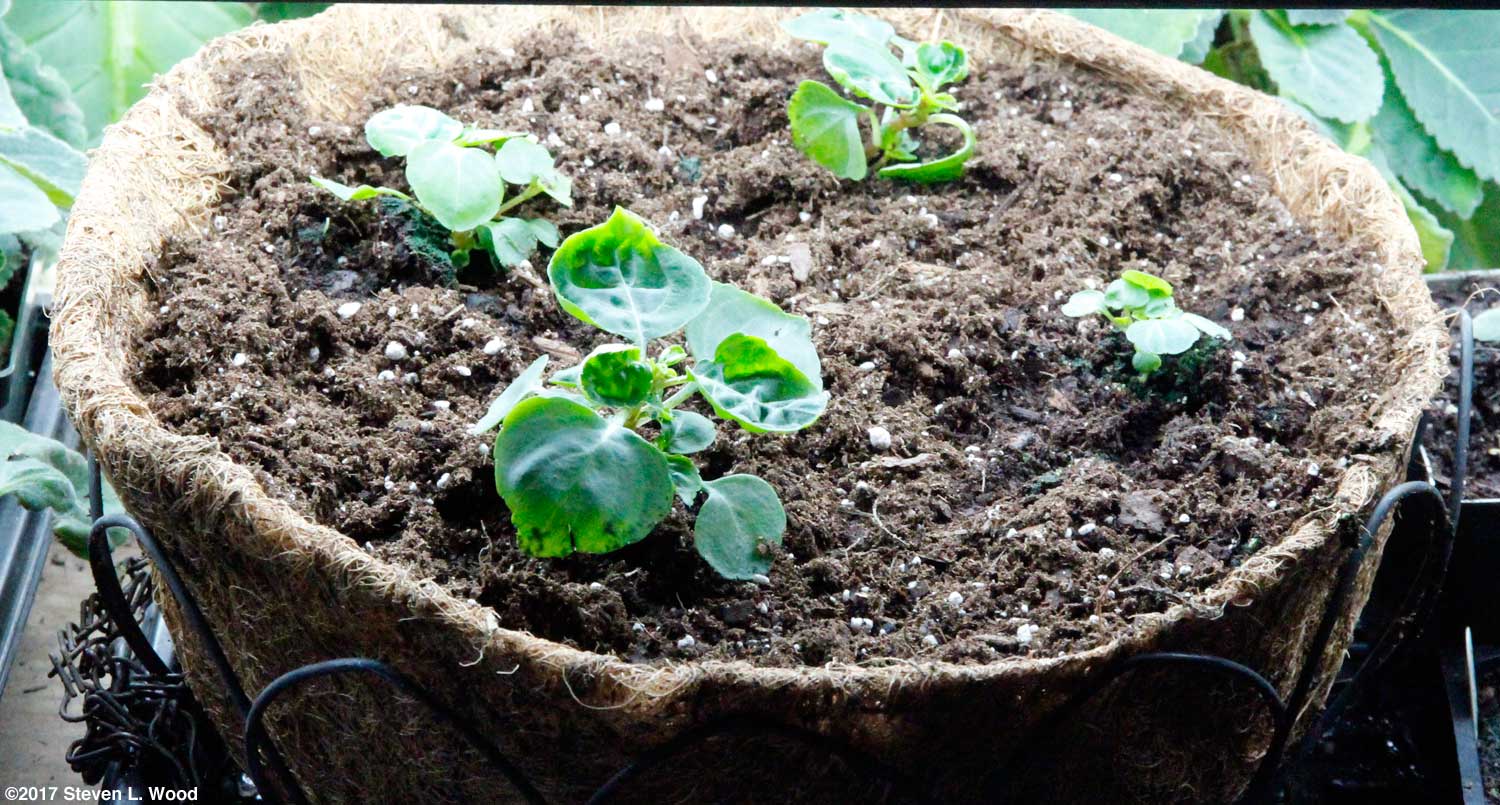
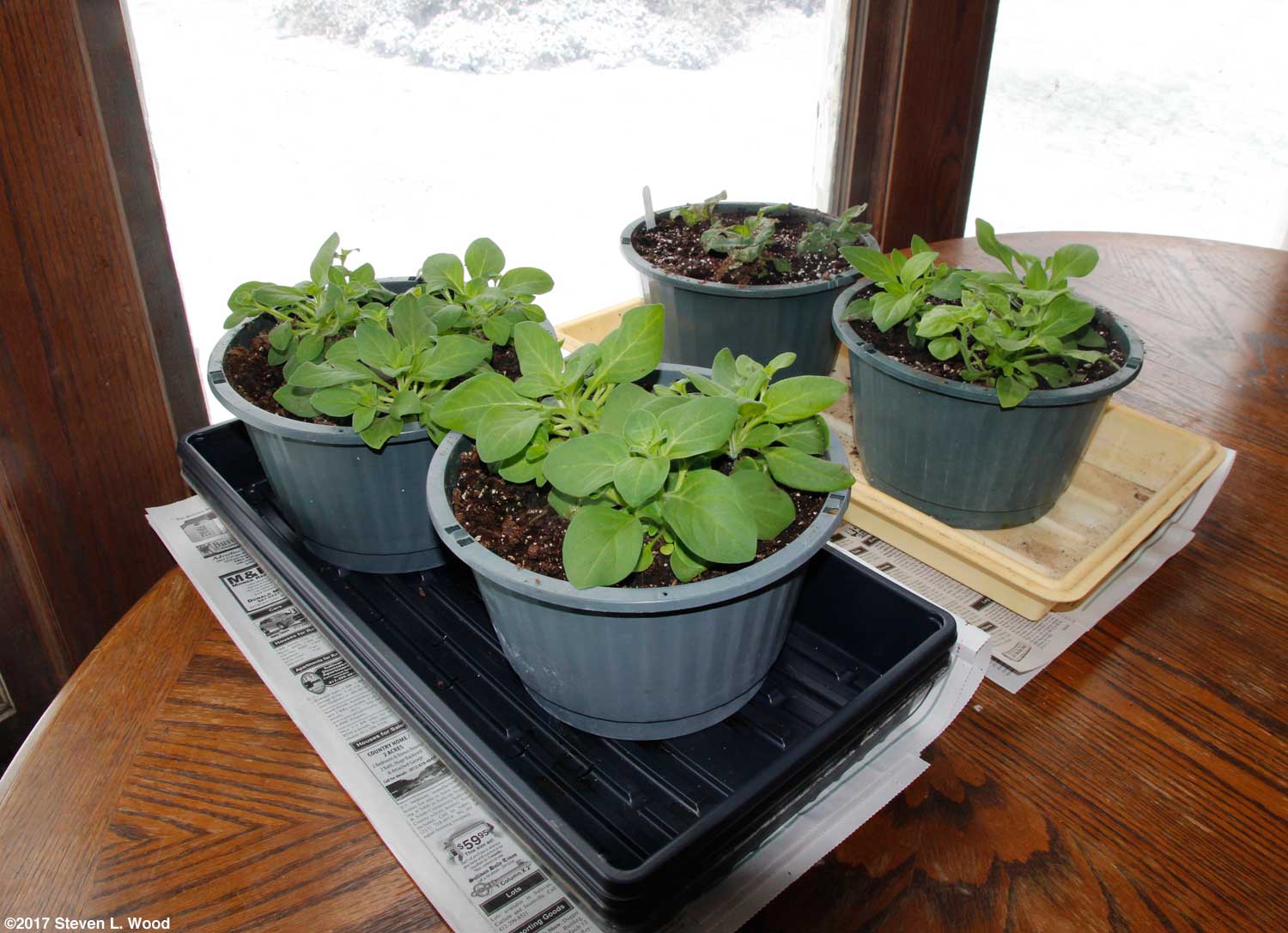
When transplanting some geraniums yesterday, I was surprised at how big our trailing petunias have gotten. So today, I moved the petunias, three to a pot, to ten inch hanging basket pots. In a couple of weeks I'll attach the hanging wires to the pots and begin giving the plants some outdoor time hanging from our back porch. Hanging baskets are easy to bring back inside on frosty nights. I also moved our next bunch of petunias off the soil heating mat, making room to start more plants there. Starting Lettuce
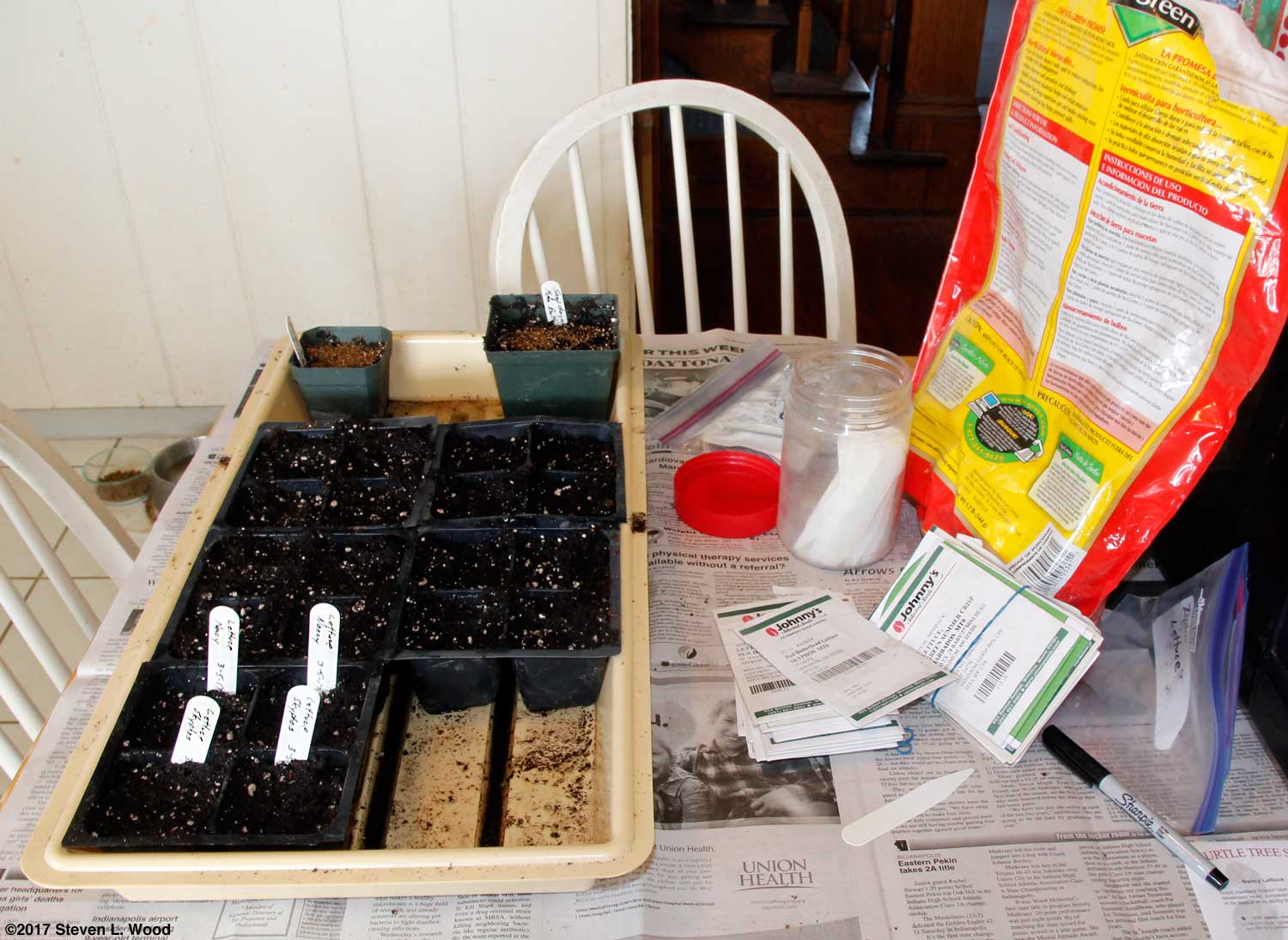
Since lettuce seed keeps well in the freezer, I always have a good selection of lettuce varieties to choose from. While some of our seed is getting pretty old, I seed heavy and then thin to what I need. We also economize by buying loose lettuce seed, rather than the more expensive pelletized seed (that doesn't keep as well). For today's planting, I had to cheat a bit on sterilized potting mix. I filled several fourpack inserts with sterile mix, but had to fall back on some unsterilized Pro Mix. Pro Mix is generally considered to be a sterile mix, but our bale sat open outside last summer, so I've been playing it safe and either sterilizing it in the oven or pouring boiling water over it before seeding.
The iceberg lettuce I seeded today is sort of special. I used to get my Crispino seed from Johnny's Selected Seeds, but let a plant go to seed two years ago. While the germination rate of the saved seed is pretty poor, I have lots of the saved seed to use. The Sun Devil seed is really, really old (2005). I like the variety that once was supposed to be PVP protected, but the patent application was dropped. But when I've tried to save Sun Devil seed, the plants always seem to rot instead of bolting and producing seed! I guess that may be part of the variety's heat resistant heritage. The lettuce went into a tray covered with a clear humidome under our plant lights. I set the thermostat for the soil heating mat under the tray to just 71° F. Lettuce doesn't appreciate much bottom heat and will germinate at considerably cooler temperatures. While I was seeding, I re-seeded our pot of rosemary that hadn't germinated. The rosemary in our raised herb bed doesn't appear to have survived the winter. Of course, the pots of thyme and oregano I seeded last month germinated well since our thyme and oregano in the raised bed are greening up nicely. I also started a communal pot of Madame Butterfly snapdragons. I love to mix snaps in along our plantings of peas and vining cucumbers. Once the pea and cucumber vines are off the trellises, the snapdragons come on for a beautiful display of fall blooms.
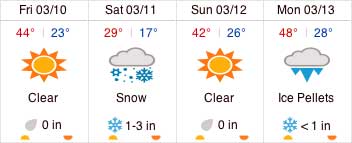
The extended weather forecast calls for more precipitation this weekend, only in the form of snow and/or freezing rain! Given my druthers, I'd opt for snow every time, as freezing rain can bring down power lines.
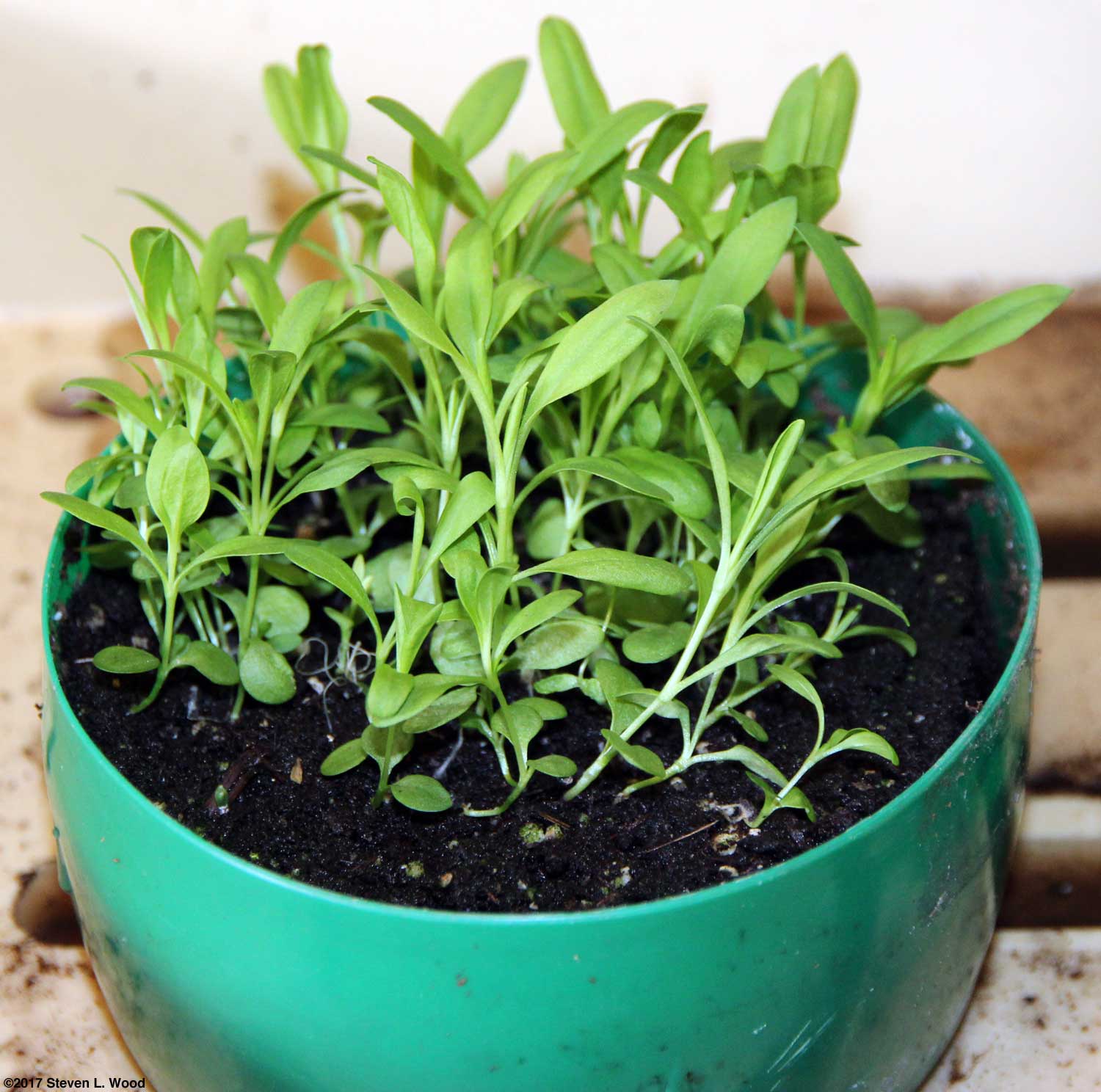
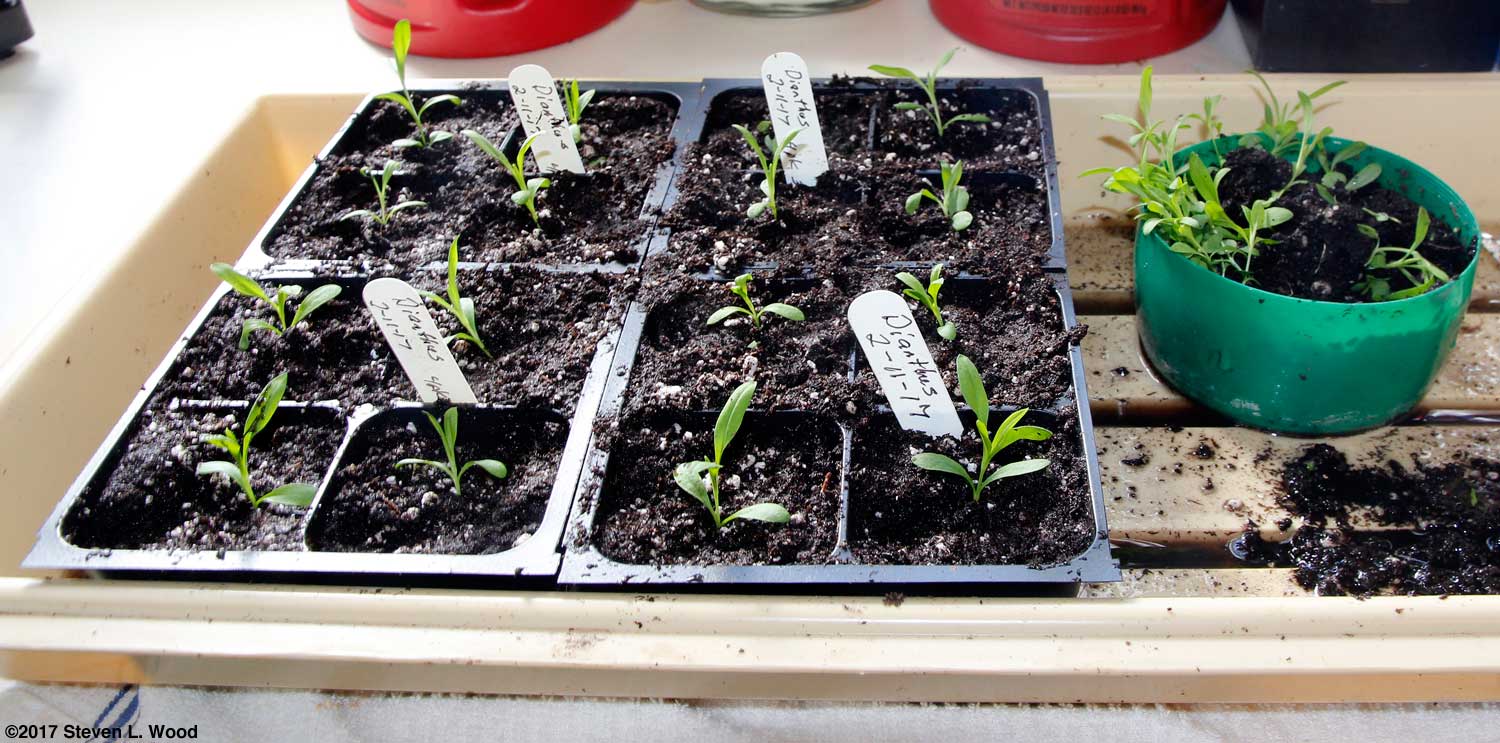
The actual transplanting was just a matter of moving the plants from their communal pot to individual fourpack insert cells. I use a very old, very dull paring knife to lift the plants from their communal pot and tease them apart. Then I just poke a hole in the moistened soil in the insert cell and pop in the dianthus plant...often a tad deeper than it grew in the communal pot.
I noticed this afternoon that some of the lettuce I seeded on Sunday is already beginning to germinate.
Friday, March 10, 2017 - First Tomatoes and Peppers
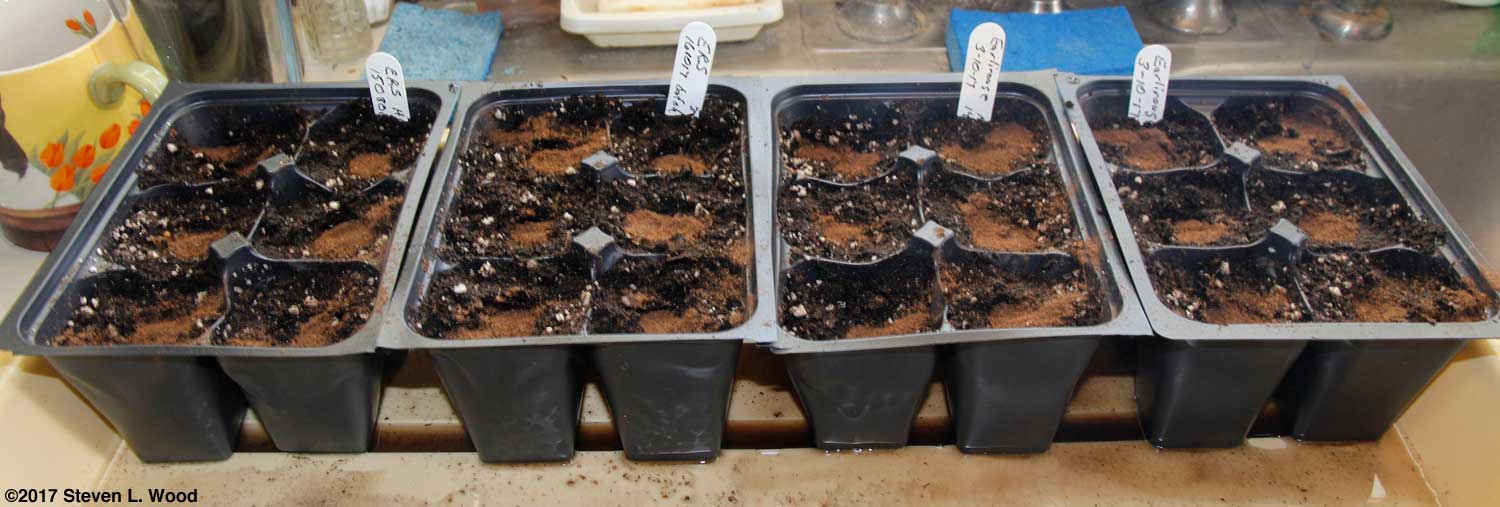
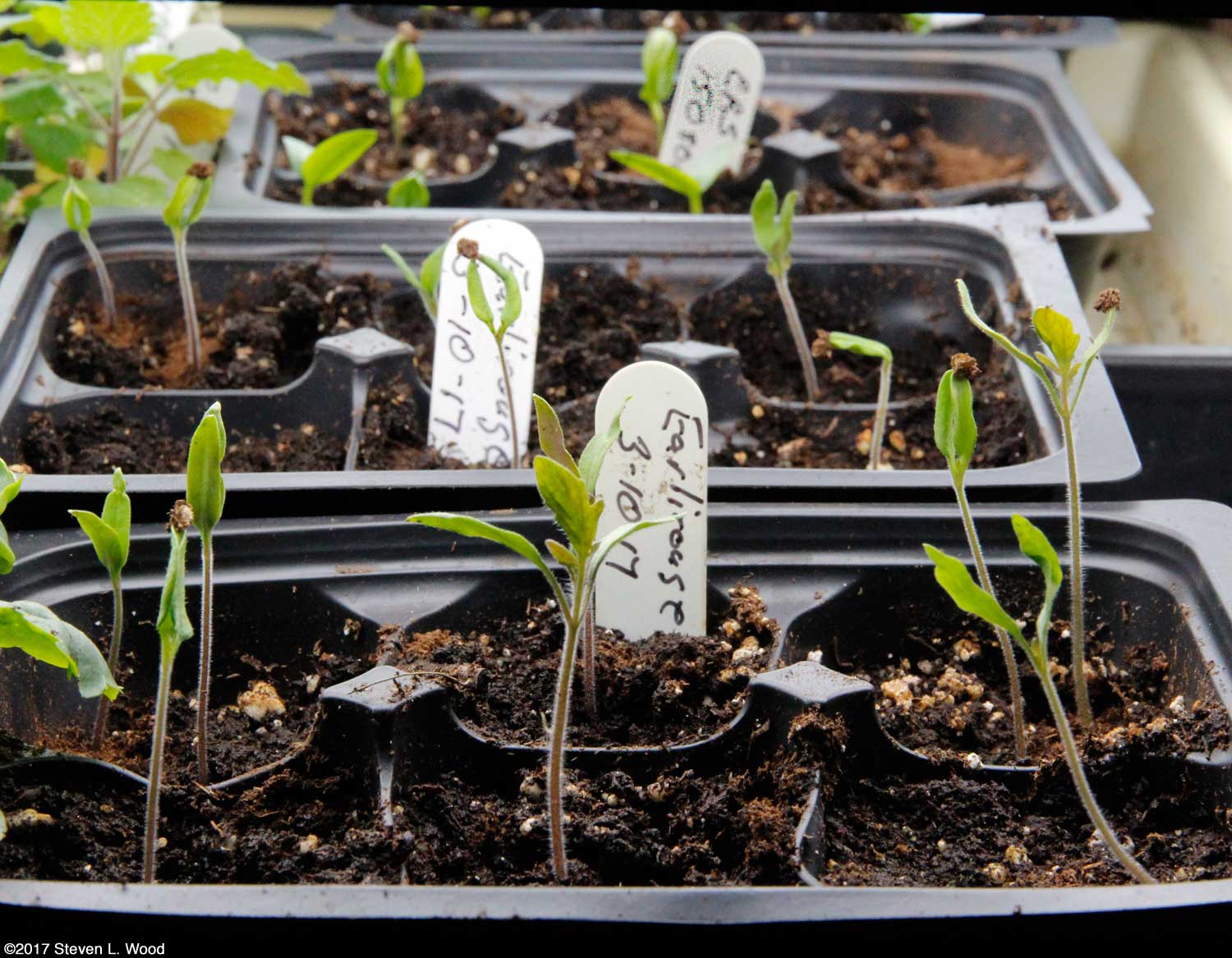
We start all of our tomatoes and peppers from seed, growing our own transplants to save a bit of money, but more to have the varieties we like. There's absolutely nothing wrong, though, with buying transplants from a local garden center that stocks the varieties you like. Just be sure the plants look healthy and aren't too big. I now start our tomato and pepper plants in something called deep inserts. Inserts are those plastic containers, usually with four to six cells each, that fit in a standard seed flat for producing all sorts of transplants. We switched to deep inserts over the cheaper, shallower ones a few years ago because they give our tomato and pepper plants more room to put on healthy roots, important for those times when transplanting gets delayed. I fill the inserts with sterile potting mix. Since our mix contains a good bit of peat moss which doesn't readily absorb cold water, I water the soil before seeding with very warm water, letting the soil cool a good bit before seeding. Then I make a very shallow indentation in the soil in the center of each cell with my finger and drop in a seed. I cover the seed with an eighth to a quarter of an inch of milled sphagnum peat moss, as tomatoes and peppers germinate best in total darkness. Covering the seeds with potting mix would also work, but I had some peat moss I'd ground on hand. I usually add a few extra seeds at the corners of the cells, as we rarely get 100% germination from any seed.
Since blight took our Earlirouge tomatoes last season, I fell back to using seed saved in 2014 and 2015 for the planting. While our Earliest Red Sweet peppers did great last year, I used seed saved from last season and from 2015 for that planting. The seeded inserts go to a relatively warm spot to germinate. For us, that's in a plant tray covered with a clear humidome over a soil heating mat. The thermostat for the heating mat is set at 80° F. The tray is under plant lights so that when the plants emerge, they'll immediately get some light. One really doesn't need a soil heating mat. A warm area of the house, possibly near a forced air register, did the job for us for years. Covering the inserts, pots, or whatever the seed is planted in helps hold in soil moisture. On occasion when starting seed of known poor germination rates, I'll seed a four inch pot with lots of seed, later transplanting what emerges into individual cells or pots. One time when I did this, it was with some tomato seed I'd had in the freezer and not grown out for twenty-five years. The seed germinated well, surprising me, but also making for some tricky transplanting later on. Note that I've had much younger tomato and pepper seed similarly stored turn out to be well and truly dead. (Sometimes you're the windshield. Sometimes you're the bug.
Monday, March 13, 2017 - Light Snow
We get to a point each March where there seems to be no more room available in our house for the transplants we grow. We began moving plants to our sunroom in February and moved on to putting some of the larger plants on our dining room table this month. Until the weather breaks enough that we can begin using our cold frame to protect and harden off transplants outside, things are going to be a bit crowded.
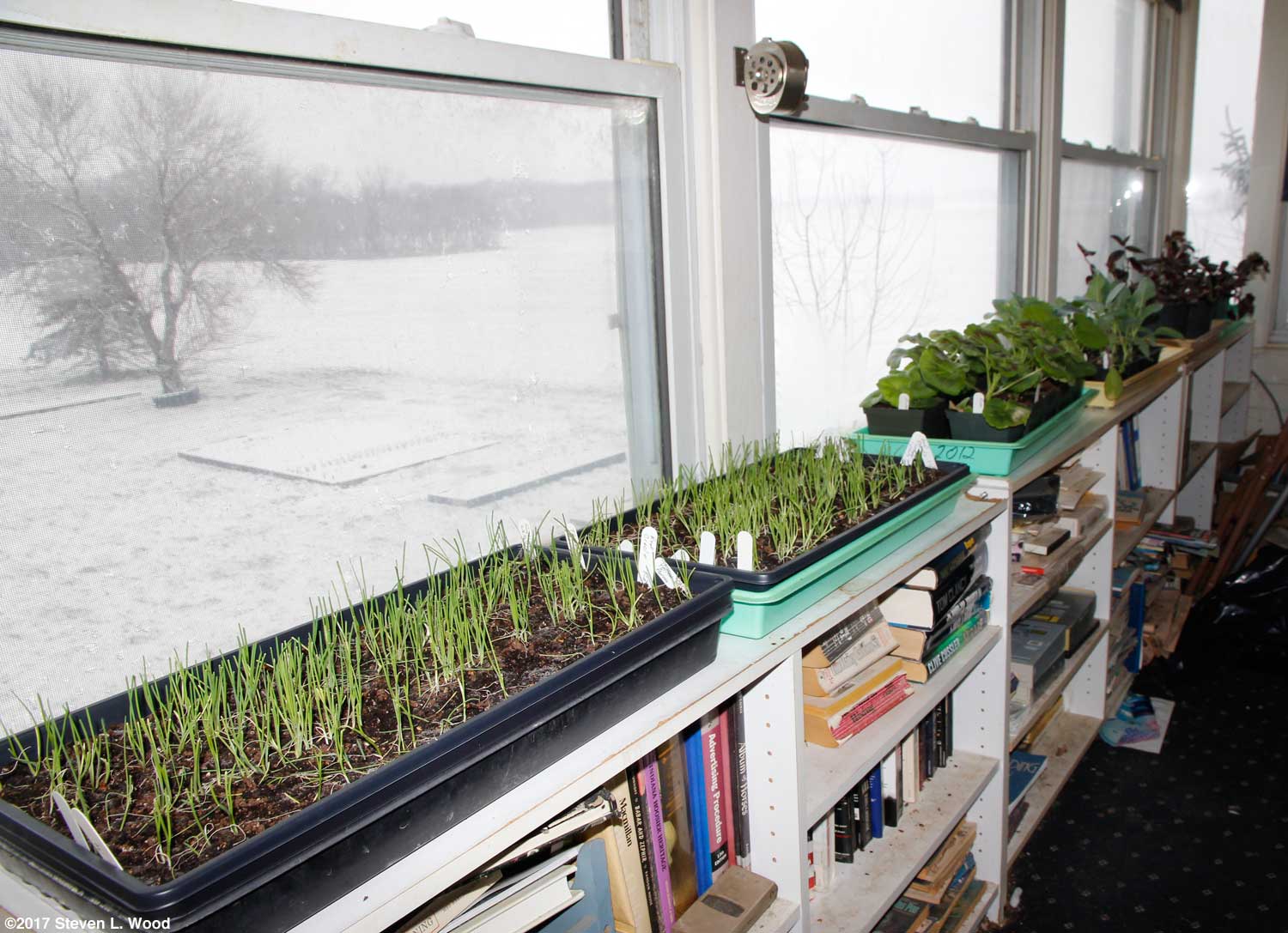
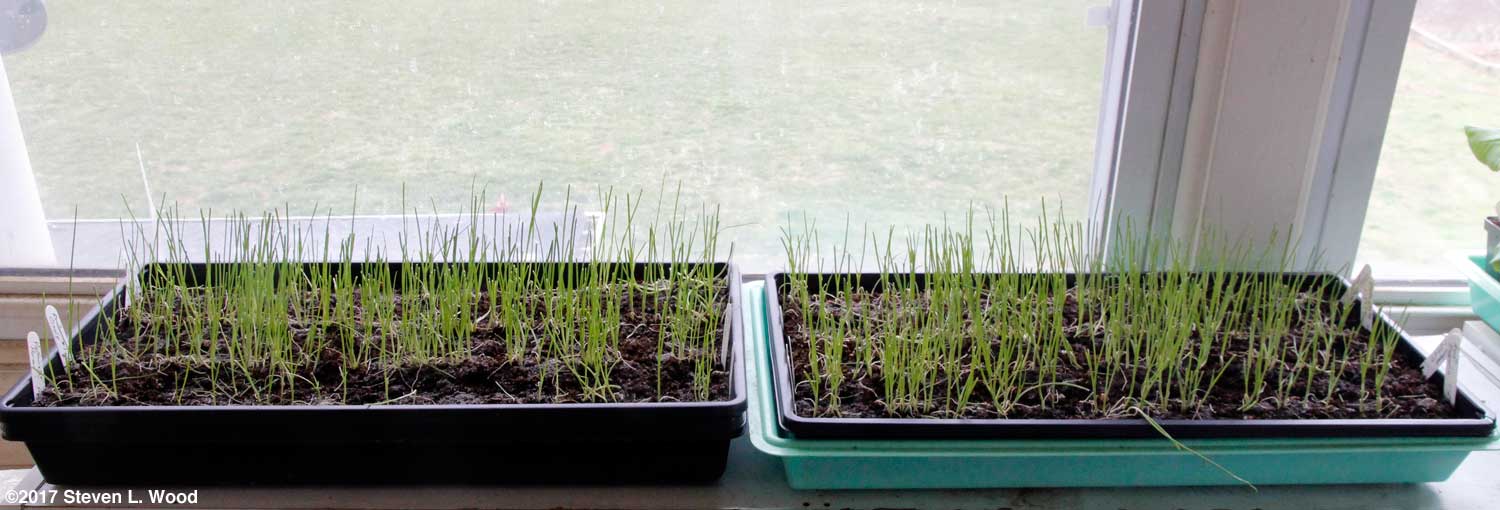
My generous seeding of lettuce last week cost me some time today. I had to thin the lettuce to one plant per insert cell, as some cells had six or eight seeds that germinated in them. Our two trays of onions got another haircut and went to the sunroom, joining the geraniums, broccoli, cauliflower, and wandering jew plants that were already there. The petunias in hanging baskets that had been in the sunroom got moved to our dining room table by our bay windows. They'll begin spending warm days hanging from hooks around the back porch when the weather permits, coming back inside at night as needed.
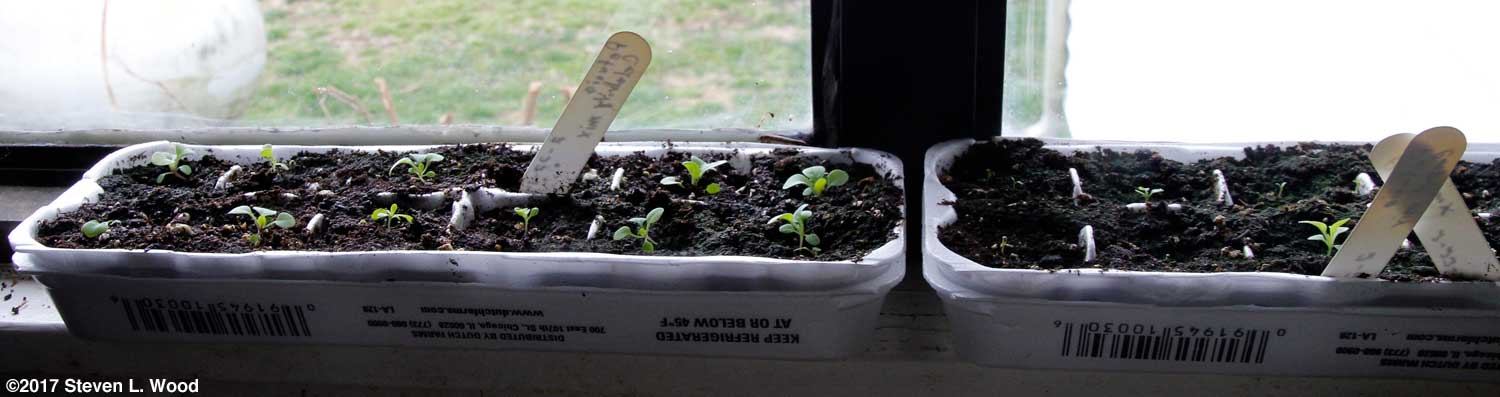
Our second bunch of egg carton petunias are just getting going on our kitchen windowsill. There actually is a bit of open space now under our plant lights and on our dining room table, but those areas will quickly be filled when we make our second planting of tomatoes and peppers and move some herbs from communal pots to fourpacks. We'll also be starting melons, squash, pumpkins, marigolds, and basil later this month.
Wednesday, March 15, 2017 - Garden Tower Project Spring Giveaway
I've not used a Garden Tower, although I've tried to talk the guys out of one more than once. They have, however, donated lots of the units to schools in and around Bloomington, Indiana, for school gardens. (I know about that one from one of our daughters who lives in Bloomington and has seen the donated units in use.) First prize in the giveaway is a Garden Tower 2 Starter Bundle. Nine second prizes of Garden Tower 2's will also be awarded. Third prize will be 250 folks offered a hundred dollar discount on a Garden Tower 2. Something to Keep Your Eye On New York Times correspondent Danny Hakim wrote in Unsealed Documents Raise Questions on Monsanto Weed Killer yesterday, "Roundup...is Monsanto’s flagship product, and industry-funded research has long found it to be relatively safe. A case in federal court in San Francisco has challenged that conclusion, building on the findings of an international panel that claimed Roundup’s main ingredient might cause cancer." Previously sealed court documents "included Monsanto’s internal emails and email traffic between the company and federal regulators. The records suggested that Monsanto had ghostwritten research that was later attributed to academics and indicated that a senior official at the Environmental Protection Agency had worked to quash a review of Roundup’s main ingredient, glyphosate, that was to have been conducted by the United States Department of Health and Human Services." Hakim, currently serving as the Times' European business correspondent, wrote last year in Doubts About the Promised Bounty of Genetically Modified Crops:
Something Nicer to Look At
I tell all about how to hand pollinate and save seed in Saving Gloxinia Seed. I also have a page of Gloxinia Photos and my Gloxinia blog. Friday, March 17, 2017 - St. Patrick's Day
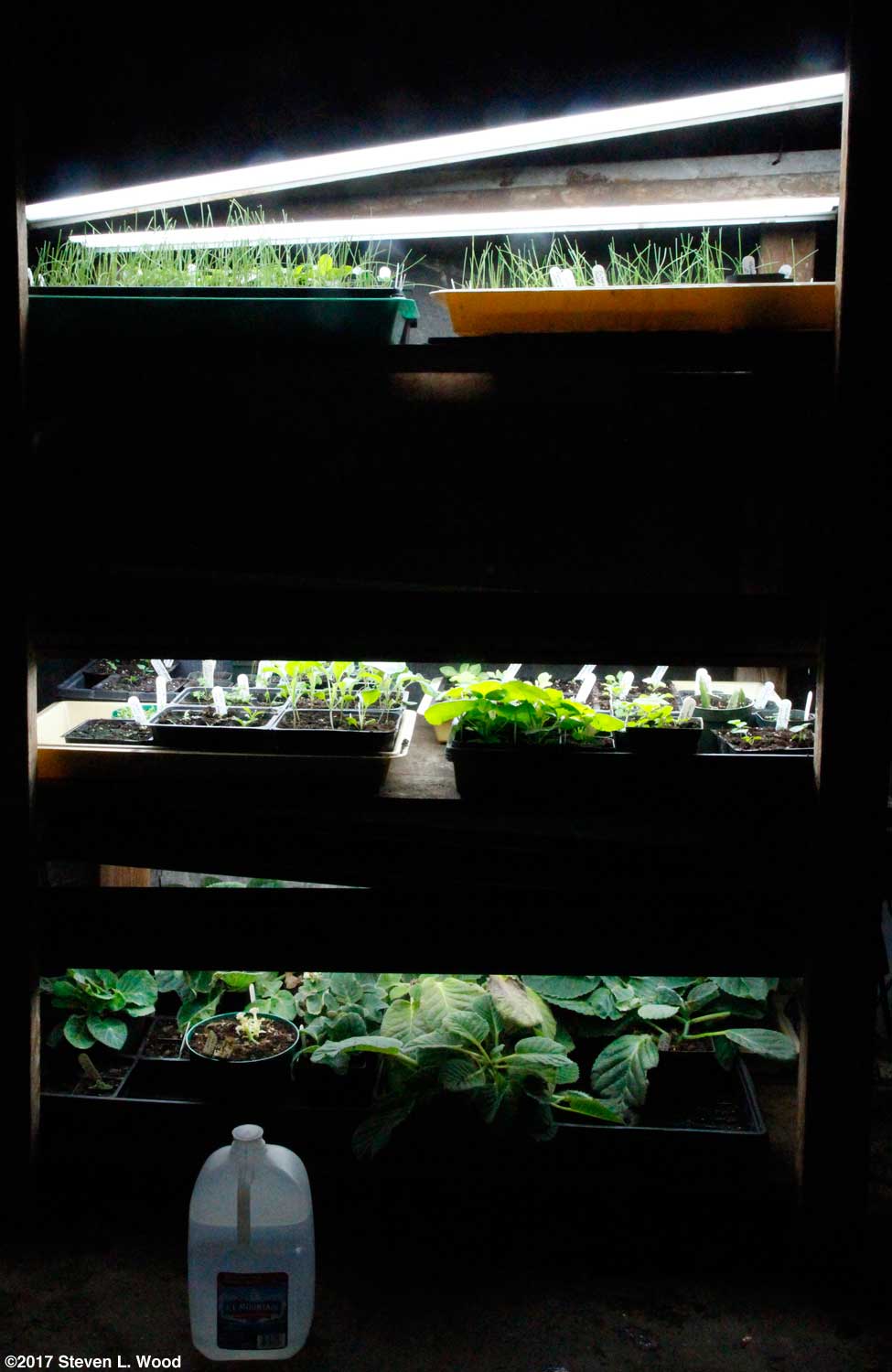
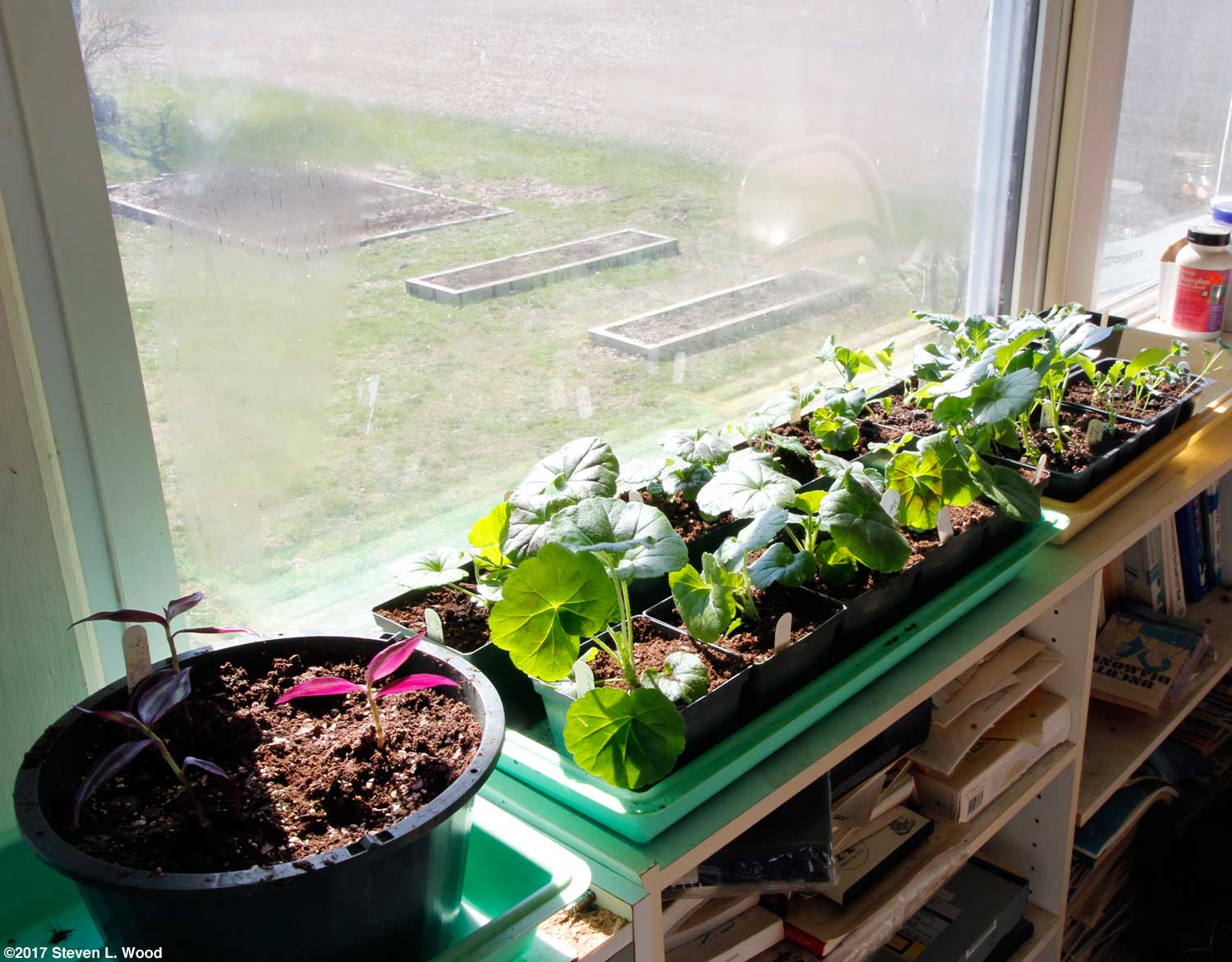
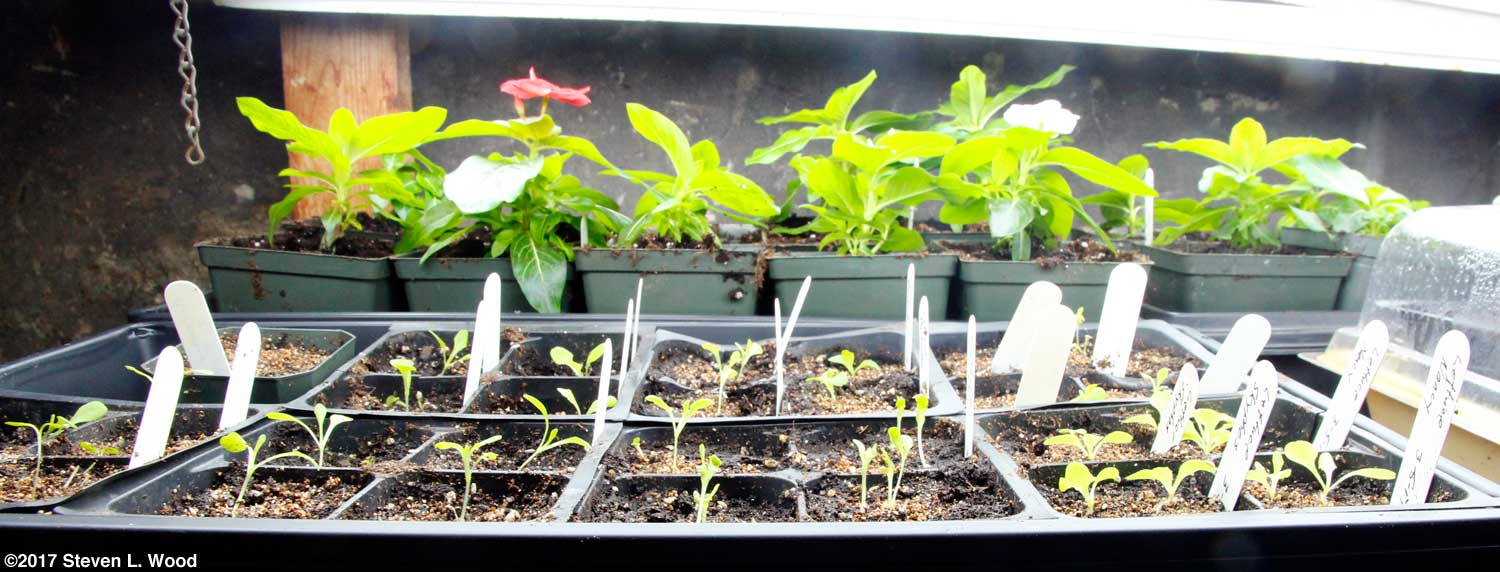
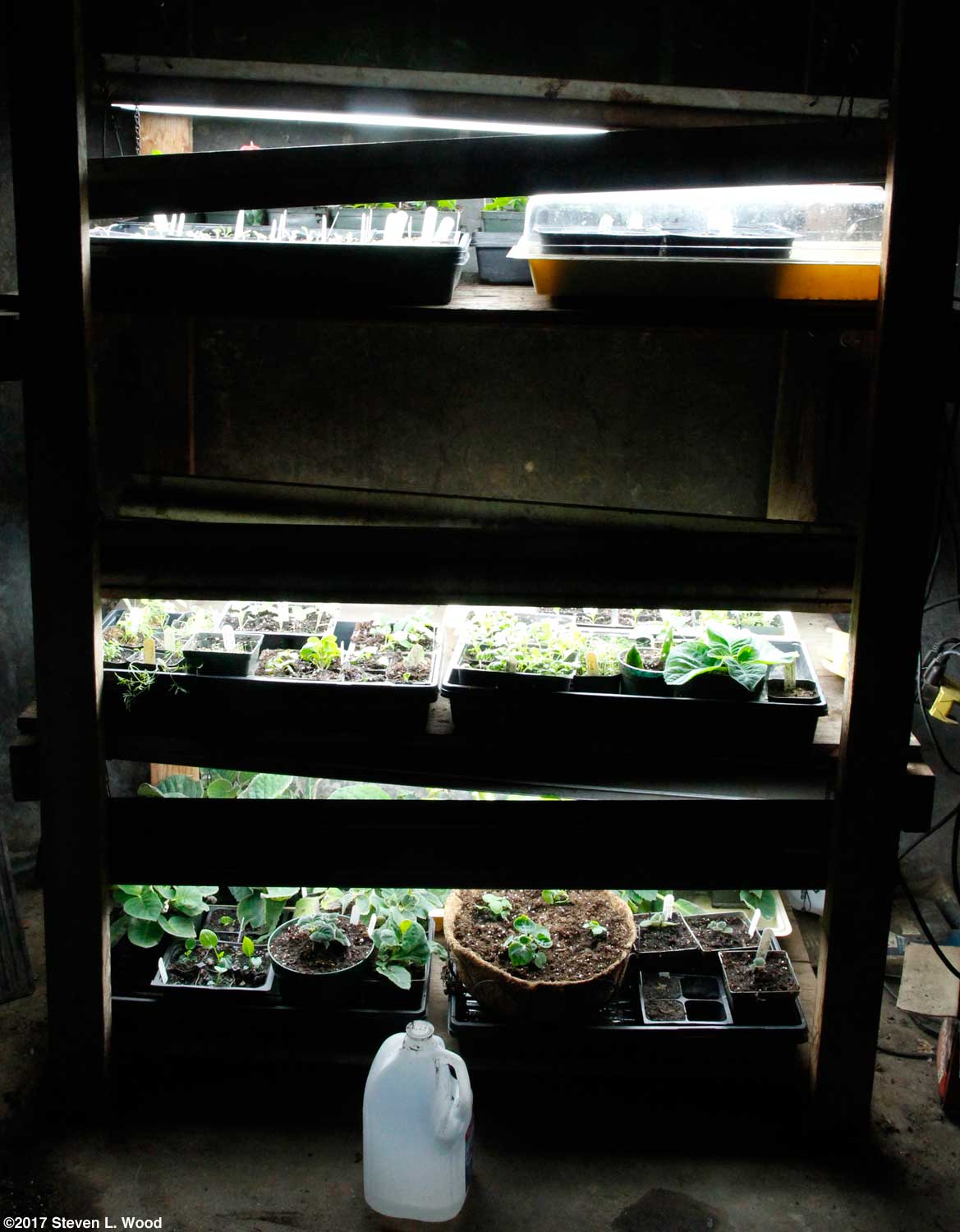
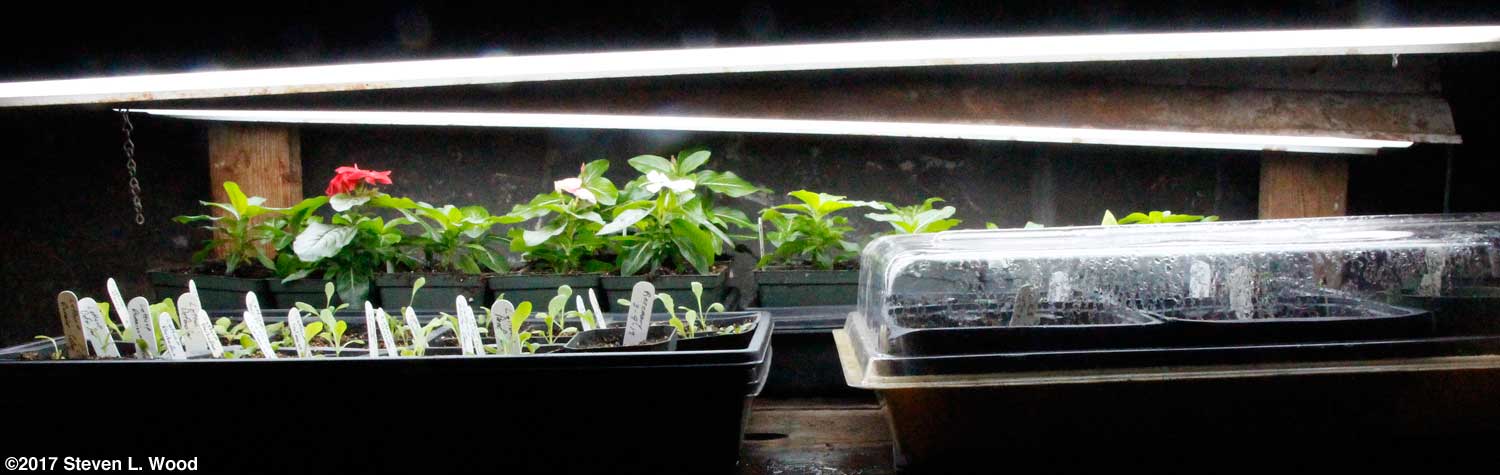
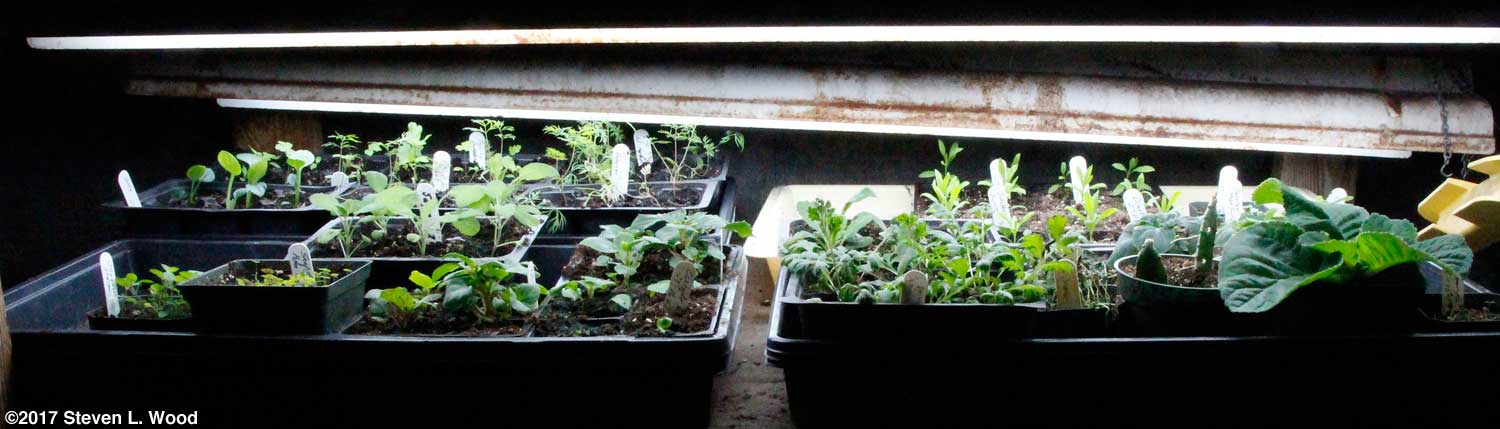
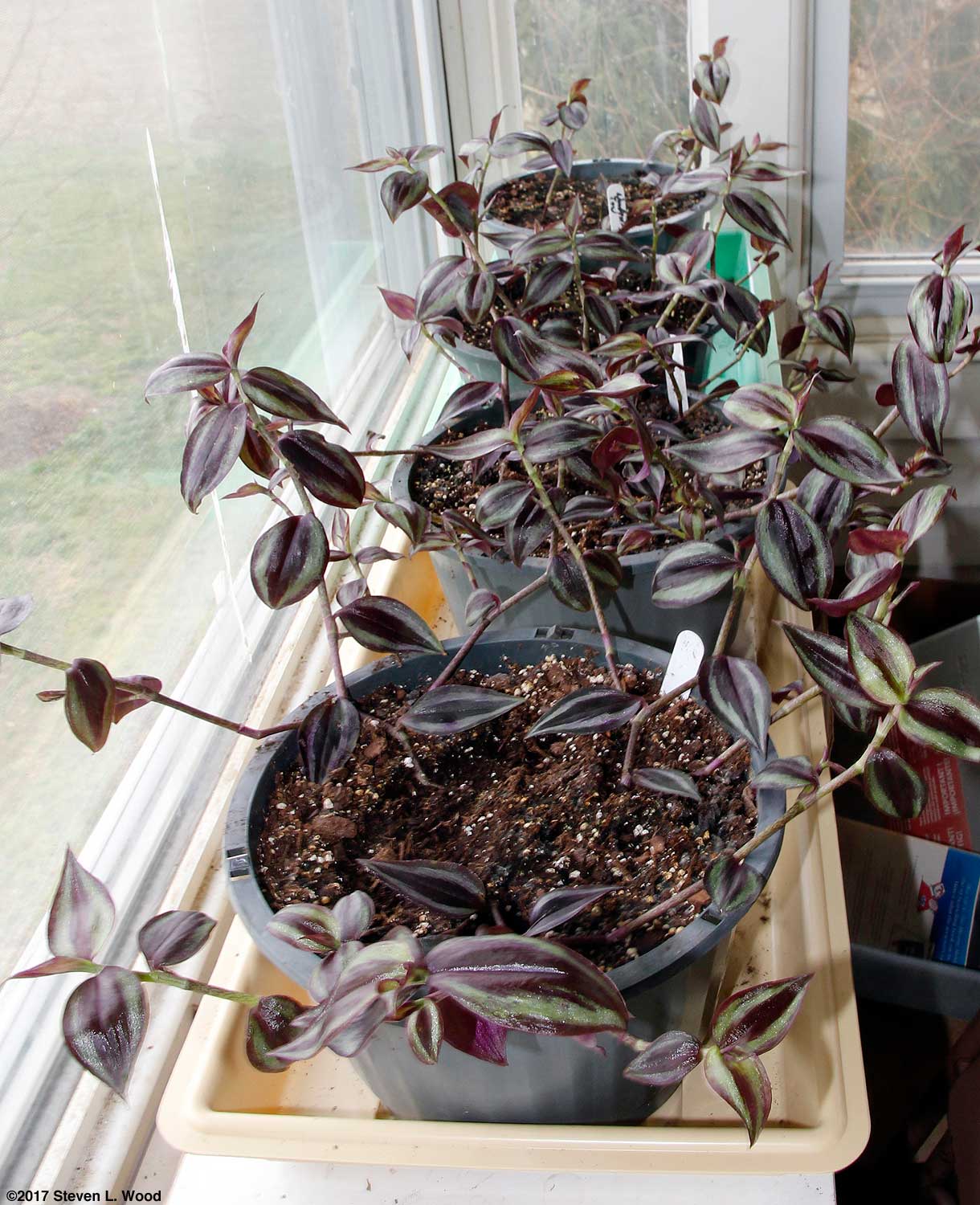
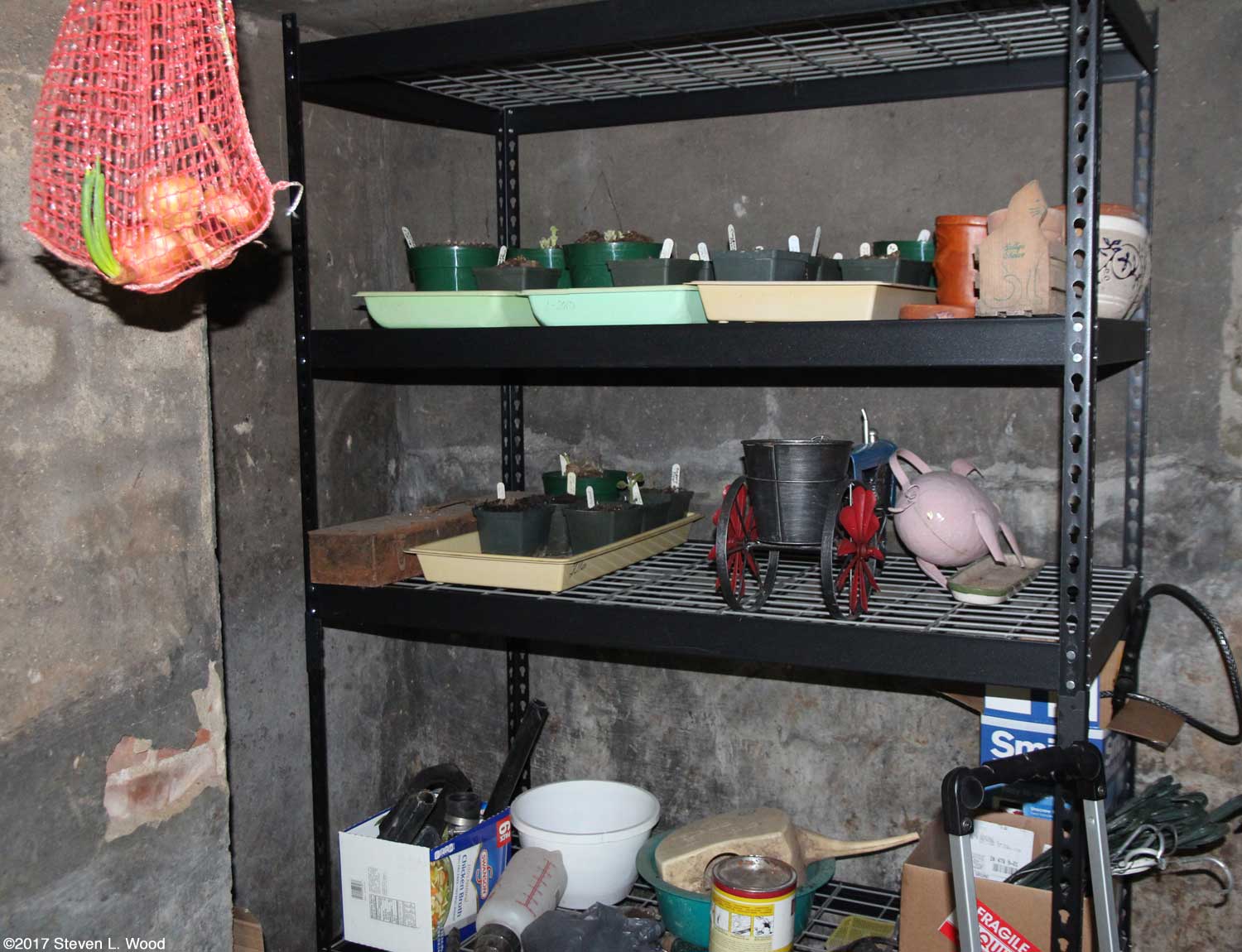
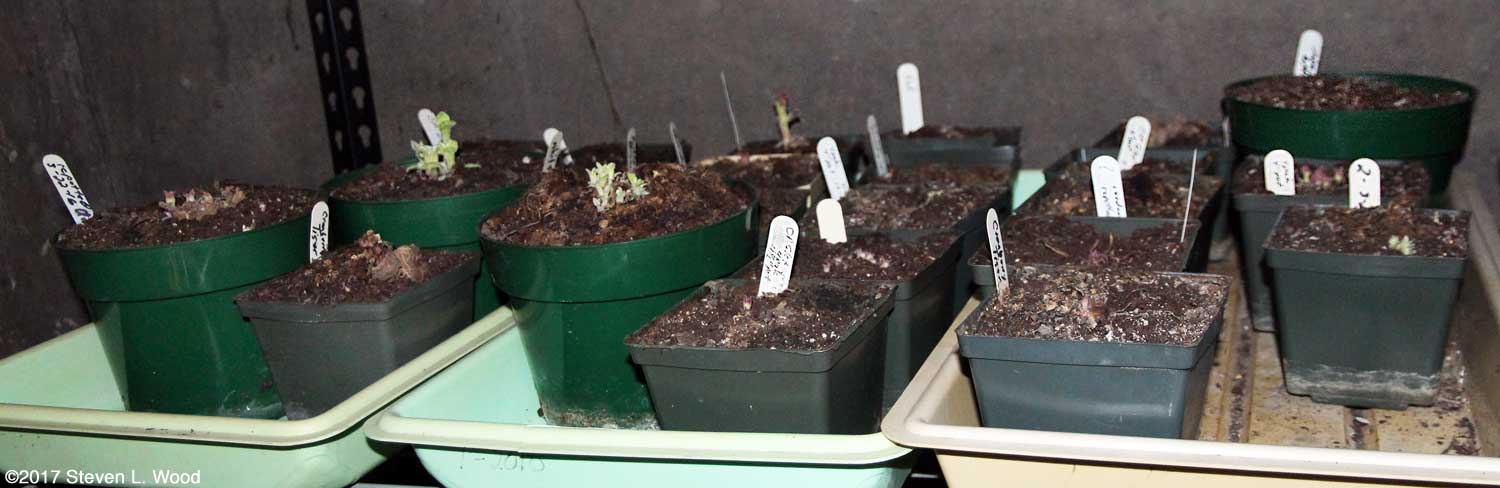
The top shelf of our plant rack has almost two full trays of vincas in four inch pots, a whole flat of lettuce, and a covered, heated flat germinating tomatoes and peppers. I got a bit impatient this morning with the tomatoes and peppers seeded a week ago and started communal pots of each, just in case. When I went back downstairs this evening, I noticed several more plants poking up through the potting mix. The second shelf of our plant rack is filled mostly with flowers and herbs. I have a whole bunch of snapdragons up in a communal pot that need to be moved to individual quarters very soon. Our two trays of onions on a shelf in our sunroom definitely are ready to go outside. The onions need a week or two of strong sunlight to toughen up a bit. And our second round of egg carton petunias are now growing pretty well in a kitchen window. Also in the sunroom are four big pots of Wandering Jew plants. That's way more than we need, but I suspect I'll be able to find good homes for the extras.
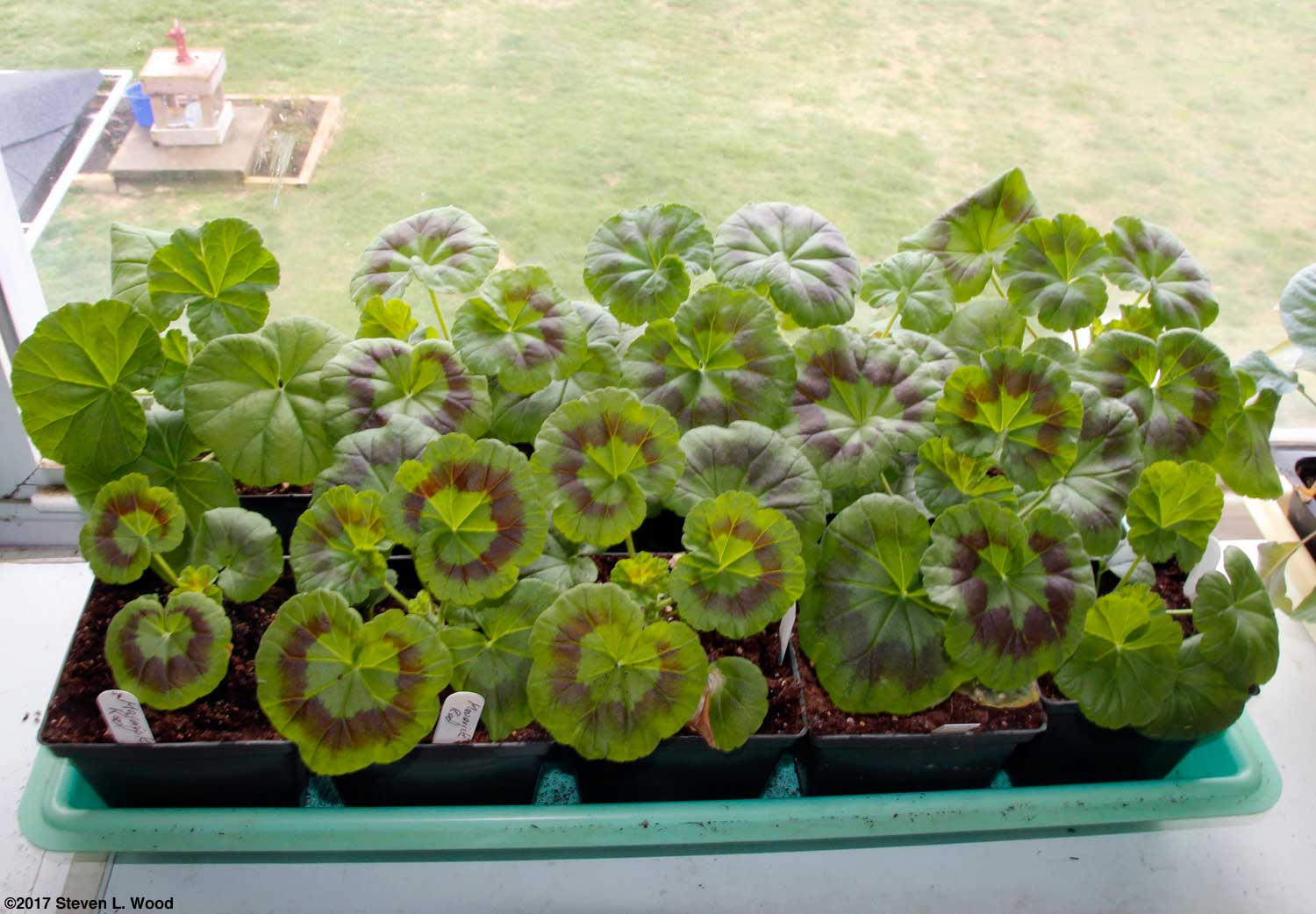
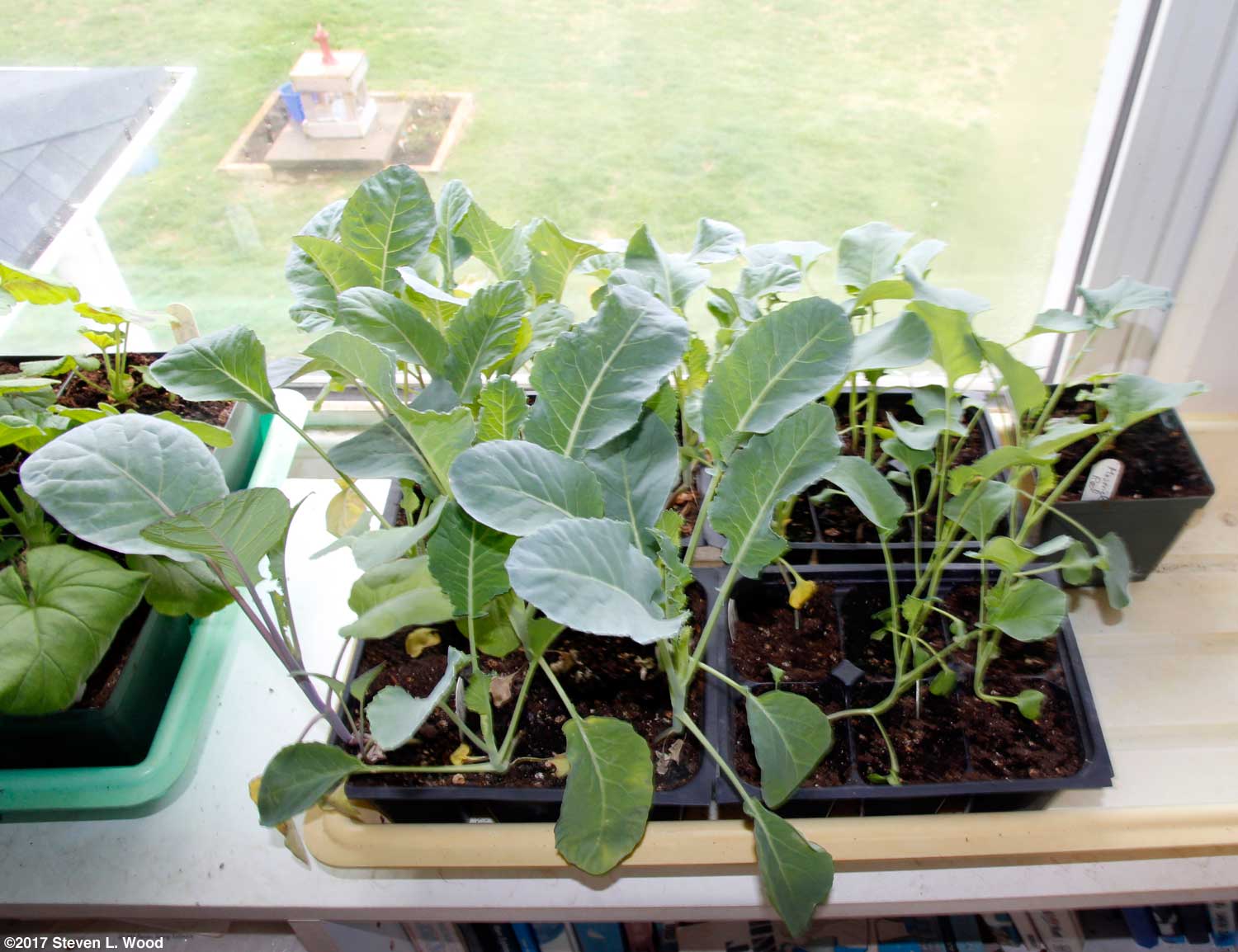
Also ready to head outdoors are our geraniums and brassicas. Our cauliflower plants are considerably larger than our broccoli, reflecting the two week head start I gave the cauliflower. We'll see if the early start helps the longer season cauliflower mature about the same time as the broccoli. I used a bit larger images above, as our shallow well pump and new, raised herb garden show out the window.
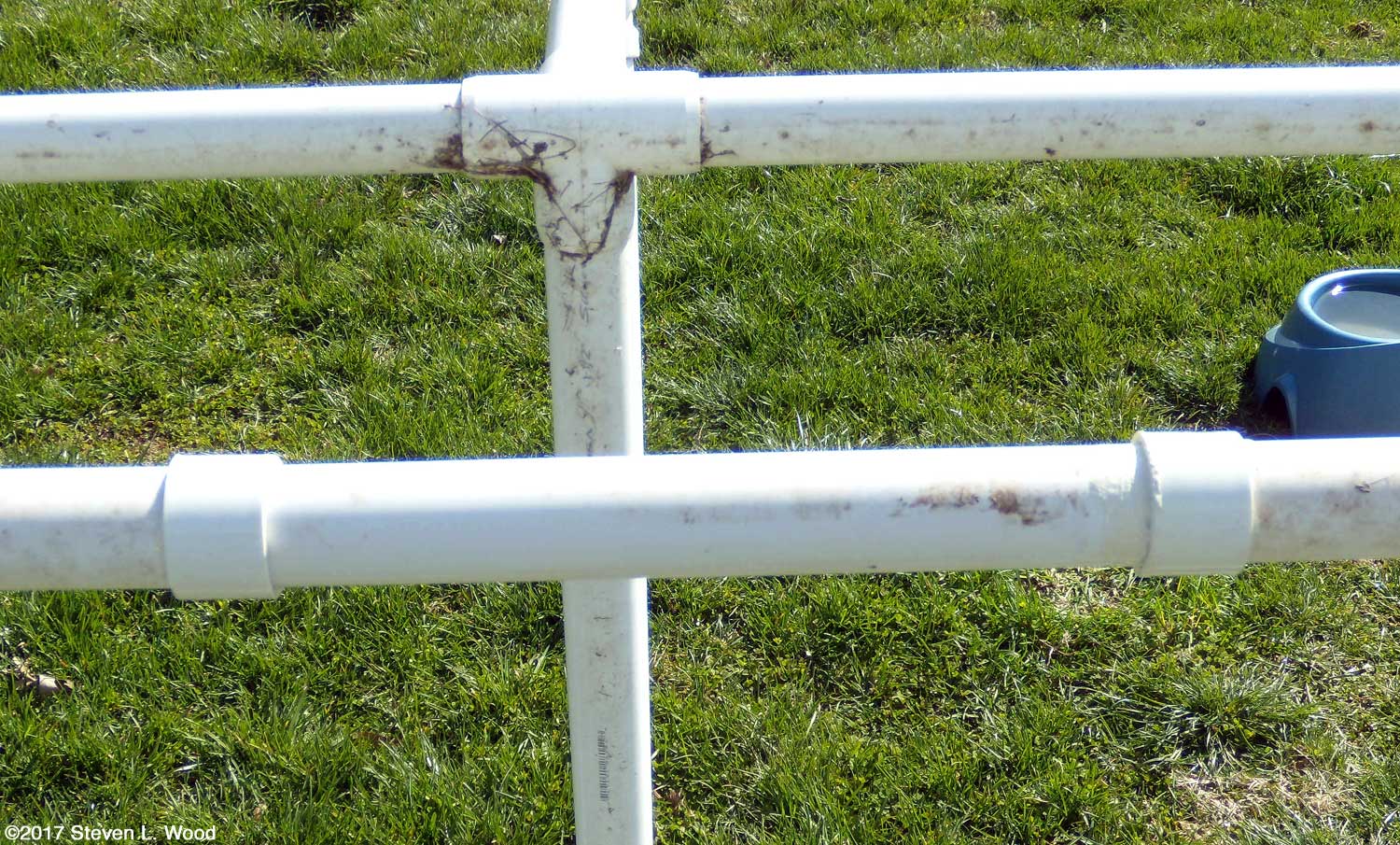
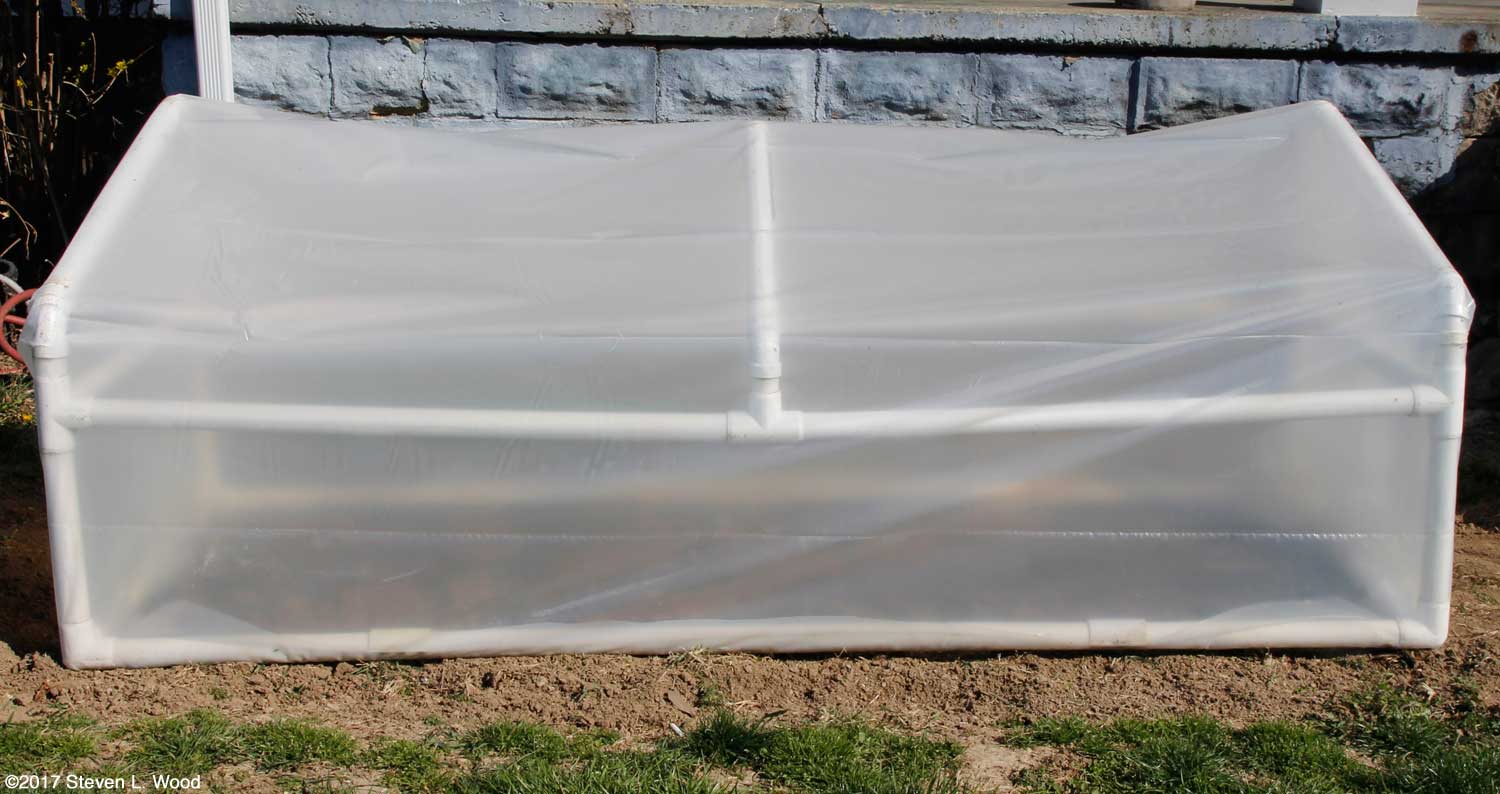
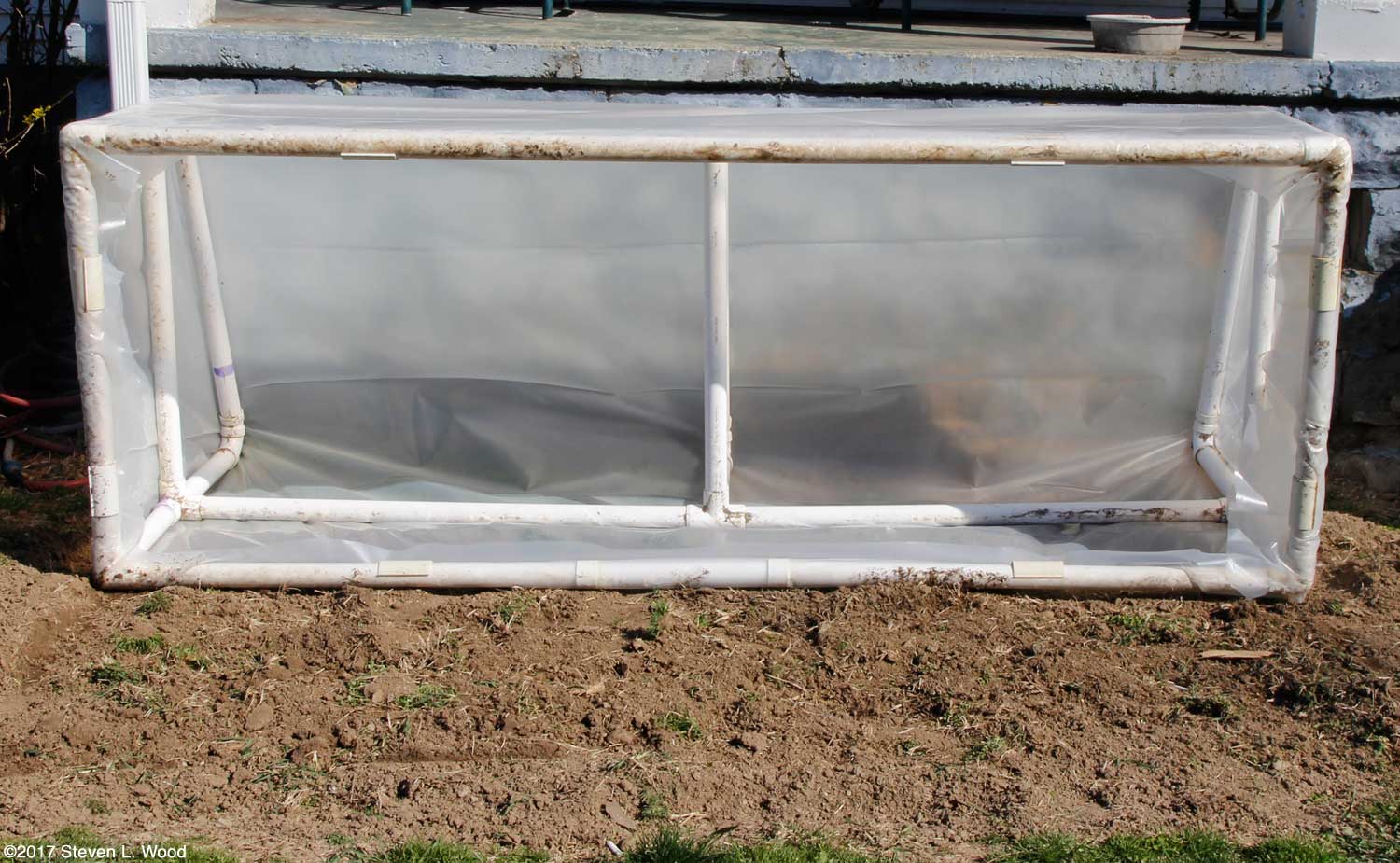
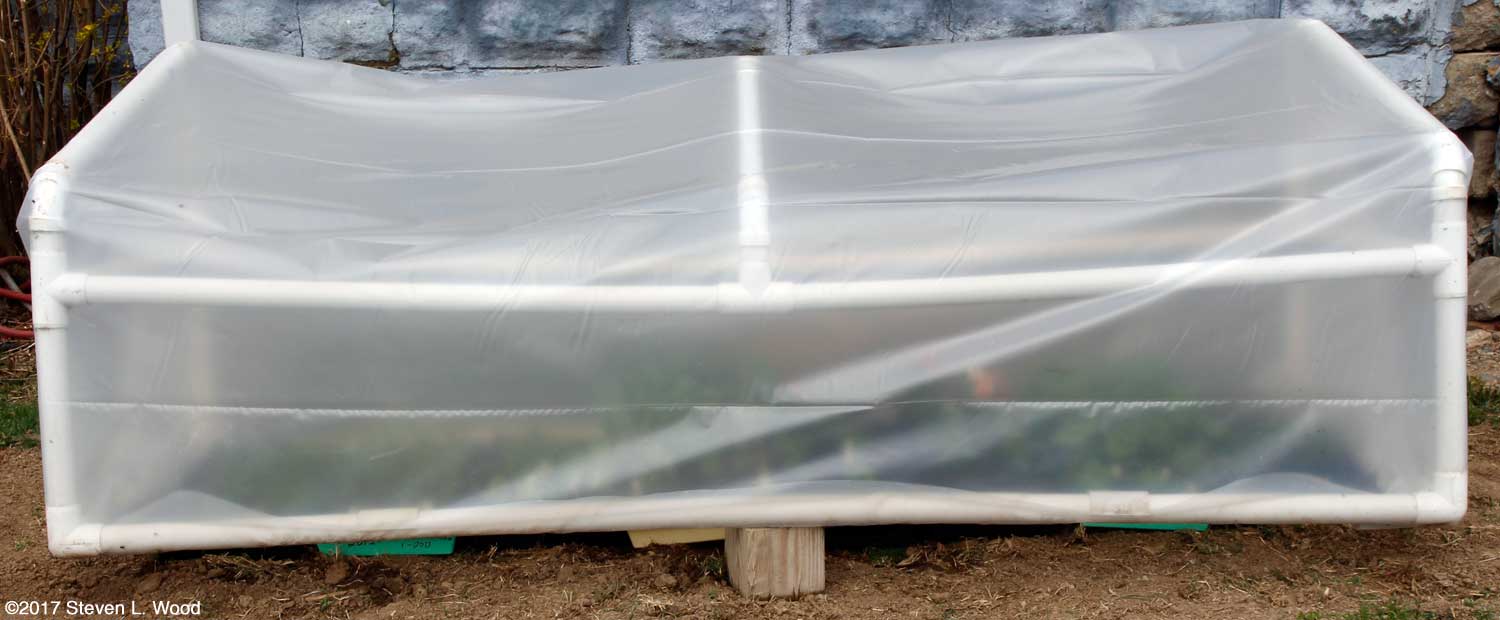
So the first step in setting up the cold frame was to make it heavier. To do so, I cut a section out of the rear base of the frame and filled the PVC pipe with cement. Using a couple of adapters and trimming off a little of the pipe, the weighted section went back into the frame, giving it around ten more pounds of weight to keep it from becoming airborne. After the PVC cement had dried a day, I covered the frame with plastic. For the cold frame to be effective, it has to have a good seal with the ground. Since the base of the frame and the spot where the frame goes are both a little irregular, I till the ground each spring so I can push soil around the base to seal it on cold nights.
I'm delaying adding any plants under the cold frame until tomorrow, as temperatures may drop into the upper 20s tonight. While the frame usually protects down to about 28° F, I'm willing to wait one more day until there's no freezing weather in the forecast. Even without the danger of a freeze or frost in our extended forecast, the cold frame is still important in protecting our young seedlings from strong winds as they acclimate to outdoor conditions.
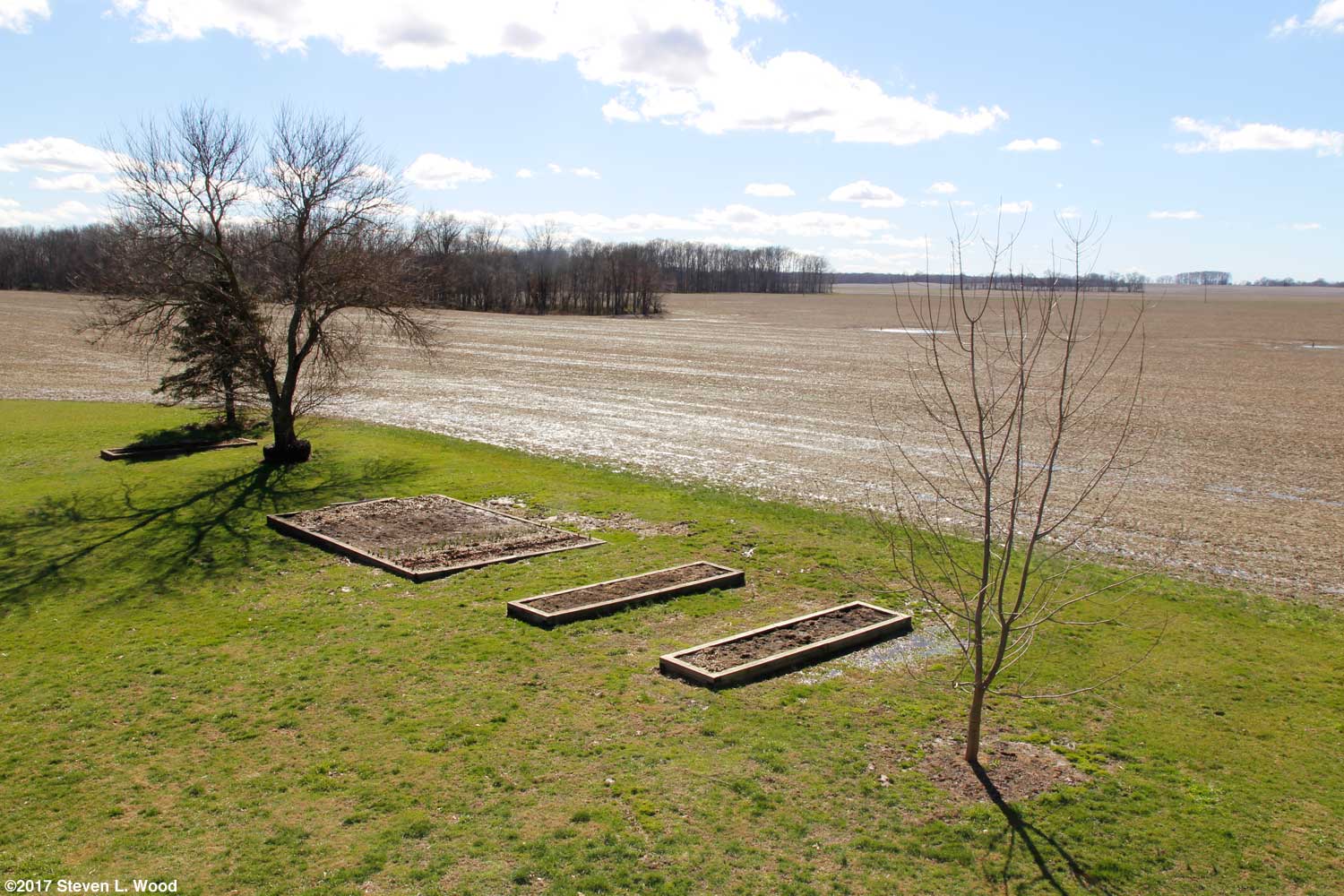
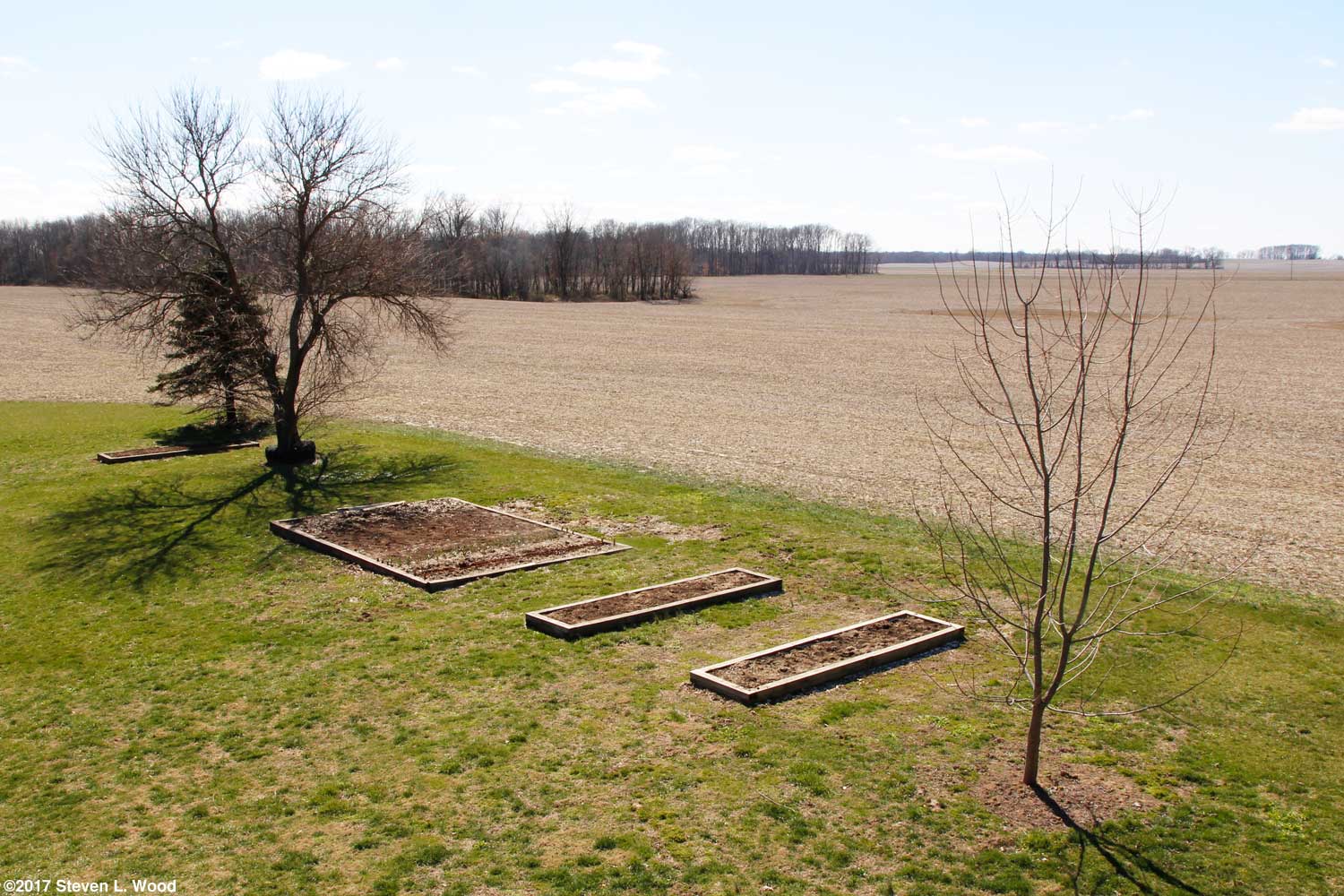
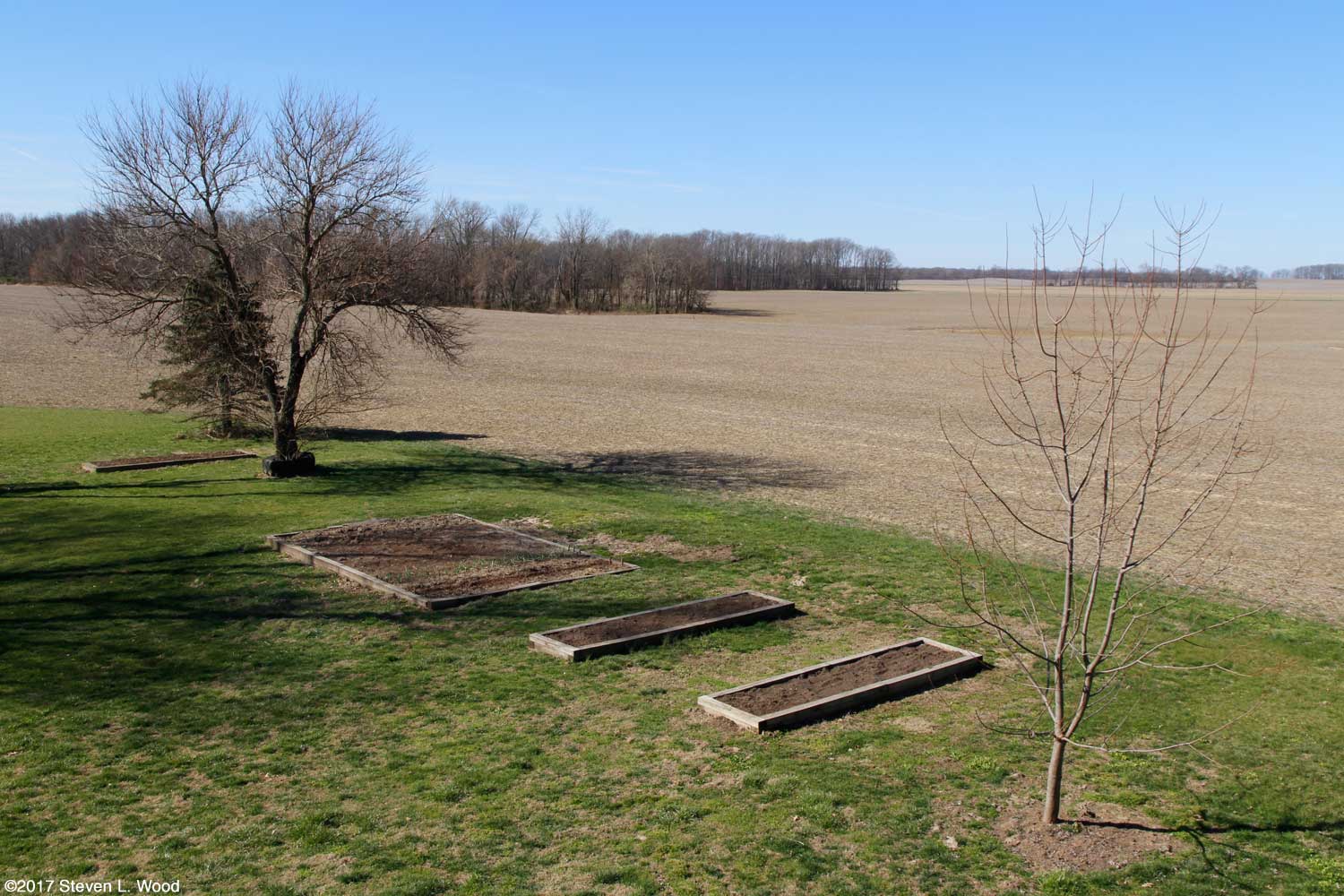
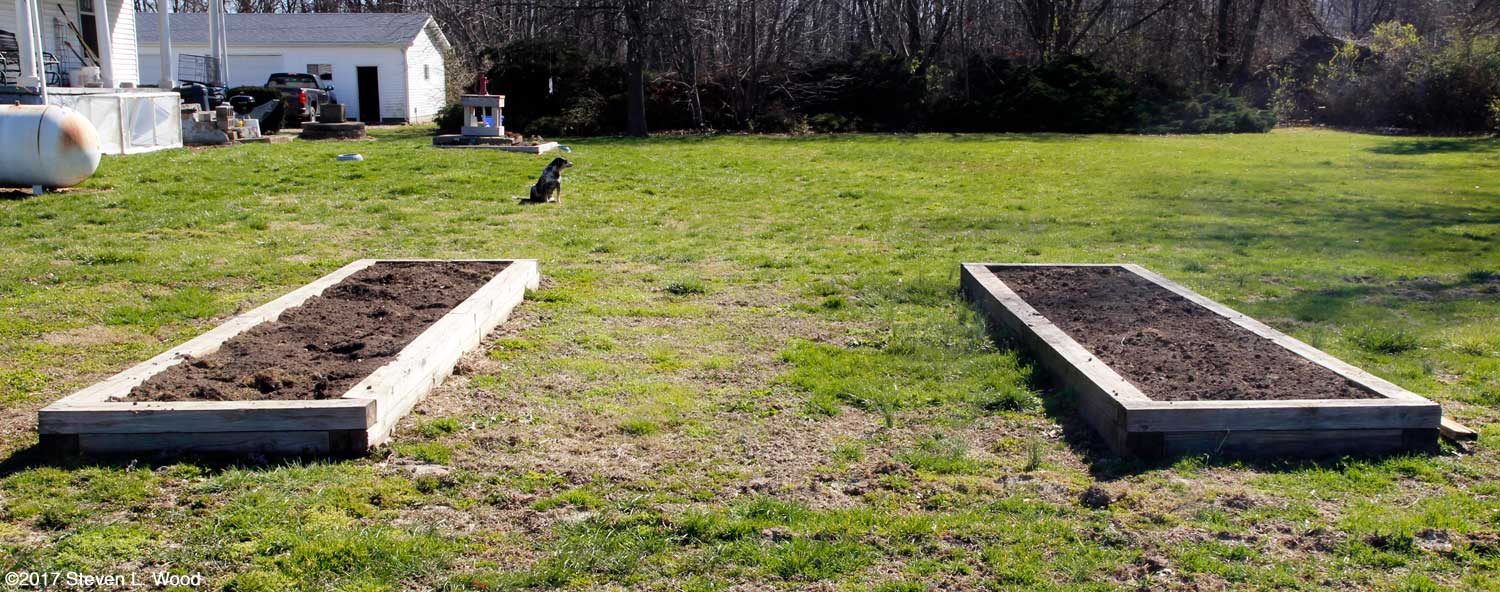
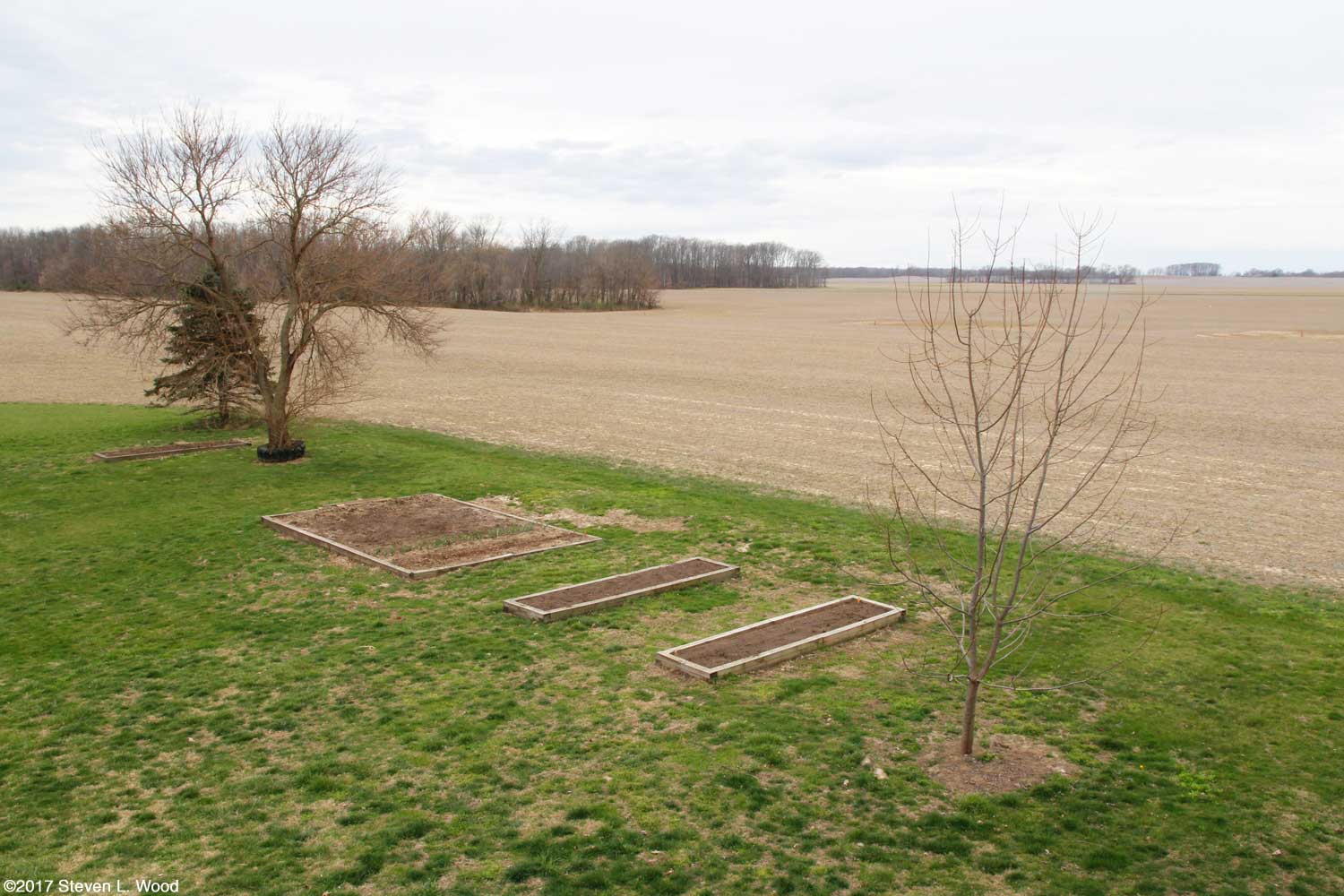
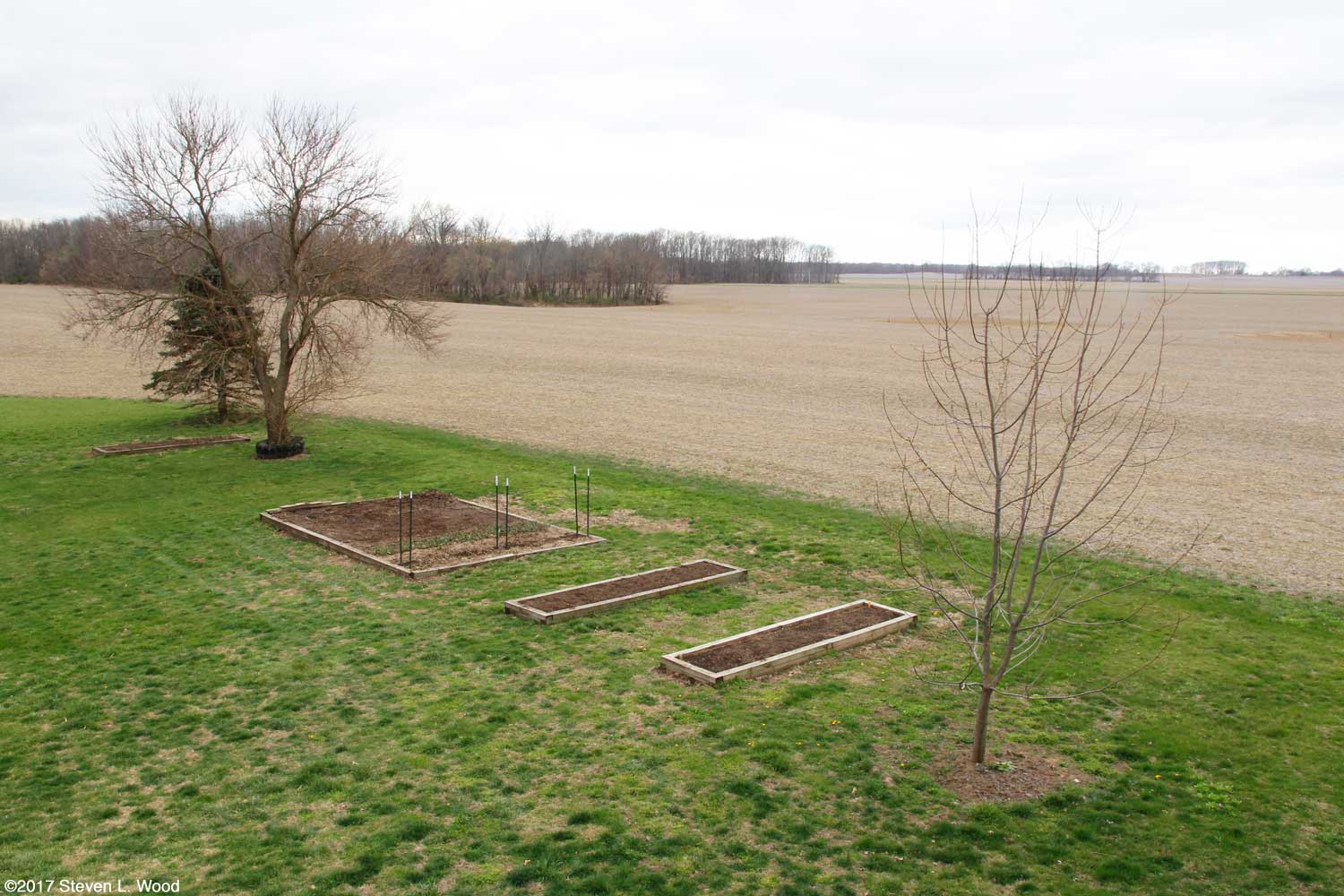
With the tiller out and running well, I turned over our two narrow raised beds. One will be planted to lettuce, onions, and carrots early next month. The other will have caged tomatoes in it, although I may seed some spinach along the edge of the bed yet this month.
Thursday, March 23, 2017 - Second Planting of Tomatoes and Peppers
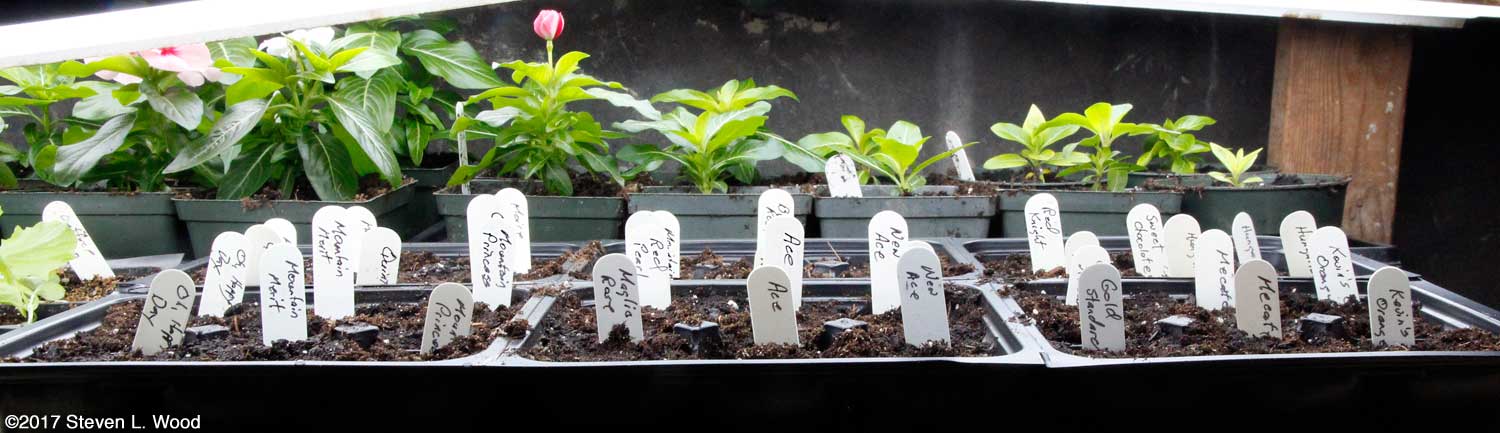
Spreading out our tomato plantings, both in time and area, has worked out well for us in the past. Late planted tomatoes often yield a wonderful fall harvest after our main tomato plants have worn out. We picked a lovely, ripe tomato last fall on November 5. Planting our tomatoes in garden plots separated by a good distance provides some protection against wind blown diseases. While we're committed to preserving several open pollinated tomato varieties, I seeded Mountain Fresh Plus, Bella Rosa, Better Boy, Oh, Happy Day, and Mountain Merit hybrids. Mountain Fresh Plus, Bella Rosa, and years ago, Better Boy, have all proved to be dependable tomato varieties for us over the years. Burpee describes its new Oh, Happy Day variety as producing "ruby-red, junior beefsteak" tomatoes with excellent flavor. Since I received the seed for free, I'm going to give them a try. I also seeded two of our old favorites, Moira and Quinte. Both are related to the later and more successful Earlirouge variety. And just for the fun of it, I started some Mountain Princess heirloom seed, a variety I just happened upon in the High Mowing Organic Seeds catalog. For grape tomatoes, I started some Maglia Rose and Red Pearl open pollinated grape tomatoes. Last year, we got all the grape tomatoes we wanted from a volunteer plant growing at the end of one of our asparagus patches. (So much for our compost pile heating up enough to kill seeds.) While that turned out well, we can't count on being lucky all the time, so I started the grape tomato seed. For peppers, I seeded Ace, New Ace, Red Knight, Mecate, and Gold Standard hybrids. For a bit of variety, I seeded a couple of open pollinated peppers we've previously grown, Kevin's Early Orange and Sweet Chocolate. I also seeded some Hungarian for making paprika.
In most years, I plant around ten to twelve tomato plants total in our garden, East Garden, and isolation plots. Since we're running a bit low on canned whole tomatoes and purée, I've obviously greatly expanded our tomato planting this year. I'm not sure I can squeeze in all of these varieties. I may truly hate myself when it comes time to transplant them all. I used #606 deep inserts for the planting. The deeper cells of these inserts gives me a little more leeway in holding the plants if transplanting is delayed. I used a rather light, sterile potting mix, placing one or two seeds per insert cell, and covering the seed with a bit more of the potting mix. I ended up with twenty cells of tomatoes and sixteen of peppers. Friday, March 24, 2017 - Moving Plants Outdoors
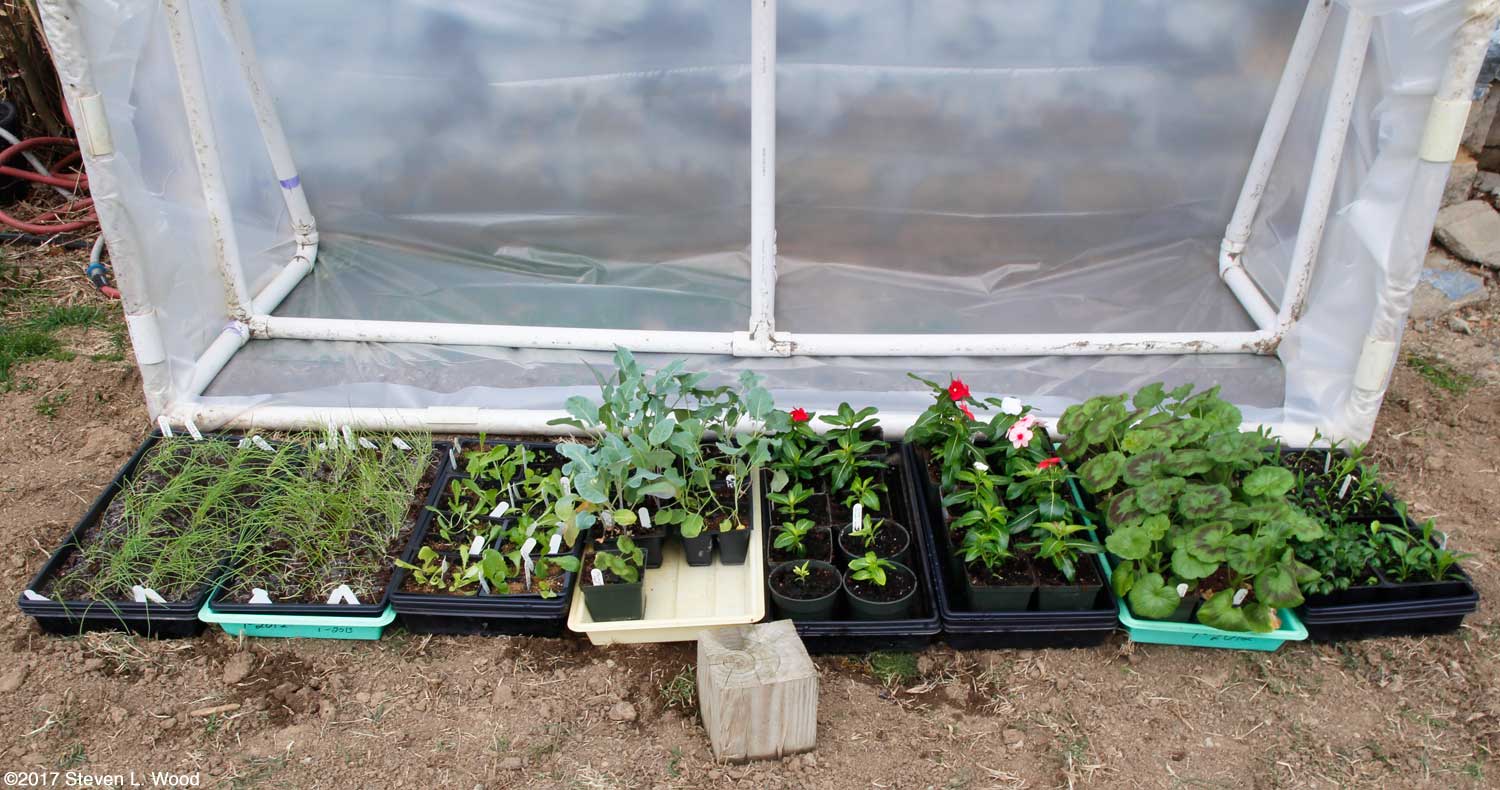
I moved two trays each of onions and vinca to the cold frame, along with other trays of brassicas, geraniums, lettuce, dianthus, and daisies. Along the side of our house on the back porch are some of our hanging basket plants. Pots of wandering jew, petunias, and impatiens will receive some sunlight there, but still be protected a bit from the wind.
Burpee Now Offering Free Shipping on Seeds
I'll probably order a packet or two of zinnia seed to go along with the saved zinnia seed we'll plant in May along the edge of our East Garden. By picking up a packet of zinnia seed here and there each year, I've added a lot of variety to our zinnia planting. And saving zinnia seed each fall makes planting an eighty foot row of them not very expensive. High shipping charges on seed orders has been a pet peeve of mine for years. I often skip ordering a single item or two from some seed suppliers solely because of their shipping rates. I also try to keep track of basic shipping rates of our recommended seed suppliers. Early Peas Emerging
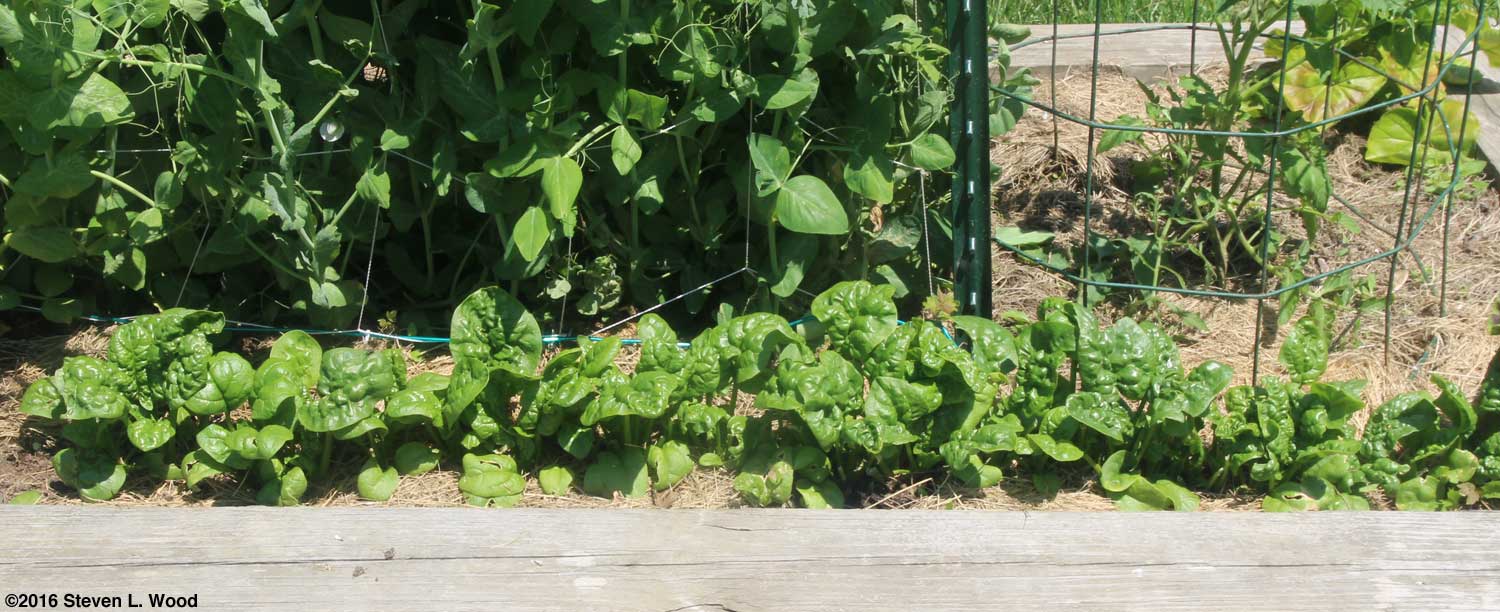
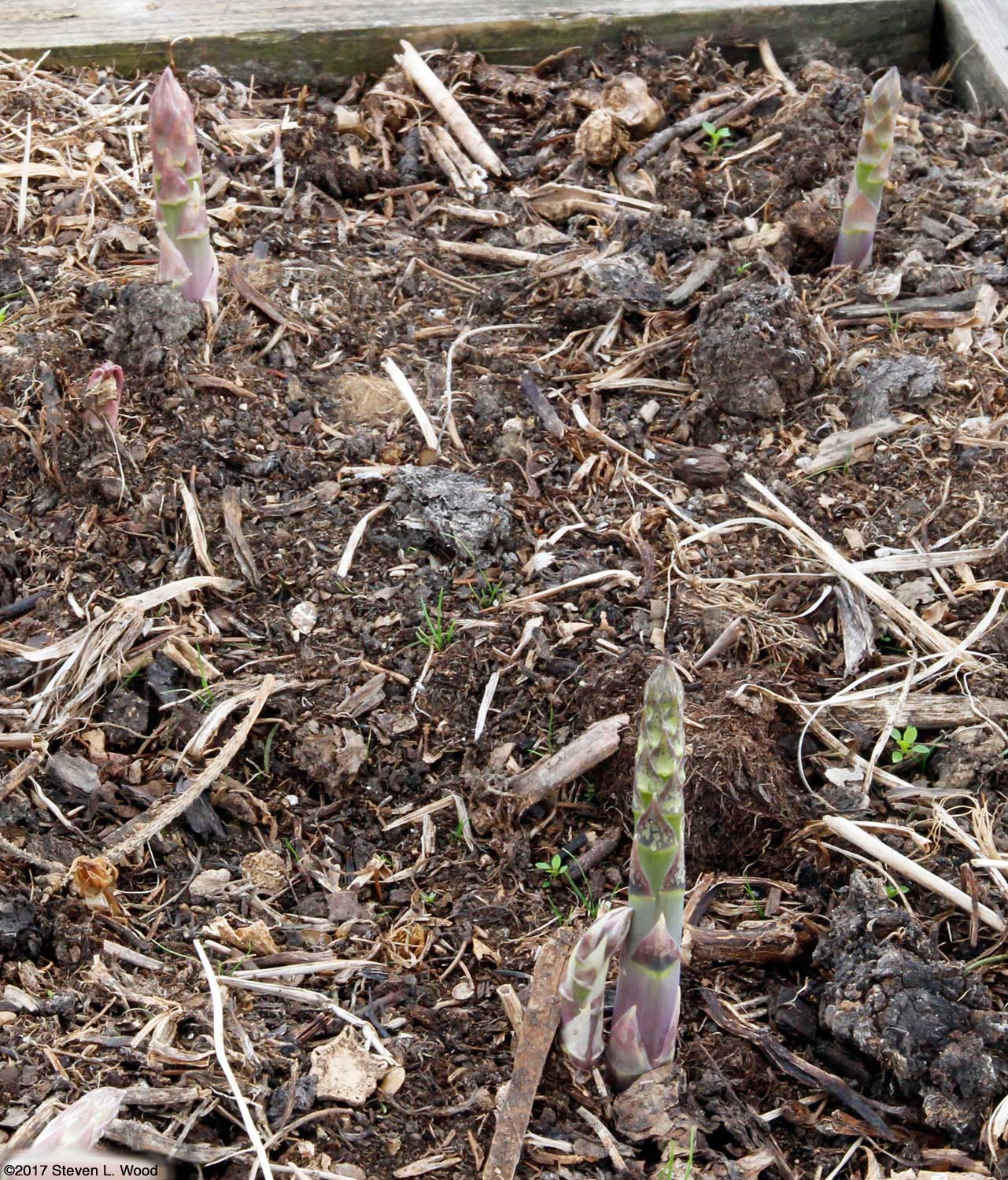
Alas, I haven't yet seen any asparagus coming up yet. I can hardly wait! Computer Woes I haven't really been able to concentrate on gardening recently as much as I would have liked. About three weeks ago, we began to experience kernel panics on my main computer. While I was chasing down the hardware problems causing the kernel panics, I also discovered a rare Mac virus that had infected my computers. The virus came when I foolishly clicked on a link in an email that was spoofed to appear to be from a relative. A good antivirus scan corrected that problem. One of the hardware issues came from a defective external drive enclosure I'd "upgraded" to, trying to ease some of our backup problems. My main backup drive has been completely filled for months and was dropping older backups to make room for new ones. I've now reverted to the old backup drive, although I'd scrubbed that drive when I took it out of service. But we're now backing up just fine. The failed drive is now out for an exchange from the vendor, Other World Computing. I was pleasantly surprised when their customer service didn't quibble about the failed drive and promptly sent a prepaid UPS mailing label for me to return the defective unit. That's part of why OWC has been our go-to supplier of computer parts for many years. And...it appears that we're now past our computing problems. Spinach Last spring, I didn't get our spinach planted until April 15. That planting produced great spinach, but the picking didn't last all that long. Once the weather heated up, the spinach bolted. But even then, we were able to save seed from the then new, Open Source Seed Initiative variety, Abundant Bloomsdale.
Around seven o'clock this evening, I was outside in near 70° weather in good light, seeding a row of spinach. Getting the seed into the ground this early will hopefully extend our picking season a bit this year. I seeded half of the row to Abundant Bloomsdale using mostly saved seed. A quarter of the row went to America, with the other quarter getting small plantings of Double Take Saturday, March 25, 2017 - Thinking Ahead to Squash, Melons, and Pumpkins
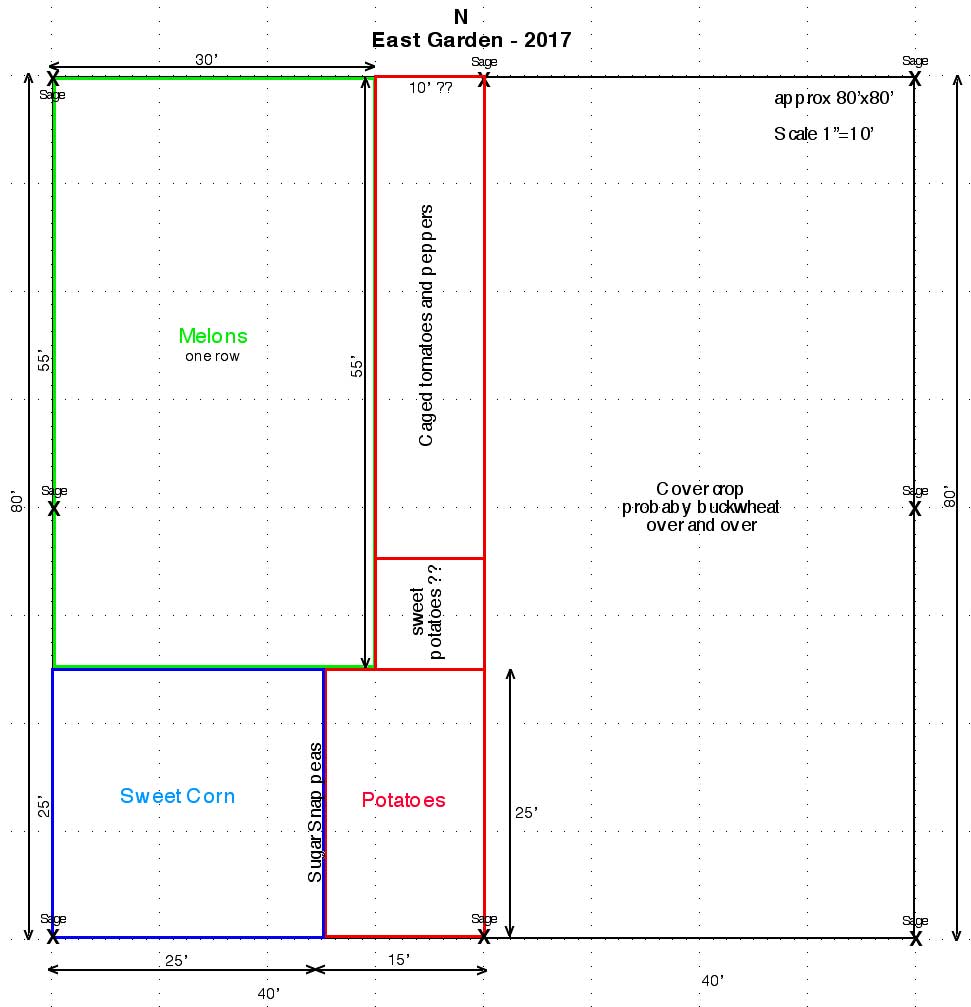
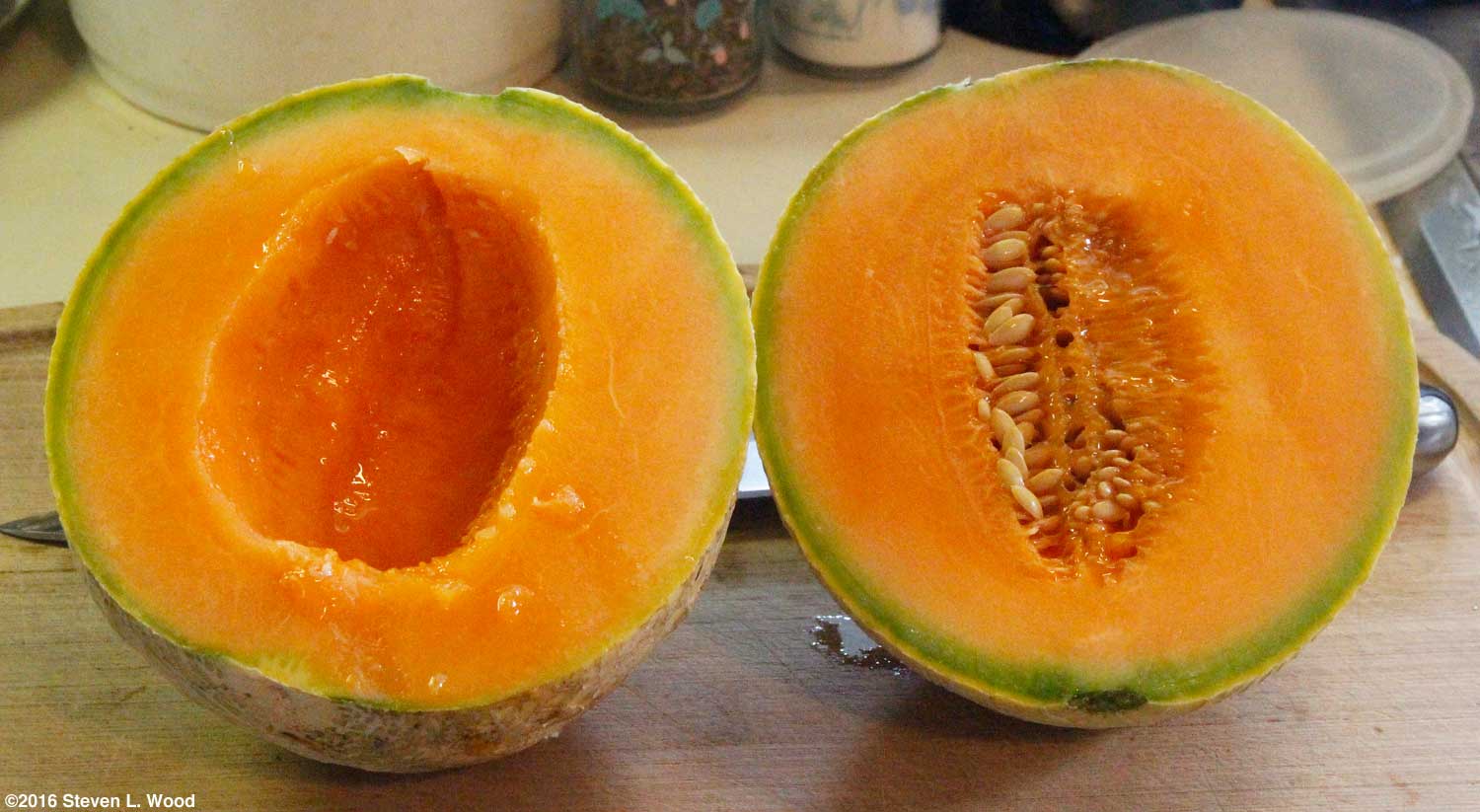
One of the reasons I have room for things like an expanded tomato and pepper planting and a few sweet potatoes this season is that I cut our melon planting to just one row. Doing so will make staying ahead of weeds with grass clipping mulch much easier, but it also will require some hard choices of what to grow. I planted twenty hills of melons in 2016, but will only have room for around ten this season. We should easily find space for our bush type yellow squash varieties, Slick Pik and Saffron at the end of rows of other crops. Since we grow our butternuts and pumpkins outside our East Garden proper, as they tend to overgrow anything near them, our Waltham Butternut Squash Here are the ten we'll start next week: Cantaloupe
Honeydew
Watermelon
The Ones We Dropped (which might be perfect for your garden):
Please note that our melon and other variety choices are what grows well in our west central Indiana climate zone (6a). Sunday, March 26, 2017 - Little Jobs
With a warm, although wet and windy day today, I got out and drove in the T-posts around our emerging early peas. The T-posts will support a double trellis around the peas for them to vine on. With the high winds we frequently experience here, putting a trellis on either side of the pea planting helps prevent the vines from getting blown off the trellises. Sadly, it was too windy today to mess with trying to string the trellis netting. Not really wanting to quit gardening on a surprisingly nice day, I raked the mulch off the area of our main raised garden bed where our brassicas will go. Doing so will let the soil there warm a bit in the sun. I hope to transplant our broccoli and cauliflower towards the end of this week. After spreading a little balanced fertilizer around our garlic, I moved the mulch around the garlic plants. I did forget that the mulch was now mostly decaying leaves. Since leaf mulch can be somewhat acidic, I'll need to go back and sprinkle a little lime over the mulch. Gloxinias Breaking Dormancy
While we've been starting our transplants this year in Pro Mix, hanging basket plants and gloxinias get either Miracle-Gro Before starting to repot the gloxinias, I cleaned up and cleared the gloxinias from the bottom shelf of our lighted plant rack. These were plants from last year that haven't yet bloomed or aren't quite ready to go dormant. Those plants went to a shelf in our sunroom. I was really hoping our gloxinias would remain dormant for a while longer so that we'd have blooming plants well into the fall. But gloxinias seem to detect the warmer conditions of spring, even in the dark of our basement, and break dormancy when they're good and ready. We'll enjoy their blooms anyway, as I've taken to keeping our bloomers on our dining room table where we can enjoy them.
Reminder: Burpee is now offering free shipping on all seed orders. Tuesday, March 28, 2017 - First Asparagus
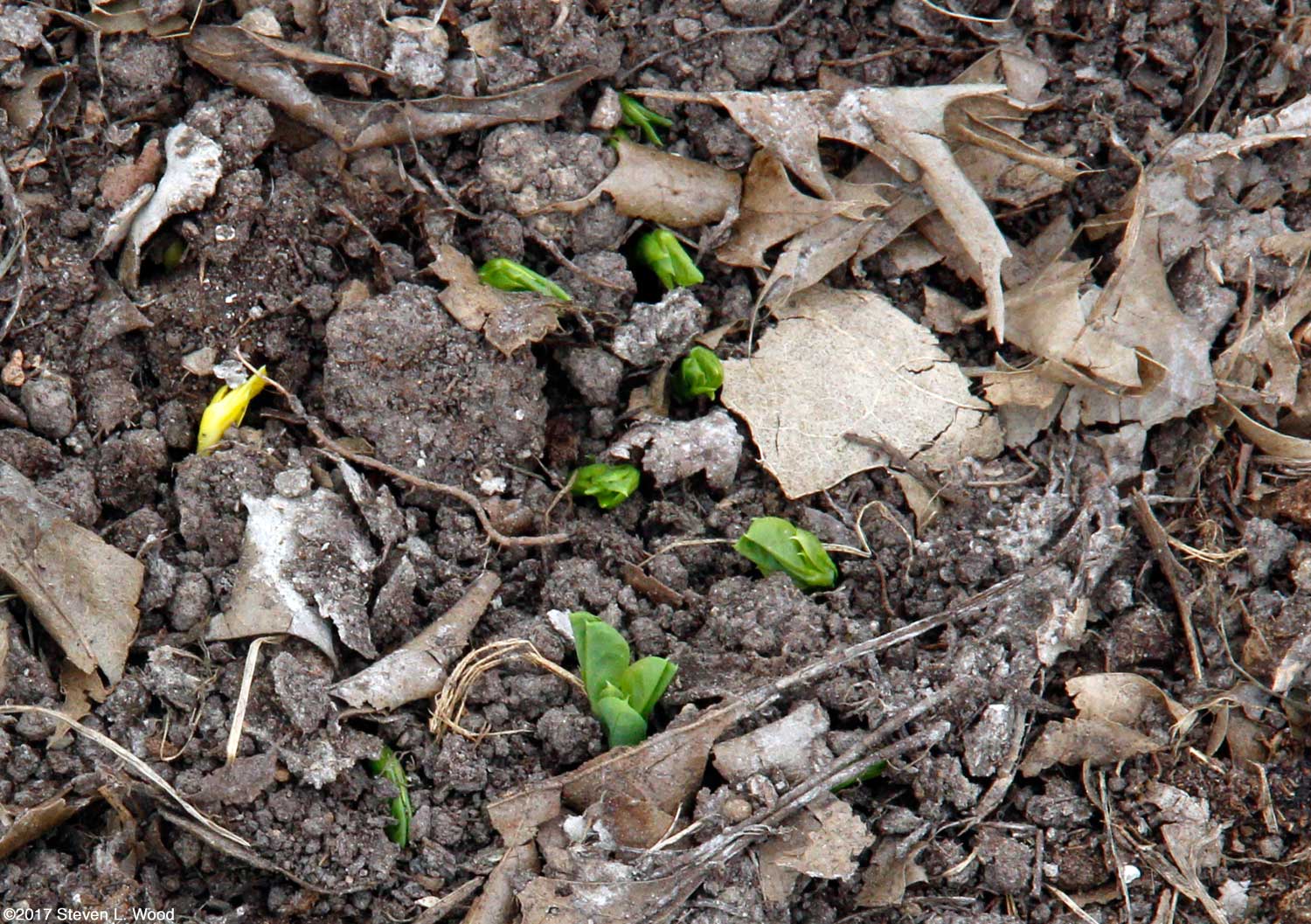
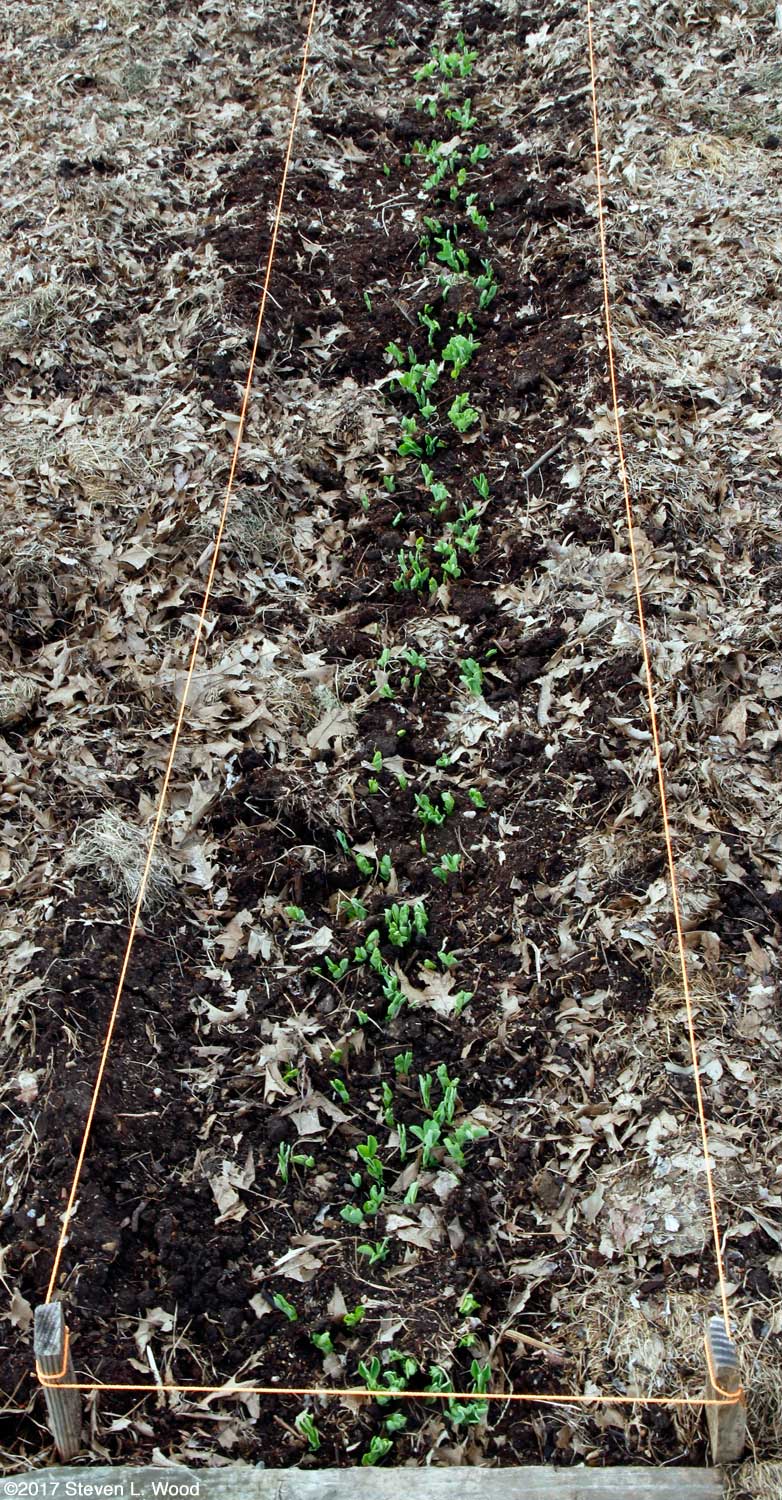
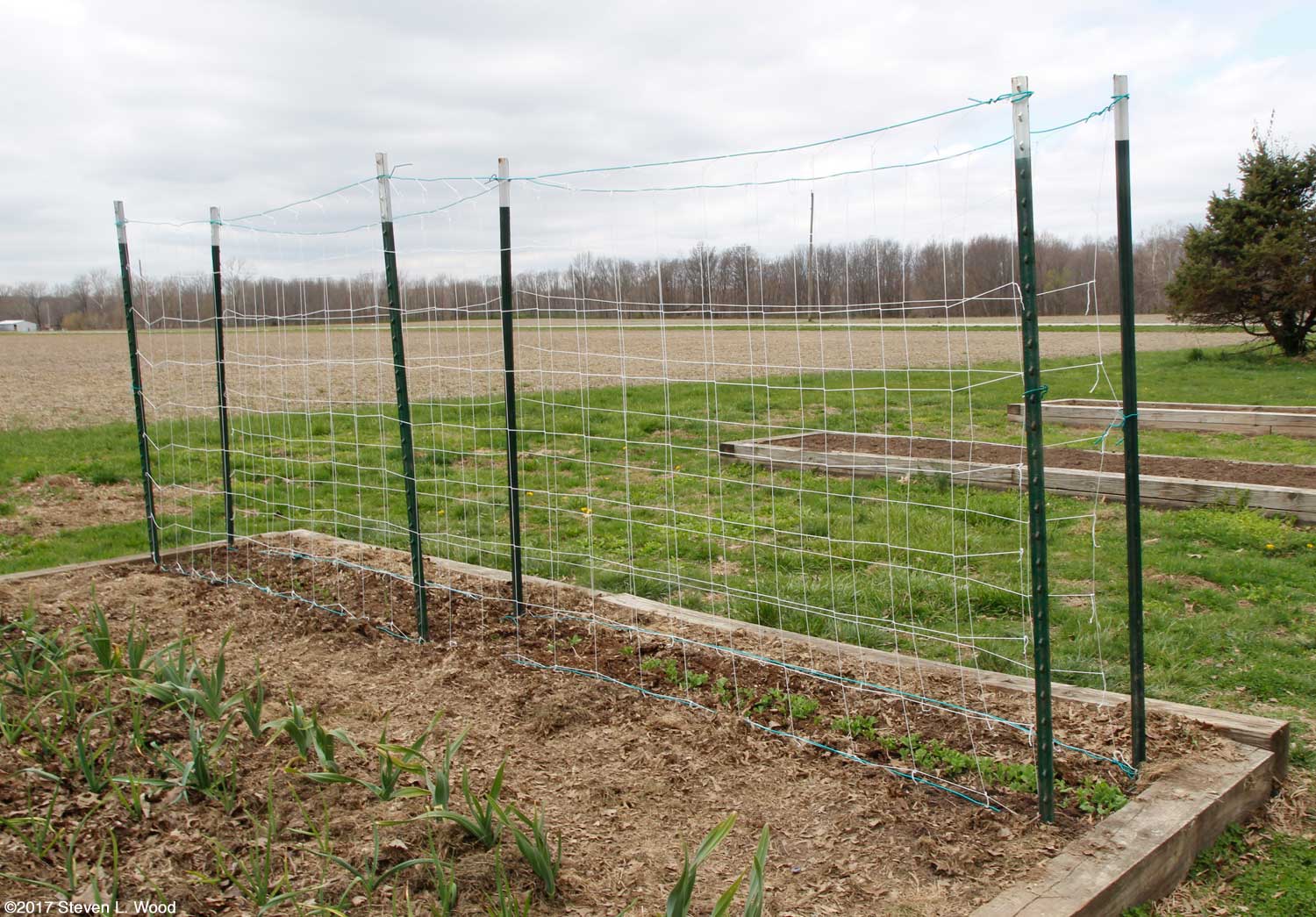
After dumping compost buckets and picking up sticks and bones around our yard, I got busy this afternoon adding trellis netting to the T-posts I'd driven into the ground on Sunday around our row of early peas. I really needed to get this job done before the pea vines begin putting out tendrils that will anchor the peas to the trellis. I string the nylon trellis netting on coated clothesline wire. Since we extended our pea rows this year from ten to fifteen feet, I had to take the time to splice in a bit more wire to do the job. I usually string the clothesline wire for top, middle and bottom support, but this year went with just top and bottom. When our peas are done, and we plant cucumbers between the trellises, I'll probably need to add the middle wire support, as cukes are a lot heavier than peas. I'll need to tighten the clothesline wires in a few days. They stretch and sag a bit when the sun gets on them. Our Champion of England variety have emerged first, with the slower germinating Maxigolt variety now just breaking through the soil surface. That's about normal for these tall varieties, although I'm always a bit nervous until I see them all come up. Both varieties were planted on March 4. Links
Friday, March 31, 2017 - March Wrap-up
I started putting our hanging basket plants around the back porch on March 27. I had first put the hanging baskets along the side of the house in a protected area of the back porch. While plants usually need a week to ten days to harden off, the hanging baskets are a bit of an exception. Hanging from the porch, they only receive direct sunlight part of the day, although the plants are quite exposed to the wind. A mid-March cold snap made me glad I'd waited on setting up and moving plants to our cold frame. In years past, I've had to bring inside all the plants we had under the cold frame and hanging basket plants. Gloxinias
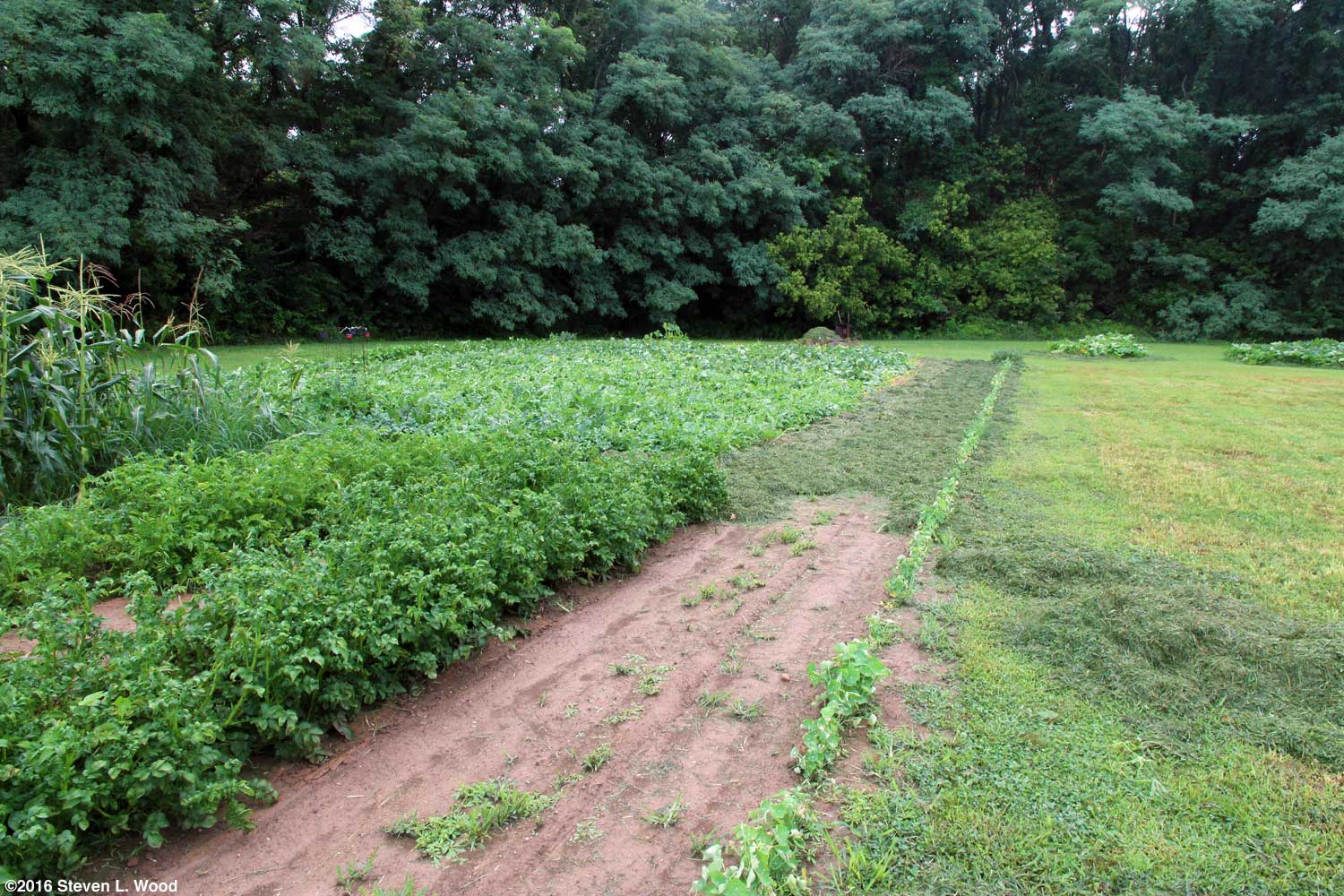
Two gloxinias that hadn't gone dormant burst into bloom early this month. One had lavender blooms, and the other had some of the deepest purple blooms I've ever seen on a gloxinia. (And yes, I pollinated the deep purple blooms from the same plant, hoping to produce seed that will tend to produce purple blooming plants.) I also had six or seven small gloxinias in fourpacks that I'd tortured by leaving them there for months and months. At one point, I simply snapped off the topgrowth and waited to see if the small plants would regrow. Some did. They got moved to four inch pots. We'll see if they're stunted or otherwise abnormal from my abuse of them. Weather Outlook We'll be sealing shut our cold frame tonight for the first time this year. The overnight, early morning low is predicted to reach 37° F. That temperature isn't in the danger zone for frost, but it's close. Towards the end of next week, we have a couple of 36° F lows predicted. Since local weather forecasters tend to predict on the safe side, generally looking at the worst case scenario at this time of year, we should be fine. But we'll seal the cold frame with dirt around its base on all those cold nights, as a freak frost could wipe out months of work growing our garden transplants. While it's been a warm winter here, our average frost free date for this area is still April 15. Writing Ahead Our monthly wrap-ups and first of the month postings often get started a week or so before they're posted. The wrap-ups obviously reflect what's been going on with us in gardening for the month. The first of the month postings are usually written after consulting the late Jim Crockett's Crockett's Victory Garden I also look back at what I've posted in previous years to see if I've left out anything really important. When doing so earlier this week, I ran across a shot of our East Garden from last July that made me smile.
I'll just blow off that raccoons and deer ate all the sweet corn last year in the photo. It also shows our rows of potatoes in the foreground that were a bit of a disappointment, although we still have a few good potatoes from the crop in storage. But the shot also shows a long row of nasturtiums on the right and some zinnias on the left (rear). More importantly, it shows our two rows of melons at their glory. And in the background, our hills of pumpkins and butternut squash are just barely visible. Never mind that squash bugs took the pumpkin vines. The butternuts survived an infestation and produced a bounty of winter squash, most of which we shared we an appreciative local food bank. Deep, deep greens in photos remind me of the joys of summer gardening.
Contact Steve Wood, the at Senior Gardening
|



 )
)
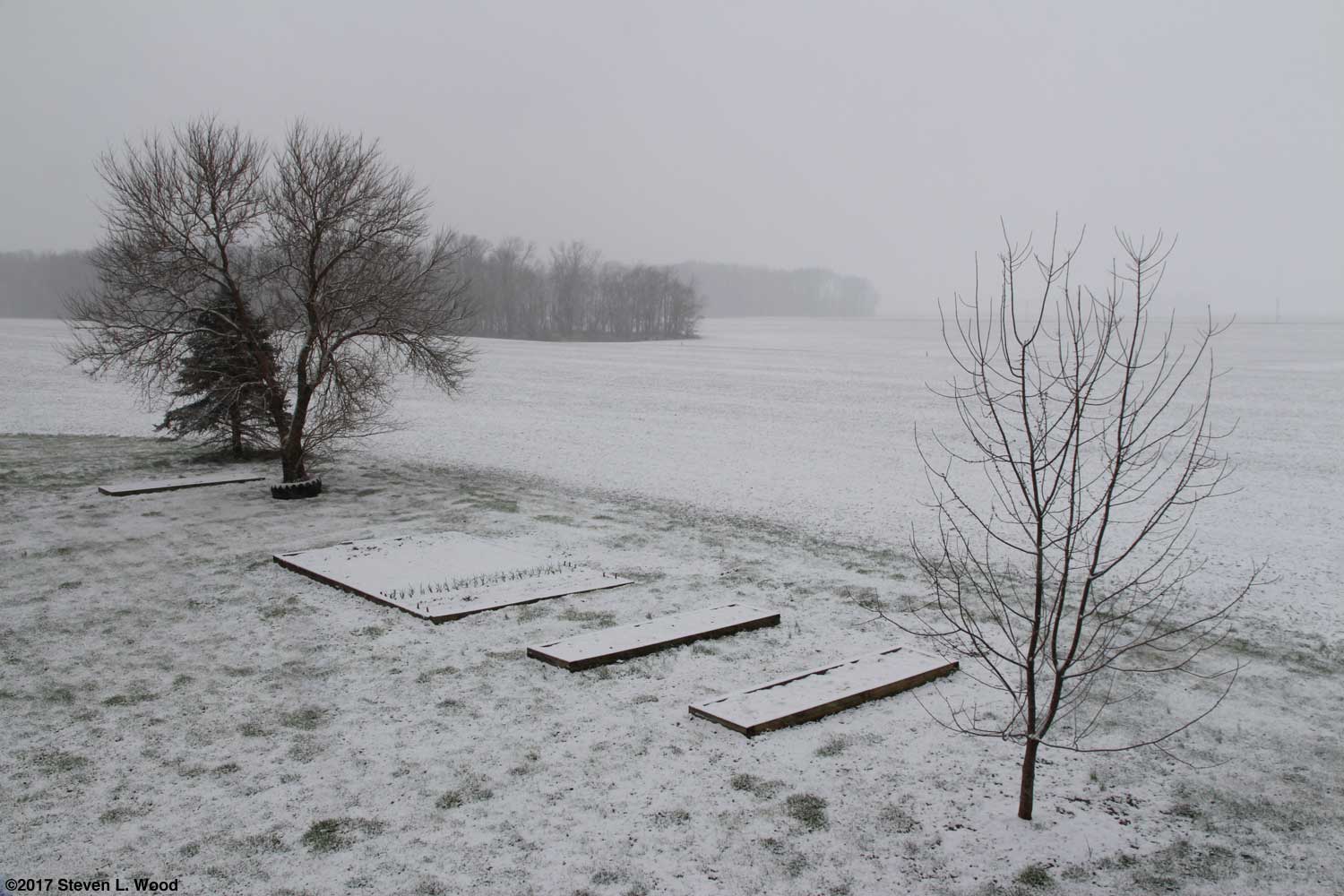











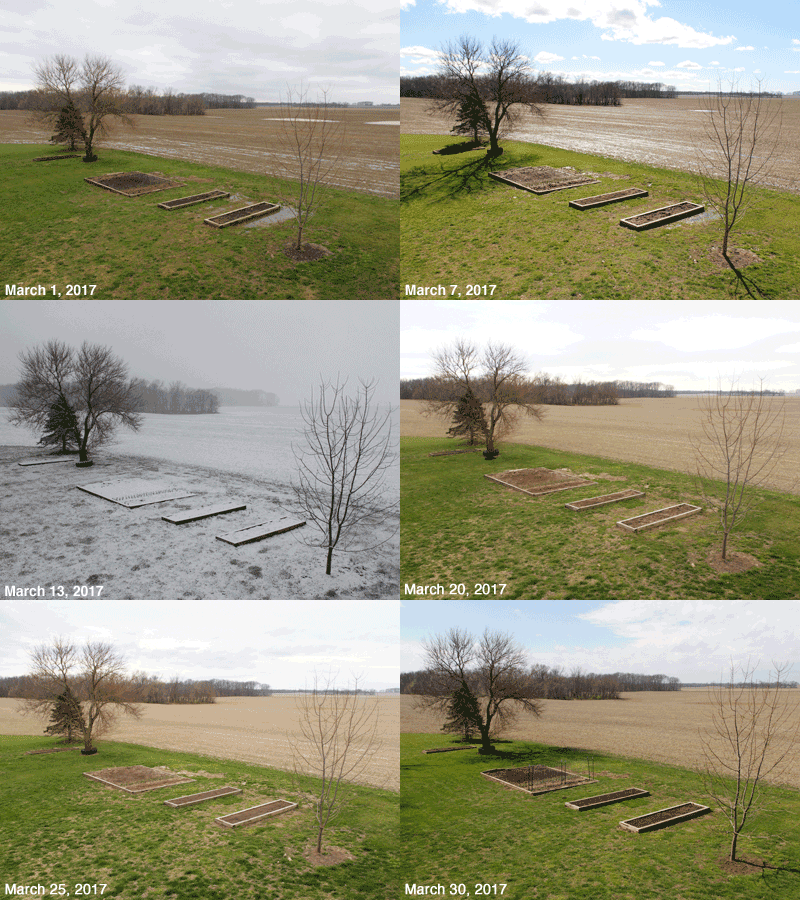 As I age, time sometimes seems to slow to a crawl and other times flies by. This March has been a quick month, with lots of gardening getting done. I was able to seed our tall, early peas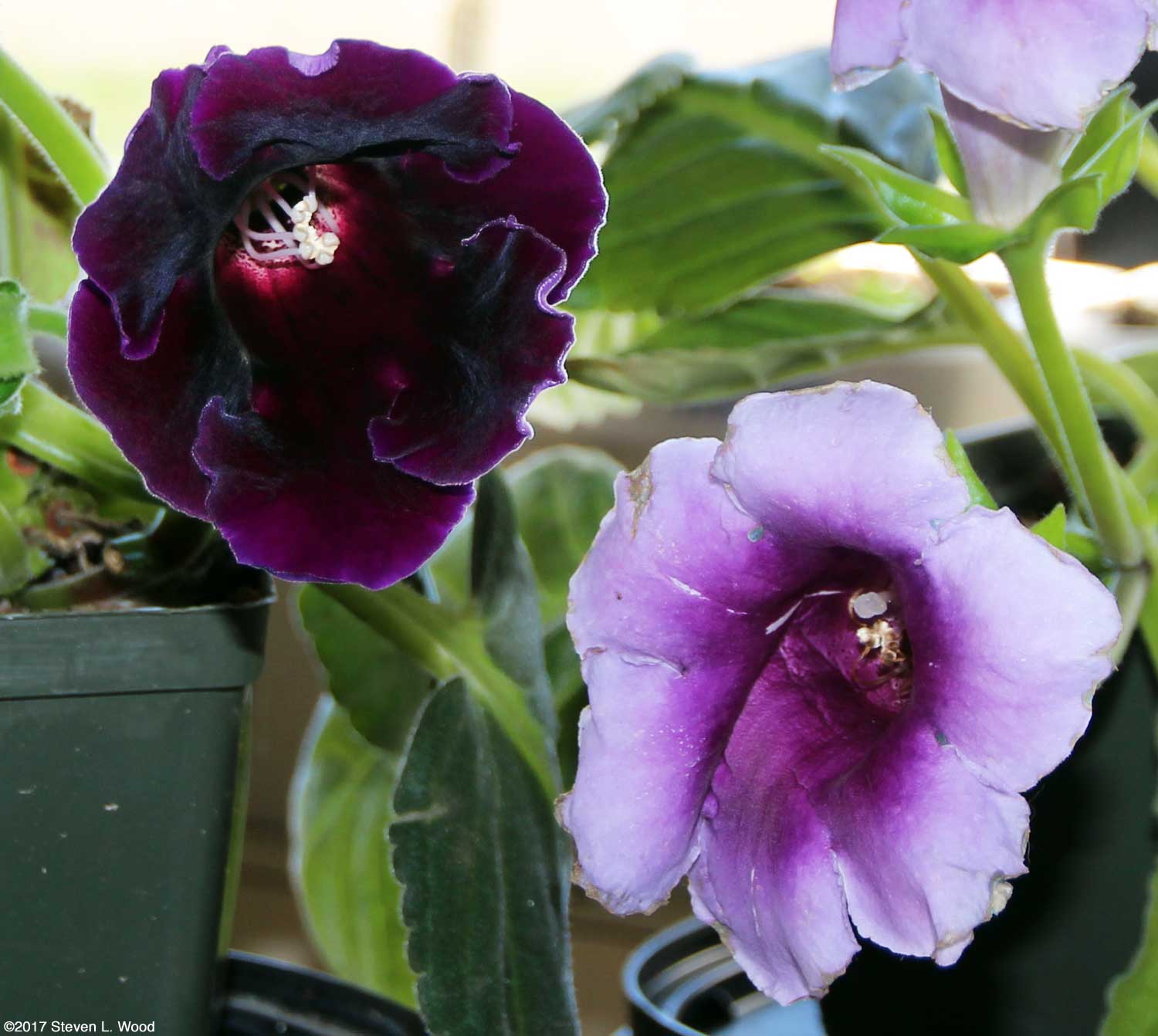
 .
.

| Affiliated Advertisers |
©2017 Senior-Gardening.com