One of the Joys of Maturity
One of the Joys of Maturity |
|
| Affiliated Advertisers |
Clicking through one of our banner ads or some of our text links and making a purchase will produce a small commission for us from the sale. A Year in Our Garden - 2015 - Page 2
For me, the last half of May is still a bit of a blur. I had total hip replacement surgery on May 15 and wasn't able to do much more than rare cameo appearances in the garden the rest of the month. My incredible wife, Annie, added gardening chores to taking care of me through my early recovery, bringing in the crops and also keeping the place looking nice with weekly mowings (which take several hours). Our plan of heavily mulching our crops worked for the most part, so May was a month for me of mostly just doing my exercises, taking painkillers, and watching out the windows as others tended our garden plots. I couldn't even descend our basement stairs to take care of our gloxinias, although we had a lovely one in the kitchen that staying bloom all month long.
I couldn't garden, but I could look and take lots of pictures. It was the most painful and one of the most frustrating times of my life.
Our tall peas were Champion of England and Maxigolt, both of which performed quite well, as usual. Our short peas were two old favorites for which seed is no longer available, Eclipse and Encore. While we didn't save seed from the tall peas, we definitely saved seed from the short peas. What we saved this year along with some still in the freezer from last year should ensure we have plenty of seed to plant in the future.
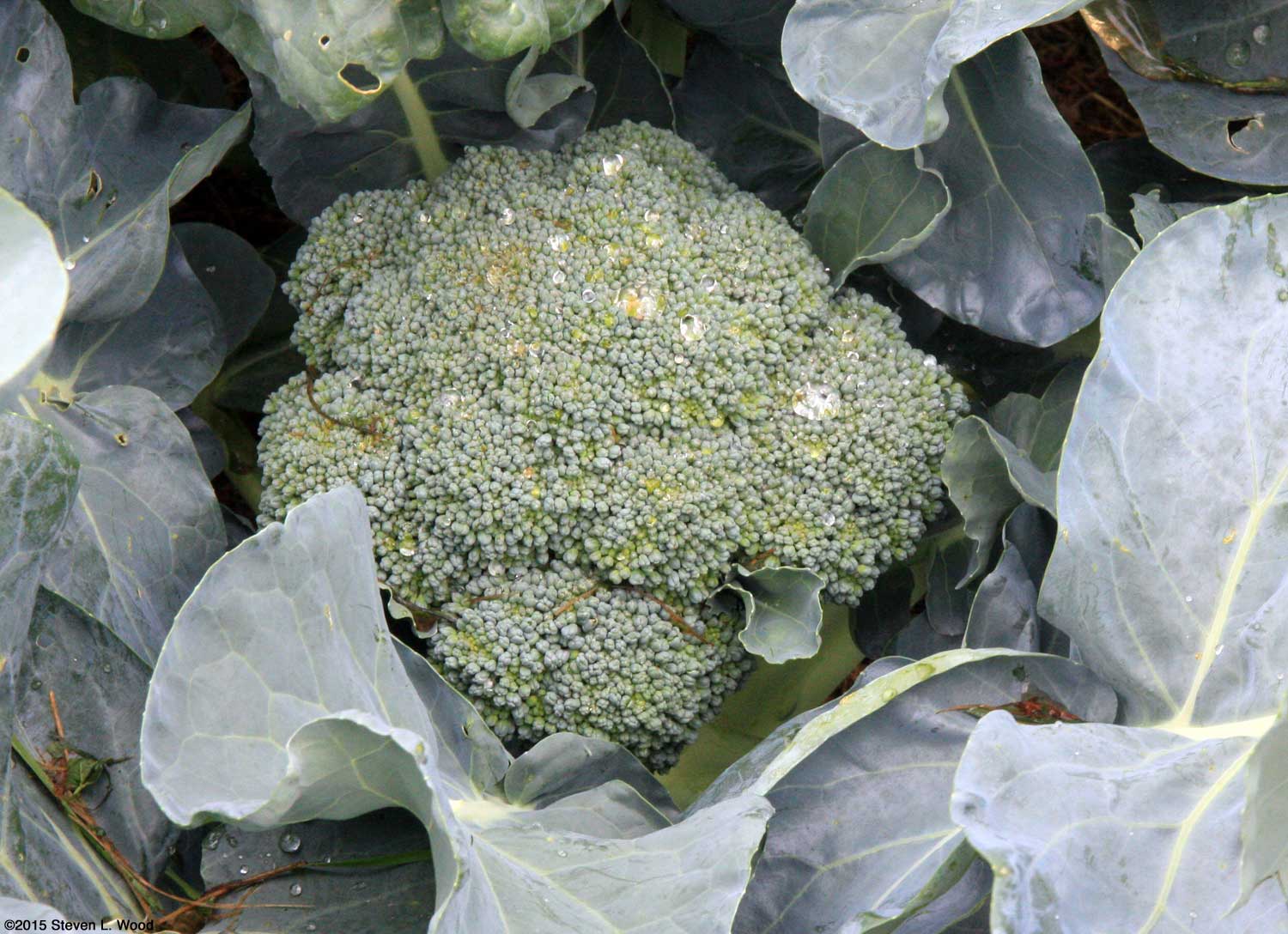
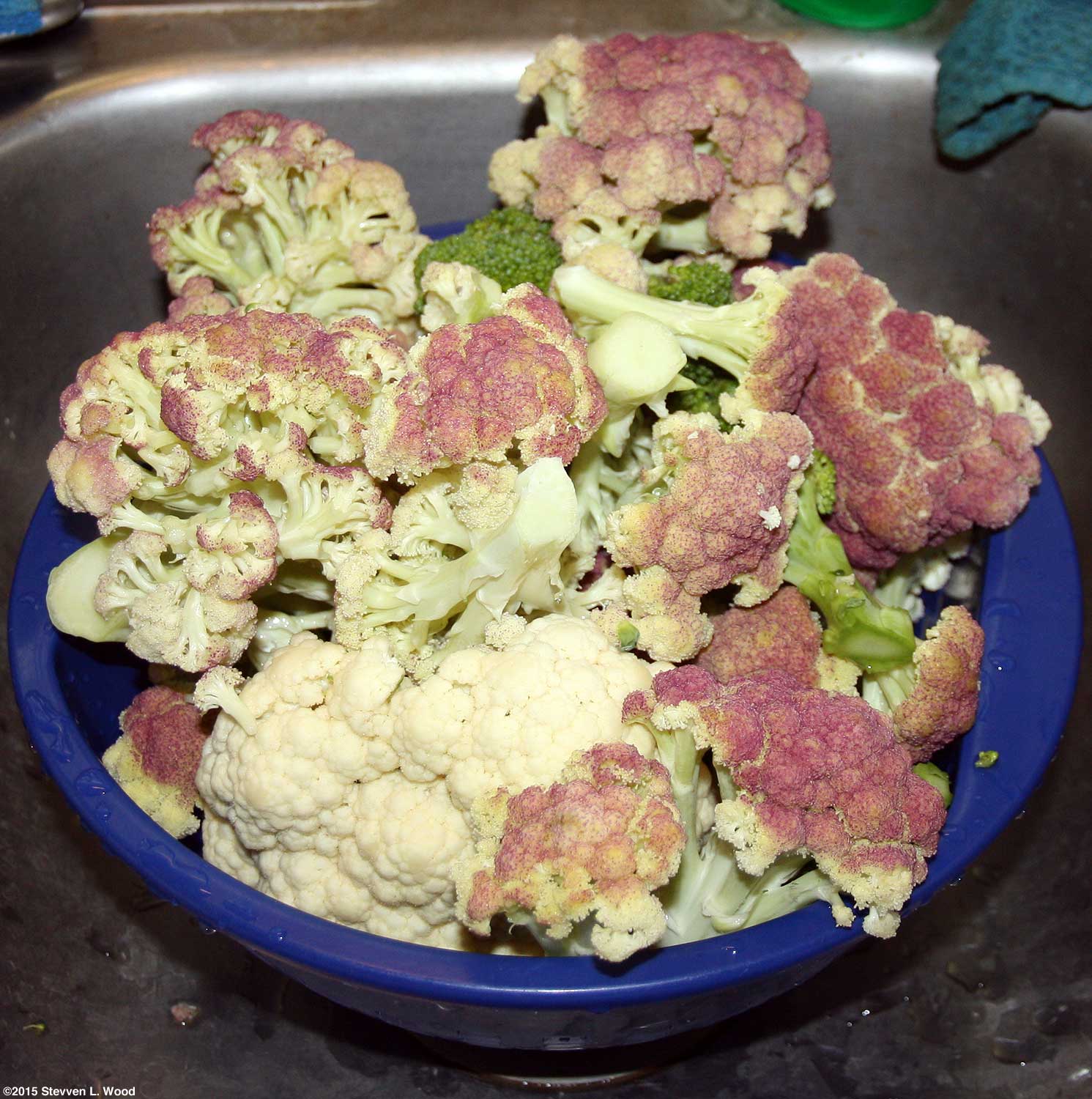
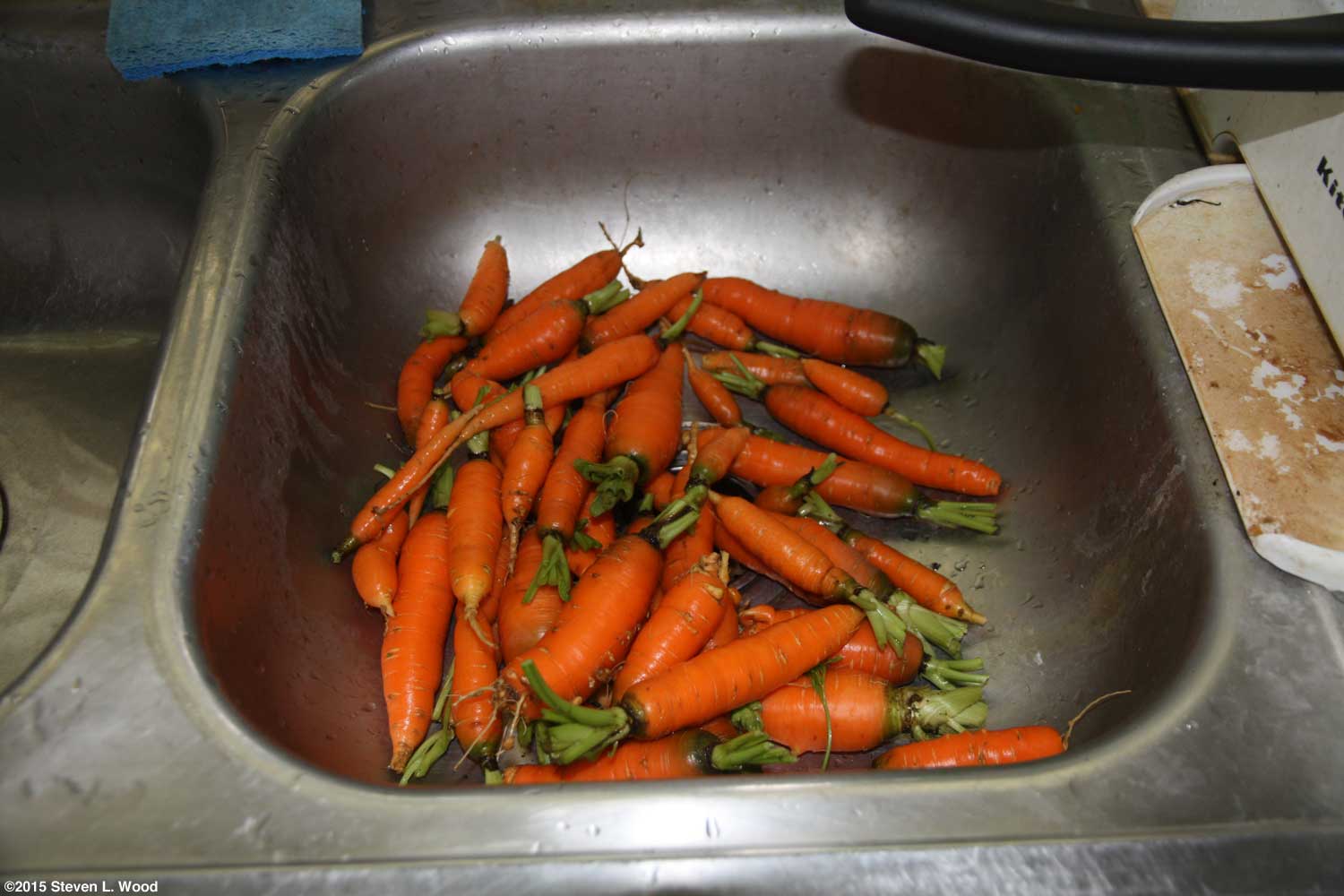
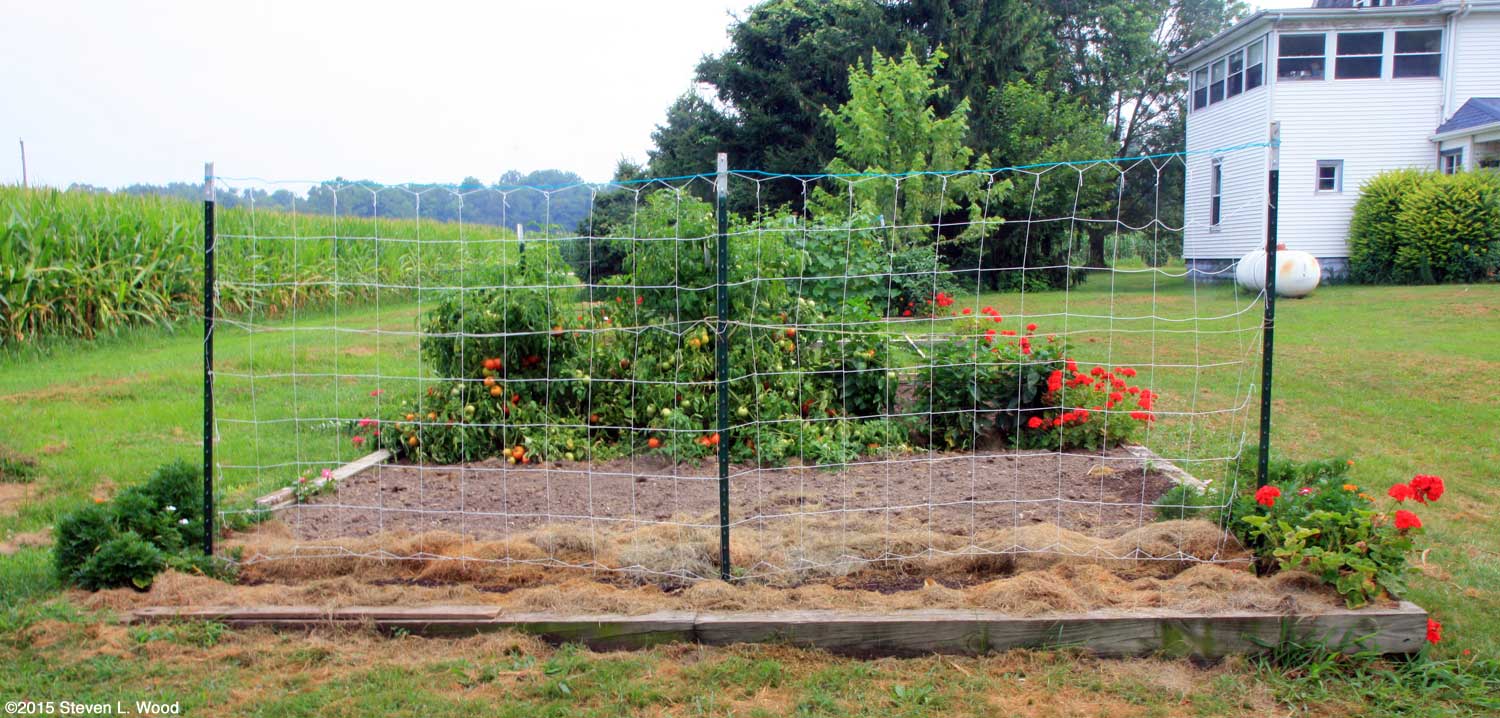
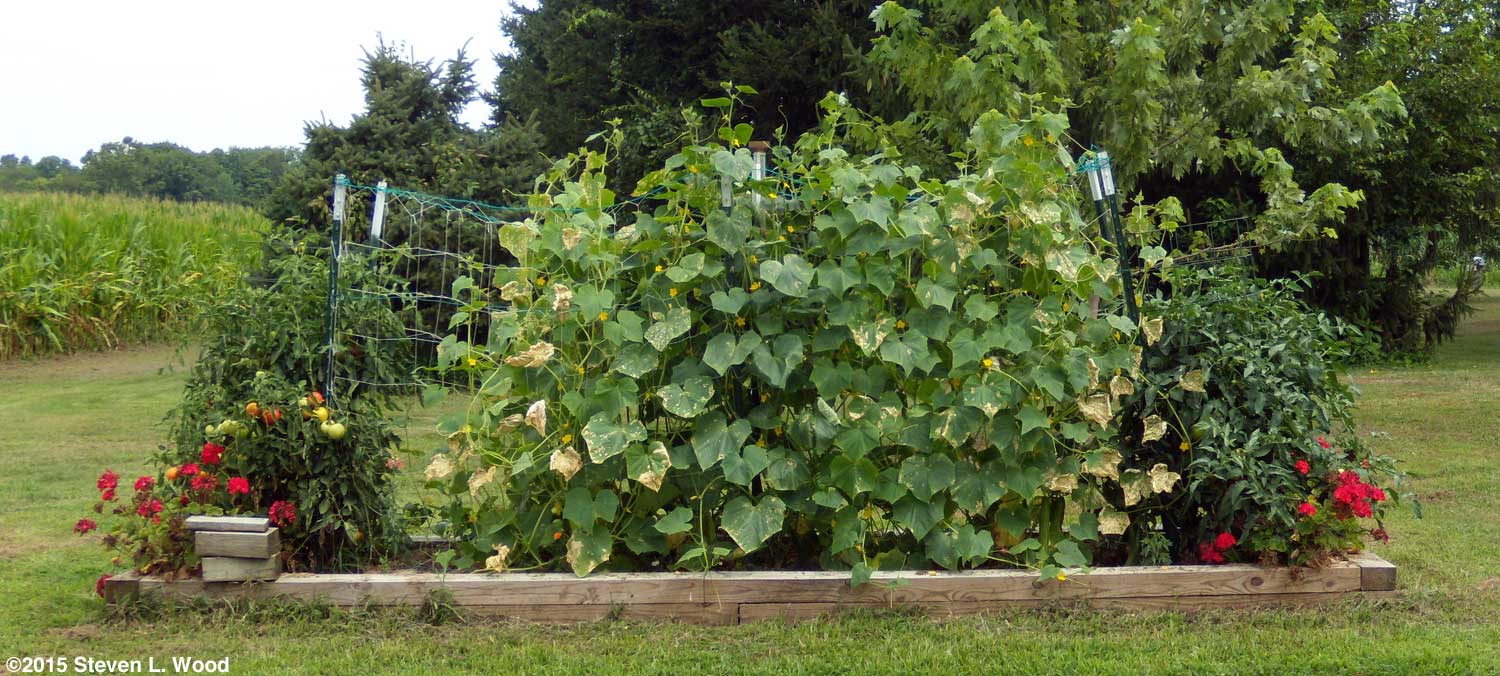
We had some terrific heads of broccoli and cauliflower. Our Premium Crop hybrid broccoli performed well for both main heads and sideshoots. Both the Fremont hybrid and the Amazing open pollinated varieties of cauliflower did well. One of our heads of Violet of Sicily cauliflower once again provided some great photos along with some tasty cauliflower. Violet of Sicily is an old, open pollinated variety. We made our first succession planting of the season on June 21. Having cleared our double trellis of tall pea vines, we transplanted Japanese Long Pickling cucumber plants and a few snapdragons between the trellises. Other than our row of Earlirouge tomatoes and Earliest Red Sweet peppers, all of our spring crops this year are short enough season to harvest, renovate the soil, and grow a fall crop on the same ground. The tomatoes and peppers, obviously, are full season crops. We sampled onions, garlic, and carrots as we waited for their main crops to mature.
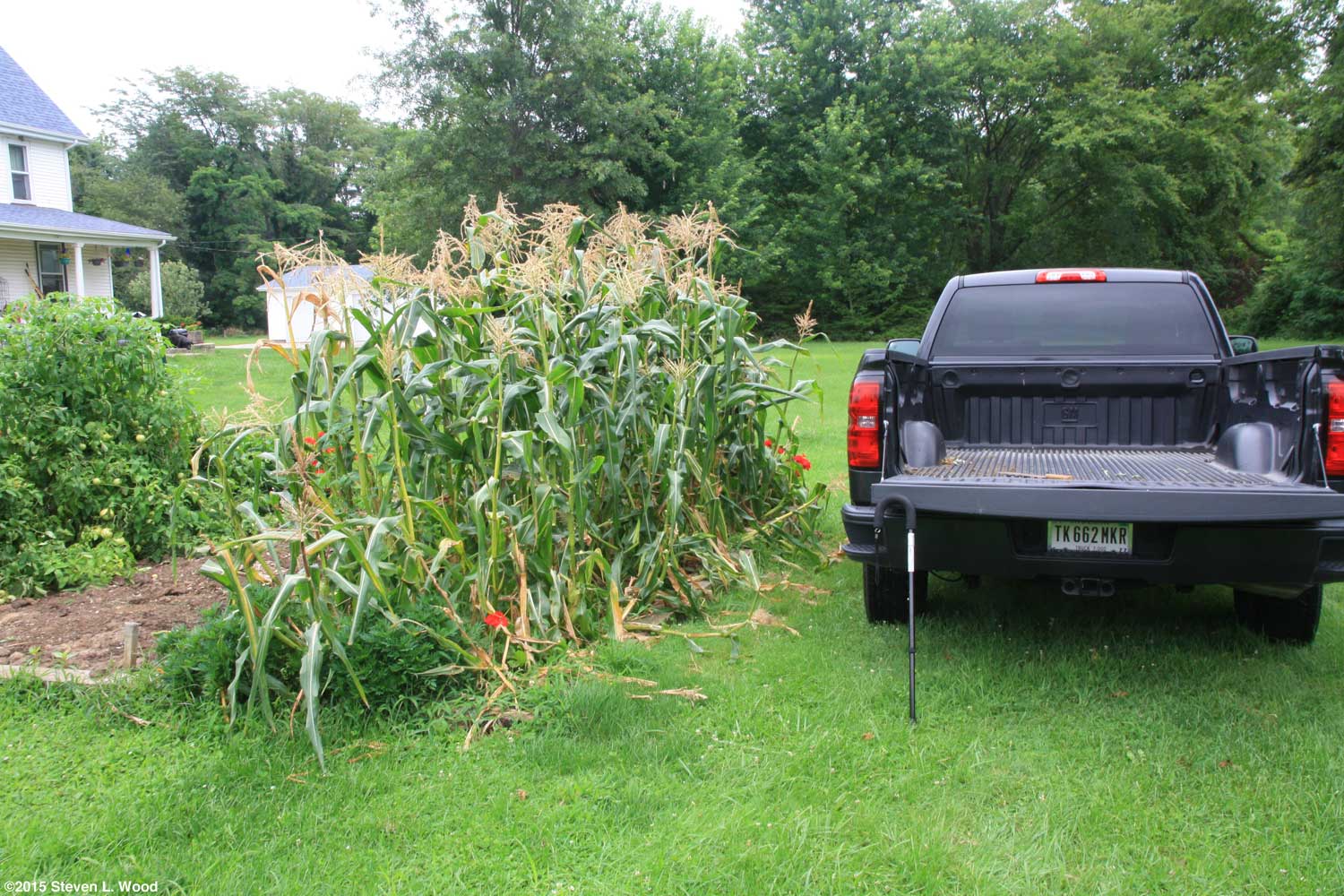
It's sorta hard to evaluate a new sweet corn variety with no corn to taste. We did learn that we could successfully transplant sweet corn, grow it in an intensive setting (spaced on one foot centers), and that the variety had good standability. We'll try the variety again next year when we can plant our East Garden again. There, deer have to cross a considerable amount of open territory to get to our corn and are usually detected by one or more of our dogs. |
|
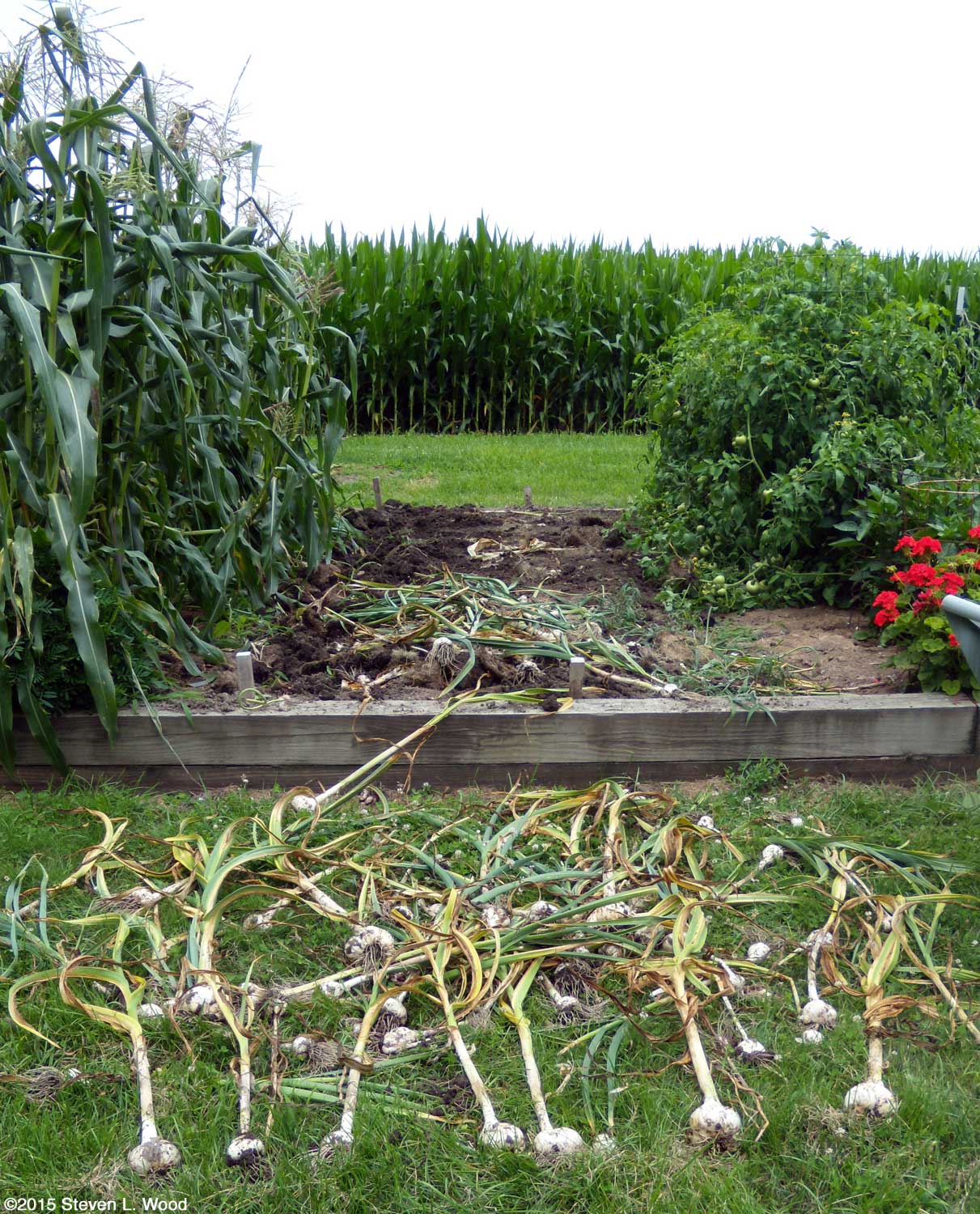
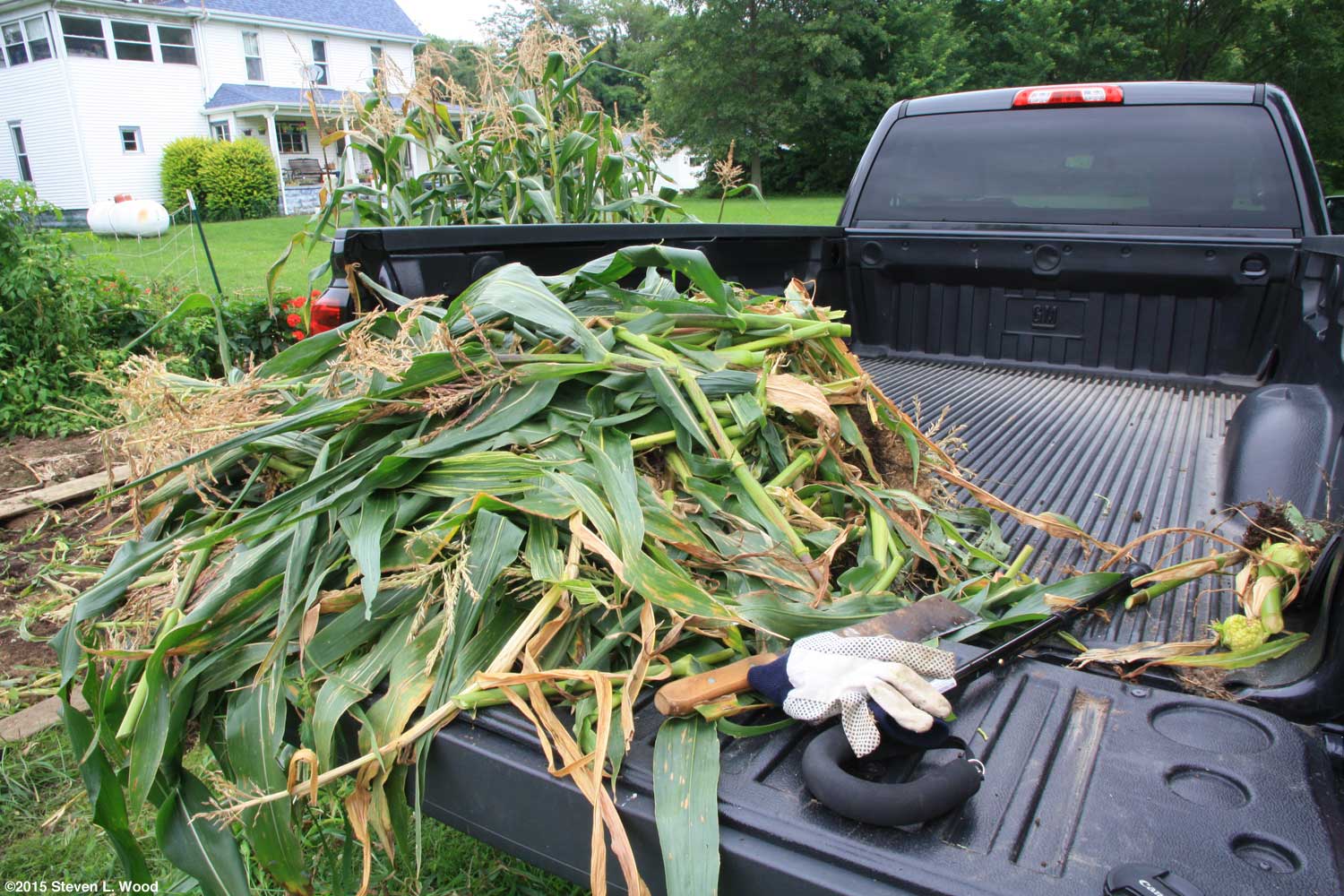
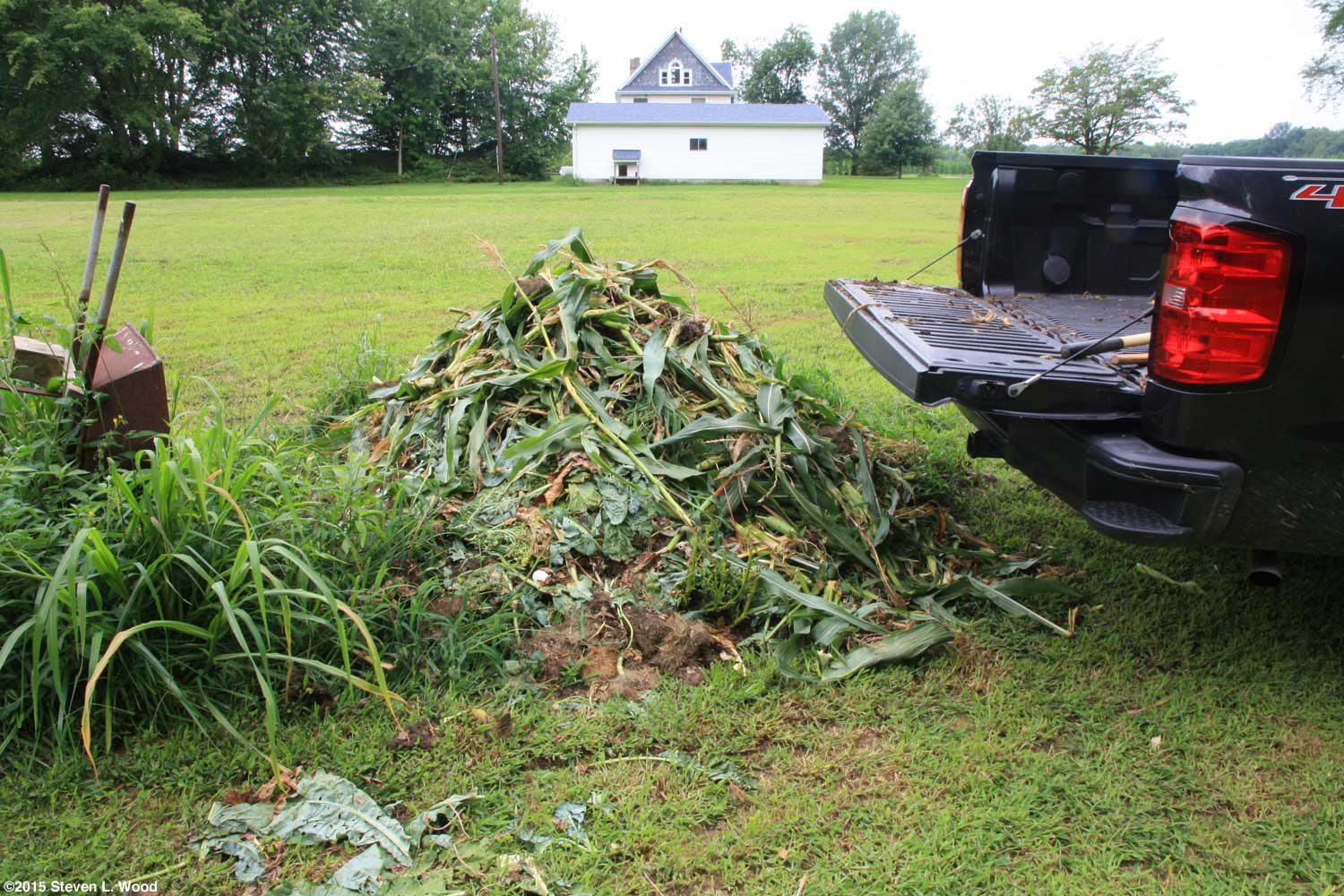
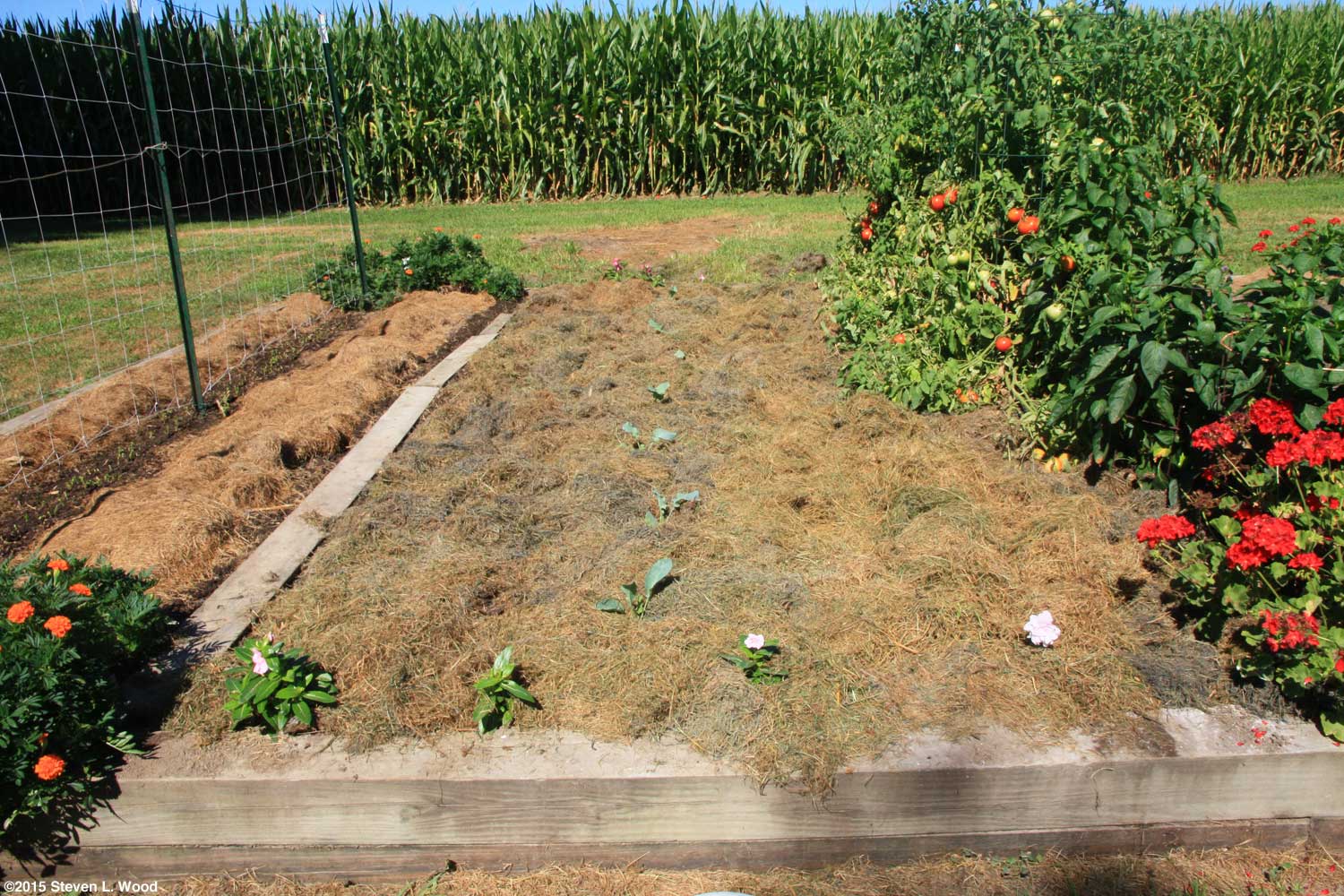
It took a few days for my hip to recover from the garlic digging. That turned out to be okay, as I messed around with filling in bare spots in our cucumber planting during the last rainy days we'd have for the month. By July 14, I was back at it, clearing one of our narrow raised beds of the remaining broccoli and cauliflower plants and plant parts in it. I'd planned to use the bed for our fall lettuce and carrots, but ended up diddling our garden plan a bit, allowing me to seed a cover/smother crop into the bed. With our rain for July over, I ended up having to lightly water parts of the bed the rest of the month to get a good stand of buckwheat that will be turned under as green manure sometime in August. I also began picking some of our mature Eclipse peas for seed. After a later picking of the Encore peas that grew along the same trellis as the Eclipse, we ended up with a nice seed crop to plant sometime in the future. Really getting into clearing our main raised bed, I removed, chopped, and composted the corn stalks from it on July 15. A change in pain medications earlier in the week enabled me to push a bit harder in the garden and even add an extra set of rehab exercises to my daily schedule.
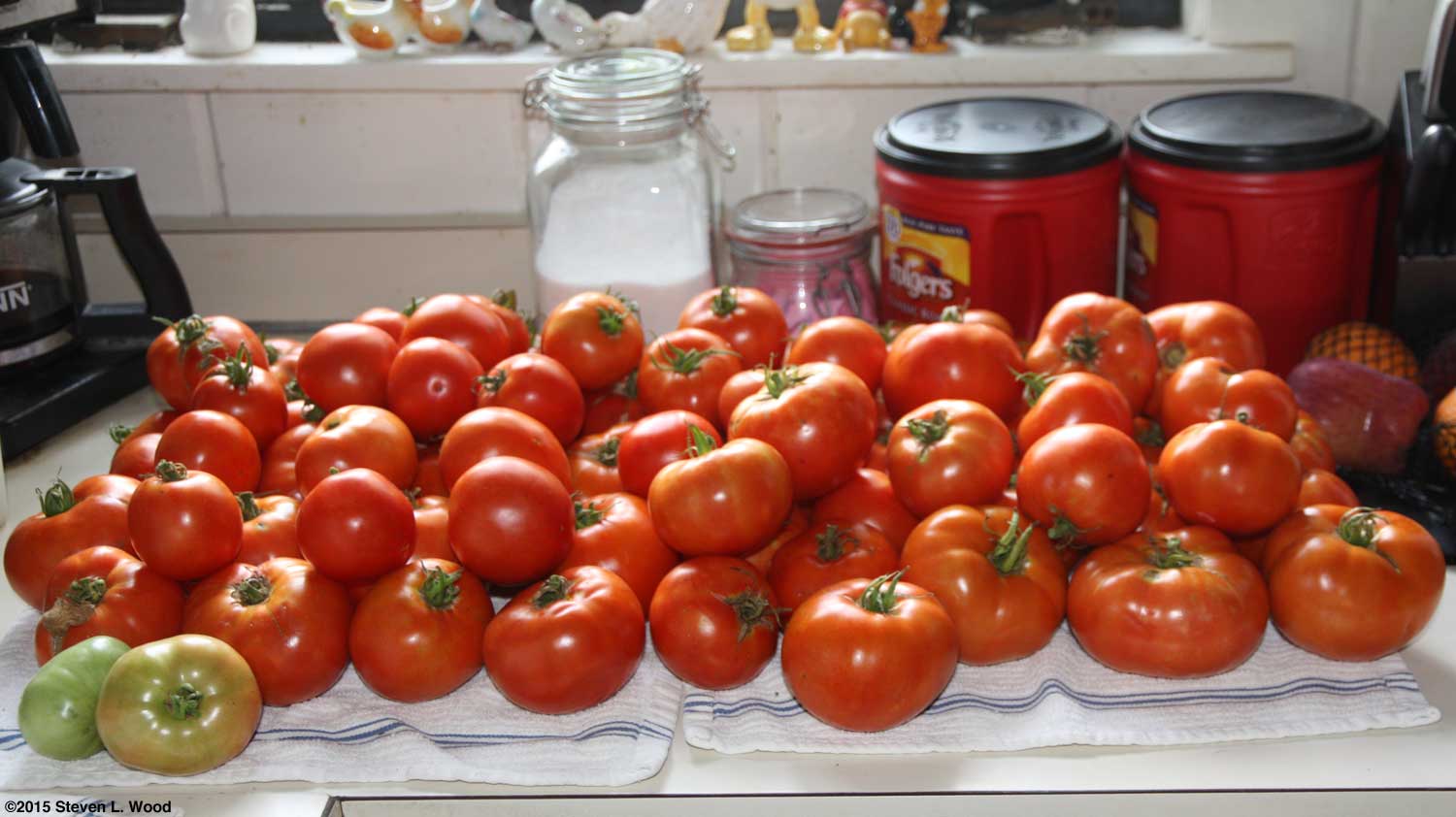
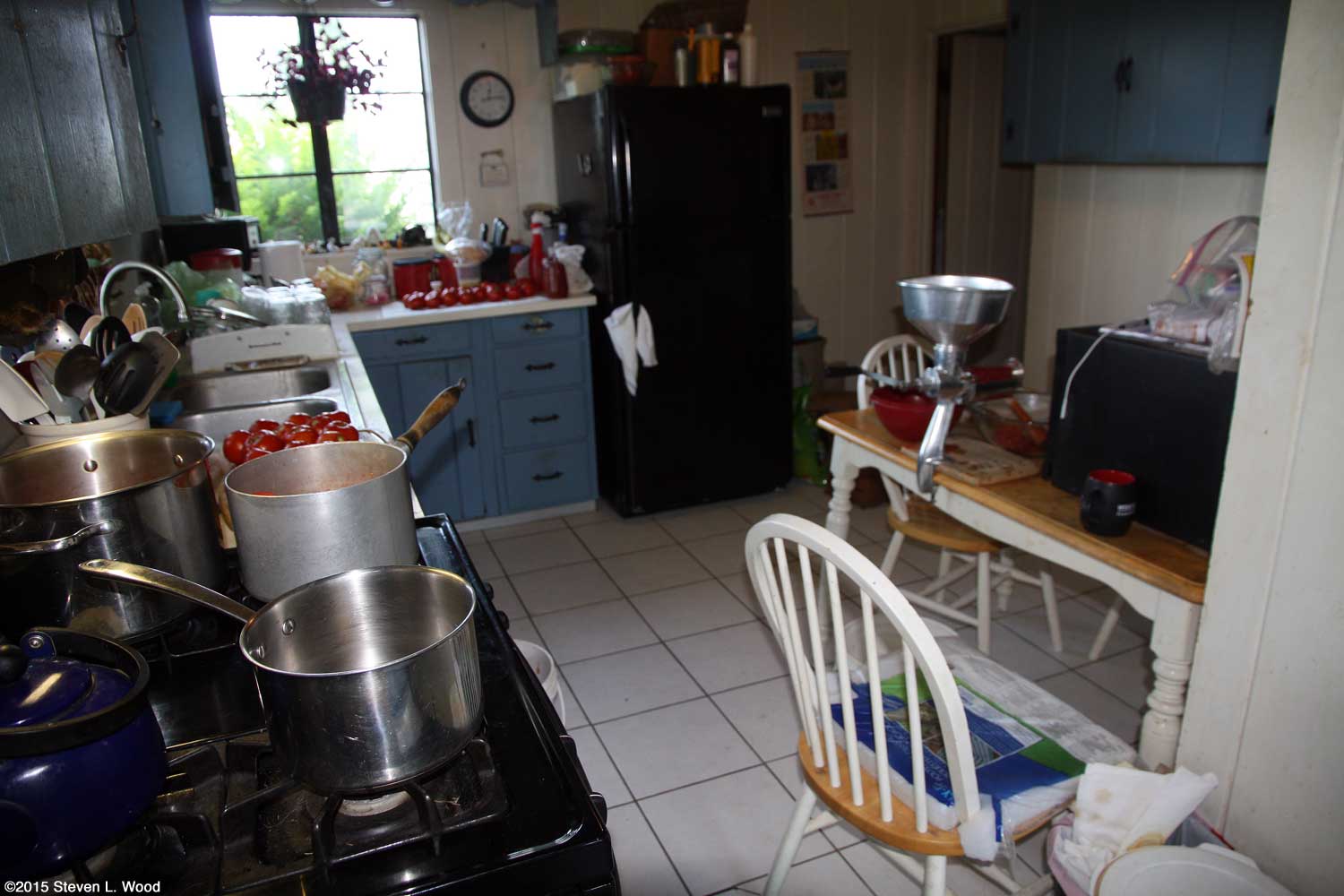
July 17 marked one of the events for us that most gardeners eagerly look forward to each season, the picking of ones first ripe tomatoes. We picked five or six ripe tomatoes from our Earlirouge plants, most of which got gobbled down by a granddaughter who loves tomatoes. Recently when my wife was driving with said granddaughter and popping Skittles to stay awake, our granddaughter suggested that it would be great if they made tomato flavored Skittles! We wouldn't have our first major picking of tomatoes until July 22, getting enough to can seven quarts of whole tomatoes with more to be shared at my wife's place of work. Before the month was out, we'd canned another seven quarts, with more tomatoes rapidly ripening on the vines.
We'd not grown the Earlirouge tomato variety on really good soil until this year. In previous years, the Earlirouge plants were grown in remote isolation plots or our East Garden, both with less than ideal soil. The response to good soil this year confirms our investment in time in growing the excellent, open pollinated, semi-determinate variety. We share seed of the Earlirouge (and the related Moira and Quinte) variety via the Seed Savers Exchange.
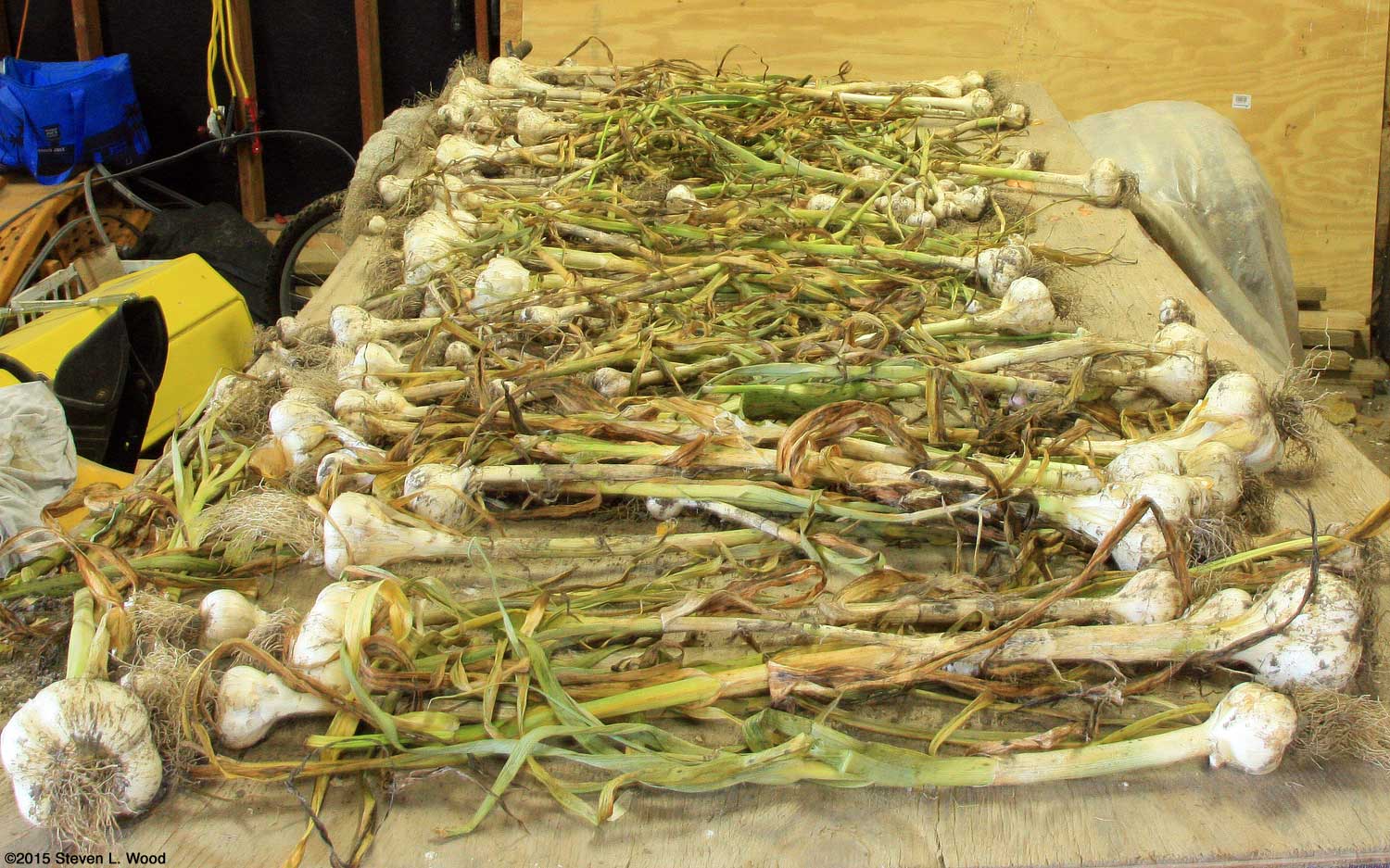
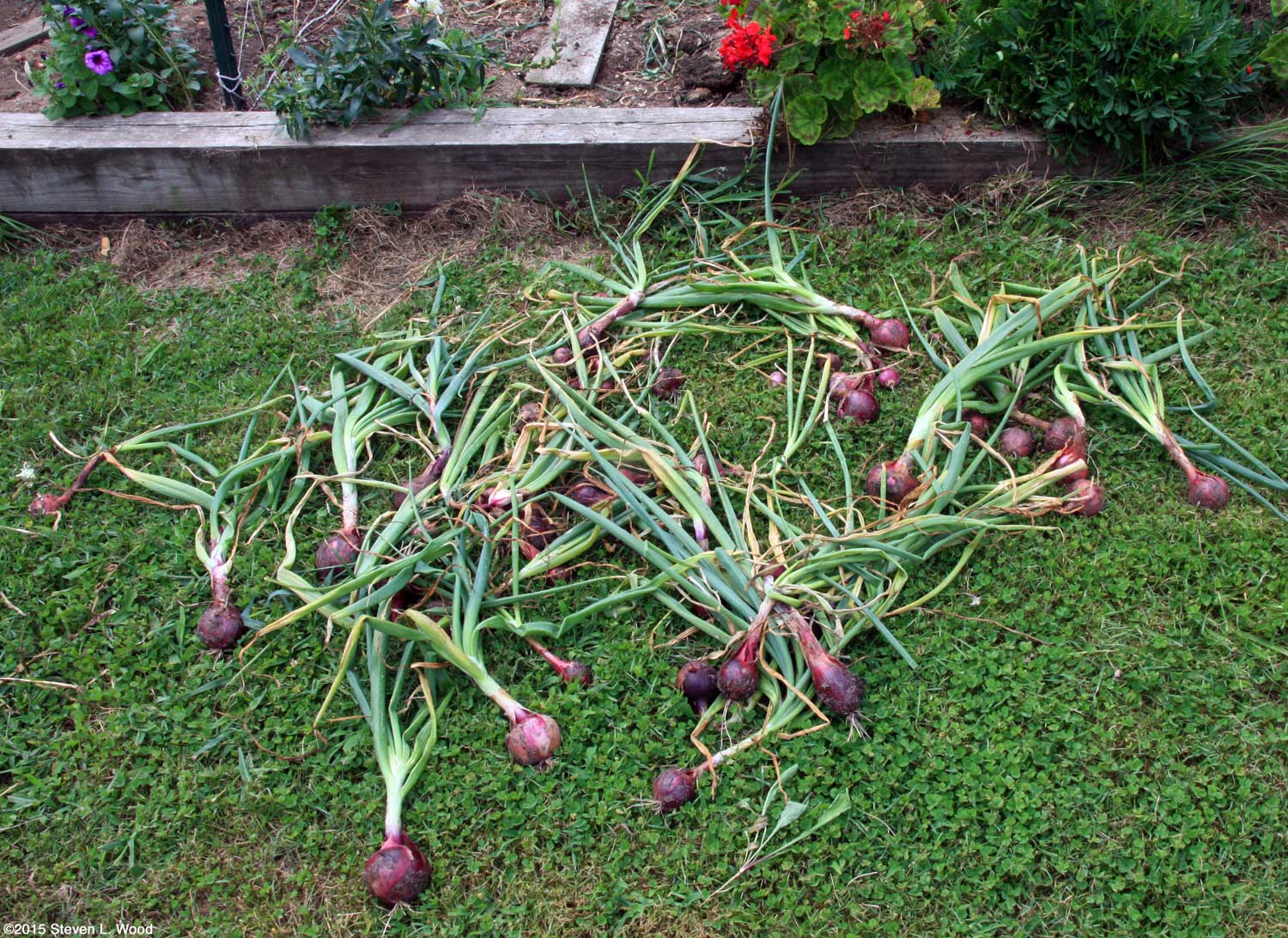
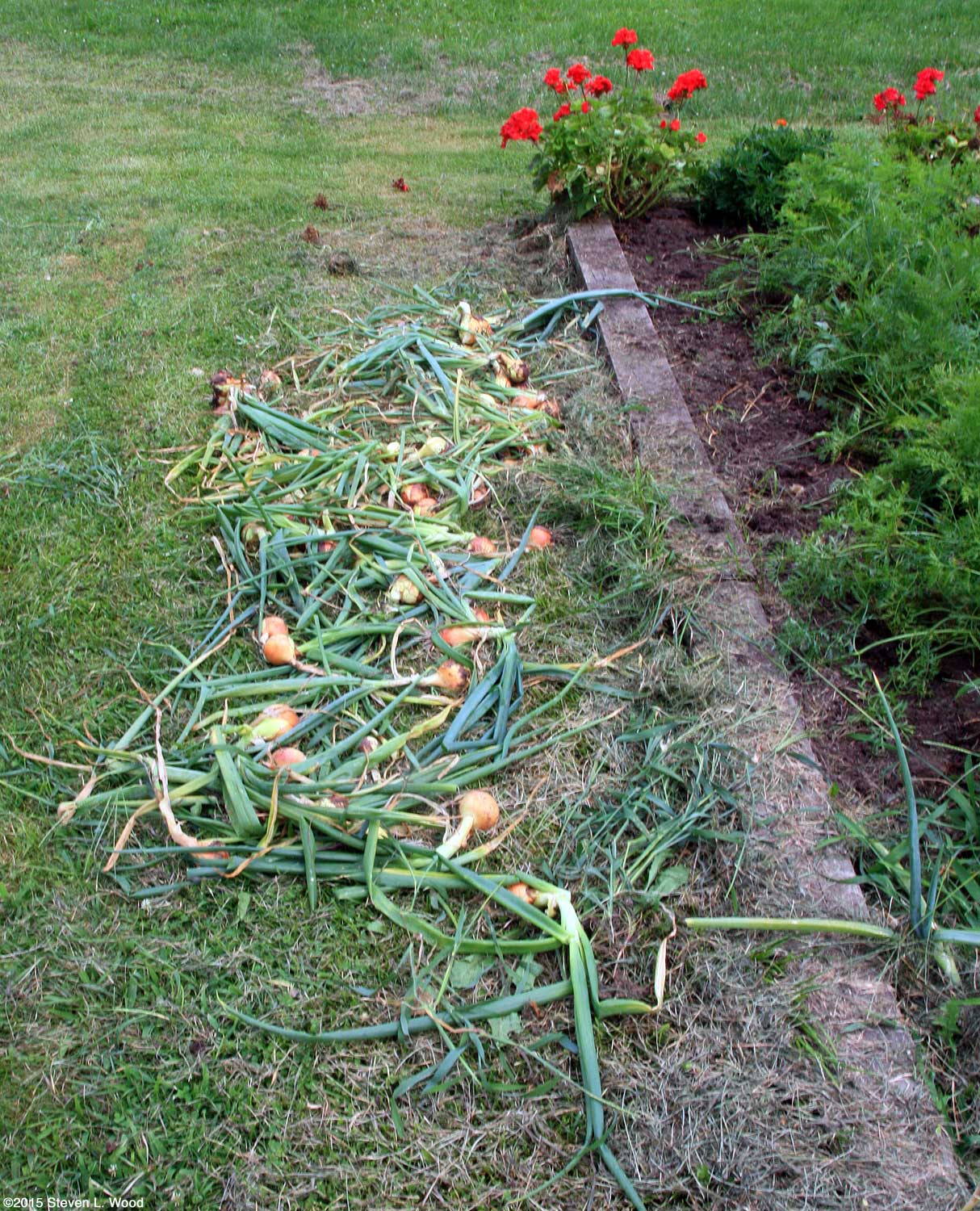
Most of our storage onions got pulled on July 17, with our sweet Walla Wallas getting an extra few days in the ground to mature. With our drying table in the garage still filled with garlic, the onions began the curing process on our back porch before being moved to the garage after the garlic was processed. We ended up storing about five pounds of red onions and a little over twelve pounds of yellow onions. Along with the five or six pounds of Walla Walla sweet onions, we should have plenty of onions on hand for winter use. As the Walla Wallas don't store well, they'll get used up first, seasoning canned green beans, Portuguese Kale Soup, and bread and butter pickles.
Our fall planting resumed on July 24 with a seeding of Sugar Snap peas. If we're lucky, they may have time to mature before frost ends our growing season. Planting into dry ground, the pea seed got soaked a bit before going into a well watered furrow.
With the short trellis out of the way, I was able to till the north end of our main raised garden bed in the next few days. That made our available ground all planting ready. Unfortunately, the ground was very dry, so I delayed any more plantings until I got through the daily waterings necessary to germinate our Sugar Snap peas. As I waited, I misdiagnosed some leaf damage on our Japanese Long Pickling cucumber vines as powdery mildew, spraying them with Serenade biofungicide to correct the problem. In just a couple of days, it was obvious that the problem was striped cucumber beetles. We lost about 20% of the leaves on the once beautiful vines before I sprayed to end the insect invasion.
By the end of the month, we were running out of growing days if we were going to get any fall brassicas or green beans. So even though we'd had no rain, I direct seeded kale and transplanted broccoli and cauliflower on July 31. I also seeded two rows of green beans into ground that was bone dry. Fortunately, our Sugar Snap peas had begun to break the soil surface by then, and I could redirect my daily waterings to the newly planted crops.
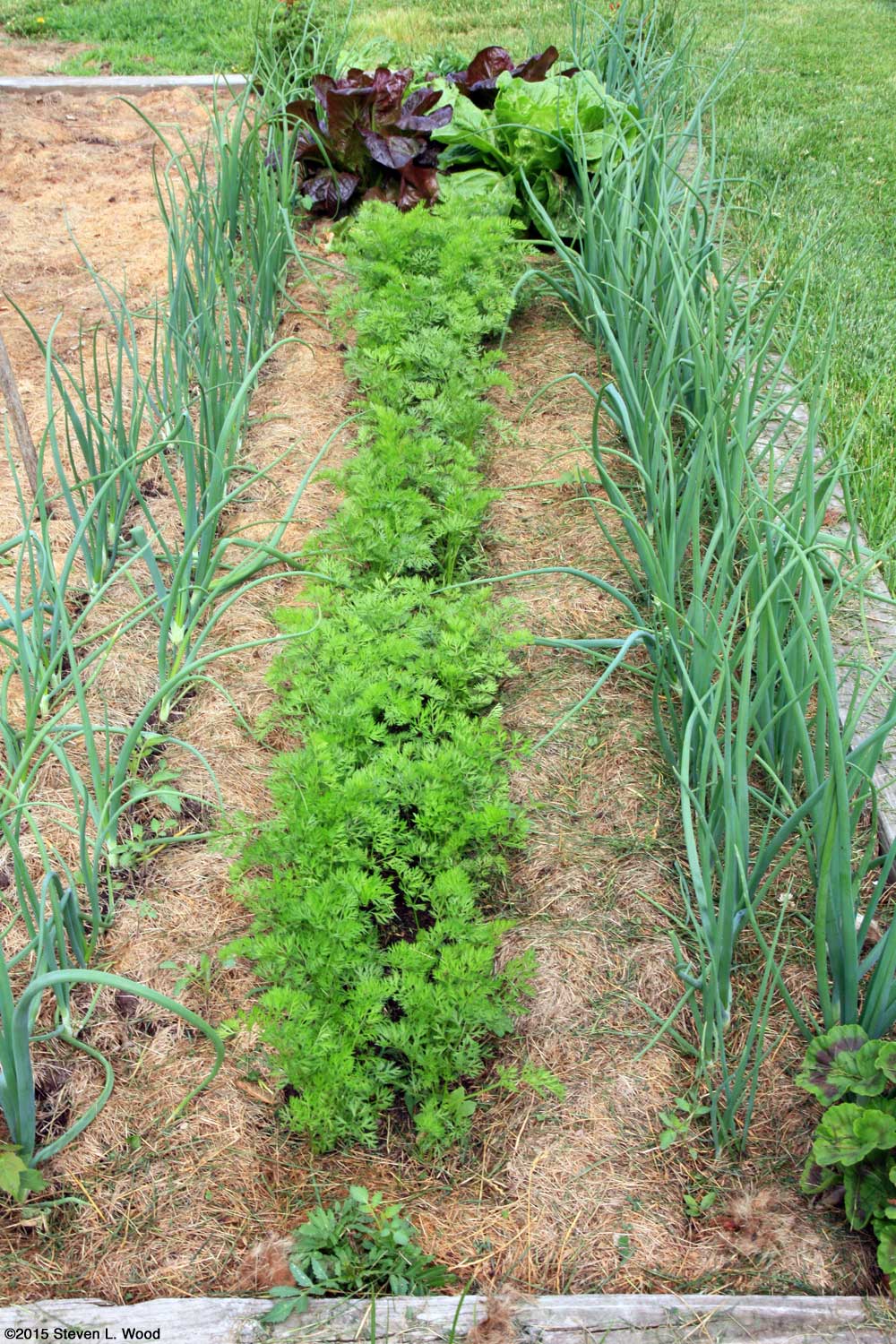
With daily waterings, our fall peas, kale, and green beans seeded at the end of July emerged in their rows. With them up and mulched, our fall carrots and spinach got direct seeded on August 5, a few days later than I really would have liked. The long row of spinach and the short (6') double row of carrots then required daily watering until they germinated and emerged. With walking boards laid over the carrot rows, they germinated a bit better than the spinach, but we got both up and going in some very dry weather. Our fall lettuce didn't get transplanted until August 17, as I was waiting for our transplants to mature and harden off a bit on our back porch. The lettuce benefitted by being planted near our struggling row of spinach. Hot, dry weather seemed to slow the spinach more than any of our other fall crops, so it got most of what watering we could do (along with the carrot rows). The lettuce managed to get wet from the watering of the nearby spinach row.
I was later glad I'd done this job, as the large picking necessary for it seemed to be the last concentrated set of tomatoes we got from our determinate plants. They continued to provide us with fresh tomatoes for table use and sharing with others, but never again ripened enough tomatoes all at once to encourage me to can them.
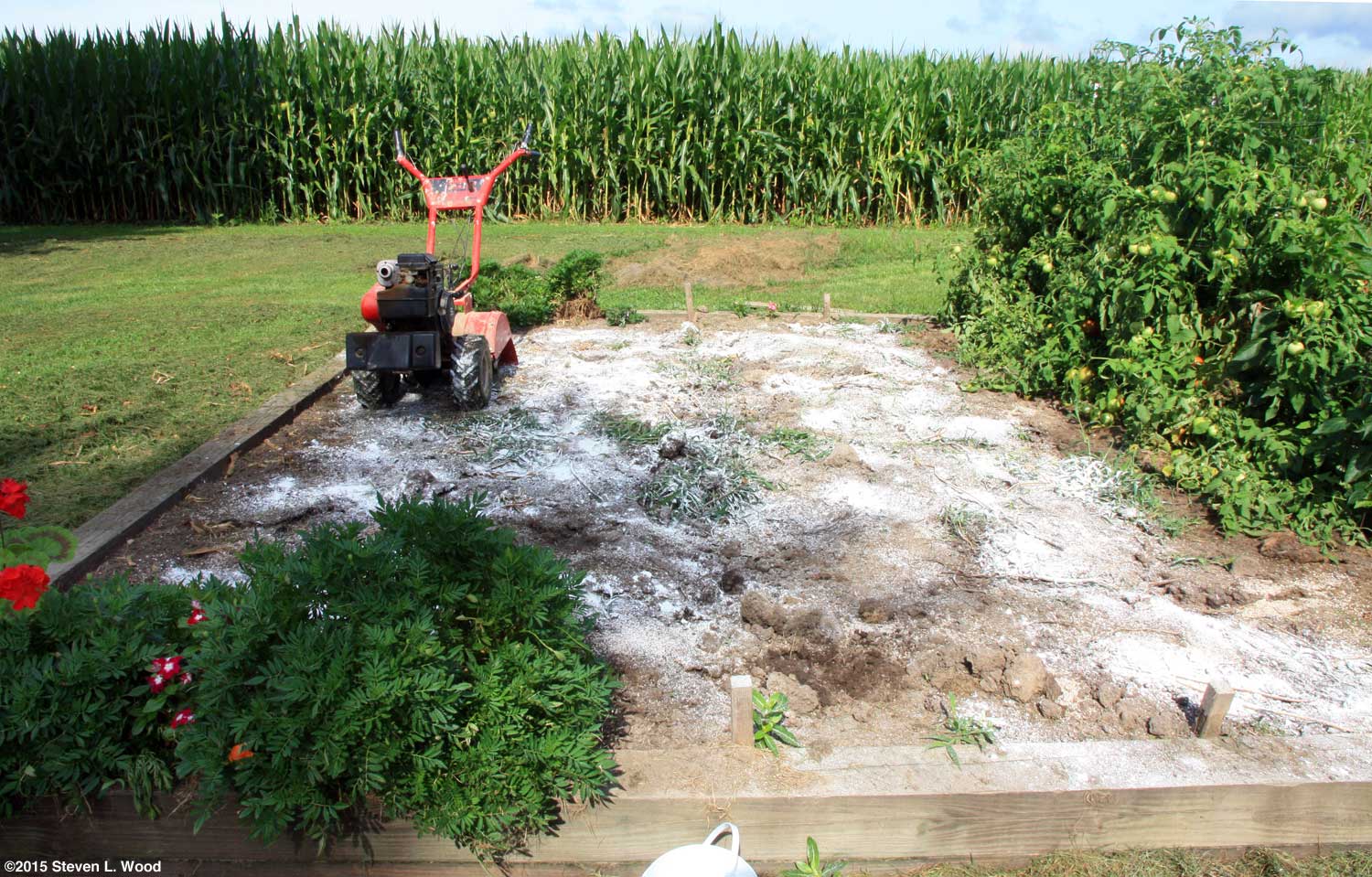
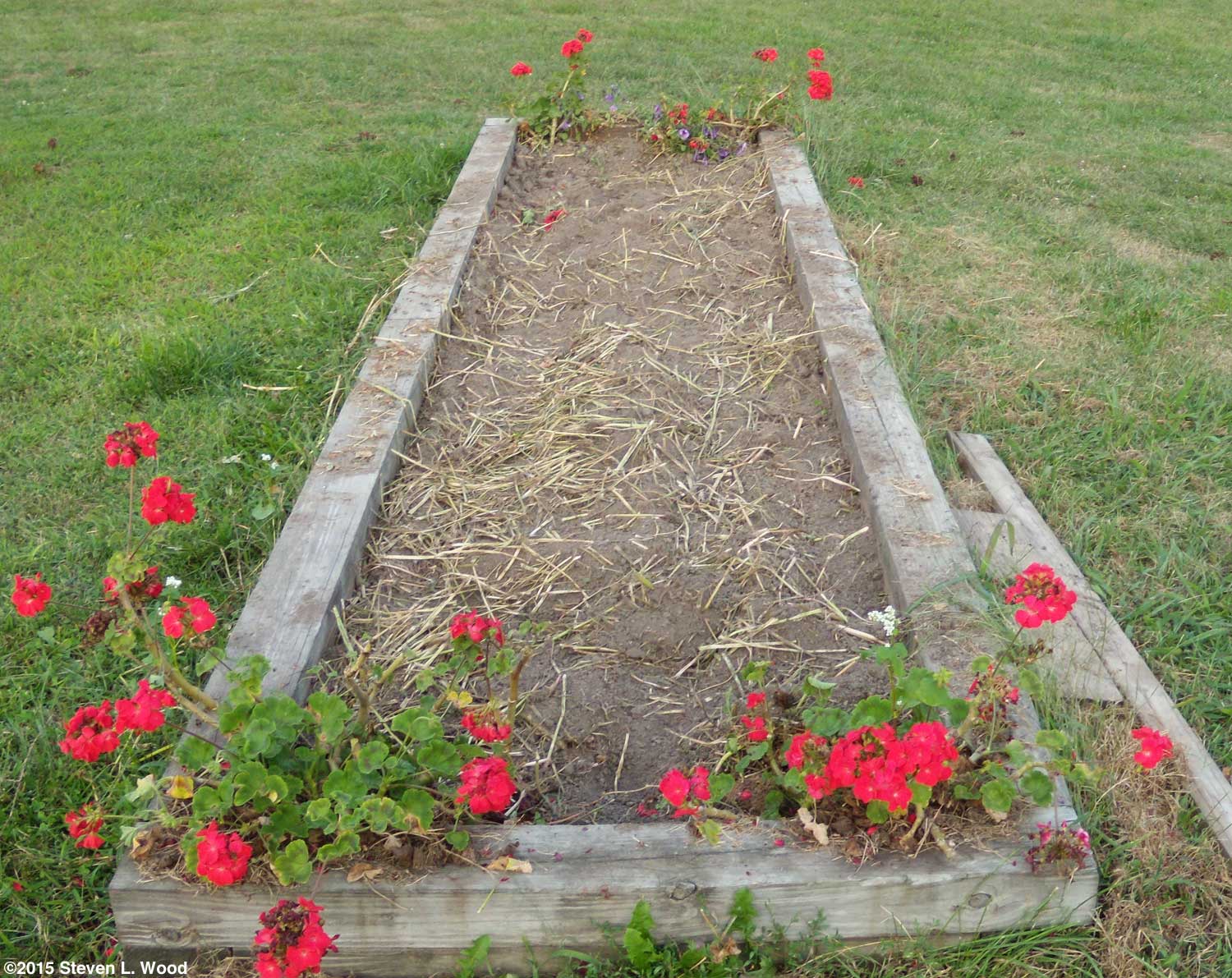
Lacking an appropriate tool (weedwacker)to cut the buckwheat, I used our hedge trimmers to cut the buckwheat on August 19. After letting the buckwheat trash lay on the soil surface and dry for a few days, I tried turning some of it under with a garden fork. Sadly, that proved to be too much for my recovering hip, so I eventually rototilled the buckwheat. The tilling left a lot of buckwheat trash still on the soil surface which I just let sit until mid-September when I prepared the bed for winter (and the next spring's crop). Seed saving in August was iffy. I wiped out a couple of batches of seed by getting the hot water treatment bath too hot for a few seconds and damaging those batches of seed. But we still got some good Earliest Red Sweet bell pepper, Earlirouge tomato, and Japanese Long Pickling cucumber seed, just not as much as I would have liked.
|
|||||||||||||||||
From Steve Wood, the at Senior Gardening |
| Affiliated Advertisers |
©2015 Senior-gardening.com